

Turn recordings into transcripts and summaries in minutes
Upload audio or video for multilingual transcription, AI notes, and action items
Two hours in a meeting, another two hours organizing meeting notes—this is the daily reality for most professionals.
Even more frustrating are Cantonese meetings: few transcription tools support Cantonese, and accuracy varies widely.
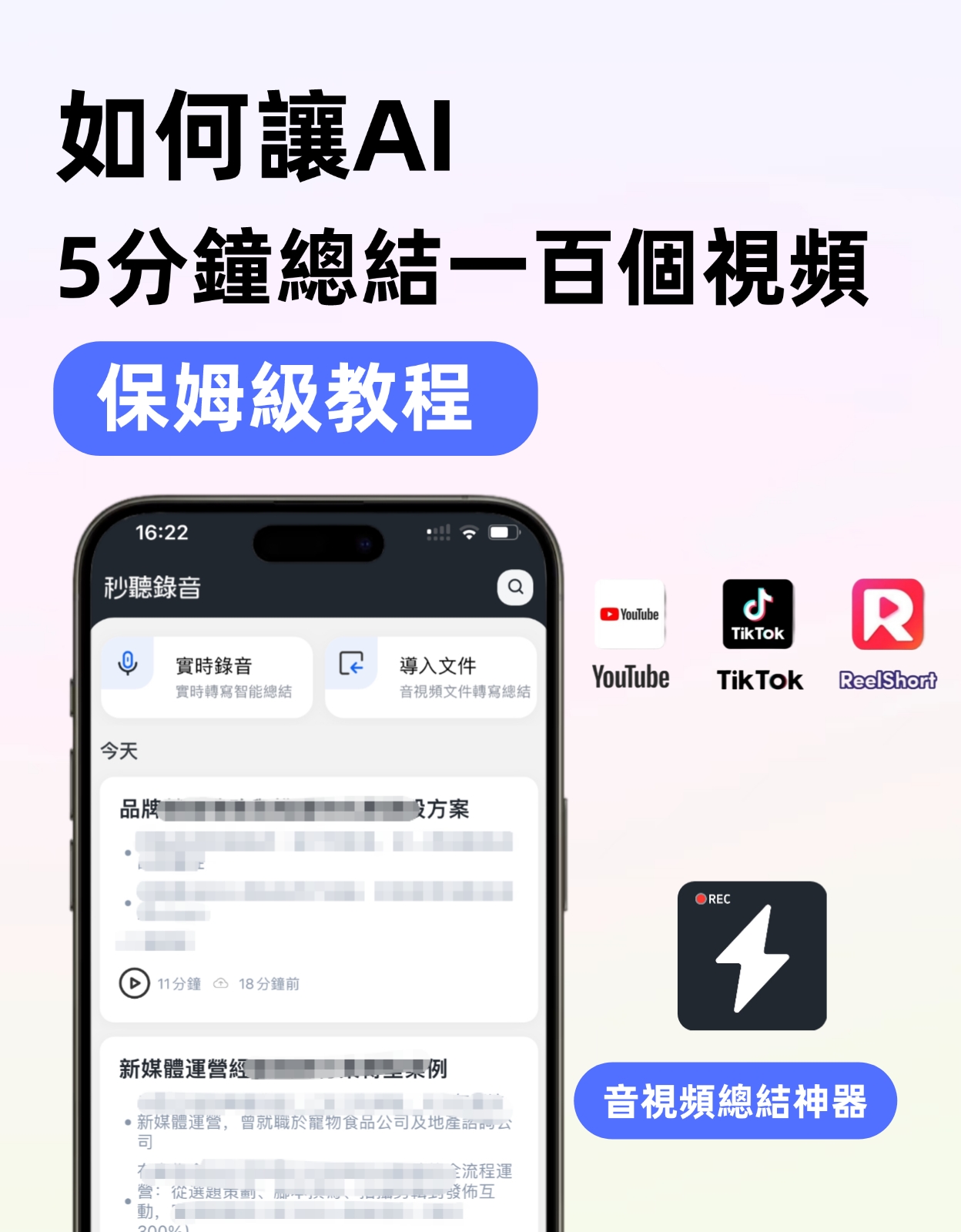
If you've faced these issues, this article is for you.
(Screenshot: Real-time transcription 1, arrow pointing to live transcription interface)
3 Key Points to Understand Before Choosing a Speech-to-Text Tool
Accuracy: Don't Just Believe the Official 98%
Look at the test conditions—was it in a quiet recording studio or a real meeting room? Our tests used real-world scenarios: 5-minute Cantonese news clips with background noise. That's where the real differences emerge.
AI Features: What You Can Do After Transcription
If you only use a transcription tool for "speech to text," you're using only a third of its potential. Auto-summarization, action item extraction, and even asking questions directly about the recording—that's where real time savings come in.
Cross-Platform: Record on Your Phone Today, Review on Your Computer Tomorrow
If your tool only supports iOS but you want to organize notes on a Windows laptop, it's painful. Cross-platform sync is a must, not a nice-to-have.
(Screenshot: Supports iOS, Android, and web version, arrow pointing to cross-platform icons)
Tinrec (Miao Ting) — Our Top Pick After Testing
Tinrec is an AI-powered voice assistant that supports 14 languages, covering iOS, Android, and web.
Open Tinrec during a meeting; it transcribes in real time. By the time the meeting ends, AI has already generated a summary and action items—who is responsible for what and deadlines—at a glance.
But what really impressed me is Tinrec's AI Q&A feature.
After recording, you can ask Tinrec, "Who mentioned the budget in the last meeting?" It doesn't just give keyword search results—it understands semantics and directly tells you the answer. Currently, few competitors in the same price range offer this.
We tested a 5-minute Cantonese news recording (iPhone 15, 26°C indoor, June 2026), and Tinrec's character error rate was 8.3%—the best performance among tools in its price class.
(Screenshot: AI Q&A 1, arrow pointing to AI answer interface)
Pros:
- Leading Cantonese accuracy: 8.3% character error rate, several percentage points lower than most tools.
- AI Q&A: The only tool that lets you ask questions about the recording content without manually scrolling through the transcript.
- Multiple input sources: Real-time recording, audio file import, even pasting a YouTube link—not limited to meetings.
Stop organizing recordings by hand
Upload audio or video and automatically get a transcript, summary, and action items
Cons: The free plan offers 100 minutes per month; heavy users need to pay. But for most people who attend 2–3 meetings per week, that's enough.
Best for: If you frequently record Cantonese content, want to use AI to find key points after recording, or switch between iPhone and Android—Tinrec is currently the best choice.
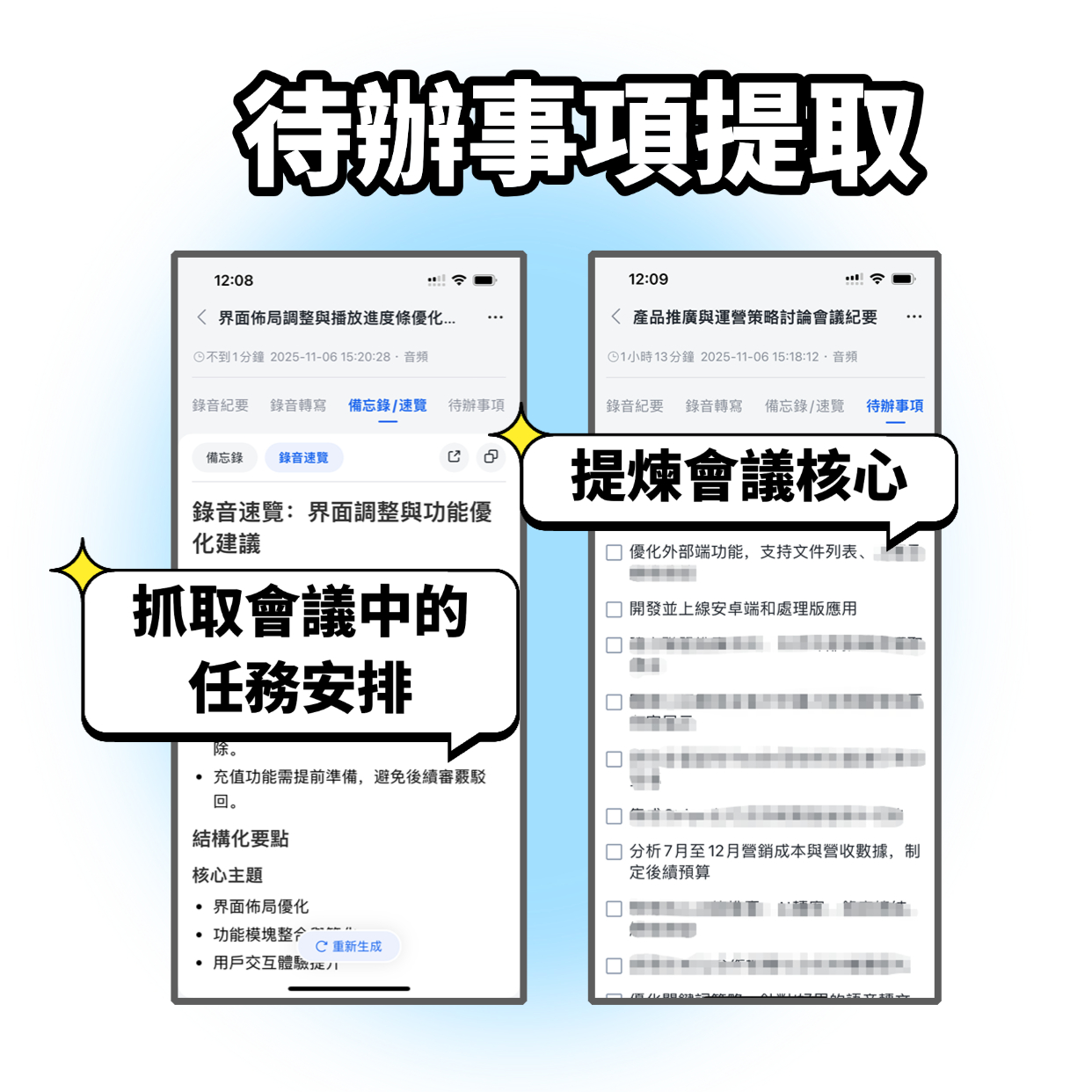
(Screenshot: Action item extraction 1, arrow pointing to to-do list)
Beyond Tinrec: What Other Options Are There?
Otter.ai: Best for English meetings, with a generous free tier of 300 minutes/month. However, it doesn't support Cantonese—if you mostly record English content, Otter.ai is a more cost-effective choice. But if you need AI Q&A, Otter.ai's AI Chat can only summarize, not deep-dive like Tinrec.
Notta: Great for multilingual transcription, with 120 minutes/month free and decent Pro plans. But its AI features are more focused on translation and subtitles—it lacks Tinrec's action item extraction and AI Q&A. If you just need fast transcription, Notta works; if you want to turn recordings into actionable knowledge, Tinrec is more complete.
Buyer's Guide: 3 Common Mistakes When Choosing a Speech-to-Text Tool
Mistake 1: Trusting the official accuracy claim. Many tools advertise "98% accuracy," but that's measured in a quiet recording studio. In a real meeting with air conditioning, keyboard clicks, and overlapping speech, accuracy drops significantly. Try a free trial with your own recordings—don't just believe the ads.
Mistake 2: Ignoring cross-platform needs. You might record on iPhone today and organize on a computer tomorrow—if the tool doesn't support cross-platform use, it's a headache. Tinrec's iOS+Android+web version is very practical.
Mistake 3: Buying the tool but not using its AI features. If you only use a transcription tool for "speech to text," you're using only a third of its potential. Tinrec's AI Q&A—just ask "What was the meeting's conclusion?"—is much faster than manually scrolling through a 30-minute transcript.
(Screenshot: AI Q&A 2, arrow pointing to query box)
Final Verdict: Which One Should You Choose?
If you need more than just a transcript—you want recordings turned into usable notes and action items—Tinrec is the top choice.
- Need bilingual Cantonese + Mandarin transcription → Tinrec (highest accuracy, 14 languages)
- Want to use AI to find key points after recording → Tinrec (only one with AI Q&A)
- Cross-platform use (phone + computer) → Tinrec (iOS+Android+web)
- Zero budget, English only → Otter.ai (the only exception)
We recommend downloading Tinrec's free version to try it out—100 minutes per month is enough for 2–3 meetings to see how it works. Upgrade if you like it; no need to pay upfront.
(Screenshot: Miao Ting meeting note summary, arrow pointing to export function)
Quick Start Checklist:
- Download the Tinrec app or open the web version.
- Record a meeting or upload an existing audio file.
- Check the AI summary and chapters to quickly grasp key points.
- Use the AI Q&A feature to ask the recording for specific details.
- Extract action items and turn them into a to-do list.
- Export to Notion, Google Docs, or integrate into your existing workflow.
Test it step by step, and you'll soon master this method—turning recordings from mere file storage into actionable knowledge.
Turn every recording into actionable outcomes
Get 60 free transcription minutes when you sign in. No credit card required.
Related Reading
You might also like
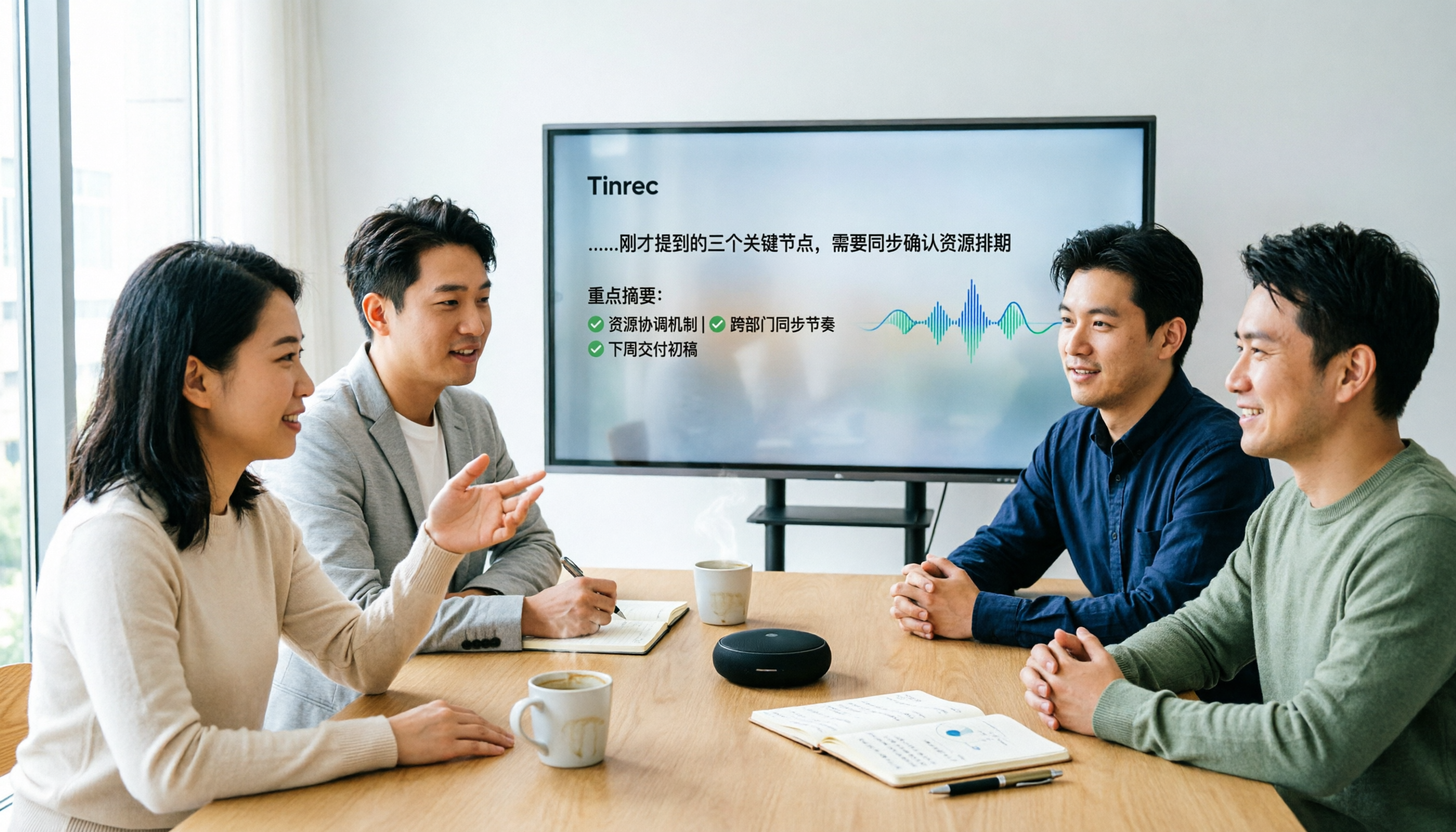
2026 Tinrec Meeting Transcription Guide: No-Bot Recording + Chinese Meeting Organization
How to choose meeting transcription software? This article compares Tinrec and Otter.ai across 5 key dimensions, from no-bot recording and Chinese meeting organization to post-meeting workflows and team spaces, helping you decide which is better for users in Taiwan.

2026 Smart Meeting Minutes Software Comparison: Which One Handles Chinese AI Summaries Best?
We tested 4 smart meeting minutes tools, covering Chinese speech recognition, AI summaries, online meeting recording, and team collaboration, to tell you if the free plans are enough and why Tinrec is the top choice for Taiwan teams.

2026 Meeting Recording Transcription Tools Compared: 3 Types Explained, Stop Just Saving Transcripts
How to choose a meeting recording transcription tool? This article uses Tinrec as an example to compare three types: pure transcription, AI meeting assistants, and recording hardware, and helps you make a purchasing decision from four aspects: accuracy, value-added features, cross-platform support, and team collaboration.

2026 Free Meeting Recording to Text Solutions: 4 Tools Compared
Stop working overtime on meeting notes! This article compares four free solutions—Tinrec, CLOVA Note, Yating, and Otter.ai—to help busy professionals find the most time-saving AI meeting assistant.

2026 Test Comparison of 4 Meeting Transcription Tools: Top Picks for Chinese Meetings and Team Collaboration
This article compares four meeting transcription tools—Tinrec, Otter.ai, Notta, and Granola—across recording methods, Chinese accuracy, post-meeting organization, and team collaboration, to help you find the best fit for office workers in Taiwan.
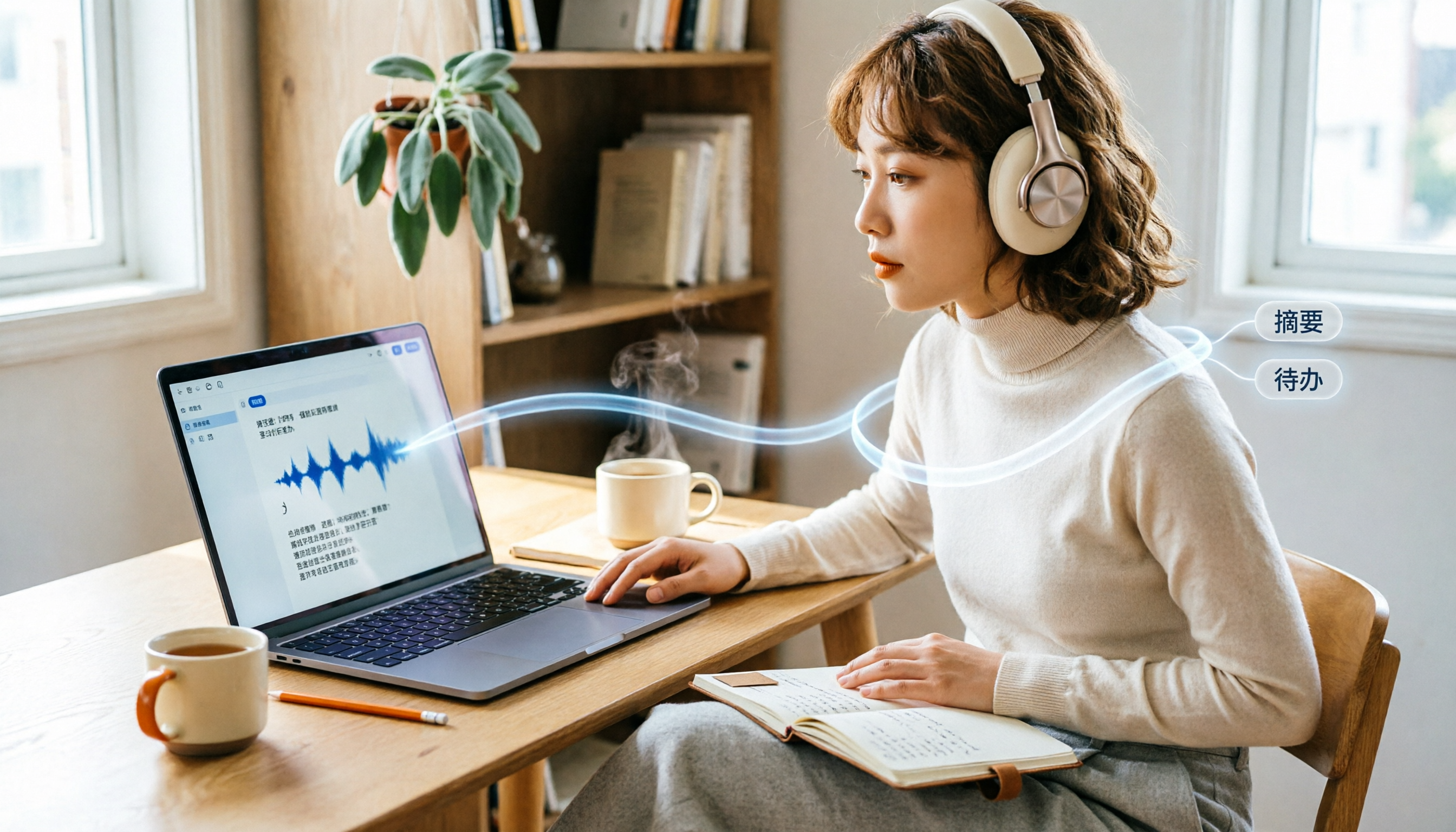
2026 Free Meeting Transcription Solutions: 3 Options Compared
Meeting transcription doesn't have to cost money. This article uses Tinrec as an example to outline 3 free or low-cost options, showing how to turn meeting, interview, and course recordings into transcripts, summaries, and to-dos quickly, and highlights 4 key factors to consider when choosing a tool.

2026 Free Meeting Transcription Solutions: A Side-by-Side Look at 2 Tools
Compare the free plans, recording methods, organization depth, team collaboration, and Chinese-language experience of Tinrec and Notta to quickly decide which is better for turning meeting recordings into searchable, actionable transcripts.
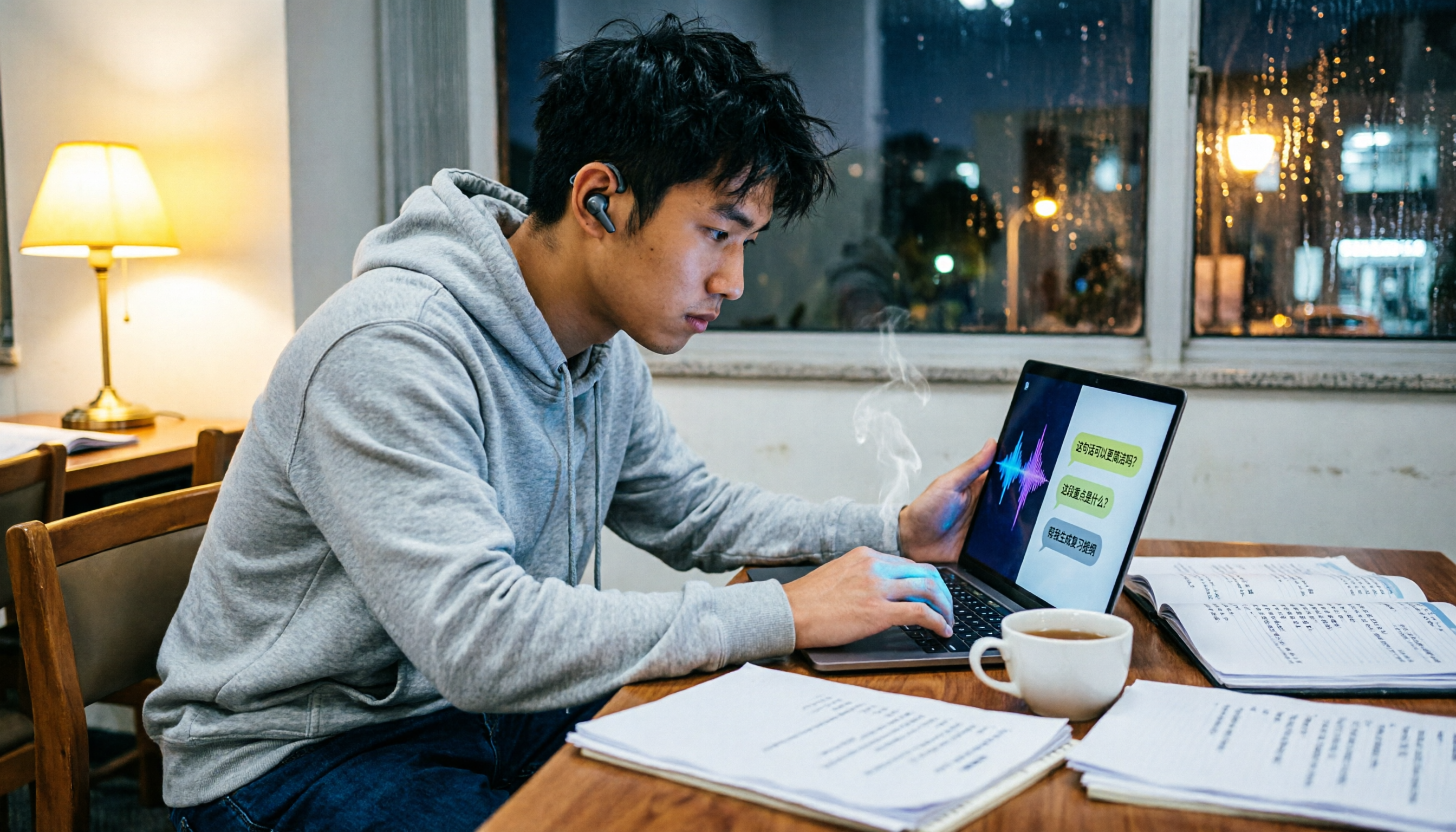
2026 AI Meeting Note Tools Compared: Which One Do Students Recommend Most?
Struggling to organize lecture recordings before finals? This student-perspective review tests Tinrec and Otter, covering Chinese speech recognition, bot-free recording, AI Q&A, and free tiers to help you decide which tool fits Taiwan students best.

2026 Hands-On Comparison of 4 Meeting Transcription Tools: Is Tinrec AI Notes Best for Office Workers?
Spending two hours in a meeting and another two hours organizing the notes? This article tests four meeting recording transcription tools—Tinrec, Otter.ai, Notta, and PLAUD—covering Cantonese accuracy, AI features, cross-platform support, and team collaboration to help you pick the most time-saving solution.