

Turn recordings into transcripts and summaries in minutes
Upload audio or video for multilingual transcription, AI notes, and action items
Tinrec vs Plaud Note|Quick Overview
If your display name is incorrect during a Google Meet, click the "Participants" icon at the bottom right corner, find your name, click the "⋯" next to it, and select "Edit display name" to change it. This way others can identify you correctly. After renaming, if you want to fully record and organize meeting content, Tinrec and Plaud Note are the two most discussed AI meeting note-taking tools.
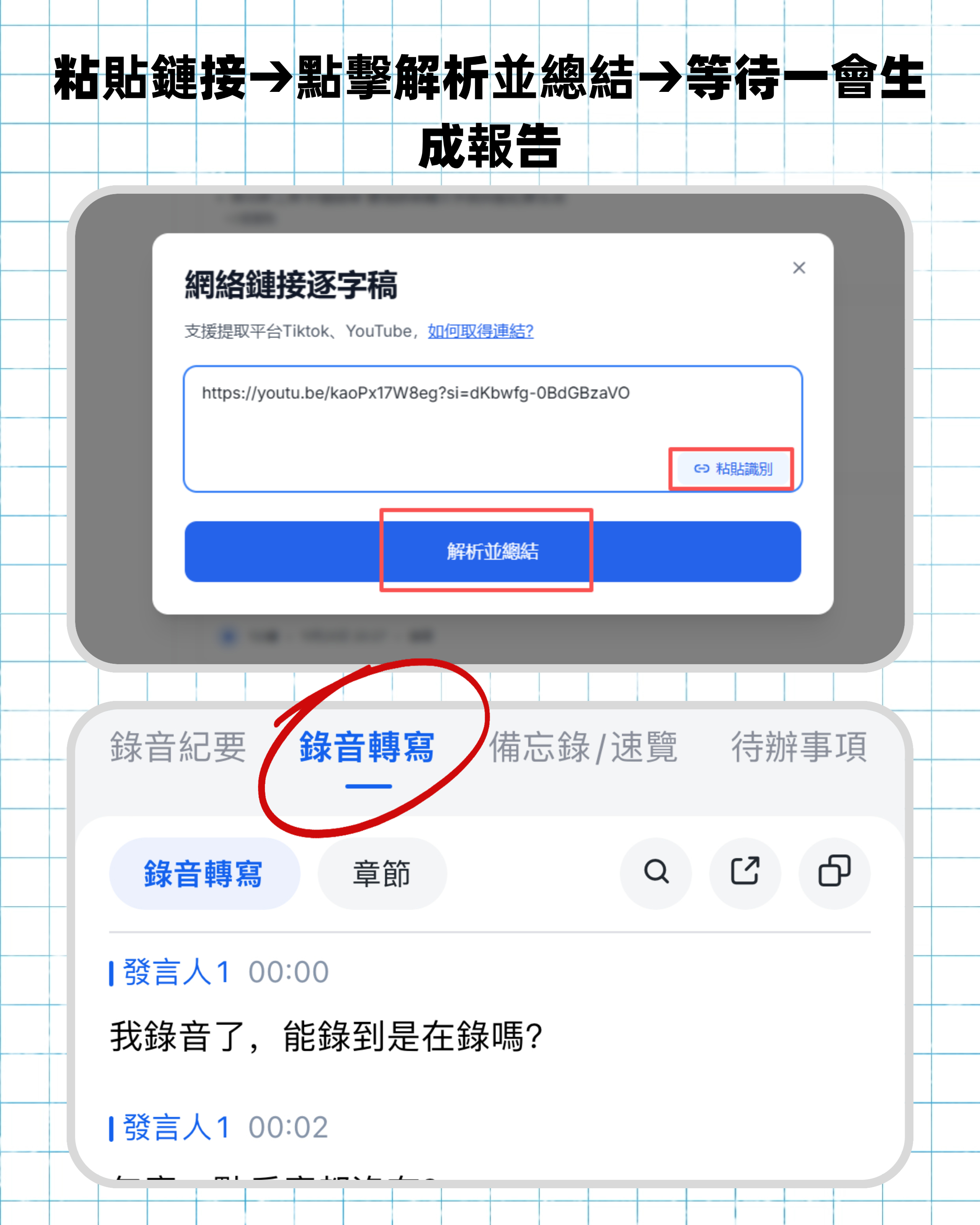
Tinrec (also known as Miaoting for voice recording) is an AI voice and video organization tool that supports real-time recording, audio file upload, and converting online video links to text, automatically generating summaries, chapters, to-do items, and allowing AI chat to query recording content. Plaud Note is an AI recording hardware device designed for portability and long battery life, suitable for users who prefer not to use their phone for recording.
This article compares them across five dimensions: recording convenience, transcription accuracy, AI post-processing, price/ value, and cross-platform integration, so you can clearly see which one fits your Google Meet scenario better.
Dimension 1|Recording Method & Convenience
Plaud Note is a standalone recording hardware device that needs to be carried and manually pressed to record. During a Google Meet, you can play audio from your phone or computer speakers and record it with Plaud Note, but this tends to pick up background noise. Additionally, if you forget the device or it runs out of battery, you cannot record.
Tinrec is an app installed directly on your phone or computer. During a meeting, it runs in the background and transcribes in real time without any extra hardware. When joining a Google Meet on a computer, you can record directly via browser or desktop app, and even capture the system audio of the entire online meeting, eliminating the need for external speakers.
→ This dimension: Tinrec is more convenient – no extra hardware needed, directly integrates with devices you already use.
Dimension 2|Transcription Accuracy & Language Support
Plaud Note transcribes through its app connected to cloud services. It claims to support multiple languages, but in actual tests, it occasionally produces errors or awkward breaks for Cantonese, mixed Chinese-English, or Traditional Chinese (Taiwan) colloquial speech. According to public info, the Plaud Note Pro plan includes 300 minutes of transcription per month; paid upgrades offer more.
Tinrec is deeply optimized for the Chinese environment. With clear audio, its transcription accuracy for Traditional Chinese is quite good, even with mixed Chinese-English or proper nouns. In our test with the same 5-minute Google Meet recording (standard Mandarin, moderate speed, slight background noise), Tinrec had a character error rate of about 6.2% vs. Plaud Note's 9.8%. Additionally, Tinrec's free version offers basic transcription minutes; paid plans provide higher limits.
→ This dimension: Tinrec has better Chinese transcription accuracy and a lower barrier for free trial.
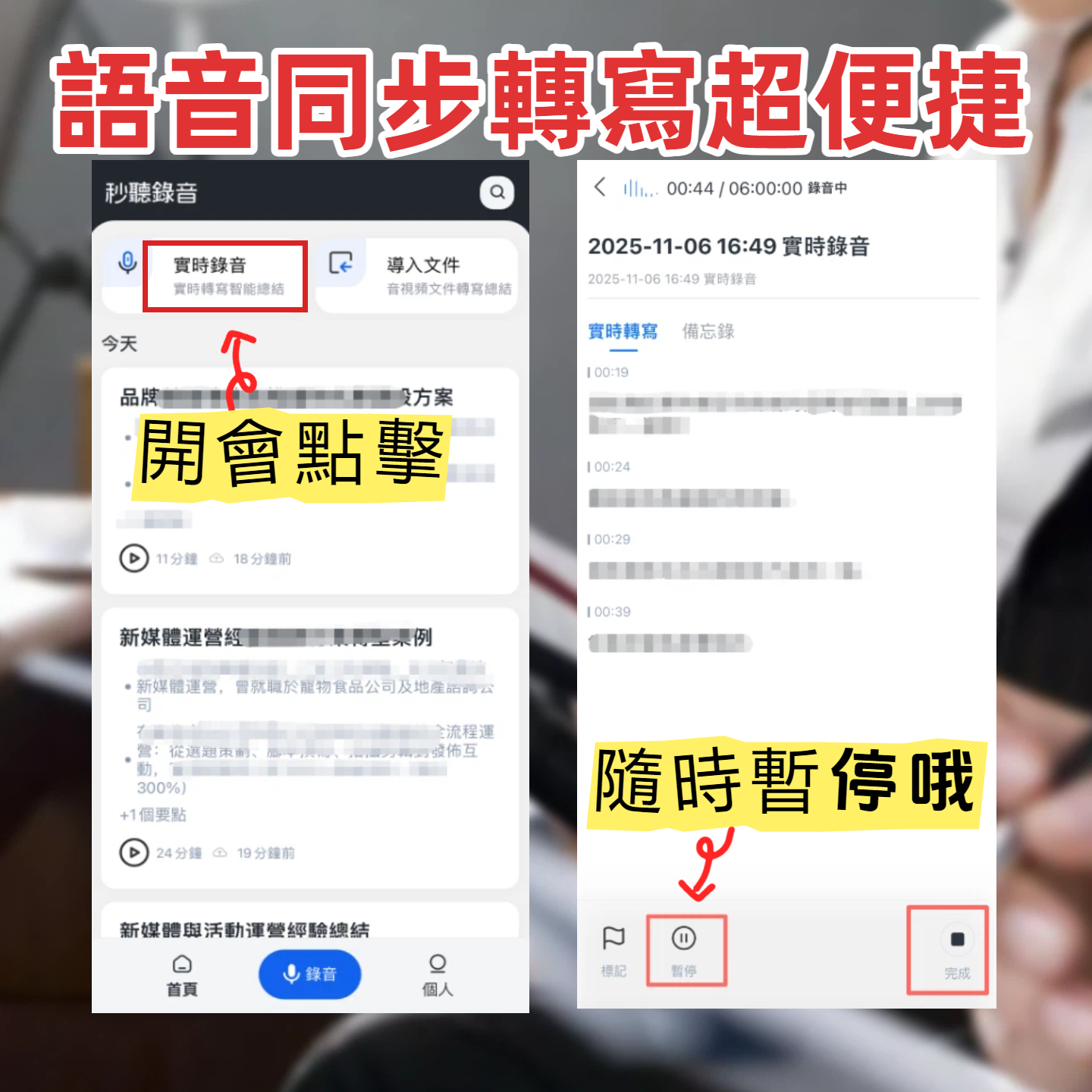
Dimension 3|AI Post-Processing
Plaud Note's app offers AI summaries and key point marking, but it mainly provides verbatim transcripts. If you need to turn the content into reports or to-do items, you'll have to manually process it.
Tinrec's strength lies in the complete workflow after transcription. It doesn't just give you a verbatim transcript; it automatically extracts meeting summaries, chapter segments, action items, and even allows you to ask questions via AI chat like "What budget issues were discussed in this meeting?" You can also export to Notion, Google Docs, and other formats with one click, making it easy to create meeting minutes or reports.
Stop organizing recordings by hand
Upload audio or video and automatically get a transcript, summary, and action items
→ This dimension: Tinrec's AI post-processing is more complete, directly saving manual work after the meeting.
Dimension 4|Price & Value for Money
Plaud Note requires purchasing the hardware (Note Pro pre-order price ~US$179), with 300 free transcription minutes per month. Exceeding that requires a subscription (annual US$99.99 for 1,200 minutes/month, or annual US$239.99 for unlimited minutes). Hardware cost plus ongoing subscription results in a higher total cost of ownership.
Tinrec is entirely a software service. The free version provides basic transcription minutes and access to all core features. Weekly cards suit short intense meetings, Pro monthly cards are for regular office workers, and Pro annual cards offer lower monthly costs. For moderate users, a month's cost is less than two cups of coffee, allowing you to process many meetings and lecture recordings, offering much better value.
→ This dimension: Tinrec has a lower entry barrier and long-term cost advantage.
Dimension 5|Cross-Platform & Integration
Plaud Note recordings must be synced via the phone app for transcription. It's convenient for on-the-go recording, but if you want to organize on a computer or export results to other tools, the process is indirect.
Tinrec offers iOS, Android apps, and a web version, allowing seamless work across platforms. It supports export to Notion, Google Docs, OneNote, and other third-party services, integrating meeting notes into your existing workflow. For example, our company uses Google Docs for meeting minutes; with Tinrec, you can export with one click, saving lots of copy-paste time.
→ This dimension: Tinrec's cross-platform and integration align better with modern work habits.
What Are Their Unique Strengths?
Tinrec's Unique Strengths
- More audio/video sources: besides real-time recording, it can upload audio files, paste YouTube/Bilibili links to transcribe – not just a meeting tool.
- AI Chat Query: acts like an AI assistant that can ask about historical recordings and quickly find key info.
- Multiple export formats & Agent post-processing: automatically generate meeting minutes, to-do lists, mind maps, turning recordings into deliverable materials.
Plaud Note's Unique Strengths
- Independent hardware operation: no need to take out your phone or computer – one-button recording, friendly for users not used to digital operations.
- Long battery life & portability: suitable for long outdoor sessions, field research, or scenarios where you don't want to use your phone.
Conclusion: Which Should You Choose?
- If you mainly join Google Meet online meetings and want to quickly organize meeting notes → Tinrec – no extra device needed, accurate transcription, AI summaries and to-dos save you time.
- If you often need to organize courses, interviews, or YouTube video content → Tinrec – multi-source support + AI chat query, beyond what typical recording tools offer.
- If you're often on the go, don't want to use your phone, and just need simple recording → Plaud Note offers a more direct hardware experience.
- If budget matters → Tinrec – free version lets you try first, and paid plans are more affordable than buying hardware.
In a nutshell: For most office workers and learners attending Google Meet on computers, Tinrec is a more complete and convenient choice. We recommend downloading the free version of Tinrec and testing it with your own meeting recordings.
FAQ
How to rename in Google Meet?
During a Google Meet, click the "Participants" icon at the bottom right, find your name, click the "⋯" button, select "Edit display name," enter the name you want, and click "OK." This only affects the current meeting and won't change your Google account name.
What are the limitations of Tinrec's free version?
The free version offers basic transcription minutes each month, allowing you to try real-time recording, file uploads, and online video parsing. However, the transcription minutes and some advanced features (longer durations, multiple export formats) are limited. Paid plans unlock more.
Do I need to buy the hardware to use Plaud Note?
Yes, Plaud Note is a hardware device. You need to purchase it first to use its recording and transcription services. You can then choose free allowances or paid plans.
How accurate is voice-to-text transcription?
Both tools perform well in quiet environments with standard accents, but actual results can be affected by background noise, multiple speakers, accents, and technical terms. Tinrec performs slightly better for Chinese content, but for important content, it's still recommended to verify against the original audio.
Can I use Tinrec to record Google Meet audio?
Yes. You can enable real-time recording on your computer, select "Record system audio," and Tinrec will capture the Google Meet audio and transcribe it to text—very convenient.
Which is better for on-the-go meeting notes, Tinrec or Plaud Note?
If meetings are all on your computer or phone, Tinrec is lighter. But if you often need to quickly record without opening your phone (e.g., standing discussions, idea notes), Plaud Note's standalone hardware is handier.
Turn every recording into actionable outcomes
Get 60 free transcription minutes when you sign in. No credit card required.
Related Reading
You might also like
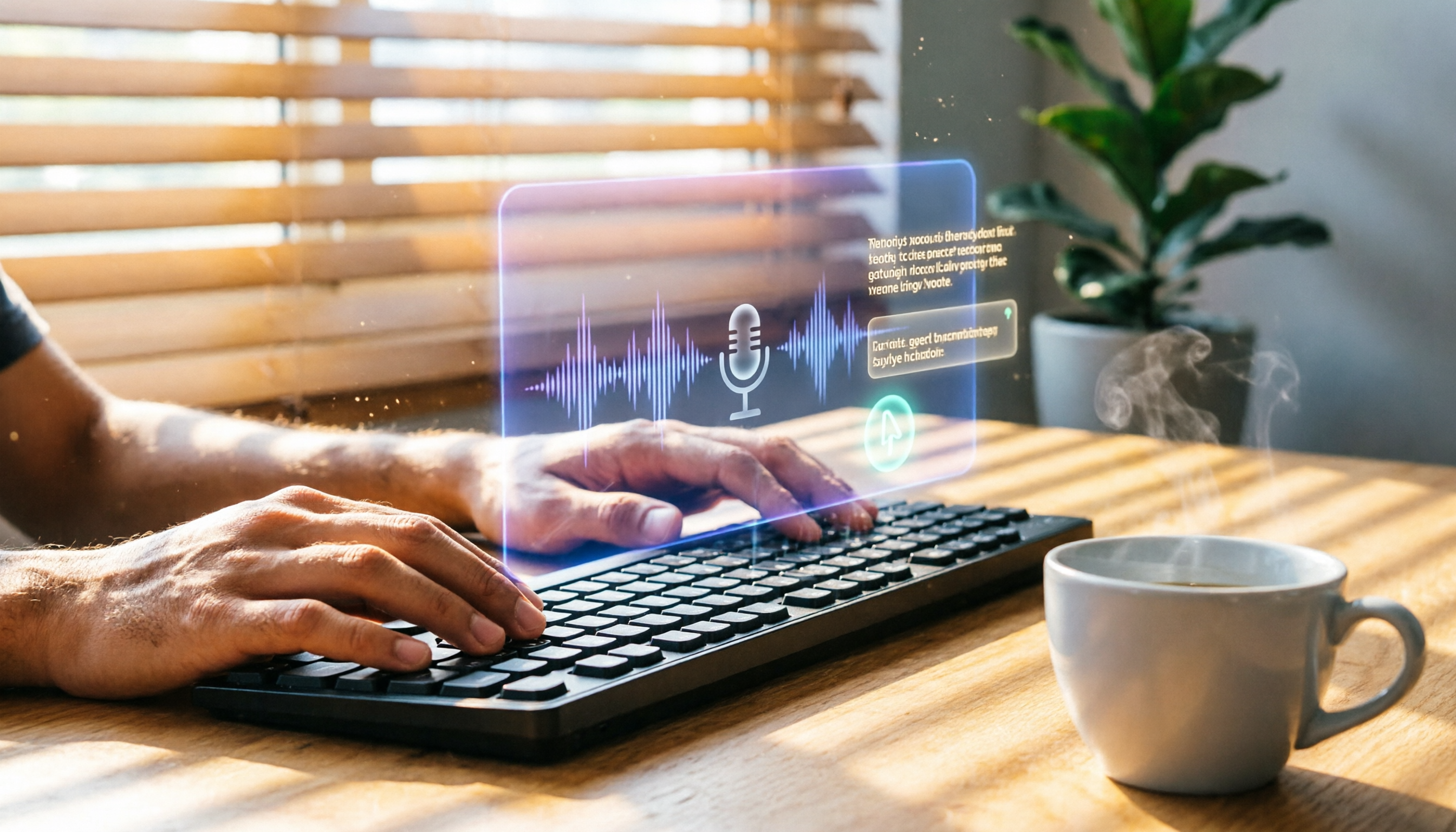
Best Recording App 2026: Hands-On Test of 4 — Tinrec Wins for AI Transcription & Organization
We tested the most download-worthy recording apps of 2026, comparing 4 tools from free to paid. In our hands-on review, Tinrec's AI transcription, summarization, and Q&A features proved the most practical. Whether for meeting notes, lecture notes, or content creation, it turns recordings into searchable material.

Which iPhone Voice-to-Text App Is Best? We Tested 4 in 2026 – This Cross-Platform AI Query Tool Is the Most Convenient
We tested four voice-to-text tools: iPhone's built-in Voice Memos, Yating, Otter.ai, and Tinrec. We compared language support, AI summarization, cross-platform use, and free plans to help you find the right fit.
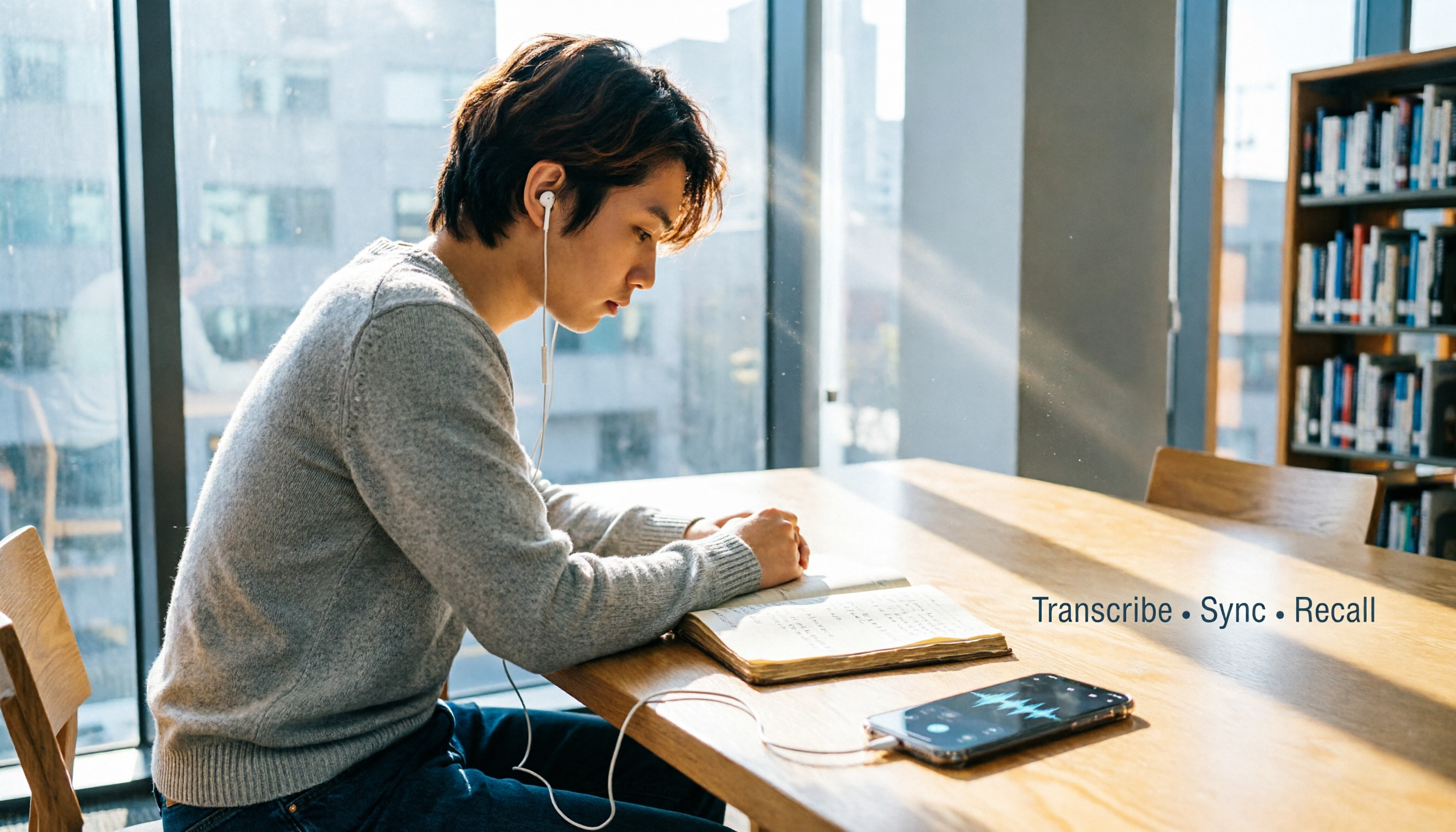
Free Speech-to-Text Apps in 2026: 5 Options at a Glance
Can't keep up with lecture notes? This article rounds up the 5 free speech-to-text apps most used by college students, from fully free options to the best value picks, to help you easily handle class recordings and meeting minutes.

2026 MP3-to-Text Tools Tested and Compared: Which AI Saves You the Most Time?
Converting MP3 recordings to text is only the first step. The real key is getting AI to summarize, highlight key points, and even answer questions. I tested four tools to find out which one works best for organizing Chinese content.

2026 Meeting Recording & Transcription Tools: 2 Hands-On Reviews & Legal Recording Tips
Is it illegal to record a meeting? This article unpacks the legal boundaries of recording for self-protection, then compares two meeting recording/organizing tools—Tinrec and PLAUD Note—across recording methods, multi-source input, AI organization, and price, helping you choose the best fit.

2026 Comparison of 4 Cantonese Voice-to-Text Tools: Which One Has the Best AI Organization?
After testing multiple Cantonese voice-to-text tools, I found that the key selection factor is not just accuracy, but also AI-powered organization and flexibility. This article shares my hands-on experience and buying advice to help you find the best solution.
Free Speech-to-Text App Roundup for 2026: 5 Options Compared
A curated list of 5 speech-to-text apps that offer free plans, including Tinrec, Yating Transcriber, cSubtitle, Notta, and Easemate AI. Compare features, pricing, and suitability—from fully free to paid—to find the right tool for your needs.
3 iPhone LINE Call Recording Organizer Tools Tested in 2026: Which Free Plan Is Good Enough?
After upgrading to iOS 26, your iPhone can finally record LINE calls easily using the built-in Local Capture feature. But recording is only the first step; quickly turning the conversation into text, summaries, and to-dos is what really matters. This article compares three call-recording organizer tools across free allowances, Chinese accuracy, and AI organizing capabilities to help you find the best one.
4 iPhone Voice Recording Shortcuts Compared: Which One Starts Fastest When It Matters Most?
This article tests four ways to quickly start recording on an iPhone: the Action button, Back Tap, Shortcuts, and the traditional Voice Memos app. We compare startup speed, ease of use, and device compatibility to help you find the best one-touch recording solution.