

Turn recordings into transcripts and summaries in minutes
Upload audio or video for multilingual transcription, AI notes, and action items
Last semester I took a class where the professor used Google Meet for remote lectures. One day my microphone suddenly stopped working—no one in the whole class could hear me. Unfortunately, it was my turn to lead the group presentation that day, making things incredibly awkward. Even worse, while frantically trying to fix the mic, I missed all the key points the professor covered, nearly failing the midterm exam.
After that class, I started seriously looking into ways to ensure I never miss important content if Google Meet acts up again. I tried three methods and eventually stuck with one for the rest of the semester. Today I'm sharing a side-by-side comparison of these three strategies for anyone else who's tired of online meeting glitches.
When Google Meet Audio Fails, Here's How to Save Yourself
During online meetings or classes, sudden audio loss or being muted is usually caused by things like microphone permissions not being granted, driver conflicts, network lag, or misconfigured Google Meet settings. Fixing these issues can take seconds or drive you crazy. Instead of spending time troubleshooting, it's smarter to make sure the meeting content is recorded. Here are three strategies I personally tested.
Strategy 1: Google Meet's Built-in Recording
Google Meet has a built-in "Record meeting" feature, but it comes with limitations: only the meeting host can start recording, the video is saved to Google Drive (which might consume your school's limited storage), and it doesn't automatically generate transcripts. Plus, if the host doesn't enable recording permissions, you simply can't record. In that nearly failing class, the professor forgot to hit record, leaving us with nothing afterward.
Strategy 2: Built-in Recording Apps on Phone or Computer
Many classmates simply use their phone's voice recorder aimed at the speaker or a computer recording app. It's free and easy, but drawbacks are clear: poor audio quality, background noise, and you have to manually transcribe everything later. A two-hour lecture takes an entire evening just to organize notes—no time for that before exams.
Strategy 3: Tinrec—Not Just Recording, But Summarizes for You
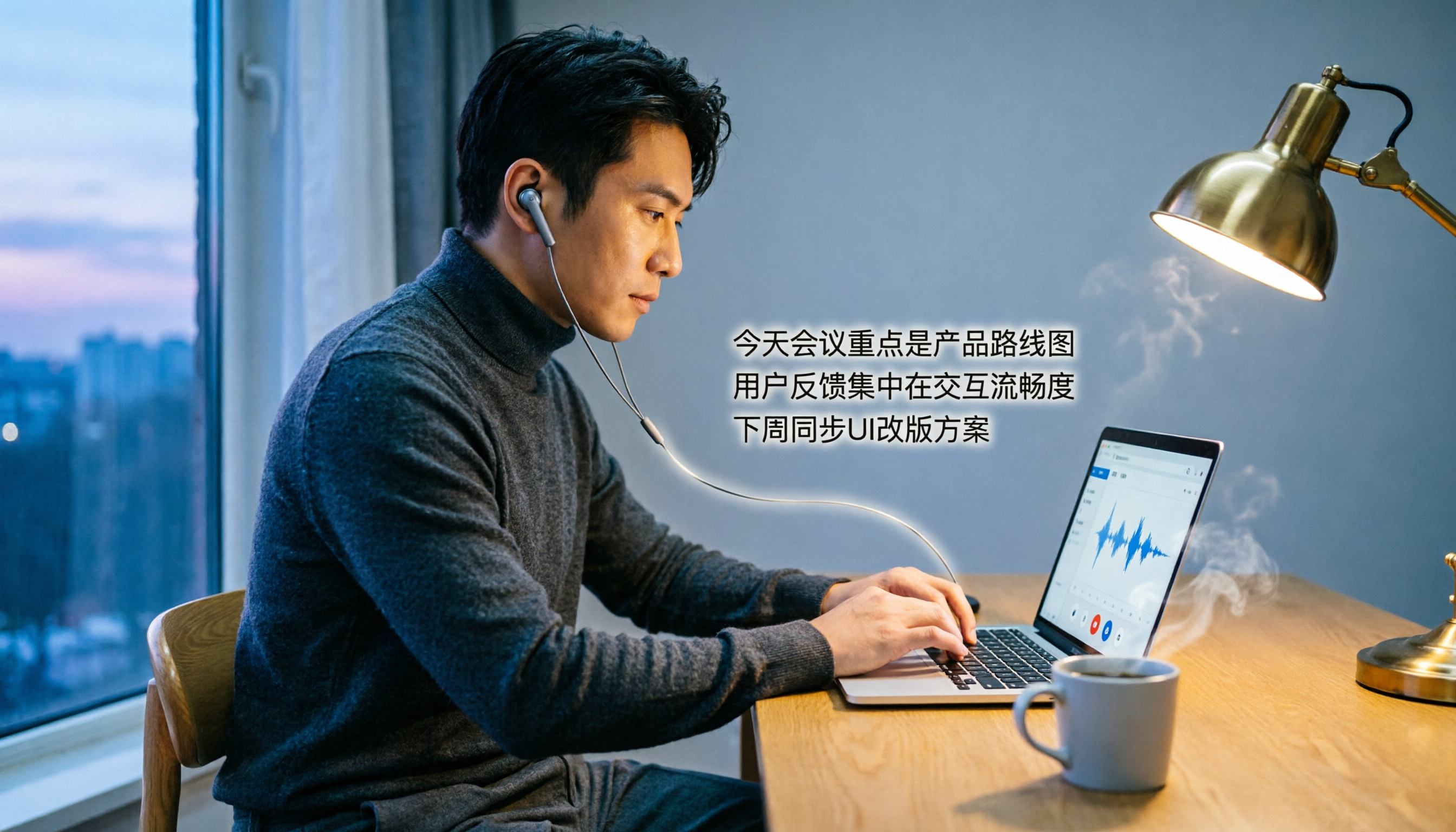
Tinrec is the solution I've been using consistently. It can record system audio directly on your computer (including Google Meet audio) and transcribe it in real-time. After the meeting, it automatically generates summaries and action items, and you can even ask it questions like "Who mentioned the midterm scope?" via AI Q&A. For students, this isn't just a backup—it's like having a meeting secretary.
Tinrec's Core Capabilities: More Than Just Recording, It's Your Meeting Secretary
After using it for a semester, here are the most useful features I found:
Stop organizing recordings by hand
Upload audio or video and automatically get a transcript, summary, and action items
- Real-time transcription: Captions appear as you record, with less than a second delay. During class, you can read along to ensure you don't miss anything, and mark key points before the session ends.
- AI summaries and chapter organization: For a two-hour lecture, Tinrec automatically divides it into thematic sections and provides concise summaries. No need to listen to everything; jump straight to parts you need to review.
- Action item extraction: Group discussions often end with no one remembering conclusions. Tinrec pulls out "who, what, by when" from the conversation, turning it into a clear to-do list.
- AI Q&A: The transcribed content becomes a searchable database. Ask things like "What are the key points for the final?" or "Which part is Xiao Ming responsible for?" and get instant answers.
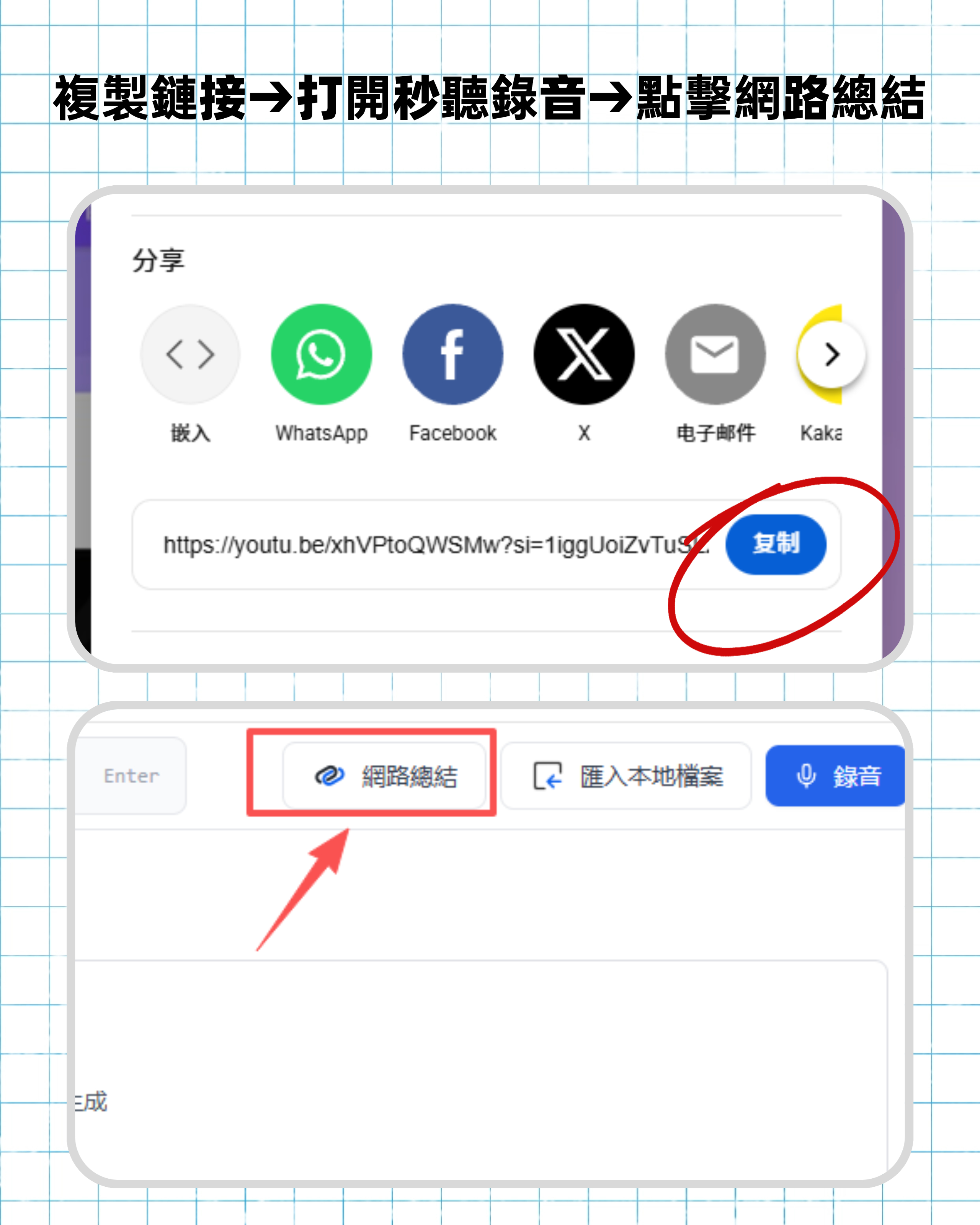
- Multi-source support: Besides system recording, you can upload audio files or paste YouTube links for transcription. Great for organizing online courses or interview practice videos.
Real-World Use Cases: How Students Use Tinrec
Scenario 1: Recording Online Classes & Reviewing
I run Tinrec in the background during Google Meet lectures to record system audio. After class, I check the AI summary to confirm I didn't miss any key points. For exam prep, I ask the AI Q&A questions like "What is Chapter 4 about?"—much faster than flipping through the textbook.
Scenario 2: Group Online Discussions
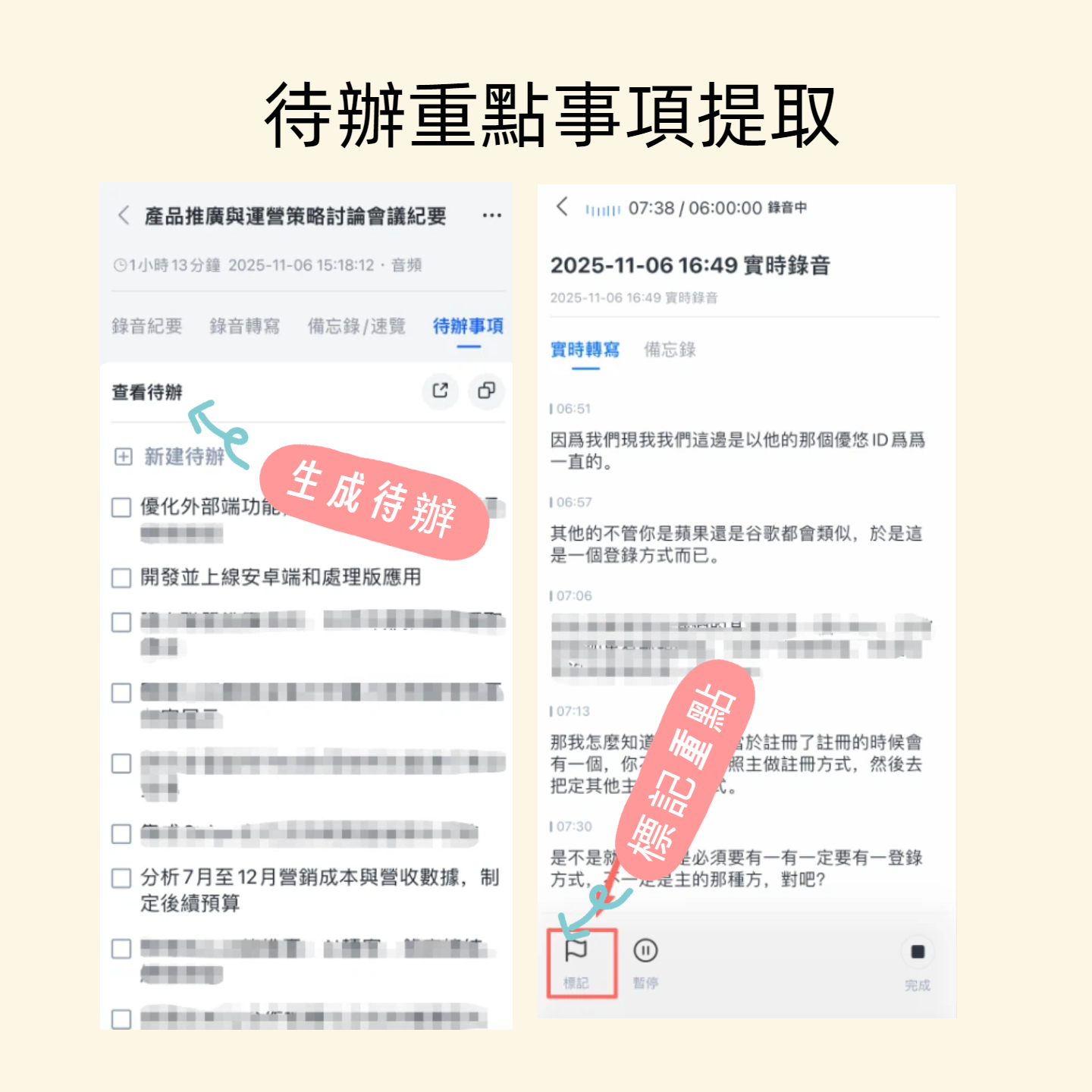
Group projects are notorious for everyone forgetting what was decided. Now I start Tinrec before each meeting and share the action items screenshot in our group chat afterward. No one can deny their responsibilities. Initially skeptical, my roommate now uses it after seeing how much it boosted my final project efficiency.
Scenario 3: Watching YouTube Tutorials
Some supplementary materials are YouTube videos. Previously, I had to pause and take notes constantly. Now I just paste the link into Tinrec, get the transcription and summary, and finish an hour-long video in 30 minutes.
Scenario 4: Interview Prep
I uploaded recordings of mock interviews to Tinrec, analyzing my speaking logic and filler words. It even helped train my English speaking—this was my secret weapon to landing an offer.
3 Things to Consider When Choosing a Meeting Recording Tool
If you're looking for a backup solution for online meetings, here are three key points from my personal experience:
- Can it record system audio?: Many apps only record microphone input, but Google Meet audio comes from system output. Tinrec's desktop version can directly record system sound, so you won't end up with empty files.
- Post-transcription organization: A plain transcript isn't enough. You need summaries, action items, and a searchable database. This is where Tinrec outshines other recording apps.
- Student-friendly pricing: Tinrec's free version offers a monthly transcription quota. If you only record key lectures or discussions, it's sufficient. I have about two meetings a day and use the Pro monthly plan—costs about as much as a bubble tea. Skip one late-night snack and you're covered.
Frequently Asked Questions
Q: Can Tinrec record Google Meet? Yes. On your computer, open Tinrec and select "Record system audio" to capture Google Meet audio completely while transcribing in real time.
Q: Is the free version's quota enough? If you only record two or three lectures or meetings per week, the free version is plenty. I use about 60 minutes daily, so I upgraded to Pro—the monthly fee is cheaper than my Netflix subscription.
Q: How's the recording quality? Does background noise affect it? As long as the original audio is clear, Tinrec's transcription accuracy is high. Of course, if many people talk simultaneously or there's echo, quality drops—but that's true for any tool.
Q: What platforms does it support? Tinrec is available on iOS, Android, and web. On desktop, you can use the web version to record system audio; the mobile app is handy for quick recordings.
Conclusion
Google Meet audio issues are frustrating, but missing important lectures or meetings doesn't have to be. Instead of relying on luck, find a reliable backup. I started with the free version and moved to Pro, using it all semester. Tinrec has become an essential part of my study routine. If you're also a student overwhelmed by online classes, try the free version first—it's saved me tons of note-taking time.
Turn every recording into actionable outcomes
Get 60 free transcription minutes when you sign in. No credit card required.
Related Reading
You might also like

2026 AI Speech-to-Text Tools: Speaker Diarization & AI Q&A in One
Struggling to turn meeting recordings and lecture audio into text? This article highlights 5 AI speech-to-text tools, from speaker diarization to AI-powered Q&A, to help you find the best solution and boost your productivity.
Tinrec vs Otter.ai 2026 Hands-On Comparison: Which Is the Ultimate Tool for Online Meeting Notes?
Essential for remote work! This article dives deep into the differences between Tinrec and Otter.ai in Chinese recognition, audio/video sources, AI Q&A, and free plans, helping you choose the best tool for organizing meetings and course content.

How to Choose an Interview Recording Review Tool in 2026? 5 Steps Comparing Tinrec vs PLAUD Note
Recording your interviews is a powerful way to grow, but choosing the right analysis tool is key. This article compares software solution Tinrec with hardware solution PLAUD Note across five dimensions: recording method, Chinese speech recognition, AI analysis, output formats, and long-term cost, to help you find the best AI tool for interview review.

2026 Google AI Studio Alternatives for Audio-to-Text: Chinese Transcription + AI Summaries
Wondering if Google AI Studio supports Chinese? This article answers that and tests 3 audio-to-text tools, recommending Tinrec as the best solution for Traditional Chinese users.
How to Solve Cross-Device Sync for Voice-to-Text in 2026? 5 Steps to Pick the Right Tool
Tired of meeting recordings stuck on your phone and unable to organize them on your computer? This article tests multiple tools and teaches you 5 steps to choose the best cross-device voice-to-text solution, with detailed reviews of Tinrec (Miao Ting Lu Yin) and other popular options.

Tinrec vs Otter.ai 2026: 5-Dimension Comparison for Secure Chinese Speech-to-Text
With more speech-to-text tools available, is yours truly secure? This article compares Tinrec and Otter.ai across five dimensions: accuracy, AI features, input sources, cross-platform support, and data security. It also explains why AES encryption is key to protecting your recordings, helping you choose the most reliable tool.

2026 Hands-On Comparison of 2 Recording-to-Text Tools: Tinrec App vs Plaud Note – Which Should You Choose?
A hands-on comparison of Tinrec App and Plaud Note recording hardware, covering input sources, Cantonese accuracy, post-processing features, and pricing to help you pick the best recording-to-text tool for Hong Kong users.
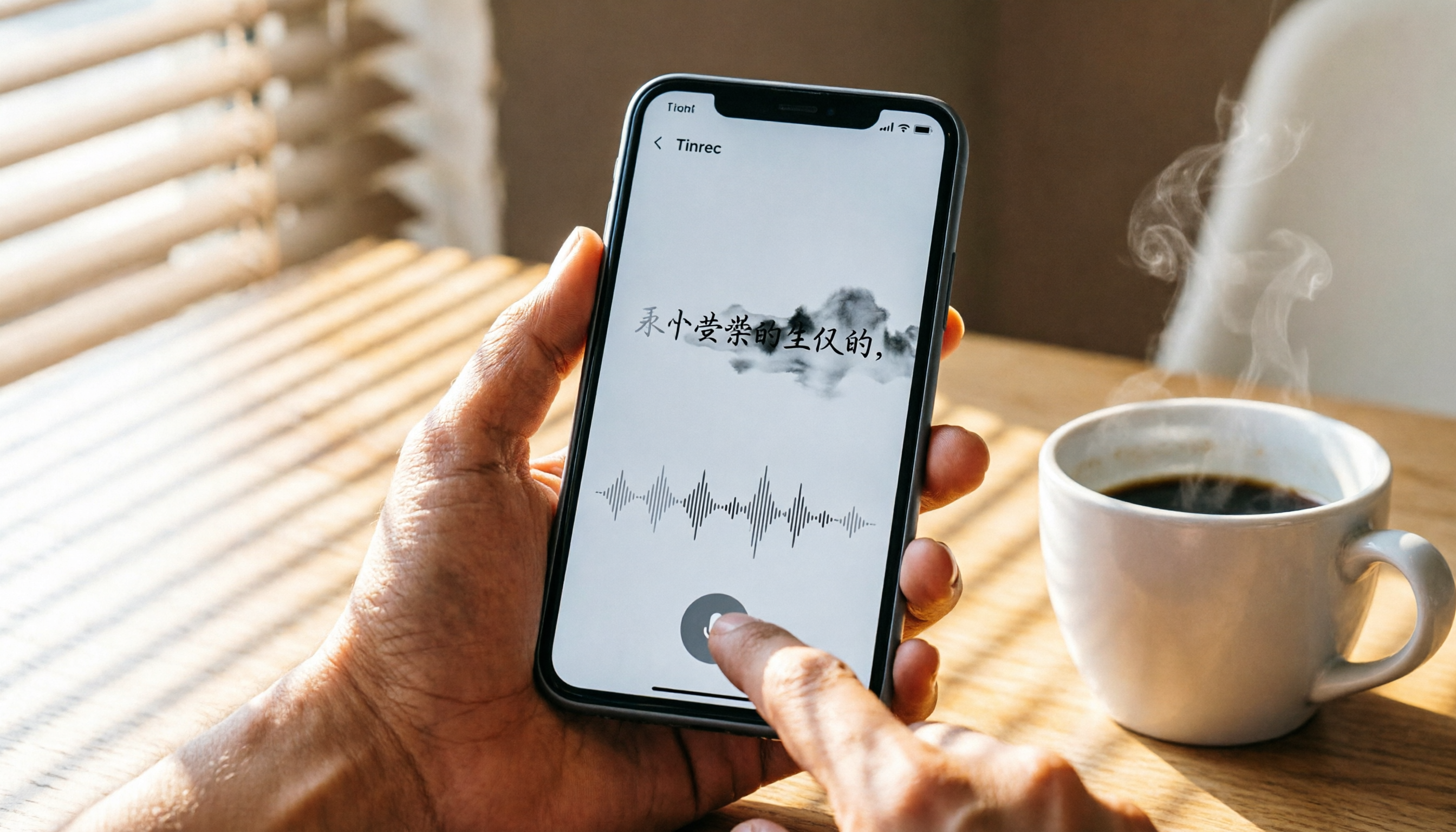
How to Use iPhone Voice Typing in 2026: A 5-Step Complete Guide
From iPhone's built-in dictation to professional recording-to-text tools, this guide provides hands-on comparisons to help you find the best voice input solution for your needs.

Tinrec vs Otter.ai in 2026: AI Speech Recognition Custom Vocabulary Showdown – Who Understands Your Industry Terms Better?
How do AI speech recognition tools handle industry-specific terminology? This article compares five tools—Tinrec, Otter.ai, Notta, Google Cloud Speech-to-Text, and Vocol.ai—based on the practical need for custom vocabularies, helping you find the best speech-to-text solution for professional scenarios.