

Turn recordings into transcripts and summaries in minutes
Upload audio or video for multilingual transcription, AI notes, and action items
Google Meet vs Messenger in 2026: Which is Better? 5 Steps to Convert Meeting Recordings with Tinrec
Google Meet and Messenger are go-to tools for meetings and work discussions. But when it comes to transcribing recordings and post-meeting organization, their built-in features are pretty basic—Google Meet requires extra setup for transcription, and Messenger has no built-in transcription at all. If you often work late on meeting notes, instead of choosing which platform is better, think about how Tinrec can help you finish faster by instantly transcribing audio.

Why People Are Looking for Alternatives to Google Meet and Messenger
Google Meet and Messenger handle video calls fine, but when it comes to follow-up, many professionals get headaches.
Google Meet's transcription feature requires manual activation, isn't available on all plans, and has limited language support—Cantonese is unstable. Messenger is just a communication app; if you want to record a meeting and organize it later, there's no such feature.
If you've ever finished a client meeting only to realize you didn't record it, or recorded it but had to slowly replay to type up the transcript, you know the pain. What you really need isn't another calling tool, but an assistant that automatically organizes all your meeting recordings—Tinrec was built for exactly this scenario.
Tinrec vs Google Meet / Messenger: Key Differences in Core Experience
1. Speech-to-Text Capability
This is the most critical difference. Google Meet's transcription requires admin activation and is only stable with enterprise plans, and the output often has errors, especially with fast speech or background noise. Messenger has no such feature at all.
Tinrec is different: you can record directly in the app, upload audio files from Google Meet or Messenger, or even paste a YouTube link. It supports 14 languages, with optimized Cantonese recognition. In a typical office environment, the error rate for a 5-minute recording is under 10%, outperforming many similar tools.
2. Post-Meeting Organization
Google Meet's transcription gives you a plain transcript; Messenger has none. You have to read through everything to find key points.
Tinrec can automatically generate AI summaries, split long recordings into chapters, extract action items, and even allow you to ask questions like "What did the meeting decide?" or "Who is following up?"—you can get answers without reading the entire transcript. This is something Google Meet and Messenger can't do yet.
3. Cross-Platform and Data Management
Google Meet recordings and transcripts are tied to Google Drive; Messenger chat history stays in the app. Cross-platform management is a hassle.
Tinrec is a unified audio/video management workspace: you can import recordings from Google Meet, Messenger, Zoom, Teams, as well as phone recordings, local files, and online videos. All data is stored in one place, searchable, queryable, and exportable—no more jumping between apps.
4. Export and Further Use
Google Meet transcripts can only be copied as text or downloaded as a file; Messenger only lets you view the conversation. To use that content in a report, you have to manually copy and paste.
Tinrec lets you export organized content in multiple formats (PDF, Word, TXT, subtitle files, etc.) and even auto-sync to Notion, Google Docs, and more. A recent feature allows you to have AI generate complete meeting minutes, reports, or even tables—saving you tons of time.
Stop organizing recordings by hand
Upload audio or video and automatically get a transcript, summary, and action items
Tinrec Core Features at a Glance
Real-Time Speech-to-Text
Record with Tinrec and see text appear in real time with less than 1 second delay. During a meeting, you can watch the screen to ensure nothing is missed; once the meeting ends, the transcript is ready to share with colleagues immediately.
AI Q&A
Anyone who has long meetings will love this feature. After recording an hour-long meeting, just ask Tinrec "What was the conclusion?" or "Who is responsible for what?" and it will find the relevant parts in the full transcript—no need to scroll through everything.
Online Video Link Parsing
Not just meeting recordings: if you need to organize public videos from YouTube, Xiaohongshu, or TikTok, just paste the link into Tinrec and it will automatically transcribe, generate a summary, and chapters. Content creators or students who need to watch videos for study will find this feature handy.
Action Item Extraction
The biggest fear in meetings is missing something. Tinrec automatically extracts "to-dos" from the conversation, lists them out, and can even tag responsible persons and deadlines. You get a to-do list right after the meeting—no need to rely on memory.
Multi-Language Support and Translation
Tinrec supports 14 languages including Cantonese, Mandarin, English, Japanese, and more. It also has built-in translation, allowing you to translate transcripts or summaries into other languages. For Hong Kong companies doing international business, this feature is very practical.
Real Use Cases
Scenario 1: Google Meet Client Meeting
You're on a Google Meet call with a client discussing a project. Simultaneously, you run Tinrec on your computer to record. During the meeting, Tinrec transcribes in real time, and you can mark key points. After the call, it generates a summary and action list; you review and send to colleagues and client—much faster than Google Meet's built-in transcription.
Scenario 2: Follow-up After Messenger Group Chat
Frequently have voice discussions in a Messenger group? Open Tinrec's mobile app to record the conversation directly (make sure to inform everyone), then transcribe, get a summary, and even ask Tinrec "Who is responsible for contacting the vendor?"—no more scrolling through chat history.
Scenario 3: Class Recording to Notes
College students attending online classes via Google Meet can record with Tinrec simultaneously. By the time class ends, you have the full transcript and chapter notes. You can ask Tinrec "What are the key theories in this lesson?" and it will organize them for you—saving study time.
Scenario 4: Organizing Old Recordings
Your company server has a bunch of old meeting recordings that used to take forever to listen to. Now you can upload them all to Tinrec, transcribe them, and use the AI search to find key content—revitalizing historical data.
Key Points to Consider When Choosing a Speech-to-Text Tool
When choosing a tool, don't just look at the price. Keep these points in mind to avoid pitfalls.
- Language Support: If you need to process Cantonese or mixed Chinese-English content, test the tool's recognition rate on such audio. Tinrec has targeted optimization in this area, significantly outperforming general-purpose tools.
- Organization Features: Just transcription isn't enough; look for summary generation, Q&A, and action item creation. Tinrec's AI post-processing turns recordings into deliverable documents without extra work.
- Cross-Platform and Import Methods: Your recordings may come from various sources; choose a tool that centralizes management. Tinrec supports real-time recording, file upload, online links, and even internal audio capture—covering most scenarios.
- Export and Integration: Organized content should easily fit into your existing tools. Tinrec supports exporting multiple formats and auto-syncs to Notion, Google Docs, seamlessly integrating into your workflow.
Conclusion: Is Tinrec Worth a Try?
If you're still torn between Google Meet and Messenger, what you really need is a tool that turns meeting recordings into usable information. Tinrec not only supports Cantonese recognition but also automatically generates summaries, action items, answers questions, and centrally manages all audio/video files. For professionals who have meetings daily, it can save at least half an hour of note-taking time each day.
I suggest downloading the free version of Tinrec to try it—you get 100 minutes of transcription per month. Test it with your own meeting recordings; you'll know if it works for you faster than reading a hundred reviews.
Turn every recording into actionable outcomes
Get 60 free transcription minutes when you sign in. No credit card required.
Related Reading
You might also like
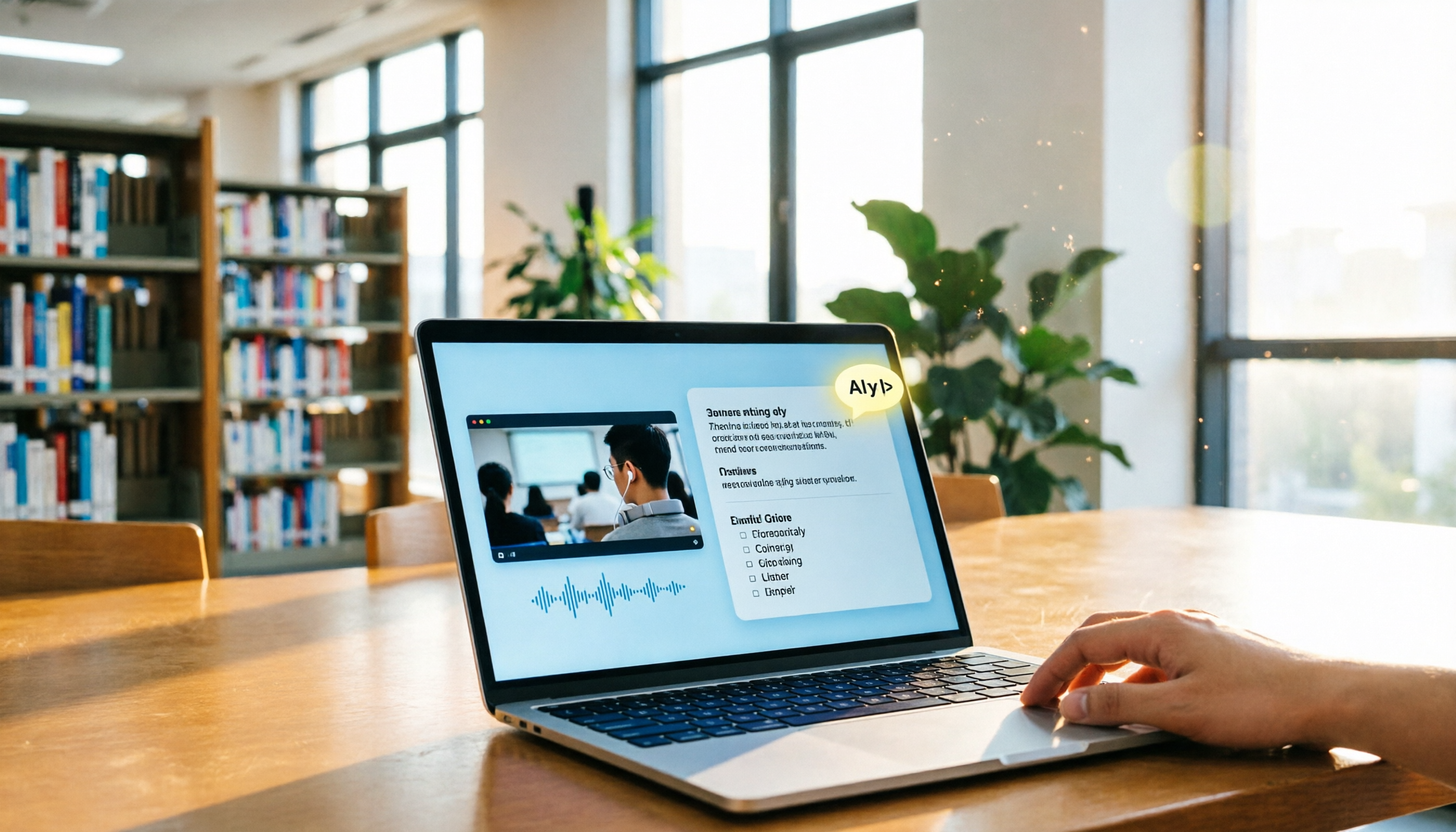
2026 Tinrec vs Google Meet: A 5-Dimension Comparison – Which Is the Top Choice for Student Meeting Recording?
Searching for whether Google Meet or Zoom is cheaper? A student's real-world test shows price isn't the key – meeting notes and organization efficiency are what really matter. Tinrec not only transcribes audio to text but also auto-generates summaries, to-do lists, and AI Q&A, far surpassing built-in transcription features.

2026 Google Meet vs Teams: A 5-Dimension Comparison, Tinrec Tops for Meeting Notes
Google Meet and Microsoft Teams offer similar features, but the real pain point is post-meeting note organization. After hands-on testing of both platforms, this article recommends a more efficient speech-to-text workflow centered on Tinrec, with side-by-side comparisons to Otter.ai and Notta, plus a pitfall avoidance guide and selection tips.

How to Record Google Meet Meetings and Convert to Text in 2026: Real-Time Transcription & AI Summary Generation
After recording a Google Meet meeting, how can you quickly organize it into text and key points? This tutorial tests two popular tools, telling you which is best for Chinese meetings, whose AI summaries are most accurate, and whether the free plans are sufficient.

2026 Hands-on Review of Two Online Meeting Tools: Google Meet vs Teams – Tinrec Essential for Student Note-Taking
A senior student tests Google Meet and Microsoft Teams to see which is better for online classes and group discussions, plus how Tinrec simplifies meeting notes with its free version.

2026 Google Meet & Zoom Meeting Notes Alternative: Why I Switched to Tinrec?
A middle manager with 15 meetings per week shares real experience: from Google Meet's built-in transcription to Zoom meeting notes, finally choosing Tinrec. It handles not only meetings but also online videos and audio files in one place.

Tutorial: 2026 Google Meet Meeting Notes with Tinrec – Auto Summaries & To-Dos in One Go
When sharing your screen during a Google Meet, manually compiling meeting notes is always time-consuming and tiring. This article shows you how to use Tinrec to record meetings and automatically generate summaries and action items, so you can focus on what matters most.

2026 Google Meet vs Microsoft Teams Complete Guide: Comprehensive Comparison of Features, Integrations, and Pricing
Which is better for Hong Kong office workers, Google Meet or Microsoft Teams? We break it down across five dimensions: meeting features, ecosystem integration, pricing, security, and ease of use, so you can stop worrying.
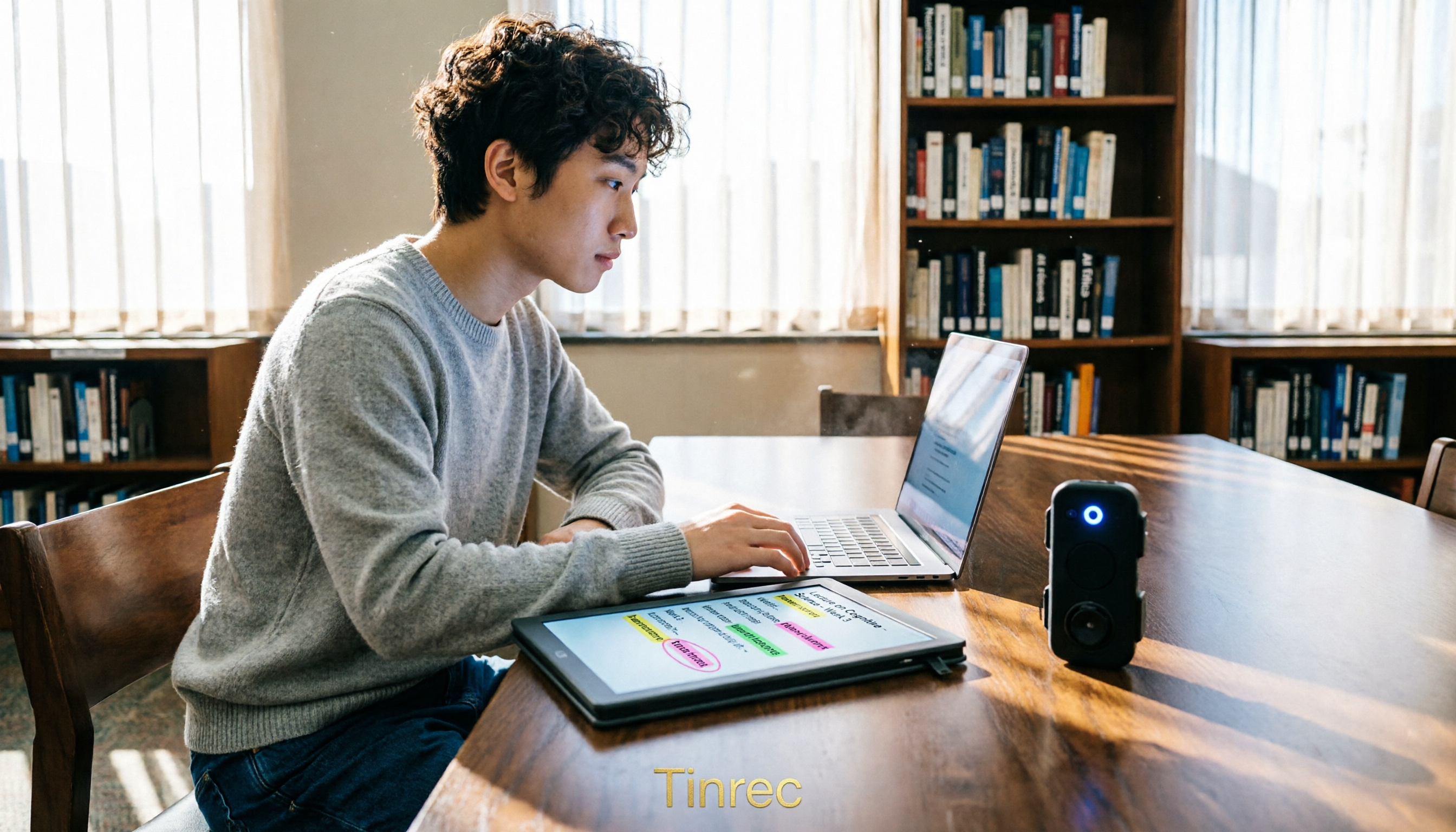
Google Meet Time Limits 2026: AI Recording & Note-Taking Tips for Students
Google Meet's free version only allows 60-minute sessions. This guide shares my experience using AI recording tools to bypass the time limit, from free options to cost-effective upgrades, helping you record lectures, get transcripts, and create summaries without the hassle.
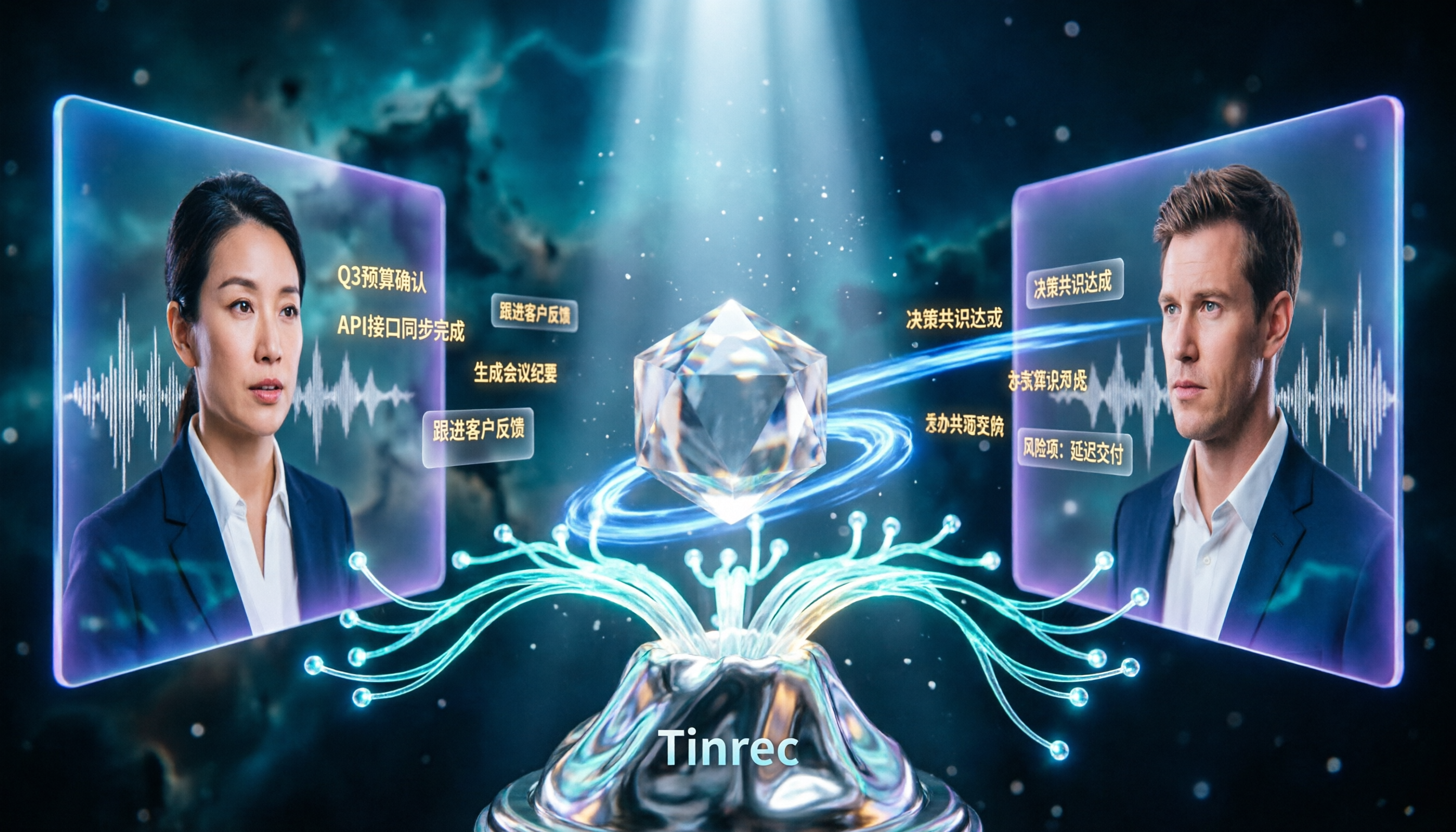
Google Meet vs FaceTime: Which is Better? 2026 Real-World Test with Tinrec for Complete Meeting Notes
Are you torn between Google Meet and FaceTime for online meetings? This article tests both across 5 dimensions—transcription, AI summaries, to-do lists, and more—and shows why adding Tinrec makes meeting notes more complete, boosting team productivity.