

Turn recordings into transcripts and summaries in minutes
Upload audio or video for multilingual transcription, AI notes, and action items
Recently, a friend asked me: "When you use Google Meet, do you turn the recording into text?"
I said yes.
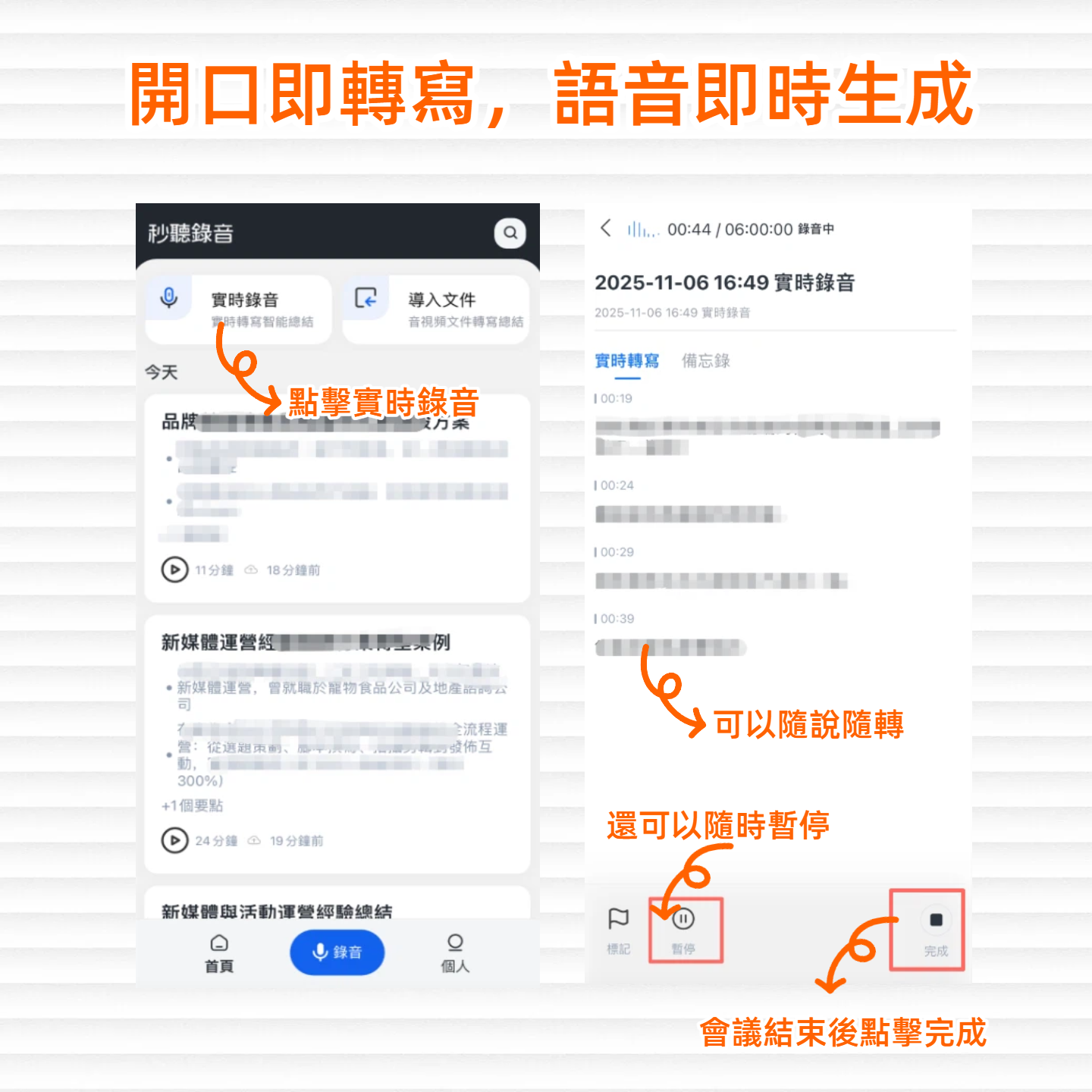
He then asked: "So how do you organize those transcripts? Every time after a meeting, Meet gives me a bunch of text, but I never have time to go through it."
That hits a deep issue.
Google Meet's built-in transcription is definitely convenient, but it only solves the "recording" layer.
The "understanding" and "using" after recording are where the real time goes.
In this article, I want to share my own experience organizing meeting recordings and compare Tinrec with Google Meet's built-in transcription across four key dimensions.
Let me cut to the chase: In most scenarios, Tinrec is better at turning meeting content into actionable material for future work.
Tinrec vs Google Meet Built-in Transcription | Quick Overview
Google Meet's built-in transcription provides real-time captions and a post-meeting transcript, suitable for those who just want a quick review of the discussion.
Tinrec is an AI-powered organization workspace that integrates recordings, audio files, and video links. It doesn't just transcribe—it also extracts key points, creates sections, and surfaces action items.
Here's the basic info:
- Price: Google Meet's built-in transcription is included in Workspace plans (available from Business tier onward); Tinrec offers free credits and paid plans like Pro monthly and yearly subscriptions.
- Platform: Google Meet's built-in transcription is limited to Meet meetings; Tinrec supports iOS, Android, and web, and can handle local files and online links.
- Key Difference: Meet transcription is a meeting add-on; Tinrec is a comprehensive system for organizing audio/video content.
Below, I'll dive into the four dimensions, all based on my real workflow.
Dimension 1 | Post-Transcription Organization
After transcription, Google Meet gives you a transcript.
But that transcript has no summary, no sections, no highlights—just a wall of text.
If your meeting was an hour long, finding a specific decision in that wall of text takes time.
Tinrec does things very differently.
Once transcription is done, it automatically generates a summary with key conclusions from the meeting.
It also splits the long recording into sections with titles, so it reads like a well-structured report.
(Screenshot: Tinrec's meeting summary and section organization view, arrow pointing to automatically generated section titles)
What's more, Tinrec can extract action items directly from the transcript, listing who should do what.
This effectively turns "reviewing the transcript" time into "check the summary and action items" time.
→ In this dimension: Tinrec wins clearly.
Dimension 2 | Cross-Platform and Historical Data Search
Google Meet's transcription is tied to that specific meeting; after it ends, you have to go back to Google Calendar or the Meet interface to find it.
Stop organizing recordings by hand
Upload audio or video and automatically get a transcript, summary, and action items
If you also use Zoom, Teams, or even have face-to-face discussions, those transcripts are scattered across different places with no unified search.
Tinrec centralizes all transcription results.
No matter if the audio source is Meet, Zoom, or a phone recording, everything goes into the same workspace.
(Screenshot: Tinrec's recording list interface, arrow pointing to records from different sources)
And you can search the content of any historical recording.
For example, if I type the keyword "budget," Tinrec will find all related recordings and jump directly to that timestamp.
This capability is crucial for anyone who accumulates meeting data over time.
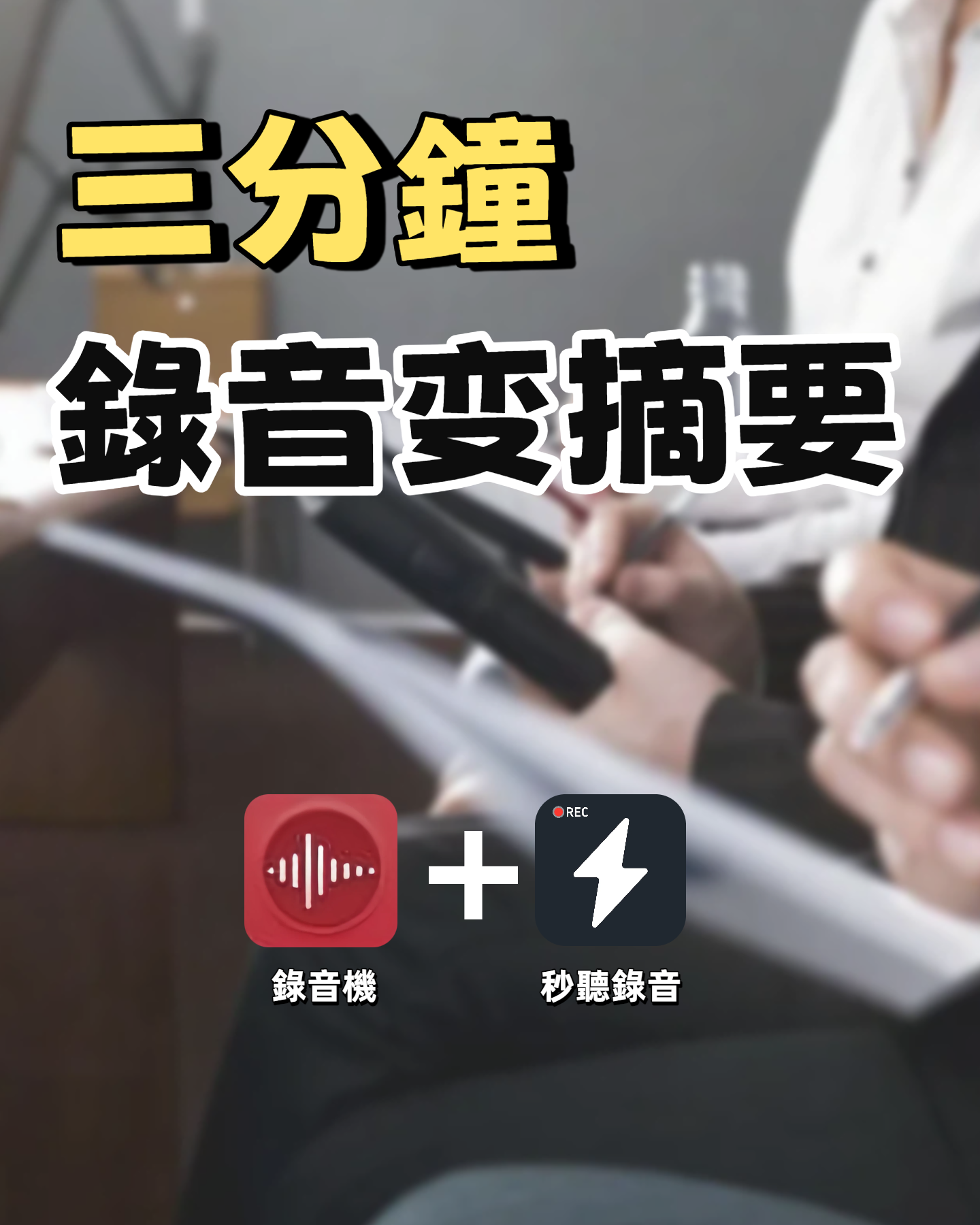
→ In this dimension: Tinrec wins clearly.
Dimension 3 | AI Q&A and Action Item Extraction
Google Meet's built-in transcription only provides a passive text document; you can't ask it questions.
If you forget the details of a decision, you have to read from start to finish.
Tinrec lets me ask questions about the recording in a conversational way.
For example, I can ask: "What were the client's concerns about pricing last time?"
(Screenshot: Tinrec's AI chat query interface, arrow pointing to the input field for questions)
Tinrec will pull the relevant part from that recording and give me a summary.
It also automatically lists action items, like "Design team to submit revision by Friday," so I can see next steps at a glance.
These are all things that simple transcription can't do.
→ In this dimension: Tinrec wins clearly.
Dimension 4 | Multi-Source Data Integration
Google Meet only handles its own meeting recordings.
But my work requires organizing more than just meetings.
There are also interview recordings, course audio files, and reference videos from YouTube.
Before, I had to use different tools for different sources, which made my workflow fragmented.
Tinrec lets me put all audio and video sources into one place.
(Screenshot: Tinrec's import options, arrow pointing to entry points for audio files, video files, and pasting links)
Whether I upload an interview recording or paste a YouTube link, Tinrec can transcribe it and then generate summaries and highlights.
This makes my data organization process very consistent.
→ In this dimension: Tinrec wins clearly.
What Unique Advantages Does Each Have?
Tinrec's Unique Advantages
- It doesn't just transcribe; it organizes meeting content into summaries, sections, and action items so you can start working right after the meeting.
- All recording data is centralized, with search and AI Q&A support—historical meetings no longer disappear.
- Multi-source input: local files, online video links, and even recordings from other meeting platforms.
- Features are continuously updated, gradually evolving into an "audio/video workspace" rather than just a transcription tool.
Google Meet Built-in Transcription's Unique Advantages
- No extra steps needed; auto-generated captions and transcripts during the meeting, suitable for those who only need a quick review.
- Integrated with the Google ecosystem; if you're already deep into Google Workspace, it's a convenient option at hand.
Summary: Which Should You Choose?
If you frequently have meetings and need to convert discussions into action after them, Tinrec is the more complete choice.
- You need a summary and action items right after the meeting → Tinrec
- Your meeting data is scattered across different platforms and you want unified search → Tinrec
- You want to include interviews, courses, and videos in the same organization workflow → Tinrec
- You only use Google Meet and just need a text record → Meet's built-in transcription is enough
In a nutshell: For most people who want to turn meeting recordings into usable knowledge, Tinrec is the better work partner.
You can download the free version of Tinrec and try it with a Google Meet recording to experience the difference between "recording" and "organizing."
Test it step by step, and you'll gradually master this approach.
Turn every recording into actionable outcomes
Get 60 free transcription minutes when you sign in. No credit card required.
Related Reading
You might also like

2026 Google Meet Transcription Tools Comparison: Which Free Plan Is Best for Students?
A must-read for students! We test Google Meet's built-in transcription vs. Tinrec voice recorder, comparing accuracy, post-meeting organization, export convenience, and free plans to find the ultimate study buddy.

2026 Comparison of 3 Google Meet Note-Taking Tools: No More Time-Consuming Post-Meeting Organization
Still manually organizing Google Meet notes? This article compares multiple tools based on real-world experience and shares how to use Tinrec to automatically convert meeting recordings into summaries, action items, and searchable data, saving you time after meetings.

The Complete Guide to Google Meet Meeting Management in 2026: Auto Transcription and Meeting Minutes Generation
Tired of organizing Google Meet content? This guide uses Tinrec (Quick Voice Recorder) as an example to walk you through recording meetings, transcribing, proofreading, generating meeting minutes, and exporting, turning every online meeting into actionable knowledge.

2026 Google Meet Recording Alternative: Tinrec Centralizes All Your Meeting Notes
Google Meet recordings automatically save to Google Drive, but finding key points and organizing meeting notes can be a headache. Tinrec instantly transcribes and centralizes all your recordings, with AI-generated summaries and action items, so you can finish work earlier.
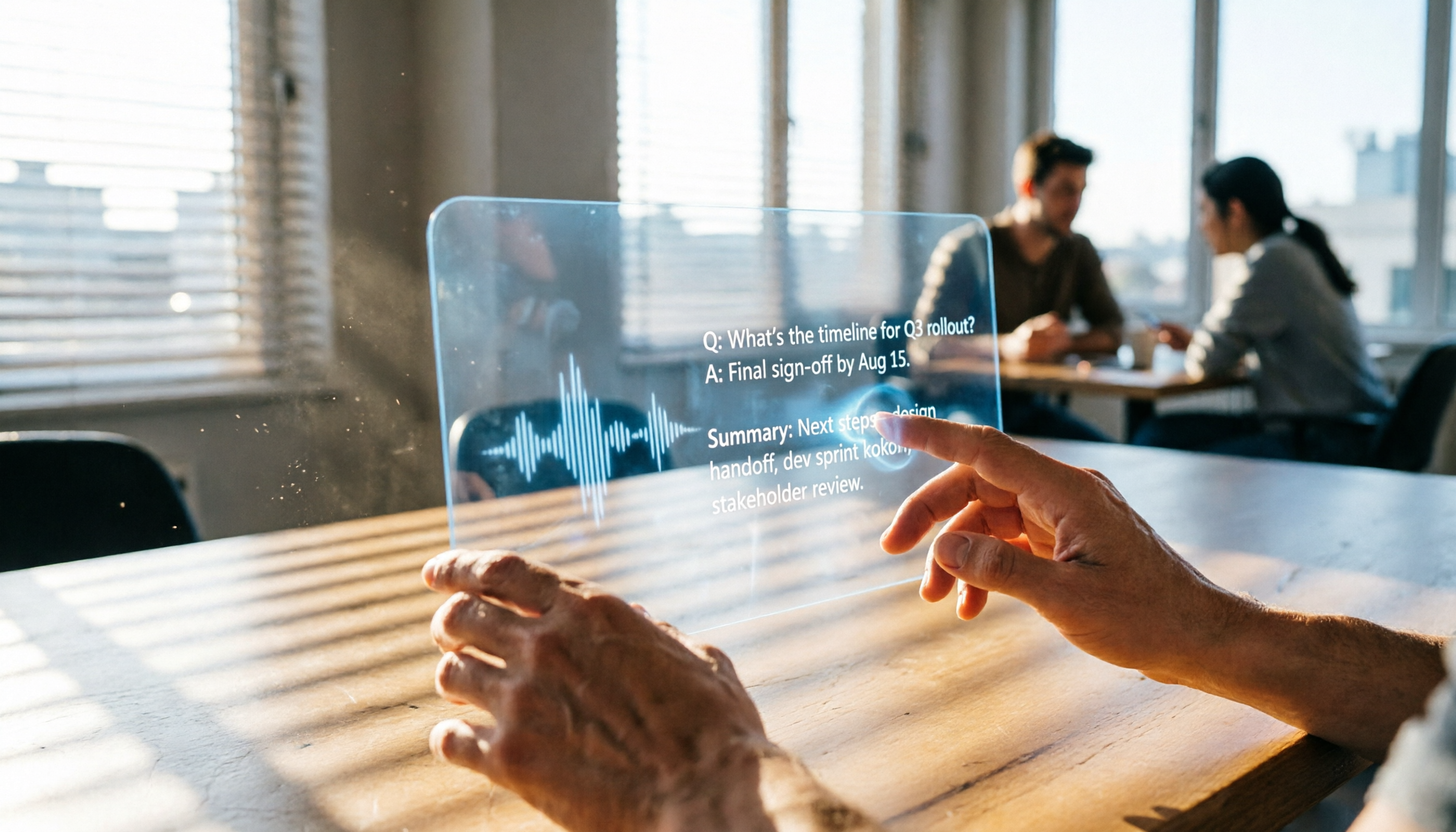
5 Google Meet Recording Management Tools Tested in 2026: Auto Transcription with AI Q&A
Where do Google Meet recordings go? Just archiving isn't enough. This article compares 5 AI transcription tools that turn meeting recordings into searchable, answerable, and organized work assets. From free to paid, find the best fit for you.

2026 Tinrec Instant Recording Tutorial: Google Meet Meeting Organization, Auto Summaries & To-Dos All in One
Is Google Meet's built-in transcription enough? A hands-on comparison between Google Meet and Tinrec on Chinese transcription accuracy, post-meeting organization, cross-platform support, and export capabilities to see if you need to install Tinrec.
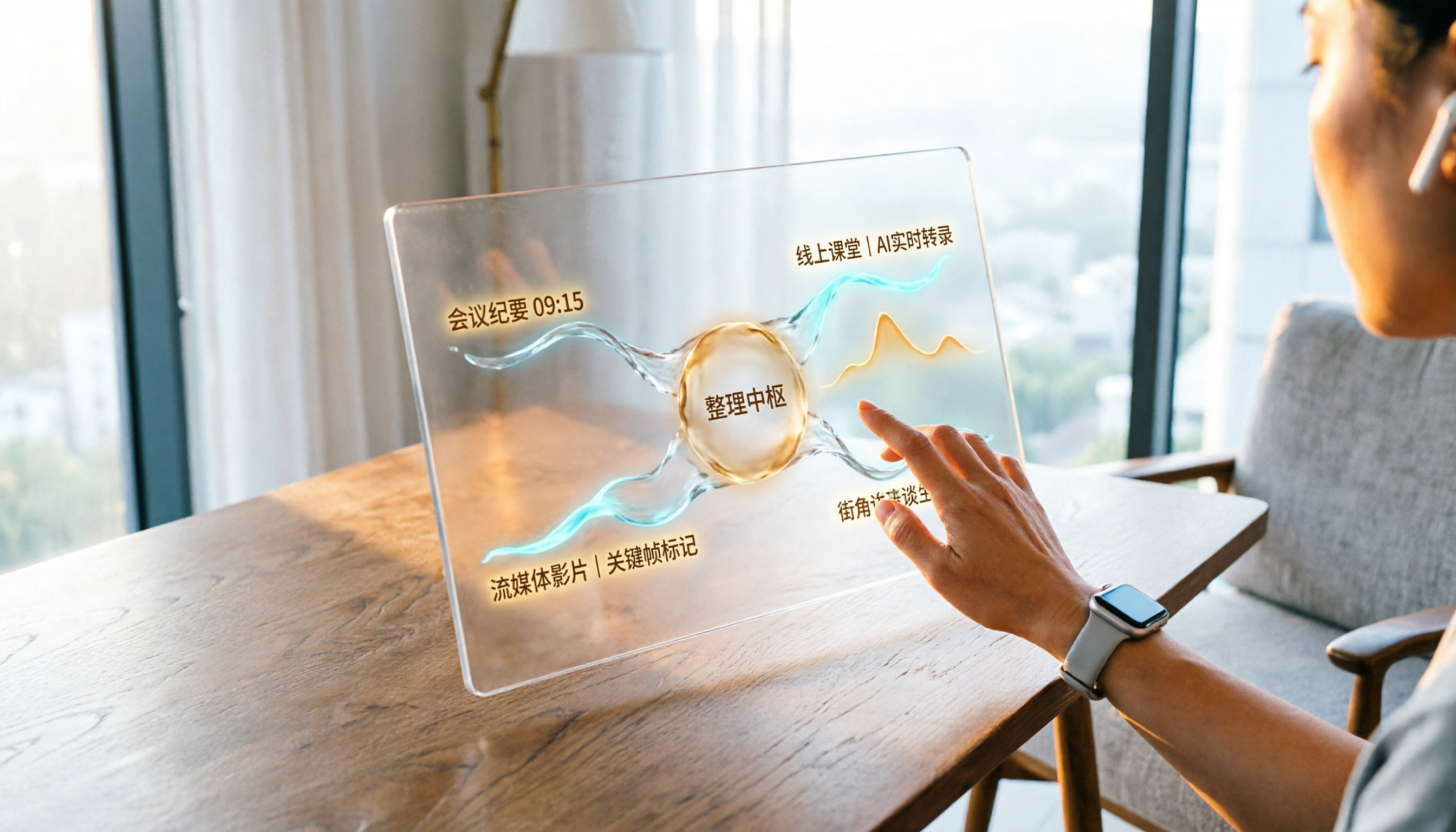
Best Google Meet Alternatives? 3 Tested in 2026, Tinrec Excels for Multi-Scenario Organization
Google Meet's built-in transcription only records meetings, often stumbling with Chinese, cross-platform, and multi-audio/video organization. This article tests 3 alternatives and explains why more Chinese users are switching to Tinrec to handle meetings, courses, interviews, and online videos in one go.

Where is Google Meet Recording Stored in 2026? A 3-Step Guide
Explains the storage location of Google Meet recordings and provides step-by-step instructions to help you quickly find them.
2026 Comparative Review of 2 Google Meet Recording Alternatives: Which Is Better for Chinese Meeting Summaries?
Looking for an alternative to Google Meet recording? This article compares Google Meet's built-in recording with Tinrec, covering AI summaries, multi-source organization, and Chinese optimization to help you choose the best meeting note-taking tool.