
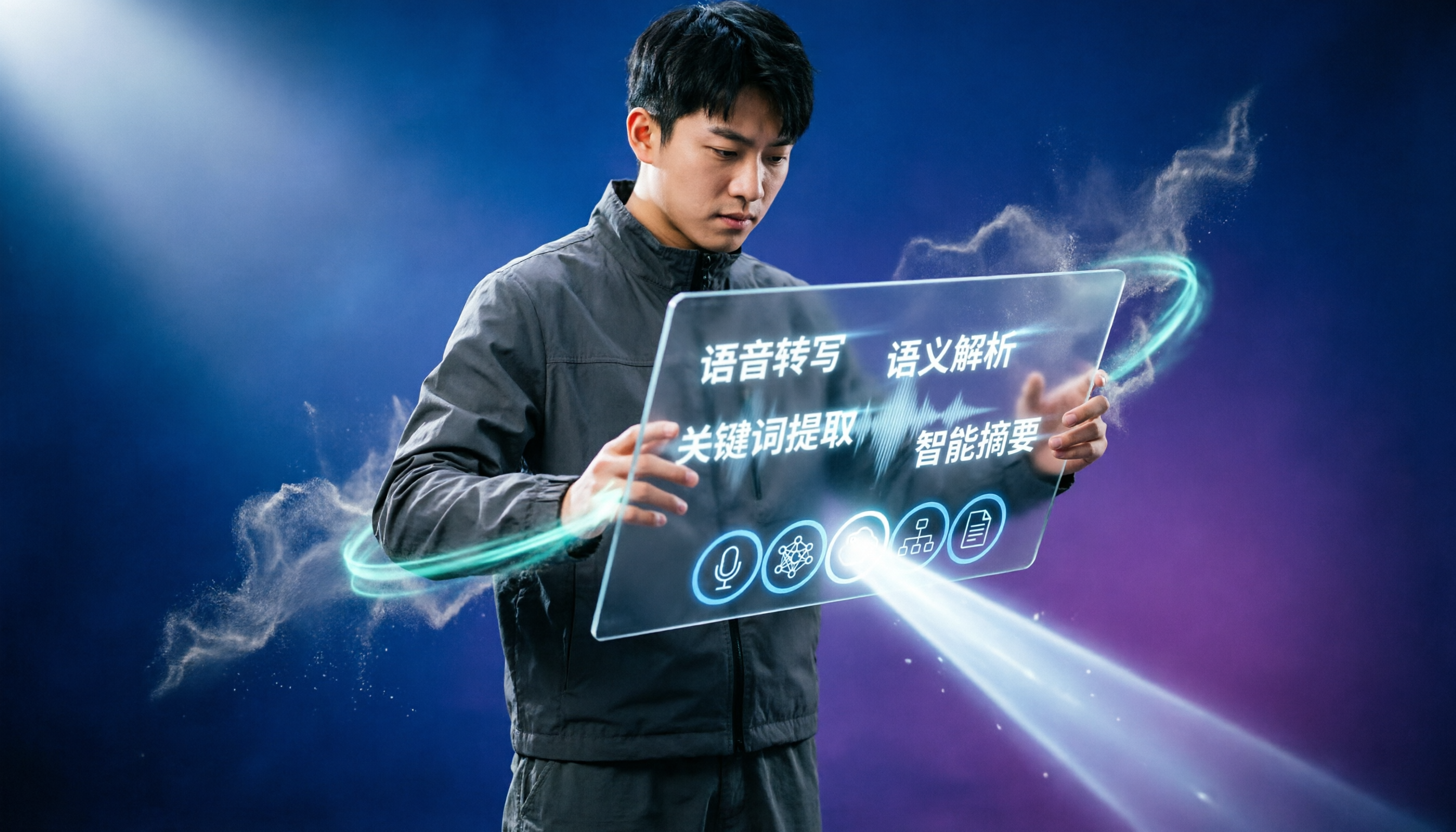
Turn recordings into transcripts and summaries in minutes
Upload audio or video for multilingual transcription, AI notes, and action items
What Can Interview Transcription Do for You?
For graduate students, interviews are the most critical data source in qualitative research, but the subsequent task of transcribing audio is often the most painful part. Tinrec is not just a simple transcription tool; it directly transforms your interview recordings into analyzable, searchable, and citable research material.
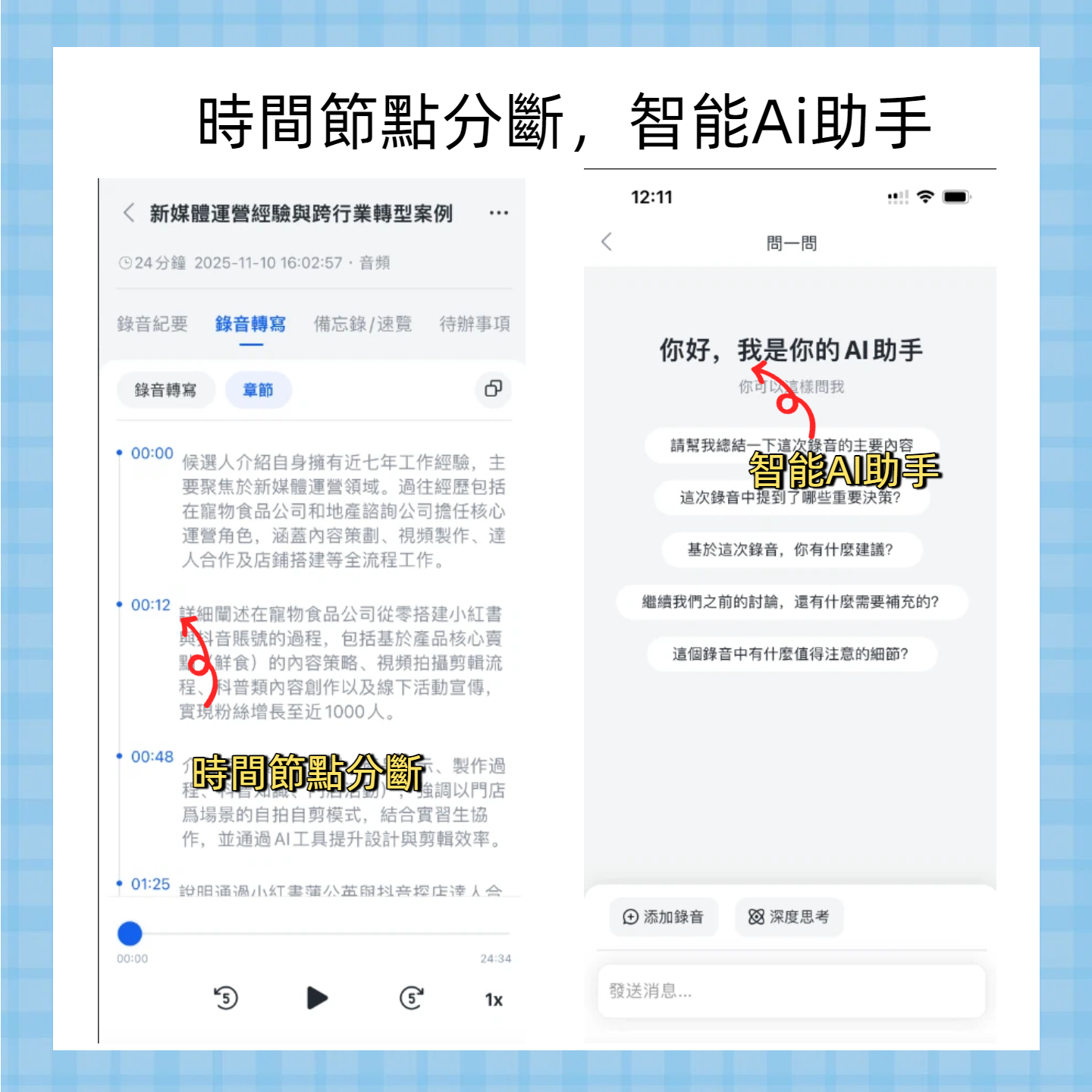
Scenario 1: Get a transcript of a one-hour interview in 5 minutes Previously, you might have spent 4-6 hours replaying and typing. Now, with Tinrec for example, simply upload your interview audio file, and the AI can produce a complete transcript within minutes, automatically adding timestamps for quick navigation to key sections.
Scenario 2: Automatically extract interview highlights without replaying After the interview, Tinrec automatically generates a structured summary, including the main viewpoints, keywords, and emotional shifts of the participant. You no longer need to listen from start to finish to grasp the overall picture.
Scenario 3: Query interview content like asking an assistant When writing your thesis and needing to cite a specific quote but forgetting the exact time, you can directly type in Tinrec's AI chatbox, "What were the participant's views on the policy change?" The system will semantically locate the relevant section and provide the answer.
What Are Tinrec's Core Capabilities?
Graduate students don't just need a simple recorder; they need an assistant that helps them jump from "organizing data" to "analyzing data." Tinrec's core capabilities are designed around this goal.
Real-time Speech-to-Text: Transcript as you interview If you're used to recording interviews with a laptop or phone, Tinrec supports real-time transcription with less than 1 second delay. As the participant finishes a sentence, the text appears almost simultaneously. You can review on the spot whether you missed key questions, and it's also convenient for quick later review.
Import Audio for Transcription: Supports Various Formats Most graduate students use a digital recorder or built-in phone recording, then organize later. Tinrec supports uploading common audio formats like mp3, wav, m4a, and can even transcribe directly from YouTube or cloud drive links without manual downloading and conversion.
AI Summarization & Key Point Marking: Turn long interviews into short reports Getting a transcript is just the first step. Tinrec further analyzes the content, automatically generating summaries, chapter topics, and keyword clouds. You can also manually mark key points on the transcript; all marks are compiled in the "Memo" area for easy cross-referencing later.
Automatic Speaker Diarization: See who said what at a glance Interviews often involve two or more participants. Tinrec can automatically identify different speakers and label them as Speaker 1, Speaker 2 in the transcript. You only need to rename them afterward (e.g., "Participant A", "Moderator"), saving you from voice identification.
AI Chat Query: Ask instead of search This is Tinrec's most powerful research assistant feature. After transcription, you can ask natural language questions like "What obstacles did the participant mention?" or "What common themes came up across multiple participants?" The AI semantically understands the entire audio database and directly gives you answers with cited passages.
Practical Application Scenarios: Graduate Interview Research
One-on-One In-Depth Interviews
This is the most common research form. Simply open Tinrec's live recording during the interview or upload the audio file afterward. The system will produce a full transcript, auto-summary, and speaker labels. You can also quickly find specific viewpoints via AI query, saving at least 70% of organizing time.
Stop organizing recordings by hand
Upload audio or video and automatically get a transcript, summary, and action items
Focus Group Interviews
Multi-person discussions are prone to overlapping voices and difficulty identifying speakers. Tinrec's speaker diarization performs well in groups of 3-5 people (recommended use of a lavalier microphone for better audio quality). You can see each speaker's sections in the meeting log and grasp the overall discussion direction through AI summaries.
Multilingual Interviews
If your research involves immigrants, migrant workers, or foreign-language participants, Tinrec supports transcription and translation in 14 languages, including Chinese, English, Japanese, Korean, Cantonese, and more. After transcription, you can ask questions in Chinese, and the AI will search across languages for answers, breaking language barriers.

Longitudinal Studies
Audio files from multiple interviews scattered across different folders are hard to consolidate and analyze. Tinrec offers a database concept: you can place all recordings from the same research project in one category and return anytime to query and compare participant viewpoints across time points, like a dedicated research knowledge base.
4 Things to Consider When Choosing an Interview Transcription Tool
1. Transcription Accuracy: Don't just look at official numbers Many tools claim accuracy above 95%, but that's in quiet lab conditions. Graduate interviews may take place in coffee shops, participants' homes, or outdoors, where background noise is significant. Test with your own interview recordings using a free trial. For example, with Tinrec, under typical meeting room conditions with phone recording, Chinese transcription has a character error rate of about 8-12%, sufficient for research analysis; double-check important quotes against the original audio.
2. Speaker Diarization: Key to organizing efficiency If the tool can't automatically label who is speaking, you still have to spend time listening and marking. Tinrec's speaker diarization can accurately distinguish 2-4 speakers in clear recordings, and renaming is intuitive—a must-check feature when purchasing.
3. AI Organizing Features: Transcription is just the beginning; analysis is key If you only get a transcript, you still need to highlight and summarize yourself. Tinrec's automatic summaries, keyword extraction, and AI chat query help you jump directly to the analysis stage. When choosing a tool, check if it offers "post-transcription" organizing capabilities rather than just comparing price and minutes.
4. Privacy & Research Ethics: Where does your interview data live? Research data often involves participant privacy. When using cloud tools, confirm data storage location and encryption mechanisms. Tinrec's privacy policy states that data is encrypted during transmission and storage, and your recordings are not used for model training. Still, obtain participant consent before uploading and regularly delete unnecessary recordings after analysis.
Frequently Asked Questions
Q: Is the free tier enough? A: If you conduct no more than 2-3 hours of interviews per month, Tinrec's free tier provides enough basic transcription allowance for transcripts and testing. However, during heavy interview periods, consider upgrading to the Pro plan, which costs less per month than hiring a part-time transcriptionist.
Q: My interviews mix Chinese and English. Is recognition good? A: Tinrec performs well with mixed Chinese-English content, correctly transcribing common proper nouns and English terms. But if three or more languages or heavy dialects are involved, test with a short audio sample first.
Q: What export formats are available? Can I use it with thesis analysis software? A: Tinrec supports export to txt, docx, srt subtitle files, and integrates with third-party tools to sync content to Notion, Google Docs, etc. For qualitative analysis software like NVivo or MAXQDA, export as txt file for direct use.
Q: Can I transcribe audio from my phone? Do I need special equipment? A: No extra hardware needed. Tinrec has iOS and Android apps; your phone serves as both recorder and transcription tool, and you can also upload old recordings. As long as the audio is clear, the built-in microphone meets basic recognition needs. For frequent formal interviews, a cheap lavalier microphone is recommended.
Summary
Graduate students' most valuable resource is not the tool budget, but the time and energy for data analysis. Tinrec transforms interview recordings from "transcription hell" into a "searchable knowledge base". It not only quickly delivers transcripts but also lets you interact with your data through queries, focusing on truly important research findings.
If you're preparing a thesis or research proposal, download Tinrec's free version and try it. Monthly basic transcription allowance is enough to experience the full workflow of one interview—see how AI turns an hour of audio into directly analyzable material, so you can focus on writing your paper.
Turn every recording into actionable outcomes
Get 60 free transcription minutes when you sign in. No credit card required.
Related Reading
You might also like
2026 Tinrec vs Otter.ai: 5-Dimension Comparison – Which One Is Better for Auto Note-Taking in Online Classes?
Looking for an automatic note-taking tool for online classes? This article compares Tinrec and Otter.ai across 5 key dimensions including transcription accuracy, AI summarization, and cross-platform support to help you choose the best solution for recording and organizing lecture notes.
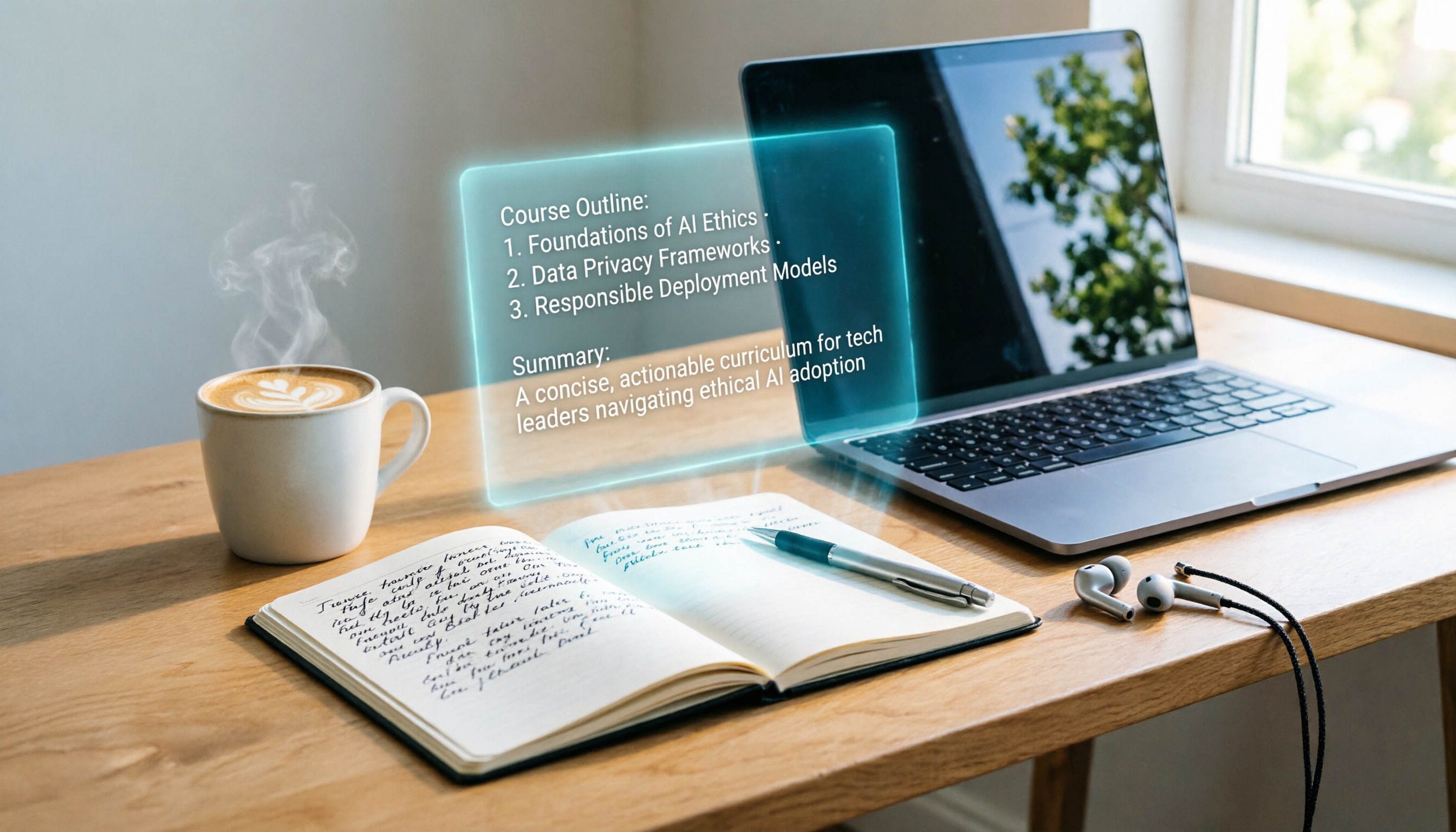
2026 Online Course AI Notes Complete Guide: A Full Tutorial on Automatic Summary and Key Point Generation
Tired of spending hours transcribing online course recordings? This guide teaches you how to use AI recording tools to turn course audio into structured notes, covering everything from purchase tips to real-world recommendations and pitfalls to avoid.

Best Online Class Captioning Tools in 2026: Tested 3, This AI Transcription is Perfect for Students
Tired of scrambling to take notes during online classes? We tested 3 popular captioning tools, comparing Cantonese recognition, AI summary features, and cross-platform support. Here's our top pick for students and professionals—no more staying up late to catch up on transcripts.

2026 Interview Recording Transcription Tool Buying Guide: 4 Tested Tools and Recommendations
A hands-on test of 4 speech-to-text apps for interview recording, finding the best tool for US professionals. From recording to transcription to AI-generated interview summaries, learn how to use Tinrec to save overtime hours.
How to Convert Report Recordings to Text in 2026? A Complete 5-Step Guide
Overwhelmed by piles of meeting, interview, and course recordings? This article uses Tinrec and Yating Transcript as examples to walk you through 5 steps from recording to report completion, teaching you how to efficiently organize audio files and choose the right tool to easily turn recordings into usable report data.

Best Interview Recording Tools 2026: Tested 5, This AI Q&A Tool Tops
The demand for interview recording organization tools has surged. AI tools can quickly transcribe, highlight key points, and even let you query specific answers via chat. This article tests 5 solutions, from free to professional, and finds that Tinrec (Seconds Audio) is the most practical for deep interview analysis because it is the only one offering AI Q&A and comprehensive post-organization features.

Tutorial: 2026 AI Meeting Note Tool – Multi-Source Audio/Video Transcription, AI Summaries & To-Do Automation
The most comprehensive tutorial for AI meeting note tools in 2026, using Tinrec as an example. Learn how to automatically generate meeting summaries and to-do items with AI, supporting multi-source audio/video transcription. Hands-on review and buying tips for small to mid-size team managers.

2026 Student Classroom Notes AI Free Plan Roundup: 3 Tools at a Glance
This article compares 3 free AI tools for classroom notes: Tinrec, Otter, and Notta. Using Tinrec as an example, it provides a complete tutorial on how to use AI to convert recordings to text, generate summaries, and create key notes to help students quickly organize lecture content.

Best WeChat Voice-to-Text App? 2026 Test: 3 Top Picks with the Best Free Plan for Students
Tired of WeChat voice messages? We tested 3 tools from a student's perspective to find the best free plan, highest accuracy, and AI chat query feature.