

Turn recordings into transcripts and summaries in minutes
Upload audio or video for multilingual transcription, AI notes, and action items
2026 Tinrec vs Otter.ai: Deep 4-Dimension PK for Remote Work – Which One Should a Middle Manager Choose?
Tinrec vs Otter.ai | Quick Overview
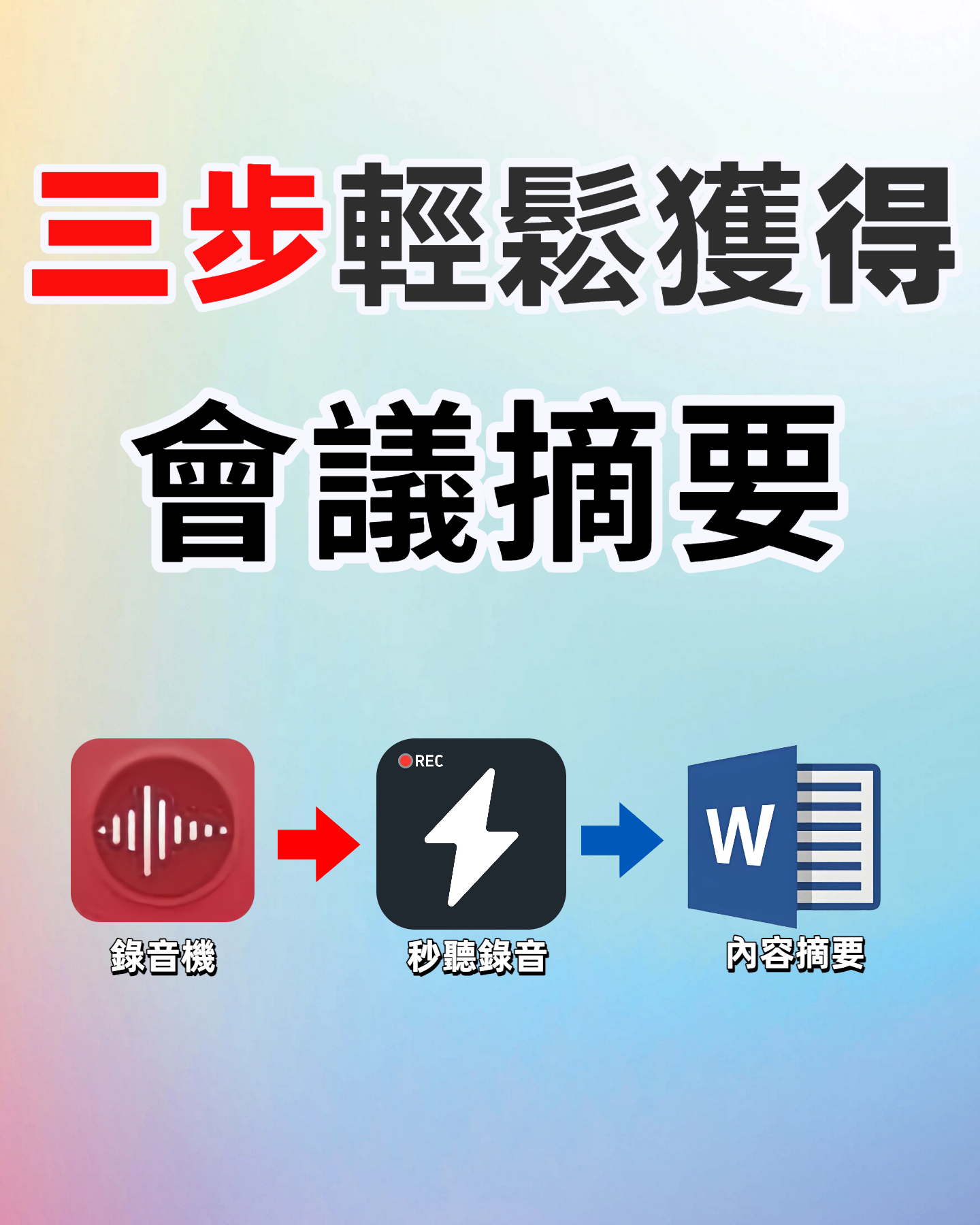
Otter.ai is a well-known AI meeting notes tool among global teams, excelling at automatically joining Zoom, Google Meet, and other online meetings with real-time transcription and team collaboration. Tinrec, on the other hand, is more like an "audio/video data processing workstation"—it doesn't just handle meetings; it can also process classes, interviews, online videos, and local audio/video files. After transcription, it can summarize, extract action items, answer questions via AI, and even export to various productivity tools.
Below, we test both tools across the four most critical dimensions for remote work to reveal the real difference.
| Item | Tinrec | Otter.ai |
|---|---|---|
| Core Positioning | AI recording & audio/video processing platform | AI meeting notes & team collaboration |
| Platform | iOS, Android, Web | iOS, Android, Web (some features limited) |
| Free Transcription Quota | Monthly base quota | 300 minutes/month |
| Chinese Support | Native Traditional/Simplified Chinese interface & transcription | English-first; Chinese usable but not primary |
Dimension 1: Recording Sources & Scenario Coverage
Otter.ai is heavily focused on the "meeting" scenario—it can automatically join online meetings from your calendar, which is indeed convenient for those with back-to-back meetings. However, remote work recording needs go far beyond meetings. You might need to transcribe a voice memo from your boss, a YouTube tutorial video, or a client phone call. In these scenarios, Otter.ai feels limited. It has very limited support for local files or online videos; sometimes you even have to play the audio file manually and let it "listen"—which is far from elegant.
Tinrec covers it all. Whether it's live recording, importing audio files from your phone, pasting a YouTube/TikTok/Bilibili video link, or even recording computer system audio directly, it can transcribe everything. For a middle manager working remotely, this is crucial—you no longer need to switch between different tools for different audio sources; Tinrec handles it all in one place.
→ This dimension: Tinrec clearly wins.
Dimension 2: AI Summarization & Action Extraction
Otter.ai automatically generates summaries and action items after meetings, which is commendable, but the results are more like a "meeting outline"—shallow in depth. I once used it to transcribe a cross-department coordination meeting; the summary only captured a few keywords, and it missed two action items. If you want to dive deeper into details, Otter's AI Chat can answer basic questions but cannot ask deep questions about a specific segment, nor can it export results into different report formats.
Stop organizing recordings by hand
Upload audio or video and automatically get a transcript, summary, and action items
Tinrec's AI summarization seems to better understand what a middle manager needs. It doesn't just provide a summary; it automatically creates chapter divisions, marks key paragraphs, and extracts action items from the conversation (it can even turn action items into a table via AI). The most useful feature is "AI Q&A": you can directly ask, "What was the boss's budget for the new project in last Friday's meeting?" and it will find the relevant segment in the recording, not just give you a vague summary. Finally, you can export the results in one click to Word, Notion, Google Docs, etc., turning them into deliverable documents immediately.
→ This dimension: Tinrec's depth and subsequent usability are superior.
Dimension 3: Chinese Support & Localization
Otter.ai's core market is English speakers. Although it supports Chinese transcription, error rates increase significantly in mixed Chinese-English contexts, Taiwanese colloquialisms, or technical terms. I tested a Chinese meeting recording with Otter and Tinrec; Otter transcribed "消庫存" (clear inventory) as "削褲存" (cut pants storage) and "ARPU" as "阿噗" (phonetic), requiring considerable proofreading time.
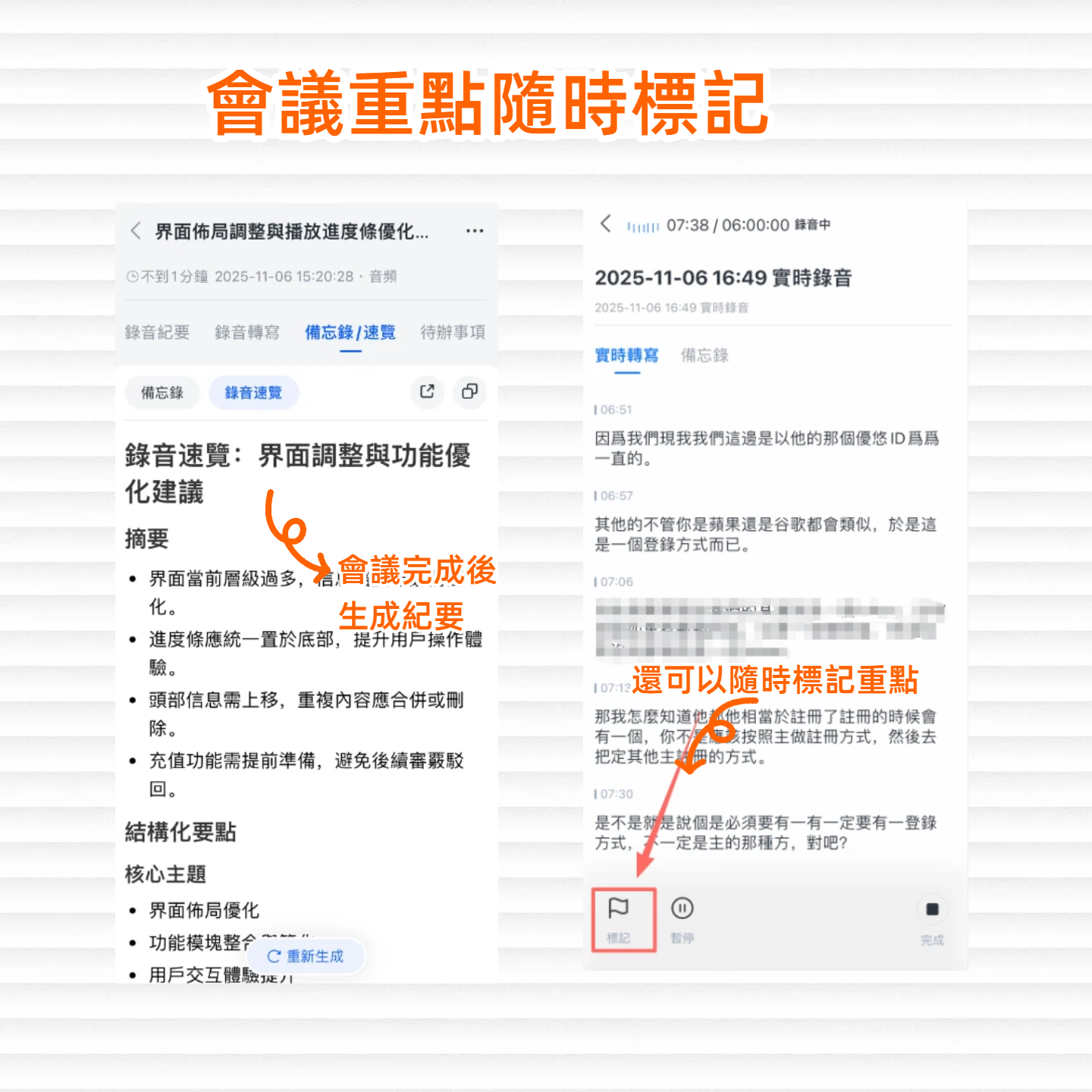
Tinrec's interface and transcription engine are designed for Chinese users, including Traditional Chinese terminology and better handling of mixed Chinese-English usage. In the "Taiwanese Mandarin + English jargon" meetings common in remote work, Tinrec's verbatim transcript can almost be directly pasted into reports, saving a lot of time on post-editing.
→ This dimension: Tinrec is far ahead in Chinese-language practicality.
Dimension 4: Cross-Platform & Pricing Flexibility
Otter.ai has iOS and Android apps, but the web version offers the most complete features, and some advanced features (like automatic meeting joining) can only be configured on the web. For a middle manager who needs to quickly process a recording on their phone, the experience is not smooth. In terms of pricing, the free plan gives 300 minutes per month, which sounds decent, but with file import restrictions, heavy users quickly hit limits. The Pro plan starts at $8.33/month (billed annually), which also lacks flexibility.
Tinrec fully accommodates the diverse device needs of remote work: record on phone, process on computer, read on tablet—progress syncs seamlessly. The pricing is more flexible: the free plan lets you test it out; if you have a sudden heavy transcription need, buy a weekly card; for regular long-term use, choose Pro monthly or yearly. Middle managers can adjust based on their meeting seasons without being locked into an annual contract.
→ This dimension: Tinrec wins again in flexibility and cross-device consistency.
Unique Strengths of Each
Tinrec's Unique Strengths
- One-click transcription of online videos: Paste a public video link and it generates a summary and transcript—great for those who frequently extract content from YouTube or social media.
- AI conversational search: Treat recordings as a database; ask questions about past meeting decisions and data—no more lost information.
- Multi-format export & post-processing: Export results as documents, tables, or even mind maps; AI can also generate meeting reports based on the recording content, turning it into deliverable work.
Otter.ai's Unique Strengths
- Mature meeting bot experience: Automatically joins online meetings, identifies speakers, and enables real-time collaborative notes—ideal for teams whose main communication is through video meetings.
- Excellent English ecosystem integration: Smooth connections with Slack, Dropbox, etc., suitable for international English-speaking work environments.
Summary: Which One Should You Choose?
- If 80% of your recording needs are online meetings with team sharing, and your working language is primarily English → Otter.ai is decent
- If you need to handle more than just meetings—like course recordings, interviews, online videos, voice memos—and require accuracy in Chinese → Tinrec is almost the only solution
- If you need to turn recordings into usable documents (reports, to-do lists, summaries) rather than just getting a transcript → Tinrec's AI post-processing makes it a mini assistant
- If you don't want to be locked into annual contracts and prefer flexible pay-as-you-go pricing → Tinrec's weekly/monthly card combo is more practical
In a nutshell: For most middle managers who need to manage up and delegate down, Tinrec is a more complete choice suited for Chinese-language remote work. I recommend starting with the free plan—feed it your next meeting or an online video—and experience how it transforms your audio/video data into immediately actionable knowledge.
Turn every recording into actionable outcomes
Get 60 free transcription minutes when you sign in. No credit card required.
Related Reading
You might also like

2026 Hands-on Comparison of Two Business Meeting Speech-to-Text Tools: Which AI Summarization Saves You the Most Effort?
How to choose a speech-to-text tool for business meetings? This article hands-on compares Notta and Tinrec, from input sources, AI summarization depth, Chinese language experience to downstream applications, guiding you step by step to find a truly time-saving workflow, and provides a quick-start checklist.

Tinrec vs Yating Transcript 2026: 4-Dimension Comparison – Which Free Phone Transcription Tool Is Better?
Looking for a free way to turn phone recordings into text? This article compares Tinrec and Yating Transcript across four dimensions: free credits, AI organization, cross-platform support, and Chinese accuracy. Find out which tool truly boosts your productivity.

2026 Comparison of 2 Speech-to-Text Apps: Which Free Plan is Best for Workers?
In-depth comparison of two AI recording tools, Tinrec and PLAUD NOTE, across 5 dimensions: core features, input sources, post-processing, pricing, and cross-platform experience. Discover which app offers the best free plan for productivity.

2026 Comparison Test of 4 Speech-to-Text Apps: Which AI Meeting Notes Actually Saves You Time?
We tested 4 popular speech-to-text apps for the workplace, comparing accuracy, AI summaries, cross-platform support, and free tiers. Tinrec stands out with AI chat query and multi-source support, especially for Mandarin and Cantonese meetings. This review helps you avoid buying mistakes and find the most time-saving solution.
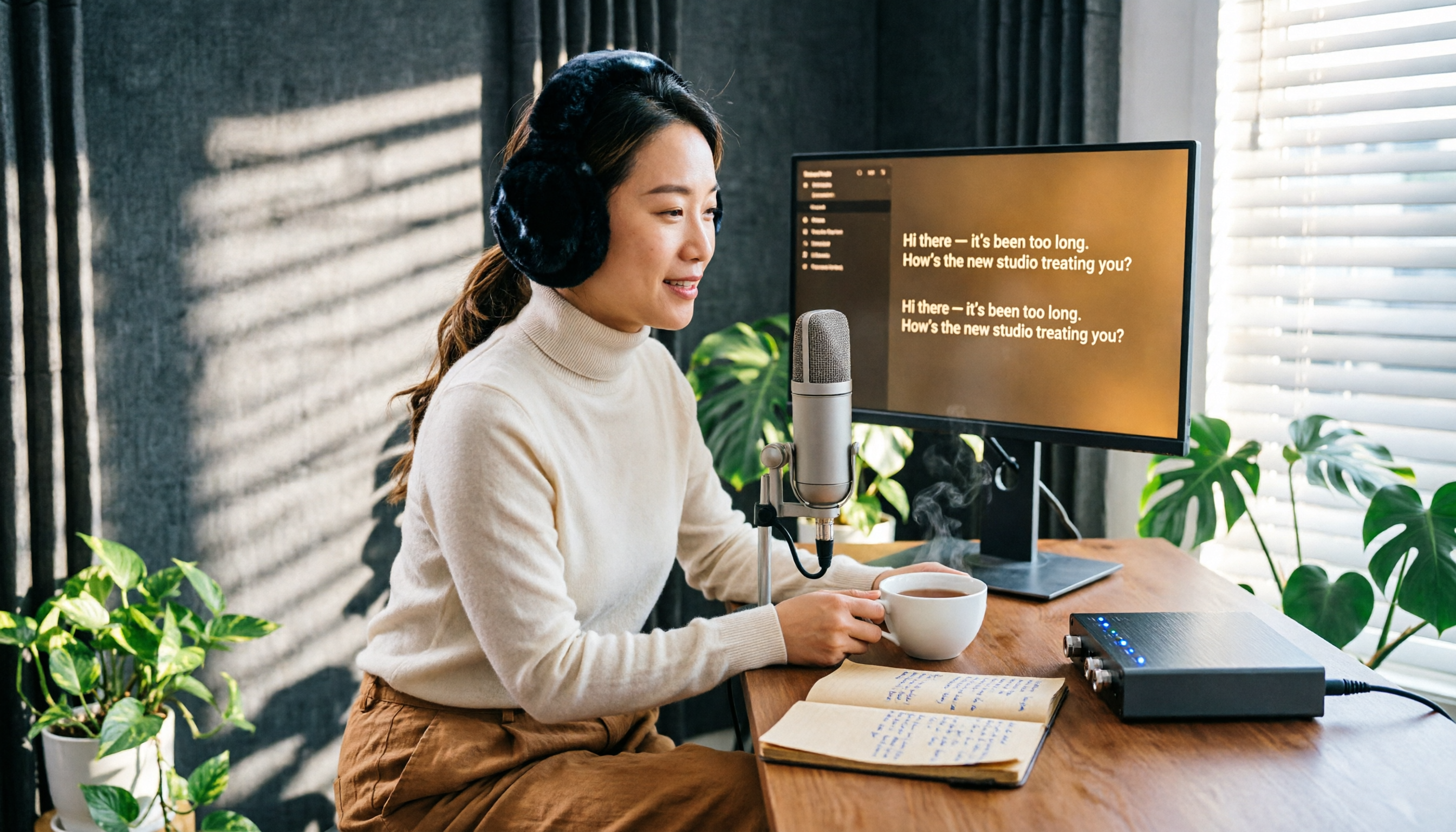
The Complete Guide to Podcast Transcription in 2026: Features, Use Cases, and Tool Recommendations
This guide is tailored for podcasters, covering the most practical transcription features of Tinrec—from interview transcripts, key summaries, to note exports—helping you save hours of post-production time, and providing key points for choosing a transcription tool.

2026 Hands-On Comparison of 5 Meeting Note Apps: Which AI Assistant Really Saves Office Workers Time?
A mid-level manager who attends 15 meetings per week personally tests 5 meeting note apps—from voice-to-text transcription, AI summarization, to-do lists, to cross-device sync—to find out which one saves you the most time on meeting minutes so you can focus on what truly matters.
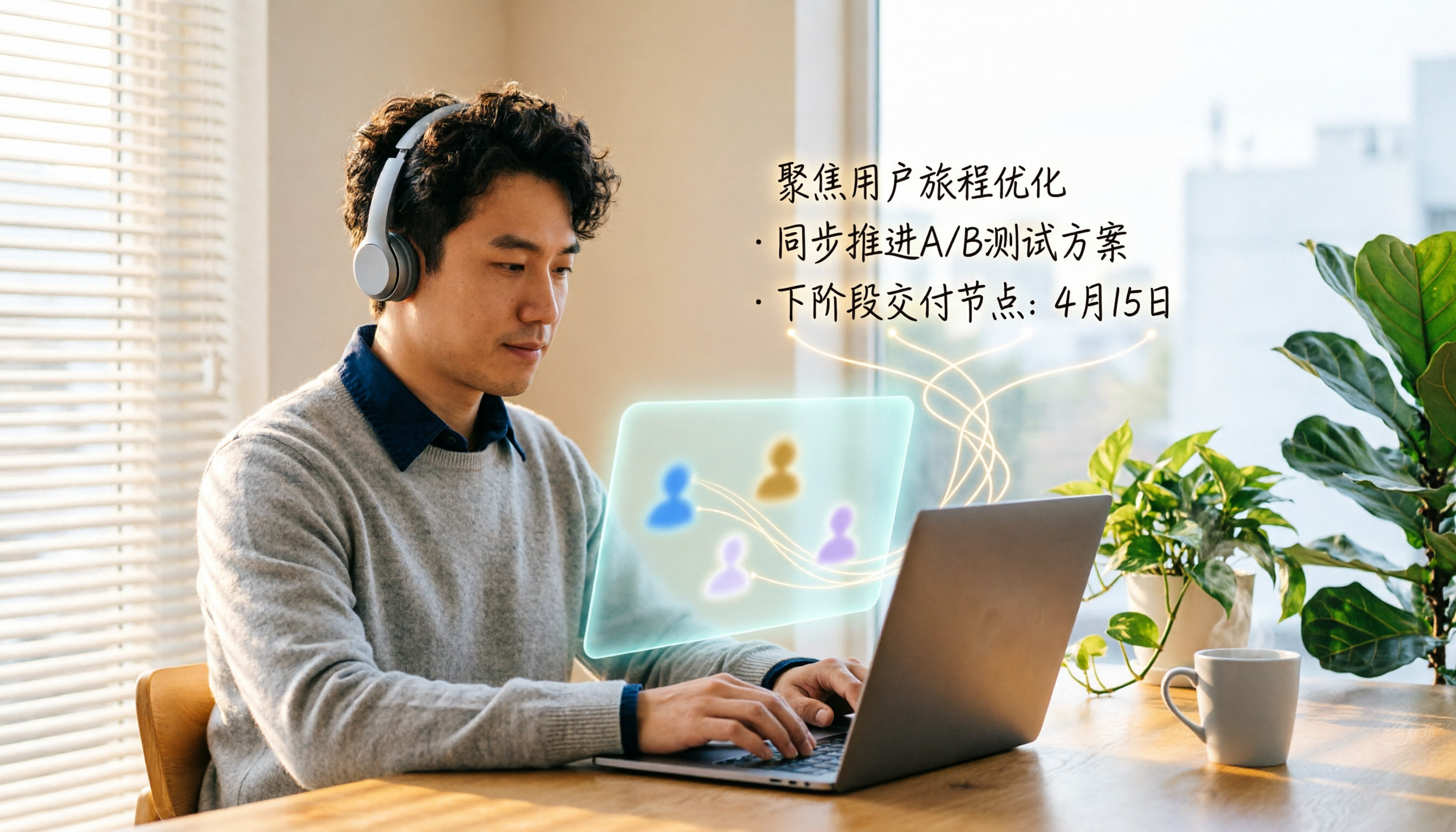
2026 Comparison of 4 Remote Work Meeting Note Tools: Which AI Summary Saves the Most Time?
The biggest fear in remote work is losing meeting notes. We tested four mainstream meeting note tools, comparing Chinese accuracy, AI summary quality, and cross-platform support to help you find the best choice for your remote team.

4 Transcription Tools Comparison in 2026: Find the Best Solution for Organizing Performance Review Recordings
Organizing performance review recordings doesn't require manual transcription. We compare four transcription tools—Tinrec, Notta, Otter.ai, and Fireflies.ai—focusing on Chinese accuracy, AI summarization, and pricing to help you choose the best tool.
4 Transcription Tools Comparison in 2026: Find the Best Solution for Organizing Performance Review Recordings
Organizing performance review recordings doesn't require manual transcription. We compare four transcription tools—Tinrec, Notta, Otter.ai, and Fireflies.ai—focusing on Chinese accuracy, AI summarization, and pricing to help you choose the best tool.