

Turn recordings into transcripts and summaries in minutes
Upload audio or video for multilingual transcription, AI notes, and action items
Last month, I had three cross-department project meetings in a row, each over an hour. Afterward, staring at three audio recordings, I sighed—I’d have to spend another whole afternoon sorting through them, extracting key points, action items, and decisions into a report.
I decided to find a tool to help.
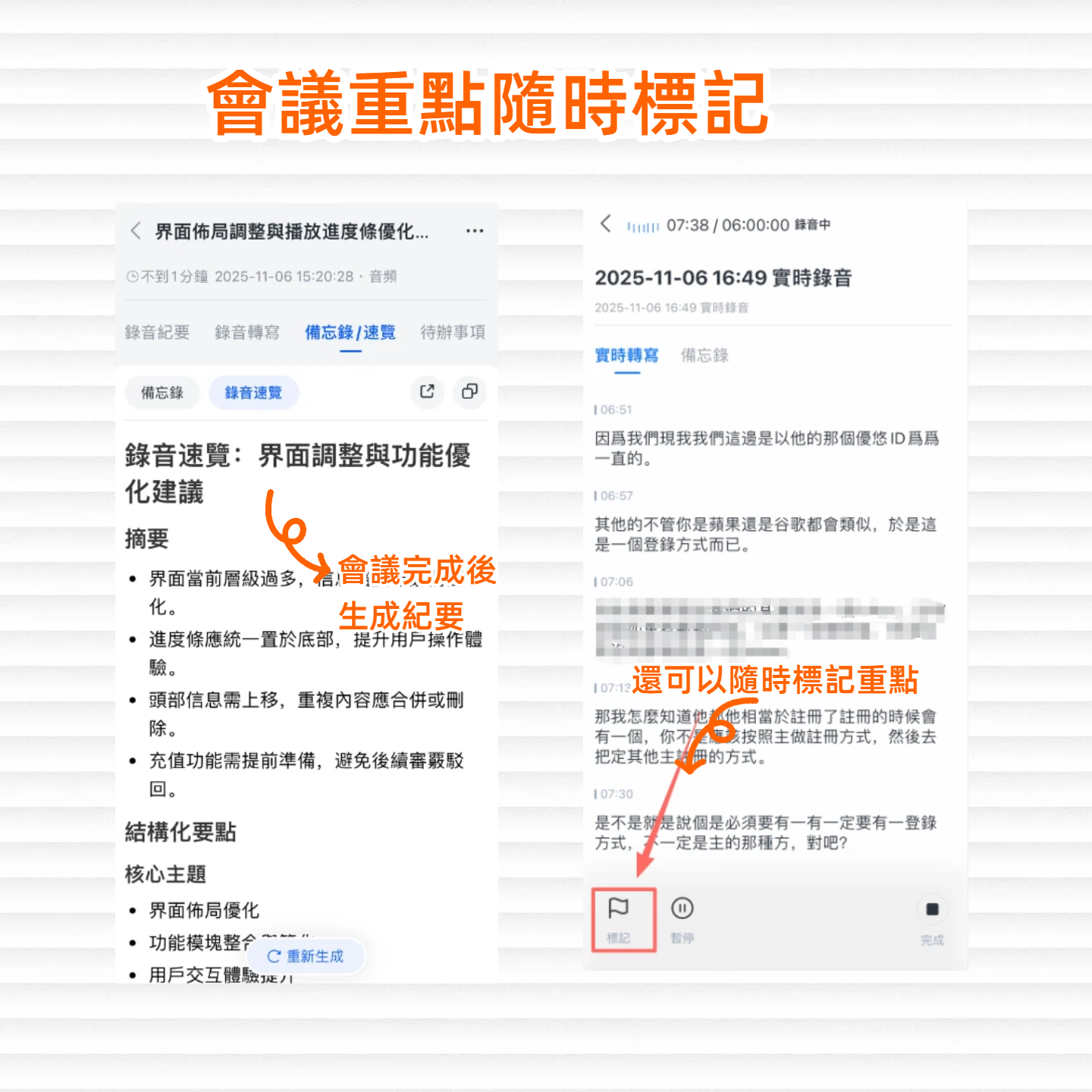
I started with Notta, which has a good reputation. Its transcription speed is fast, and the verbatim transcript is mostly accurate, but all I got was a text transcript—I still had to read through it manually and take notes, just like before.
Later, a friend who is also a productivity consultant said, "What you need isn’t transcription—it’s summarization." He recommended I try Tinrec.
So I deliberately used the same meeting recording to run through both Notta’s and Tinrec’s workflows, to see which one truly saved me time.
Tinrec vs Notta: Quick Overview
Notta is the tool many people think of first when looking for "speech to text." Its transcription is reliable and it supports multiple languages. Tinrec, on the other hand, has a different focus—it’s not just a transcription tool; it’s more like a workstation that turns audio and video into actionable data.
| Feature | Notta | Tinrec |
|---|---|---|
| Price (Free tier) | 120 minutes/month | Basic monthly transcription quota |
| Available Platforms | Web, iOS, Android | Web, iOS, Android |
| Core Difference | Transcription, translation, subtitles | Transcription + AI summarization + downstream apps |
Next, I compare the two tools across five common pain points in real meetings.
Dimension 1: Input Sources: Can It Only Record Meetings?
Notta does a great job at real-time transcription—just open the app on your phone and it converts meeting conversations to text on the fly. But one time I wanted to add a 15-minute YouTube interview, and there was no way to input it. This is a blind spot for most meeting transcription tools: they assume your audio always comes from a live event.
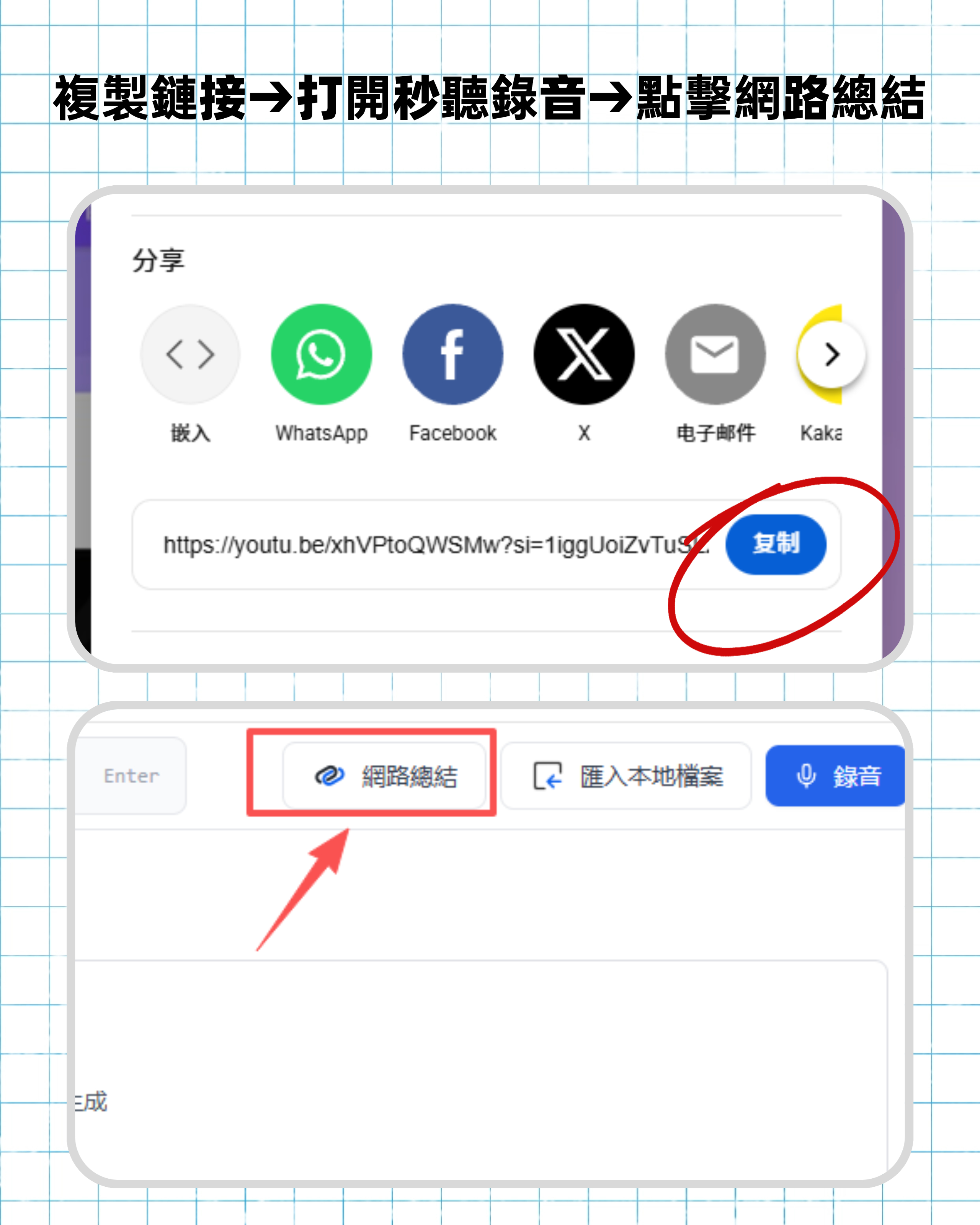
In my work, besides meeting recordings, I also have course videos, podcast clips, and even voice messages from colleagues. Tinrec makes "web video link" a core input method—just paste the link, and it parses, transcribes, and generates a summary.
(Screenshot: web video link parsing interface, arrow pointing to “Paste Link” button)
This dimension: Tinrec clearly wins. It makes the starting point of audio summarization not just "recordings" but any audio/video content you encounter.
Dimension 2: AI Summarization Depth: A Verbatim Transcript or a Ready-to-Use Note?
After transcribing a meeting with Notta, you get a verbatim transcript and a short AI summary. The summary is like "the topics discussed in this meeting"—it gets the direction right, but you still need to cross-reference the original text and extract action items.
With Tinrec, the same meeting recording not only produces a summary, but also automatically divides into chapters, highlights key points, and extracts a to-do list. What surprised me most is the "extract action items" feature—it directly lists "who should do what and by when," so I just confirm and paste into my notes.
(Screenshot: to-do list interface, arrow pointing to auto-extracted items)
Stop organizing recordings by hand
Upload audio or video and automatically get a transcript, summary, and action items
This dimension: Tinrec clearly wins. The end point of transcription shouldn’t just be text, but actionable material.
Dimension 3: Real Experience with Chinese Meetings
Notta has solid multilingual support, and its Chinese transcription accuracy is decent. However, in meetings with mixed Chinese and English jargon, I noticed its summary sometimes ignores context, reducing a critical discussion to something like "the team discussed project progress."
Tinrec emphasizes "content understanding." Its meeting minutes retain the original meaning as much as possible, and it supports direct AI queries: you can ask "What was the budget number mentioned earlier?" or "What were the client’s specific opinions on the new feature?" — Notta doesn’t have this conversational query feature yet.
(Screenshot: AI Q&A interface, arrow pointing to the conversation input box and response)
This dimension: Tinrec clearly wins. Summarizing Chinese meetings isn’t just about accuracy—it’s about understanding context.
Dimension 4: Data Export and Downstream Usage
Notta can export text as TXT, PDF, and other common formats. That’s sufficient for someone who just wants to archive.
But in my workflow, meeting notes go into Notion, key points go into Todoist, and ideas go into Obsidian. Tinrec offers more export options, allowing one-click sending to external tools without repeated copy-paste. It also supports generating meeting reports, tables, and other deliverables based on the recording—this step makes it more like a post-production workstation, not just a tool that ends after transcription.
(Screenshot: multi-format file export interface, arrow pointing to options like Notion, Google Docs)
This dimension: Tinrec clearly wins. Transcribed data must seamlessly flow into existing workflows, or it just becomes more digital clutter.
Dimension 5: Pricing Flexibility and User Experience
Notta’s free tier gives 120 minutes per month, which is fine for someone with fewer than three meetings a month. But during busy seasons, you’ll need to upgrade to Pro annual plan.
Tinrec’s free tier provides a basic quota, good for trying it out. What’s special is its "weekly pass" option. Once I needed to process a large number of interview recordings in a short time, I just bought a one-week Pro plan without committing to a monthly subscription—very thoughtful for freelancers.
This dimension: Tinrec wins on plan flexibility. It’s not about who has the lowest per-unit price, but about offering suitable choices for different usage patterns.
What Unique Advantages Does Each Have?
Tinrec’s advantages:
- Direct transcription from web video links; handles more than just meeting recordings.
- Auto-generates action items and chapters, turning meeting content into actionable lists.
- Supports AI conversation query on recording content, like asking a personal database.
- Multi-format export and further AI report generation, integrating into existing workflows.
- Flexible payment plans; weekly pass ideal for short-term high demand.
Notta’s advantages:
- Stable and real-time transcription; basic features are simple and easy to use.
- More complete translation and subtitling capabilities, suitable for multilingual meetings or video production.
Conclusion: Which One Should You Choose?
- If you just need a verbatim transcript of speech and have little need for post-processing, Notta is still a reliable choice.
- If you want to get a summary, action items, and chapters right after the meeting, and be able to drill into details with the recording, Tinrec is closer to real work scenarios.
- If your audio comes from not only meetings but also online courses, YouTube videos, and client voice messages, Tinrec’s multi-source parsing is a more complete solution.
In a nutshell: Notta helps you "convert to text," while Tinrec helps you "organize the next steps." For most people who need to turn meetings, learning, and interviews into actions, download Tinrec’s free version and run your own recordings—you’ll feel the difference.
Quick-Start Checklist
- Download the Tinrec app or open the web version, log in with a free account.
- Before your next meeting, click "Record Live" or "Record Online Meeting" to start.
- After the meeting, review the AI-generated summary and action items to ensure completeness.
- If you have questions, use the AI query feature to ask about the recording content directly.
- Export the action items to your notes or task tool.
- For web videos or old recordings, use the "Web Link" or "Import File" feature to process them.
Test step by step, and you’ll gradually master turning audio and video into actionable knowledge.
Turn every recording into actionable outcomes
Get 60 free transcription minutes when you sign in. No credit card required.
Related Reading
You might also like

Tinrec vs Yating Transcript 2026: 4-Dimension Comparison – Which Free Phone Transcription Tool Is Better?
Looking for a free way to turn phone recordings into text? This article compares Tinrec and Yating Transcript across four dimensions: free credits, AI organization, cross-platform support, and Chinese accuracy. Find out which tool truly boosts your productivity.

2026 Comparison of 2 Speech-to-Text Apps: Which Free Plan is Best for Workers?
In-depth comparison of two AI recording tools, Tinrec and PLAUD NOTE, across 5 dimensions: core features, input sources, post-processing, pricing, and cross-platform experience. Discover which app offers the best free plan for productivity.

2026 Comparison Test of 4 Speech-to-Text Apps: Which AI Meeting Notes Actually Saves You Time?
We tested 4 popular speech-to-text apps for the workplace, comparing accuracy, AI summaries, cross-platform support, and free tiers. Tinrec stands out with AI chat query and multi-source support, especially for Mandarin and Cantonese meetings. This review helps you avoid buying mistakes and find the most time-saving solution.
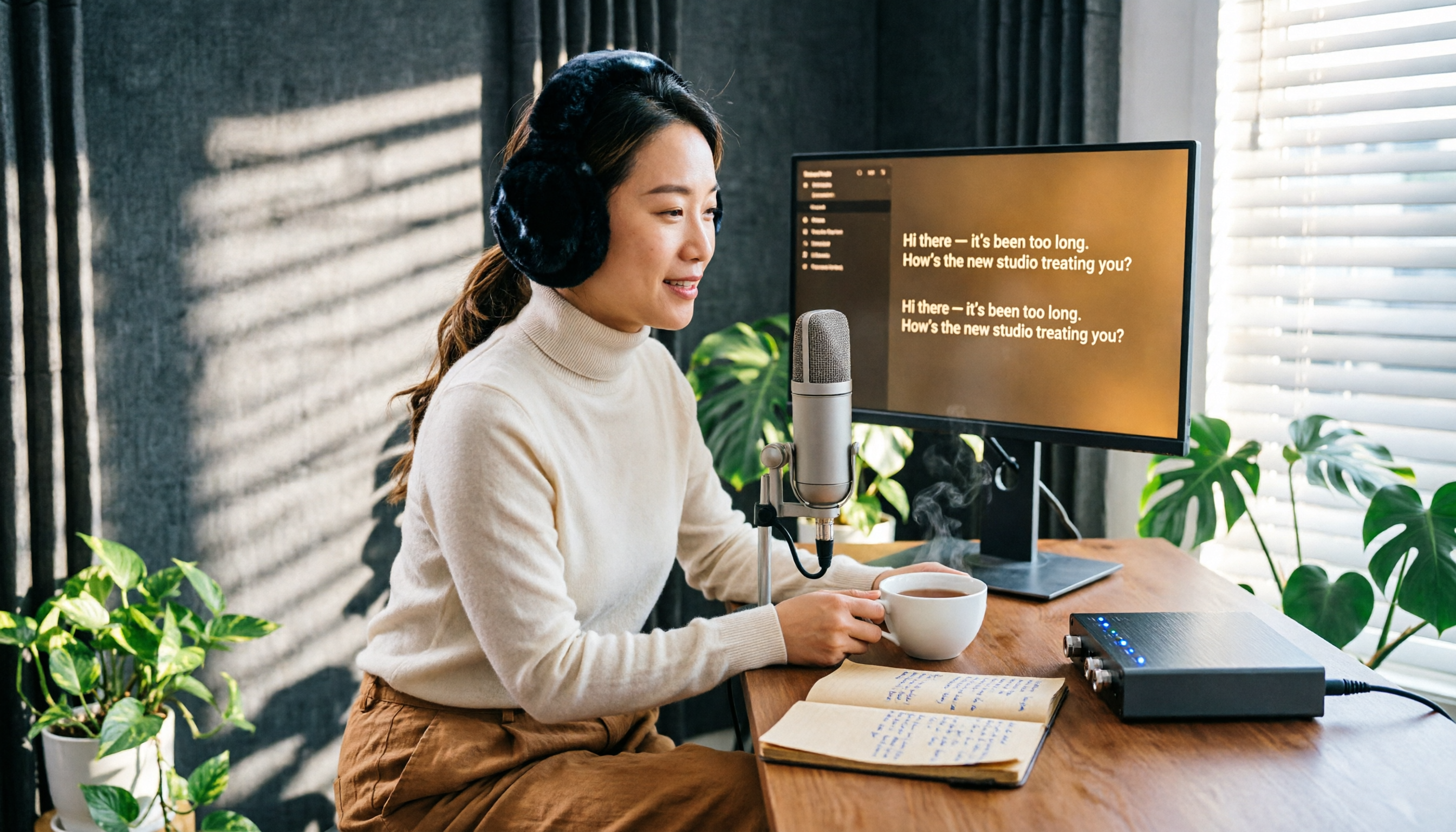
The Complete Guide to Podcast Transcription in 2026: Features, Use Cases, and Tool Recommendations
This guide is tailored for podcasters, covering the most practical transcription features of Tinrec—from interview transcripts, key summaries, to note exports—helping you save hours of post-production time, and providing key points for choosing a transcription tool.

2026 Hands-On Comparison of 5 Meeting Note Apps: Which AI Assistant Really Saves Office Workers Time?
A mid-level manager who attends 15 meetings per week personally tests 5 meeting note apps—from voice-to-text transcription, AI summarization, to-do lists, to cross-device sync—to find out which one saves you the most time on meeting minutes so you can focus on what truly matters.

2026 Comparison of 4 Remote Work Meeting Note Tools: Which AI Summary Saves the Most Time?
The biggest fear in remote work is losing meeting notes. We tested four mainstream meeting note tools, comparing Chinese accuracy, AI summary quality, and cross-platform support to help you find the best choice for your remote team.

4 Transcription Tools Comparison in 2026: Find the Best Solution for Organizing Performance Review Recordings
Organizing performance review recordings doesn't require manual transcription. We compare four transcription tools—Tinrec, Notta, Otter.ai, and Fireflies.ai—focusing on Chinese accuracy, AI summarization, and pricing to help you choose the best tool.
4 Transcription Tools Comparison in 2026: Find the Best Solution for Organizing Performance Review Recordings
Organizing performance review recordings doesn't require manual transcription. We compare four transcription tools—Tinrec, Notta, Otter.ai, and Fireflies.ai—focusing on Chinese accuracy, AI summarization, and pricing to help you choose the best tool.

2026 Real-World Test: 4 Speech-to-Text Apps Compared – Which Saves the Most Time for Remote Work?
A middle manager tests 4 AI speech-to-text tools for remote work meetings, interviews, and data organization. Deep dive into Tinrec vs Otter.ai across 4 key dimensions: recording sources, AI summarization, Chinese support, and cross-platform compatibility—helping you choose the most efficient assistant for complex workflows.