
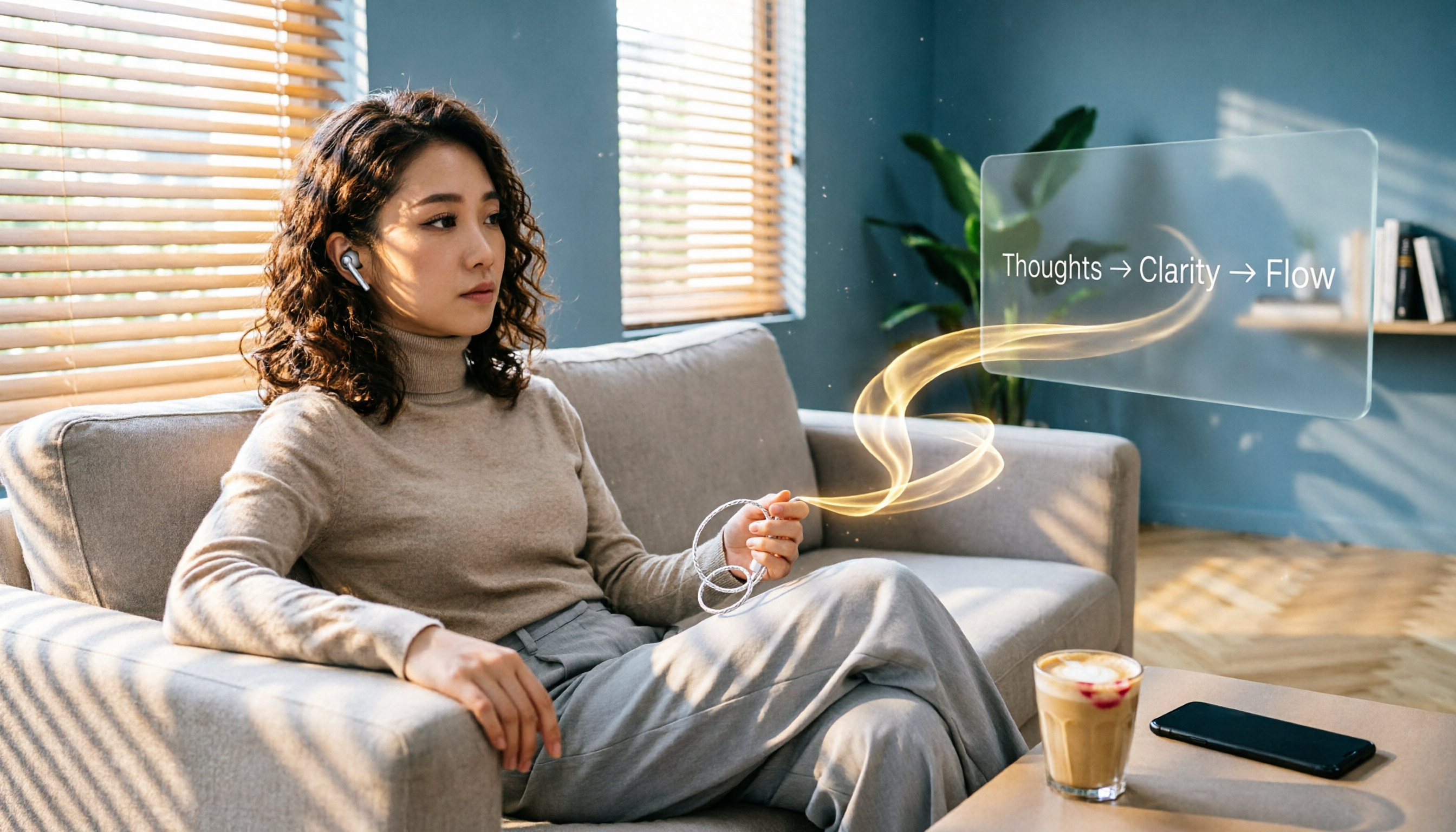
Turn recordings into transcripts and summaries in minutes
Upload audio or video for multilingual transcription, AI notes, and action items
Meetings running into overtime, and you still need to replay recordings to write meeting minutes? You've tried various speech-to-text apps, but got ripped off more often than not. The most annoying thing is that free tools only give you a few minutes of trial, and the transcription is inaccurate, leaving you to type it all out yourself. Instead of trial and error, check out our analysis of the three major types of speech-to-text solutions on the market to see which free transcription lasts the longest, and which has AI to help you organize, so you can leave work early.
Three Major Types of Speech-to-Text Solutions: What's the Difference Between Free and Paid?
Currently, speech-to-text tools on the market fall into three main categories, but don't expect "free unlimited"—each has trade-offs.
1. AI Meeting Bots
These tools specialize in online meetings. They can automatically join Zoom and Teams to take notes, providing verbatim transcripts, summaries, and to-do lists. Free versions usually offer a few hundred minutes per month, which sounds attractive, but many limit team size or storage space, and they mainly support English with uneven Cantonese support. If you're a solo user and clear your data monthly, it might barely suffice; but with a team or if you want to keep records, it's inadequate.
2. General Transcription Platforms
These tout file uploads, web page transcription, and multilingual translation. Free versions typically limit the number of files per day and single file length (e.g., 30 minutes), and you need to pay for unlimited use. The advantage is broad usability, but the downside is that you only get a verbatim transcript with no AI to organize key points, so you still have to process it yourself.
3. AI Recording Hardware
These are standalone recording devices you place on your desk without needing to open an app. They're convenient for portability, but the hardware costs at least a few hundred dollars, plus a monthly fee for AI organizing features. Free transcription gives you only a few hundred minutes per month. If you don't want to carry extra gear, a mobile app is enough.
After reviewing the three types, it seems none truly offer "free unlimited." Instead of chasing unlimited minutes, find a tool where the free version is sufficient for trial, and that helps you save time with organization—this is where Tinrec comes in.
How Does Tinrec Help You Save Time with Speech-to-Text?
Tinrec is not just a speech-to-text app; it's an AI audio and video processing workspace. The following scenarios you encounter daily, and using Tinrec means no overtime.
Scenario 1: Instant Meeting Minutes, No Need to Replay Recordings
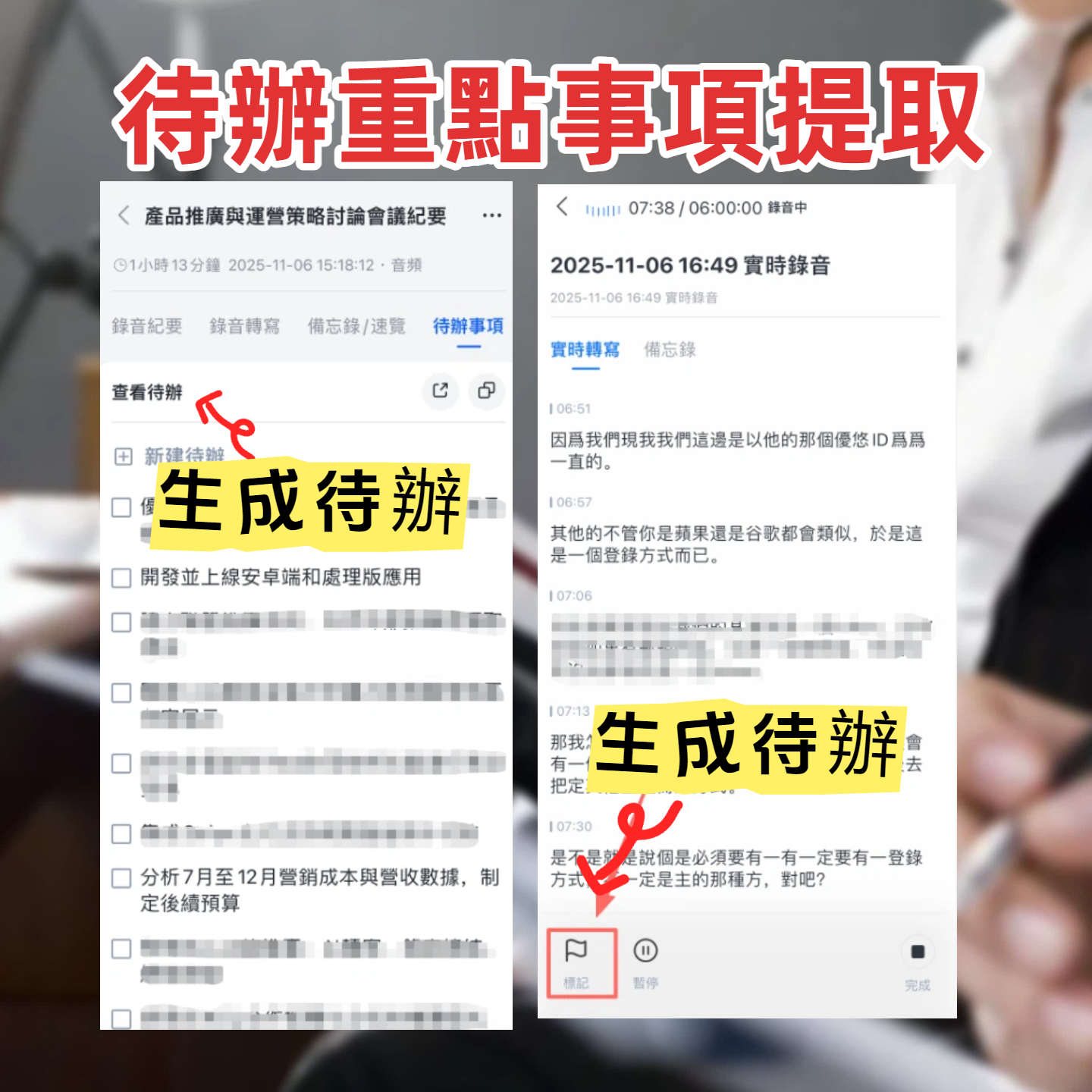
Before, after a two-hour meeting, you'd spend another hour organizing. Now, with Tinrec's real-time recording, by the time the meeting ends, the AI has already generated a summary, conclusions, and action items—who is responsible for what and deadlines are clear at a glance.
Scenario 2: Online Video to Text
Want to create content but don't have time to watch the whole video? Tinrec supports dropping a YouTube, Bilibili, or even TikTok link, automatically producing a verbatim transcript and summary. You can even grab subtitles with a click, saving you a lot of video-watching time.
Scenario 3: Classroom Audio to Notes
Recorded a lecture or talk and want to review later? Tinrec splits long recordings into chapters, each with titles and key points, and you can export to Notion or Google Docs, making studying more convenient than copying notes.
Tinrec Core Features: Transcription Is Just the First Step
Many tools on the market just hand you a verbatim transcript, but Tinrec excels in "what happens after transcription." The following features are available on the free version:
Stop organizing recordings by hand
Upload audio or video and automatically get a transcript, summary, and action items
- AI Semantic Summary: Not just shortening the text, but structuring it—meeting topics, discussion conclusions, action items, and responsible parties are separated clearly, so you don't have to search around after meetings.
- AI Conversation Query: You can directly ask Tinrec, "Who mentioned the budget in the meeting?" or "What was the client feedback?" and it will answer based on the recording content, saving you from scrolling through the transcript.
- Action Item Extraction: Automatically extracts "items to follow up" from conversations, even marking who said it—perfect for project management.
- Multi-format Export: Export as TXT, DOCX, SRT subtitles, or sync to Notion and Google Docs, seamlessly integrating into your workflow.
Practical Applications: How Professionals, Students, and Creators Use Tinrec?
Professionals: Automate Meeting Minutes
With at least 3-4 meetings per week, use Tinrec for real-time recording. Within 5 minutes after the meeting, you'll receive AI-organized meeting minutes, with action items listed, ready to copy and email to your boss—leaving work early is no dream.
Students: Turn Classroom Recordings into Study Material
Record a professor's lecture, and Tinrec splits the 2-hour recording into 8 chapters, each with a title and key points. Export as PDF to use as notes, doubling your study speed before exams.
Content Creators: Process Videos and Podcasts
Want to turn a YouTube video's content into an article? Drop the link into Tinrec, and it automatically produces a verbatim transcript and summary, plus subtitle files, saving you transcription time so you can focus on creation.
4 Key Points When Choosing a Speech-to-Text Tool
Searching for "free unlimited" can easily lead to disappointment. Instead of relying on ads, check the following criteria and see how Tinrec performs.
- Don't Just Look at Free Minutes: Some tools brag about 300 minutes per month but limit file size or team size; Tinrec's free version provides a basic monthly transcription quota, enough for you to try real-time recording, file transcription, and online video processing—real experience is what counts.
- AI Organization After Transcription: Verbatim text is just the first step. Tinrec's AI summary, action item extraction, and AI Q&A features are available on the free version, so you don't have to read through everything again.
- Language and Cantonese Support: Not every app supports Cantonese. Tinrec supports multiple languages, including Cantonese, Mandarin, and mixed Chinese-English, perfect for Hong Kong professionals.
- Cross-Platform Convenience: Do they force you into specific hardware or only offer a web version? Tinrec has iOS, Android, and web versions—record on your phone, view on your computer immediately, no extra purchase needed.
Frequently Asked Questions
Q: Is there really a free unlimited speech-to-text service?
A: Realistically, a truly "free unlimited" tool is hard to find. Most free versions have limits on minutes, file count, or features. Instead of chasing unlimited, choose a tool where the free version is sufficient for trial and the features help you, like Tinrec.
Q: What are the limitations of the Tinrec free version?
A: The free version has a basic monthly transcription quota, allowing you to experience real-time recording, file import, and online video processing. For occasional meetings or classes, it's more than enough; if you need more minutes, consider the weekly card or Pro version.
Q: How accurate is the speech-to-text transcription?
A: Accuracy is affected by recording environment, background noise, and accents. Tinrec performs well in clear environments, especially with Cantonese and mixed Chinese-English, but don't expect 100% perfection—important content should be double-checked against the original.
Q: Can I transcribe online videos?
A: Yes. Tinrec supports dropping links from public videos like YouTube, Bilibili, and TikTok, automatically generating verbatim transcripts and summaries, and you can export subtitles—very convenient.
Conclusion: To Avoid Overtime, Choose a Tool That Helps You Organize
The key to speech-to-text isn't "how many minutes," but "how much time you save after transcription." Many tools on the market just give you a verbatim transcript, but Tinrec takes you from recording to understanding to action in a complete workflow. The free version is enough for your daily meetings, classes, and videos. Instead of trial and error, download the Tinrec free version and experience how AI helps you organize recordings and make your life easier.
Turn every recording into actionable outcomes
Get 60 free transcription minutes when you sign in. No credit card required.
Related Reading
You might also like
2026 Speech-to-Text Tool Buying Guide: Tinrec vs Plaud Note Hands-On Review and Recommendations
A senior MIS student tested both apps for a semester, comparing Tinrec and Plaud Note on price, cross-platform support, AI features, and more to help you decide which is best for students.

Complete Guide to Speech-to-Text Open Platforms in 2026: Features, Tool Selection, and Usage Tutorial
Want to know what a speech-to-text open platform can do for you? This complete guide covers core features, practical scenarios, and key purchasing points, using Tinrec as an example to demonstrate how to turn audio files from meetings, classes, interviews, etc., into immediately usable text.

A 2025 Comparison of 5 Speech-to-Text Tools: From Free to Paid
A curated selection of 5 major types of speech-to-text tools in 2025, from AI meeting bots to multi-source organization platforms, comparing features, pricing, and use cases. Using Tinrec as an example, this article provides a complete tutorial and FAQ.

2026 Comparison of 3 Speech-to-Text Input Methods: Real-time Transcription and Organization, This One Saves the Most Time
Looking for a speech-to-text input method? Our team tested 3 tools and found that Tinrec's instant transcription not only converts speech to text in real time but also automatically organizes key points and to-do items. It's great for meetings, classes, and interviews, offering excellent value.

2026 Speech-to-Text Tool Buying Guide: 3 Major Types Tested and Selection Tips
Wondering if speech-to-text tools are effective? This article tests 3 major types, uses Tinrec as an example, and shares buying tips, FAQs, and real-world use cases to help you find the best solution.

4 Best Speech-to-Text Tools in 2026: From Real-Time Transcription to AI Q&A
I tested multiple speech-to-text tools and narrowed down the top 4 recommendations for 2026. Using Tinrec as an example, I’ll show you how to turn recordings into actionable insights for meetings, classes, and interviews.

The Complete 2026 Guide to Transcription: Features, Use Cases, and How to Choose the Right Tool
A comprehensive comparison of the latest speech-to-text tools in 2026, from free options to professional AI transcription assistants. Dive deep into the features, pricing, and ideal use cases of Tinrec, Notta, Otter.ai, and more to find the perfect voice-to-text solution for you.

2026 Tinrec vs Otter.ai: 5-Dimension Showdown, Which Free Voice-to-Text App Suits You Best?
Compare Tinrec and Otter.ai across five dimensions: accuracy, Chinese language support, free tier, post-processing capabilities, and multi-scenario adaptability, to help you choose the best free voice-to-text tool.

Tinrec vs Notta 2026: 4-Dimension Comparison for Students – Best Alternative for Speech-to-Text
A senior student's semester-long comparison of Tinrec and Notta across free quotas, AI summarization, Chinese language support, and study scenarios to help you pick the best value speech-to-text tool.