

Turn recordings into transcripts and summaries in minutes
Upload audio or video for multilingual transcription, AI notes, and action items
Speech-to-text technology is now quite mature, but with so many tools on the market, which one actually works well? This article uses Tinrec (an AI audio/video organization tool) as an example—it can handle meetings, lectures, interviews, and online videos. In a nutshell, it "turns recordings into actionable knowledge." Tinrec supports iOS, Android, and web versions, and the free plan offers a monthly base transcription quota, making it suitable for office workers, students, and content creators.
What Can Speech-to-Text Do for You?
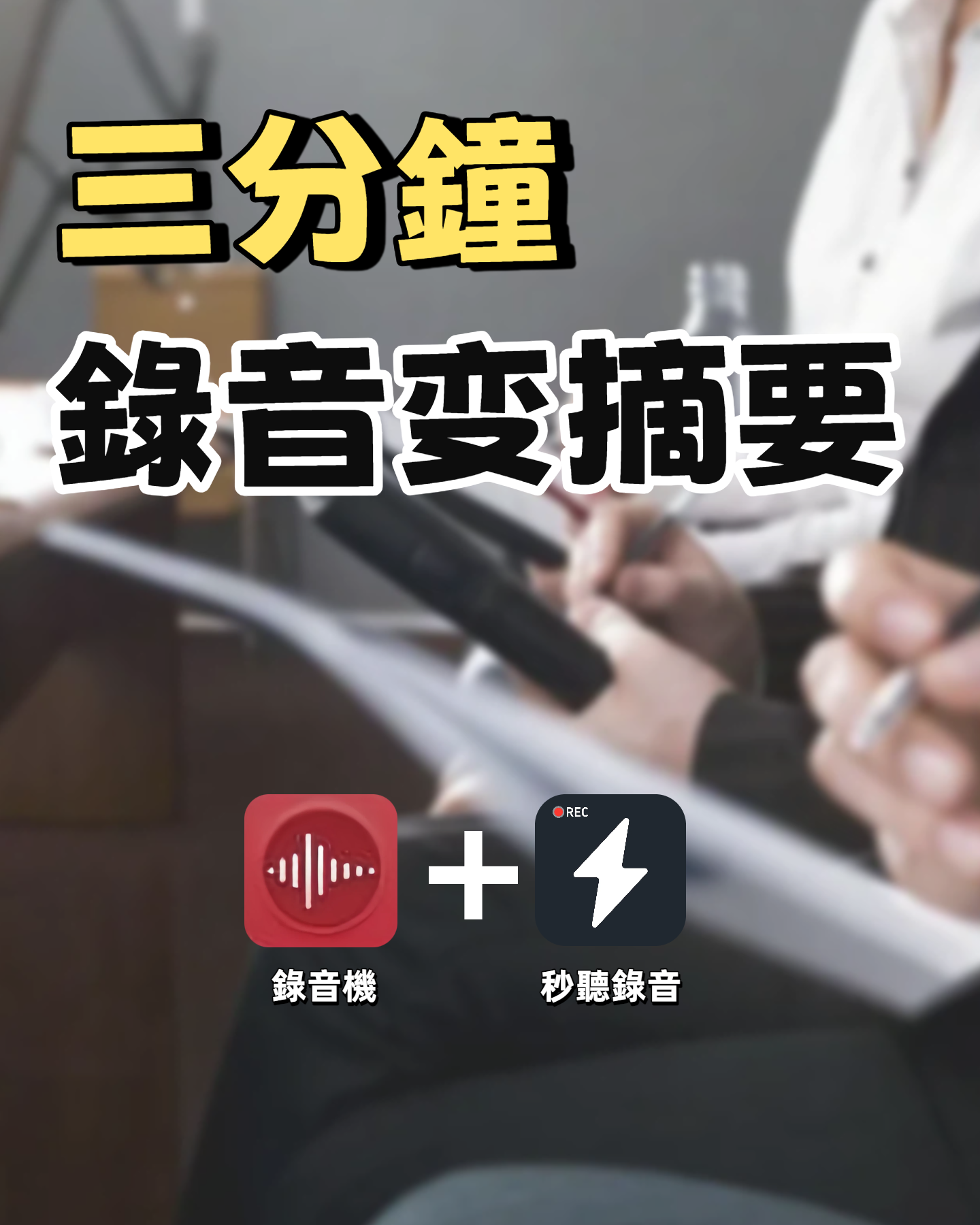
Scenario 1: Get Meeting Minutes in 5 Minutes After the Meeting
In the past, a two-hour meeting might require another hour to organize notes. Now with AI speech-to-text—using Tinrec as an example—the moment the meeting ends, the AI has already generated a summary, conclusions, and action items. Who is responsible for what and deadlines are all clear at a glance.
Scenario 2: Turn Lecture Recordings into Review Notes
Struggling to keep up with notes in class and missing key points? Tinrec doesn't just transcribe audio into text; it also automatically splits chapters and highlights key points, so you can review it like a structured handout.
Scenario 3: Quickly Turn Interview Recordings into Quotable Material
User interviews or expert interviews—the worst part is having to listen from start to finish. Just upload the audio file to Tinrec, and it produces a transcript and AI summary. You can even ask it, "What pain points did the interviewees mention?" and instantly find key passages.
Scenario 4: Turn YouTube and TikTok Videos into Text Material
Found an interesting online video you want to save? Just paste the video link, and Tinrec can parse and transcribe the audio, also generating a summary—great for collecting inspiration or research material.
Core Capabilities of Speech-to-Text
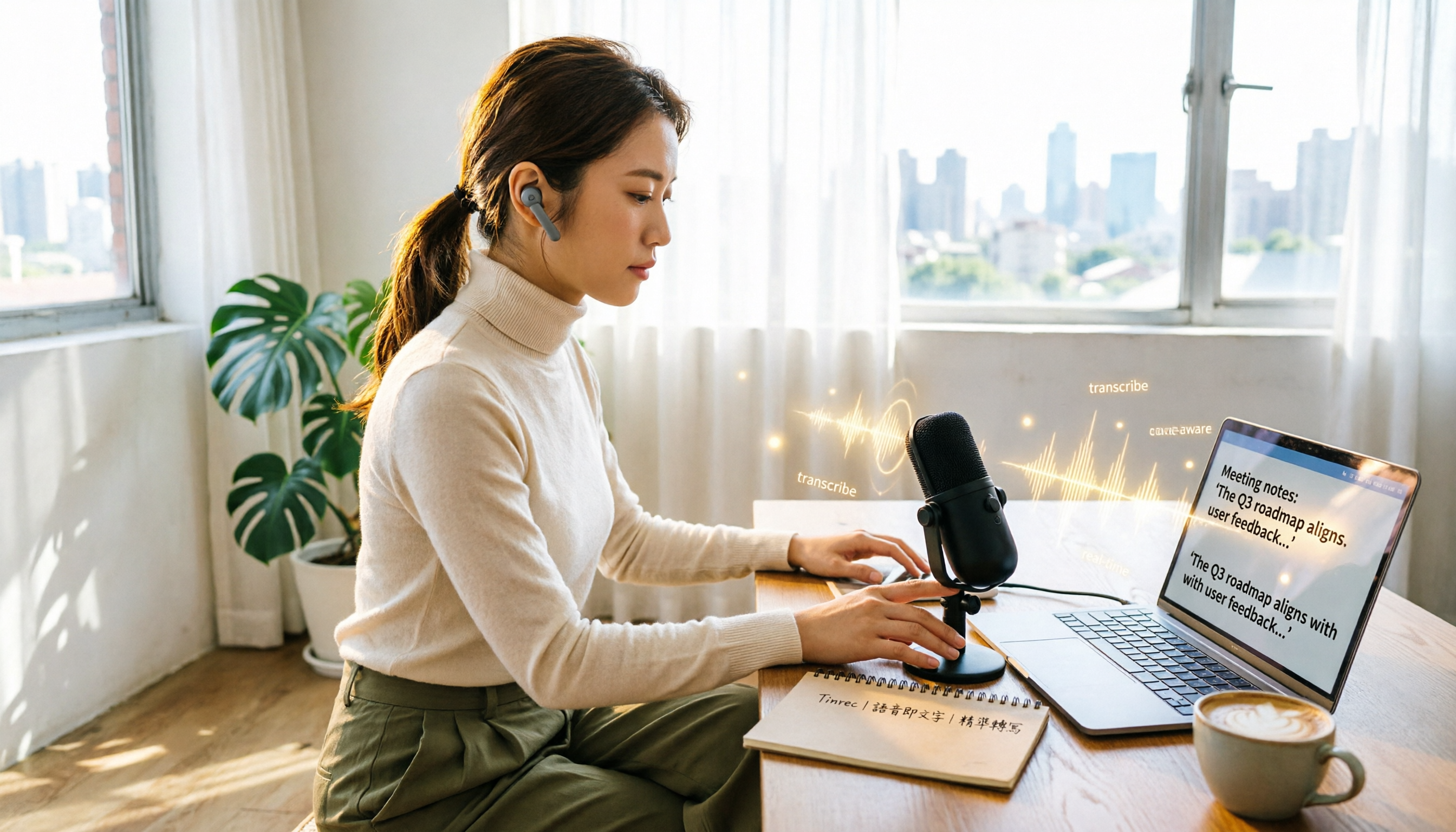
Real-Time Transcription: Text As You Speak
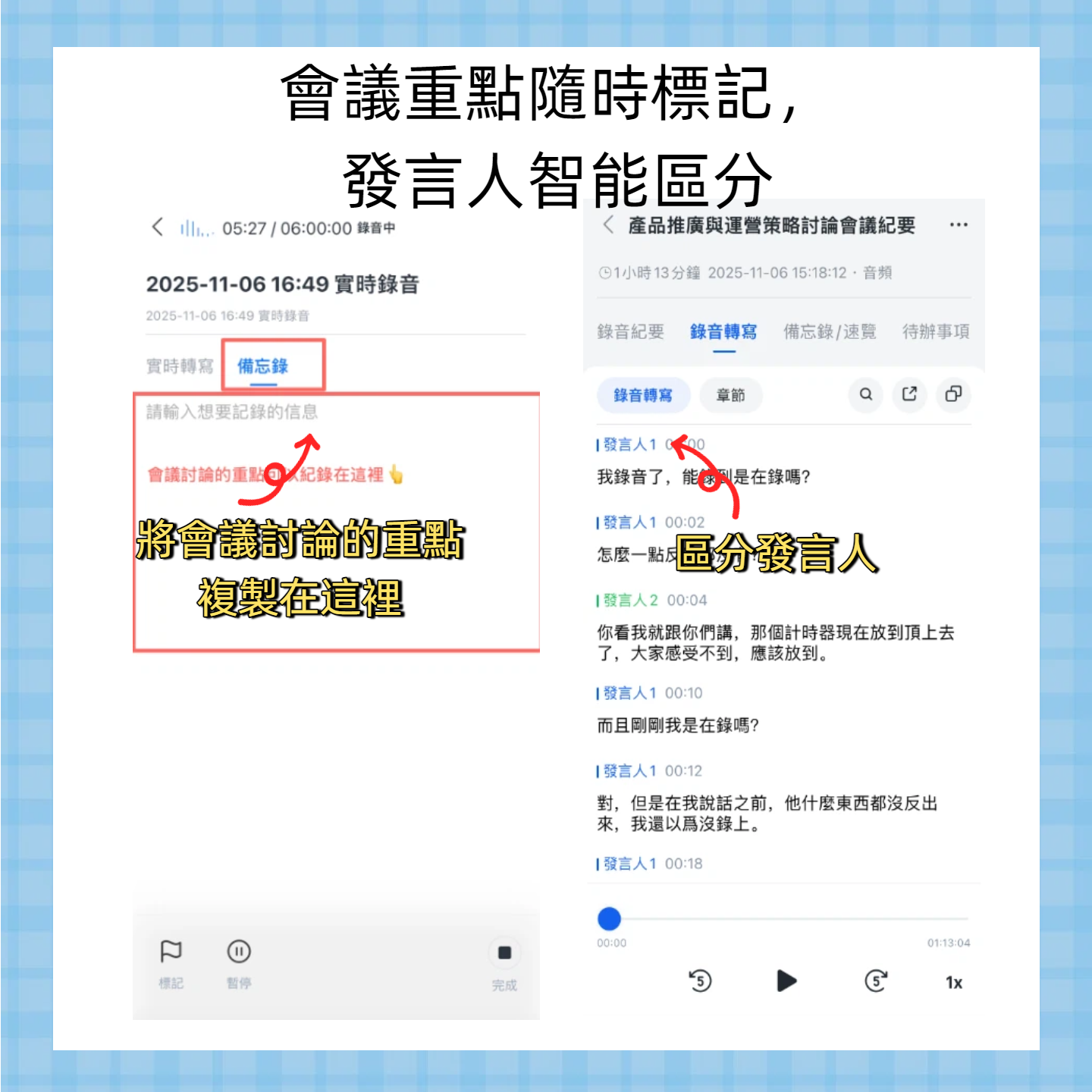
No need to wait until the recording ends—Tinrec's real-time transcription has less than 1 second latency. During a meeting, you can watch the text appear in real-time to confirm you haven't missed anything; in class, you can instantly review what was said earlier.
AI Semantic Summarization: Organized Key Points
Not just condensing the transcript into one paragraph, but breaking it into topics, conclusions, action items, and responsible persons—like a real meeting minutes document.
Chapter and Key Point Markers: Long Content No Longer Hard to Digest
For recordings over an hour, Tinrec automatically splits them into chapters and highlights important sections, so you can jump around like reading a book.
Stop organizing recordings by hand
Upload audio or video and automatically get a transcript, summary, and action items
Action Item Extraction: Turn Discussions into To-Do Lists
Tinrec can directly extract action items mentioned in meetings and list them out, saving you the manual work.
AI Q&A: Ask to Find Answers
After transcription, you can ask Tinrec: "Who mentioned the budget in the meeting?" "What was the client's feedback?" It answers based on semantics.
Real-World Use Cases
Meeting Minutes
Whether in-person or online meetings, Tinrec transcribes in real-time, and automatically produces minutes and action items afterward. It can even export to Notion or Google Docs for further editing.
Classroom Learning
Record lectures while learning, and Tinrec organizes chapters and key points, turning the recording into review notes you can study from directly—no more worrying about missing content.
Interviews and Research
Upload interview recordings to get transcripts and AI summaries, then use the Q&A feature to quickly filter key insights, dramatically cutting down organization time.
Content Creation
Paste a YouTube or TikTok link to get the video transcript and summary, making it easy for content creators to gather material, draft copy, or brainstorm new topics.
4 Things to Keep in Mind When Choosing a Speech-to-Text Tool
1. Accuracy: Don't Just Look at Official Numbers
Official accuracy claims are measured in ideal conditions. We recommend testing with your own recordings. Tinrec performs reliably in typical meetings and classrooms, though background noise or overlapping speech can still affect results.
2. AI Features: Transcription Is Just the First Step
Once converted to text, the key is whether the tool can help you organize. Some tools only provide a transcript, while Tinrec adds summaries, chapters, action items, and AI Q&A to make organization much easier.
3. Language Support: Is Your Common Language Covered?
If you need Chinese transcription, make sure the tool supports it. Tinrec supports 14 languages, and handles mixed Chinese-English content quite well.
4. Cross-Platform: Needs to Work on Phone and Computer
Confirm the tool supports your devices. Tinrec has iOS, Android, and web versions, allowing seamless use across devices with synced data.
Frequently Asked Questions
Is the Free Plan Enough?
If you only occasionally transcribe short recordings, Tinrec's free plan offers a monthly base quota—give it a try. If you have intensive meetings or classes coming up, consider the weekly or Pro plan.
What Languages Are Supported?
Tinrec currently supports 14 languages, including Chinese, English, Japanese, Korean, etc., and handles mixed Chinese-English content well.
How Is It Different from Otter.ai?
Otter.ai is more focused on English business meetings and team collaboration. Tinrec's strengths are handling meetings, lectures, interviews, and online videos simultaneously, and it's more friendly to Chinese content.
Can It Handle Long Recordings?
There's no single-recording length limit, but the free plan has a monthly total transcription time cap. The Pro plan offers higher quotas suitable for extended use.
Do I Need an Internet Connection?
Both real-time transcription and file upload transcription require an internet connection because they're processed via cloud AI. If there's no internet, you can record locally and upload later.
Summary
Speech-to-text is no longer new technology, but choosing the right tool can truly save you time. Tinrec not only provides transcripts but also uses AI to summarize, divide into chapters, extract action items, and even let you query data like a database. If you have weekly meetings, classes, or need to organize audio/video content, start with the free plan and experience turning recordings into actionable knowledge.
Turn every recording into actionable outcomes
Get 60 free transcription minutes when you sign in. No credit card required.
Related Reading
You might also like
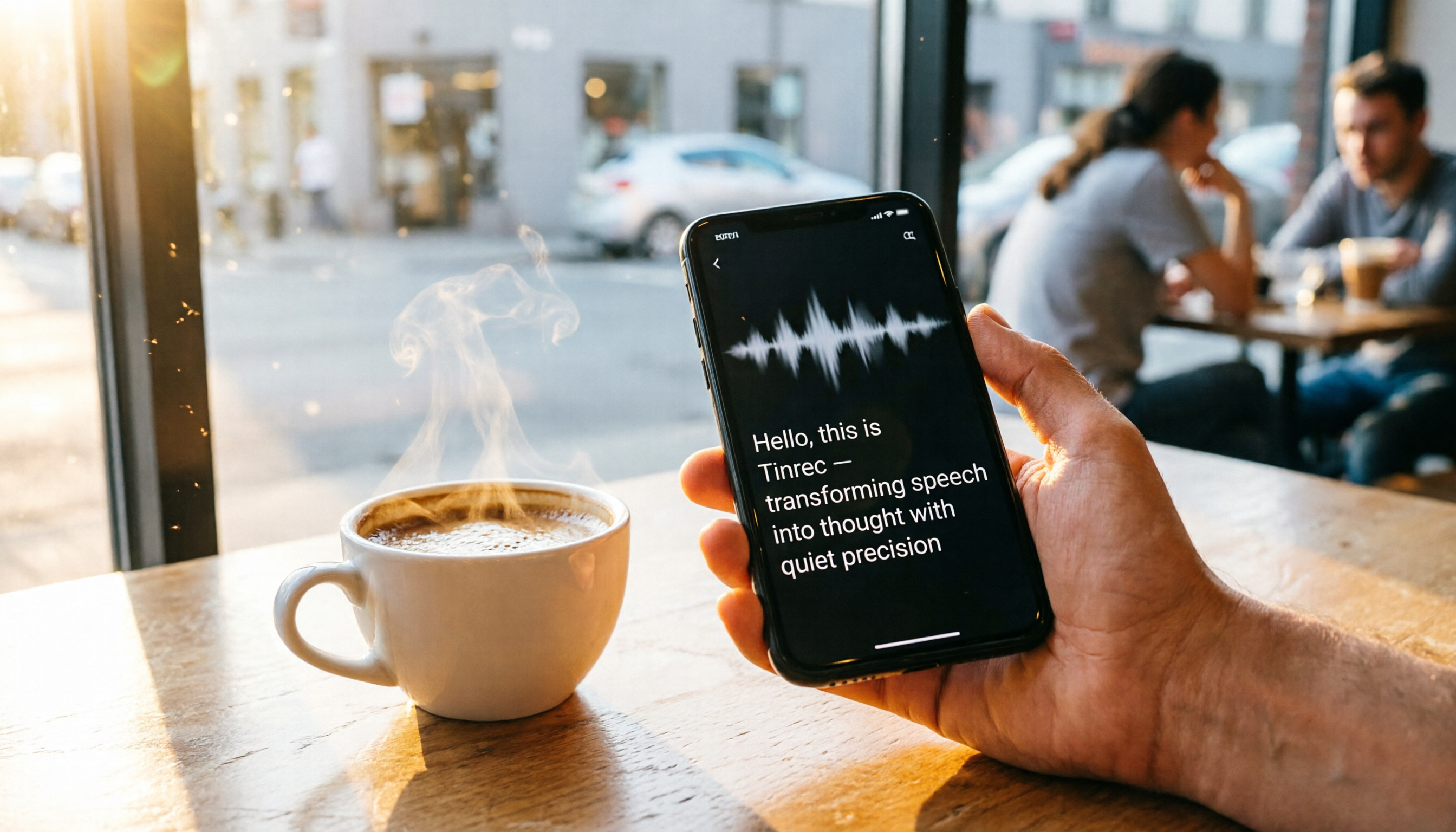
The Complete Guide to Speech-to-Text in 2026: Features, Use Cases, and How to Choose the Right Tool
Struggling to choose a speech-to-text tool? This article takes a practical approach, helping you understand the core features and application scenarios of speech-to-text. Using Tinrec (秒聽錄音) as an example, it teaches you how to select the best tool for your needs and easily turn recordings into usable data.
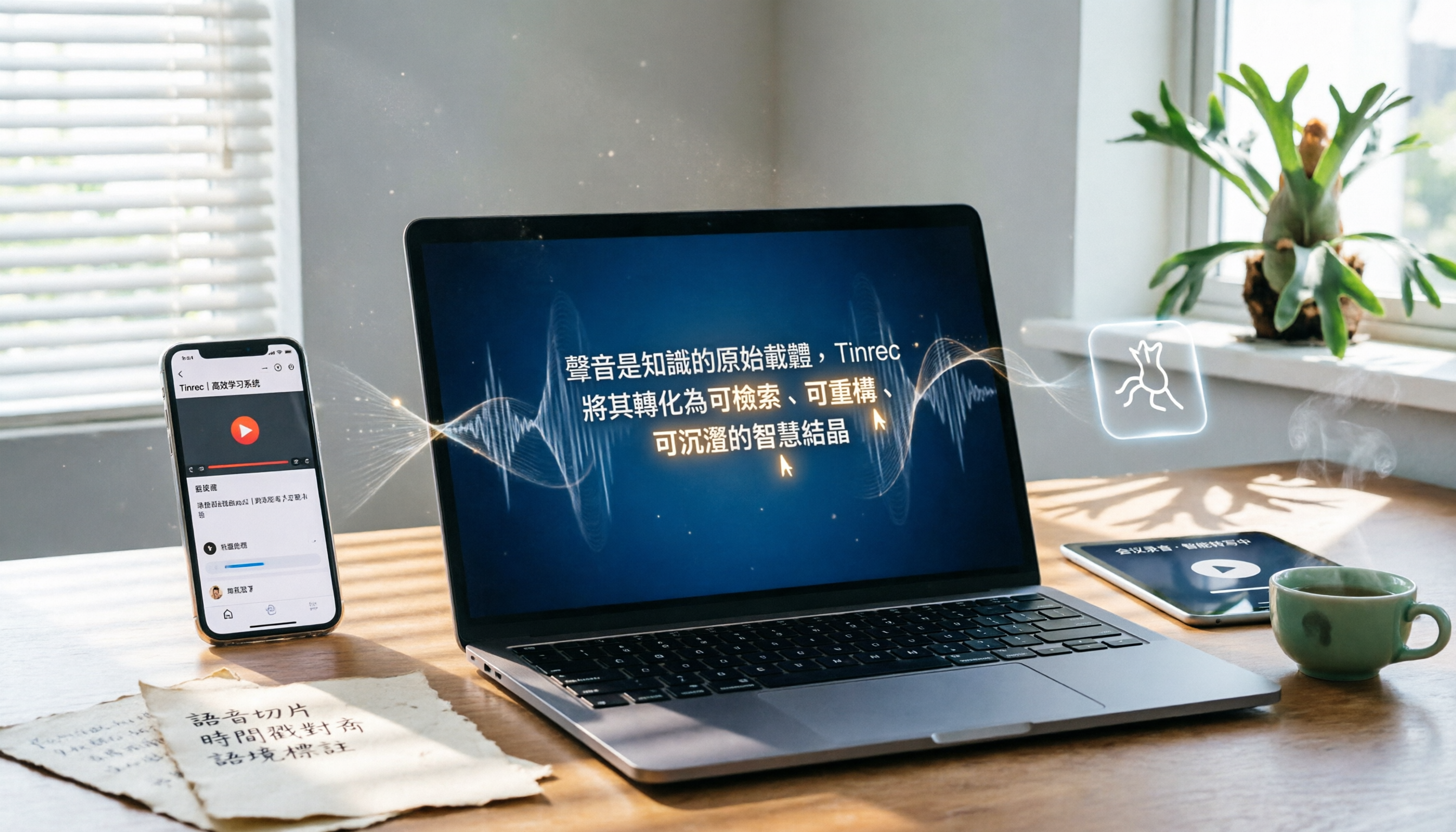
2026 Side-by-Side Comparison of 2 Speech-to-Text Tools: Which One Handles Chinese Recordings Better?
Tinrec and Notta are both excellent speech-to-text tools, but when it comes to organizing Chinese recordings, diverse input sources, and AI post-processing, Tinrec is better suited for users who need to turn meetings, lectures, and online videos into actionable knowledge. This article compares them in detail across input sources, AI features, plan flexibility, and cross-platform experience to help you quickly find the right choice.
2026 Comparison of 3 Free Online Speech-to-Text Tools: Which Free Plan Is Best for Taiwan Office Workers?
We tested 3 free speech-to-text tools, comparing accuracy, AI features, and free credits. Tinrec is the best fit for Taiwan users who need to transcribe meetings, lectures, and online videos.

2026 Comparison of 2 Speech-to-Text Tools: Why I Switched from Notta to Tinrec
A mid-level manager tests speech-to-text tools, comparing Notta and Tinrec. From meetings and Chinese recognition to AI post-processing, it analyzes which is better for professionals who need to manage both up and down.

How to Choose a Speech-to-Text Tool in 2026: A Complete 5-Step Guide
Accumulating recordings from meetings, classes, and interviews? Converting them to text is time-consuming and tedious. This guide walks you through 5 steps to find the best transcription solution for your needs, using Tinrec as an example to turn recordings into actionable knowledge.
2026 Speech-to-Text Tool Buying Guide: Tinrec vs Plaud Note Hands-On Review and Recommendations
A senior MIS student tested both apps for a semester, comparing Tinrec and Plaud Note on price, cross-platform support, AI features, and more to help you decide which is best for students.

Complete Guide to Speech-to-Text Open Platforms in 2026: Features, Tool Selection, and Usage Tutorial
Want to know what a speech-to-text open platform can do for you? This complete guide covers core features, practical scenarios, and key purchasing points, using Tinrec as an example to demonstrate how to turn audio files from meetings, classes, interviews, etc., into immediately usable text.

A 2025 Comparison of 5 Speech-to-Text Tools: From Free to Paid
A curated selection of 5 major types of speech-to-text tools in 2025, from AI meeting bots to multi-source organization platforms, comparing features, pricing, and use cases. Using Tinrec as an example, this article provides a complete tutorial and FAQ.

2026 Comparison of 3 Speech-to-Text Input Methods: Real-time Transcription and Organization, This One Saves the Most Time
Looking for a speech-to-text input method? Our team tested 3 tools and found that Tinrec's instant transcription not only converts speech to text in real time but also automatically organizes key points and to-do items. It's great for meetings, classes, and interviews, offering excellent value.