

Turn recordings into transcripts and summaries in minutes
Upload audio or video for multilingual transcription, AI notes, and action items
There are countless speech-to-text tools on the market, ranging from meeting-focused bots and file transcription services to portable hardware devices. Which one is best for you? This article outlines 5 major types of tools—over 10 popular options—and walks you through the complete process from recording to usable data using Tinrec as the main example.
5 Major Types of Speech-to-Text Tools: Know What You Need First
Before choosing a tool, ask yourself: what content do you most often need to transcribe—meetings, lectures, interviews, or online videos?
- AI Meeting Bots: Examples include Otter.ai and Fireflies.ai. They excel at automatically joining online meetings on Zoom, Teams, etc., and generating minutes. Great for teams with heavy online meeting loads.
- General Transcription Tools: Such as Notta, which supports multi-device transcription and translation. Ideal for individuals needing multilingual captions and quick file transcription.
- File Transcription Specialists: TurboScribe specializes in long files and high-volume transcription, perfect for people processing large amounts of audio weekly.
- AI Recording Hardware: The PLAUD series are standalone recording devices, suitable for users who like to record on the go without pulling out their phone.
- Multi-Source Audio/Video Organization Platforms: This is where Tinrec fits. Whether it's live recording, file upload, or pasting a YouTube link, it handles transcription, summarization, and Q&A in one place. Perfect for anyone with diverse audio/video needs.
Next, let's use Tinrec as an example to see how a tool that does more than just transcribe can be incredibly useful.
What is Tinrec?
Tinrec is an AI-powered recording and audio/video organization tool with three core features: real-time speech-to-text, file upload transcription, and online video link parsing. It saves time for anyone dealing with large volumes of audio/video content from meetings, lectures, interviews, or content creation. It supports iOS, Android, and web, with a free plan offering basic transcription minutes each month—perfect for a trial run.
Core Features & Highlights: Transcription Is Just the Beginning
Tinrec's value isn't just turning speech into text; it helps you "understand" and "continue using" that content.
Real-time Speech-to-Text: Watch Meetings and Lectures as They Happen
Open Tinrec and start recording—text appears almost instantly with less than 1 second delay. During meetings, you can follow along visually, and by the time the meeting ends, the transcript is ready. No need to re-listen and manually transcribe.
One-Click Transcription of Audio/Video Files: Revive Old Material
Upload existing audio or video files, and Tinrec automatically transcribes them, then generates summaries and chapters. Perfect for organizing interview recordings, lecture series, or podcast episodes.
Paste a Link to Parse: Turn Online Videos into Notes
Here's an extra trick: paste a public video link from YouTube, TikTok, Xiaohongshu, etc., and Tinrec extracts text, summaries, and key points. This feature is a real game-changer for content creators and learners.
Stop organizing recordings by hand
Upload audio or video and automatically get a transcript, summary, and action items
AI Summaries & Action Items: No Need to Read from Start to Finish
For a one-hour meeting recording, Tinrec automatically generates a summary, chapters, and even extracts action items from discussions. I usually check the summary first and dive into the transcript only when needed—much more efficient.
AI Dialogue Search: Turn Recordings into a Q&A Knowledge Base
This is my most-used feature. After a meeting or lecture, ask Tinrec: "What was the conclusion?" or "Who is responsible for what?" It answers based on semantic understanding, saving you from flipping through dozens of transcript pages.
Pricing: Free Plan Is Enough to Try, Paid Plans Offer More
Tinrec offers several plans to match your usage:
- Free: Monthly basic transcription minutes, includes live recording, file import, and online video parsing.
- Weekly Card: Good for short-term meeting, lecture crunches, or project organization.
- Pro Monthly: Higher monthly transcription minutes, ideal for regular meeting and learning use.
- Pro Yearly: Lower average monthly cost, best for building a long-term audio archive.
We recommend starting with the free plan to test transcription quality and features before deciding to upgrade.
Tutorial: 5 Steps to Turn Recordings into Usable Materials
Step 1: Download & Register
Get the app from the App Store or Google Play (search "Tinrec"), or use the web version directly. New users receive free credits upon registration.
Step 2: Choose Your Input Source
At the bottom of the home screen, you'll see three input options:
- Live Recording: Tap the microphone icon to start.
- Import File: Select an audio/video file from your device.
- Web Link: Paste a public video URL.
Step 3: Let Tinrec Transcribe & Analyze
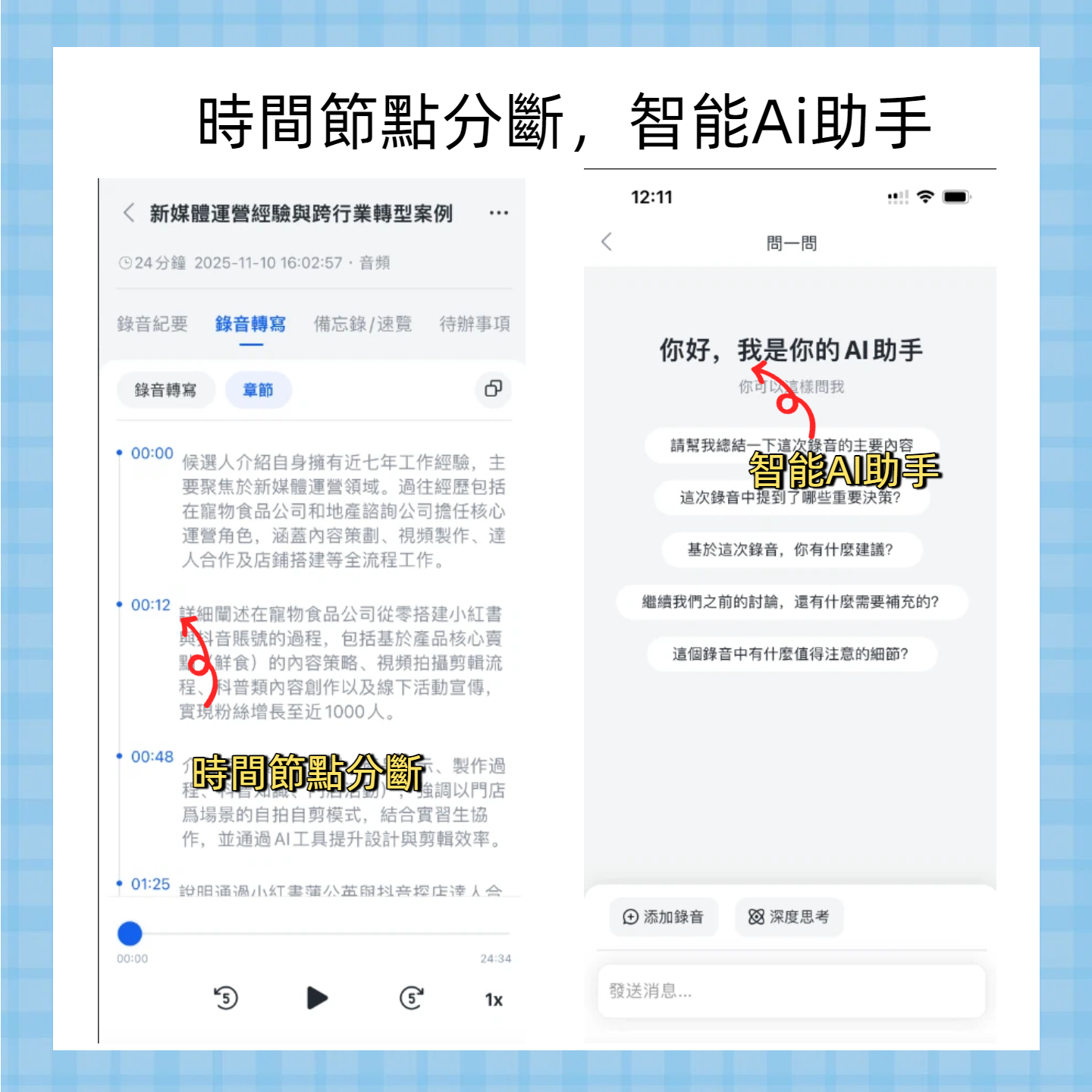
After recording or uploading, the system automatically transcribes, generates summaries, and splits into chapters. Processing usually takes a few minutes, depending on file length.
Step 4: Review Results & Interact
Once complete, you'll see the transcript, AI summary, chapters, and action items. Tap the "AI Chat" button anytime to ask questions about the content.
Step 5: Export or Share
Tap Export to save as TXT, Word, PDF, etc., or share a direct link with colleagues or classmates. You can also sync to tools like Notion and Google Docs.
Frequently Asked Questions
What are the limitations of Tinrec's free plan?
The free plan provides basic monthly transcription minutes and includes live recording, file import, and web link parsing—enough for light users. For more, consider the Weekly Card or Pro plans.
How accurate is the transcription? Does it support Chinese?
Tinrec handles Chinese (including Traditional Chinese) and multilingual content well, especially with clear audio and standard pronunciation. Accuracy may be affected by background noise, multiple speakers, or specialized terminology. For important content, cross-check with the original recording.
What makes Tinrec different from other transcription tools?
Most tools only provide a transcript. Tinrec focuses on what you can do after transcription—automatic summaries, chapters, action items, AI Q&A, and multiple export formats—turning audio/video into usable knowledge.
How long can recordings be?
Limits on single recording or file length vary between free and paid plans. Check the app for details. Typical meeting or lecture lengths are supported.
Is the web video transcription feature legal?
Technically feasible, but users must comply with each platform's terms of service and copyright regulations. It is recommended for personal learning and note-taking under fair use.
How is recording privacy ensured?
Tinrec processes recordings in the cloud with encrypted transmission and storage. Users can delete recordings anytime. For highly sensitive content, additional evaluation is advised.
Turn every recording into actionable outcomes
Get 60 free transcription minutes when you sign in. No credit card required.
Related Reading
You might also like
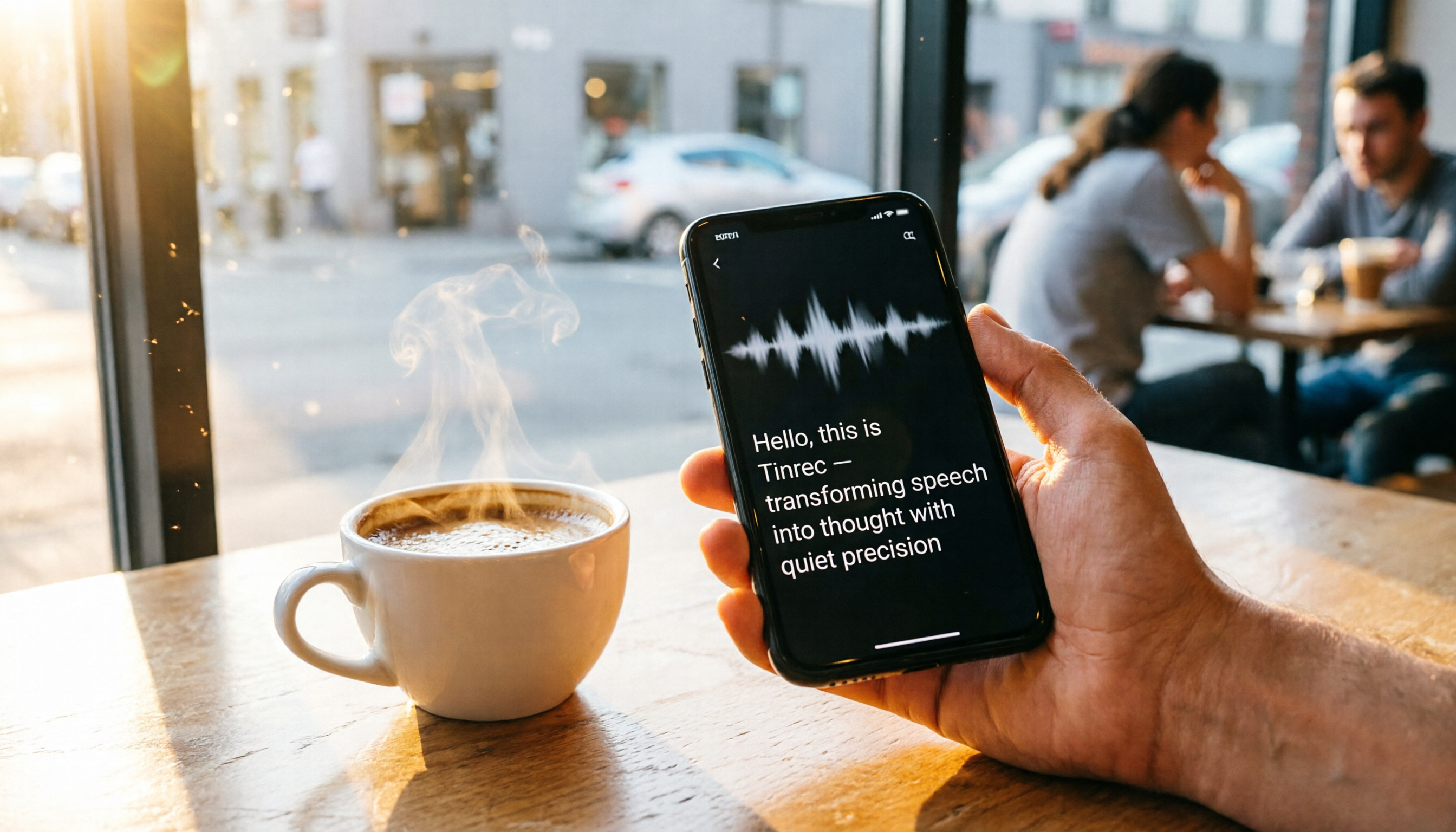
The Complete Guide to Speech-to-Text in 2026: Features, Use Cases, and How to Choose the Right Tool
Struggling to choose a speech-to-text tool? This article takes a practical approach, helping you understand the core features and application scenarios of speech-to-text. Using Tinrec (秒聽錄音) as an example, it teaches you how to select the best tool for your needs and easily turn recordings into usable data.
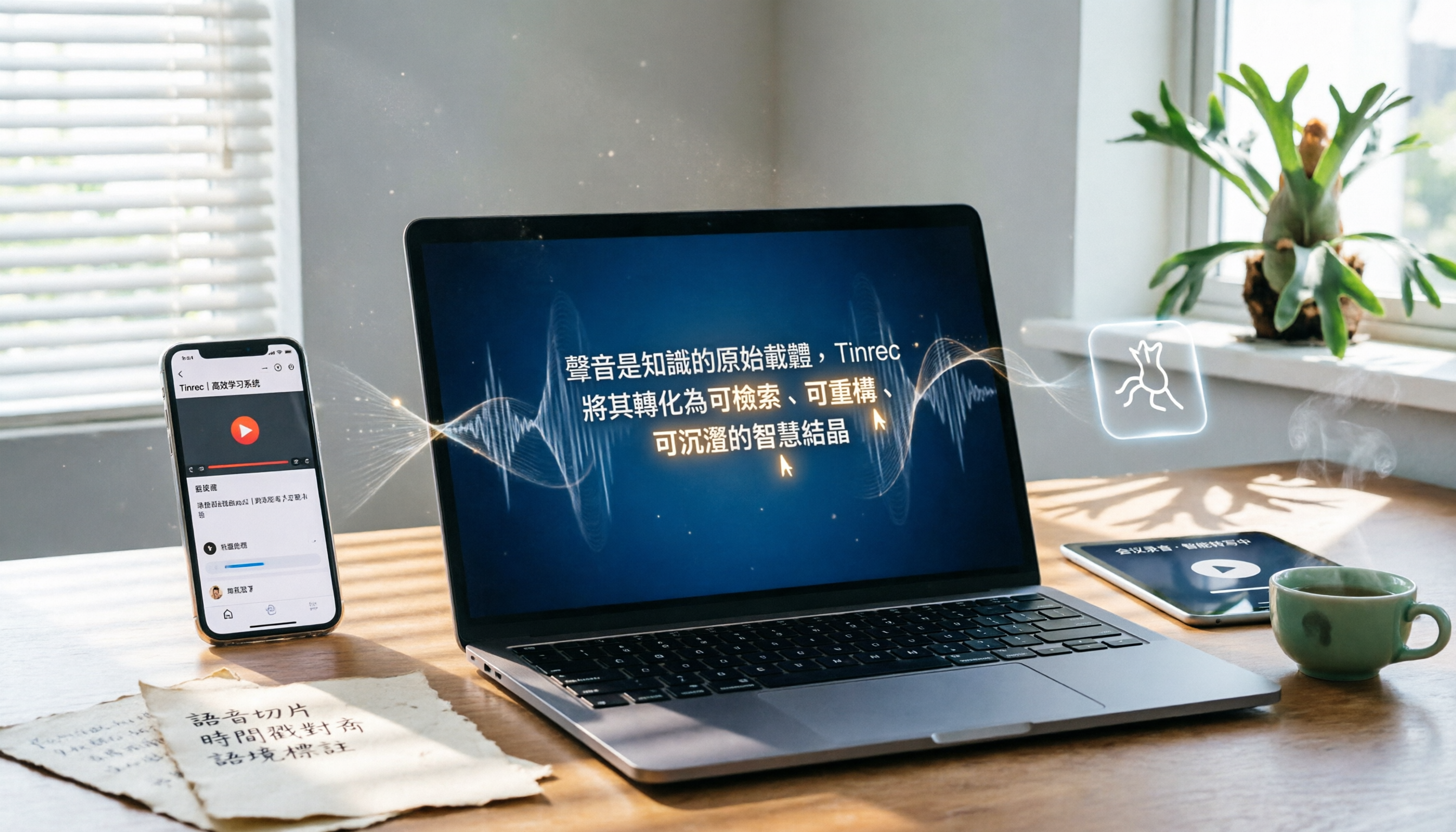
2026 Side-by-Side Comparison of 2 Speech-to-Text Tools: Which One Handles Chinese Recordings Better?
Tinrec and Notta are both excellent speech-to-text tools, but when it comes to organizing Chinese recordings, diverse input sources, and AI post-processing, Tinrec is better suited for users who need to turn meetings, lectures, and online videos into actionable knowledge. This article compares them in detail across input sources, AI features, plan flexibility, and cross-platform experience to help you quickly find the right choice.
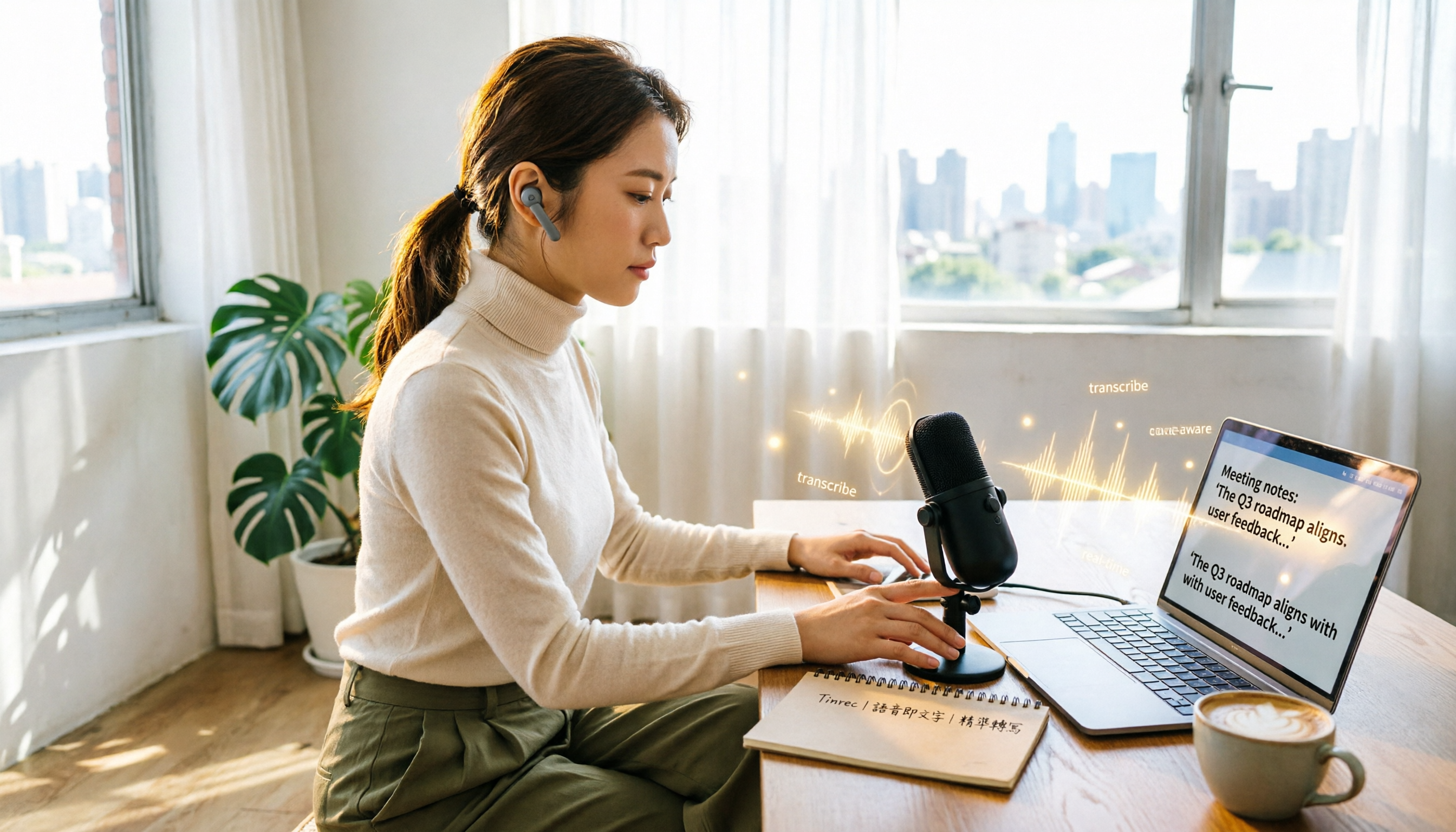
2026 Comparison of 3 Free Online Speech-to-Text Tools: Which Free Plan Is Best for Taiwan Office Workers?
We tested 3 free speech-to-text tools, comparing accuracy, AI features, and free credits. Tinrec is the best fit for Taiwan users who need to transcribe meetings, lectures, and online videos.

2026 Comparison of 2 Speech-to-Text Tools: Why I Switched from Notta to Tinrec
A mid-level manager tests speech-to-text tools, comparing Notta and Tinrec. From meetings and Chinese recognition to AI post-processing, it analyzes which is better for professionals who need to manage both up and down.

How to Choose a Speech-to-Text Tool in 2026: A Complete 5-Step Guide
Accumulating recordings from meetings, classes, and interviews? Converting them to text is time-consuming and tedious. This guide walks you through 5 steps to find the best transcription solution for your needs, using Tinrec as an example to turn recordings into actionable knowledge.
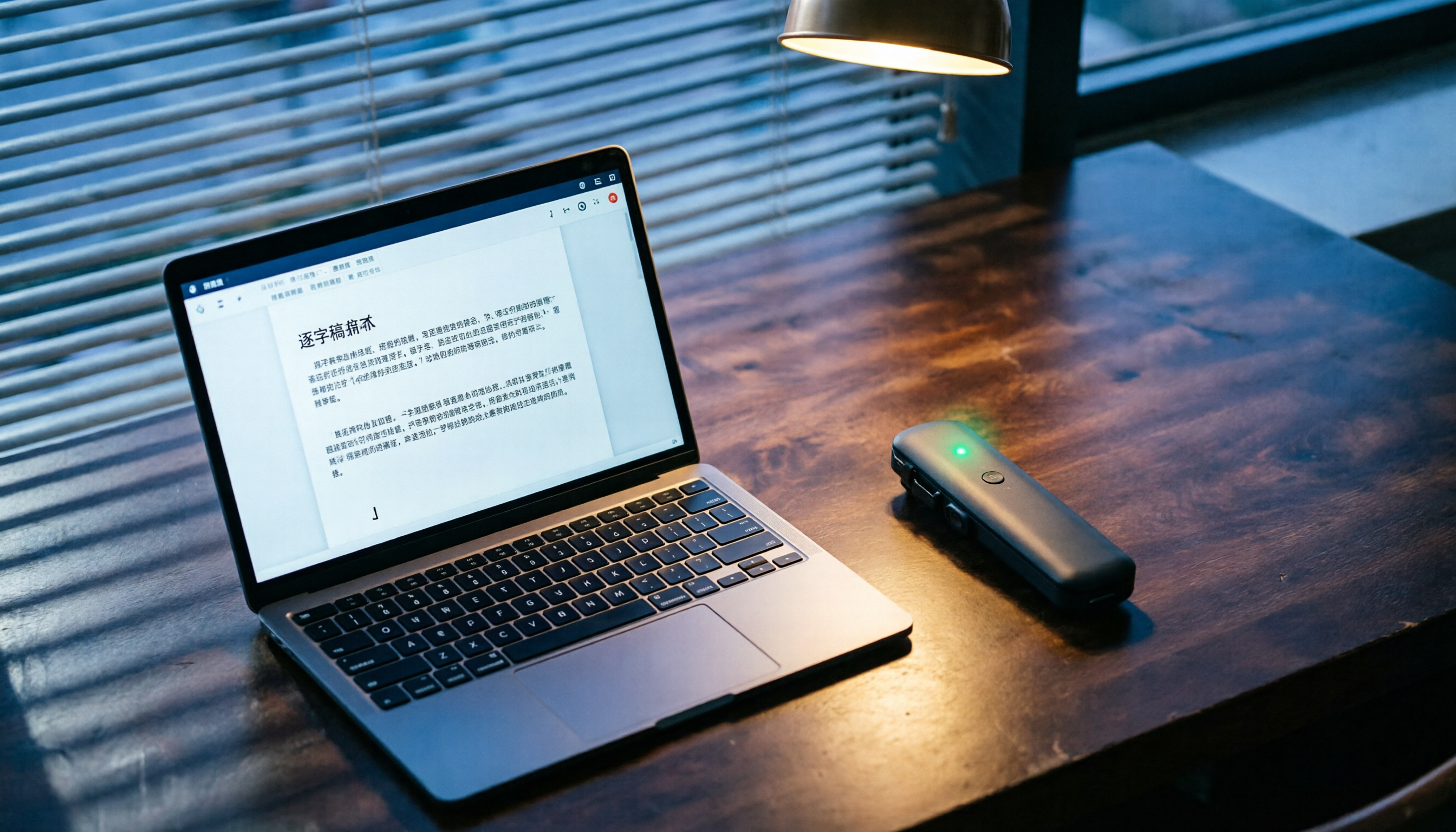
2026 Speech-to-Text Tool Buying Guide: Tinrec vs Plaud Note Hands-On Review and Recommendations
A senior MIS student tested both apps for a semester, comparing Tinrec and Plaud Note on price, cross-platform support, AI features, and more to help you decide which is best for students.

Complete Guide to Speech-to-Text Open Platforms in 2026: Features, Tool Selection, and Usage Tutorial
Want to know what a speech-to-text open platform can do for you? This complete guide covers core features, practical scenarios, and key purchasing points, using Tinrec as an example to demonstrate how to turn audio files from meetings, classes, interviews, etc., into immediately usable text.

2026 Comparison of 3 Speech-to-Text Input Methods: Real-time Transcription and Organization, This One Saves the Most Time
Looking for a speech-to-text input method? Our team tested 3 tools and found that Tinrec's instant transcription not only converts speech to text in real time but also automatically organizes key points and to-do items. It's great for meetings, classes, and interviews, offering excellent value.

2026 Speech-to-Text Tool Buying Guide: 3 Major Types Tested and Selection Tips
Wondering if speech-to-text tools are effective? This article tests 3 major types, uses Tinrec as an example, and shares buying tips, FAQs, and real-world use cases to help you find the best solution.