
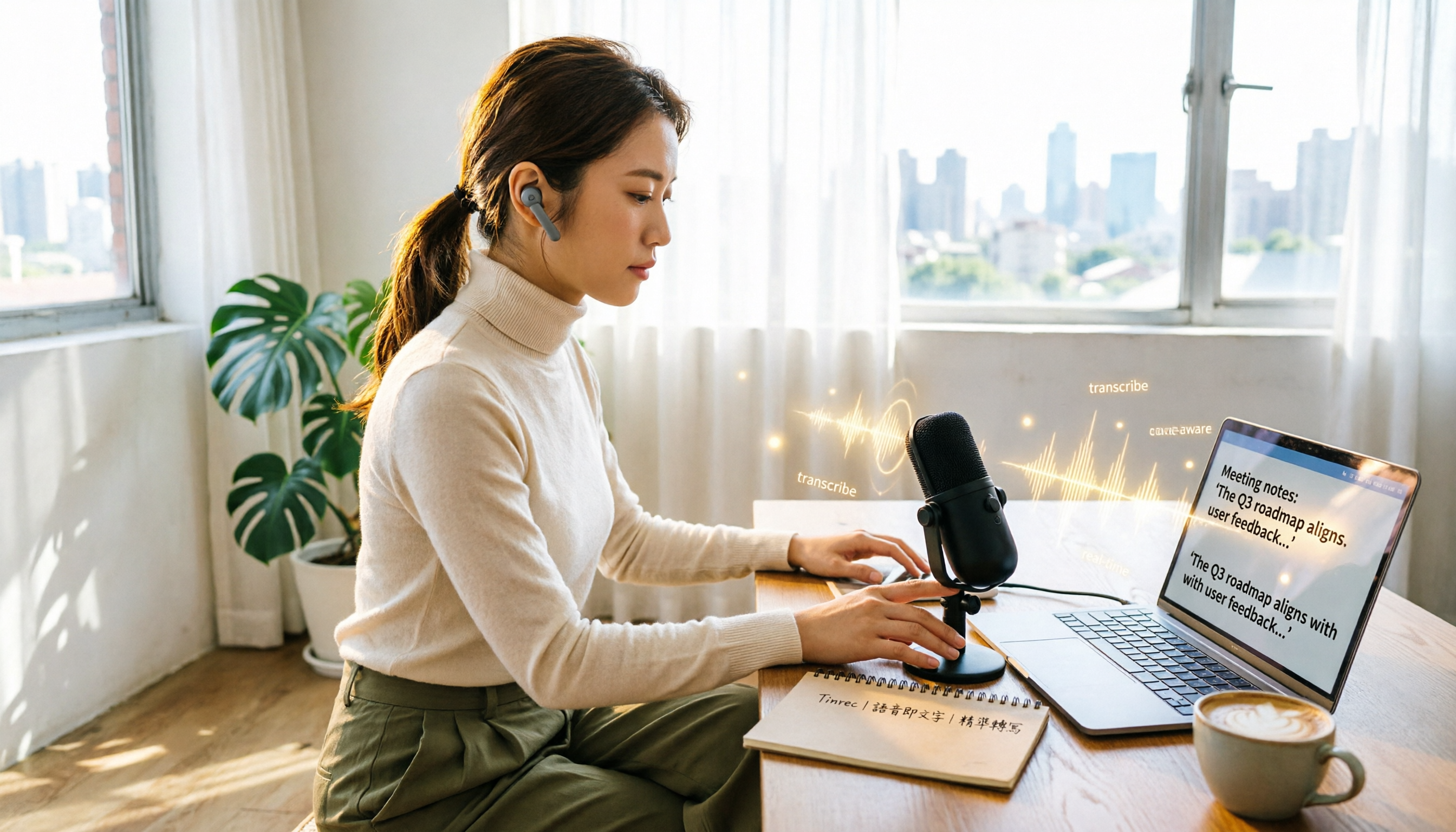
Turn recordings into transcripts and summaries in minutes
Upload audio or video for multilingual transcription, AI notes, and action items
Tinrec is an AI tool focused on turning audio and video into usable data, supporting live recording, file upload, and online video link transcription. It offers iOS, Android, and web versions, with a free plan that provides basic monthly transcription credits. It's ideal for office workers, students, and content creators in Taiwan.
What Can Speech-to-Text Do for You?
Scenario 1: Meeting Minutes in 5 Minutes After a two-hour meeting, you used to spend another hour summarizing. Now with Tinrec, once the meeting ends, the AI has already generated a summary, conclusions, and action items. Who is responsible for what and deadlines are clear at a glance.
Scenario 2: Lecture Recording Automatically Becomes Chaptered Notes If a professor lectures for two hours, you can record the entire class with your phone. Tinrec not only transcribes it verbatim but also automatically splits it into chapters and highlights key points. When reviewing, you can jump directly to marked sections without listening from start to finish.
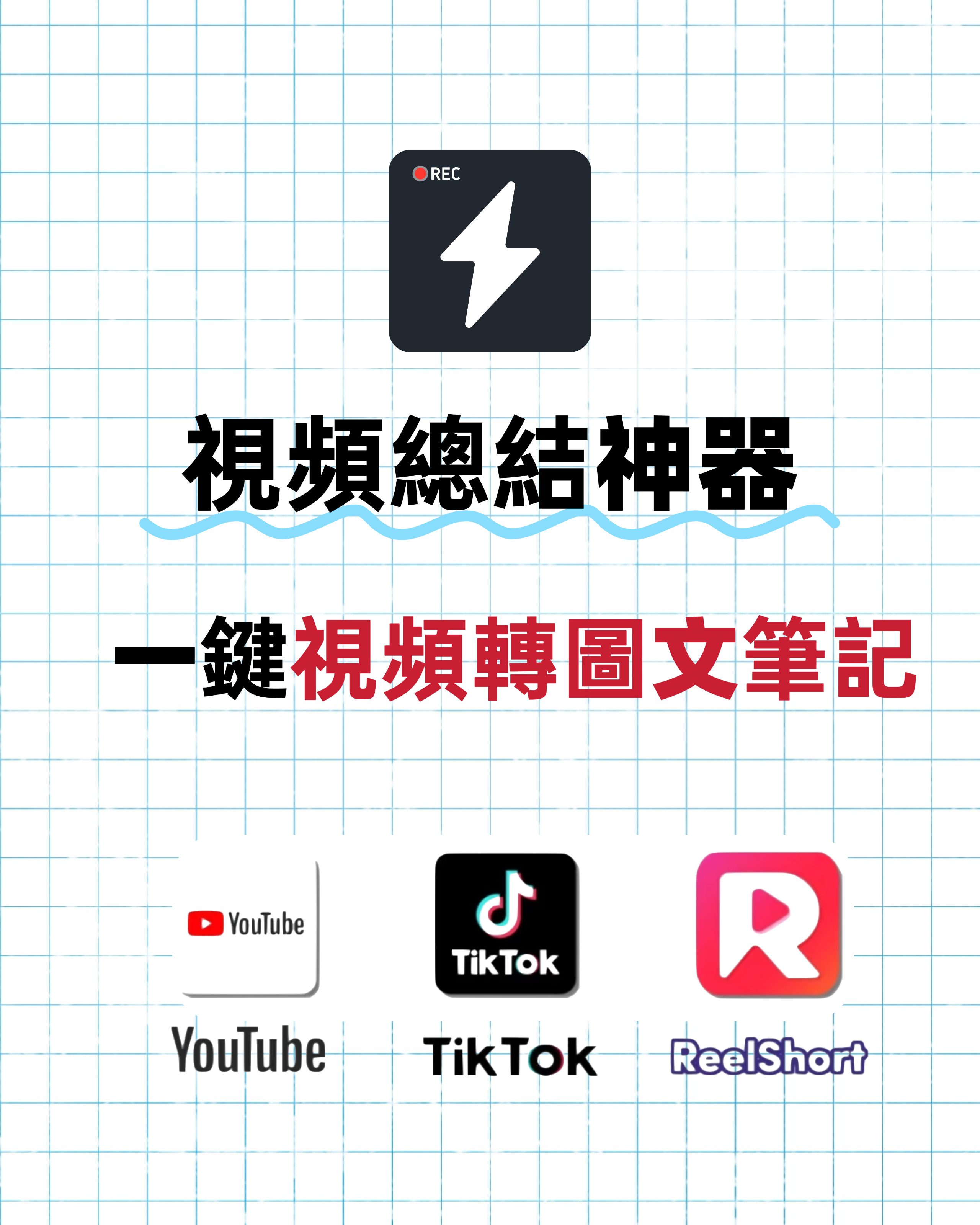
Scenario 3: Turn YouTube Videos into Text Assets When you find a video perfect for a report, just paste the link into Tinrec, and it will output a transcript and summary—no screenshots needed. It saves a lot of typing time.
Key Capabilities of Speech-to-Text
Live Verbatim: Real-Time Text While Recording Tinrec's real-time transcription delay is less than 1 second. During meetings, you can follow the text and confirm you haven't missed any key points.
AI Semantic Summary: Not Just Condensation, But Structured Organization Tinrec breaks down the audio into topics, conclusions, and action items, so you can directly see "what was discussed," "what was decided," and "who should do what."
AI Dialogue Query: Query the Recording Like a Database After transcription, you can ask Tinrec: "Who mentioned the budget in the meeting?" or "What was the client's feedback?" It answers based on semantic understanding.
Online Video Link Transcription: Just Paste the Link Supports YouTube, TikTok, and other platforms. Paste a public video link, and Tinrec transcribes it into text and summaries, great for content creators.
Multi-Format Export: Take Results to Your Preferred Tools Transcripts, summaries, and action items can be exported as TXT, DOCX, or synced directly to Notion and Google Docs for easy editing.
Practical Use Cases
Meeting Minutes: Weekly department meetings and project discussions: use Tinrec to record and transcribe in real time. After the meeting, no need to recall—AI has already listed conclusions and action items. Especially useful for remote meetings; you can focus on participating while Tinrec handles the notes.
Stop organizing recordings by hand
Upload audio or video and automatically get a transcript, summary, and action items
Lecture Notes: Students can record entire lectures with their phones. Tinrec automatically generates chapters and highlights. Review directly from the summary, saving time on re-listening. It's also easier to quote the teacher when writing reports.
Interview Transcription: When interviewing someone, the recording is directly transcribed, and Tinrec can extract key insights—no more replaying the audio file. Freelancers and graduate students will find this very useful.
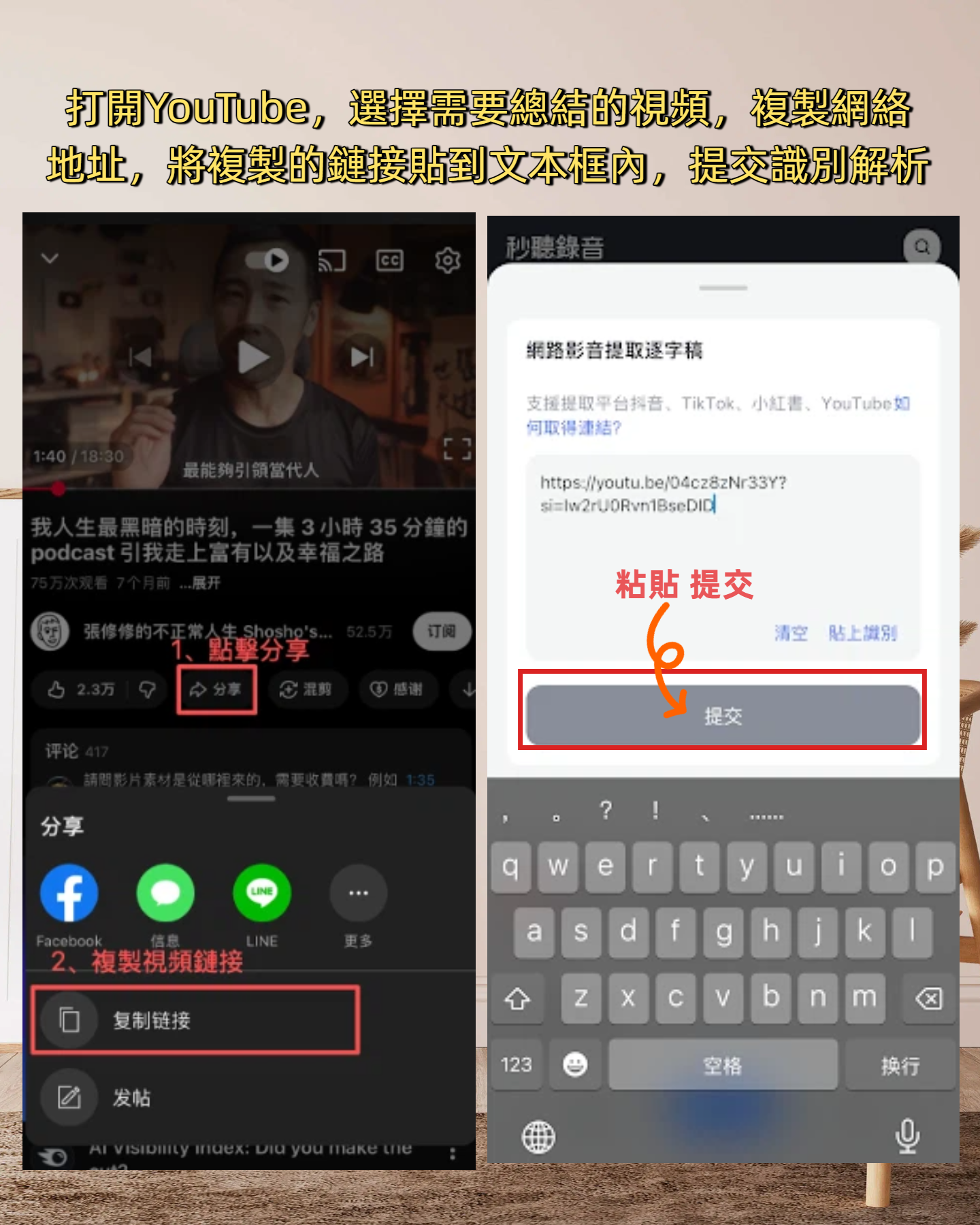
Content Repurposing: Drop a YouTube video link into Tinrec, and within minutes you get a transcript and summary—perfect for writing scripts, social media posts, and more.
4 Things to Consider When Choosing a Speech-to-Text Tool
Transcription Accuracy: Don't just rely on official claims. Test with your own recordings. Tinrec performs consistently with clear audio, but in noisy environments or with strong accents, some tools may make more errors. In our tests, Tinrec showed good recognition accuracy for standard Mandarin Chinese; for multi-speaker meetings, we recommend using the speaker labeling feature.
AI Organization Ability: Transcription is just the first step. The key is whether the tool can summarize, split into chapters, and extract action items. Tinrec's AI summary automatically structures content, unlike some tools that only provide one long condensed paragraph, saving you more time.
Free Plan Credits: Many tools have free versions, but with different limits. Some limit minutes, others limit file count. Tinrec's free plan offers basic monthly transcription credits, enough to try a few meetings or lectures, and the paid plans are affordable.
Cross-Platform and Export: Confirm the tool supports your devices and export formats. Tinrec is available on iOS, Android, and web, with export options including TXT and DOCX, plus cloud sync, making it easy for users who work on multiple devices.
Frequently Asked Questions
Q: Is speech-to-text really free? A: Tinrec offers a free plan with a monthly base of transcription minutes, enough for occasional personal use. If you need longer audio or more frequent use, consider the weekly card or Pro plan.
Q: Can I use it on my phone? Will accuracy be worse? A: Tinrec has iOS and Android apps. The transcription quality from phone recordings is just as good as the web version. Of course, any tool's accuracy will drop if there's too much background noise.
Q: Are the notes from lecture recordings detailed enough? A: Tinrec not only provides a verbatim transcript but also automatically splits into chapters and highlights key points, making it easier to review than a plain text document.
Q: Are there copyright issues with transcribing online videos? A: We recommend only transcribing videos you own or have legal rights to use. Tinrec itself does not determine copyright; users must comply with platform rules.
Q: Can Tinrec handle meetings with mixed Chinese and English? A: In our tests, Tinrec performed well with mixed Chinese and English content. However, for specialized jargon or heavy accents, we recommend checking the recording to confirm accuracy.
Summary
Speech-to-text technology is nothing new, but choosing a tool that "does more than just transcribe" is what really saves time. If you attend more than three meetings a week, often need to organize lecture recordings, or want to turn online videos into text assets, we recommend trying Tinrec's free plan. It costs nothing—just download the app or open the web page—and you can experience AI-powered audio organization.
Turn every recording into actionable outcomes
Get 60 free transcription minutes when you sign in. No credit card required.
Related Reading
You might also like

How to Choose a Speech-to-Text Tool in 2026? A 5-Step Test Guide
Learn how to pick the best recording-to-text app, with hands-on tests of Tinrec and other popular options. Avoid common pitfalls and streamline your meeting notes.

2026 Hands-On Comparison of 4 Online Speech-to-Text Tools: Beyond Transcription, Which Makes Your Data More Useful?
In 2026, we tested 4 popular online speech-to-text tools, comparing transcription accuracy, AI organization features, free plans, and real-world usage scenarios to help you find the best fit. We especially recommend Tinrec, which goes beyond plain transcripts to offer summaries, Q&A, and exports—making audio and video data truly useful.

2026 Comparison of 4 Speech-to-Text Tools: Which One Best Handles Chinese Transcription and Post-Processing?
How to choose a speech-to-text tool? Pseric tested Tinrec, Otter.ai, Notta, and TurboScribe, comparing free tier limits, Chinese accuracy, AI summaries, and post-processing capabilities to help professionals and students find the best fit.

Best WeChat Voice-to-Text Alternatives 2026: Why Tinrec Stands Out
Tired of struggling to organize long WeChat voice messages? This article compares WeChat's built-in voice-to-text with the professional tool Tinrec from a practical perspective, explaining why it's more suitable for professionals to switch to Tinrec for meetings, interviews, and voice messages, along with free trial suggestions.

2026 Complete Guide to Audio-to-Text: Accuracy, Tool Selection, and Practical Tips
Is audio-to-text accurate? This article covers the actual accuracy of speech-to-text technology, influencing factors, how to choose the right tool, and uses Tinrec as an example to show complete application scenarios, helping you decide if it's worth it.
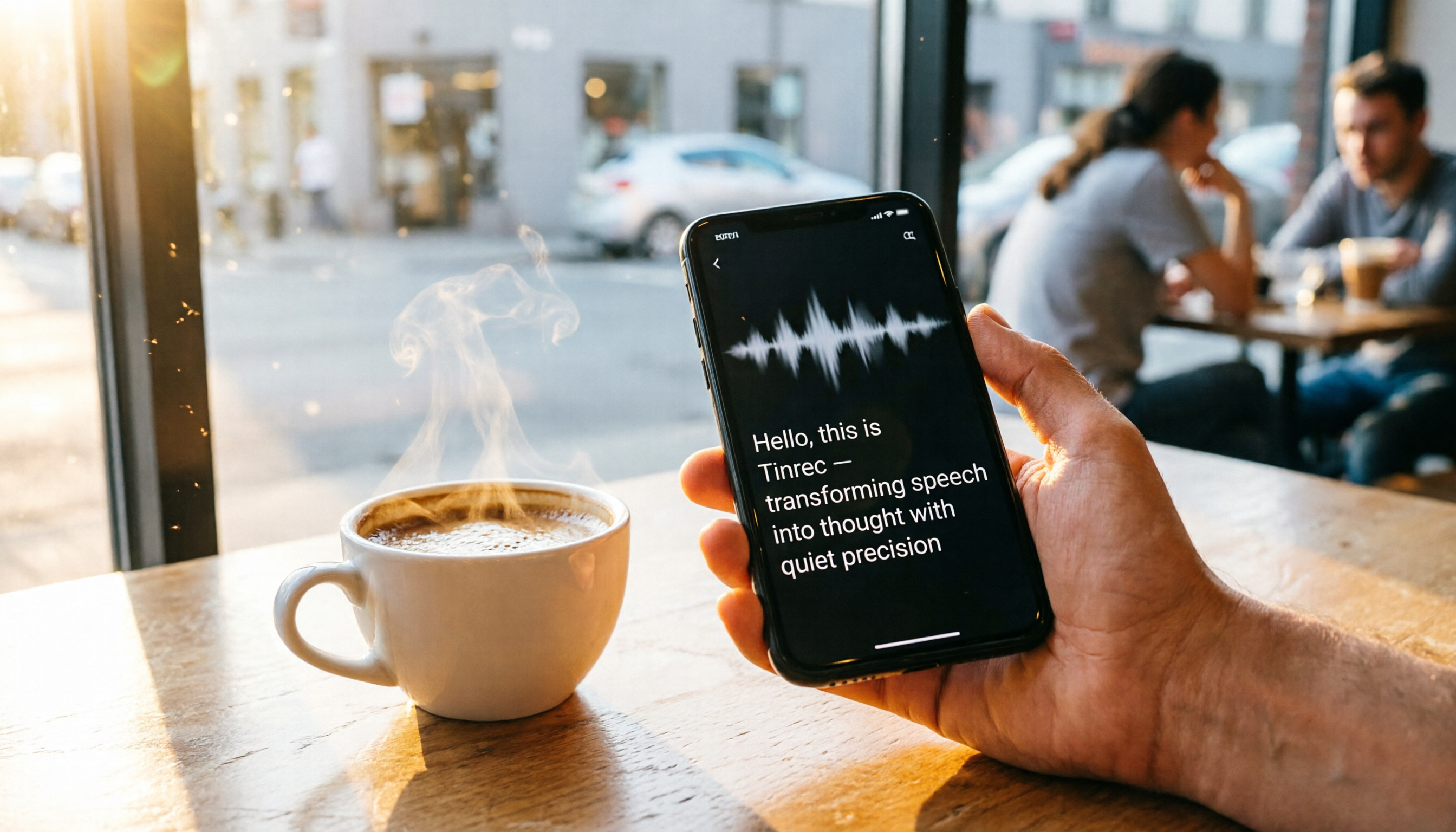
The Complete Guide to Speech-to-Text in 2026: Features, Use Cases, and How to Choose the Right Tool
Struggling to choose a speech-to-text tool? This article takes a practical approach, helping you understand the core features and application scenarios of speech-to-text. Using Tinrec (秒聽錄音) as an example, it teaches you how to select the best tool for your needs and easily turn recordings into usable data.
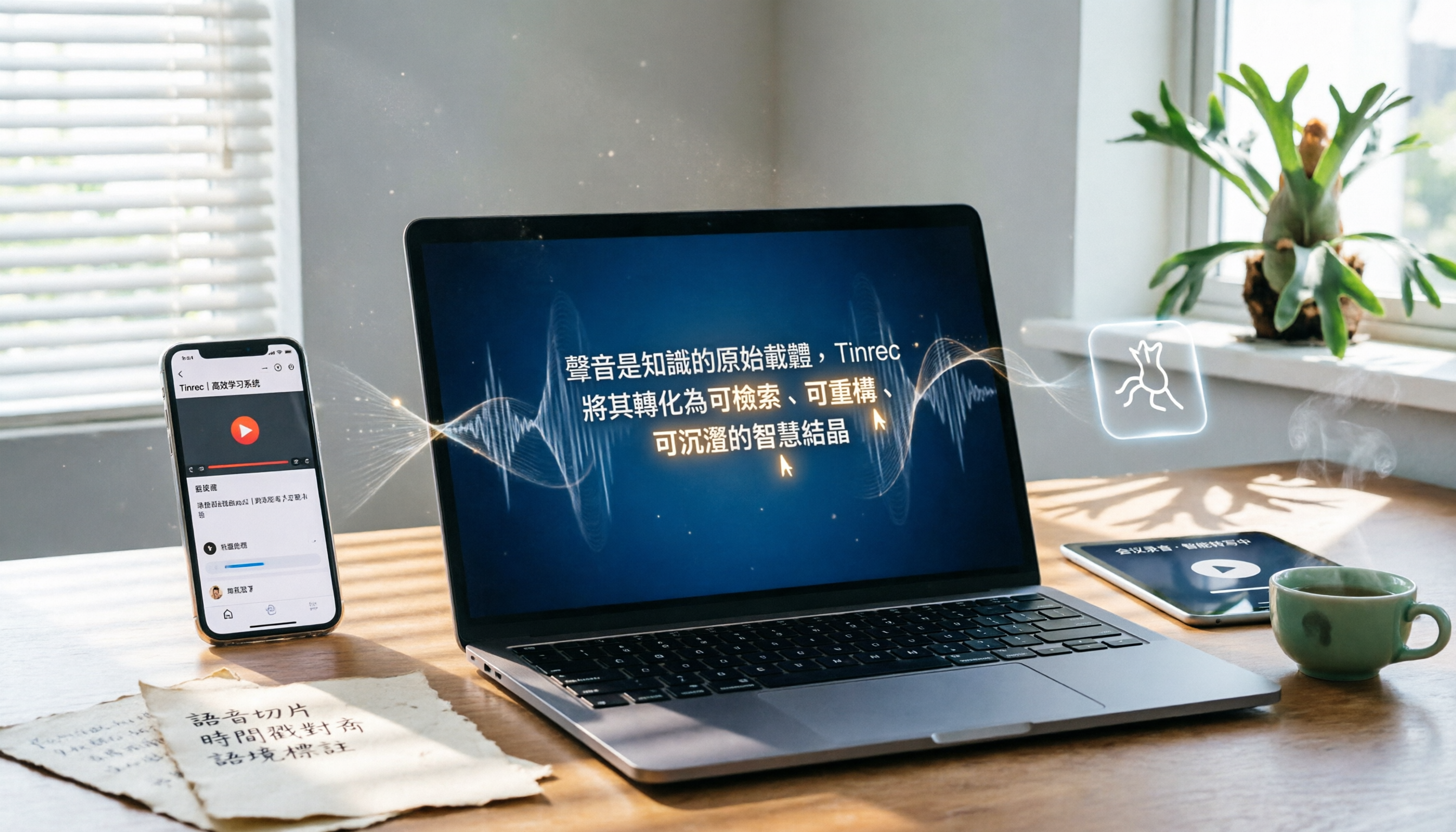
2026 Side-by-Side Comparison of 2 Speech-to-Text Tools: Which One Handles Chinese Recordings Better?
Tinrec and Notta are both excellent speech-to-text tools, but when it comes to organizing Chinese recordings, diverse input sources, and AI post-processing, Tinrec is better suited for users who need to turn meetings, lectures, and online videos into actionable knowledge. This article compares them in detail across input sources, AI features, plan flexibility, and cross-platform experience to help you quickly find the right choice.

2026 Comparison of 2 Speech-to-Text Tools: Why I Switched from Notta to Tinrec
A mid-level manager tests speech-to-text tools, comparing Notta and Tinrec. From meetings and Chinese recognition to AI post-processing, it analyzes which is better for professionals who need to manage both up and down.

How to Choose a Speech-to-Text Tool in 2026: A Complete 5-Step Guide
Accumulating recordings from meetings, classes, and interviews? Converting them to text is time-consuming and tedious. This guide walks you through 5 steps to find the best transcription solution for your needs, using Tinrec as an example to turn recordings into actionable knowledge.