

Turn recordings into transcripts and summaries in minutes
Upload audio or video for multilingual transcription, AI notes, and action items
Tinrec vs Notta | Quick Overview
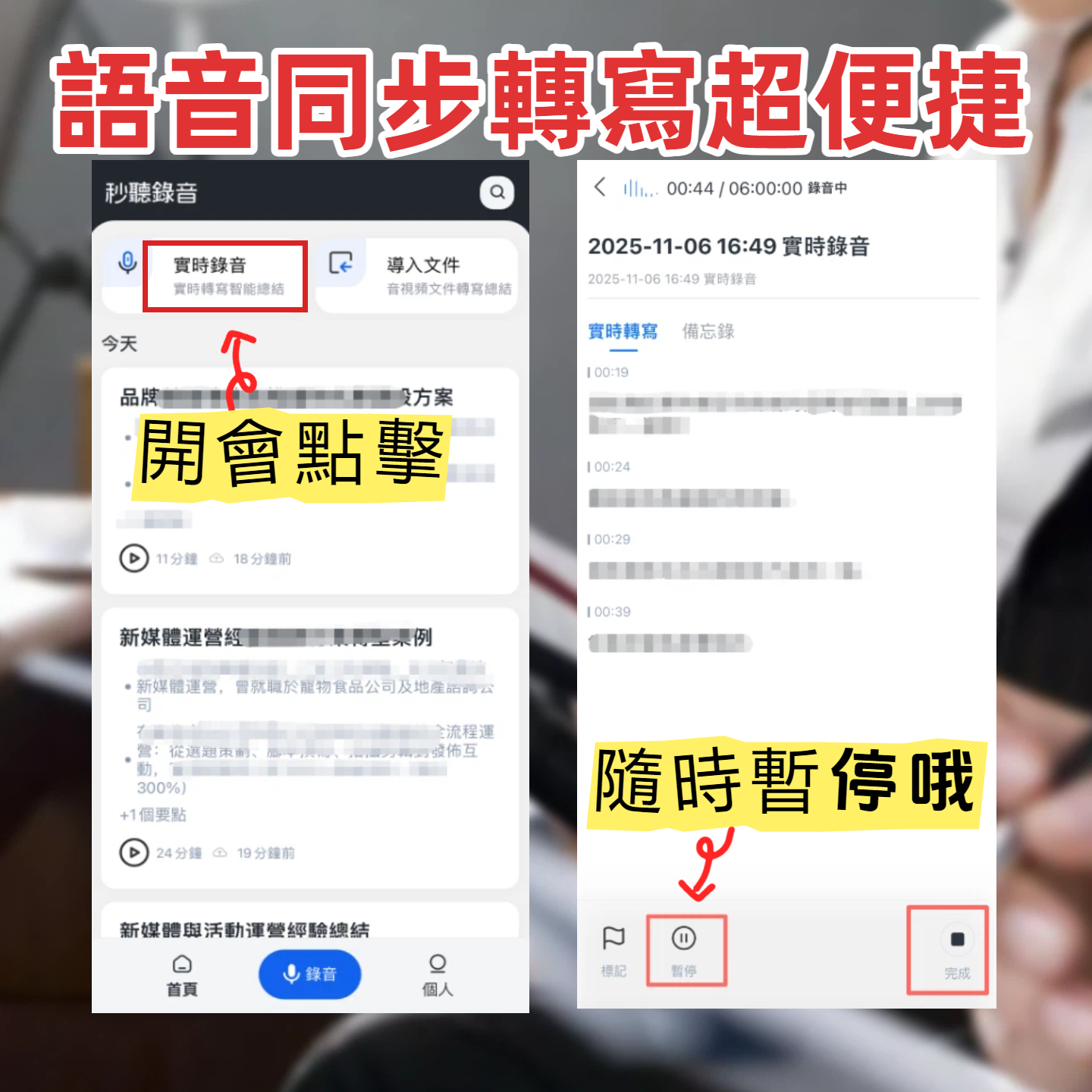
Tinrec is an AI recording and audio/video organization tool with built-in simultaneous interpretation and language translation. Notta, on the other hand, is a multilingual meeting notes tool focused on transcription and translation. Both support real-time translation, but they differ significantly in use cases and post-processing.
| Category | Tinrec | Notta |
|---|---|---|
| Positioning | Audio/Video Organization Workbench | Transcription & Translation Tool |
| Free Translation Quota | Within basic transcription quota | 120 minutes per month |
| Supported Platforms | iOS, Android, Web | iOS, Android, Web |
| Core Real-Time Translation Scenarios | Meetings, Classes, Interviews, Online Videos | Meetings, Calls |
This article compares them across 5 practical dimensions and tells you which one suits your needs better.
Dimension 1 | Number of Languages Supported for Real-Time Translation
Notta claims to support transcription and translation in over 100 languages, offering broad coverage ideal for multilingual meetings or global teams. In practice, most users primarily use Chinese, English, Japanese, and Korean.
Tinrec also supports multilingual real-time translation, with special optimization for Chinese (including Traditional Chinese) recognition and translation. In my tests with several meeting recordings, Tinrec handled mixed Chinese-English content more smoothly, without abrupt breaks or missed translations.
→ This dimension: Notta has more languages, but Tinrec offers better stability for Chinese real-time translation. Basically a tie; for Chinese users, I'd lean toward Tinrec.
Dimension 2 | Translation Accuracy and Fluency
The biggest fear with real-time translation is that the output sounds like a machine translation and reads awkwardly. Notta's translation engine is more general-purpose; it performs well on short sentences but occasionally produces stiff literal translations for long sentences or technical terms.
Tinrec's translations are noticeably closer to natural spoken language, especially for conversational content like meetings or interviews—the output often requires little to no editing. Note that both are affected by background noise and accents; using them in a quiet environment yields the best results.
→ This dimension: Tinrec edges ahead, especially in naturalness of Chinese translation.
Dimension 3 | What You Can Do After Real-Time Translation
This is where I see a clear gap. Notta gives you a transcript that you can export or copy, and that's it.
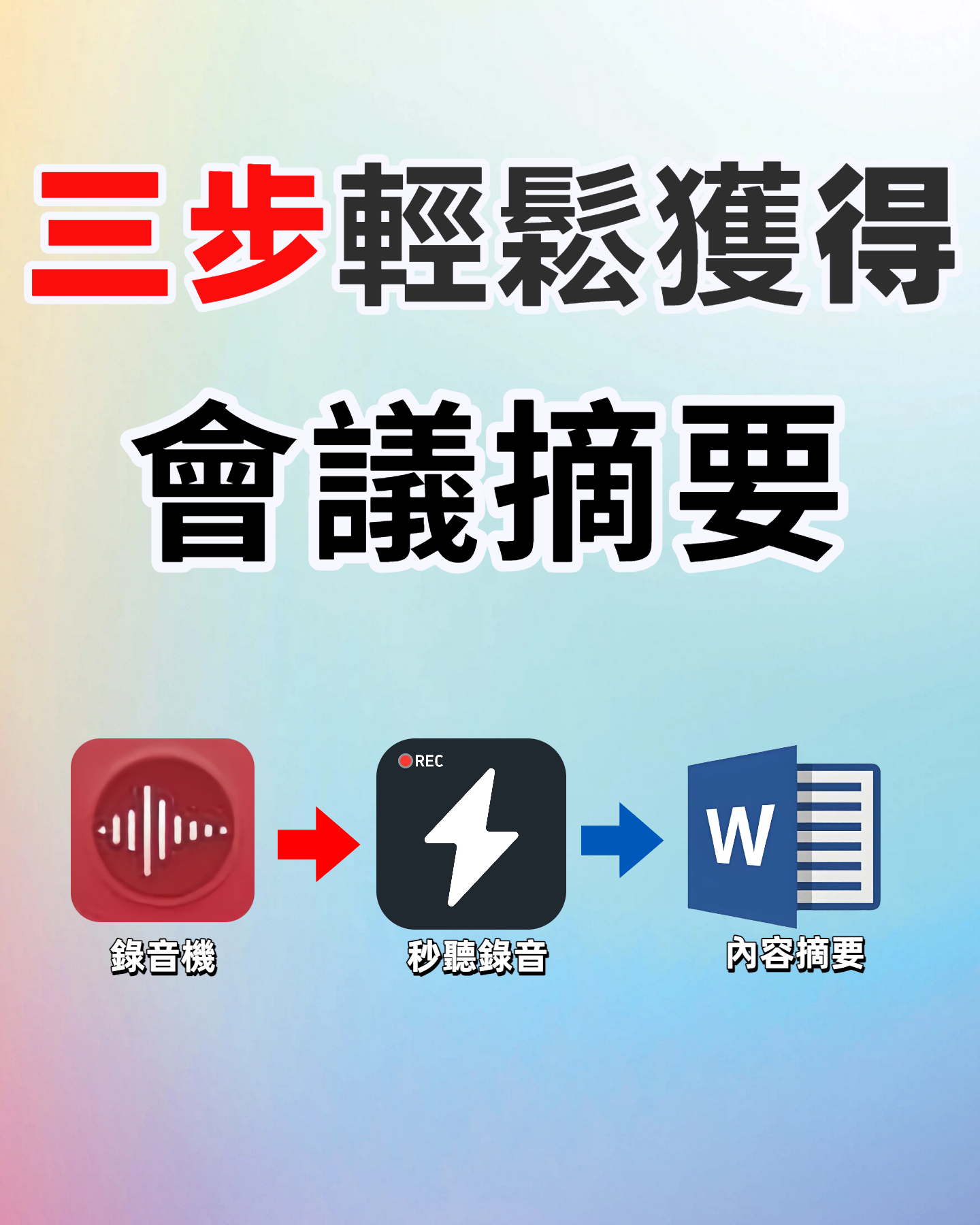
Tinrec is different: not only do you get the translation, but you can also generate AI summaries, extract action items, split into chapters, and even use AI chat to ask follow-up questions about the translated content. This is extremely convenient for quickly producing meeting minutes or research notes after a session.
→ This dimension: Tinrec clearly wins because it turns real-time translation into part of the follow-up workflow, not the endpoint.
Stop organizing recordings by hand
Upload audio or video and automatically get a transcript, summary, and action items
Dimension 4 | Use Cases and Input Sources
Notta's real-time translation is primarily used in online meetings and calls, more focused on business communication. If you just need live subtitle translation during Zoom or Google Meet, Notta is sufficient.
Tinrec covers broader real-time translation scenarios: besides meetings, you can use it for classroom recordings, interviews, and live translation of online videos (like YouTube, TikTok). Even if you upload an English podcast, it can translate it into a Chinese transcript.
→ This dimension: Tinrec covers more scenarios, especially for those who need to process various audio/video content.
Dimension 5 | Free Plans and Long-Term Costs
Both have free versions. Notta's free plan offers 120 minutes of transcription (including translation) per month. The Pro plan costs around NT$250 per month (annual payment) for 1,800 minutes.
Tinrec's free version provides basic transcription quota, enough to test real-time translation. If you have a sudden large need, there's also a weekly pass. In the long run, the Pro yearly plan has a lower monthly cost, ideal for those who want to process all meetings and classes.
→ This dimension: Both are fine for initial trials, but Tinrec's plans offer more flexibility for long-term use.
What Are Their Unique Advantages?
Tinrec's Unique Advantages
- AI Q&A right after translation: Unlike typical tools that only let you view, you can ask follow-up questions about the content.
- Supports translation of online video links: Paste a YouTube URL to translate the entire video—super useful for content creators.
- Multiple export formats: After translation, export to Word, TXT, or subtitle files, seamlessly integrating into your existing workflow.
- Noticeable Chinese optimization: Handles mixed Chinese-English and Traditional Chinese scenarios better than most tools.
Notta's Unique Advantages
- Wider language coverage: If your meetings frequently involve five or six languages, Notta's language library still has an edge.
- Minimalist interface: Suitable for those who just want quick translation without extra features.
Conclusion: Which One Should You Choose?
• If you need to organize meeting minutes or do AI Q&A after real-time translation → Tinrec (post-processing completeness is far ahead)
• If you plan to translate online videos, podcasts, or even curate content → Tinrec (supports link input)
• If you only occasionally join online meetings and need a lightweight live subtitle translation → Notta is sufficient
• If you value naturalness and fluency of Chinese translation → Tinrec will be more comfortable
In a nutshell: For most Taiwanese users who need "more than just translation—content organization too," Tinrec is the more complete choice. I recommend downloading the free version of Tinrec and testing real-time translation with your own meetings or videos before deciding to upgrade.
FAQs
Does real-time translation drain phone performance?
Both apps are optimized and run smoothly on phones from the past two years. If you have many apps open or are recording simultaneously, it's best to close unnecessary background apps.
Does real-time translation require an internet connection?
Yes, a stable internet connection is needed because translation is processed in the cloud. Without internet, real-time translation is not possible.
Can the translated text be exported?
Yes, both can. Tinrec supports more export formats and third-party services (like Notion, Google Docs), while Notta can also export transcripts.
Is the free version sufficient?
If you only use it occasionally and each session is short, the free version is a good start. But if you have multiple meetings or classes per week, consider a paid plan.
Which tool has more accurate Chinese real-time translation?
Based on my tests, Tinrec offers better fluency and accuracy in mixed Chinese-English and Traditional Chinese spoken scenarios, though it can still be affected by recording quality.
Can it be used to translate an entire movie?
Technically yes, but be mindful of copyright issues. It's recommended to use online video link translation only for content you have rights to use.
Turn every recording into actionable outcomes
Get 60 free transcription minutes when you sign in. No credit card required.
Related Reading
You might also like

2026 Comparison of 4 Meeting Knowledge Asset Tools: Which One Turns Meetings into Searchable Team Assets?
Meetings end and data scatters? This article uses 5 dimensions—capture method, audio retention, post-meeting output, team governance, and Chinese language experience—to compare Tinrec, Notta, Granola, and Otter.ai. It breaks down how to choose and avoid pitfalls for team meeting knowledge assets, and explains the difference between roles and seats.

2026 Team Meeting Transcription Tools Compared: Tinrec vs Otter.ai — Which Is Better for Chinese-Speaking Teams?
Choosing between Tinrec and Otter.ai for team meeting notes in 2026? This hands-on comparison focuses on Chinese-language meeting scenarios common in Taiwan-based teams, evaluating five dimensions: Chinese transcription, bot-free recording, post-meeting AI organization, team data ownership, and trial barriers. We break down each tool's unique strengths and ideal users to help you find the best meeting transcription tool for your team.

How to Manage Team Meeting Data in 2026: 5 Steps from Recording to Team Knowledge Base
Team meeting data often ends up scattered across personal computers and chat logs. This article uses Tinrec and PLAUD Note as examples to compare team meeting data management tools across 5 dimensions: meeting capture methods, team spaces and governance, AI post-meeting organization, cross-platform flexibility, and pricing. It also includes FAQs to help you find the right meeting notes and knowledge retention solution for your team.

How to Take Multi-Person Meeting Notes in 2026: 5 Steps from Recording to AI Summary
The pain point of multi-person meeting notes is never typing speed—it's the lack of manpower to organize afterward. This article addresses three common misconceptions, breaks down the core capabilities a multi-person meeting notes tool should have, a 5-step implementation process, purchasing checkpoints, and FAQs. It uses Tinrec as an example to demonstrate the complete workflow from recording, transcription, to AI summaries and action items.

2026 Cross-Departmental Meeting Collaboration Tools Compared: Which One Makes Post-Meeting Action Items Stick?
Cross-departmental meetings end, but decisions never get implemented? We tested 4 meeting collaboration tools, covering bot-free recording, Chinese transcription, AI to-dos, and team seat management, to help you determine which one truly connects cross-departmental collaboration workflows.

Tinrec vs Notta 2026: 5-Dimension Comparison for Cross-Departmental Meeting Task Assignment
Cross-departmental meetings often suffer from unclear task assignments and difficult post-meeting follow-ups. This article compares Tinrec and Notta across 5 dimensions, sharing selection criteria, pitfalls to avoid, and scenario recommendations to help you find a tool that turns meetings into actionable tasks and team data.

6 Meeting Transcription and Search Tools Compared: If You Can't Find Past Meetings, They Might as Well Not Have Happened
The real problem with meeting notes isn't recording enough—it's not being able to find the conclusions three months later. This article compares six meeting transcription and search tools, covering Tinrec's AI conversational search, bot-free recording, and team knowledge retention, as well as the positioning and pricing of Otter.ai, Notta, Granola, Fireflies.ai, and TurboScribe. It also explains the most common pitfalls with permissions and audio retention.

5 Free Team Meeting Tools Tested for 2026: Which One Handles Chinese Meeting Notes Best?
How do you choose a free team meeting tool? This article approaches it from the 'after the meeting' angle, breaking down the 5 key points that truly matter in free versions, and uses Tinrec as an example to explain bot-free recording, real-time transcription, AI summaries and action items, and the practical applications and limitations of team spaces.

2026 Comparison of 4 Project Meeting Action Item Management Tools: Which One Can Track Decisions to Completion?
After a project meeting, action items are scattered across group chats, sticky notes, and personal notes? This article starts with 4 key purchasing criteria for action item tracking, compares Tinrec, Otter.ai, Fireflies.ai, and PLAUD recording hardware on to-do extraction, post-meeting tracking, team data retention, and pricing, and summarizes the 3 most common pitfalls in managing meeting action items to help you choose the one that can track decisions to completion.