

Turn recordings into transcripts and summaries in minutes
Upload audio or video for multilingual transcription, AI notes, and action items
Two Hours in a Meeting, Two More Hours Writing Up Notes—That's Why You Need a Speech-to-Text Tool
You're busy taking notes during a meeting, afraid of missing any key point, only to realize afterward that you barely participated in the discussion. Even worse, in international meetings or Chinese-language lectures, some tools struggle with Chinese recognition, leaving you to spend hours correcting the transcript.
If you've experienced any of these situations, what you need isn't faster typing—it's a solution that can truly turn your audio into usable content.
This article is designed to help you find the best speech-to-text tool for your needs from the many options available.
5 Key Points to Understand Before Choosing a Speech-to-Text Tool
1. Accuracy: Don't Just Trust the Official Numbers
Many tools claim 98% accuracy, but that's usually tested in a quiet recording studio. In real meeting environments with air conditioning, keyboard clicks, and people talking over each other, accuracy drops significantly. We recommend testing the free plan with your own recordings to see how it performs in your specific use case.
2. AI Features: Transcription Alone Isn't Enough
If you only need a verbatim transcript, any tool can do that. But what really saves time is the post-transcription organization: automatic summaries, extracting action items, and even the ability to "ask" your recordings questions. These features can save you hours of manual work.
3. Cross-Platform Support: Works on Phone, Computer, and Web
You won't always use the same device to record. Today you might record a meeting on your phone, and tomorrow you might need to edit it on your computer. Whether a tool supports iOS, Android, and web versions determines if your workflow gets interrupted.
4. Free Plan: Does It Let You Try the Full Features?
Some tools' free versions only offer transcription and lock AI summaries and other features; others give you just a few minutes, not even enough to process a single meeting. When evaluating free plans, look beyond the minutes—check which core features are included.
5. Input Source Variety: Not Just Live Recording
Good tools don't just transcribe live audio; they also allow you to upload audio and video files, or even paste a YouTube link to get text. If you have diverse sources, this capability is crucial.
Tinrec (秒聽錄音)—Our Top Pick After Testing
Tinrec is an AI tool that supports multiple audio/video sources, handling not just meetings but also lectures, interviews, and online videos. Among the 4 tools we tested, its free plan is the most comprehensive and best suited for anyone who regularly needs to process audio/video content.
Core Features in Real Scenarios
Live Recording to Text with AI Summaries: Open Tinrec during a meeting, and it transcribes in real time. When the meeting ends, AI instantly generates a summary and action items, showing who needs to do what and by when. No more spending two hours listening and typing.
Online Video to Text: If you find a valuable tutorial on YouTube or Bilibili, just copy and paste the link, and Tinrec will convert the entire video to text, automatically adding chapters and highlighting key points. This feature is incredibly useful for learning and content creation.
AI Conversational Search: This is the most impressive feature. After recording, you can ask Tinrec, "Who mentioned the budget in the last meeting?" and it will give you the answer based on semantics, not just keyword search. Currently, almost no other tool in this price range offers this.
Test Results
We tested with a 5-minute Chinese meeting recording (with slight background noise). Tinrec's transcription accuracy was quite high, and more importantly, its sentence segmentation and punctuation were natural, requiring almost no post-editing. It also correctly recognized mixed Chinese-English content, which is especially valuable in Taiwanese meeting contexts.
Stop organizing recordings by hand
Upload audio or video and automatically get a transcript, summary, and action items
Pros
- Full Cross-Platform Support: Available on iOS, Android, and web, with syncing across all devices, so you can manage all your recordings in one place.
- Multiple Input Sources: Supports live recording, file uploads, and video links—one tool for all your audio/video needs.
- More Than Just Transcripts: Automatic summaries, action items, and AI Q&A turn recordings into truly usable knowledge.
Limitations to Note
The free plan offers 100 minutes of transcription per month, which may require an upgrade for heavy users. However, for most people who attend 2-3 meetings a week, this is enough to try the full features, including AI summaries and Q&A—it's not a stripped-down version.
Who It's For
If you frequently deal with Chinese meetings, lectures, or interview recordings and want to quickly find key points without manual organization, Tinrec is the most balanced choice on the market. Especially since the free plan is comprehensive, you don't need to pay upfront.
Other Options Besides Tinrec
Otter.ai: Best for English Meetings, but Limited Chinese Support
Otter.ai is a well-known AI meeting notes tool internationally, with excellent English transcription accuracy and a generous free plan of 300 minutes per month. However, its Chinese support is weaker, and it doesn't support pasting YouTube links for transcription. If your meetings are primarily in English, Otter.ai is more cost-effective; but for Chinese content, Tinrec is more comprehensive.
Notta: Strong Transcription, but Fewer AI Interactions
Notta is mature in transcription and subtitle features, supports multiple languages, and offers generous minutes in paid plans. However, it lacks Tinrec's AI conversational search, so you can't quickly find information by asking questions; you have to manually search through the transcript. If you need AI to analyze content directly, Tinrec is better.
Yating Verbatim: A Taiwanese Veteran, but No Free Plan
Yating Verbatim is well-known in Taiwan and has decent Chinese accuracy. However, it requires payment to use—there's no free trial—and it lacks AI summaries, Q&A, and online video transcription. If you just need a pure transcription tool, it's worth considering; but if you want post-processing features, Tinrec will save you more time.
Pitfall Guide: 4 Common Mistakes When Choosing a Speech-to-Text Tool
Pitfall 1: Only Looking at Advertised Accuracy
Some tools claim 98% accuracy, but that's lab data. In real use, background noise, accents, and multiple speakers will reduce accuracy. Don't just look at numbers—test the free plan with recordings from your typical scenarios.
Pitfall 2: Ignoring Cross-Platform Needs
You record on your iPhone today, but want to edit on your computer tomorrow, only to find the tool is mobile-only. Cross-platform syncing is key to efficiency. Make sure the tool supports all the devices you use.
Pitfall 3: Buying a Tool That Only Transcribes
If you only use a transcription tool for speech-to-text, you're missing out on its more powerful organizational features. Tools like Tinrec's AI Q&A and automatic summaries let you know the key points of a two-hour meeting in a minute, far faster than manually scanning a transcript.
Pitfall 4: Not Considering Privacy and Export Options
Recordings may contain sensitive information, so be sure to check the tool's privacy policy and whether you can export data to your preferred note-taking apps (e.g., Notion, Google Docs). Choosing a tool that only lets data in but not out will only trap you.
Conclusion: Which One Should You Choose?
Overall, if you need a tool that handles multiple sources, has good Chinese recognition, and offers AI core features in the free plan, Tinrec is the most comprehensive choice right now.
Here are recommendations based on different needs:
- Need to organize meetings, lectures, and interviews, and want AI summaries and Q&A → Tinrec (the free plan is enough to try, with the most complete features)
- Only have English meetings and need team collaboration → Otter.ai (best English recognition, generous free minutes)
- Need to batch transcribe large files and don't care much about post-processing → Consider tools like Notta, but if you need AI interaction, Tinrec is still the top pick.
We recommend downloading Tinrec's free version to try it out—100 minutes per month is enough for two or three meetings to see how it works. Upgrade if you like it; there's no need to pay upfront.
References
- Online AI Speech, Video, and Audio File to Text - Free Trial - cSubtitle
- Speech-to-Text: AI Speech Recognition and Transcription | Google Cloud
- [AI Voice Notes] 5 Highly Recommended AI Transcription Tools! Generate Verbatim Transcripts and Meeting Notes, Free vs. Subscription, Pros and Cons | 104 Career Force
- Yating Verbatim
- 2026 Recommended 6 Speech-to-Text Tools: Free Online Audio File to Text!
Turn every recording into actionable outcomes
Get 60 free transcription minutes when you sign in. No credit card required.
Related Reading
You might also like

3 Best Speech-to-Text Tools in 2026: Offline Privacy vs. AI-Powered Efficiency
Tired of spending half your workday on meeting notes? Worried about uploading confidential recordings to the cloud? We tested three different speech-to-text apps, from fully offline privacy tools to AI-driven smart organization platforms, to help you find the best solution for your workplace pace.

How to Complete Meeting Minutes in Real Time in 2026? 5 Steps from Recording to AI Summary
Struggling to take notes during meetings? This hands-on review tests multiple real-time meeting transcription tools, comparing Tinrec, Otter.ai, Notta, and more, to help you pick the best AI assistant for Chinese meetings, complete with a buying guide.

How to Take Meeting Minutes in 2026? We Tested 5 Tools, and Tinrec's AI Conversation Search Is the Most Useful
Spending two hours in a meeting and another two hours writing up the minutes? This article tests 5 voice-to-text tools including Otter.ai, Notta, Fireflies, and Tinrec, helping you avoid common pitfalls and use AI to quickly generate meeting summaries and action items, so you can say goodbye to the transcription grind.

5 Best Meeting Minutes Tools Tested in 2026: From Recording to Action, Which One Really Makes Meetings Productive?
I tested multiple AI meeting minutes tools, from speech-to-text to summary generation and action item extraction, and compiled key considerations for choosing a meeting minutes tool, along with my practical workflow.

4 Speech-to-Text Tools Compared in 2026: Which Is Best for Chinese Meetings and Study Notes?
Tired of spending hours transcribing meetings, classes, and interviews? This article tests four speech-to-text tools—Tinrec, Yating, Otter.ai, and MyEdit—comparing input sources, post-transcription organization, Chinese support, and pricing to help you find the most time-saving option.
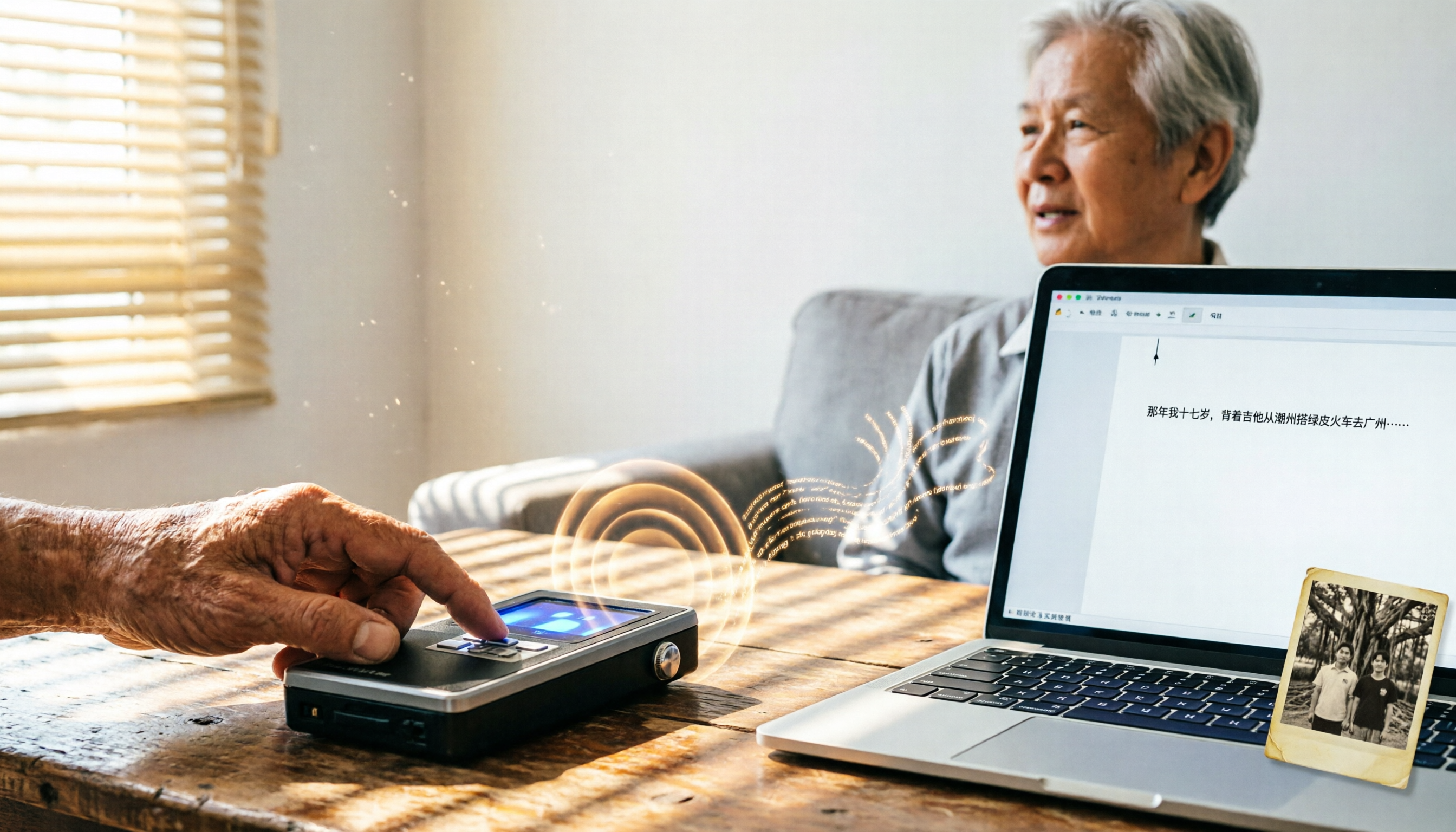
2026 Tested: 4 Speech-to-Text Tools Compared – Local Privacy vs. Cloud AI, Which Is More Efficient?
Tired of transcribing meeting, class, or interview recordings? This article tests 4 speech-to-text tools, from fully local WhisperDesktop and privacy-focused cSubtitle to Taiwan-based Yating and cloud AI favorite Tinrec, to help you find the best fit.

2026 Hands-On Comparison of 3 AI Meeting Recorders: Beyond Transcription, Who Really Helps You Organize Meeting Highlights?
This article tests three popular AI meeting note tools—Otter.ai, Notta, and Tinrec—covering transcription accuracy, AI summaries, Q&A features, and cross-platform support to help you find the best solution for organizing meeting recordings.
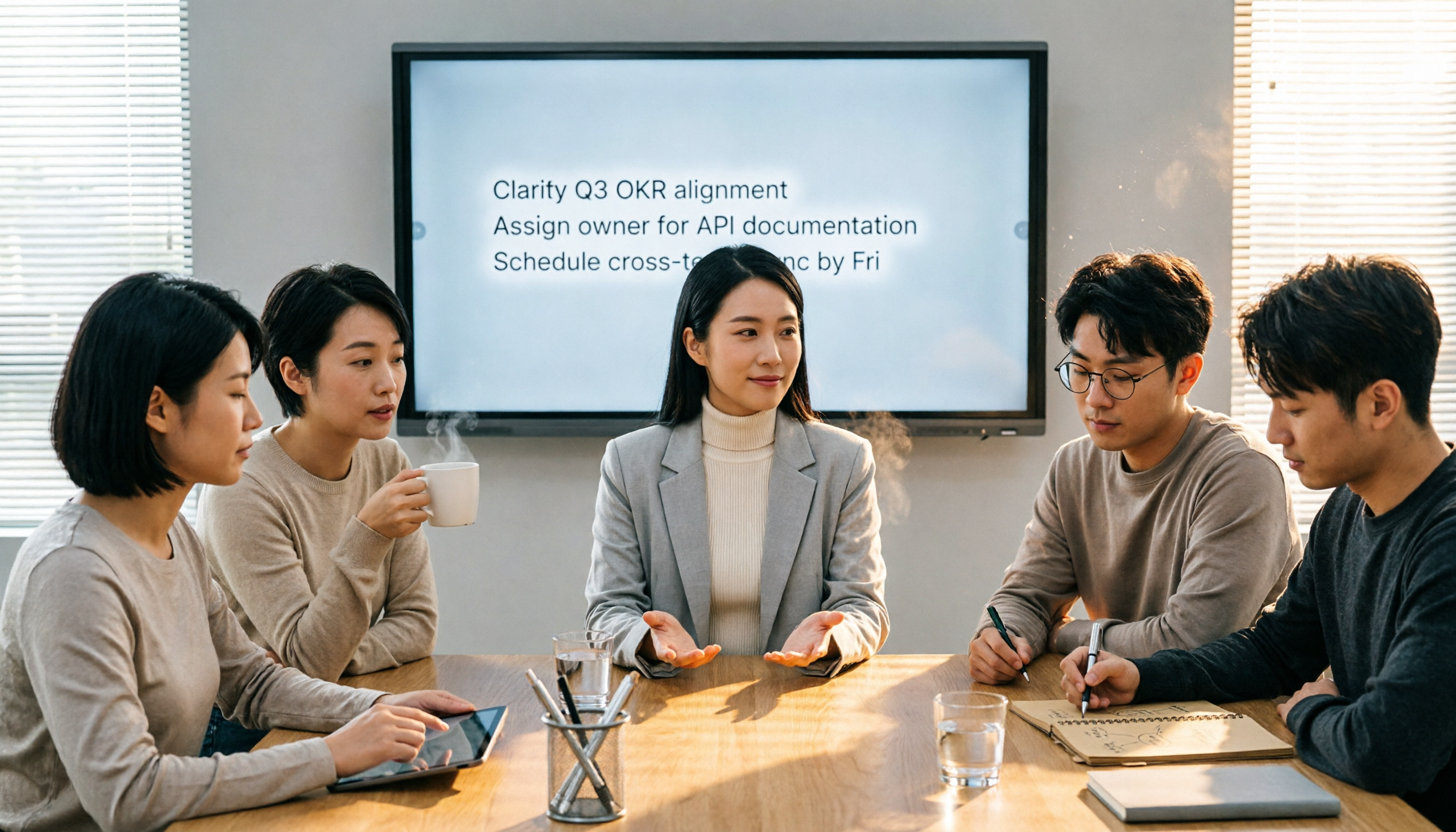
4 Meeting Minutes Tools Tested in 2026: How Much Time Can AI Summaries Save You?
Tired of typing meeting minutes in Word? We tested 4 popular meeting minutes tools, comparing accuracy, AI summaries, and cross-platform support to find which one saves you the most time—so you can say goodbye to manual typing.

2026 AI Meeting Minutes Tools Buying Guide: 5 Tested and Recommended
Spending two hours in a meeting and another two organizing the notes? We tested five AI tools—Tinrec, Otter.ai, Notta, Fireflies.ai, and TurboScribe—to help you find the best option for Chinese meeting minutes and multi-source audio/video organization, complete with a comparison of free and paid plans.