

Turn recordings into transcripts and summaries in minutes
Upload audio or video for multilingual transcription, AI notes, and action items
What Can Post-Meeting Organization Do for You?
If you're looking for a Google Meet alternative, hold on—often the problem isn't the video tool itself, but the fact that discussion content isn't properly captured after the meeting ends. Google Meet lets you hold meetings, but meeting minutes, key takeaways, and to-do tracking still require manual effort.
Tinrec is designed to solve this "post-meeting black hole." It doesn't replace your video calls; instead, it converts meeting recordings, online meeting recordings, and even web video links into searchable, summarizable, and queryable text.
Here are three common scenarios:
Scenario 1: Get meeting minutes 5 minutes after the meeting ends
Previously, after a two-hour meeting, you might spend another hour organizing the minutes. Now with Tinrec, as soon as the meeting ends, the AI has already generated a summary, conclusions, and action items—who's responsible for what and deadlines are all clear at a glance.
Scenario 2: Recordings are no longer just taking up space
Many office workers have a bunch of meeting recordings on their computers that they never open again. Tinrec lets you upload these audio files, automatically transcribes them, and you can even ask the AI, "What was the budget discussed last time?" turning dead data into living data.
Scenario 3: Classes, interviews, and web videos can also be organized
Tinrec isn't just for meetings. You can paste links to YouTube or Bilibili videos, and it will automatically generate text, summaries, and chapters. Students can use it to organize lecture recordings, and researchers can use it to organize interview transcripts.
In short, if you want a "better meeting experience," try handing post-meeting organization to Tinrec first—it might make a bigger difference than switching away from Google Meet.
What Are the Core Capabilities of Post-Meeting Organization?
Tinrec's core isn't "recording" or "transcription," but turning audio/video content into "workable data." Each of the following five capabilities addresses a real pain point.
Real-time recording to text
Transcribes as it records, with less than a second of delay. During meetings, you can follow along with the text to confirm nothing is missed, without waiting until the end to start organizing. This is especially useful for office workers who need to produce records quickly.
Audio/video file to text
Upload existing recordings or video files, and Tinrec automatically transcribes them. This means old meeting recordings, interview audio, and course videos you've accumulated can be reused instead of sitting idle on your hard drive.
Web video link to text
Paste a public video link, and Tinrec can fetch the content and transcribe it. This is great for content creators organizing source material or students organizing online course videos.
AI summaries, chapters, and action item extraction
Transcription is just the first step. Tinrec automatically segments long content into structured chapters and generates summaries and action items. After a meeting discussion, the action list pops up directly—no need to listen and type manually.
AI conversational query
This is the feature I find most impressive. You can directly ask Tinrec questions like, "Who mentioned the budget during the meeting?" or "What was the client's specific feedback?" It uses semantic understanding to find answers from the recording content, not just keyword search.
Together, these capabilities make Tinrec more than just a recording tool—it's like an audio/video database. You no longer worry about losing meeting content; instead, you can repeatedly mine, query, and reuse it.
Practical Use Cases
Meeting Scenario: Weekly meetings without hand cramps
Office workers have several meetings each week, and meeting minutes are often the last task completed. With Tinrec, start recording before the meeting, and when it ends, view the AI-generated summary and action items, copy-paste them into your company system, and you're done. If the meeting was recorded, you can also upload it later for organization.
Stop organizing recordings by hand
Upload audio or video and automatically get a transcript, summary, and action items
Learning Scenario: Turning course audio into review notes
Students or lifelong learners often need to replay course recordings, but finding key points in an hour-long recording is time-consuming. Tinrec's chapter organization automatically segments the course into sections, and with AI summaries, you can review just the key points. You can also use AI Q&A to confirm your understanding.
Interview & Research Scenario: Transcripts and insight extraction in one go
For user interviews or expert interviews, transcription is time-consuming and prone to errors. Tinrec transcribes in real time, so you have an editable transcript as soon as the interview ends. Then use AI to extract the interviewee's main points, or even generate quotable material segments, saving a lot of organization time.
Content Creation Scenario: Finding inspiration from videos and podcasts
Content creators often need to organize key points from YouTube, podcasts, or their own recorded material. Tinrec can transcribe video links and use AI summaries to identify potential topics. If you record a podcast, you can even generate a show outline and key timestamps.
5 Things to Consider When Choosing a Post-Meeting Organization Tool
1. Breadth of input sources
Some tools only support real-time recording, others only file uploads. Tinrec supports real-time recording, audio/video files, web video links, and online meeting recordings, offering much more flexibility.
2. What you can do after transcription
If it just turns speech into text, it's no different from standard speech recognition. Tinrec's value lies in post-transcription organization: summaries, chapters, action items, and AI Q&A—that's where the real time savings are.
3. Chinese content organization capability
Many international tools are primarily English-focused, and their performance on Chinese meetings or mixed Chinese-English content varies. Tinrec is clearly designed to cover Traditional Chinese, Simplified Chinese, and multilingual scenarios, making it more suitable for Chinese speakers.
4. Whether additional hardware is required
Some AI recording tools require purchasing separate hardware. Tinrec doesn't—it works on phones, computers, and the web, making it more budget-friendly for individuals or small teams.
5. Whether pricing matches your usage frequency
Occasionally organizing a recording versus having several meetings a week are very different needs. Tinrec offers a free version to try, as well as weekly, monthly, and annual plans, so you can choose based on your usage frequency without being forced to buy a large block of minutes upfront.
Frequently Asked Questions
Can Tinrec completely replace Google Meet?
No, Tinrec is not video conferencing software; it's a post-meeting recording organization tool. But if what you find lacking in Google Meet is the difficulty of organizing meeting minutes, Tinrec fills that gap. You can continue using Google Meet for meetings and use Tinrec to organize the content afterward.
Is Tinrec's free version sufficient?
The free version includes a monthly basic transcription allowance, allowing you to experience real-time recording, file import, and web video parsing. It's suitable for light use or trying it out. If you find you need extensive organization every week, consider a paid plan.
What formats are supported for uploading recordings?
Common audio and video formats are supported; please refer to the product page for the exact list. If unsure, start with common formats like MP3 or MP4.
Are there privacy concerns with meeting recordings?
When using any cloud transcription tool, it's advisable to check your company's policy and obtain consent from participants. For Tinrec's processing procedures, refer to the official documentation. For sensitive content, consider de-identification first.
Can accuracy reach 100%?
Unlikely—any AI transcription is affected by recording quality, noise, accents, and overlapping speech. Tinrec performs well with clear audio, but for critical content, it's still recommended to quickly verify against the original.
Conclusion
If you're looking for a Google Meet alternative, think about this first: is your real pain point "video call quality" or "post-meeting organization takes too much time"? Often, it's the latter.
Tinrec can't hold meetings for you, but it can make meetings more productive. From real-time transcription, AI summaries, action item extraction, to post-meeting Q&A, it turns the manual labor of organization into a few clicks.
I recommend trying the free version first—upload a past meeting recording or a web video to see the results. If you have more than three meetings a week, or often need to organize courses, interviews, or video material, Tinrec is worth adding to your toolkit.
References
- r/opensource on Reddit: Alternatives to Google meets for overnight, stable call
- Top 7 of the Best Google Meet Alternatives
- Great Google Meet Alternatives: Top Video Calling Apps in 2025 | AlternativeTo
- Best Google Meet alternative | Zoho Meeting vs. Google Meet
- Best Google Meet Alternatives in 2026 — Top Free & Paid Tools
Turn every recording into actionable outcomes
Get 60 free transcription minutes when you sign in. No credit card required.
Related Reading
You might also like

2025 Live Transcription Tools Compared: Which One Actually Saves You Time?
How to choose a live transcription tool in 2025? We tested Tinrec, Granola, Notta, and Otter.ai across Chinese recognition, meeting audio capture, post-meeting organization, and team quotas. We also cover common pitfalls and scenario-based recommendations to help you find the one that truly saves you time.

2026 Real-Time Transcription Tools Buying Guide: 6 Tested Picks and Recommendations
Recording the meeting is just the beginning of the pain? This guide covers 6 real-time transcription tools, comparing Chinese language support, meeting note methods, and pricing plans. It also explains the most common pitfalls before buying, helping you find the right transcription tool for your needs.
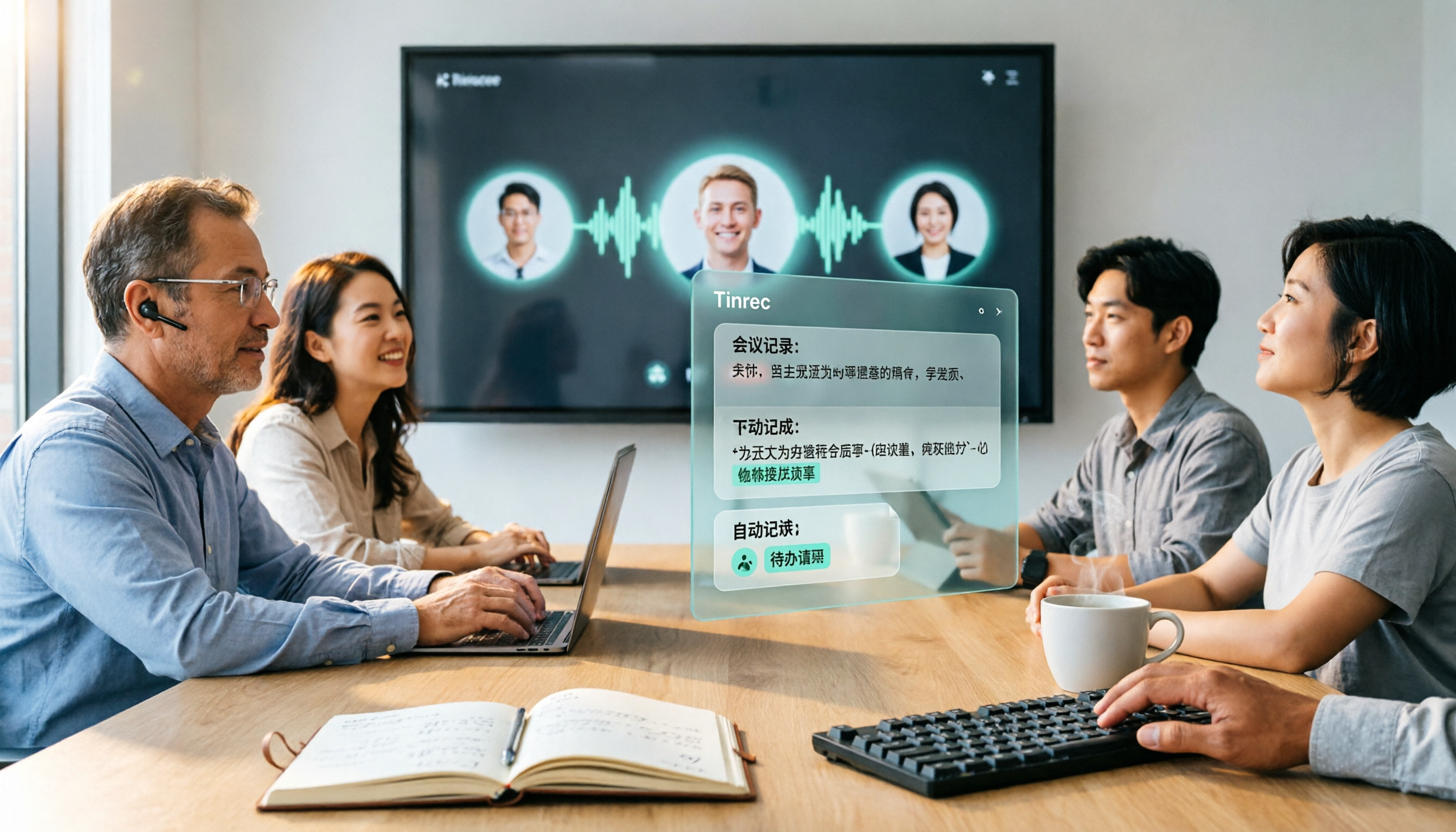
Which Auto-Generated Meeting Notes Tool for Teams Is Best? 2026 Hands-On Test of 3 Tools: This One Works Best for Chinese Meetings
Teams built-in transcription only gives you a verbatim transcript; post-meeting organization is where the real time goes. This article uses Teams meetings as the scenario to compare Tinrec, Otter.ai, and Notta, helping you decide which is best for Chinese meetings and team collaboration.

3 Meeting Recording Tools Tested in 2026: Notion AI vs. Tinrec — Which Saves More Time?
Based on three real meetings, this comparison examines how Notion AI Meeting Notes, Granola, and Tinrec differ in meeting recording, transcription, post-meeting organization, and team handoff. Includes selection criteria, pitfalls to avoid, and a ready-to-use starter checklist.

2026 Comparison of 4 Teams Meeting Transcription Tools: Which Saves More Time with Auto Transcripts and AI Summaries?
Starting from the pain points of student group meetings on Teams, this comparison covers Teams built-in transcription, Tinrec, Otter.ai, and Notta, evaluating auto transcripts, AI summaries, action items, and cost limits to help you choose the best meeting notes workflow.
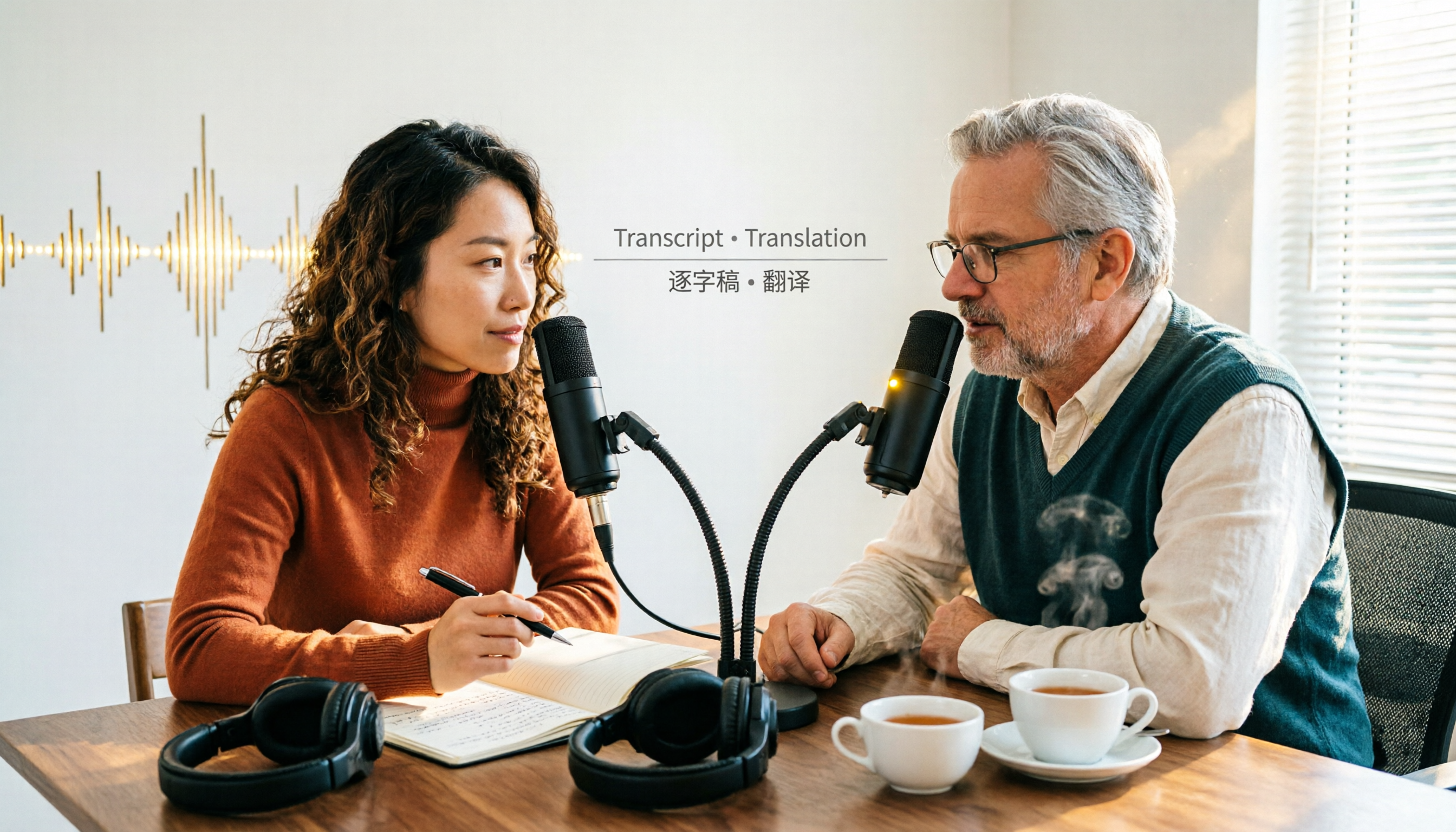
4 Podcast Transcript Translation Tools Tested for 2026: Which Free Version Is Enough?
This article starts with common misconceptions about Podcast transcript translation and compares four tools—Tinrec, Otter.ai, Notta, and TurboScribe—covering transcription, translation, summarization, export, free quotas, and team collaboration differences to help you choose the right solution for Chinese or mixed Chinese-English shows.

Best Notion Meeting Notes Templates in 2026: 6 Options Compared, and the One That Makes Follow-Ups Easiest
A roundup of 6 Notion meeting notes templates and AI meeting tool combinations, from free templates to team collaboration solutions, explaining which meeting scenarios each suits, how to handle post-meeting follow-ups, and selection advice.

2026 Comparison of 3 Meeting Notes Tools: Notion AI, Tinrec, and Notta — Which One Actually Saves You Cleanup Time?
Starting from a Notion meeting notes tutorial, this comparison examines the meeting notes workflows of Notion AI, Tinrec, and Notta, covering differences in templates, transcripts, summaries, action items, AI Q&A, and team collaboration to help you choose the right tool for Chinese-language meetings.

The Complete Guide to YouTube Transcripts in 2026: How to Get Free Transcripts and Summarize Key Points
Starting from student scenarios like exam review and class notes, this guide breaks down common misconceptions about free YouTube transcripts and shows how Tinrec turns transcripts into searchable, summarizable, and queryable study materials.