

Turn recordings into transcripts and summaries in minutes
Upload audio or video for multilingual transcription, AI notes, and action items
Why Do You Need LINE Call Recording?
Work meetings, client calls, important family conversations—there are many times when you want to save LINE call content for later review or to transcribe into text.
However, the official LINE app has never offered a built-in recording feature, mainly because call recording regulations vary by country. To avoid privacy controversies, LINE has chosen not to provide native support.
This article outlines 5 currently viable methods for recording LINE calls, from the most traditional voice recorder to the latest iPhone system feature, helping you quickly determine which one suits you best.
Method 1: Voice Recorder or External Recording Device—The Most Traditional and Reliable
If you prefer not to install any software or are concerned about phone system restrictions, using a voice recorder is the simplest and most direct approach.
The steps are easy: during a LINE call, enable speakerphone and place the voice recorder or another recording device next to your phone to capture both sides of the conversation.
The advantages of this method are that you don't need to root or jailbreak your phone, nor download apps from unknown sources. The recorded audio is stored directly on the recorder, saving your phone's storage.
The downside is that you need to carry an extra device, and recording quality may be affected by ambient noise.
This method suits those who record occasionally or are not tech-savvy.
Method 2: Screen Recording—A Built-in Option for Android Users
Many Android phones come with a built-in "Screen Recorder" feature that can directly capture LINE call audio with minimal effort.
During a call, simply open the notification panel, enable screen recording, and select "Record system audio" or "Record microphone audio." When you finish, you'll have a video file containing the call audio.
However, note that some Android models may default to recording only the microphone, missing the other party's voice. Be sure to check the audio source settings beforehand.
On iPhones, the screen recording feature typically cannot capture call audio due to iOS privacy restrictions, so iPhone users should refer to the methods below.
Method 3: Third-Party Call Recording Apps—Feature-Rich but Choose Carefully
There are many apps on the App Store and Google Play that claim to offer "call recording," and some can record LINE calls.
These apps generally work by capturing audio through the phone's microphone or system audio channels. Some require enabling "Accessibility" or "Assistive Access" permissions to function.
When choosing, prioritize apps with high ratings, large download numbers, and minimal sensitive permissions. After installation, test the recording quality before relying on it.
Since some apps may raise privacy concerns, always read the permission explanations and comply with local laws before use.
Method 4: iPhone iOS 26 "Local Capture" Feature—A New Option Without External Devices
According to recent reports, Apple has introduced a "Local Capture" feature in iOS 26, allowing iPhone users to directly record calls from third-party messaging apps like LINE, WhatsApp, and Messenger without notifying the other party.
Stop organizing recordings by hand
Upload audio or video and automatically get a transcript, summary, and action items
The exact operation method has not been fully disclosed, but rumors suggest that you can enable the capture feature from the Control Center during a call to record both sides and save the audio to Voice Memos.
However, this feature is still in the rumor stage. The official release date and supported scope should be confirmed by Apple's announcements. If you've already updated to iOS 26, check your system settings for any related options.
If you don't want to wait or cannot upgrade, the voice recorder or third-party apps mentioned earlier remain reliable alternatives.
Method 5: Use Another Phone or Tablet—A Zero-Cost Backup Solution
If you have a second phone, tablet, or computer, you can use it to record the call without installing any software.
Simply enable speakerphone during the LINE call, open a voice memo or recording app on the second device, and place it near the phone to capture the audio.
This method is free, intuitive, and avoids compatibility issues. The downside is that recording quality depends on the ambient noise level, and you need an extra device.
It's ideal for those who need to record occasionally and don't want to spend money on additional tools.
With So Many Methods, How Do You Choose?
- If you just want to simply record the conversation and don't mind an extra device → Use a voice recorder or another phone
- If you're an Android user and prefer not to install apps → Use the built-in screen recorder
- If you want easy management of recordings and have a budget for paid apps → Try third-party call recording apps
- If you're an iPhone user and have upgraded to iOS 26 → Try the "Local Capture" feature
- If you need to transcribe recordings into text, summaries, or to-do lists → Consider using AI tools (e.g., Tinrec) for post-processing
3 Things to Know Before Recording LINE Calls
First, check local laws before recording. In the U.S., recording a call with the consent of at least one party is generally legal in most states, but if you intend to invade privacy or distribute without consent, you may violate the law.
Second, recording quality is greatly affected by the environment and equipment. If the call content is critical, test the recording first and consider using a headset microphone to improve clarity.
Third, back up your recordings. Phones or recorders can be lost or malfunction, so it's advisable to export important recordings to cloud storage or a computer.
Conclusion
LINE does not have a built-in call recording feature, but you can still save important conversations using voice recorders, screen recording, third-party apps, or new iPhone system features.
When choosing a method, consider your phone system, budget, and recording needs, and always comply with laws and respect the other party's privacy.
If you need to further process your recordings—such as converting them into transcripts, summaries, or to-do lists—try AI tools like Tinrec to make the follow-up work more efficient.
References
- How to Record Phone and LINE Calls? iPhone and Samsung Call Recording App Recommendations
- LINE Call Recording Tutorial: 4 Methods to Record LINE Calls, Tested and Effective! [2025]
- [Phone Tips] LINE Can Now Record Calls! iPhone Built-in Call Recording Trick Without Notifying the Other Party! | Jyes Communication ~ Challenging the Lowest Phone Market Price
- LINE Can Finally Record Calls! No Plugins or External Devices Needed—Use iPhone's Built-in System Feature
- LINE Call Recording Made Easy: A Complete Guide to Recording LINE Calls
Turn every recording into actionable outcomes
Get 60 free transcription minutes when you sign in. No credit card required.
Related Reading
You might also like

3 iPhone LINE Call Recording Solutions Compared in 2026: Which One Auto-Generates Meeting Minutes?
Addressing the LINE call recording needs of iPhone users hotly discussed on Dcard, this hands-on comparison tests iOS 26's built-in 'Local Capture' and third-party tools, recommending Tinrec for automatic transcription, summaries, and to-dos to solve the post-recording organization headache.
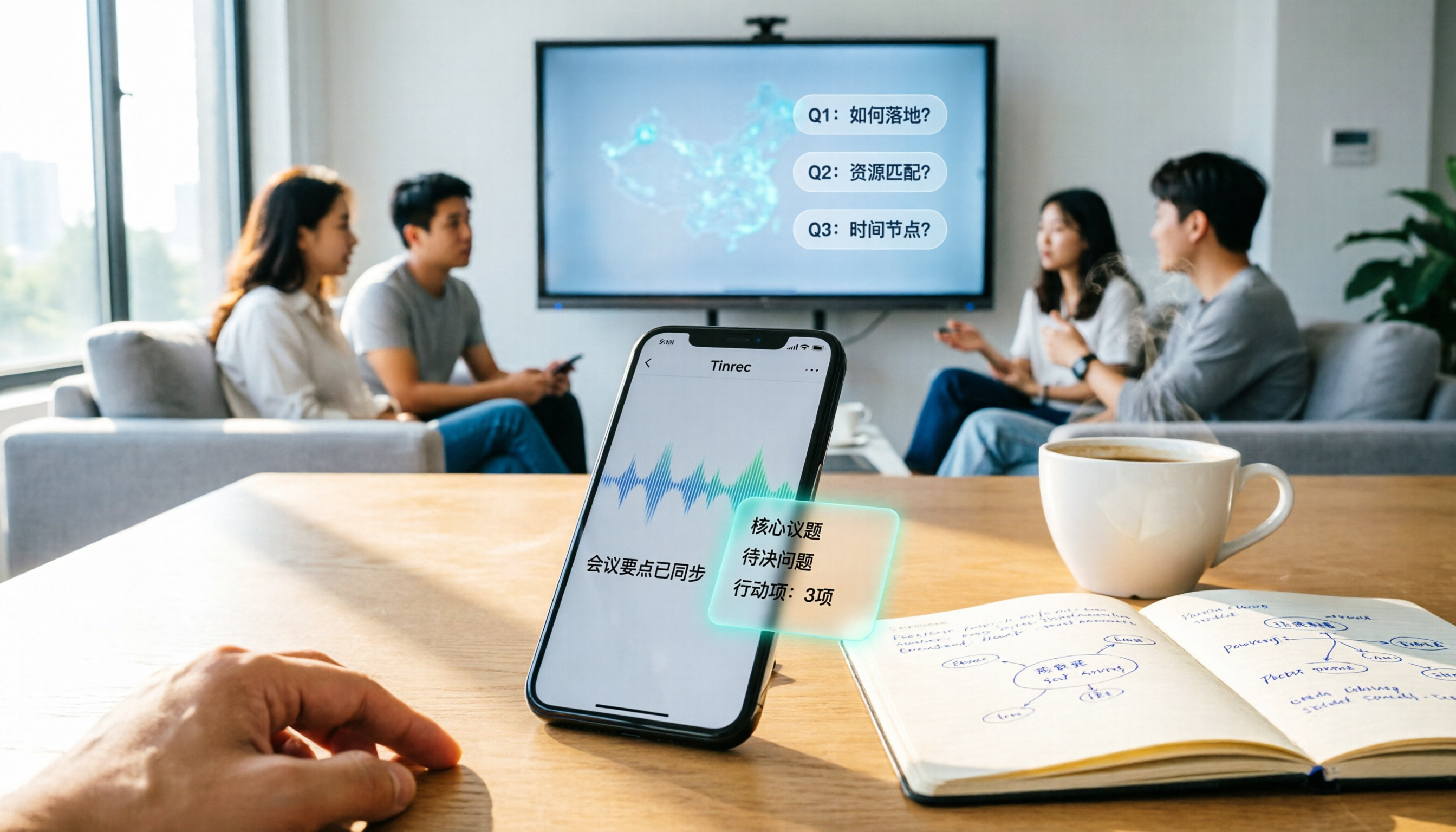
Tinrec vs Notta in 2026: LINE Call Recording to Text, 5-Dimension Comparison to Find the Better Value
LINE doesn't have built-in recording, so the key is transcription, summarization, and team organization after recording. This article compares Tinrec and Notta across five dimensions: Chinese transcription, AI Q&A, team collaboration, export, and value for money, to help you find the best tool for organizing LINE recordings.
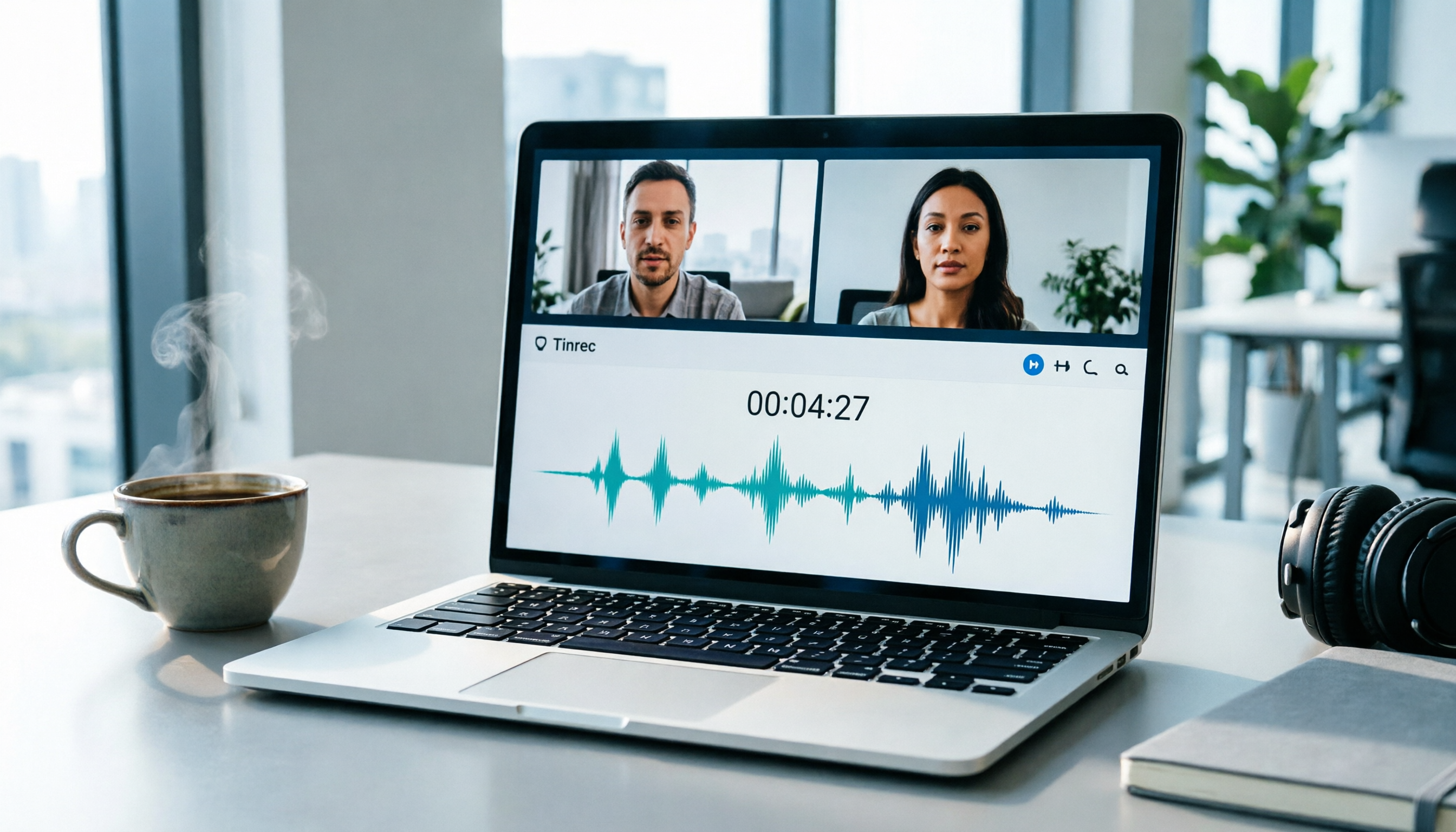
2 Ways to Record LINE Video Calls in 2026: Screen Recording vs. Tinrec Desktop
LINE doesn't have built-in call recording. This article compares screen recording and Tinrec Desktop to see which is better for saving important video calls.

2026 Tested: 3 Best Recording-to-Text Apps for LINE Calls—Which One Saves You the Most Time?
Struggling to organize LINE call recordings? This hands-on comparison of 3 recording-to-text tools covers accuracy, AI features, cross-platform support, and free tiers to help you find the best fit for transcribing LINE calls.

How to Record LINE Calls in 2026: iPhone Built-in, Android External Speaker, and Tinrec Transcription
LINE doesn't have built-in call recording, but you can use iPhone integrated call recording, Android screen recording, or third-party apps. This article tests various methods and recommends Tinrec for instant transcription, summaries, and to-dos.

2026 Tested: 5 LINE Call Recording Solutions Compared – Which One Truly Captures Clear Two-Way Audio?
LINE doesn't have a built-in call recording feature, but you can still legally record important calls using 5 methods, including iOS native capture, screen recording, voice recorders, or AI recording assistants. This article tests each solution's pros, cons, and best use cases to help you pick the right tool.

How to Record LINE Meetings in 2026: No Bot Needed + Automatic Transcripts
LINE meetings don't have built-in recording. This guide shows how to use Tinrec desktop to record LINE online meetings without a bot, and automatically generate transcripts, summaries, and action items, solving the pain point of meeting notes.

2026 Tested: 3 Best Speech-to-Text Tools for Chinese Meeting Notes & Team Collaboration
While Good Tape gets a lot of buzz on Dcard, there are better options for Chinese-speaking teams. This article tests Tinrec, Otter, Notta, and Granola to help you decide which one is worth trying.

Tinrec vs Good Tape 2026: 5-Dimension Comparison to Choose the Best Meeting Transcription Tool
A hands-on comparison of Good Tape and Tinrec across meeting recording methods, post-transcription features, Chinese language support, team collaboration, and pricing/speed to help you decide which is better for your meeting transcription workflow.