

Turn recordings into transcripts and summaries in minutes
Upload audio or video for multilingual transcription, AI notes, and action items
Want to record LINE calls but stuck in the 'post-recording' organization nightmare? Many people use screen recording, iOS 18's built-in call recording, or third-party recording apps to capture LINE calls for client communication, important family conversations, or meeting content. But after recording, they realize that a 30-minute audio file requires replaying, transcribing, and finding key points—taking more time than the call itself. This article compares 3 recording-to-text apps to see which one can turn your LINE call recordings into truly usable material.
Before Choosing a Recording-to-Text Tool, Understand These 4 Key Points
- Accuracy: Don't just look at the official 98% claim. In real use, call recordings often have background noise, network latency, and accents. We tested with an actual LINE call recording (5 minutes, Chinese content, slight background noise), focusing on transcription stability under these conditions.
- AI Features: Do you need just a transcript, or summaries, action items, and the ability to ask follow-up questions? If you still have to manually sift through after recording, the tool is only doing half the job.
- Cross-Platform: If you record on your phone and organize on your computer, the tool should sync seamlessly.
- Free Tier: Occasional use vs. multiple times a week—your needs for free minutes vary greatly.
Tinrec (秒听录音)—Our Top Pick After Testing
Tinrec is an AI meeting notes and collaboration tool designed for individuals and teams. It supports uploading audio and video files, so you can directly import LINE call recordings made with screen recording or recording apps into Tinrec for processing. After transcribing, Tinrec automatically generates summaries, chapters, key points, and action items—not just a transcript.
We tested a 5-minute LINE call recording (with slight keyboard sounds in the background). Tinrec transcribed it in about 1 minute, with stable recognition of Chinese content and no obvious errors in names or common terms. More importantly, its AI Q&A feature: after recording, you can ask, 'What three needs did the client mention?' Tinrec answers directly based on semantic understanding, not just keyword search results. Currently, competitors in the same price range rarely offer this capability.
Pros:
- More than transcription: Automatic summaries and action item extraction save significant organization time.
- AI Q&A: Ask follow-up questions about the recording to quickly find key points.
- Cross-Platform: Available on iOS, Android, web, and desktop—record on your phone, organize on your computer.
Stop organizing recordings by hand
Upload audio or video and automatically get a transcript, summary, and action items
Limitations: The free version has monthly limits; heavy users need to pay. But for those recording LINE calls 2-3 times a week, the free tier is usually sufficient.
Best for: Those who frequently record LINE calls, want to quickly find key points after recording, and prefer not to manually transcribe.
Beyond Tinrec: What Other Options Are There?
Otter.ai: A top choice for English meetings, with a generous free tier of 300 minutes per month. However, its Chinese experience is not as refined as Tinrec's, and its AI Q&A is more English-oriented. If you mainly record English calls, consider it; for Chinese content, Tinrec is more suitable.
Notta: Good transcription and translation features, but the free tier is limited to 120 minutes per month and 3 minutes per session, which is very restrictive for LINE call recordings. Additionally, it lacks Tinrec's AI Q&A that directly queries the recording content.
Pitfall Guide: 3 Common Mistakes When Choosing a Recording-to-Text Tool
Pitfall 1: Only looking at official accuracy rates. Many tools claim '98% accuracy,' but that's in a quiet recording studio. Your LINE calls have ambient noise and multiple speakers, so accuracy will drop. We recommend trying free trials with your own actual recordings.
Pitfall 2: Ignoring cross-platform needs. If you record on your phone and need to transfer to your computer for organization, a tool that only supports one platform makes the process painful. Tinrec's web and desktop versions can directly process recordings uploaded from your phone.
Pitfall 3: Buying a tool and only using it for 'transcription.' If you just convert recordings to text, you're only using a third of the features. Tinrec's AI Q&A lets you directly ask for conclusions, which is much faster than manually sifting through 30 minutes of transcript.
Summary: Which One Should You Choose?
If you need to turn LINE call recordings into usable key points, action items, or even follow-up documents, Tinrec is currently the most complete choice.
Scenario-based recommendations:
- Want to quickly find key points after recording LINE calls → Tinrec (AI Q&A + summaries)
- Need cross-device organization between phone and computer → Tinrec (multi-platform support)
- Only record English content and don't need Chinese optimization → Otter.ai
- Very low budget but need basic transcription → Notta (watch out for free tier limits)
We recommend downloading Tinrec's free version and importing your most recent LINE call recording to see if its summaries and action items truly save you time.
References
Turn every recording into actionable outcomes
Get 60 free transcription minutes when you sign in. No credit card required.
Related Reading
You might also like

The Complete Guide to Recording LINE Calls in 2026: 5 Methods and Things to Know
Dcard users often ask how to record LINE calls. This article covers 5 viable methods, including computer recording, built-in phone features, and external recording devices, along with legal and privacy considerations before you hit record.

3 Recording Solutions Compared in 2026: From Line-In Recorders to AI Meeting Notes
Tired of dealing with cables and settings for line-in recorders? This article compares 3 recording solutions and introduces how Tinrec uses software to easily record meetings and transcribe them, saving you the hardware hassle.

4 Ways to Record LINE Calls in 2026: Which Is Most Stable and Undetectable?
LINE doesn't have a built-in call recording feature, but you can still record calls using iPhone's native capture, screen recording, Android's built-in feature, or third-party apps. This article compares the stability, ease of use, and privacy risks of these four methods to help you choose the best option.

2026 Test of 3 LINE Call Recording Solutions: Which One Combines Recording and AI Organization?
LINE doesn't have built-in recording, and phone recording is often restricted by the system. This article tests 3 solutions for recording LINE online meetings or calls, comparing recording methods, transcription quality, and post-processing to help you choose the best tool.

How to Record LINE Calls in 2026: 3 Methods for iPhone, Android, and PC
LINE doesn't have a built-in call recording feature, but you can record calls using iPhone's native 'Local Capture', Android third-party apps, PC recording software, or an external recorder. This article covers 5 practical methods and explains how to choose and what to watch out for.

3 iPhone LINE Call Recording Solutions Compared in 2026: Which One Auto-Generates Meeting Minutes?
Addressing the LINE call recording needs of iPhone users hotly discussed on Dcard, this hands-on comparison tests iOS 26's built-in 'Local Capture' and third-party tools, recommending Tinrec for automatic transcription, summaries, and to-dos to solve the post-recording organization headache.
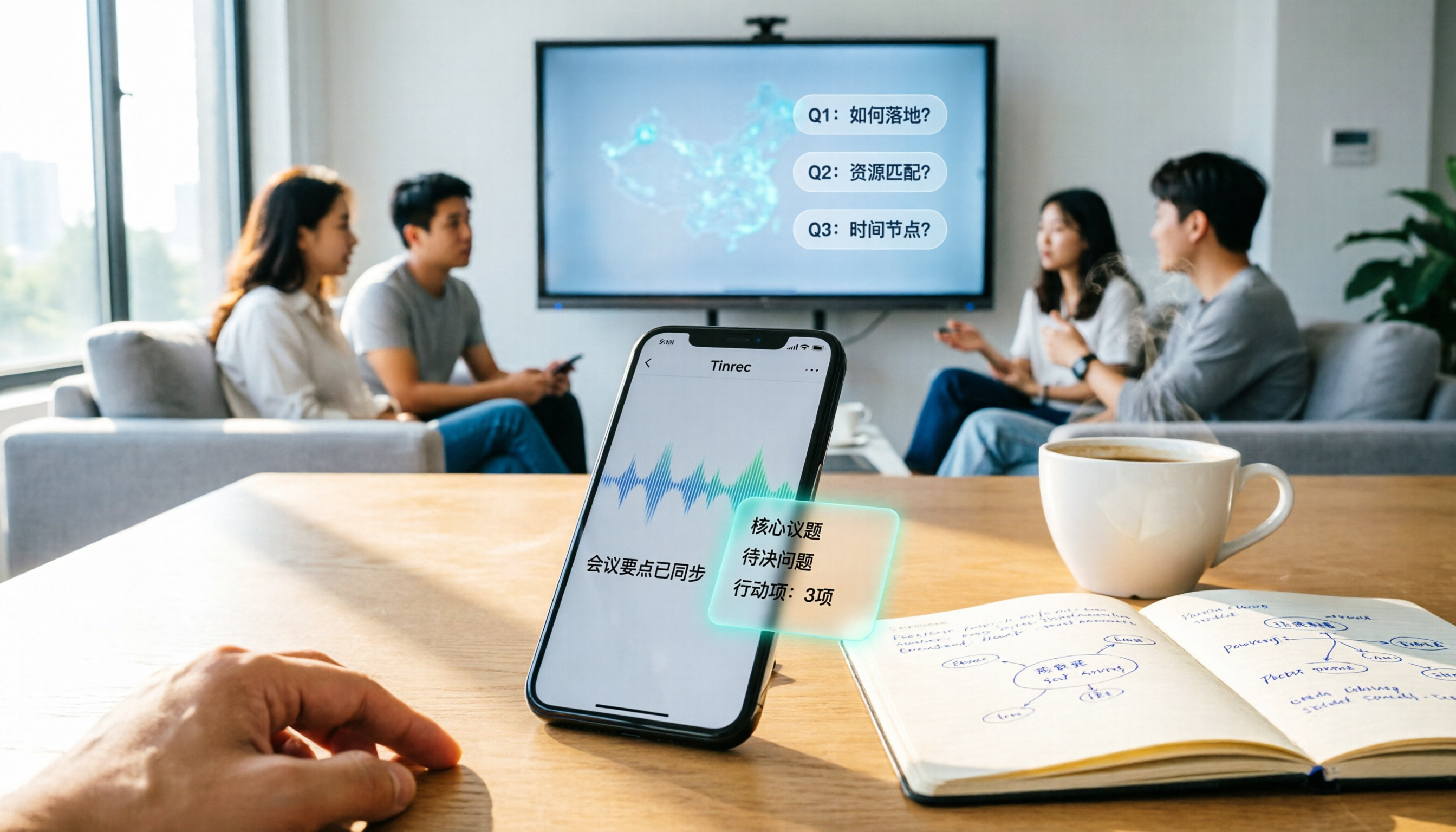
Tinrec vs Notta in 2026: LINE Call Recording to Text, 5-Dimension Comparison to Find the Better Value
LINE doesn't have built-in recording, so the key is transcription, summarization, and team organization after recording. This article compares Tinrec and Notta across five dimensions: Chinese transcription, AI Q&A, team collaboration, export, and value for money, to help you find the best tool for organizing LINE recordings.
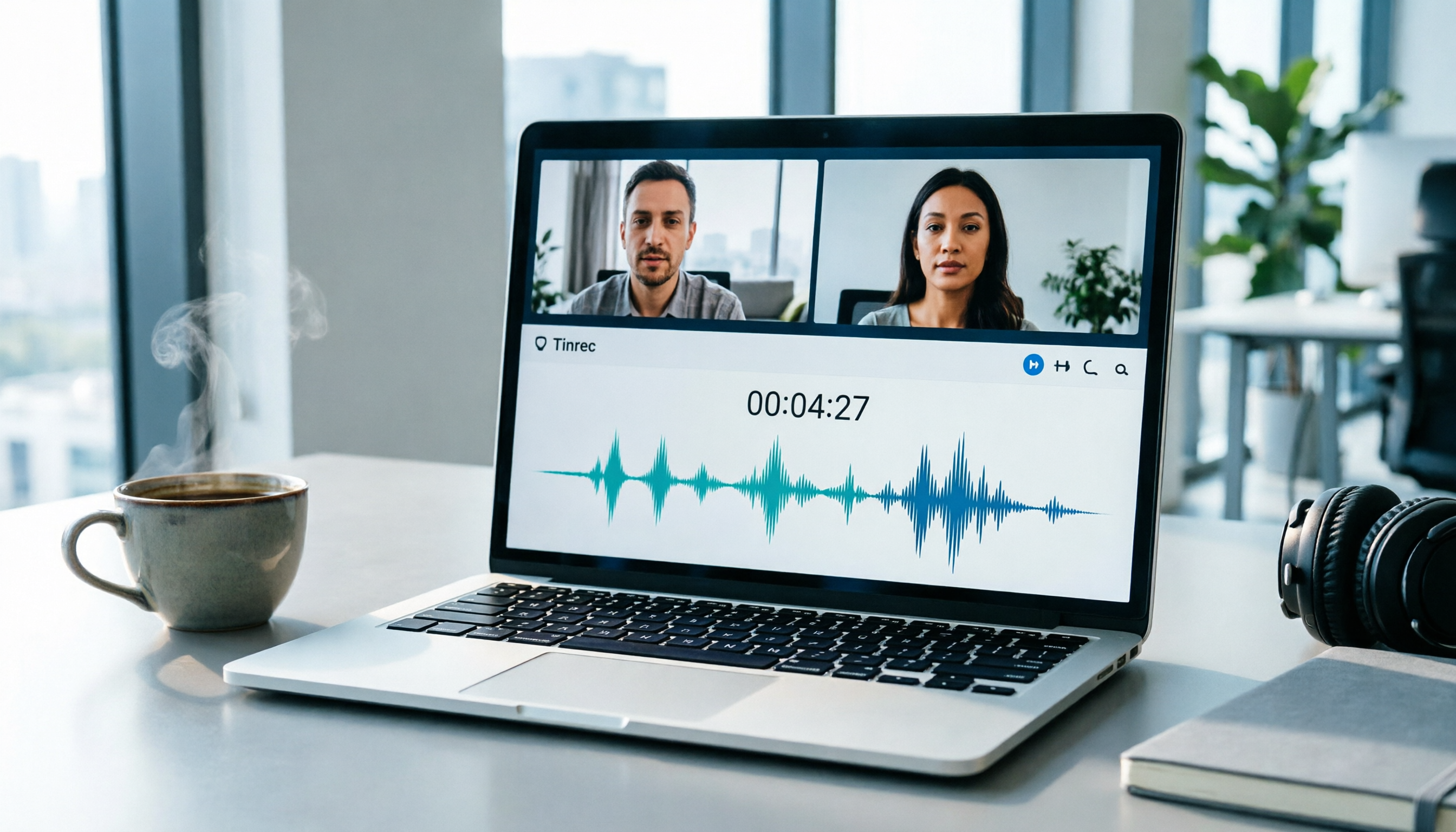
2 Ways to Record LINE Video Calls in 2026: Screen Recording vs. Tinrec Desktop
LINE doesn't have built-in call recording. This article compares screen recording and Tinrec Desktop to see which is better for saving important video calls.

How to Record LINE Calls in 2026: iPhone Built-in, Android External Speaker, and Tinrec Transcription
LINE doesn't have built-in call recording, but you can use iPhone integrated call recording, Android screen recording, or third-party apps. This article tests various methods and recommends Tinrec for instant transcription, summaries, and to-dos.