

Turn recordings into transcripts and summaries in minutes
Upload audio or video for multilingual transcription, AI notes, and action items
Can't find the microphone hole on your iPhone? The real bottleneck isn't hardware placement—it's the efficiency of post-recording organization.
Many iPhone users spend time checking the small hole next to the charging port, the earpiece grille, or the microphones near the camera module, only to realize after recording: the file is buried in the Voice Memos app, requiring manual export to share; you still have to re-listen to find key points. If you've ever experienced the "recorded for an hour, organized for three hours" dilemma, this article tests 3 tools to help you turn recordings into directly usable data.
Before choosing an iPhone recording tool, understand these 3 key points:
- Audio capture isn't the problem; post-processing is. The iPhone has multiple microphones, but most people's real pain point is finding key information after recording. Look for tools with "AI summaries," "action item extraction," and "chapter segmentation."
- Can you export and share directly? The built-in Voice Memos requires manual saving to Files, while tools like Tinrec can export directly to Notion, Google Docs, saving conversion steps.
- Cross-platform and team collaboration. You record on iPhone today, organize on computer tomorrow; if the tool only has a mobile version, it only solves half the problem.
Tinrec (秒听录音) — Our Top Pick After Testing
Tinrec is an AI recording and meeting organization tool supporting multiple languages, with an iPhone app, desktop, and web versions. It doesn't just record; it turns recordings into a searchable, collaborative database.
In practice: Open Tinrec to record a meeting or interview, and it generates a transcript in real time; after recording, AI automatically produces summaries, chapters, and action items. The most convenient feature is AI Q&A—you can ask, "Who mentioned the budget in the last meeting? What was the conclusion?" It searches across multiple recordings and gives answers, not just keywords.
If you need to record Zoom, Google Meet, or Teams meetings on your computer, Tinrec's desktop version can capture system audio directly, without inviting a bot to the meeting. This is very useful for those who don't want to disturb participants.
Pros:
- Excellent Chinese and multilingual meeting experience, suitable for users in Taiwan.
- Comprehensive post-meeting organization: summaries, action items, AI Q&A, export to Notion, etc.
- Team version allows centralized management of meeting data, member roles, and usage quotas, ideal for departmental sharing.
Limitations:
- The free version has basic quotas; heavy use requires payment, but it's usually sufficient for those who hold 2-3 meetings per week.
- Online meetings without bot recording require the desktop version; the mobile app is mainly for on-site recording and file organization.
Best for: iPhone users who need to quickly find key points after recording, want cross-device use, or want to build a meeting database for their team.
Stop organizing recordings by hand
Upload audio or video and automatically get a transcript, summary, and action items
Beyond Tinrec, what other options are there?
Otter.ai: A well-known tool for English meetings, with a free plan offering 300 minutes per month, ideal for those who primarily record English content. However, its Chinese summaries and Traditional Chinese context aren't as tailored as Tinrec's, and its meeting bot must join the meeting. If you only record in English and don't need AI Q&A in Chinese, consider Otter; but Tinrec's bot-free desktop recording and team Chinese data management are better suited for local teams.
Notta: Focuses on fast transcription and subtitles, supports multiple languages, with a lightweight interface. But it leans toward "transcribe and done," with post-meeting AI Q&A and action item extraction not as complete as Tinrec's. If you need bulk transcription without much follow-up organization, Notta works; if you want to ask AI about meeting highlights right after recording, Tinrec is the more complete choice.
PLAUD NotePin: A standalone AI recording hardware device, with the advantage of recording without a phone and long battery life, suitable for fieldwork or those who prefer not to carry a phone. However, it costs an extra USD 159, and post-recording organization still relies on the app; Tinrec uses your iPhone directly, can import old recordings, and supports team collaboration without needing an extra device.
Pitfall Guide: 3 Common Mistakes When Choosing iPhone Recording Tools
Pitfall 1: Only focusing on finding the microphone hole, ignoring post-recording organization. The iPhone's microphone placement isn't the point; the key is whether the tool can auto-summarize and generate action items. Otherwise, you'll still have to re-listen.
Pitfall 2: Using only the built-in Voice Memos and not exporting, making files hard to find. Voice Memos files are stored only within the app by default; you must manually "Share → Save to Files" to use them elsewhere. Switch to tools like Tinrec that can export directly to cloud or note apps.
Pitfall 3: Sharing personal accounts among team members, leading to data chaos. For multi-user use, choose a plan with team spaces, seat management, and audit logs, such as Tinrec's team version, rather than everyone logging into the same account.
Summary: Which One Should You Choose?
If you record with an iPhone and want to quickly capture key points and share with your team, Tinrec is currently the most complete choice.
- Need Chinese meeting notes and AI Q&A → Tinrec
- Need cross-platform (iPhone + computer + web) → Tinrec
- Team sharing, need permissions and usage management → Tinrec Team
- Zero budget, English only → Otter.ai free plan (the only exception)
- Want a standalone device, don't mind extra gear → PLAUD NotePin (but Tinrec is more cost-effective)
You can start with Tinrec's free plan, experience AI summaries and Q&A over a few meetings, and consider upgrading if it suits you—no need to spend money upfront.
References
- Where is iPhone recording? - 超人行銷
- Record audio and video on iPhone - Apple Support (Taiwan)
- Decoding Apple's hardware design: Where are the iPhone's microphone holes? Complete location analysis - UpToGo
- Where are iPhone voice memo files? How to export, save, or share recordings? - 塔科女子
- Unveiling where the iPhone recording function is: One-tap activation and call recording tips - UpToGo
Turn every recording into actionable outcomes
Get 60 free transcription minutes when you sign in. No credit card required.
Related Reading
You might also like
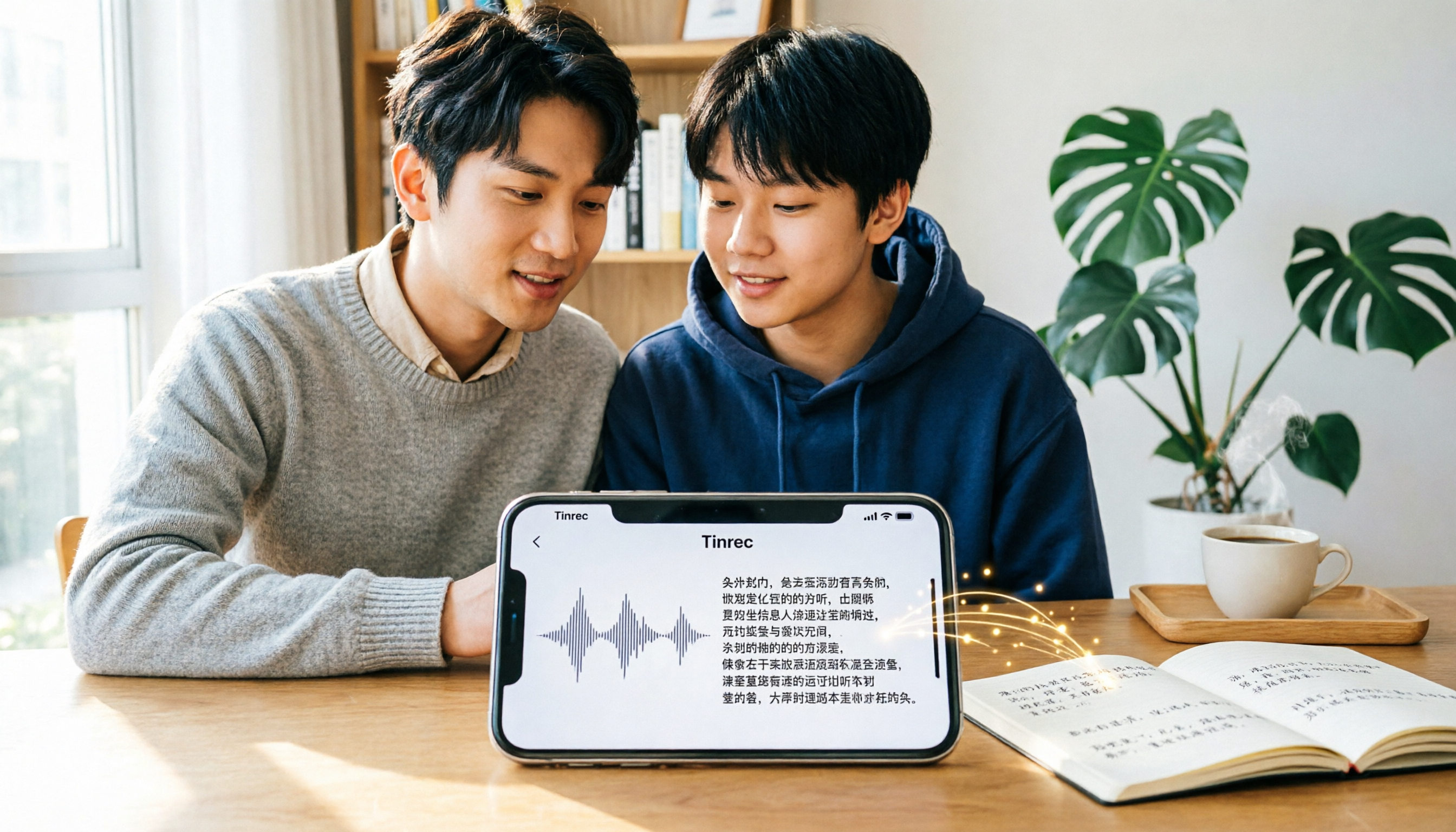
2026 iPhone Voice Memo to Text App Comparison: How to Organize Recordings Efficiently
How do you export iPhone Voice Memos? Once exported, how do you convert them to text and highlight key points? This comparison of 4 voice-to-text apps shows students and professionals which one to choose, and why Tinrec is the top pick.
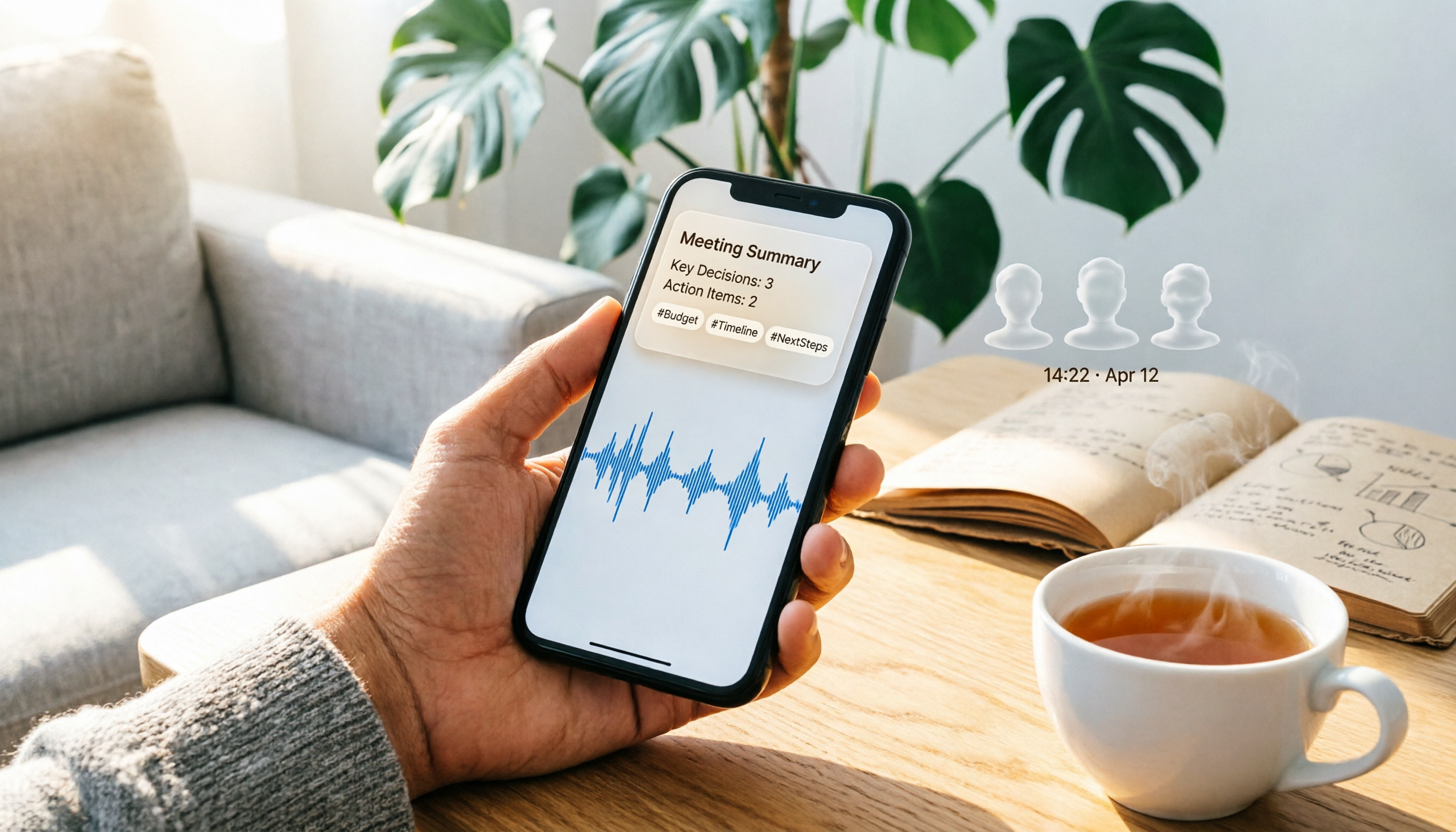
Where Are iPhone Call Recordings Stored in 2026? 5 Steps to Find Them and Organize with Tinrec
After iOS 18.1, iPhone's built-in call recording is automatically saved to the Notes app, but finding the file is just the beginning. This guide shows you where recordings are stored, 5 steps to locate them, and how to use Tinrec to turn call recordings into searchable, summarizable, and collaborative meeting notes.

Where Are iPhone Recordings Stored in 2026? 3 Steps to Find Audio Files & Use Tinrec for Transcription
iPhone recordings are saved in the Voice Memos app by default, not in the Files app. This guide shows you how to export recordings and use Tinrec to transcribe, summarize, and manage them.
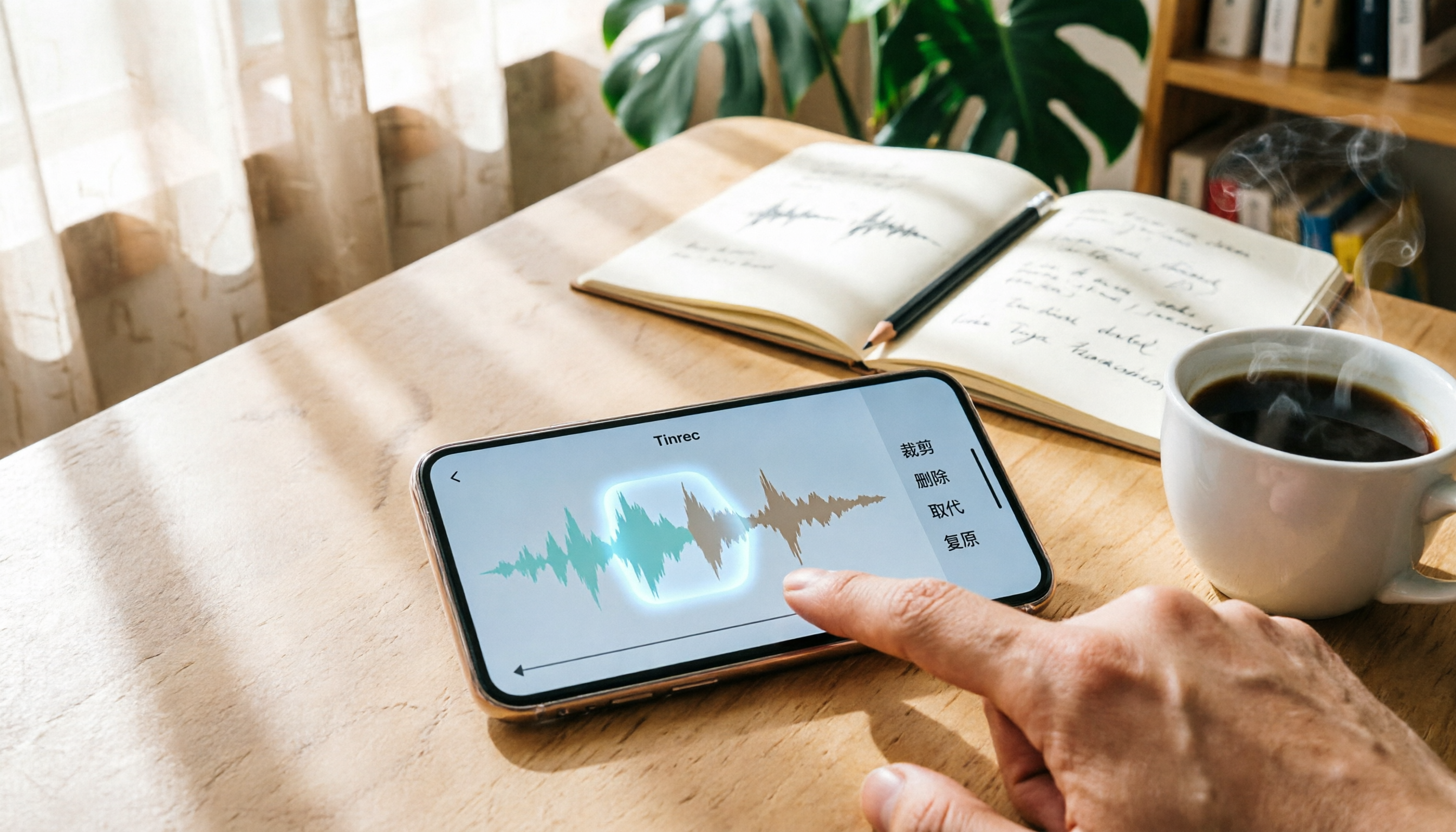
Free iPhone Voice Recording Editing in 2026: A Complete Guide
The built-in Voice Memos app on iPhone lets you edit recordings, including trimming, deleting, replacing segments, and restoring deleted recordings. Follow this step-by-step guide.

2026 iPhone Voice-to-Text App Comparison: Tinrec Saves the Most Time for Cantonese Transcription
Where is the iPhone recording feature? How do you use the built-in Voice Memos? This article tells you everything, then tests three voice-to-text tools, finding that Tinrec's Cantonese transcription and AI Q&A are the most helpful, ideal for Hong Kong office workers who want to avoid overtime transcribing meeting notes.
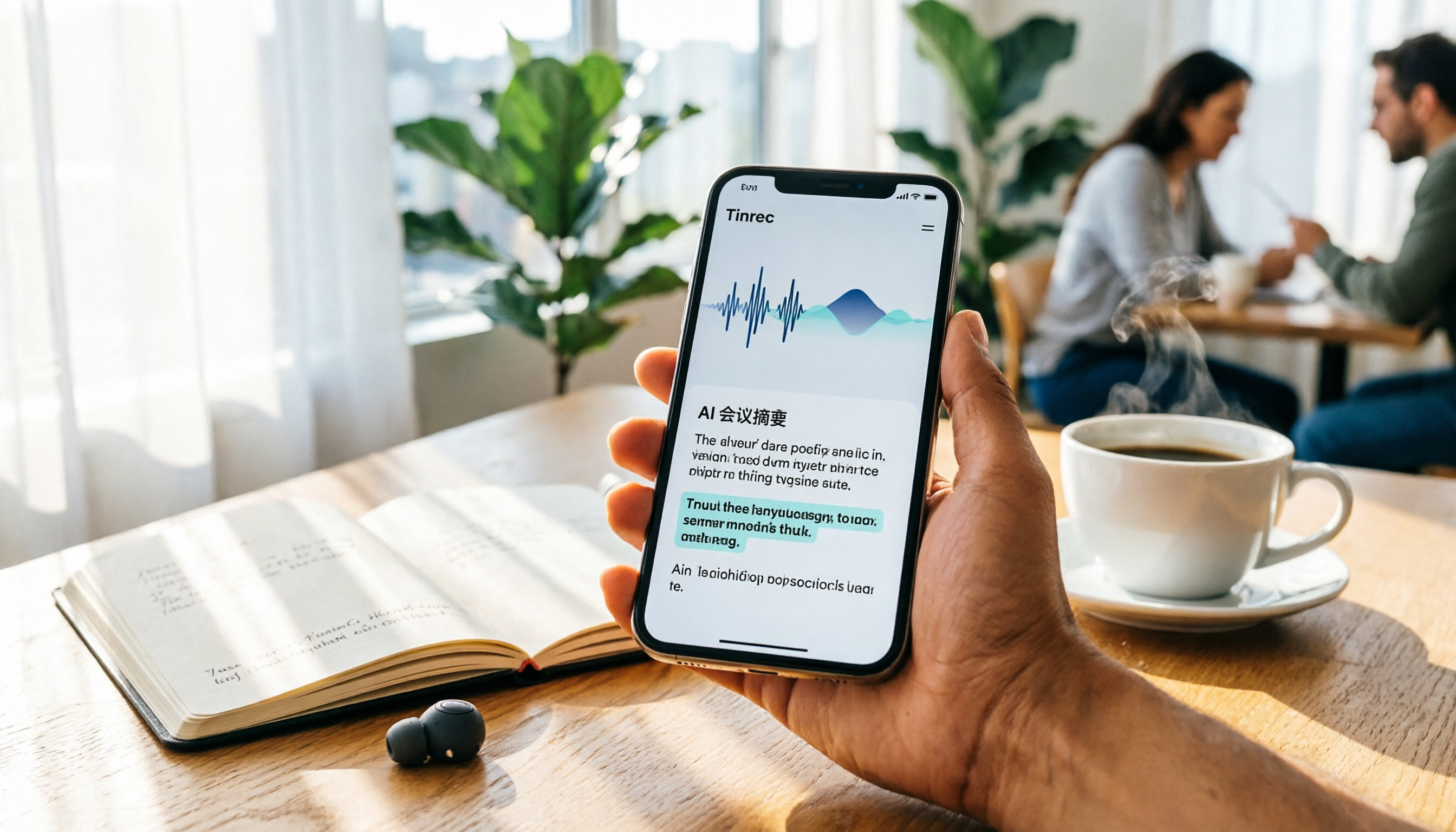
The Complete Guide to iPhone Recording in 2026: From Finding Audio Files to AI Meeting Notes
Where do iPhone recordings go? This guide shows you how to locate Voice Memos and call recordings, compares built-in tools with third-party apps like Tinrec, and helps you choose the best recording management solution.

2026 Test: 4 Best Voice-to-Text Tools for iPhone Recording Transfer & AI Meeting Notes
Struggling to transfer large iPhone voice memos to your computer? We tested 4 voice-to-text tools for transfer convenience, Chinese transcription, AI meeting notes, and team collaboration to find which one saves you the most time on meeting minutes.

Where Are iPhone Voice Recordings Stored in 2026? Find Them in 3 Steps and Organize with AI
iPhone voice recordings are saved in the Voice Memos app by default and can only be found in the Files app after you export them. This article shows you how to locate your recordings in 3 steps and recommends 6 tools, including Tinrec, to turn your recordings into searchable, collaborative text.
2026 Guide: 5 Free Ways to Manage iPhone Voice Memos
iPhone voice memos are stored in the Voice Memos app by default. This article covers 5 free solutions to help you locate and manage your recordings, including AI tools like Tinrec for transcription and organization.