

Turn recordings into transcripts and summaries in minutes
Upload audio or video for multilingual transcription, AI notes, and action items
Most people record meetings with a voice recorder and never listen to them again. But what really matters isn't the audio itself—it's the decisions, action items, and next steps. I attend 15 meetings a week, and my biggest fear used to be post-meeting cleanup: the recording sits on my phone, and when my boss asks about last time's conclusion, I spend 3 minutes searching and can't find it. If you've used Plaud recordings, you know the drill: press and hold to start, two vibrations to stop, but then what? You export the MP3 and still have to listen to it all over again. This article isn't about how to press the record button; it's about solving the "what to do after recording" problem and comparing AI tools like Plaud and Tinrec to see which is better for professionals.
What You Need Isn't a Recorder—It's a Post-Meeting Solution
Many managers I know have a Plaud recorder. They place it on the table, press and hold to start, two vibrations to stop, and the app provides a transcript. Sounds convenient, right? But the problem is: after recording, you still have to listen, extract key points, and write the meeting minutes yourself. Plaud gives you a Word file, but it doesn't organize "who is responsible for what and when the deadline is."
Cross-departmental collaboration is even more painful. You record a client meeting and need to share the audio and key points with your team, but either the file is too large to send, or everyone saves their own copy, and after a while, you can't find anything. Recording is just the first step; the real value lies in subsequent organization, search, and tracking. If you've encountered these issues, this article is for you.
4 Key Points to Understand Before Choosing a Recording Management Tool
Accuracy: Don't just look at official claims. Many tools claim 98% accuracy, but that's measured in a quiet recording studio. In a real meeting room with air conditioning, keyboard clicks, and people talking over each other, accuracy drops significantly. We recommend testing with your own recordings to see if it correctly transcribes your department's jargon.
AI Features: Not every tool has AI summarization. Some only transcribe, and you still have to read line by line. What really saves time is auto-generated summaries and action items after recording, or even the ability to ask AI "What was the meeting conclusion?" For those of us constantly chased by meetings, this matters more than accuracy.
Cross-Platform and Team Collaboration: If you record on your iPhone today and need to edit on your computer tomorrow, a tool that only supports one platform will be painful. Also, if team members need to share meeting materials, without a shared space, things will inevitably get messy.
Free Tier: Free versions usually have limitations, but they're enough for testing. If you have more than 5 meetings a week, the free tier might not suffice, and you'll need to consider paid plans. The key is: does the paid plan include team features, or just increased personal usage?
Tinrec (秒听录音) — Our Top Pick After Testing
Tinrec is an AI recording management tool that supports multilingual meeting transcription and real-time translation. It doesn't require additional hardware; you can use it on your computer or phone. Our team has used it for two months, and its greatest value isn't in "recording" but in "what happens after recording."
Here's a real scenario: Last week, I had a cross-departmental coordination meeting. I opened Tinrec's desktop version, and it directly captured the system audio—no need to invite a bot to the meeting. During the meeting, the transcript appeared in real time; within 30 seconds after the meeting ended, the summary and action items were generated—who's responsible for what and when the deadline is, all clear at a glance. I could directly paste the action items into the team group chat, saving half an hour of manual work.
Stop organizing recordings by hand
Upload audio or video and automatically get a transcript, summary, and action items
What surprised me even more was the AI Q&A feature. Previously, to find a specific decision from a past meeting, I'd have to sift through 30 minutes of transcript; now I can simply ask Tinrec, "What was the budget cap discussed last time?" and it answers based on the meeting content, not just keyword search results. This feature isn't available in Plaud or Otter.ai, at least in the versions I tested.
Our team also tested Chinese meeting transcription quality. In both quiet meeting rooms and typical office environments, the transcripts were readable. With the team hotwords feature to correct technical terms, accuracy improved significantly. Of course, it has drawbacks: the free tier is limited, and heavy users need to pay; also, AI-generated summaries occasionally miss subtle nuances, so for important decisions, you should still refer back to the transcript.
If you need a tool that works across devices, uses AI for post-meeting organization, and allows team sharing of meeting materials, Tinrec is currently the best fit.
Alternatives to Tinrec
Plaud Note: If you already own a Plaud recorder, its portable recording experience is indeed good—press and hold for 1 second to start, two vibrations to stop, and the app can transcribe. However, after exporting the recording, you still have to organize the key points yourself; and it doesn't support team spaces, so members can't jointly view and track action items. Tinrec doesn't require extra hardware; you can record with your computer or phone, and it automatically generates action items that can be shared with the team—something Plaud currently can't do.
Otter.ai: A strong contender for English meetings, with a generous free tier of 300 minutes per month. Real-time transcription and speaker identification are mature. But if you primarily record Chinese meetings, Otter's Chinese transcription quality isn't as good as Tinrec's. Also, Otter's meeting bot requires an invitation to join, unlike Tinrec's desktop version that captures system audio without disrupting participants. If you're in a purely English environment, Otter is worth considering; but for teams that are primarily Chinese or mixed Chinese-English, Tinrec is more suitable.
Pitfall Guide: 3 Common Mistakes When Choosing Recording Tools
Pitfall 1: Focusing Only on Hardware Specs, Ignoring Post-Recording Organization. The Plaud recorder's 30-hour battery life is attractive, but no matter how long it records, you still have to organize the content yourself. The tool's value lies in saving you time on organization, not just storing audio.
Pitfall 2: Overlooking Team Collaboration Needs. Using a recorder alone is fine, but if you lead a team and meeting materials are scattered across everyone's phones, it quickly becomes an information silo. Choose a tool with team spaces and sharing permissions to ensure meeting records are actually used.
Pitfall 3: Using Only the Free Version but Expecting Full Features. Free versions typically have limits and lack advanced features like AI Q&A and team management. If you have more than 3 meetings a week, we recommend evaluating paid plans directly; otherwise, you'll end up going back to manual organization, saving little time.
Summary: Which One Should You Choose?
If you already have a Plaud recorder and only record occasionally for personal use, keep using it. But if you're like us—many meetings per week, need quick action items, and need to share meeting materials with your team—Tinrec is currently the most complete solution: it integrates recording, transcription, summarization, action items, Q&A, and team collaboration into one tool.
Scenario Recommendations:
- Need real-time Chinese meeting transcription and AI organization → Tinrec (best Chinese experience, auto-generates action items)
- Need cross-platform use (computer, phone) → Tinrec (iOS, Android, desktop, web versions available)
- Need team sharing of meeting materials and action tracking → Tinrec (team spaces, seat management, usage analytics)
- You only have English meetings and zero budget → Otter.ai (generous free tier)
- You already have Plaud hardware and only need personal recording → Stick with Plaud, no need to switch
We recommend downloading Tinrec's free version to try it out. The monthly free allowance is enough for a few meetings to experience the effect. If you like it, consider upgrading; there's no need to pay upfront.
References
- Plaud User Guide | Complete Tutorial and Operation Manual
- Export Files – Help Center - Plaud Support
- Recording Operation Guide | Plaud Taiwan
- From Meeting Recording and Call Logs to AI Summaries: I Now Rely on Plaud Desktop + Note Pro for Everything - Apple Almond - iPhone/iOS/Tech Media
- Complete Guide to iPhone Recording: Not Just Voice Memos, This Tool Can Also Record LINE and Zoom Calls!
Turn every recording into actionable outcomes
Get 60 free transcription minutes when you sign in. No credit card required.
Related Reading
You might also like

2026 Plaud Recording Sync Alternative: How Tinrec Makes It Easier?
Plaud recording sync requires hardware and app integration. This article compares Tinrec from the perspectives of sync methods, AI organization, and team collaboration to help you find a more suitable tool for meeting notes and team knowledge management.
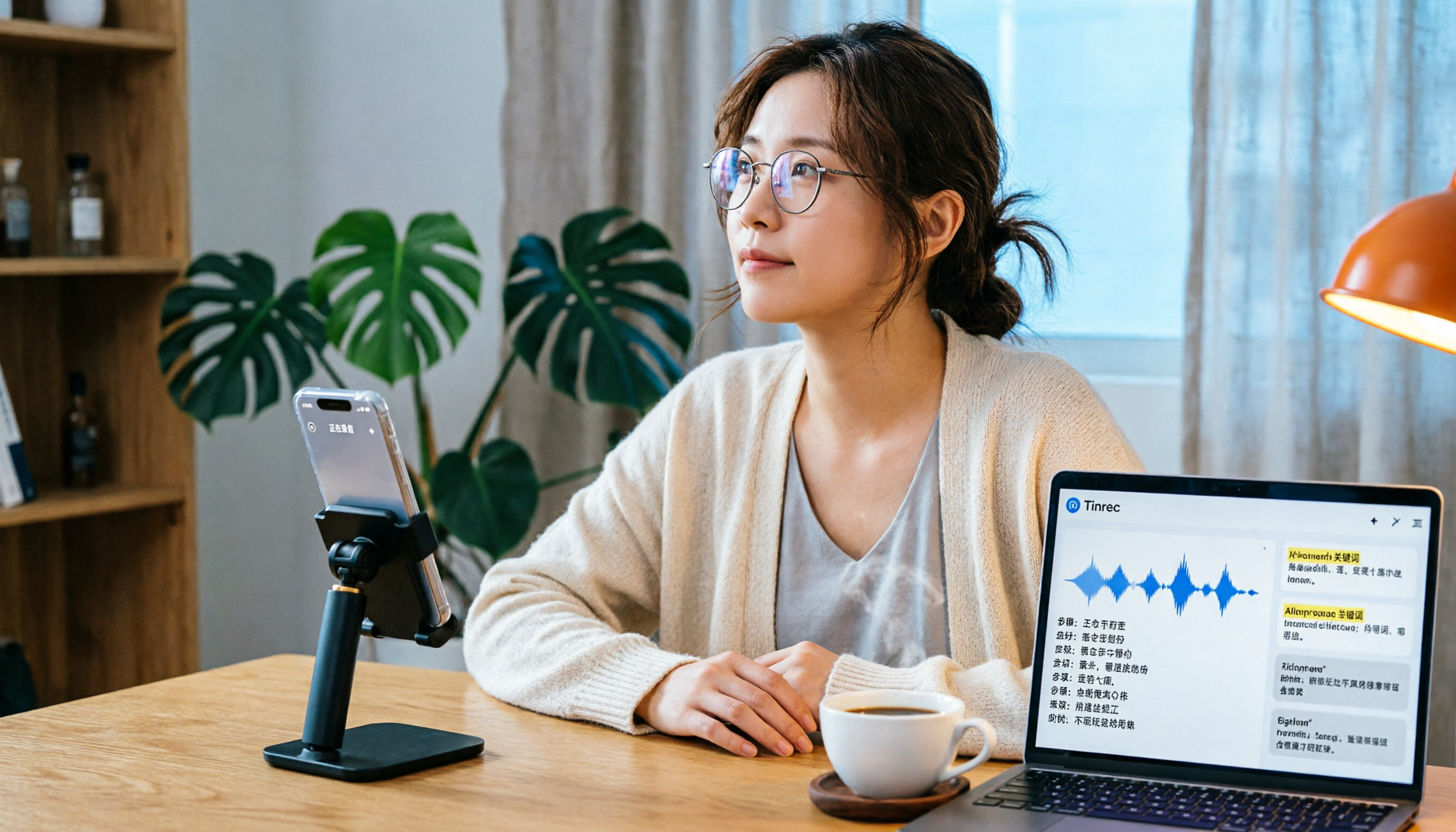
5 Best Recording-to-Text Tools Tested in 2026: Should You Buy the PLAUD Note?
For those considering the PLAUD voice recorder, this article compares 5 recording-to-text tools, including Tinrec, PLAUD Note, Otter.ai, and Notta, covering recording methods, AI summarization capabilities, and pricing to help you find the most time-saving solution.
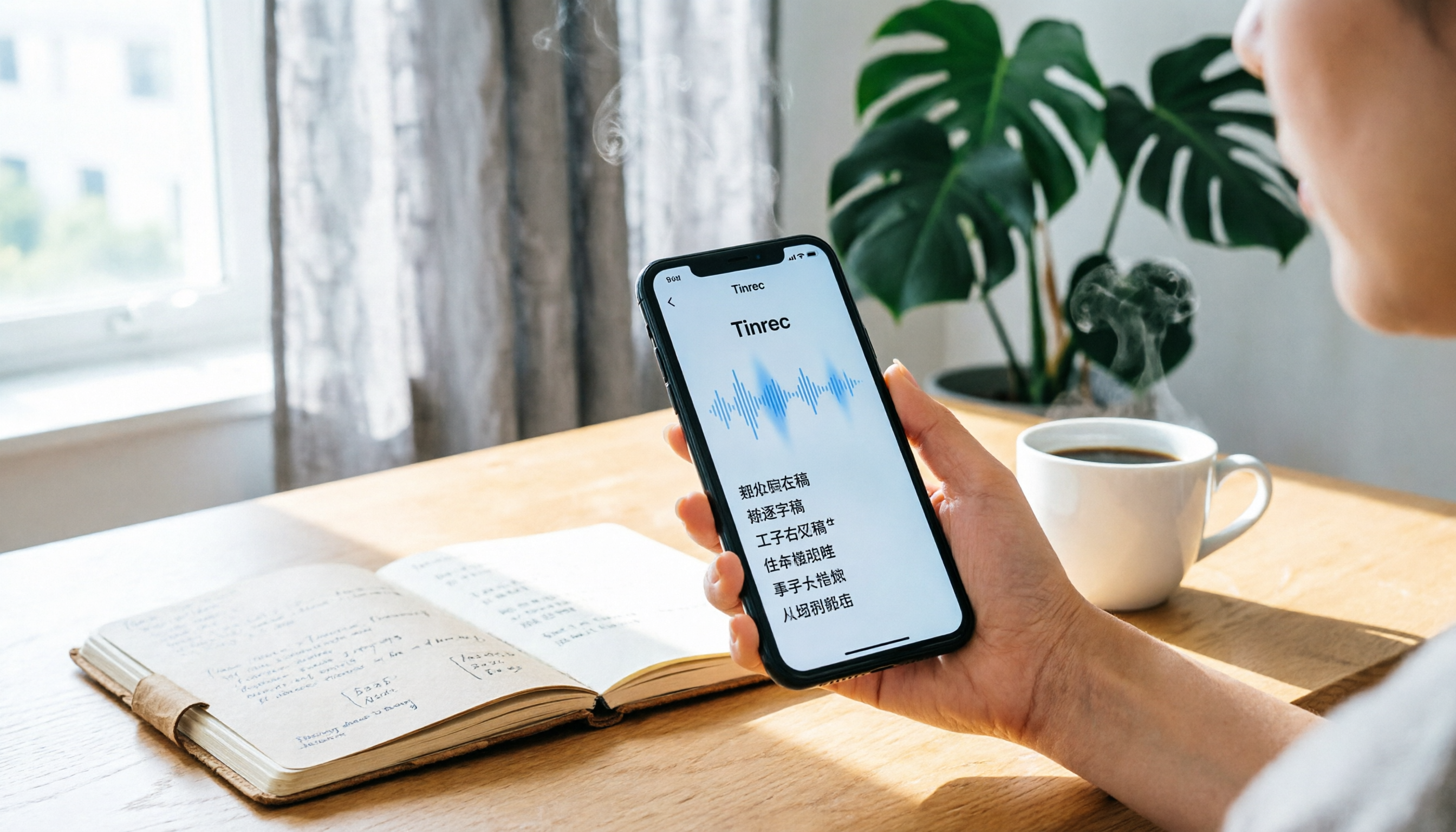
Plaud Voice Recorder Tutorial 2026: Dual-Mode Recording & AI Transcript Organization
Learn how to use Plaud Note, from switching recording modes and long-press recording to AI transcripts and key point summaries. We also compare tools like Tinrec to help you decide if you need extra hardware.

How to Use Plaud Voice Recorder in 2026: A Complete 5-Step Guide
This guide walks you through everything from unboxing, connecting the app, recording, to transcribing and organizing key points, helping you master the Plaud voice recorder, including common pitfalls and FAQs.

2026 Free Transcription Tools Roundup: 4 Options Compared
Searching for 'how to use Plaud recorder'? This article not only explains how to use Plaud but also reviews 4 AI transcription tools—Tinrec, Plaud, Otter, and Notta—to help you choose the best recording solution and share tips to boost your transcription workflow.

2026 Comparison of 3 Recording-to-Text Tools: A Practical Guide to Efficiently Organizing Plaud Recordings
Have Plaud recordings but don't know how to organize them quickly? This article tests three tools—Tinrec, Plaud, and Notta—covering hardware requirements, online meeting recording, AI summarization, and team collaboration to help you choose the best fit.
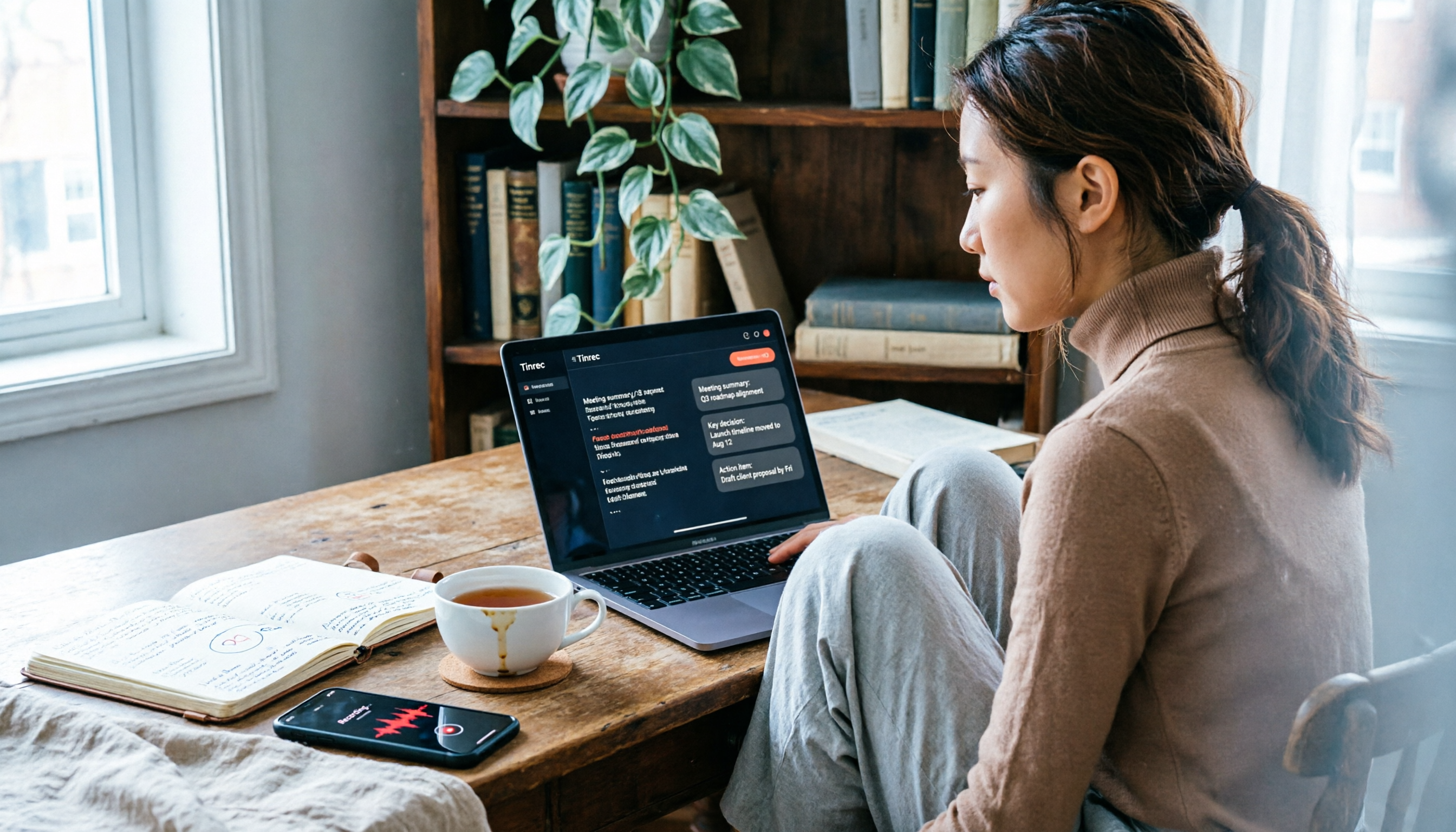
Yating Transcription 2026 Latest News: 5 Steps to Test Speech-to-Text and Key Summaries
Yating Transcription is an AI speech-to-text tool developed by a Taiwanese team, supporting Taiwanese Mandarin, Taiwanese Hokkien, Cantonese, Japanese, and mixed Chinese-English code-switching. This article provides a hands-on tutorial to guide you through recording, importing, proofreading, summarizing, and exporting, along with the latest features and FAQs.
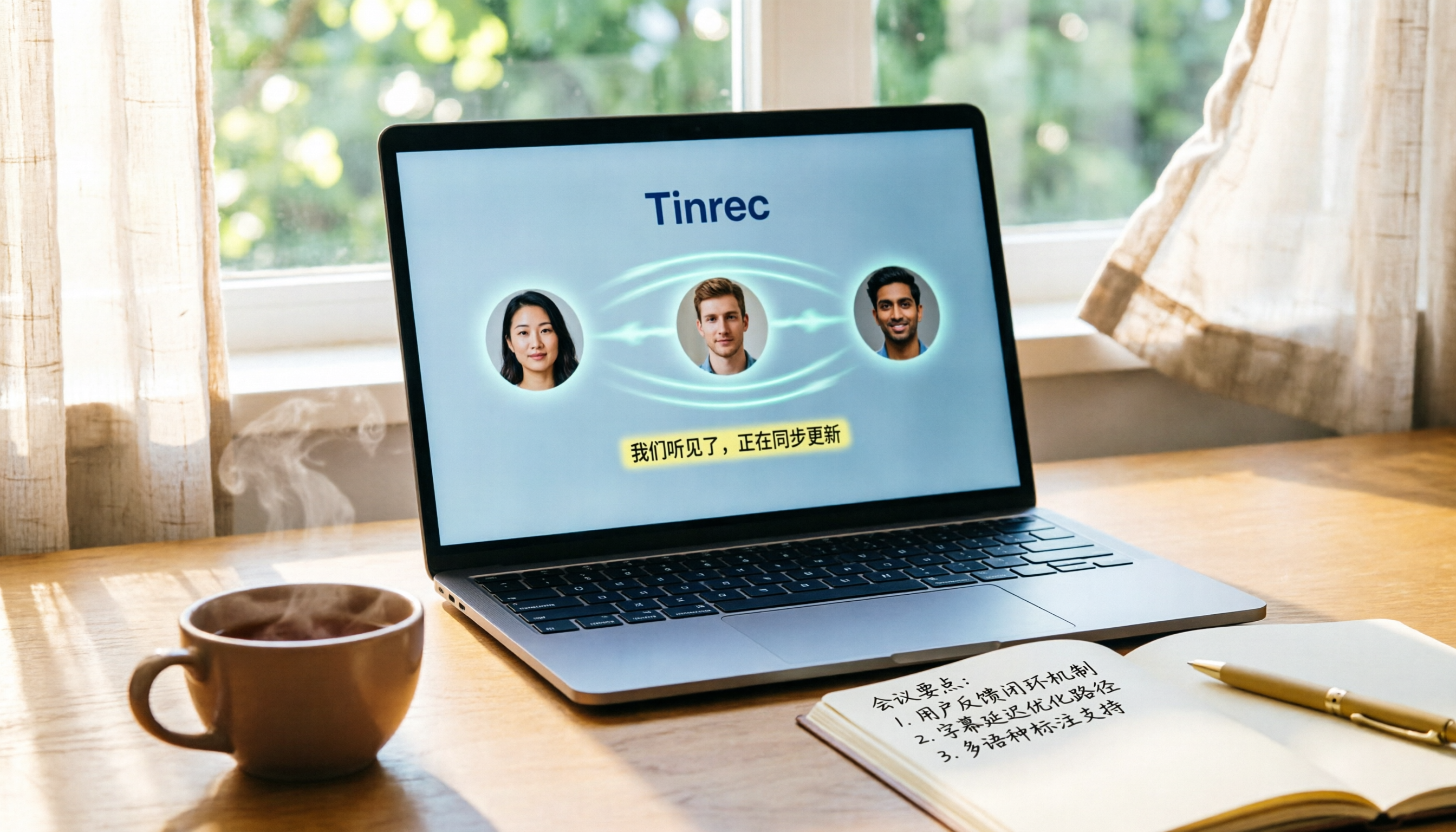
2026 AI Recording Solutions Compared: Plaud Voice Recorder vs Tinrec – Which Fits You Best?
Still figuring out how to use the Plaud voice recorder? This hands-on comparison explains why hardware-free Tinrec is better suited for online meetings, Chinese transcription, and team collaboration.

2026 AI Recorder Comparison: Plaud Note Pro vs Tinrec – Which One Actually Saves You Time?
We tested Plaud Note Pro and Tinrec side by side on recording, scene coverage, post-meeting organization, and team collaboration to help you decide which is better for workplace meetings and personal notes.