

Turn recordings into transcripts and summaries in minutes
Upload audio or video for multilingual transcription, AI notes, and action items
If you're searching for how to use the Plaud voice recorder, the real decision point is: do you need a portable recording device, or an AI meeting tool that handles online meetings, Chinese transcription, and team collaboration? This article not only covers the positioning of the Plaud voice recorder but also uses a hands-on comparison to show why many people ultimately choose hardware-free solutions like Tinrec.
Why Are People Looking for Alternatives to the Plaud Voice Recorder?
The Plaud voice recorder is an AI recording device that focuses on portable recording, phone call recording, and 300 free transcription minutes per month. It suits users who need a lightweight device to capture ideas or interviews on the go. However, if your primary scenarios are online meetings, group discussions, or team collaboration, hardware recorders start to show limitations: you need to carry an extra device, online meetings rely on speakerphone audio, and you have to manually organize recordings into usable meeting notes. If you care more about "turning recordings into trackable, collaborative data," Tinrec is worth exploring.
Tinrec vs Plaud Voice Recorder: What's Different in Core Experience?
Here are five dimensions that highlight their positioning differences:
Hardware Barrier
Plaud requires purchasing the recording hardware first, which means a higher entry cost. Tinrec lets you record using your existing phone, computer, or web browser—no extra equipment needed; just download the app and start.
Online Meeting Recording
To record online meetings with the Plaud voice recorder, you typically rely on speakerphone or Bluetooth, which is prone to environmental interference. Tinrec's desktop version directly captures system audio, so you don't need to invite a bot to your meeting. It works quietly with Zoom, Google Meet, Microsoft Teams, and Webex, providing recording and real-time transcription.
Chinese and Multilingual Experience
Plaud supports 112 languages, but transcription quality and organization in Chinese depend on actual usage. Tinrec is specifically optimized for Chinese, Traditional Chinese, and mixed Chinese-English meetings, offering real-time translation and bilingual transcripts, making it more aligned with the daily meetings of users in Taiwan.
Depth of Post-Recording Organization
Plaud can transcribe and summarize, but Tinrec goes further: it automatically generates chapters, key points, action items, and mind maps. You can also use AI Q&A to ask "What was the meeting's conclusion?" or "Who is responsible for what?" Additionally, Agent post-processing can generate reports, tables, and meeting minutes that flow directly into your workflow.
Team Collaboration and Data Ownership
Plaud leans toward personal use; sharing or collaborating requires manual export. Tinrec's team space ensures meeting data belongs to the team, allowing members to view historical meetings, while admins can assign roles, seats, monitor usage, and access audit logs. When a member leaves, data doesn't disappear with them.
Tinrec's Core Features at a Glance
Since we mentioned Tinrec, here's a quick rundown of its most important features:
Stop organizing recordings by hand
Upload audio or video and automatically get a transcript, summary, and action items
- Bot-Free Online Meeting Recording: The desktop version captures system audio directly, so no bots join your meeting, avoiding interference and privacy concerns.
- Real-Time Voice-to-Text: The mobile app transcribes as you record, so transcripts for offline meetings or interviews are ready the moment they end.
- AI Summaries, Chapters, and Action Items: Long meetings are automatically broken into readable structures, and action items are extracted from discussions—no manual organization needed.
- AI Q&A: After recording, ask Tinrec questions to quickly locate key points without flipping through 30 pages of transcript.
- Multi-Format Export and Agent Post-Processing: Export meeting results to Notion, Google Docs, OneNote, or Dropbox, or generate reports and tables for direct delivery.
- Team Space and Governance: Create team spaces, invite members, allocate seats, and use usage analytics and audit logs for peace of mind.
Real-World Use Cases
Online Meetings
Start recording with Tinrec's desktop version, and by the time the meeting ends, the transcript, summary, and action items are already generated—just paste them into your project management tool for tracking.
Offline Meetings and Client Interviews
Open Tinrec on your phone, record and transcribe on the go, then use AI Q&A to find client needs and commitments, turning them into meeting notes to share with your team.
Classes and Lectures
Record course content, and Tinrec automatically organizes it into chapters and key points. Export to Notion for easy review, and search past notes whenever needed.
Team Project Weekly Meetings
All meeting data is centralized in the team space, so new members can see past discussion context. When team members change, data handover is no longer a headache.
Key Points to Consider When Choosing a Voice-to-Text Tool
- Do you need extra hardware? Hardware-free options have lower upfront costs and one less device to charge and carry.
- Is online meeting recording seamless? Capturing system audio directly is more stable than relying on speakerphone and doesn't disrupt the meeting.
- Chinese transcription and organization capability Choose a tool that's friendly to Chinese and mixed Chinese-English content to minimize real-world performance gaps.
- What can you do after recording? Transcription is just the first step; summaries, action items, Q&A, and export are where the time savings really happen.
- Can data become a team asset? The difference between personal tools and team spaces directly impacts collaboration efficiency and continuity.
Conclusion: Is Tinrec Worth Trying?
If you're considering the Plaud voice recorder but your main pain points are "meeting notes take too long, online meetings are hard to record, can't find key points after recording, and team data is scattered," then Tinrec is a more targeted solution: no hardware purchase, bot-free online meeting recording, great Chinese meeting experience, comprehensive post-processing, and a team space to consolidate meeting data. We recommend starting with the free version, testing transcription and organization with your real meetings, and then deciding whether to upgrade to Pro or a team plan.
References
- Plaud Taiwan | Official Website | AI Recording Device Leader
- Plaud Note | The Smartest AI Voice Recorder Card
- Recording Guide | Plaud Taiwan
- How Powerful is Plaud Note? Complete Analysis of the World's First AI Voice Recorder
- PLAUD NOTE | ChatGPT AI Voice Recorder Card | Free 300 Minutes of Transcription per Month (Includes Black Leather Case) | Original Company Stock
Turn every recording into actionable outcomes
Get 60 free transcription minutes when you sign in. No credit card required.
Related Reading
You might also like

2026 Plaud Recording Sync Alternative: How Tinrec Makes It Easier?
Plaud recording sync requires hardware and app integration. This article compares Tinrec from the perspectives of sync methods, AI organization, and team collaboration to help you find a more suitable tool for meeting notes and team knowledge management.
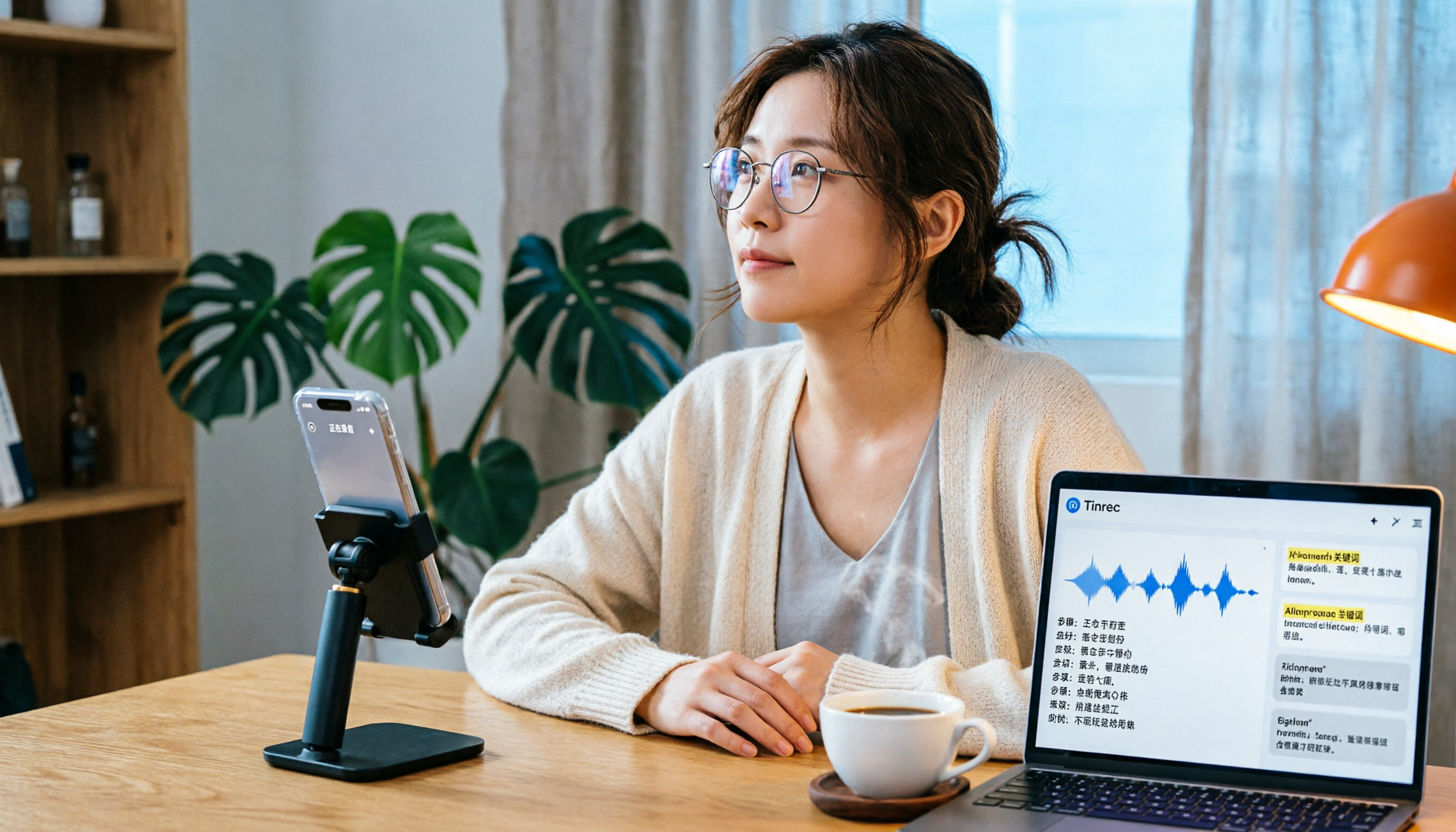
5 Best Recording-to-Text Tools Tested in 2026: Should You Buy the PLAUD Note?
For those considering the PLAUD voice recorder, this article compares 5 recording-to-text tools, including Tinrec, PLAUD Note, Otter.ai, and Notta, covering recording methods, AI summarization capabilities, and pricing to help you find the most time-saving solution.
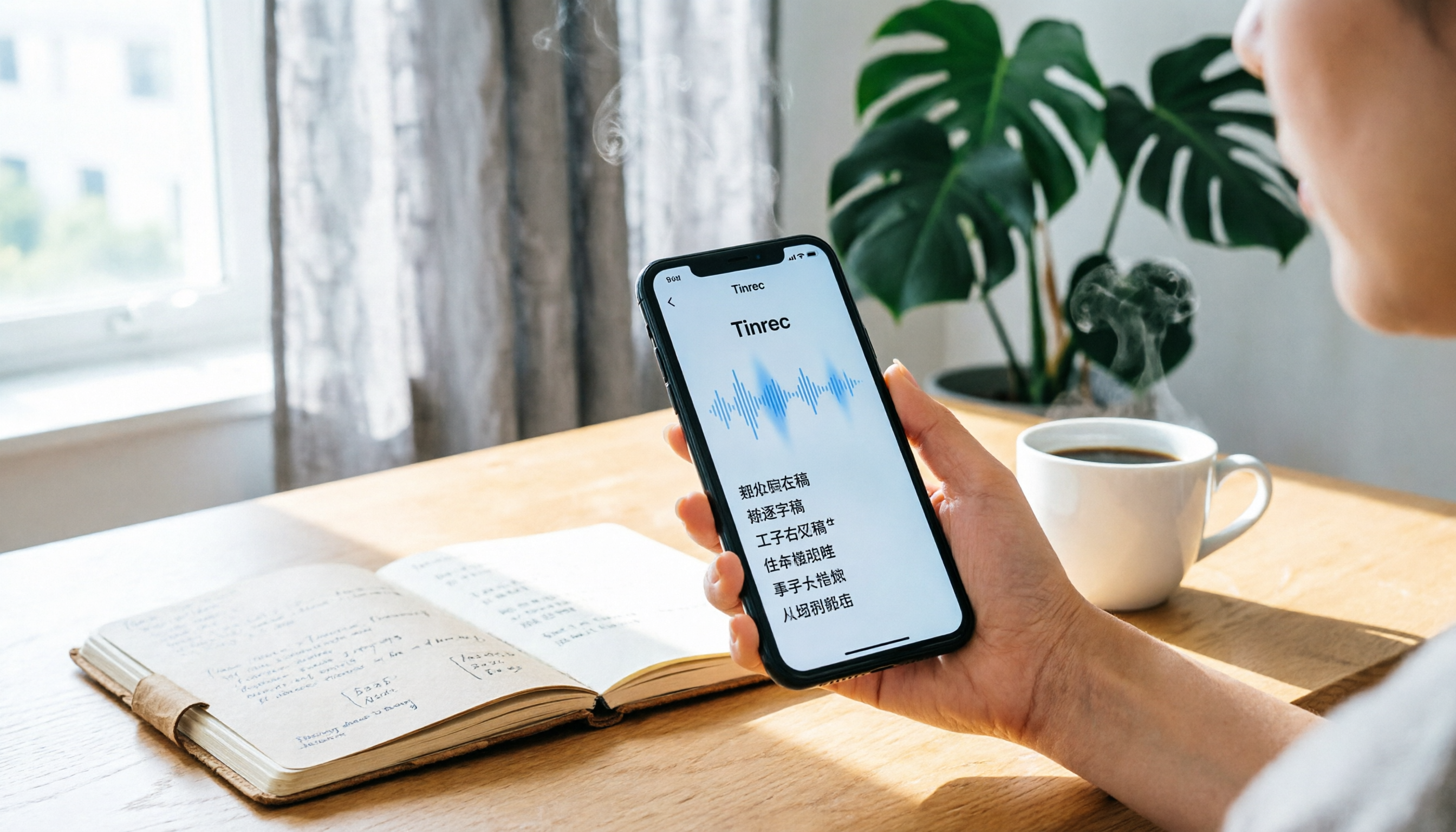
Plaud Voice Recorder Tutorial 2026: Dual-Mode Recording & AI Transcript Organization
Learn how to use Plaud Note, from switching recording modes and long-press recording to AI transcripts and key point summaries. We also compare tools like Tinrec to help you decide if you need extra hardware.

How to Use Plaud Voice Recorder in 2026: A Complete 5-Step Guide
This guide walks you through everything from unboxing, connecting the app, recording, to transcribing and organizing key points, helping you master the Plaud voice recorder, including common pitfalls and FAQs.

2026 Free Transcription Tools Roundup: 4 Options Compared
Searching for 'how to use Plaud recorder'? This article not only explains how to use Plaud but also reviews 4 AI transcription tools—Tinrec, Plaud, Otter, and Notta—to help you choose the best recording solution and share tips to boost your transcription workflow.

2026 Comparison of 3 Recording-to-Text Tools: A Practical Guide to Efficiently Organizing Plaud Recordings
Have Plaud recordings but don't know how to organize them quickly? This article tests three tools—Tinrec, Plaud, and Notta—covering hardware requirements, online meeting recording, AI summarization, and team collaboration to help you choose the best fit.
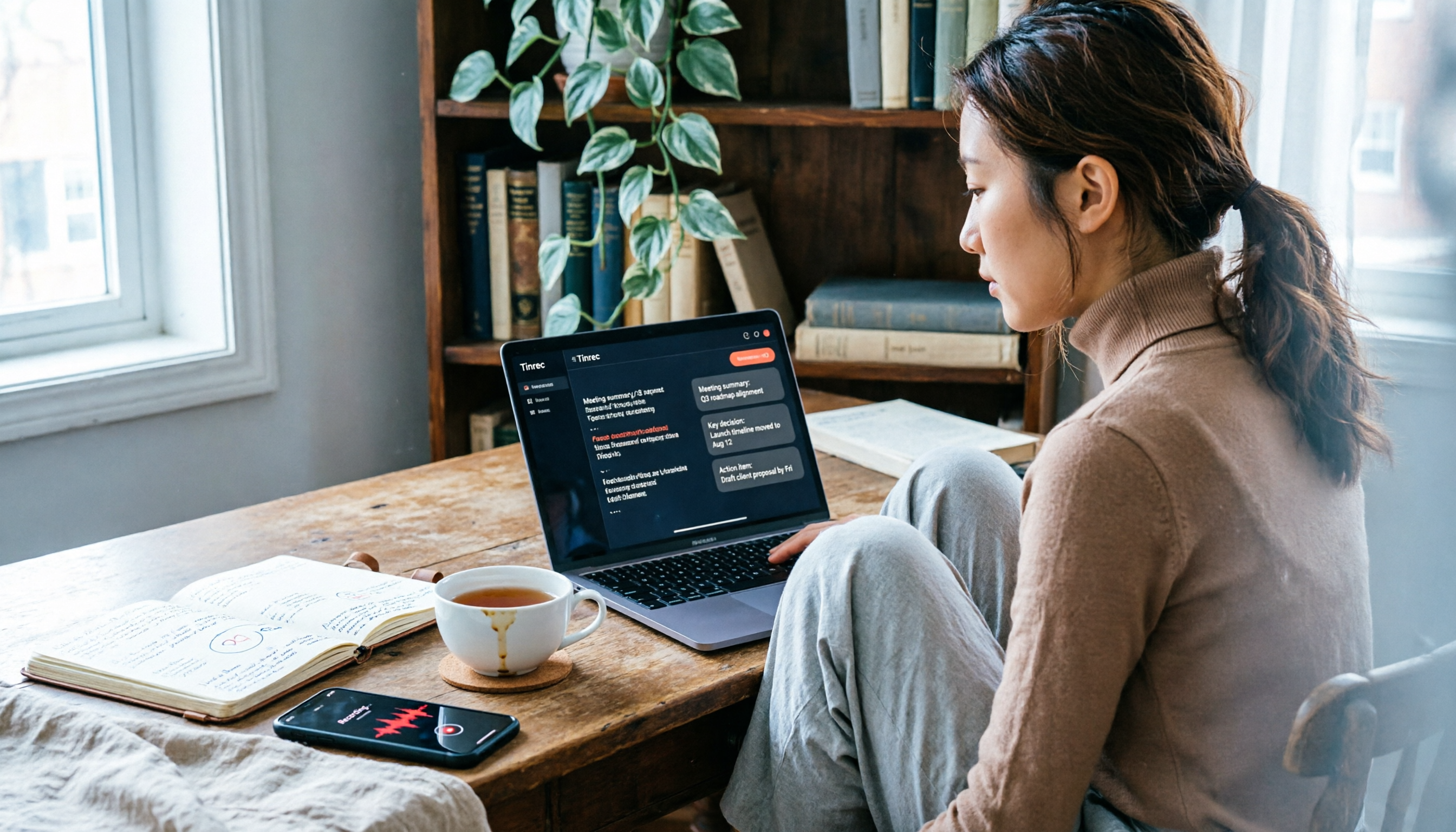
Yating Transcription 2026 Latest News: 5 Steps to Test Speech-to-Text and Key Summaries
Yating Transcription is an AI speech-to-text tool developed by a Taiwanese team, supporting Taiwanese Mandarin, Taiwanese Hokkien, Cantonese, Japanese, and mixed Chinese-English code-switching. This article provides a hands-on tutorial to guide you through recording, importing, proofreading, summarizing, and exporting, along with the latest features and FAQs.

The Complete Guide to Managing Meeting Recordings in 2026: From Plaud Export to Tinrec AI Meeting Summaries
This article is for mid-level managers who want to turn meeting recordings into searchable, collaborative team assets. It compares tools like Plaud and Tinrec, highlighting common mistakes and best practices for recording management.

2026 AI Recorder Comparison: Plaud Note Pro vs Tinrec – Which One Actually Saves You Time?
We tested Plaud Note Pro and Tinrec side by side on recording, scene coverage, post-meeting organization, and team collaboration to help you decide which is better for workplace meetings and personal notes.