
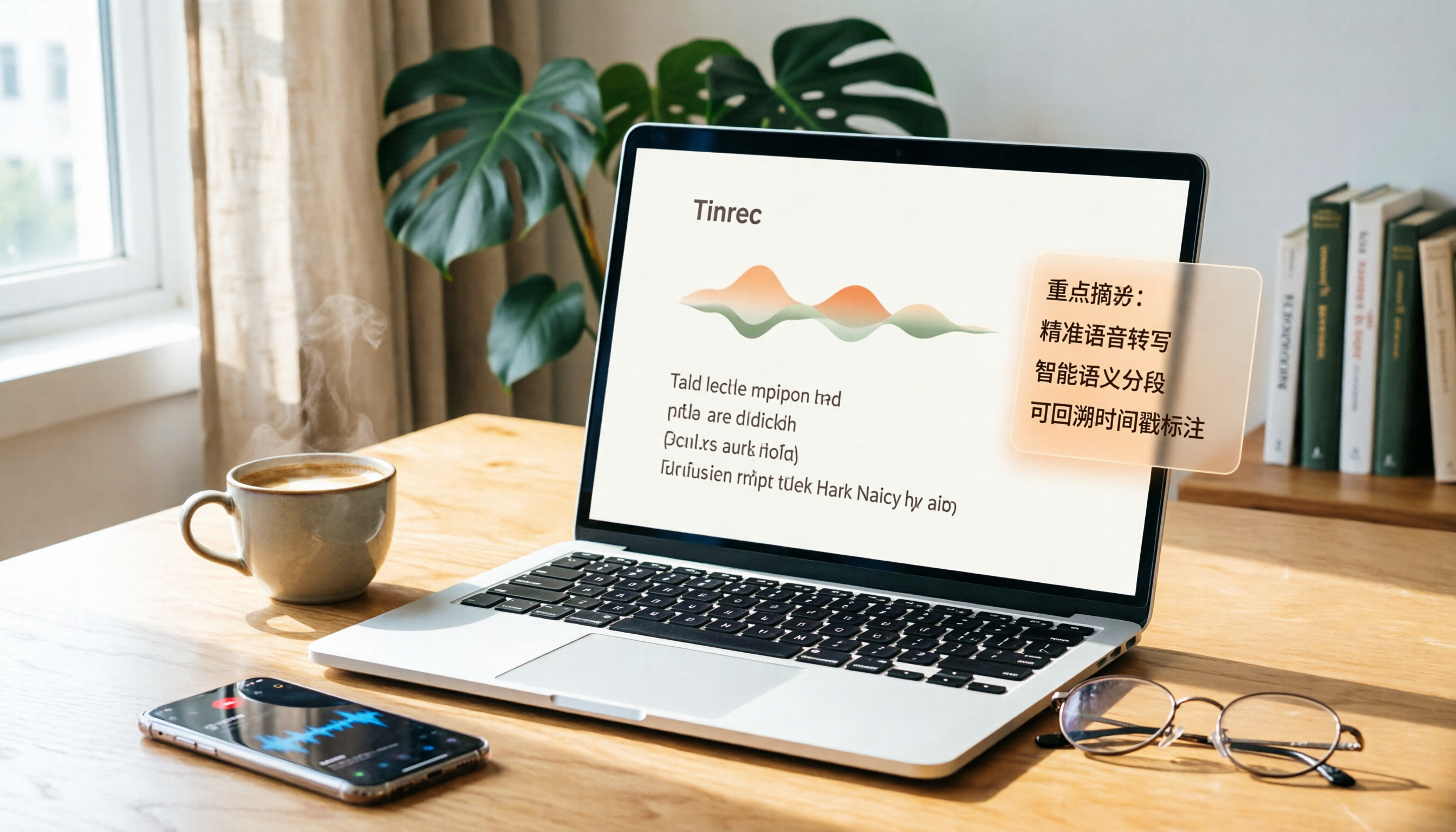
Turn recordings into transcripts and summaries in minutes
Upload audio or video for multilingual transcription, AI notes, and action items
Many people assume Dcard has built-in real-time transcription, but after searching, you'll find that Dcard currently doesn't offer such tools. A common mistake is manually transcribing, where a 1-hour meeting recording can take over 3 hours to process; or downloading seemingly all-in-one AI tools that don't support Taiwanese Mandarin or can't export paragraphs. If you've encountered similar issues, here's a rundown of real-time transcription methods discussed on Dcard in 2024, along with workflows I've found effective.
Does Dcard Have Real-Time Transcription? Let's Get to the Point
Dcard is an anonymous social platform focused on browsing boards, posting, and commenting; it doesn't provide speech-to-text or transcription tools. Searching for "Dcard real-time transcription" mostly yields posts from users sharing which tools work well, how to create transcripts, or tutorial videos on transcription boards. So don't waste time looking for a button in the Dcard app—use external tools instead.
Three Common Real-Time Transcription Methods Used by Dcard Users in 2024
1. Built-in Mobile Voice Input: Best for Short Segments
Before AI tools, many had to transcribe manually; now smartphones often have built-in voice recognition that converts speech to text in real time. It's handy for jotting down key points during meetings or generating quick drafts in class. The downside is that punctuation and paragraph breaks need adjustment later, and long recordings may miss words.
2. AI Transcription Tools: Most Efficient for Long Meetings and Interviews
On Dcard's transcription board, users share step-by-step workflows with clear screenshots from recording to transcription. These tools typically convert speech to text in real time with low latency and support multiple languages. I usually check the free tier limits, such as minutes per month and whether you can upload existing audio files. If you frequently handle meetings over an hour, opt for versions with AI segmentation and speaker labeling for smoother results.
Stop organizing recordings by hand
Upload audio or video and automatically get a transcript, summary, and action items
3. Document Summarization Tools: Post-Processing Transcripts
Some users on the graduate school board recommend AI summarization tools like ChatPDF, where you can type "Please summarize this document in Chinese" in the chat. Once your transcript is in text form, these tools can quickly extract key points without reading everything.
Practical Workflow: From Recording to Usable Transcript
My habit is: first, confirm the recording source. For online meetings, I open an AI transcription tool to transcribe in real time; for in-person classes or interviews, I place my phone close to record and upload the audio afterward. Second, use the tool to convert speech to a text draft, ignoring typos for now. Third, feed the draft into a document summarizer to segment and list key points. This way, an hour of content can be organized into meeting notes within about 15 minutes.
4 Things to Consider When Choosing Real-Time Transcription Tools
- Free plan limits: monthly minutes, single-file length limits, and whether you can upload audio files.
- Language support: Recognition accuracy for Traditional Chinese (Taiwan) and mixed Chinese-English content matters a lot.
- Export formats: Whether you can save as Word, Google Docs, or plain text for easy editing.
- Privacy and storage: Recordings and transcripts are uploaded to the cloud; for confidential meetings, verify the vendor's data handling policies.
FAQ
Q: Does Dcard have an official real-time transcription feature?
A: No. Dcard is a social platform and currently does not offer speech-to-text or transcription tools.
Q: Can I use my phone's built-in voice input for transcription?
A: It works in a pinch, but for longer content, AI transcription tools are recommended for more stable output.
Q: Are free tools sufficient?
A: For students or individual users, free versions usually handle a few short meetings per week; if you process large volumes of recordings daily, paid versions with auto-summarization and speaker labeling save more time.
Q: Do I have to use AI tools?
A: Not necessarily; manual transcription is accurate but slow. A common compromise is AI transcription followed by manual correction, which is more efficient.
References
- Transcripts | Dcard
- Three Useful AI Tools (Summarization, Presentations, Transcripts) - Graduate School Forum | Dcard
- Dcard Official Announcement | Dcard Company Website
- A Guide to Dcard Ad Upgrades and Media Advantages (2024 Update)
- Dcard Ad Tutorial 2024 Latest Version, Understand in One Read - Eason Marketing Doctor
Turn every recording into actionable outcomes
Get 60 free transcription minutes when you sign in. No credit card required.
Related Reading
You might also like

Tinrec Audio-to-Text in 2026: Supports Cantonese, Auto-Generates Meeting Minutes
We tested multiple real-time transcription tools, and Tinrec's AI Q&A and transcription quality surprised us the most. This article tells you how to choose, how to use it, and what pitfalls to avoid.

Hands-On Review of 4 Smart Meeting Collaboration Tools in 2026: How to Use Google Meet, Teams, and Zoom?
How do you use smart meeting collaboration tools? This article focuses on Google Meet, comparing it with Microsoft Teams, Zoom, and Cisco Webex. It shares hands-on experiences, feature differences, and a guide to avoid common pitfalls, helping you choose the right tool to boost meeting efficiency.

Smart Meeting Collaboration in 2026: How to Use Auto Recording and Cross-Platform Tools
Smart meeting collaboration isn't just about buying equipment. This article starts with common misconceptions, helps you understand the core features and practical steps of smart meeting collaboration, and answers frequently asked questions to boost your meeting productivity.
2026 Free Real-Time Transcription AI Tools: 5 Options Compared
Explore 5 free AI-powered real-time transcription tools, including Meeting Ink, Voice-to-Text App, cSubtitle, Vocol.ai, and Yating Transcription. Compare features, supported platforms, and free plan limitations to find the best fit for meeting notes and interview transcription.

2026 Meeting Minutes Template Guide: Tinrec vs Notta 5-Dimension Comparison - Which Is Right for You?
Meeting minutes are not just about transcripts; they should also auto-generate summaries, action items, and reports. This article compares Tinrec and Notta across 5 key dimensions, including meeting capture, post-processing, and team collaboration, to help you choose the best AI meeting minutes tool.

Best AI Meeting Notes Tools in 2026: We Tested 3, and This One with No-Bot Recording Is the Most Convenient
Meetings take two hours, and organizing notes takes another two? This article tests three AI meeting notes tools—Tinrec, Otter.ai, and Granola—covering no-bot recording, Chinese language experience, and post-meeting organization to help you find the most suitable one.
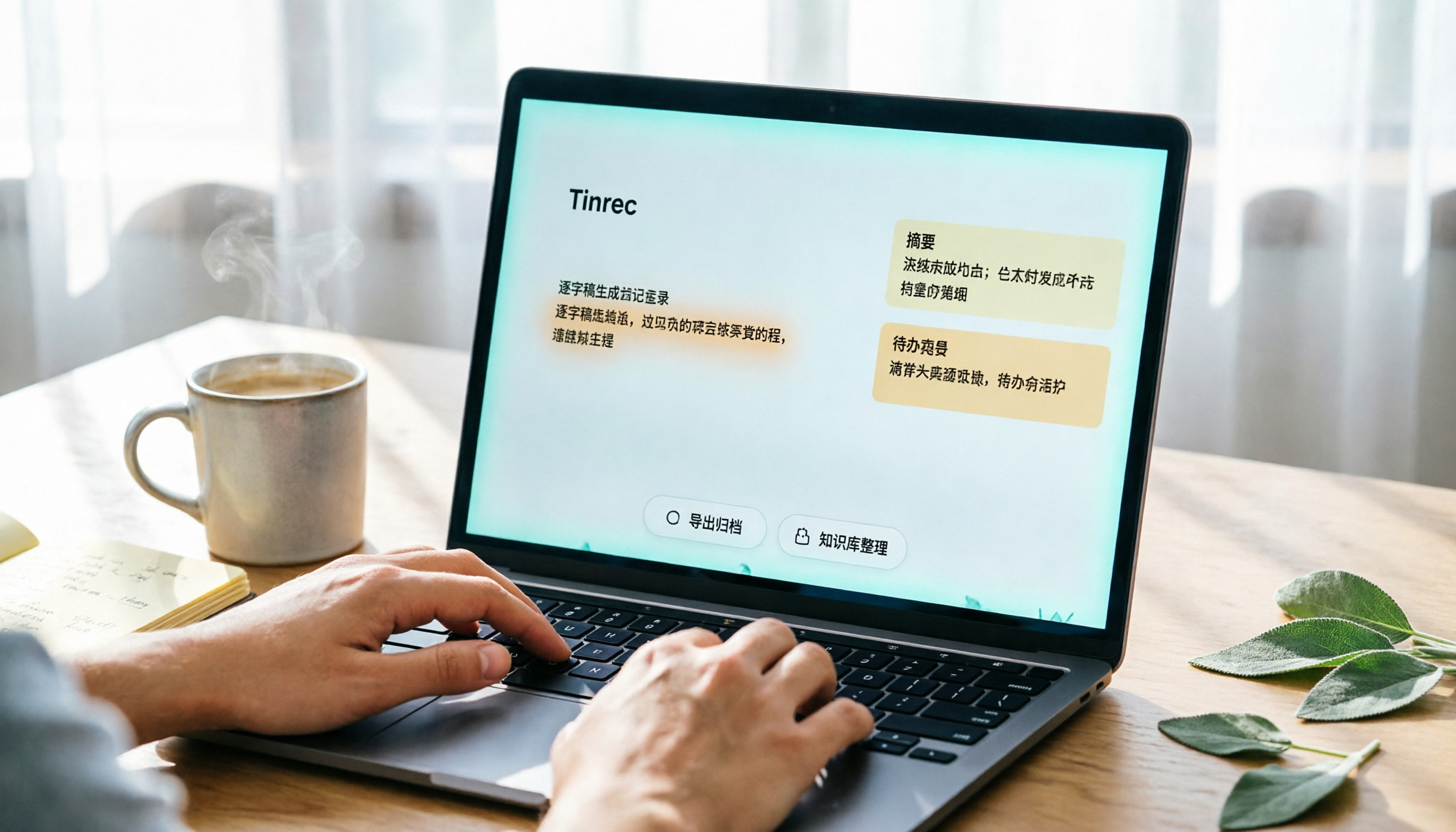
2026 Review of 4 Notion Meeting Notes Templates: Why I Switched to Tinrec for Automated Generation
Meeting notes aren't just about having a Notion template. This article compares common Notion meeting note template types using real workflows, and explains why using Tinrec to automatically generate transcripts, summaries, and to-dos, then exporting to Notion for archiving, is more efficient than manually filling templates.

2026 Notion AI Meeting Notes Tutorial: 3 Steps to Auto Summaries and Action Items
A hands-on tutorial for Notion AI meeting notes, showing how to use the /meeting command to automatically generate transcripts, summaries, and action items without installing bots. Supports Zoom, Google Meet, and Teams.

2026 Meeting Minutes Format Templates: 4 Free Solutions Compared
Meetings aren't the problem—it's the follow-up and tracking afterward. This article, from a mid-level manager's hands-on perspective, reviews 4 free solutions and provides copy-ready meeting minutes format templates to help you quickly produce actionable meeting notes.