
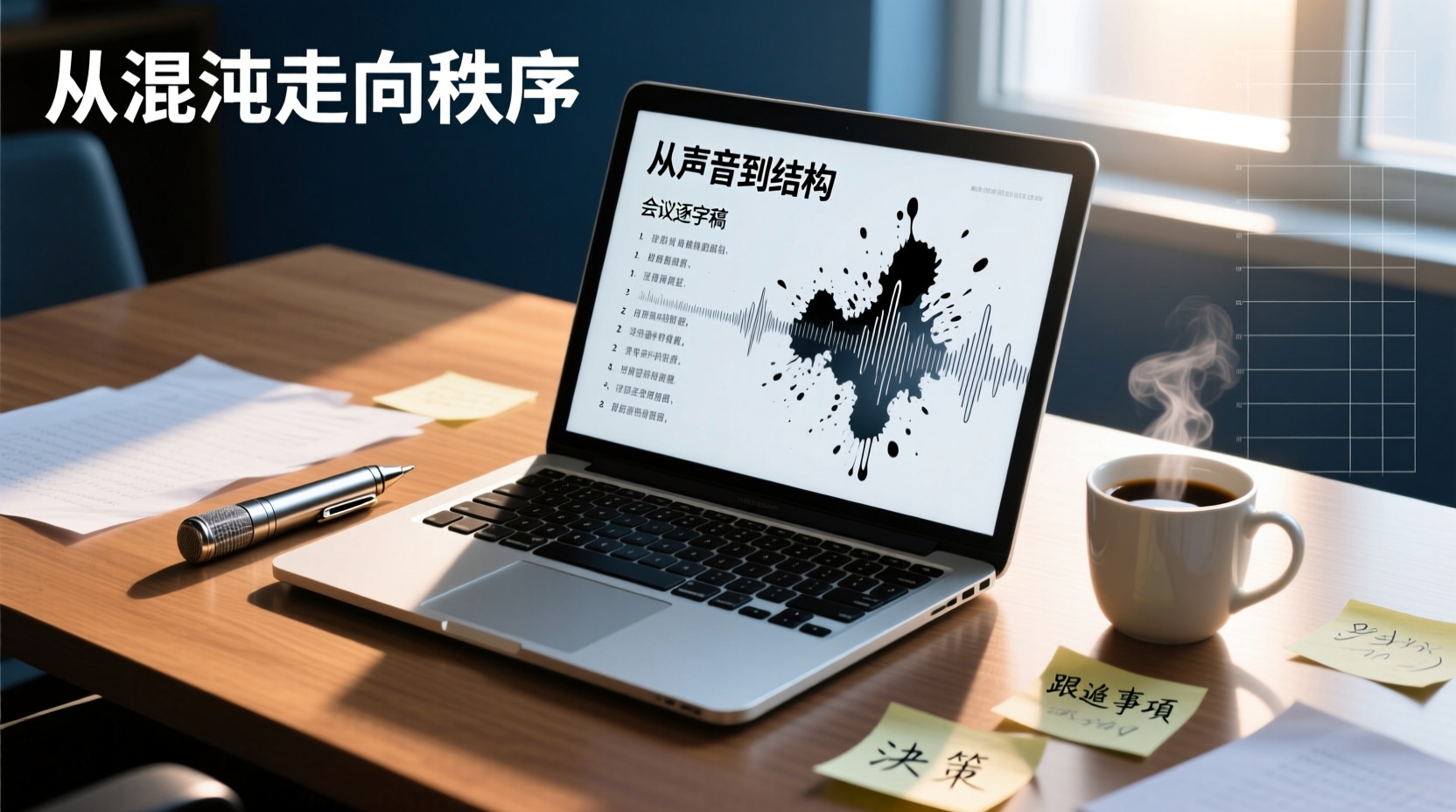
Turn recordings into transcripts and summaries in minutes
Upload audio or video for multilingual transcription, AI notes, and action items
Why Convert Voice to Traditional Chinese Text?
Have you ever found yourself in these situations: scribbling notes during a meeting and missing key points; forgetting half of what a client said on the phone right after hanging up; or having interview recordings sitting in your phone that you dread organizing?
Converting voice to Traditional Chinese text isn't just for "reading"—it's about turning that content into searchable, editable, shareable, and archivable data. Especially for professionals in sales, business, account management, and product development who frequently attend meetings and communicate with clients, voice recordings often contain decisions, commitments, and next steps. Without converting them to text, it's easy to miss important information in the hustle and bustle.
Voice to Traditional Chinese: Understand These 3 Key Points First
Before you start, clarifying these three key points will help you choose the most suitable method.
1. Transcription Accuracy: Don't Just Look at Official Claims
Many tools claim "98% accuracy," but that's usually measured in a quiet recording studio. In a real meeting room with air conditioning, keyboard sounds, and people talking over each other, accuracy drops significantly. We recommend trying free trials with your own recordings—don't just rely on ads.
2. AI Features: More Than Just Transcription
If it only converts voice to text, how is that different from a traditional voice recorder? A good tool should automatically generate summaries, chapters, key points, and action items, and even support AI Q&A, allowing you to ask "Who mentioned the budget in the last meeting?" and get an answer.
3. Privacy and Legal Compliance
Recording and transcription must comply with local laws, and consent is required when involving others' voices. Especially when handling client data or sensitive internal meetings, pay special attention to how data is stored and shared.
Method 1: Using Tinrec to Convert Recordings to Traditional Chinese Verbatim Transcripts (Detailed Steps)
Tinrec (Miaoting Voice Recorder) is an AI meeting notes and collaboration tool that not only converts voice to text but also organizes meeting recordings into searchable, summarizable, queryable, exportable, and further processable data.
Step 1: Record the Content You Want to Transcribe
Open the Tinrec app and tap the record button on the main screen to start recording. During recording, keep the phone close to the speaker—the closer the distance, the clearer the audio, and the higher the transcription accuracy. For one-on-one interviews, place the phone between the two people; for multi-person meetings, place it in the center of the table.
Step 2: Import the Audio File into Tinrec
If you already have a recording (e.g., from your phone or an online meeting), you can upload it directly to Tinrec. It supports common audio and video formats, and the system will automatically start transcription after upload.
Step 3: Review and Edit the Transcription Result
After transcription, you'll get a Traditional Chinese verbatim transcript. Tinrec automatically generates summaries, chapters, and key points, allowing you to quickly browse the meeting structure and edit any transcription errors.
Step 4: Use AI Summaries and Action Item Extraction
Tinrec automatically extracts action items from the meeting discussion and generates a meeting summary. You can directly see "who needs to do what by when," without having to listen to the entire recording and pick out key points yourself.
Step 5: Export and Share
The organized meeting notes can be exported to formats like Word or PDF, or directly shared to tools like Notion or Google Docs for easy follow-up and collaboration.
Method 2: Using Built-in Phone Features or Other Tools
If you don't want to install new tools, your phone has basic voice-to-text features.
- iOS users: You can use the transcription feature in the "Voice Memos" app or the dictation feature on the keyboard.
- Android users: Google Keyboard has built-in voice input that can convert speech to text.
These methods are suitable for simple voice input, but they are limited for long meetings, multi-person conversations, or scenarios requiring key point extraction.
Stop organizing recordings by hand
Upload audio or video and automatically get a transcript, summary, and action items
Other third-party tools like Google Cloud Speech-to-Text offer API services but require technical background; online tools like cSubtitle provide file upload and transcription services.
How to Organize Transcribed Text into Actionable Data?
Transcription is just the first step; the real value lies in turning the text into actionable data.
With Tinrec, for example, after transcription, you can:
- Generate meeting minutes: AI automatically organizes summaries, conclusions, and action items, saving you the hassle of manual organization.
- Extract action items: Identify "who is responsible for what and when" from the discussion, ensuring every task has an owner.
- AI Q&A: Ask directly "What opinions did the client have about pricing in the last meeting?" and the system will find the answer from the transcript.
- Export and share: Export meeting minutes as documents or share them to team spaces so all members can view them.
Let the AI Assistant Handle Post-Meeting Action Items
Many tools stop at summaries and action item lists after transcription, but Tinrec's AI Assistant can go further. Based on the meeting minutes and context, it helps turn action items into deliverable post-meeting work products.
Specific Operation 1: Turning Action Items into Action Plans
Suppose the meeting decides "to complete a client quote next week." Traditionally, you'd have to open a document and start writing. With Tinrec, you can instruct the AI Assistant: "Based on the meeting discussion, help me organize the client quote action item into an action plan, including the person in charge, timeline, and required materials." The AI Assistant will reference the discussion context in the transcript to generate a preliminary action plan, which you can then adjust based on actual circumstances. For important commitments and external communications, manual confirmation is recommended.
Specific Operation 2: Turning Client Commitments into Follow-up Materials
If you're in sales or account management, the AI Assistant can help organize client needs, concerns, and commitments mentioned in the meeting into follow-up materials. For example, you can instruct: "Organize the client's budget constraints and decision timeline mentioned in the meeting into a draft follow-up email." The AI Assistant will extract relevant content from the transcript, generate a draft, and you can add details before sending.
Team Collaboration: Making Meeting Data a Team Asset
If you need to share meeting data with your team, Tinrec for Teams provides a team space for centralized management.
Specific Operation 1: Sharing Meeting Data
After you finish transcribing and organizing a meeting, you can upload the meeting data (including transcripts, summaries, and action items) to the team space. Team members can view, play, and read these materials even if they didn't attend the meeting, ensuring information is synchronized.
Specific Operation 2: Continuous Follow-up and Knowledge Accumulation
Meeting data in the team space can be searched, queried, and further processed. For example, sales teams can review past client meetings to identify client commitments; project teams can look at historical meetings to confirm decision rationale. This way, the content of every meeting can be accumulated as reusable knowledge for the team.
Important Considerations: Privacy, Accuracy, and Manual Confirmation
- Privacy and Legal: Recording and transcription must comply with local laws, and consent is required when involving others' voices. When handling sensitive data, choose a trustworthy tool.
- Accuracy: AI transcription may have errors, especially affected by recording quality, accents, background noise, etc. For important information, cross-check with the transcript timestamps and the original recording.
- Manual Confirmation: For important decisions and external communications, manual confirmation is recommended before use. AI can assist in organizing but cannot fully replace human judgment.
Summary: Choose the Right Voice-to-Traditional-Chinese Solution for You
Converting voice to Traditional Chinese text isn't just about saving time—it's about turning meeting content into searchable, actionable, and collaborative data.
If you only need simple voice input, your phone's built-in features are sufficient; if you need to handle long meetings, organize key points, extract action items, or collaborate with your team, you can try professional tools like Tinrec.
When choosing a tool, test it with your own recordings—don't just rely on official claims. Find the method that works for you, and stop letting meeting notes take over your after-hours time.
References
- Speech-to-Text: AI voice typing & transcription | Google Cloud
- Voice to Text - Google Play Apps
- Ondoku - Traditional Chinese Text-to-Speech Software | Ondoku
- Online AI Voice, Video, Recording Auto-Transcription - Free Trial - cSubtitle
- Voice to Text - Recording to Text Instant Transcript Google Transcription Translation
Turn every recording into actionable outcomes
Get 60 free transcription minutes when you sign in. No credit card required.
Related Reading
You might also like

5 Best Microsoft Teams Meeting Transcription Tools in 2026: ChatGPT, Tinrec, and Built-in Transcription Compared
Still pasting Teams transcripts into ChatGPT after meetings? We compare 5 Microsoft Teams meeting transcription solutions—Tinrec, ChatGPT Record mode, Teams built-in transcription, Otter.ai, and Notta—on features, limitations, and pricing to help you find the most time-saving way to take meeting notes.

How to Translate Spotify Transcripts in 2026: 5 Methods + Bilingual Chinese Comparison
How do you translate Spotify transcripts into Traditional Chinese? This guide covers 5 practical methods: Spotify's built-in Read Along, Tinrec, AskSia, Firstory/SoundOn creator backend settings, and TurboScribe. It compares free quotas, translation capabilities, and export options, with selection advice and FAQs.
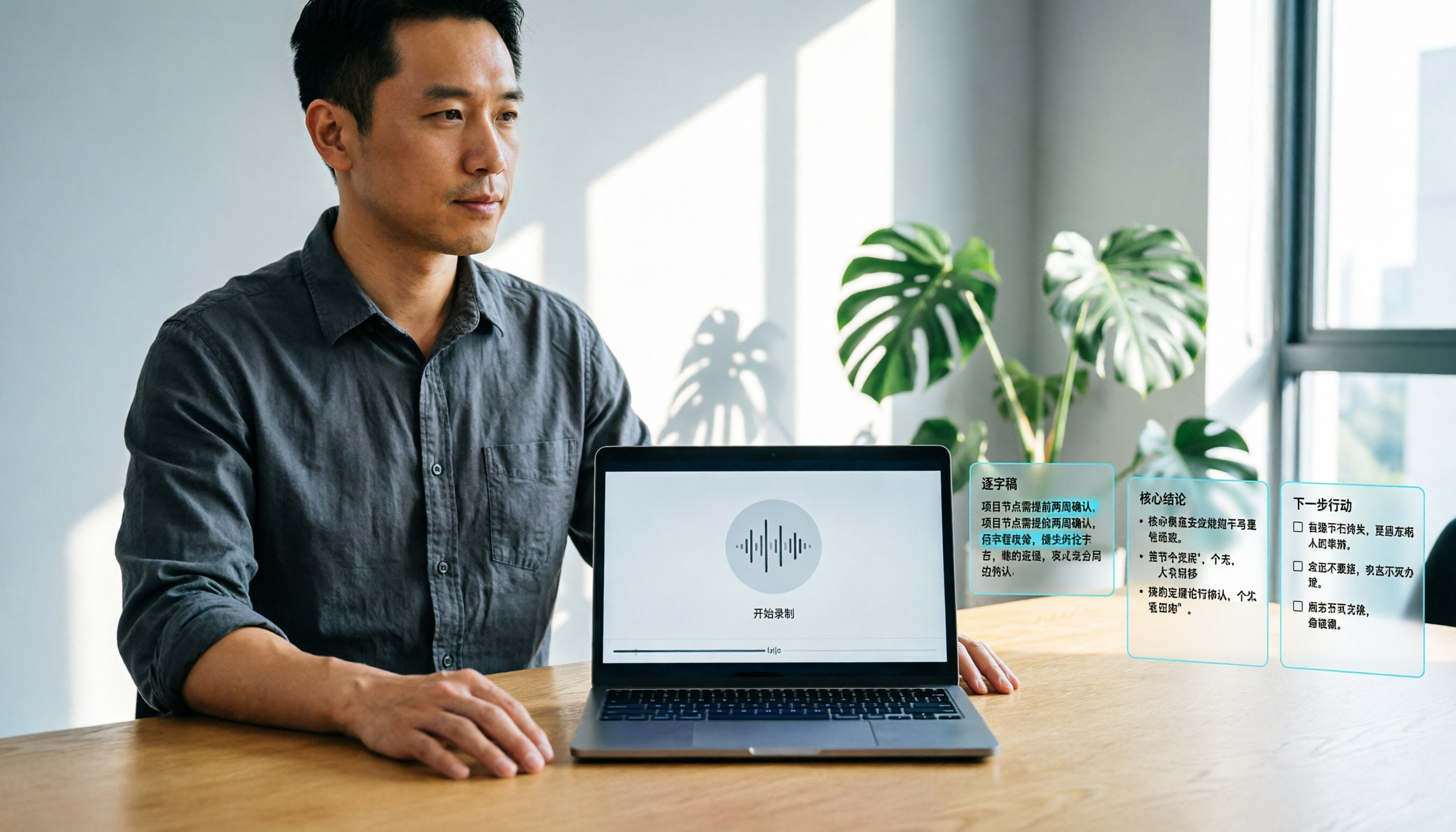
Best Notion Team Meeting Notes Tools in 2026: 4 Tested for Teams Meetings
Managing meeting notes in Notion isn't about prettier templates—it's about the half-hour spent organizing after each call. This hands-on review from a mid-level manager compares Tinrec, Otter.ai, Notta, and Granola on Teams meeting recording, Chinese transcription, summary and action items, and Notion export, plus three common pitfalls to avoid.
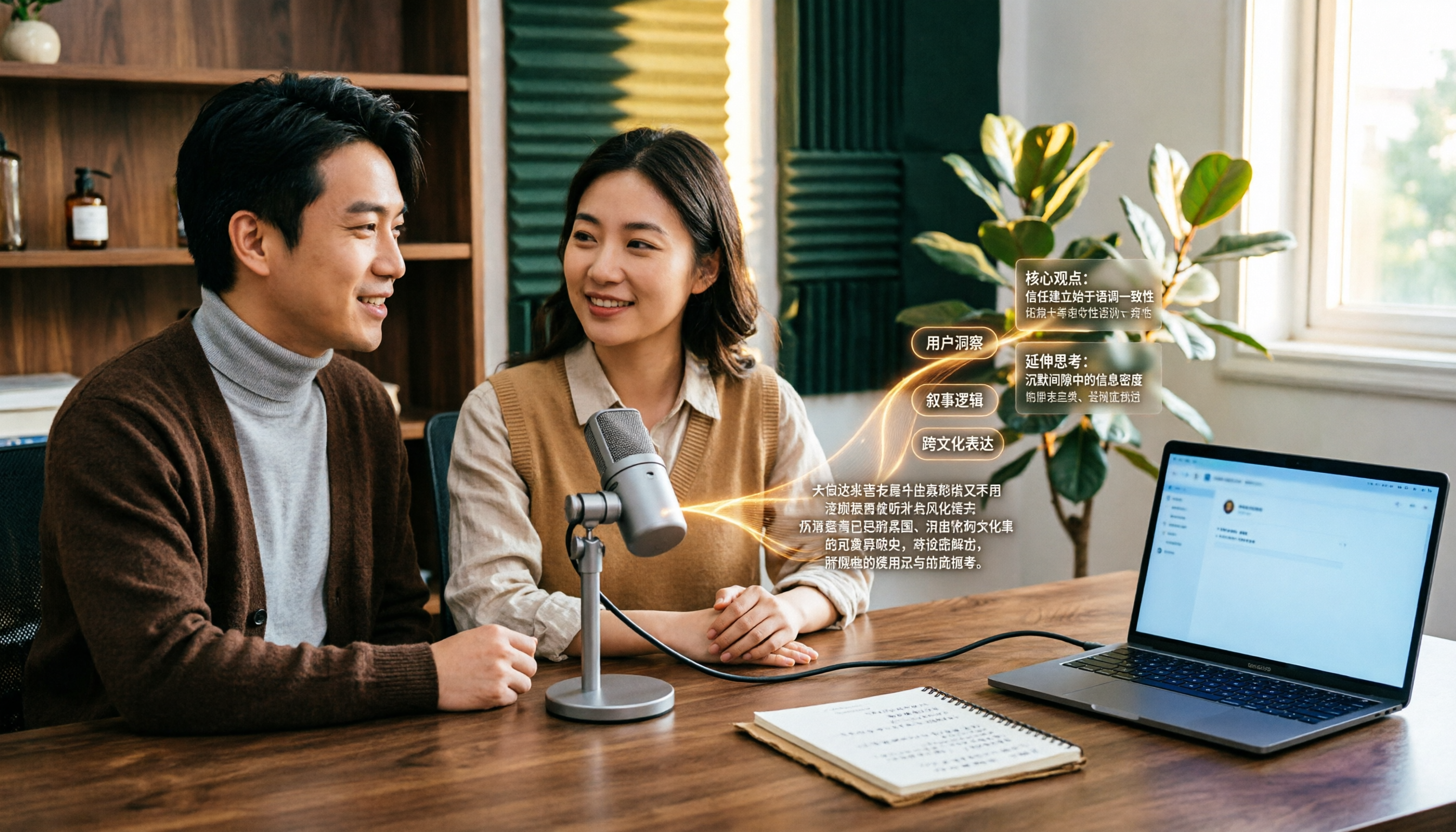
Best Podcast Transcript Apps? 2026 Test of 4 Apps: This One Saves the Most Time for Chinese Interviews
Recorded a podcast episode but stuck organizing the transcript? This article starts from real-world use cases, breaks down the core capabilities a podcast transcript app should have, four common application scenarios, and five purchase checkpoints. Using Tinrec's real-time transcription, AI summaries, AI Q&A, and team spaces as examples, it explains how to turn an 80-minute interview into a searchable, publishable, reusable text asset.

2026 Comparison of 4 Live Transcription Summary Tools: Which One Can Produce Trackable Action Items During Meetings?
A practical guide to live transcription summaries, covering online meetings, customer interviews, and class recordings. It explains how real-time transcription, AI summaries, action item extraction, and team knowledge retention work, using Tinrec as an example to highlight 5 things to consider when choosing a tool.
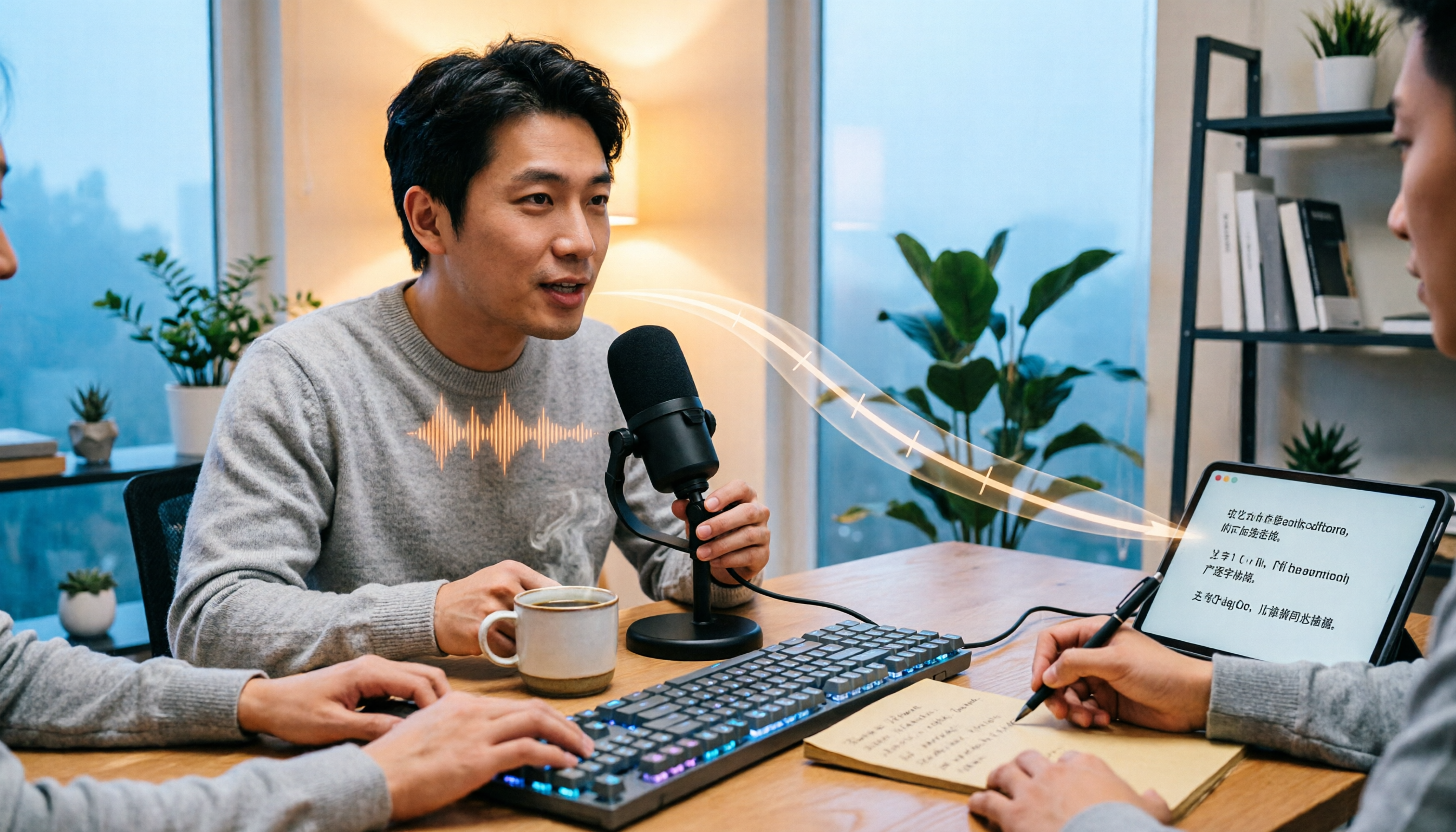
2026 Live Transcription Tools Compared: Real-Time Captions for Live Streams and Which Handles Chinese Best
People searching for "live transcription online" are usually looking for one of two things: synchronized captions while watching a live stream, or turning ongoing audio into editable text in real time. This article evaluates Tinrec, Transcribe.com, Notta, and cSubtitle based on three criteria—real-time output while speaking, usability right after the meeting, and team handoff—and summarizes hands-on impressions, free tiers, and limitations to help you decide which tool to use.
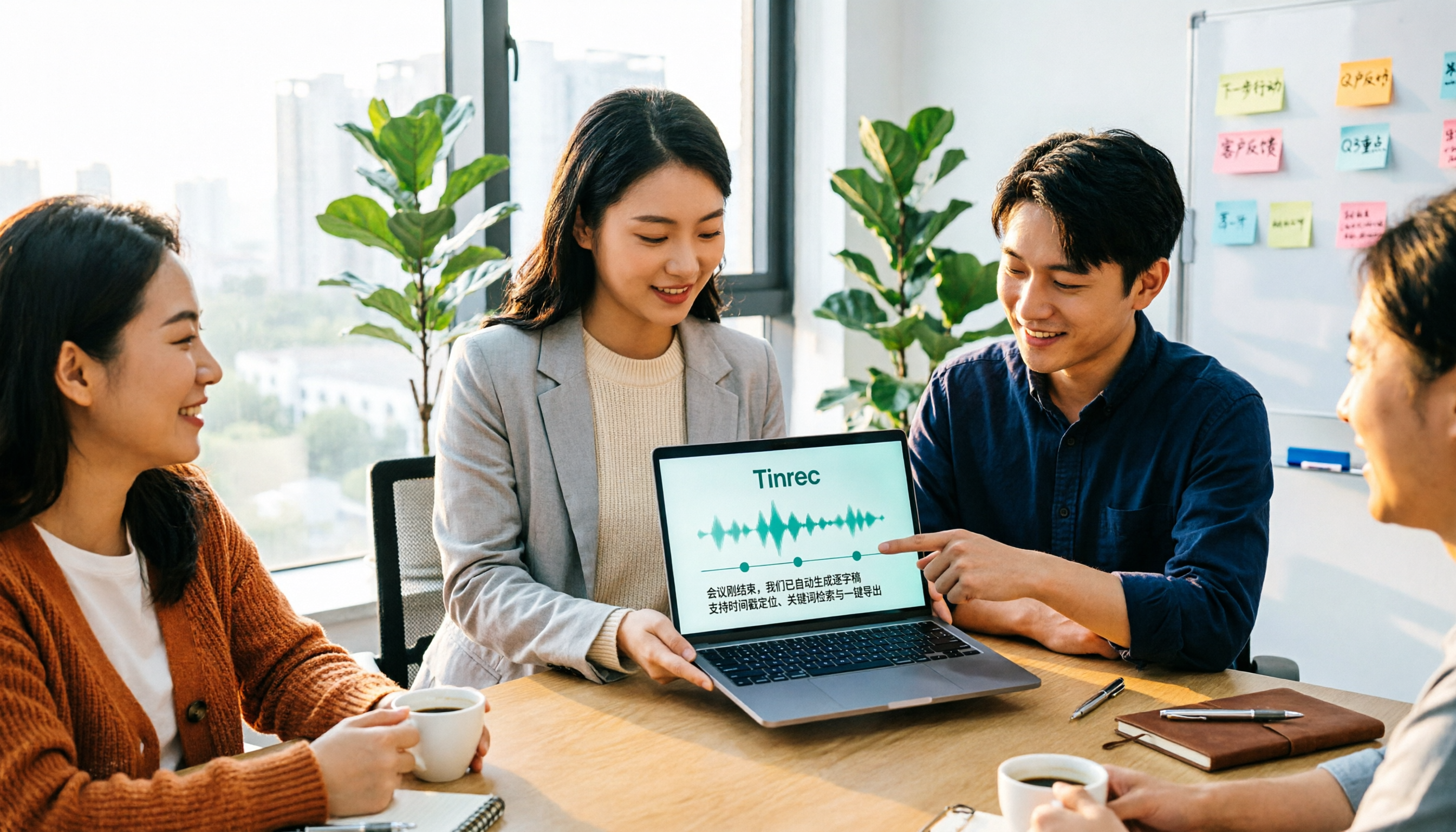
4 Live Transcription Apps Tested for 2026: Which One Actually Saves You Time After Meetings?
The real work begins after the meeting ends. This hands-on comparison of Tinrec, Notta, Otter.ai, and Granola looks at how each live transcription tool records audio, handles Chinese, organizes post-meeting notes, and supports team collaboration. We also break down four key selection criteria and common pitfalls to help you find the one that truly saves time.

The Complete Guide to Real-Time Transcription Translation in 2026: 5 Key Criteria to Choose the Right Tool and Never Miss a Point
There are many real-time transcription translation tools, but few can record and translate on the fly and still organize everything after the meeting. This guide uses 5 key criteria to help you identify your needs, compares Tinrec, Otter.ai, Notta, and Google Translate's transcription feature in terms of differences, free quotas, and limitations, and helps you choose the right tool for your meeting scenario.
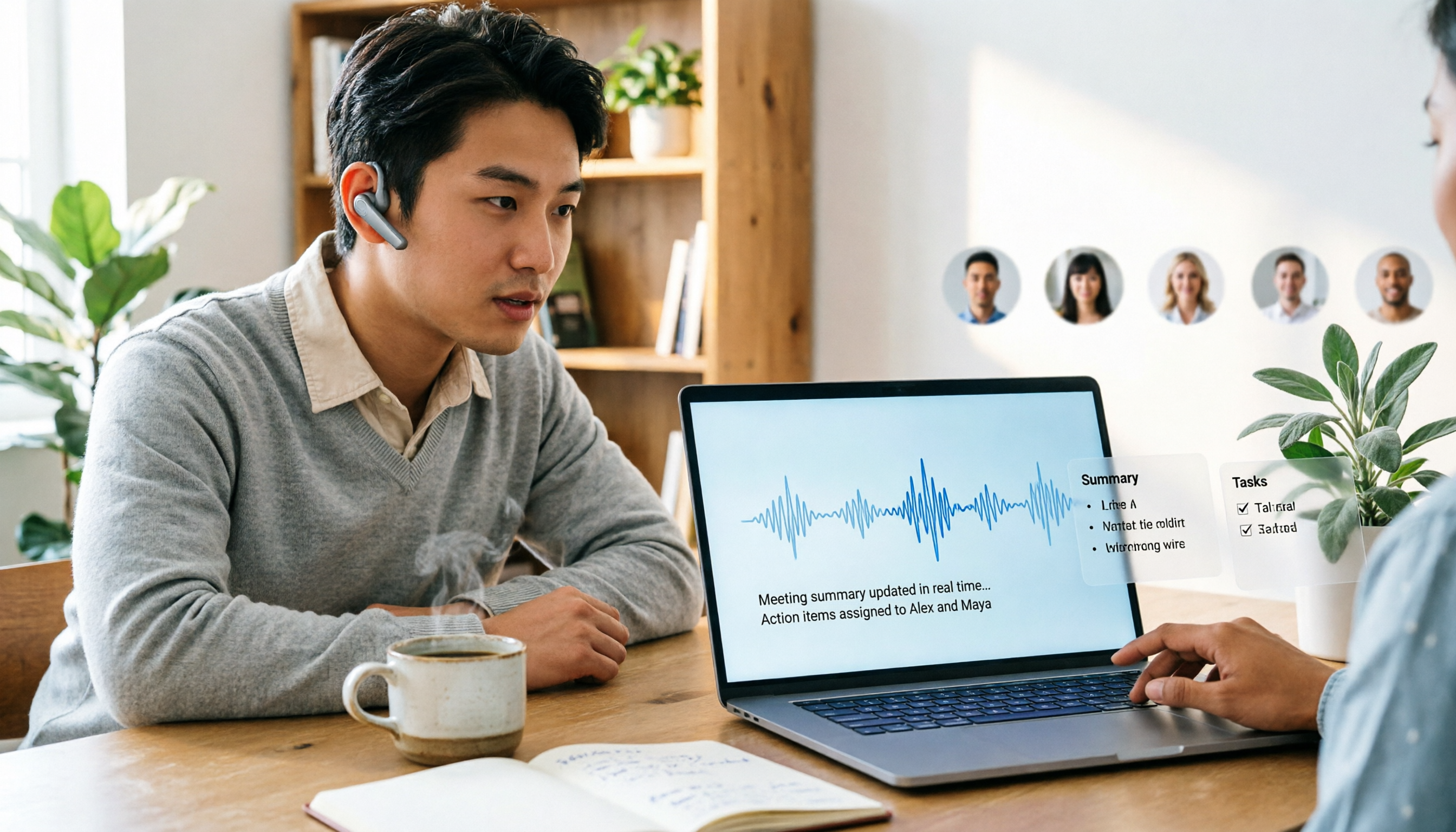
How to Get Free Real-Time Online Transcription in 2026: 5-Step Guide and Why Tinrec Beats Yating Transcription
How to get free real-time online transcription in 2026? This article starts with common pitfalls, compares Tinrec and Yating Transcription in real-time recording, post-meeting organization, cross-platform support, and team collaboration, and provides a 5-step guide to using Tinrec's free version for transcripts, summaries, and action items.