

Turn recordings into transcripts and summaries in minutes
Upload audio or video for multilingual transcription, AI notes, and action items
Have you ever calculated: after a two-hour meeting, you might spend another hour and a half replaying the recording and organizing key points, only to miss someone's action items—the time you actually spend processing meeting content can be longer than the meeting itself.
That's why many people start looking for AI transcription tools like Notta, but they don't want to commit to a paid plan right away. This article doesn't list 100 tools; instead, it focuses on 6 key factors that truly affect the user experience, helping you figure out how to choose a free plan.
What Can a Free Notta Alternative Do for You?
Let's start with the bottom line: whether a free version is sufficient depends on the specific scenario you're trying to solve.
Take Tinrec as an example—it doesn't just convert recordings into text; it turns meeting content into actionable material you can continue working with.
Scenario 1: Get Key Points Within 5 Minutes After a Meeting
In the past, after a project meeting, you might need extra time to replay the recording and extract conclusions. Now, with Tinrec's AI summaries and chapter features, you can see discussion points, conclusions, and action items right after the meeting—who's responsible for what and when it's due, all clearly organized.
Scenario 2: No More Manual Note-Taking During Online Meetings
If you're a heavy user of Zoom, Google Meet, or Microsoft Teams, Tinrec's desktop app can directly capture your computer's system audio—no need to invite a meeting bot into the call. As the meeting progresses, a transcript is generated in real time, so you can focus on the discussion instead of typing notes.
Scenario 3: Turn Historical Recordings into Searchable Data
Many people have old meeting recordings stored on their computers but never revisit them. After uploading audio files to Tinrec and converting them to transcripts, you can search for specific meeting content by keyword or ask the AI—no more scrubbing through progress bars.
6 Key Points to Consider When Choosing a Free Transcription Tool
There are plenty of free tools, but the limitations of free plans are often hidden in the details. Here's what I typically check first.
1. Is the Free Plan a "Monthly Allowance" or a "Per-Session Limit"?
Some free plans offer a set number of minutes per month, while others limit each recording to just a few minutes. If you frequently need to transcribe meetings longer than 10 minutes, a 3-minute per-session cap will be very frustrating.
Tinrec's free version provides a basic allowance, letting you fully experience the recording, import, summary, and transcription workflow. For the exact available minutes, it's best to check the official page.
2. After Transcription, Can It Help You Organize Key Points?
A raw transcript alone isn't enough. A two-hour meeting transcript can run tens of thousands of words, and you'd still need to read through it all yourself.
After transcription, Tinrec automatically generates summaries, chapters, and action items. Even better, you can ask questions directly about the meeting content—like "What were the client's concerns about pricing?" or "What decisions were made in the last meeting?"—and the AI answers based on the recording, so you don't have to read everything from start to finish.
3. Performance with Chinese and Mixed Chinese-English Content
Meetings in Taiwan often mix Chinese with English technical terms. If a tool's language model handles mixed-language content poorly, the transcript can end up with awkward spacing or incorrect terms.
Tinrec is a strong contender for Chinese, Traditional Chinese, and mixed Chinese-English meeting content. It also supports real-time translation, letting you toggle between the original text, translation, or a side-by-side bilingual view during recording.
Stop organizing recordings by hand
Upload audio or video and automatically get a transcript, summary, and action items
4. Does Online Meeting Recording Require Adding a Bot?
Some tools require you to invite a bot account into your meeting, which can be inconvenient under certain corporate security policies or client meetings.
Tinrec takes a bot-free approach. Just open the desktop app on your computer, and it captures system audio directly—no extra bot participant needed. This is a big plus for those who don't want unfamiliar accounts appearing in meetings.
5. Can You Export Results to Other Tools?
Transcription is just the first step. If you typically organize work in Notion, Google Docs, or OneNote, whether the tool can export meeting results to these platforms will directly affect your willingness to keep using it.
Tinrec supports multiple export formats and can bring meeting results to Notion, Google Docs, OneNote, Dropbox, and more. It also offers Agent post-processing, which can generate reports, tables, and meeting minutes based on the meeting content.
6. Does the Free Version Let You Test Full Features?
Some free versions only unlock transcription, while AI summaries, Q&A, and export features require payment. In that case, you can't really evaluate whether the tool is worth buying.
My advice: first confirm whether the free plan lets you run through the full "record → transcribe → summarize → export" workflow. Tinrec's free version lets you experience core features like recording, import, summary, and transcription. You can test it with a real meeting to see if the output matches your workflow.
3 Pitfalls to Avoid in Free Alternatives
Beyond features, there are a few things that are easy to overlook.
Pitfall 1: Only Provides Transcripts, No Follow-Up Organization
If a tool only does speech-to-text, you'll still have to organize everything yourself. For those who have more than 3 meetings a week, the time saved is minimal.
Pitfall 2: Inconsistent Chinese Transcription Quality
Some international tools perform well with English meetings but struggle with Chinese or mixed-language content, often getting technical terms and numbers wrong. Don't just rely on official demo videos—test with your own recordings.
Pitfall 3: Hidden File Upload Restrictions
Free versions may have significantly different file size limits, session durations, and monthly quotas compared to paid plans. Read the rules carefully before signing up, so you don't hit a limit halfway through transcription.
Frequently Asked Questions
Is a free recording-to-text tool really sufficient?
If you occasionally organize meeting or interview recordings, a free version is usually enough. But if you have a high volume of meetings every week, the free allowance may run out quickly—in that case, consider a short-term plan or a paid version.
What's the difference between Tinrec and Notta?
Both cover multi-device transcription, meeting notes, file import, and translation. Tinrec places more emphasis on bot-free online meeting recording, team spaces, AI Q&A, and Agent post-processing, focusing on post-meeting organization and team knowledge accumulation.
Do I need to inform meeting participants when using a recording-to-text tool?
Yes. Recording and transcription involve personal data and privacy. It's recommended to obtain consent from participants before use and comply with applicable laws in your region.
Can Tinrec transcribe Chinese?
Yes. Tinrec supports Chinese, Traditional Chinese, and multilingual meeting scenarios, as well as real-time translation and team-specific terminology features. Actual results may vary based on audio quality, accents, and technical jargon.
Can I test the AI summary feature on the free plan?
Yes. Tinrec's free version provides a basic allowance, allowing users to experience the full recording, import, summary, and transcription workflow. We recommend testing with a real meeting to gauge the actual output.
Conclusion
When looking for a free Notta alternative, the goal isn't to find the one with the "most features," but the one whose "free-tier limitations you can accept and whose post-transcription organization feels most intuitive."
If you want a tool that doesn't just give you a transcript but also helps organize summaries and action items, and lets you search meeting content anytime later, we recommend giving Tinrec a try. Run a real meeting through the free version and see if the results match what you're looking for.
References
Turn every recording into actionable outcomes
Get 60 free transcription minutes when you sign in. No credit card required.
Related Reading
You might also like

4 Free Recording Tools Tested in 2026: Is PLAUD's Free 300 Minutes Enough?
PLAUD's "free" offer is actually 300 transcription minutes per month; the hardware still costs money. This article compares Tinrec, PLAUD, Notta, and Otter.ai in real meeting scenarios, looking at free quotas, post-meeting organization, and team collaboration to help you decide which one is worth trying first.

2026 AI Recording Tools Compared: Plaud Recorder vs. Bot-Free Meeting Notes
People searching for an online Plaud recorder usually face the same decision: buy a physical recording device or use software for online meetings? This guide compares six options by positioning, quotas, and best-fit users, and explains the real limitations of Plaud Note and NotePin hardware in online meeting scenarios so you can choose the right tool within budget.

2026 AI Voice Recorder Comparison: PLAUD File Organization vs. Meeting Notes—Which Saves More Time?
Starting from the question 'How do I organize PLAUD recording files?', this article compares four AI voice tools: Tinrec, PLAUD, Otter.ai, and Notta. It covers input sources, post-transcription processing, Chinese-language experience, team collaboration, and pricing structure. PLAUD is suited for on-the-go recording, while Tinrec turns recording files into searchable, queryable meeting data. The article also includes buying tips and scenario-based recommendations.

How to Transcribe Audio for Free in 2026: A Complete 5-Step Guide
Many people search for 'plaud recording free 2024' to find out if they can turn recordings into transcripts without paying. This guide compares PLAUD and Tinrec across five key points—free quotas, hardware costs, online meeting recording, and post-meeting organization—and outlines common pitfalls and selection advice to help you decide if a free plan is enough.

2026 AI Voice Recorder Comparison: Is PLAUD Worth It? Decide If You Need Extra Hardware
Is PLAUD worth it? This article compares PLAUD, Tinrec, Notta, and Otter.ai from two decision points: 'recording' and 'using the recording directly.' It covers key buying factors, pricing, and pitfalls to help you choose between hardware and a software workflow.
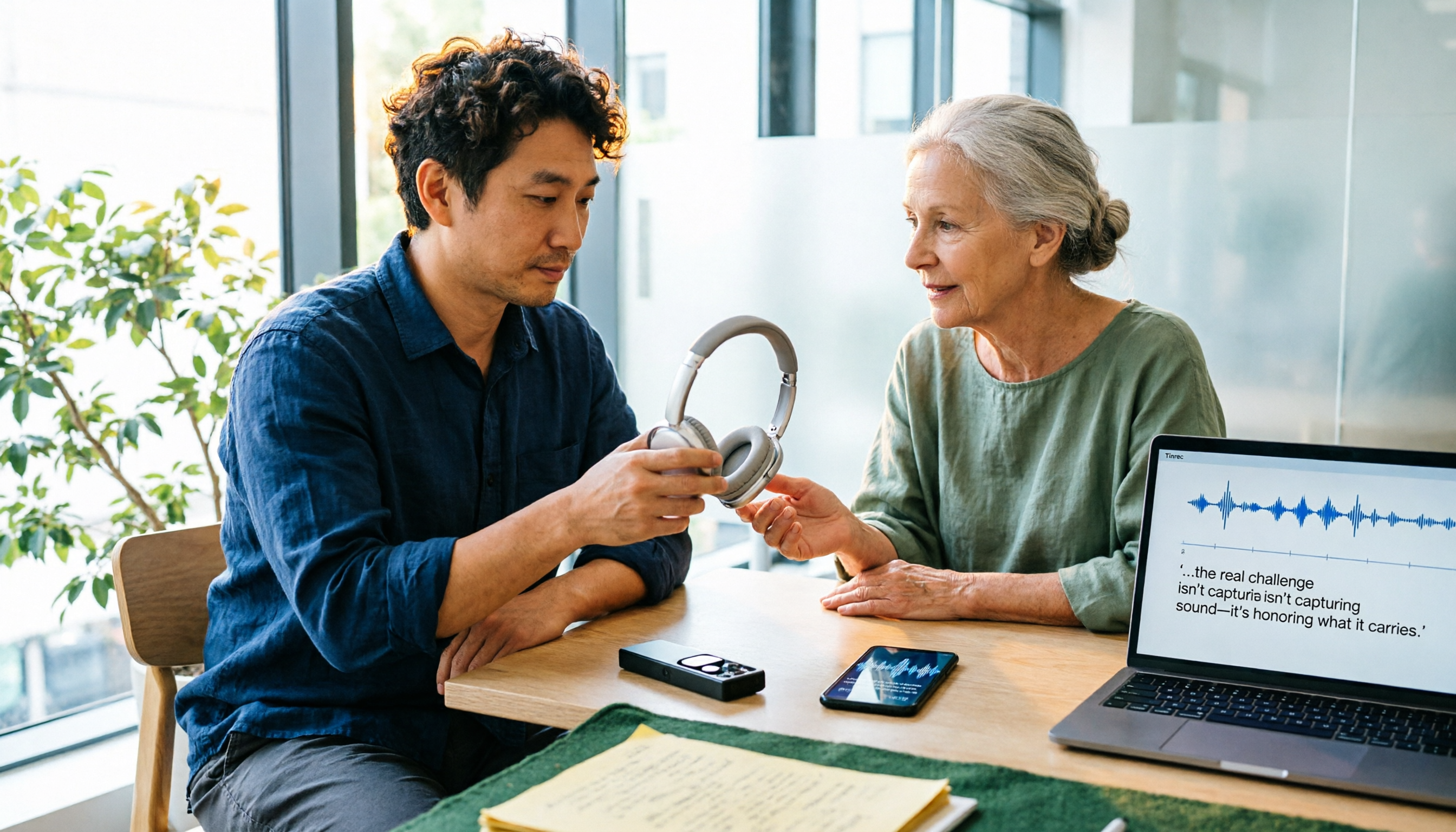
2026 Comparison of 2 Free Audio-to-Text Tools: How to Choose Between Plaud and Tinrec Free Tiers?
People searching for "free Plaud recording files" fall into two groups: those who already own a Plaud device and want to know how the 300 minutes are calculated, and those who haven't bought hardware and just want to turn recordings into free transcripts. This article first breaks down the actual scope and limitations of Plaud's free plan, then explains what Tinrec's free version can do without buying a device, along with buying checkpoints and FAQs.

2026 Comparison of 3 Free AI Transcription Solutions: Quotas, Summaries, and Team Collaboration Explained
Is free audio transcription enough? Based on real experience from a mid-level manager with 15 meetings per week, this article compares three free approaches: AI recording hardware, pure transcription services, and meeting note tools like Tinrec. It breaks down differences in free quotas, summary capabilities, action item extraction, and team data retention, and provides 5 purchase decision points and FAQs to help you decide where to spend your free quota.

2026 AI Voice Recorder Comparison: PLAUD vs Tinrec — Which One Should You Choose?
PLAUD is a hardware-based portable AI voice recorder, while Tinrec is a software-based AI meeting notes tool that requires no extra device. This comparison covers hardware needs, online meeting capture, post-meeting organization, legacy audio files, team collaboration, and pricing structure to help you decide which approach fits your workflow.
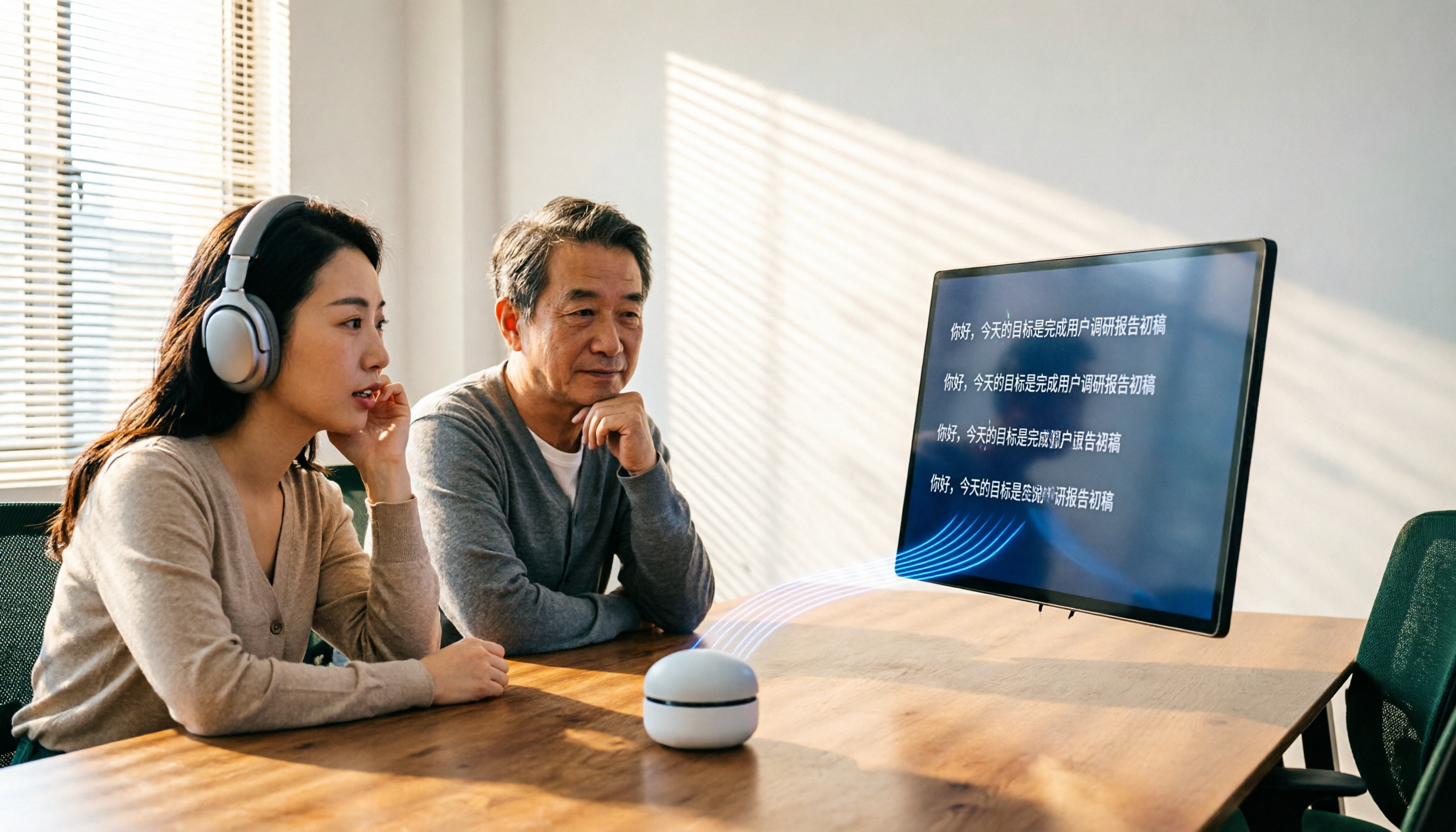
2026 Recording-to-Text Tools Compared: PLAUD Online, Otter, and Tinrec — Which Should You Choose?
Can you use PLAUD's online recording version? This article starts from real-world pain points and compares PLAUD, Otter.ai, Notta, and Tinrec on online meeting recording, Chinese transcription, post-meeting organization, and team collaboration. It also highlights key buying factors and common pitfalls to help you choose a tool you'll actually use long-term.