

Turn recordings into transcripts and summaries in minutes
Upload audio or video for multilingual transcription, AI notes, and action items
Free Download Sounds Great, but the Real Costs Show Up After You Install
Open the App Store and search for meeting transcription tools—almost every one says "free download." Notta is no exception. Its website touts "Try it for free now" and a free plan with 120 minutes of transcription per month, which looks generous at first glance.
But once you actually use it, you'll find out: Notta's free plan caps each transcription session at just 3 minutes. That means a 30-minute meeting has to be split into 10 separate chunks—or you simply give up on getting a full transcript. Worse, most people don't notice this limit before downloading, and it's only when you're halfway through a meeting and realize you can only record the first 3 minutes that the real time cost hits you.
Free download isn't the problem. The problem is that the strings attached to "free" only surface after you've already invested your time. This article isn't about who has the flashier ads—it's a procurement-style breakdown of who Notta's free plan actually fits, who it doesn't, and whether there's a smarter option for the same budget.
Before You Pick an AI Meeting Transcription Tool, Get These 3 Points Straight
First, look at the per-session cap, not just the monthly total.
Notta's 120 minutes per month sounds decent, but a 3-minute per-session limit means you can't handle any single full meeting recording. If you're someone who sits through 40-minute meetings or 1-hour interviews, this free plan is basically unusable. What you really need to evaluate is: can you complete an entire workflow on the free tier, or are you just getting a feel for the interface?
Second, what you can do after transcription matters more than the transcription itself.
A transcript is just the starting point. What you actually need is meeting summaries, action items, AI Q&A you can circle back to, and the ability to export results to Notion or Google Docs to keep working. If a tool just spits out a transcript and stops, you've only traded "listening to audio" for "reading a transcript"—the time saved is minimal.
Third, how the tool handles online meetings directly affects your daily experience.
Some tools require a bot to join your Zoom, Meet, or Teams meetings, which can be blocked by certain corporate security policies. Notta has a desktop app that can handle online meetings, but the free tier's limits make it less practical. If you have recurring meetings every week, you should factor in both "bot-free recording" and "is the quota enough" when evaluating.
Tinrec (秒听录音)—A More Practical Choice After Procurement Review
Tinrec (秒听录音) is an AI meeting notes and collaboration tool built for individuals and teams, supporting real-time recording, bot-free online meeting transcription, audio/video file import, and real-time translation. It's positioned similarly to Notta, but the key difference is: Tinrec puts more emphasis on the workflow after the meeting ends, rather than just turning speech into text.
First, look at how it handles online meetings. The Tinrec desktop app captures your computer's system audio directly—no need to invite a meeting bot into Zoom, Google Meet, Microsoft Teams, or Webex. You open Tinrec, hit record, and the transcript generates in real time. This approach is far more acceptable to teams that don't want to see a stranger bot pop up in their meetings.
Next, look at what you get after transcription. Recording isn't just about getting a transcript. Tinrec automatically generates summaries, chapters, and highlights, and extracts action items from the discussion. More importantly, you can keep asking questions about the meeting content—like "Who mentioned the budget in the last meeting?" or "What was the conclusion?"—and it answers based on semantic understanding, not just keyword search results. This capability isn't available in Notta's free plan, and it's a gap most tools in the same price range haven't filled yet.
Stop organizing recordings by hand
Upload audio or video and automatically get a transcript, summary, and action items
Team scenarios are another key differentiator. If you need to centralize meeting materials, Tinrec's team plan offers a dedicated team space, member roles and seat management, usage analytics, audit logs, and an audio recycle bin. Meeting data belongs to the team, and when a member leaves, resources can be handed off—they don't disappear with the individual's account. Notta's Business plan also has team features, but it works out to roughly USD 16.67 per seat per month, while Tinrec's team plan is about USD 16.58 per month on annual billing. The prices are close, but Tinrec's Chinese meeting experience and bot-free recording align more directly with the needs of Taiwan-based teams.
Let's be clear about the limitations too. Tinrec's personal free plan has limited quota, so it's best for trying out the full workflow; heavy users will need to upgrade to Pro or the team plan. Also, transcription accuracy can be affected by recording quality, accents, and overlapping speech—don't expect any tool to perform flawlessly in noisy environments.
Who is it for? If you have recurring meetings every week, need to turn meeting content into trackable action items, need your team to share historical meeting data, or don't want a bot joining your Zoom meetings, Tinrec is the more practical choice right now.
Beyond Tinrec, What Other Options Are There?
Notta: If you only need to occasionally transcribe short audio clips under 3 minutes and can live with the 120-minute monthly cap, Notta's free plan can serve as a trial tool. But the 3-minute per-session limit makes full meeting notes nearly impossible. In contrast, Tinrec's value lies in post-transcription summaries, action items, and AI Q&A—not just turning speech into text.
Otter.ai: A mature choice for English meeting scenarios, with a generous free plan of 300 minutes per month. However, Otter's experience with Chinese and Traditional Chinese meetings isn't as direct as Tinrec's, and its strengths lean toward English business meetings. If you're mostly recording English content, Otter is worth considering; if your meetings are mostly in Chinese or mixed Chinese-English, Tinrec is a better fit.
Pitfall Guide: 3 Mistakes People Most Often Make When Choosing an AI Meeting Transcription Tool
Pitfall 1: Only looking at the monthly total minutes, ignoring the per-session cap. Notta's free 120 minutes looks sufficient, but the 3-minute per-session limit drastically cuts real usability. When evaluating a tool, always test the free plan with the "length of your typical single meeting"—don't just rely on the numbers on the homepage.
Pitfall 2: Treating a "transcription tool" as a "meeting organization tool." If you're just using the tool to convert audio to text and then manually compiling summaries and action items yourself, the time saved is minimal. Features like Tinrec's AI Q&A and action item extraction are what truly turn "notes" into "action." When shopping, look at post-transcription processing capabilities, not just transcription speed.
Pitfall 3: Ignoring team data ownership. A common issue with personal-tier tools is that meeting data is tied to the individual account—when the person leaves, the data goes with them. If you need your team to share historical meetings and track action item progress, prioritize plans with team spaces, role management, and audit logs, rather than having everyone install their own separate app.
Summary: Which One Should You Actually Choose?
Notta's free download has a low barrier to entry, but the 3-minute per-session limit makes it hard to handle real meeting scenarios. If you just want to experience the AI transcription process, Notta's free plan can serve as an entry point; if you need a workflow that fully captures meetings, turns them into action items, and supports team collaboration, Tinrec is the more practical choice.
Scenario-based recommendations:
- Occasionally transcribing short audio clips under 3 minutes → Notta's free plan can handle it
- Recurring weekly meetings, need full transcripts and summaries → Tinrec (bot-free recording, post-transcription Q&A)
- Need to extract action items after meetings, export to Notion or Google Docs → Tinrec (supports multiple export formats and Agent post-processing)
- Team needs to share meeting data, manage members and usage → Tinrec team plan (roles, seats, audit logs all included)
- Only recording English meetings with zero budget → Otter.ai's free plan is worth considering
We recommend running your typical meeting workflow on the free plan first to confirm the per-session quota, transcription quality, and post-meeting organization features meet your needs before deciding to upgrade. Tools are meant to save you time—you shouldn't find yourself stuck by quota limits after hitting that free download button.
References
- AI Note Taker | Free AI Meeting Transcription
- Notta for Windows - Free download and software reviews - CNET Download
- Notta for Windows - Download it from Uptodown for free
- Online Free Automatic Transcription Software AI-Powered
- Notta APK for Android - Free download and software reviews - CNET Download
Turn every recording into actionable outcomes
Get 60 free transcription minutes when you sign in. No credit card required.
Related Reading
You might also like

4 Free Recording Tools Tested in 2026: Is PLAUD's Free 300 Minutes Enough?
PLAUD's "free" offer is actually 300 transcription minutes per month; the hardware still costs money. This article compares Tinrec, PLAUD, Notta, and Otter.ai in real meeting scenarios, looking at free quotas, post-meeting organization, and team collaboration to help you decide which one is worth trying first.

2026 AI Recording Tools Compared: Plaud Recorder vs. Bot-Free Meeting Notes
People searching for an online Plaud recorder usually face the same decision: buy a physical recording device or use software for online meetings? This guide compares six options by positioning, quotas, and best-fit users, and explains the real limitations of Plaud Note and NotePin hardware in online meeting scenarios so you can choose the right tool within budget.

2026 AI Voice Recorder Comparison: PLAUD File Organization vs. Meeting Notes—Which Saves More Time?
Starting from the question 'How do I organize PLAUD recording files?', this article compares four AI voice tools: Tinrec, PLAUD, Otter.ai, and Notta. It covers input sources, post-transcription processing, Chinese-language experience, team collaboration, and pricing structure. PLAUD is suited for on-the-go recording, while Tinrec turns recording files into searchable, queryable meeting data. The article also includes buying tips and scenario-based recommendations.
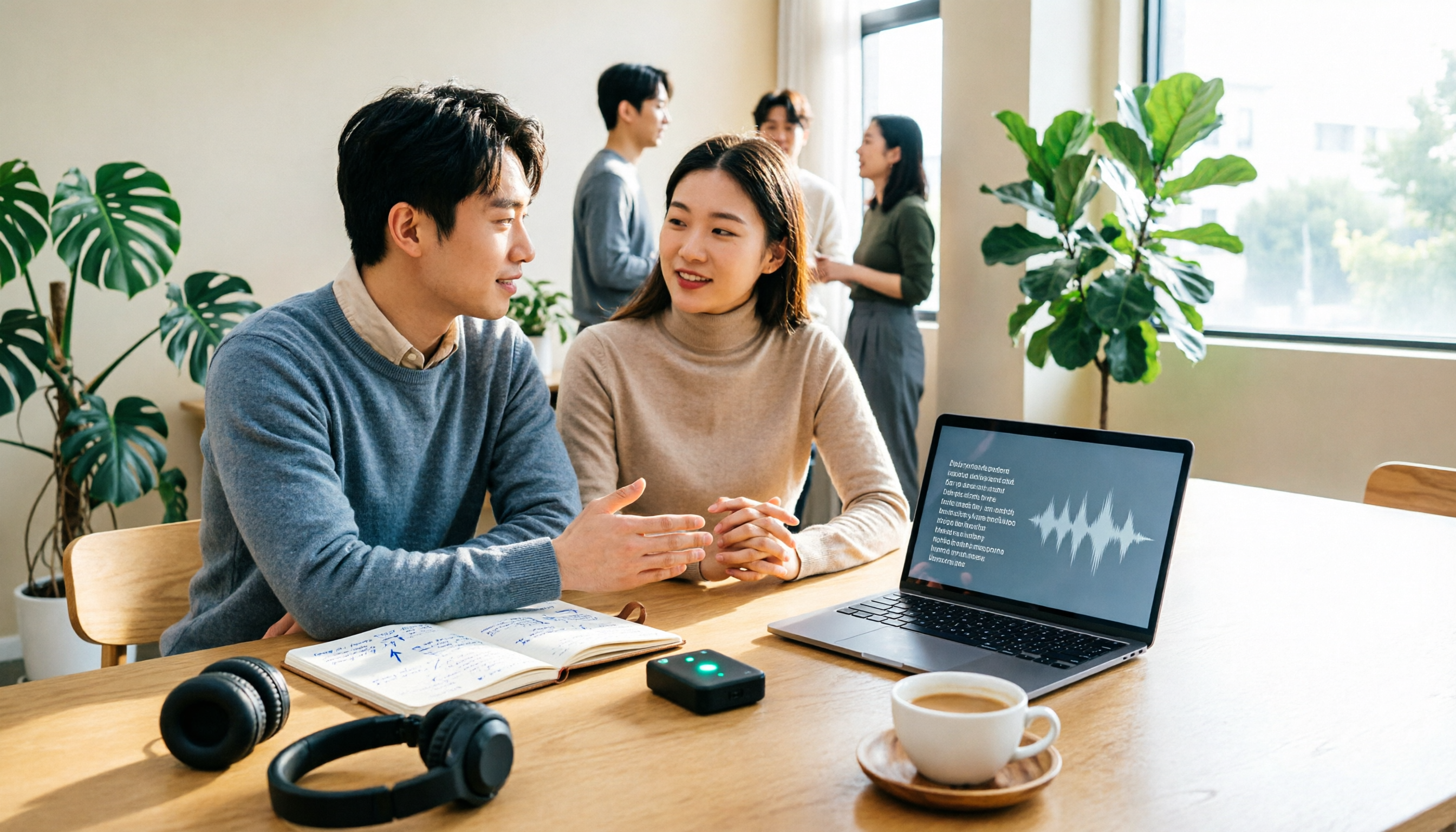
How to Transcribe Audio for Free in 2026: A Complete 5-Step Guide
Many people search for 'plaud recording free 2024' to find out if they can turn recordings into transcripts without paying. This guide compares PLAUD and Tinrec across five key points—free quotas, hardware costs, online meeting recording, and post-meeting organization—and outlines common pitfalls and selection advice to help you decide if a free plan is enough.

2026 AI Voice Recorder Comparison: Is PLAUD Worth It? Decide If You Need Extra Hardware
Is PLAUD worth it? This article compares PLAUD, Tinrec, Notta, and Otter.ai from two decision points: 'recording' and 'using the recording directly.' It covers key buying factors, pricing, and pitfalls to help you choose between hardware and a software workflow.
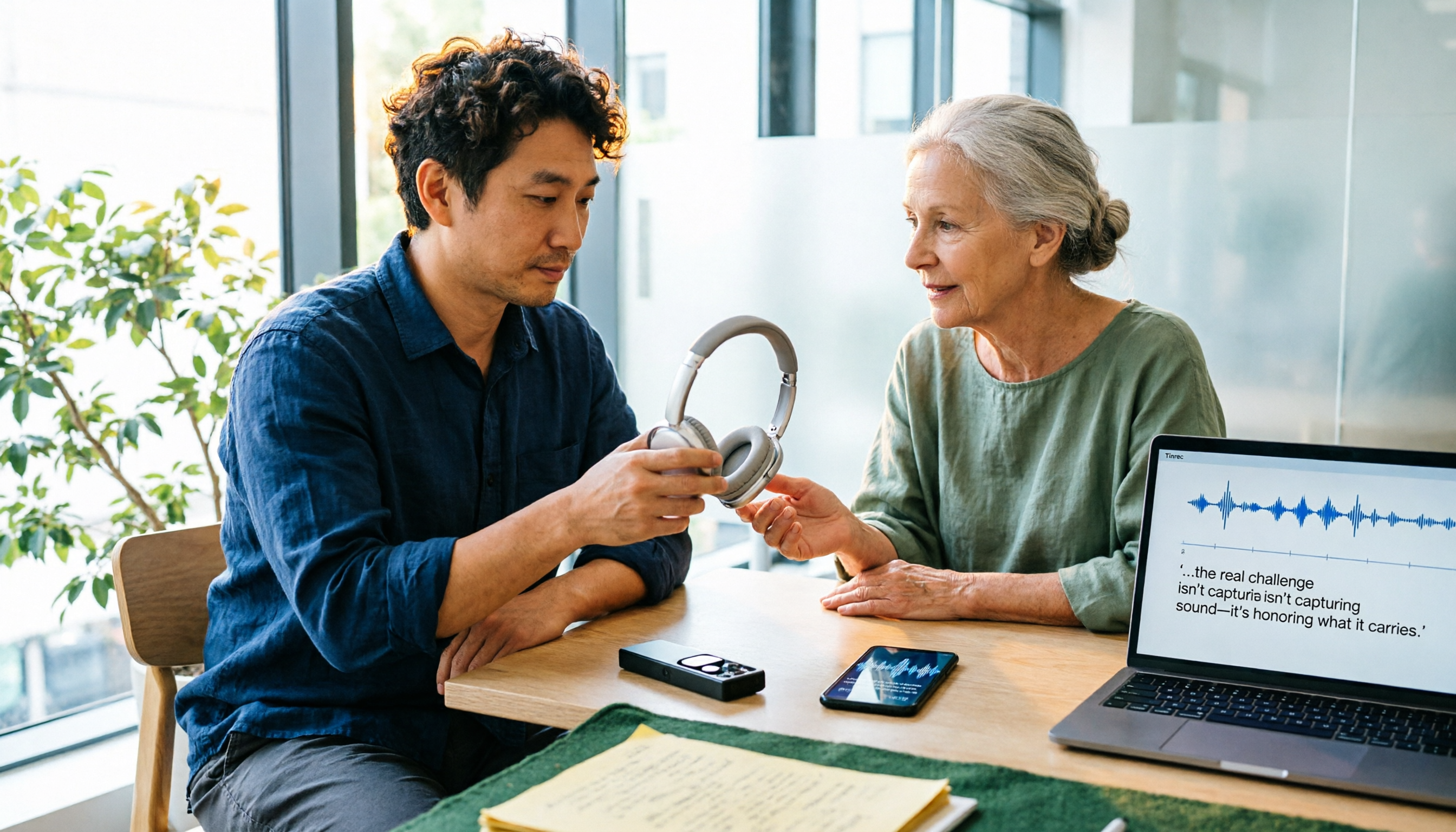
2026 Comparison of 2 Free Audio-to-Text Tools: How to Choose Between Plaud and Tinrec Free Tiers?
People searching for "free Plaud recording files" fall into two groups: those who already own a Plaud device and want to know how the 300 minutes are calculated, and those who haven't bought hardware and just want to turn recordings into free transcripts. This article first breaks down the actual scope and limitations of Plaud's free plan, then explains what Tinrec's free version can do without buying a device, along with buying checkpoints and FAQs.
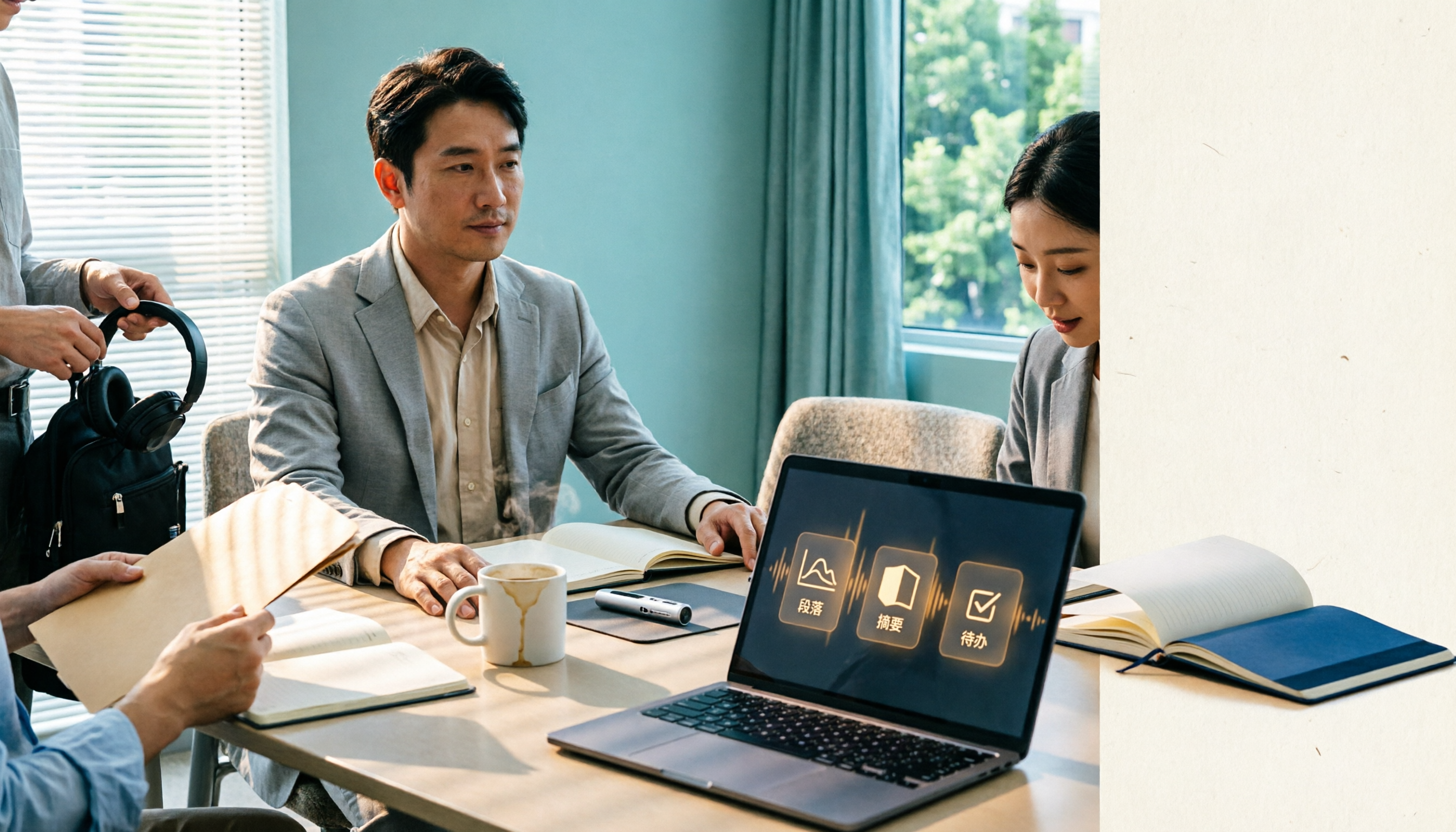
2026 Comparison of 3 Free AI Transcription Solutions: Quotas, Summaries, and Team Collaboration Explained
Is free audio transcription enough? Based on real experience from a mid-level manager with 15 meetings per week, this article compares three free approaches: AI recording hardware, pure transcription services, and meeting note tools like Tinrec. It breaks down differences in free quotas, summary capabilities, action item extraction, and team data retention, and provides 5 purchase decision points and FAQs to help you decide where to spend your free quota.

2026 AI Voice Recorder Comparison: PLAUD vs Tinrec — Which One Should You Choose?
PLAUD is a hardware-based portable AI voice recorder, while Tinrec is a software-based AI meeting notes tool that requires no extra device. This comparison covers hardware needs, online meeting capture, post-meeting organization, legacy audio files, team collaboration, and pricing structure to help you decide which approach fits your workflow.
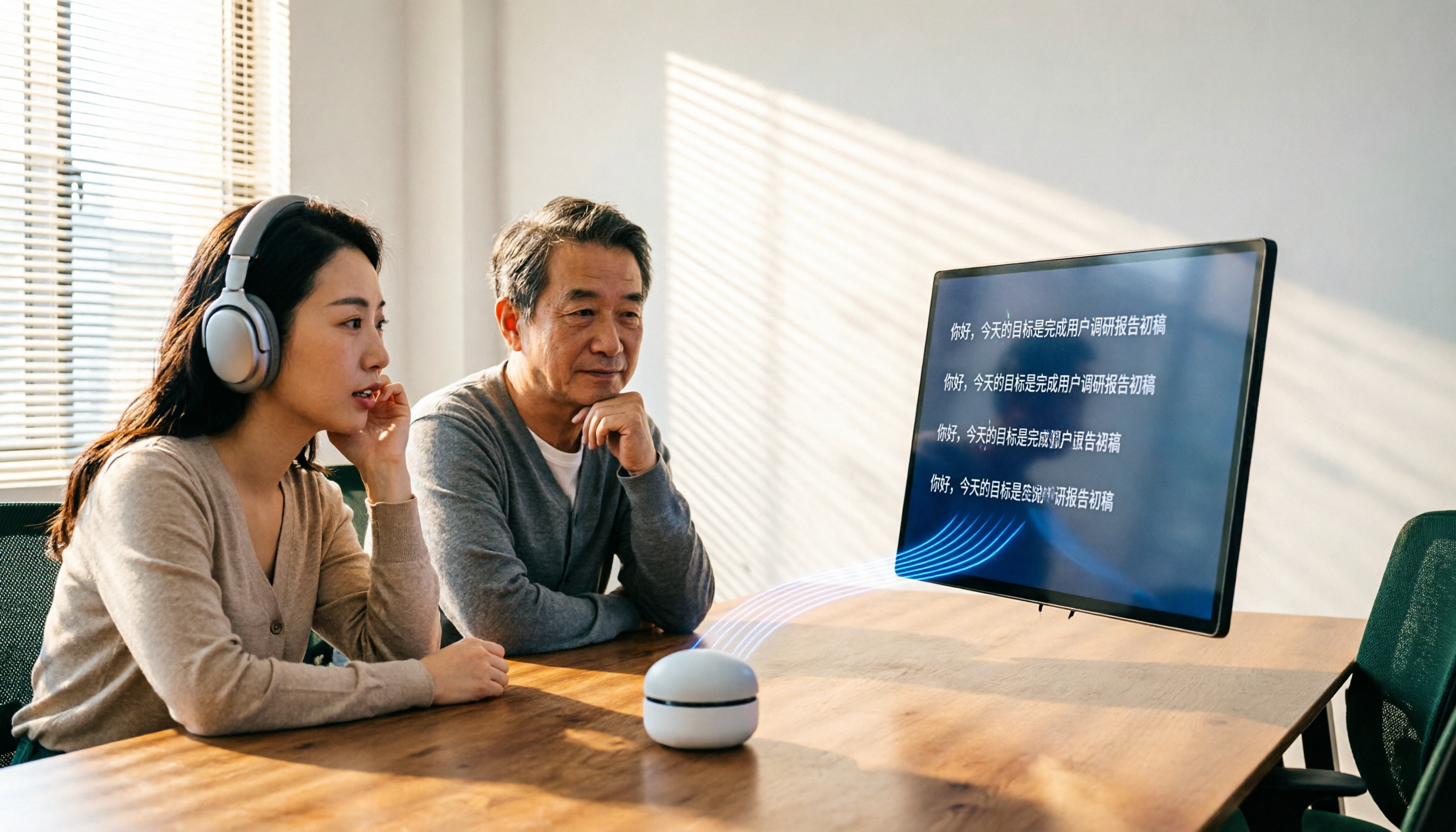
2026 Recording-to-Text Tools Compared: PLAUD Online, Otter, and Tinrec — Which Should You Choose?
Can you use PLAUD's online recording version? This article starts from real-world pain points and compares PLAUD, Otter.ai, Notta, and Tinrec on online meeting recording, Chinese transcription, post-meeting organization, and team collaboration. It also highlights key buying factors and common pitfalls to help you choose a tool you'll actually use long-term.