

Turn recordings into transcripts and summaries in minutes
Upload audio or video for multilingual transcription, AI notes, and action items
Many people first hear about Google Meet and instinctively think of it as "just another video conferencing tool."
But if you only use it for meetings, you're missing out on its real value.
While organizing my own meeting workflow recently, I noticed a common pattern: people use various tools for online meetings, but once the meeting ends, the content gets scattered across everyone's memory.
So this article aims to answer a more fundamental question: What exactly is Google Meet, and how should we use it so that meetings don't go to waste?
What Is Google Meet? Let's Start with a Common Misconception
Google Meet is Google's online video conferencing service.
It works in browsers, on Android, iPhone, and iPad, and integrates deeply with Google Calendar and Gmail.
But many people confuse it with "messaging apps."
The core of Google Meet isn't chat—it's about "enabling a group of people to have real-time discussions at the same time, from different locations."
So if you need to leave messages, share files, or have a slower-paced discussion, Google Chat might be a better fit.
If you need real-time video, screen sharing, and presenting slides together, that's where Google Meet shines.
Misconception #1: Thinking Google Meet Is Only for Meetings
What's most underestimated about Google Meet is its integration with Google Workspace.
You can start a meeting directly from Google Docs, Sheets, and Slides.
This means a meeting isn't an isolated event—it's part of your workflow.
For example, if I'm editing a proposal and realize I need to confirm direction with a teammate, I don't have to leave the document, copy a link, or open another app.
I can start a Meet right from the document, discuss, and then return to the same document to continue working.
This might sound like a small thing, but in practice, it significantly reduces context-switching costs.
Misconception #2: Ending the Meeting Without Turning It into Data
This is the biggest pitfall I see.
Many people finish a Google Meet and consider it done.
What was discussed, who said what, and what to do next—all of it stays in the moment.
A better approach is to set up a place to capture conclusions before the meeting starts.
Google Meet itself offers features like live captions and recording, but more importantly, you need a habit of "post-meeting organization."
For example, right after a meeting, I do three things:
First, I write down all action items mentioned during the meeting.
Second, I organize decisions that need follow-up into a shared note or document.
Third, I make sure each action item has an owner and a deadline.
This way, Google Meet becomes not just "a place for meetings," but an entry point into your team's data flow.
Stop organizing recordings by hand
Upload audio or video and automatically get a transcript, summary, and action items
Misconception #3: Assuming All Video Conferencing Tools Are the Same
Google Meet has a clear advantage: it's tightly integrated with the Google ecosystem.
If you already use Gmail, Google Calendar, and Google Drive, the barrier to entry for Google Meet is very low.
When creating a meeting, you can generate a link directly from a calendar event.
Invitees don't need to install extra software; they can join via their browser.
This is especially convenient for external partners or clients.
On the flip side, if you need very advanced post-production features like full transcripts, AI auto-summaries, or extensive editing, Google Meet's built-in features might not fully meet your needs.
In that case, you can consider pairing it with other meeting transcription tools.
The point isn't "which tool is the best," but "what does your workflow require."
My Recommended Google Meet Workflow
Here's the process I use, divided into three phases: before, during, and after the meeting.
Before: Define the Meeting's "Output"
Don't just write "discuss project status."
Instead, try: "Identify reasons for project delays and produce three actionable improvement steps."
With a clear output, the meeting won't turn into idle chit-chat.
Next, create the meeting link in a Google Calendar event.
That way, everyone can find the entry point at the right time and place.
During: Make Discussions Trackable
If the meeting is long, I turn on live captions.
This is not only helpful for people with hearing or language needs, but it also helps me stay focused.
When someone mentions an important conclusion, I immediately jot it down in a shared meeting note.
Don't wait until after the meeting to try to recall.
After: Turn the Meeting into Searchable Data
After the meeting, I organize the transcript or key points into a shared team space.
If the meeting was lengthy, I use AI tools to generate summaries and action items.
For example, tools like Tinrec can convert meeting recordings into text, then organize them into summaries, chapters, and action items.
The key is to make meeting content searchable, traceable, and reusable.
Quick-Start Checklist
If you want to improve how you use Google Meet starting today, here are six steps:
- Make sure you're using a Google account and have Google Meet installed on your browser or phone.
- When creating a meeting, generate the event and link from Google Calendar.
- Before the meeting, write down the specific outcome you want to achieve.
- During the meeting, turn on live captions and jot down key conclusions.
- After the meeting, organize action items and decisions into a shared document.
- If you need full transcripts and summaries, use a meeting transcription tool.
Google Meet itself isn't complicated.
What's truly challenging is whether we treat meetings as a workflow that needs to be organized.
Test it step by step, and you'll gradually master this approach.
References
Turn every recording into actionable outcomes
Get 60 free transcription minutes when you sign in. No credit card required.
Related Reading
You might also like

Where Do Google Meet Recordings Go in 2026? 4 Tested Ways to Find Them—From Drive to Calendar
Google Meet recordings aren't saved to your computer—they're automatically stored in the meeting organizer's Google Drive folder, 'Meet Recordings.' This article covers 4 ways to locate them, how to download and share, and compares AI meeting tools like Tinrec that fill the gaps in Google Meet's built-in features.

3 Google Meet Meeting Recorders Tested in 2026: Which One Turns Meetings into Trackable To-Dos?
Google Meet makes meetings easy, but post-meeting follow-up is hard. This article tests three different approaches to meeting notes—Tinrec, Granola, and Otter—covering bot-free recording, Chinese summaries, to-do extraction, and team data management, to help you decide which is best for office workers in Taiwan.

Where Are Google Meet Recordings Stored in 2026? 5 Locations Explained
Google Meet recordings aren't saved to your computer—they're automatically stored in the meeting organizer's Google Drive under the 'Meet Recordings' folder. This article covers the 5 most common storage locations and how to find them, plus download, sharing permissions, and common reasons why recordings go missing, saving you from digging through your inbox.
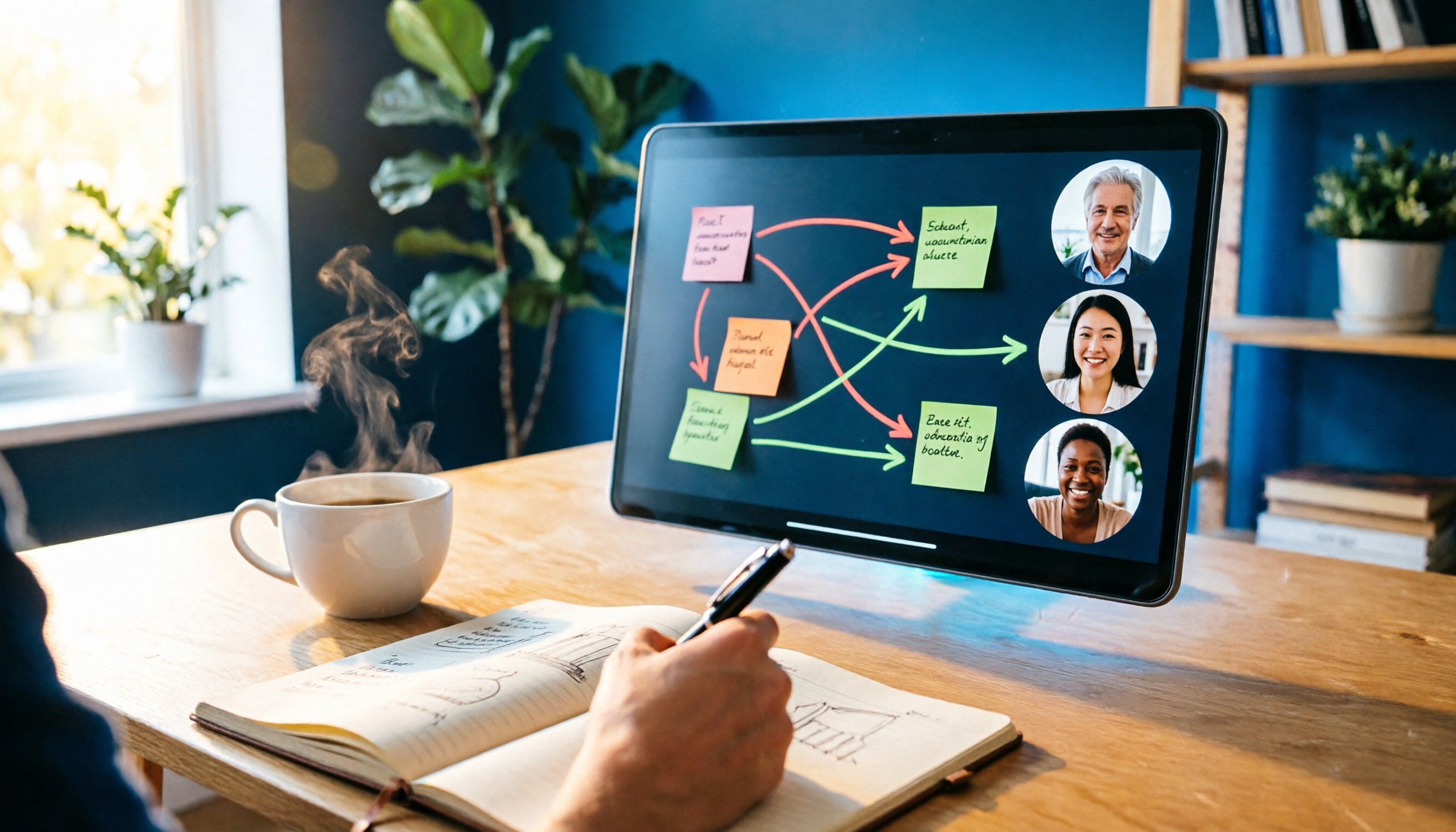
Google Meet Whiteboard Tools Compared in 2025: Which One Is Best for Team Brainstorming?
What whiteboard options does Google Meet offer in 2025? This hands-on comparison of Whiteboard for Google Meet and Collaborative Whiteboard covers installation, collaboration experience, storage capabilities, and free plans to help you find the best whiteboard tool for your team's remote collaboration needs.

Where Is the Google Meet Link in 2026? 3 Common Mistakes and How to Fix Them
Can't find your Google Meet link? This guide walks you through the complete steps to retrieve your meeting link from Google Calendar, Gmail, and meet.google.com, and explains why using the URL bar is the most foolproof method.
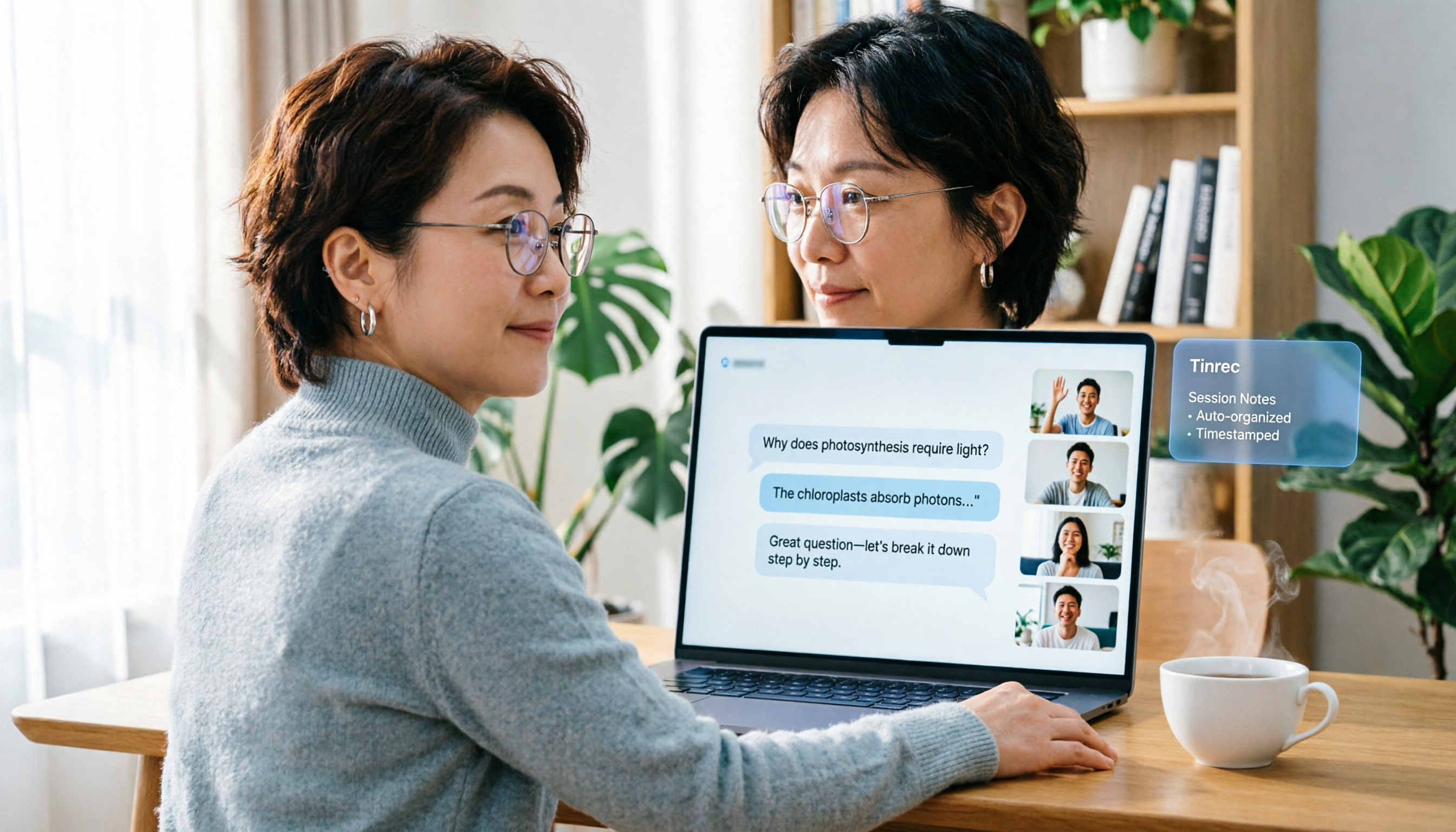
2026 Google Meet Classroom Interaction Features Compared: Which One Best Confirms Whole-Class Understanding in Real Time?
Teachers in Google Meet virtual classrooms need to check all students' understanding simultaneously. Should they use chat, polls, Q&A, or breakout rooms? This hands-on comparison evaluates four features based on ease of use, response records, and whole-class participation, and explains how to pair them with Tinrec to turn class discussions into searchable teaching records.
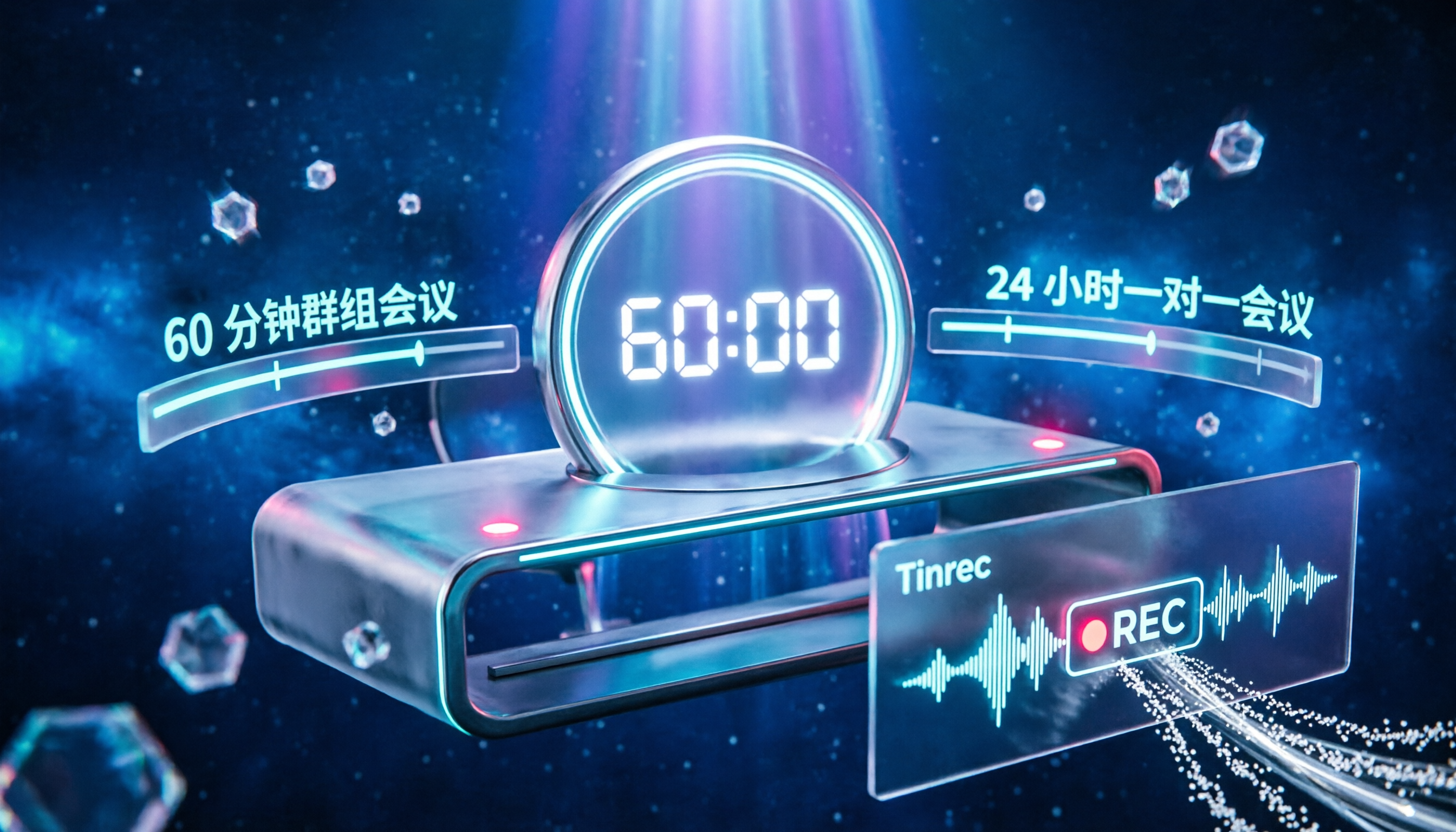
Google Meet Time Limit in 2026: Free 60-Minute vs 24-Hour Plans – How to Choose?
Google Meet's free group calls are capped at 60 minutes, while one-on-one calls can last up to 24 hours. This article breaks down time limits across plans, what happens when you hit the cap, and how to use Tinrec to preserve your meeting content.

Google Meet App in 2026: How to Record, Transcribe, and Summarize Meetings Without Bots – A Complete Guide
What is the Google Meet app? This guide, based on hands-on testing from a small team manager's perspective, explains Meet's core uses, free-tier limitations, and how to use Tinrec desktop to record Meet meetings without bots, automatically generating transcripts, summaries, and action items.

What Is Google Meet Used For in 2026? 5 Key Uses and 3 Common Misconceptions
Google Meet is more than just a video conferencing tool. From a Hong Kong professional's perspective, this article breaks down the 5 practical uses of Google Meet, the limitations of the free version, and how to pair it with AI meeting tools like Tinrec to save time on meeting notes.