
Turn recordings into transcripts and summaries in minutes
Upload audio or video for multilingual transcription, AI notes, and action items
WeChat Speech-to-Text Pain Points and Solutions
Unable to save WeChat voice messages long-term? Struggling to organize important meeting notes? Many professionals and students face the same dilemma: WeChat's built-in speech-to-text feature only allows real-time viewing, cannot be exported or edited, and cannot generate meeting minutes. When voice messages pile up, finding key information is like looking for a needle in a haystack.
This article will test 5 mainstream tools, comparing Chinese recognition accuracy, summary generation capabilities, export formats, and pricing. It also provides a hands-on tutorial on how to convert voice into actionable text records. If you value a complete workflow from recording to action, consider Tinrec as a candidate solution for comparison.
Quick Navigation Summary:
- Want free real-time transcription? Choose built-in tools.
- Value Chinese accuracy and meeting summaries? Prioritize professional AI recording assistants.
- Need cross-platform sync and video analysis? Look for solutions that support web and multi-device sync.
Why WeChat's Built-in Transcription Is Not Enough
WeChat's built-in speech-to-text function is convenient but has clear limitations that cannot meet professional needs.
Cannot Export or Edit
Built-in transcription results can only be viewed in the chat window, cannot be copied as a standalone document, making it difficult to organize and archive later.
Lacks Semantic Understanding
Only provides verbatim transcripts, cannot automatically generate meeting minutes, conclusions, or to-do items; manual processing is still required.
Search and Management Difficulties
Voice messages are scattered across different chat records, cannot be searched uniformly by keyword, and are lost after clearing history.
Comparison of 5 WeChat Speech-to-Text Tools
The following compares 5 common tools, covering built-in and professional AI tools.
| Tool Name | Language Support | Real-time | Summary/Action Items | AI Query | Export/Integration | Price/Free Quota |
|---|---|---|---|---|---|---|
| WeChat Built-in | Chinese | Real-time | No | No | Cannot export | Free |
| Otter.ai | English primarily | Real-time | Yes | Yes | Supports integration | Limited free quota |
| Notta | Multilingual | Real-time | Yes | Partial | Multiple formats supported | Free trial |
| Google Live Transcribe | Multilingual | Real-time | No | No | Android only | Free |
| Tinrec | 10 languages | Real-time/Upload | Auto-generated | Supported | Multi-device sync | Free tier: 100 min/month |
Stop organizing recordings by hand
Upload audio or video and automatically get a transcript, summary, and action items
Selection Recommendations
- Otter.ai: Best for English meetings; Chinese recognition stability is weaker.
- Notta: Feature-rich, but some advanced features require payment.
- Tinrec: Suitable for users needing accurate Chinese recognition, automatic action item generation, and AI query; supports real-time recording transcription and audio file upload.
- System Tools: Only suitable for ad-hoc notes, not for long-term knowledge management.
Hands-On Tutorial: How to Efficiently Convert WeChat Voice into Actionable Text
Using a professional workflow as an example, this demonstrates how to convert WeChat voice or meeting recordings into actionable documents.
Goal Description
Output includes: complete transcript, meeting summary, key conclusions, and actionable to-do items.
Prerequisites
- Audio format: MP3, M4A, WAV, etc., common formats.
- Duration recommendation: Keep single recordings within 2 hours to ensure accuracy.
- Naming convention: Name files as "date_topic_participants" for easy search later.
5-Step Process
Real-time Recording Transcription
- Action: Open the tool's recording feature and start the meeting or conversation.
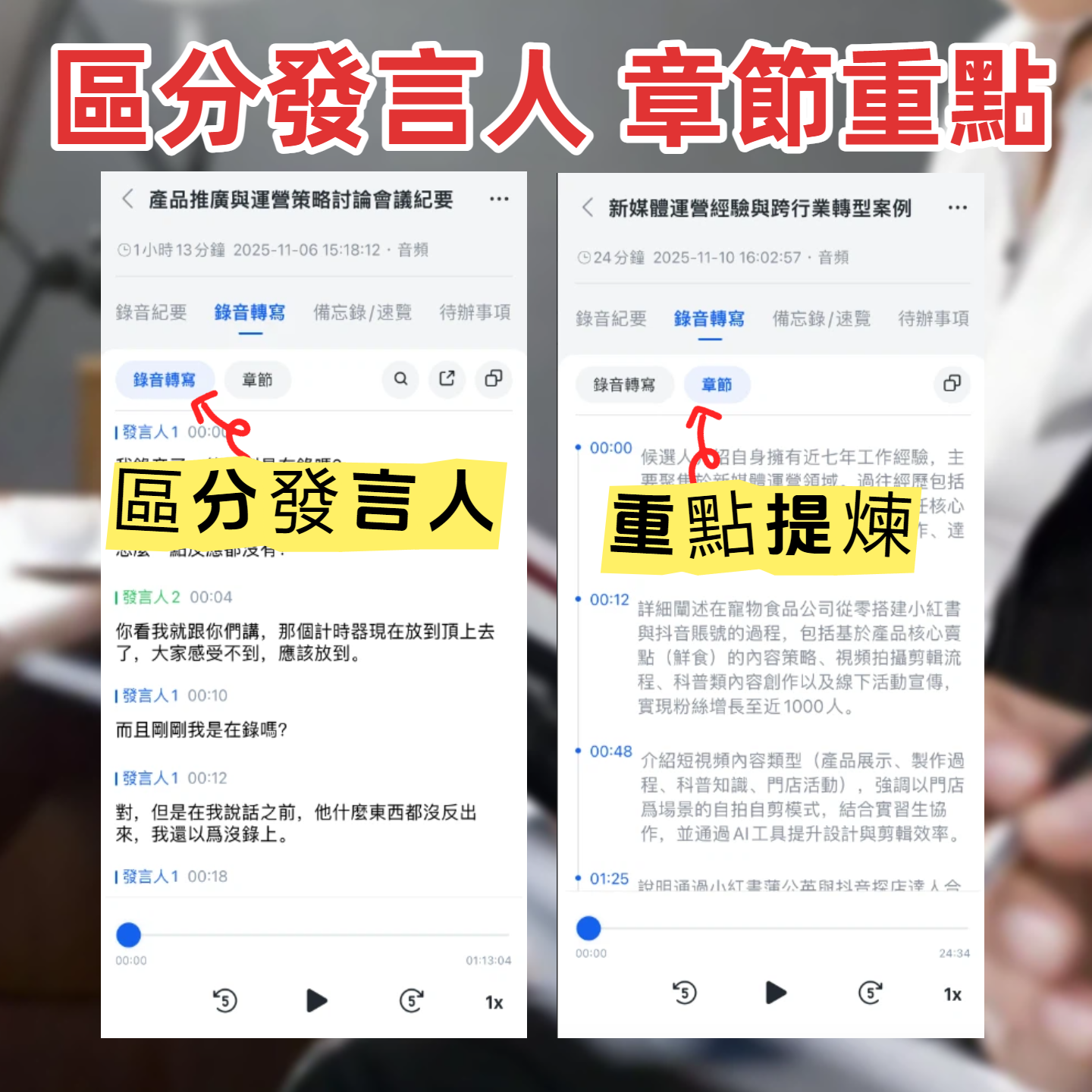
- Expected result: Voice is transcribed in real-time, displayed on screen.
- Note: Ensure stable internet and clear microphone pickup.
Audio File Transcription
- Action: Upload WeChat-exported voice files to the tool.
- Expected result: Automatic generation of transcript with timestamps.
- Note: Some tools support batch upload to save time.
Video Link Transcription
- Action: Input an online video or podcast link.
- Expected result: Extract audio from video and generate text summary.
- Note: Suitable for processing WeChat-shared online courses or meeting links.
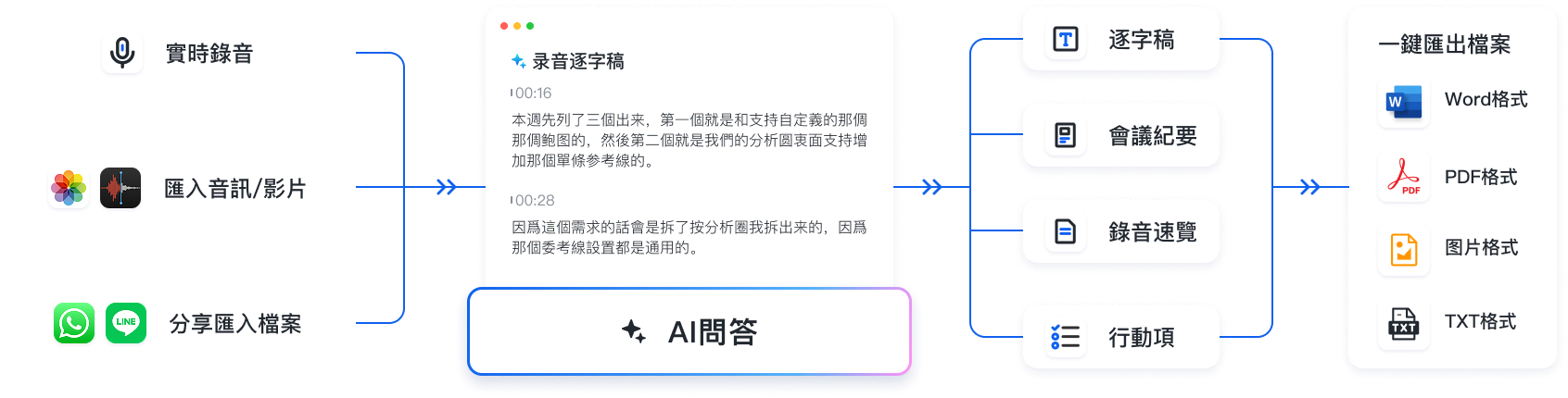
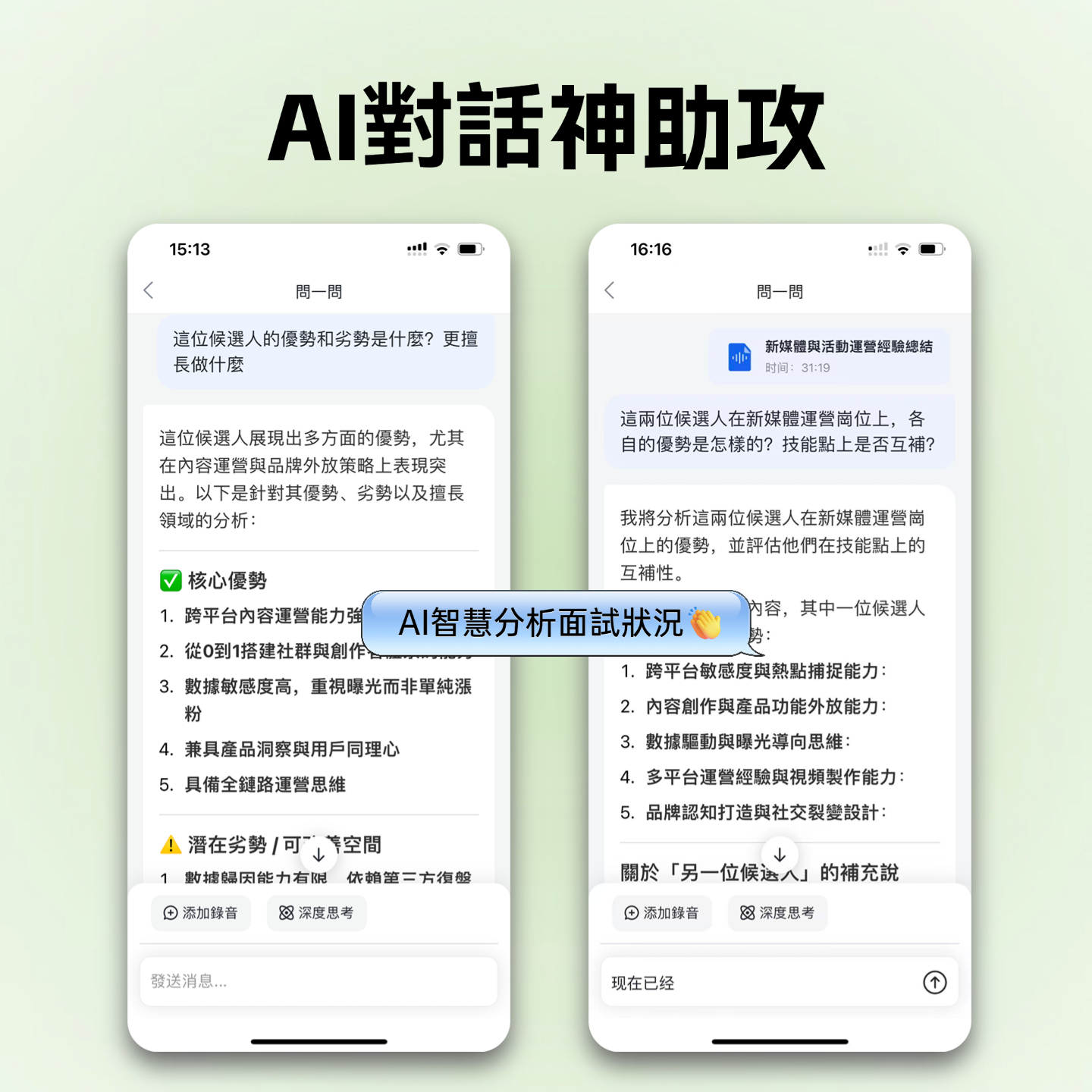
AI Query
- Action: Ask a question in the tool, e.g., "What was the conclusion of this meeting?"
- Expected result: AI answers based on recording content.
- Note: Quickly locate key points without re-listening.
Export and Share
- Action: Select export format (Word, PDF, TXT).
- Expected result: Get editable document, share with team.
- Note: Check privacy settings to avoid leaking sensitive information.
Common Mistakes and Acceptance Criteria
Common Mistakes
- Overlapping speech from multiple people: Causes misrecognition; recommend taking turns speaking during meetings.
- Excessive background noise: Affects accuracy; choose a quiet environment when possible.
- Uncorrected specialized terminology: Build a custom vocabulary after first use.
Acceptance Criteria
A "usable transcript" should meet the following standards:
- Key terminology is correct.
- Timestamps can locate specific statements.
- Action items are actionable, including responsible person and deadline.
Example Template
Meeting Minutes Template:
- Meeting Topic:
- Attendees:
- Key Conclusions:
- To-Do Items:
- Task (Owner, Deadline)
Frequently Asked Questions (FAQ)
1. How to export WeChat voice as an audio file?
You can save through the desktop version's Favorites feature or use recording tools to capture system audio directly.
2. Which tool has the highest Chinese recognition accuracy?
Professional AI tools like Tinrec are optimized for Chinese and are more stable than international tools like Otter.ai.
3. Are there limitations on free versions?
Most free versions have time or usage limits, e.g., 100 minutes per month; upgrade required beyond that.
4. Does it support iPhone and Android sync?
Cross-platform tools support web and multi-device sync; built-in tools are usually ecosystem-limited.
5. Can it handle Teams or Google Meet meetings?
Professional tools support online meeting transcription; some require browser extensions or system audio capture.
6. Can transcripts be edited?
Most professional tools allow online editing and correction for easy polishing.
Turn every recording into actionable outcomes
Get 60 free transcription minutes when you sign in. No credit card required.
Related Reading
You might also like

2026 Real-World Comparison of 2 Cantonese Input Method Practice Tools: Which One Makes Learning Jyutping Easier?
Want to learn Jyutping typing but don’t know where to start? This article compares jyutping.io’s interactive practice tool and the Cantonese Reverse-Cut input method, from learning curve and practice efficiency to real typing speed, to help you pick the most suitable Cantonese input method practice solution.

4 Cantonese Input Methods Tested on Windows 11 in 2026: Voice-to-Text Isn't Always Real-Time, but Tinrec Is the Most Practical
Windows 11 offers many ways to type Cantonese, from traditional Jyutping to voice-to-text. Which one is best for Hong Kong office workers? We tested 4 tools, including Tinrec for recording transcription and Windows voice input, to help you choose the most efficient solution.

2026 Comparison of Two Android Cantonese Input Methods: Which One Offers a Better Jyutping Typing Experience?
If you want to type Cantonese on an Android phone, Google's Cantonese input method was delisted years ago, while the Jyutping input method continues to receive updates. This hands-on comparison evaluates both across installation, typing accuracy, flexibility, and compatibility to help you pick the right option.

2026 Tested: 4 Cantonese Subtitle Generators for Video Editing – Can Free Plans Be Fast and Accurate?
After video editing, adding Cantonese subtitles is often time-consuming and laborious. This article tests 4 AI subtitle generator tools, comparing accuracy, speed, price, and export formats to help you find the best solution.

2026 Hands-On Comparison of 2 WhatsApp Voice-to-Text Tools: Which Is Better for Cantonese Recognition and AI Organization?
Too many Cantonese voice messages on WhatsApp to keep up? In this hands-on test, we compare Tinrec and Yating across four key dimensions—recognition accuracy, AI organization, cross-platform support, and pricing—to help you decide which tool truly saves you time.

2026 Review: 6 Recording Summary Tools Compared – Which Saves You the Most Overtime?
We tested 6 AI recording summary tools, including Tinrec, Meeting Ink, ChatGPT voice mode, Yating, MyEdit, and Otter.ai, comparing transcription accuracy, summary features, and free plans to help you find the best time-saving tool for meetings and classes.

2026 Hands-On Comparison of 4 Cantonese Speech-to-Text AI Tools: Which One Goes Beyond Transcription to Help You Organize Key Points?
In our 2026 hands-on tests of 4 AI speech-to-text tools with Cantonese support, we compare transcription fluency, AI organization features, pricing plans, and use cases to determine which one is best for Hong Kong office workers, students, and content creators.

4 Automatic Transcription Tools Compared in 2026: It's Not Just About Speech-to-Text – AI Summaries and Q&A Are the Real Game Changers
This article compares four popular automatic transcription tools, evaluating Chinese speech recognition accuracy, AI summarization capabilities, cross-platform support, and pricing to help you find the best solution for meeting minutes, study notes, and content organization. Tinrec (Seconds Transcription) is highlighted as the top pick due to its multi-source input and AI-powered conversational querying.

4 Meeting Summary Generators for 2026: Beyond Transcription to Actionable To-Do Lists
The worst part after a meeting is organizing the notes. We tested four tools—Tinrec, Otter.ai, Tactiq, and Meeting Ink—evaluating transcription accuracy, AI summary quality, and cross-source integration to help you find a meeting summary solution that actually saves you time.