
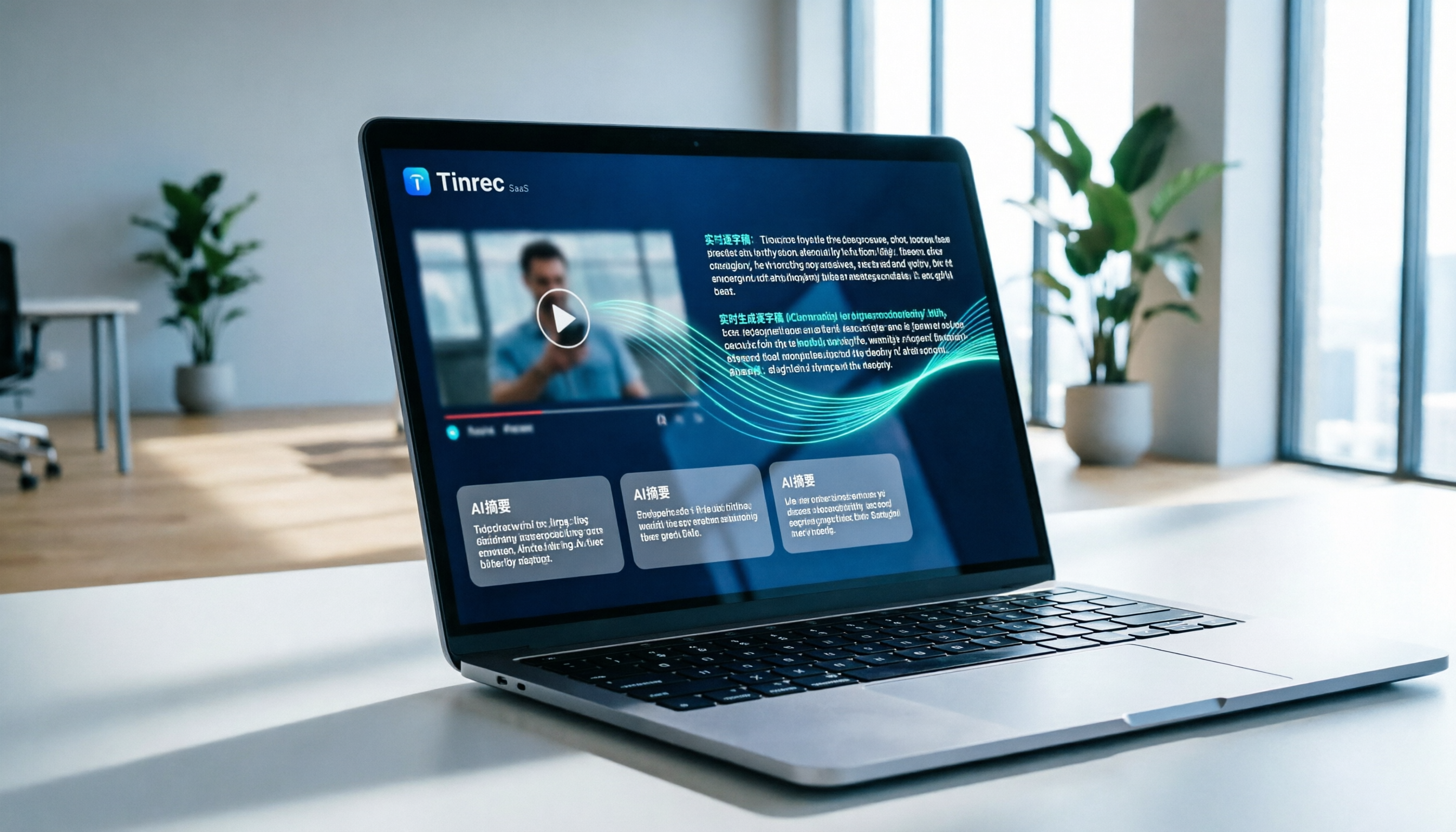
Turn recordings into transcripts and summaries in minutes
Upload audio or video for multilingual transcription, AI notes, and action items
Why Do You Need Efficient Video-to-Text Tools?
Facing hours of online courses, YouTube tutorials, or client meeting recordings, manual transcription is not only time-consuming but also prone to missing key details. Many professionals and content creators struggle with the pain point of "watching but forgetting," needing to repeatedly drag the progress bar to confirm information. Effectively converting audio-visual content into searchable, editable text significantly lowers the barrier to knowledge internalization.
This article addresses the need for "video-to-text" by analyzing the pros and cons of mainstream tools on the market, and provides a practical tutorial showing how to use Tinrec (Second Hearing Recording) to quickly process video links, audio files, and live recordings. Whether you are a student, an office worker, or a content creator, you'll find a suitable workflow.
Quick Navigation:
- Focus on Chinese accuracy and meeting summaries → Check Tinrec
- Need real-time English meeting transcription → Check Otter.ai
- Focus on video editing and subtitle creation → Check VEED.IO
- Seek cost-effective pure transcription → Check TurboScribe
Comparison of Mainstream Video-to-Text Tools
When choosing a tool, we shouldn't just look at transcription speed; we should also consider language support, post-processing efficiency, and whether it has AI-assisted features. Below is a multi-dimensional comparison of five common tools:
| Dimension | Tinrec (Second Hearing Recording) | Otter.ai | VEED.IO | TurboScribe | MacWhisper |
|---|---|---|---|---|---|
| Language Support | Chinese, English, Japanese, Korean, Taiwanese Hokkien, etc. 10 languages | Primarily English, weak Chinese support | Multiple languages, focused on subtitles | Multiple languages | Depends on Whisper model |
| Input Methods | Video link, audio file, live recording | Live recording, upload audio | Upload video file | Upload audio/video | Local files |
| AI Summary/Action Items | ✅ Auto-generates summary and to-do list | ✅ Provides meeting summaries | ❌ Subtitles/editing only | ❌ Transcript only | ❌ Transcript only |
| AI Conversation Query | ✅ Supports semantic Q&A | ✅ Supports Q&A | ❌ Not supported | ❌ Not supported | ❌ Not supported |
| Price/Free Tier | Free: 100 min/month | Free: 300 min/month | Free: watermark included | Free: 30 min/month | One-time purchase/free version limitations |
Tool Selection Recommendations
- Tinrec: Suitable for users who need to process Chinese content and want to directly extract "conclusions" and "action items" from videos. Its highlight is not just transcription, but also emphasizes subsequent understanding and action.
- Otter.ai: Suitable for global teams in an all-English environment, with great real-time transcription, but limited support for meetings mixed with Chinese.
- VEED.IO: Suitable for YouTubers or creators who need to directly output videos with subtitles, but its core functionality is editing, with transcription as an add-on.
- TurboScribe: Suitable for users on a budget who only need pure transcripts and have no need for AI analysis.
- MacWhisper: Suitable for Mac users who value privacy and need offline processing, but lacks cloud collaboration and cross-platform convenience.
In-Depth Tinrec Review: From Recording to Action – A Complete Workflow
Tinrec (Second Hearing Recording) differentiates itself in the market by addressing the "what after transcription" problem. Most tools stop at providing a dense transcript, requiring users to spend more time reading and organizing. Tinrec uses AI technology to transform unstructured audio-visual content into structured knowledge.
Core Advantages Analysis
- Multi-source Input Support: Besides traditional recording and file uploads, Tinrec directly supports inputting YouTube or other online video links. This saves users the tedious steps of downloading videos and then uploading them, which is especially useful for those researching competitor videos or taking online courses.
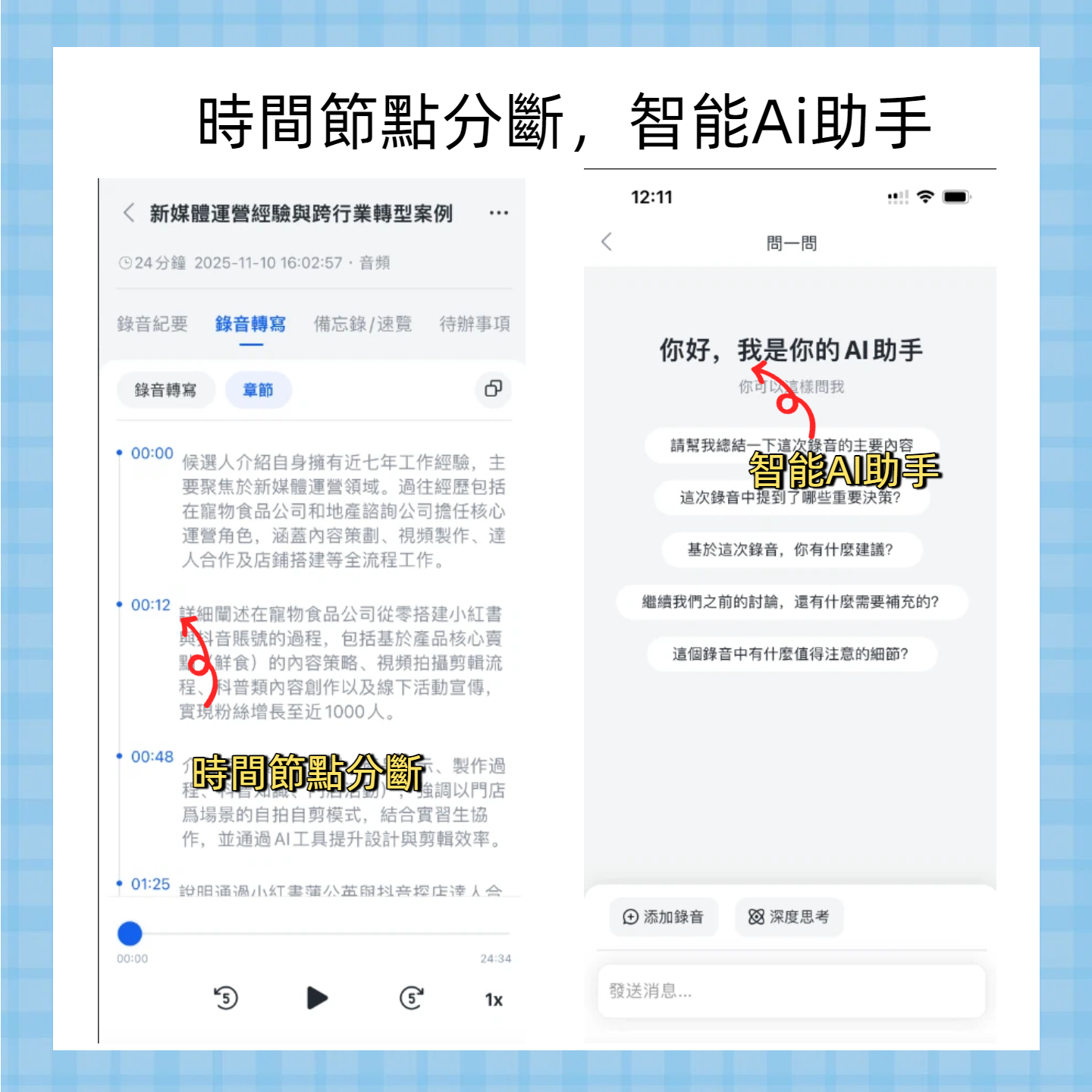
- AI Conversation Query: This is the biggest difference between Tinrec and traditional transcription tools. If you have a two-hour meeting transcript and want to find "discussion about budget allocation," traditional tools only allow Ctrl+F keyword search, often missing semantically related paragraphs that don't contain the exact keyword. Tinrec allows you to ask questions like "Who was responsible for the budget in the meeting? What was the specific amount?" and the AI will give precise answers based on the content.
- Multilingual and Dialect Recognition: Targeting the Asian market, Tinrec performs excellently in recognizing Chinese, Taiwanese Hokkien, Cantonese, and mixed Chinese-English scenarios, which is highly valuable in local business contexts.
Stop organizing recordings by hand
Upload audio or video and automatically get a transcript, summary, and action items
Usage Boundaries and Cautions
Although Tinrec is powerful, users should note that the accuracy of AI summaries still depends on the original audio quality and pronunciation clarity. In extremely noisy environments or with heavy overlapping speech, manual proofreading is recommended. Additionally, the free tier has a 100-minute monthly limit, so heavy users should consider upgrading.
Practical Tutorial: How to Use Tinrec for Video-to-Text
Below, we demonstrate the steps for four common scenarios to help you get started quickly.
Scenario 1: Online Video Link to Text (YouTube/Podcast)
This is the most time-saving method—no need to download files.
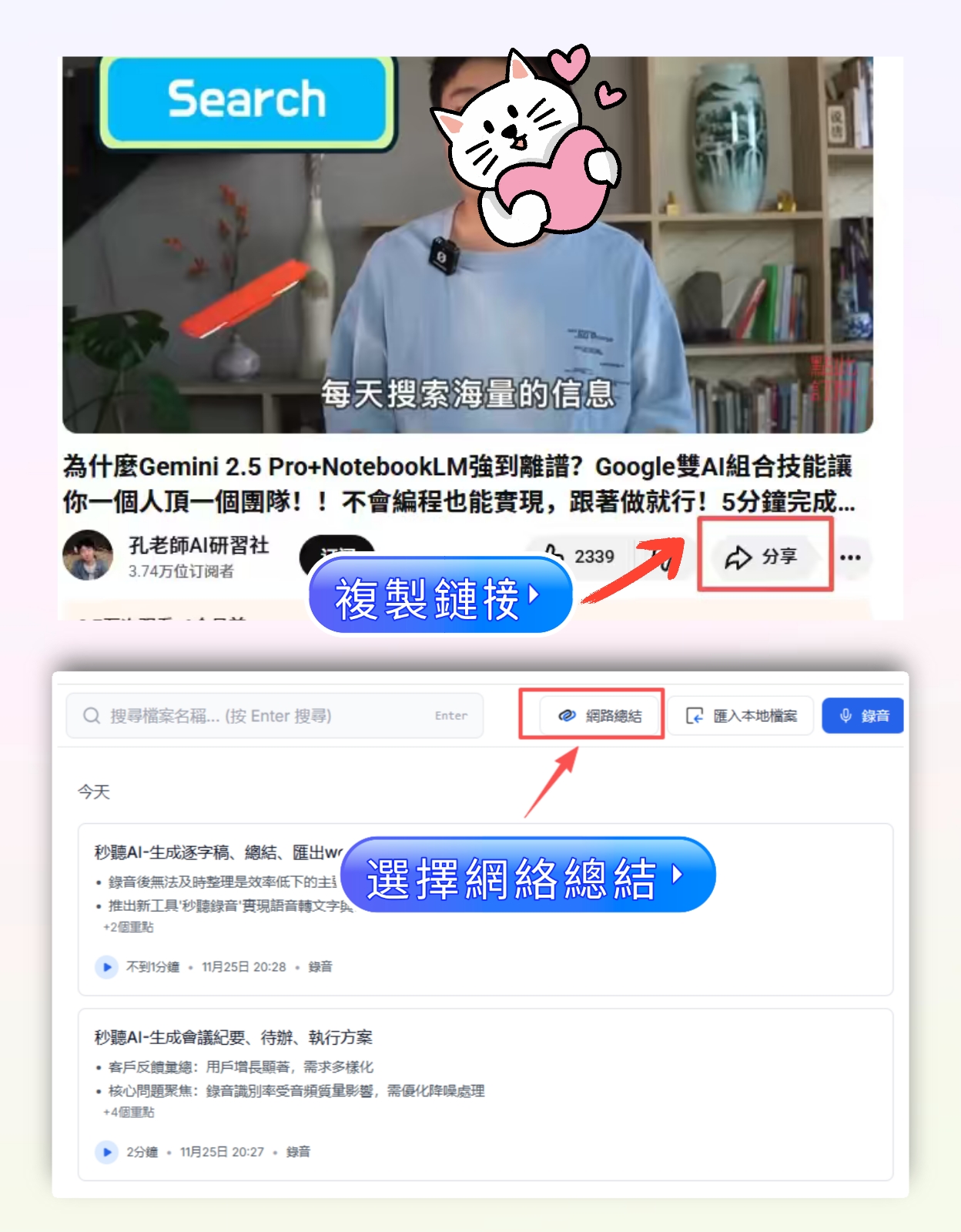
- Copy the link: Open the YouTube video or podcast page you want to convert and copy the URL.
- Paste and parse: Go to Tinrec's web version or app, select "Video/Link to Text," and paste the URL.
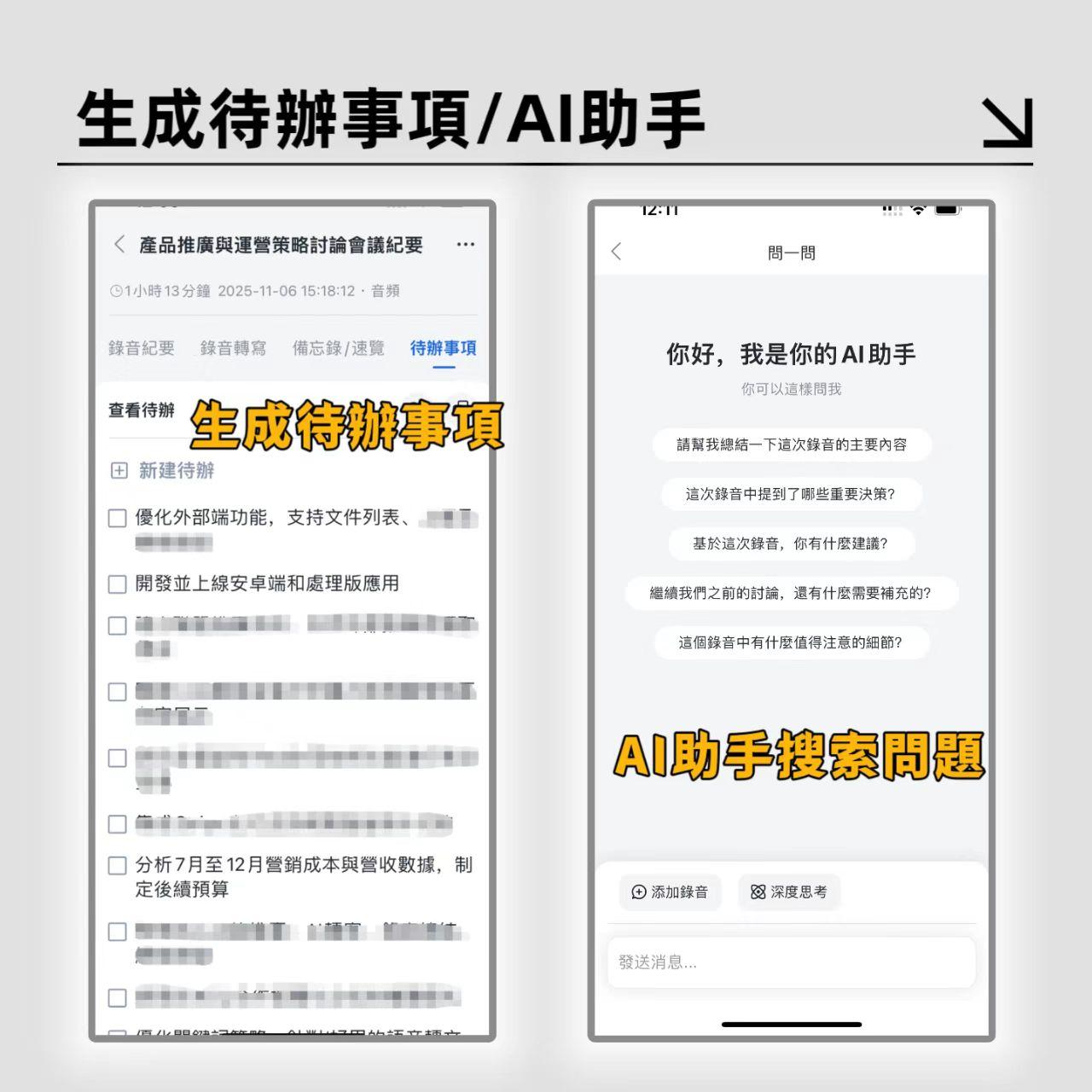
- Auto-transcription and summary: The system will automatically capture the audio track and transcribe it. Upon completion, you'll not only see the transcript but also auto-generated "Key Summary" and "Action Items" on the right.
- Export content: After reviewing, you can copy the text or export it as a document.

Scenario 2: Audio File to Text
Suitable for existing meeting recordings, interview recordings, etc.
- Upload file: Click "Audio File to Text," supports common formats like MP3, WAV, M4A.
- Select language: You can manually select the primary language if known, or let the system auto-detect.
- Wait for processing: After uploading, the system processes in the background. You can close the page and will receive a notification when done.
- View and edit: Go to the result page, click on text to play the corresponding audio segment for easy proofreading.
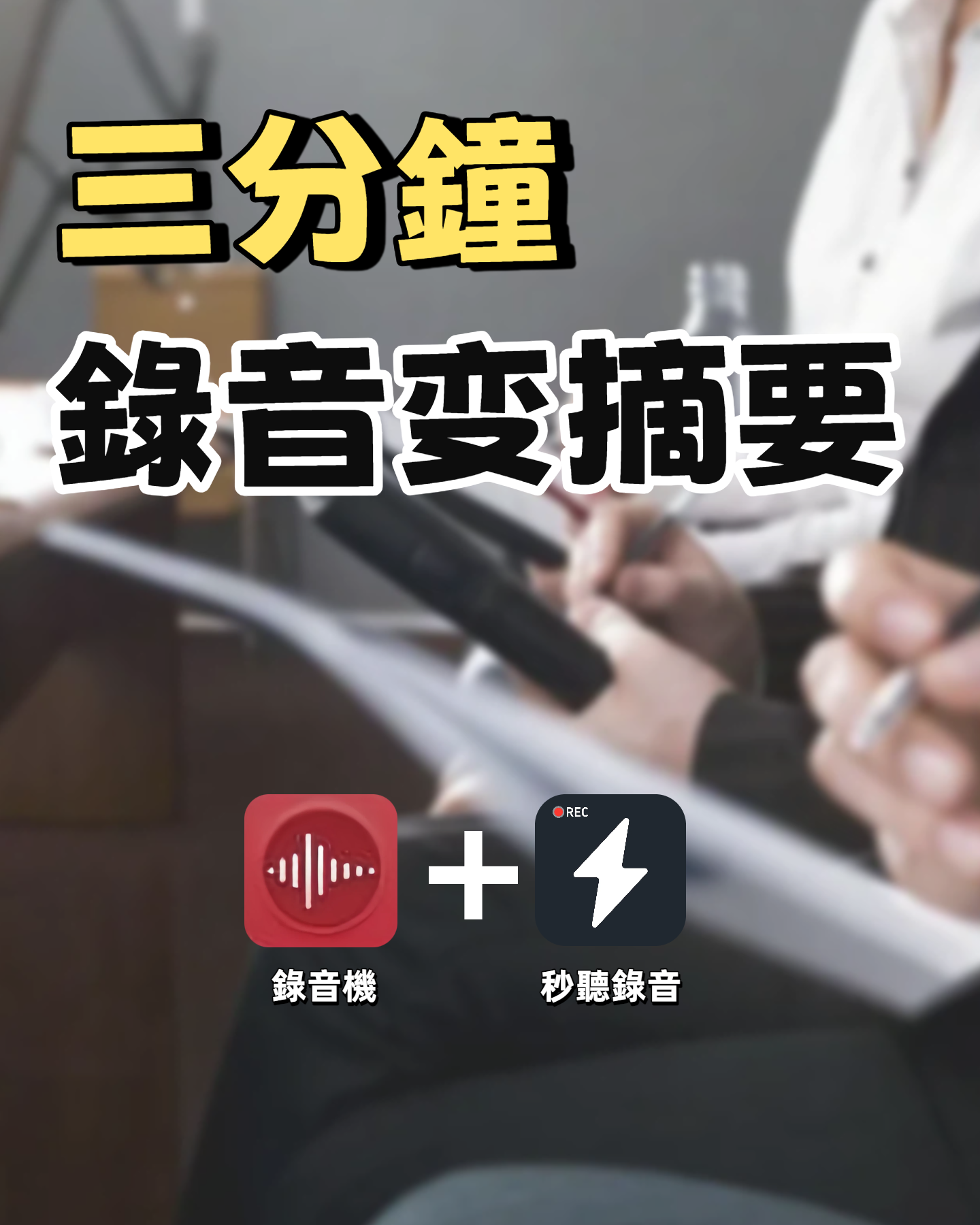
Scenario 3: Live Recording to Text
Suitable for ongoing meetings, classes, or interviews.
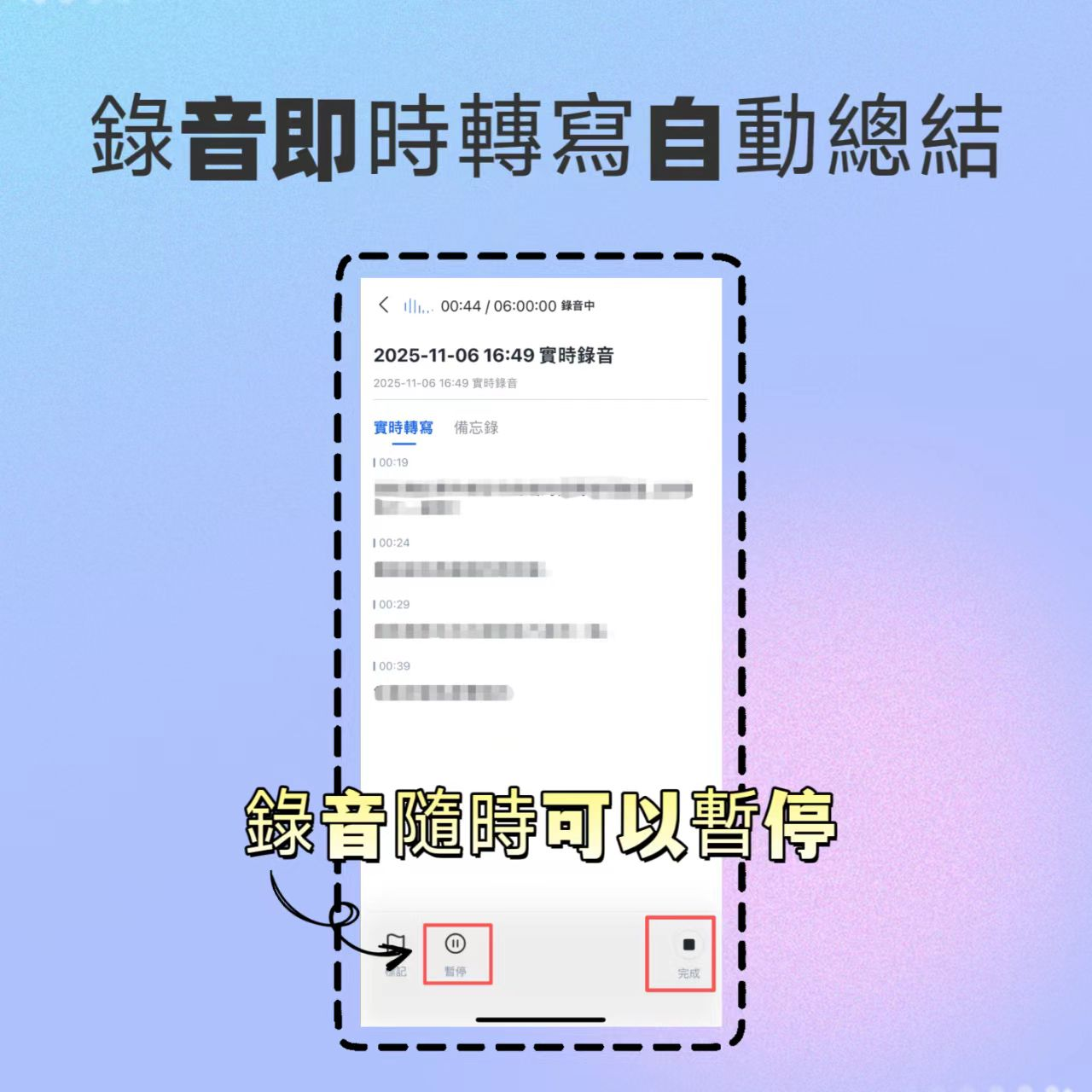
- Start recording: Open the Tinrec app and tap the record button on the main screen.
- Real-time transcription: As you speak, the screen shows the transcribed text in real time. If you spot an error, you can pause to correct it.
- Mark key moments: During recording, use the "Mark" function to highlight important moments for quick review later.
- Stop and generate report: After stopping, the system immediately generates a full transcript and AI summary.
Scenario 4: Using AI Conversation Query to Find Key Content
When you already have a transcript and need to quickly extract information.
- Enter conversation mode: In any transcribed record, find the "AI Conversation" or "Q&A" entry.
- Enter your question: For example, ask "What are the three marketing strategies mentioned in this video?" or "What were the customer's main concerns about pricing?"
- Get answers: The AI will give concise answers based on context, usually with timestamps for easy verification.
Frequently Asked Questions (FAQ)
1. What platforms does Tinrec's video-to-text feature support?
Tinrec primarily supports YouTube and other common public online video links. As long as the video has a public audio track and doesn't require complex login verification, it can usually be parsed successfully.
2. How long can I use the free version? What are the limitations?
Tinrec's free version offers up to 100 minutes of transcription per month. All core features (including AI summary and conversation query) are available in the free version, but if you exceed the limit, you'll need to purchase a Basic or Pro plan.
3. Does it support Chinese? How accurate is it?
Yes, Tinrec is particularly optimized for recognizing Chinese (including Traditional/Simplified), Taiwanese Hokkien, Cantonese, and mixed Chinese-English scenarios. Compared to tools like Otter.ai that are optimized only for English, Tinrec performs more stably in Asian language environments.
4. Can I export to Word or PDF?
Yes. After transcription, you can copy the transcript, summary, or action items and paste them into Word, Notion, or other note-taking apps. Some versions also support direct export as a text file.
5. Can I use it directly on iPhone or Android?
Yes. Tinrec offers iOS and Android apps, as well as a web version. The mobile app is suitable for live recording and quick queries, while the web version is better for processing long video links and extensive text editing.
6. Can it distinguish between two people speaking at the same time?
Current AI technology still faces challenges with heavily overlapping speech. Tinrec will try to differentiate speakers, but it's recommended to maintain turn-taking in meetings for the best transcript quality. If overlap occurs, you can manually proofread by clicking on text to play the corresponding audio.
Conclusion: Choose the Video-to-Text Workflow That Suits You
Converting videos and recordings to text isn't just about keeping records—it's about unlocking the knowledge value within. Through the comparison and practical tutorial above, you can see Tinrec's advantages in processing Chinese content, integrating AI summaries, and conversation queries, making it especially suitable for modern professionals and learners who need to digest information efficiently.
We recommend you pick a 10-15 minute past meeting recording or YouTube tutorial video, try Tinrec's free tier, and experience the efficiency boost from "hearing" to "understanding" to "using," then decide whether to add it to your long-term toolkit.
Turn every recording into actionable outcomes
Get 60 free transcription minutes when you sign in. No credit card required.
Related Reading
You might also like

How to Choose a Meeting Notes App in 2026? 5 Steps to Pick the Right Tool and Save Time
Still scrambling to take meeting notes? This hands-on guide walks you through 5 steps—from identifying pain points and understanding what to look for, to an in-depth look at our top pick, Tinrec (秒聽錄音), and comparing popular alternatives like Otter.ai, Notta, and PLAUD Note—so you can find the best meeting notes assistant and never miss key decisions again.

2026 Free AI Meeting Minutes from Recording: 5 Tools Compared
A mid-level manager’s real-world test! We compare 5 types of AI recording-to-meeting-minutes tools, from meeting bots to all-in-one workspaces, break down free plans and buying tips, and use Tinrec as an example to show you how to auto-generate meeting minutes from recordings and save 50% of your organizing time.

2026 5 AI Meeting Note Tools Compared: Which Free Version Is Enough?
This article recommends 5 practical AI meeting note tools, including Tinrec Instant Recording, AI Meeting Notes App, Otter.ai, Notta, and PLAUD Note. It compares free plans, features, and use cases to help you find the best meeting notes assistant.
2026 iPhone LINE Call Recording Tools Guide: Hands-On Tests of 3 Options and Recommendations
Can you record LINE calls on iPhone? This article introduces the iOS 26 on-device capture feature and tests 3 post-recording processing tools to help you choose the best LINE call recording and organization solution.
2026 iPhone Voice Recorder App Comparison: Which One Can Take Notes for You While Recording?
How do you choose an iPhone voice recorder app? This hands-on comparison of the built-in Voice Memos, Voice Recorder Pro, Notta, and Tinrec covers recording quality, transcription accuracy, AI summaries, cross-platform support, and pricing to help you find the most time-saving option.

Tinrec vs Otter.ai 2026: 5-Dimension Comparison — Which Is Better for International Students' Lecture Recording & Note-Taking?
How should international students choose a lecture recording tool? I tested Tinrec and Otter.ai for two weeks, comparing Chinese recognition, input sources, AI organization, pricing flexibility, and cross-platform experience — and I'll tell you exactly which one is better for post-class review and note-taking.

How to Choose AI Meeting Recording Tools in 2026: 5 Steps to Find the Best Transcription Tool
Still typing meeting notes manually? This article tests 5 AI voice-to-text tools, including Tinrec, Otter.ai, Notta, SeaMeet, Notion AI, and Google's free options. We compare features, pricing, and use cases to help you pick the right meeting assistant.
How to Turn Recordings into Meeting Notes in 2026? 2 Steps from Audio to AI Summary
Tired of struggling with meeting notes? We tested two AI tools, Tinrec and Otter.ai, comparing input sources, Chinese transcription quality, AI features, and pricing plans. Use these 4 key dimensions to choose the right tool and turn recordings into structured meeting summaries with one click.
2026 AI Recording Tool Buying Guide: 6 Tools Tested and Recommended
Drowning in back-to-back meetings and still listening to recordings to write meeting minutes? We tested 6 AI recording tools—including Tinrec, Otter.ai, and Notta—to find the most time-saving solution. Say goodbye to overtime.