
Turn recordings into transcripts and summaries in minutes
Upload audio or video for multilingual transcription, AI notes, and action items
In today's era of digital offices and remote learning, speech-to-text technology has become a key tool for boosting productivity. Whether it's a multi-hour international conference, a campus lecture, or an impromptu business call, relying solely on handwriting or typing is not only inefficient but also prone to missing critical information. Many academic institutions (such as Kaohsiung Medical University Library and Information Services) and tech media have written about how to use these tools to aid learning and work. This article focuses on practicality, reviewing several "best speech-to-text apps" on the market in 2025, and provides in-depth analysis for different use cases.
Why Do You Need a Speech-to-Text App?
Traditional manual transcription takes an average of 3 to 4 hours to process a 1-hour audio file. Modern AI speech recognition technology not only reduces this time to minutes but also offers features like "speaker diarization (distinguishing who is speaking)" and "key point summarization." For graduate students organizing interview data, salespeople recording client needs, or content creators generating video subtitles, these tools are indispensable assistants.
Getting Started: Free and Easy-to-Use Options
For light users, the built-in features on phones and computers are often sufficient for daily needs.
1. Google Docs Voice Typing This is the most well-known free tool. Just open Google Docs in Chrome, click "Tools" > "Voice typing," and you can start dictating in real time. Its advantages are that it supports multiple languages and is completely free, making it suitable for personal writing or simple class notes. However, its downside is that you need to keep the web page open, and it cannot import existing audio files for transcription, making it less friendly for long meeting recordings.
2. Built-in Dictation on Phones (iOS/Android) Modern smartphone keyboards have a built-in microphone dictation button. It's very convenient for quickly recording ideas or short memos. However, these features usually lack the ability to transcribe audio files, and prolonged use can cause overheating or battery drain.
Localized Recommendation: Tools for Taiwanese Accents
雅婷逐字稿 (Yating) Developed by a Taiwanese team, "Yating Transcript" excels at recognizing Taiwan's unique mix of Mandarin and English, as well as Taiwanese Mandarin accents. For local meeting notes or interviews, its accuracy often surpasses international software. It offers real-time speech-to-text and is a top choice for many Taiwanese journalists and students.
Stop organizing recordings by hand
Upload audio or video and automatically get a transcript, summary, and action items
Advanced AI Productivity Tool: TinRec (秒聽錄音)
If you need to handle more complex scenarios, such as "phone call recording," "long meeting summaries," or "video subtitle creation," the basic tools above may not suffice. In that case, TinRec (秒聽錄音), which integrates multiple AI core features, is an advanced option worth considering.
TinRec is more than just a dictation tool; it's a versatile AI voice assistant. It addresses many pain points for professionals, with key highlights including:
- Call Recording to Text: This is a must-have feature for many business professionals. TinRec can record during calls (subject to local regulations) and quickly transcribe the conversation into text, preventing disputes or missing important decisions.
- MP3 and File Transcription: Unlike Google Voice Typing which only works in real time, TinRec supports importing existing MP3, M4A, and other audio files for transcription. This is extremely convenient for users who need to organize past recordings.
- AI Meeting Summaries and Minutes: For lengthy meeting recordings, TinRec uses AI to automatically extract key points and generate structured meeting minutes, directly listing action items and decisions, saving time from re-listening to the entire recording.
- YouTube Subtitle Generation: For content creators, it supports importing YouTube video links to quickly generate transcripts and subtitle files, significantly reducing post-production subtitling time.
For professionals seeking ultimate efficiency, this type of all-in-one service integrating recording, transcription, and AI analysis (see the official website https://tinrec.com/) can effectively fill the functionality gaps of traditional tools.

How to Choose the Right Tool for You?
When choosing a speech-to-text app, consider these three dimensions:
- Use Case: If you're just journaling, built-in phone features suffice; if you're transcribing interview recordings, you need a tool that supports file import (e.g., TinRec or Yating Transcript).
- Language Needs: If conversations are a mix of Mandarin and English or include Taiwanese, choose a locally optimized engine for better accuracy; for international meetings, consider software that supports multilingual recognition.
- Add-on Features: Do you need call recording? AI auto-summarization? These advanced features are often the biggest differentiators between paid and free tools.
Tips to Improve Transcription Accuracy
No matter which app you use, audio quality is always the biggest factor affecting accuracy. Suggestions for recording:
- Get close to the microphone: Ensure the speaker's voice is clear.
- Reduce background noise: Avoid recording in noisy coffee shops or windy places.
- One person at a time: Try to avoid multiple people speaking at once, which helps AI perform speaker diarization more accurately.
By leveraging these tools, you can free yourself from tedious transcription work and invest your precious time in more valuable thinking and creation.
Turn every recording into actionable outcomes
Get 60 free transcription minutes when you sign in. No credit card required.
Related Reading
You might also like
5 Best AI Meeting Note Tools Tested in 2026: Which One Really Saves You Time?
Struggling to write meeting notes on time or getting notes that nobody reads? This article compares 5 tested solutions for quickly organizing meeting notes, from AI recording tools to free phone + ChatGPT methods, helping you find the most time-efficient approach.
4 Free Speech-to-Text Tools Tested in 2026: Is Unlimited Recording Time Really Better?
Looking for a free speech-to-text tool? Unlimited recording time isn't the only thing that matters—accuracy, AI organization, and multi-scenario support are what truly save time. We tested four popular tools and break down why Tinrec is the most comprehensive choice.

2026 Free Speech-to-Text Tools Roundup: 5 Options Compared
Still wondering how to export transcribed audio to Word or PDF? This article reviews five free tools, with hands-on tests of Chinese accuracy, AI summaries, and export features, and highlights Tinrec as the top pick to help you quickly find the best option.

2026 Free Speech-to-Text Tools That Export to Notion: 4 Options Compared
Save hours on meeting notes with four carefully selected transcription tools that export directly to Notion. We compare free quotas, transcription quality, and AI features so you can turn recordings into truly useful knowledge.

2026 Tested: 4 Best Recording-to-Text Tools Compared – Which One Handles AI Summaries & Cloud Backup Best?
We tested Tinrec, Dropbox, Otter.ai, and Notta for recording-to-text services, comparing AI summaries, cross-platform backup, and free plan limits to help you find the best solution for meeting notes and cloud backup.

2026 Speech-to-Text Tools Buying Guide for the Deaf and Hard of Hearing: 4 Tools Reviewed and Selection Tips
We selected 4 speech-to-text tools for deaf and hard-of-hearing users, compared free plans vs. paid features in hands-on tests, and recommend the best-value AI transcription app, plus practical tips to avoid common pitfalls.

Tinrec vs TurboScribe 2026 Comparison: Which Free Tool Is Better for Making SRT Subtitles?
This hands-on comparison of Tinrec and TurboScribe covers input sources, AI post-processing, subtitle export, pricing, and Chinese-language experience, helping you decide which service is better for quickly generating SRT subtitle files.
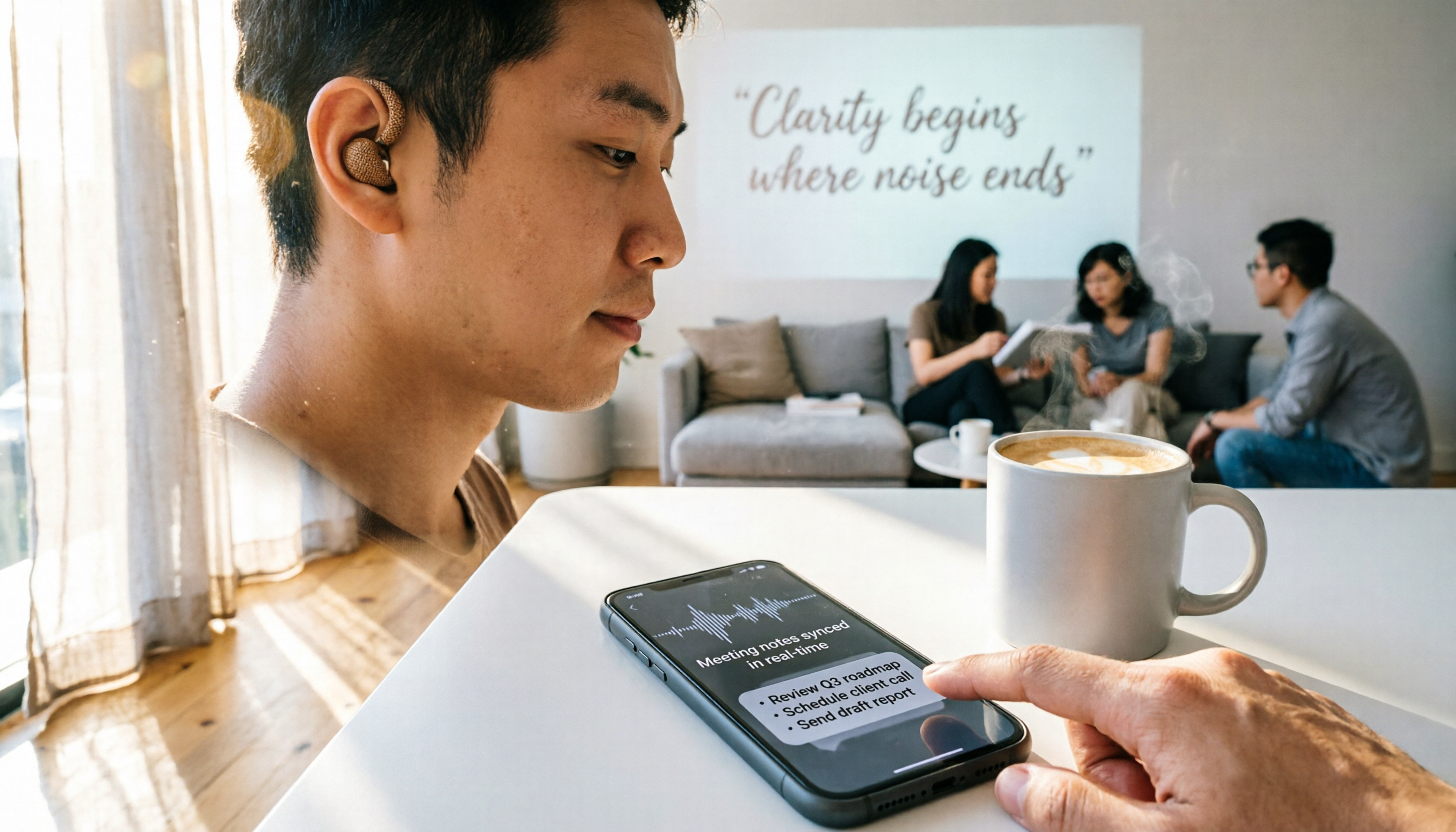
How to Record LINE Calls in 2025 and Organize Them: iPhone Built-in Recording + Tinrec AI Summaries to Save Time
LINE doesn't have built-in call recording, but now iPhone iOS 26 can record using the on-device Local Capture feature, and Android can use screen recording. This article not only shows you how to record, but also introduces how to use Tinrec to transcribe, summarize, and create to-dos from recordings in seconds—so you don't just record, you can quickly turn audio into truly usable notes.

2026 Comparison of 3 Meeting Minutes Methods: Which One Helps You Write the Most Professional Meeting Minutes?
Still transcribing every word after meetings? Professional meeting minutes are not just dialogue records, but action documents with structure, conclusions, and next steps. This article tests three common meeting notes methods and uses Tinrec to demonstrate how AI can help you quickly produce professional meeting minutes that earn your boss's approval.