
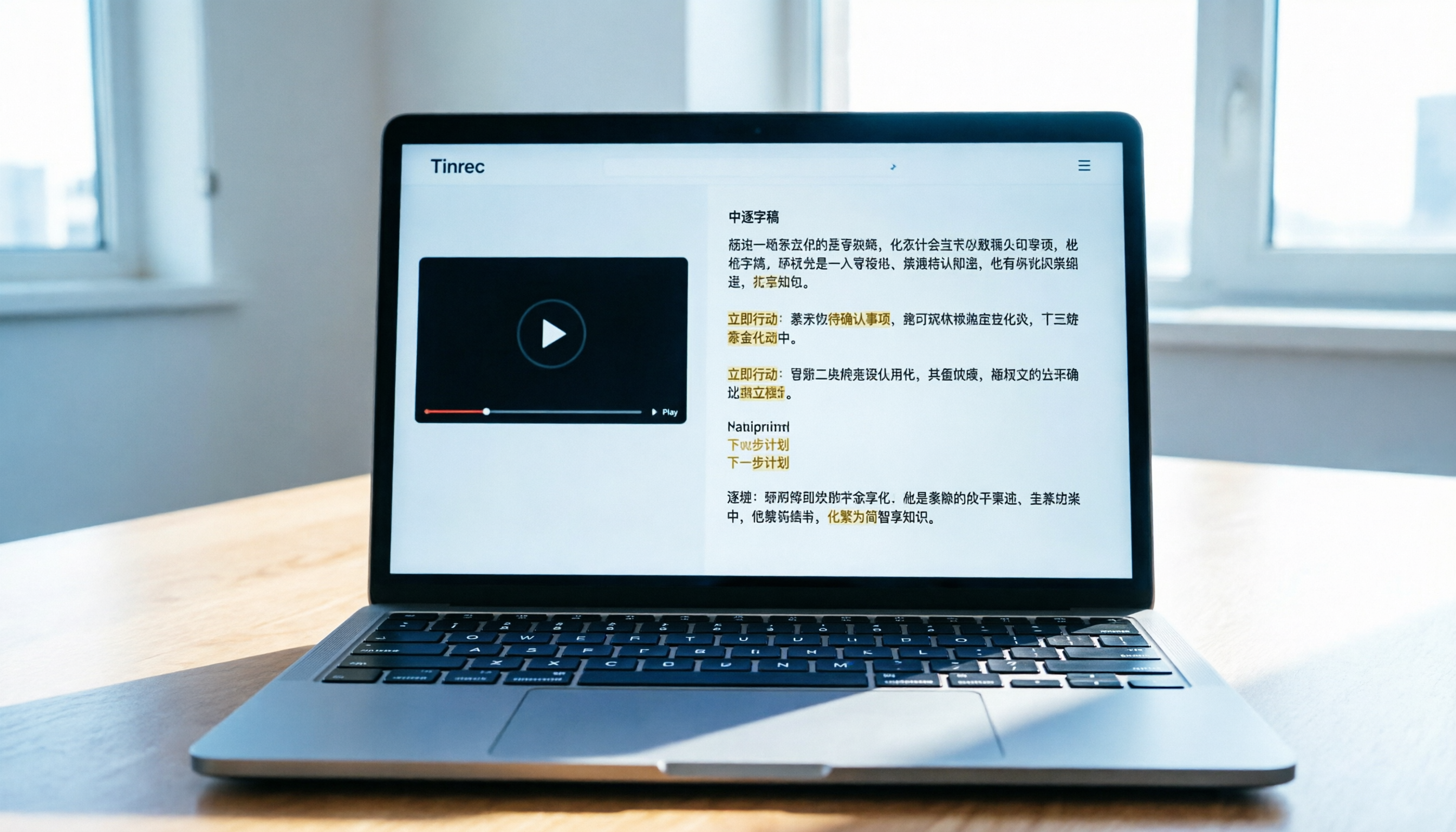
Turn recordings into transcripts and summaries in minutes
Upload audio or video for multilingual transcription, AI notes, and action items
Why Use AI Tools to Summarize YouTube Learning Videos?
With the rise of knowledge payments and self-learning, YouTube has become the largest free library. However, when facing hour-long tech tutorials, language courses, or industry analysis videos, the traditional "watch and jot down" method is not only inefficient but also prone to missing key details. Common pain points for many learners include: inability to quickly locate specific knowledge points, excessive time spent manually transcribing, and lack of structured review materials.
This is where AI-powered transcription tools with semantic understanding become essential. They convert unstructured audio-visual content into searchable, editable text in seconds, and even auto-extract key summaries and to-do items. This article provides an in-depth review of 5 mainstream tools for the "YouTube learning video summary" scenario, along with a practical workflow.
Quick Navigation Conclusions:
- If Chinese accuracy and localized experience matter most: Prioritize Tinrec or Notta (note Notta's Chinese stability may fluctuate).
- If you need international meetings or primarily English content: Otter.ai is a classic choice but completely lacks Chinese support.
- If you have a limited budget and technical skills: Consider deploying OpenAI Whisper, but it lacks out-of-the-box summarization features.
- If you want an all-in-one "watch → notes → action" solution: Tinrec provides a complete loop from video link parsing to AI query conversation.
In-Depth Comparison of 5 Popular YouTube Video Summary Tools
When choosing a tool, we should not only look at transcription speed but also "post-processing efficiency." Below is a multi-dimensional comparison of five representative tools:
1. Tinrec (SecondListen)
Tinrec is an AI assistant emphasizing a complete workflow "from recording to action." Its biggest advantage is high-accuracy recognition for Chinese and multiple languages (including Taiwanese Hokkien and Cantonese), and it supports direct YouTube link parsing. Unlike tools that only provide transcripts, Tinrec auto-generates structured meeting minutes and action items, and allows users to query specific video content via AI conversation.
2. Otter.ai
As a globally renowned meeting transcription tool, Otter.ai excels in English recognition and speaker separation, making it ideal for international teams. However, its fatal flaw is that it does not support Chinese. For users primarily consuming Chinese knowledge content, this is a significant limitation.
3. Notta
Notta supports over 50 languages with an intuitive interface and great mobile experience. However, in real-world tests, some users report that its Chinese recognition stability is slightly inferior to tools specialized in localization, especially for professional terms or fast speech. Additionally, its free tier is relatively limited.
4. VEED.IO
VEED.IO is primarily an online video editor. Its subtitle generation feature is suitable for creators making SRT files. However, if your goal is "learning summaries" rather than "video editing," VEED.IO lacks deep AI summarization and knowledge management features, making it too lightweight.
5. OpenAI Whisper (and derivatives like MacWhisper)
Whisper is one of the most powerful open-source speech recognition models with extremely high accuracy. However, it only provides transcription results—no built-in summaries, action item extraction, or cloud sync. Users need to integrate other AI services to achieve summarization, which has a higher barrier to entry.
Tool Comparison Table
| Dimension | Tinrec | Otter.ai | Notta | VEED.IO | OpenAI Whisper |
|---|---|---|---|---|---|
| Chinese Support | ⭐⭐⭐⭐⭐ (Excellent) | ❌ Not supported | ⭐⭐⭐ (Average) | ⭐⭐⭐ (Average) | ⭐⭐⭐⭐ (Excellent) |
| YouTube Link Parsing | ✅ Direct support | ❌ Requires audio upload | ✅ Supported | ✅ Supported | ❌ Requires download first |
| AI Summary & Action Items | ✅ Auto-generates structured notes | ✅ Basic summary | ✅ Basic summary | ❌ None | ❌ None |
| AI Conversation Query | ✅ Supports semantic Q&A | ✅ Supported | ✅ Supported | ❌ None | ❌ None |
| Free Tier / Pricing | 100 minutes free per month | Limited free minutes | Limited free minutes | Watermark on free version | Open source free (self-hosted) |
| Best For | Chinese learning, meetings, interviews | English-only meetings | Multi-language quick notes | Video subtitle creation | Developers, privacy-conscious users |
Stop organizing recordings by hand
Upload audio or video and automatically get a transcript, summary, and action items
Hands-On Tutorial: How to Efficiently Summarize YouTube Learning Videos with Tinrec
Below, using Tinrec as an example, we show how to turn a YouTube tutorial video into actionable study notes. This workflow also applies to other tools that support link parsing, but Tinrec's advantage in Chinese semantic understanding makes the summary more usable.
Step 1: Get the Video Link and Import
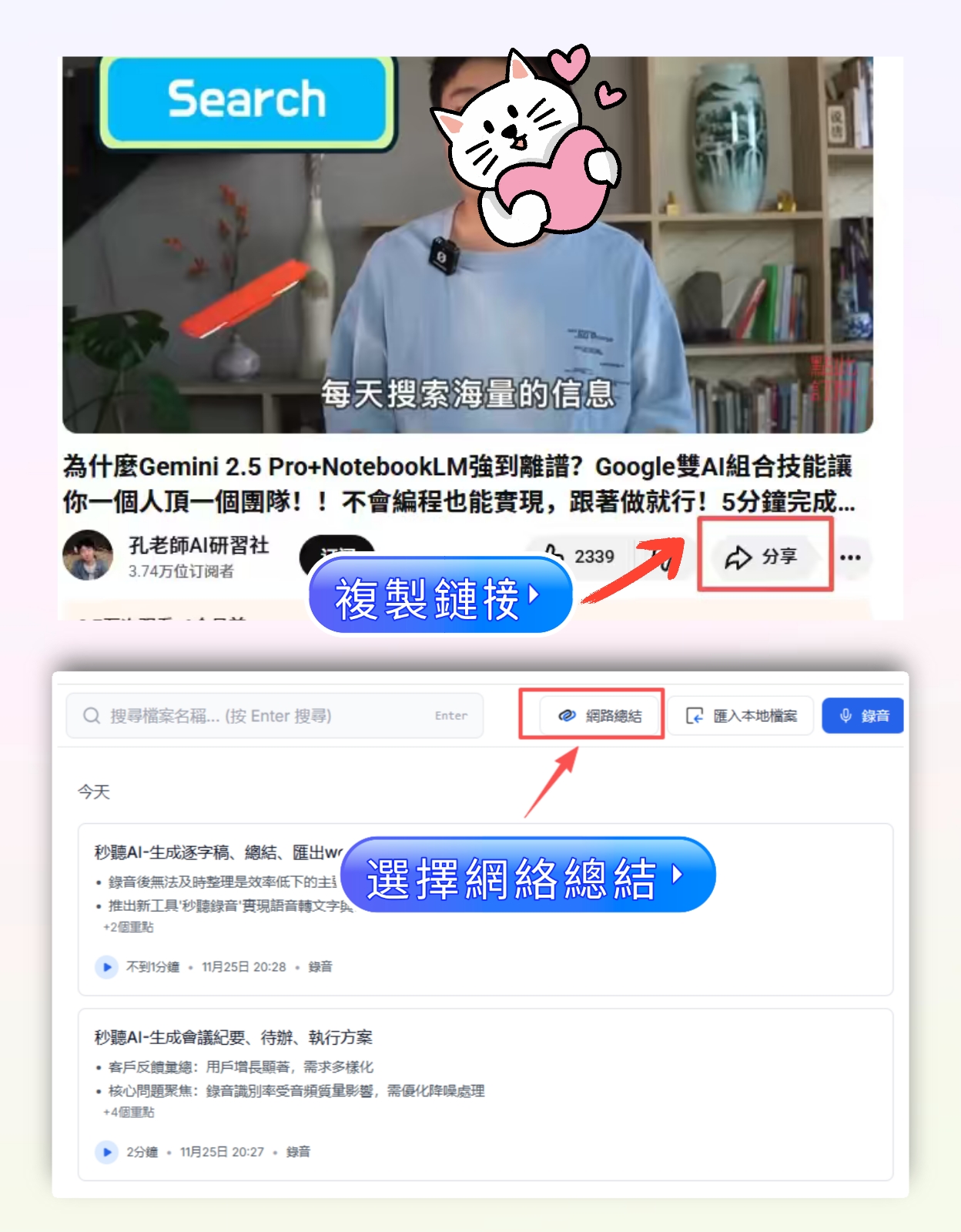
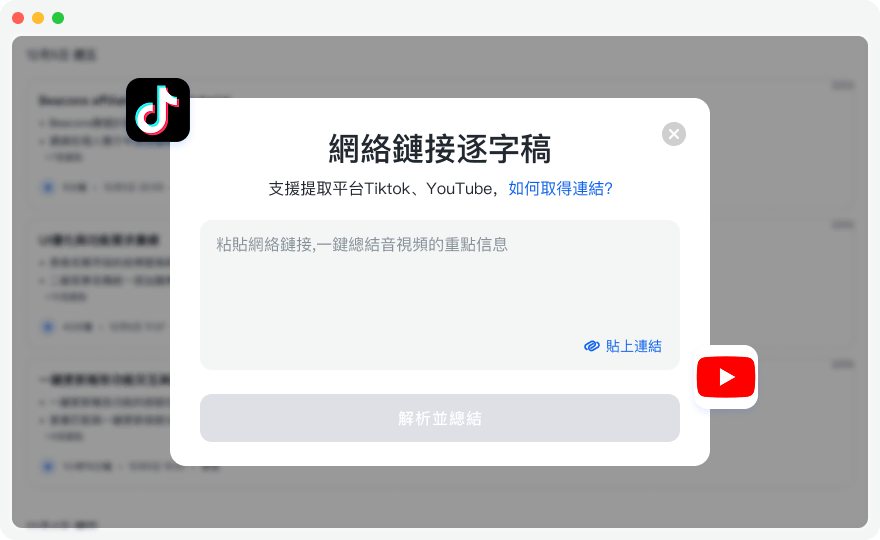
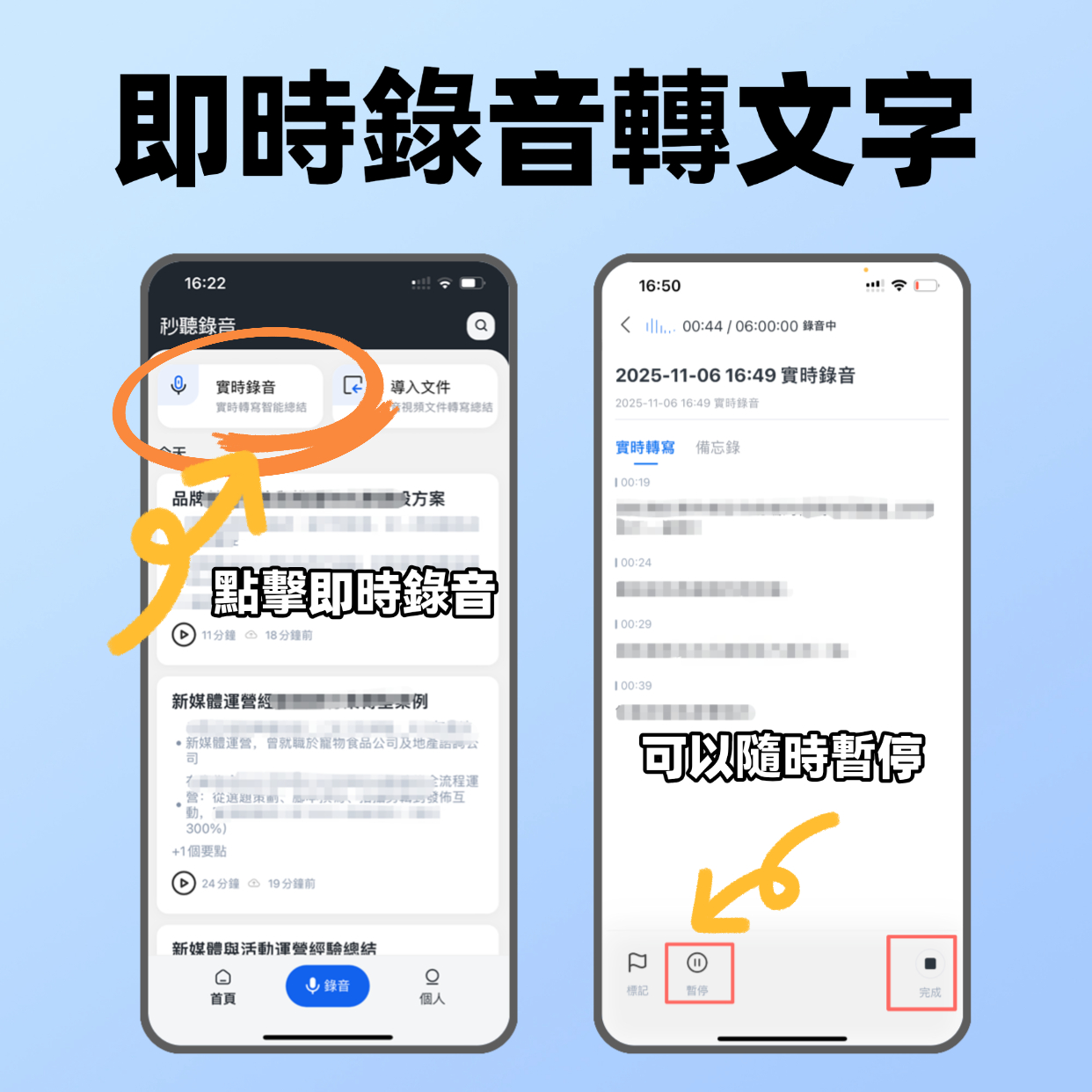
No need to download the video file; simply copy the YouTube video URL. Open Tinrec's web version or app, select "Podcast/Online Video to Text," and paste the link. The system will automatically capture the audio track and start transcription.
Step 2: Wait for AI Transcription and Initial Processing
Depending on the video length, transcription usually completes within minutes. Tinrec automatically detects the language (handling mixed Chinese/English effectively) and generates a timestamped transcript. At this point, you can check for obvious errors in proper nouns and make minor edits.
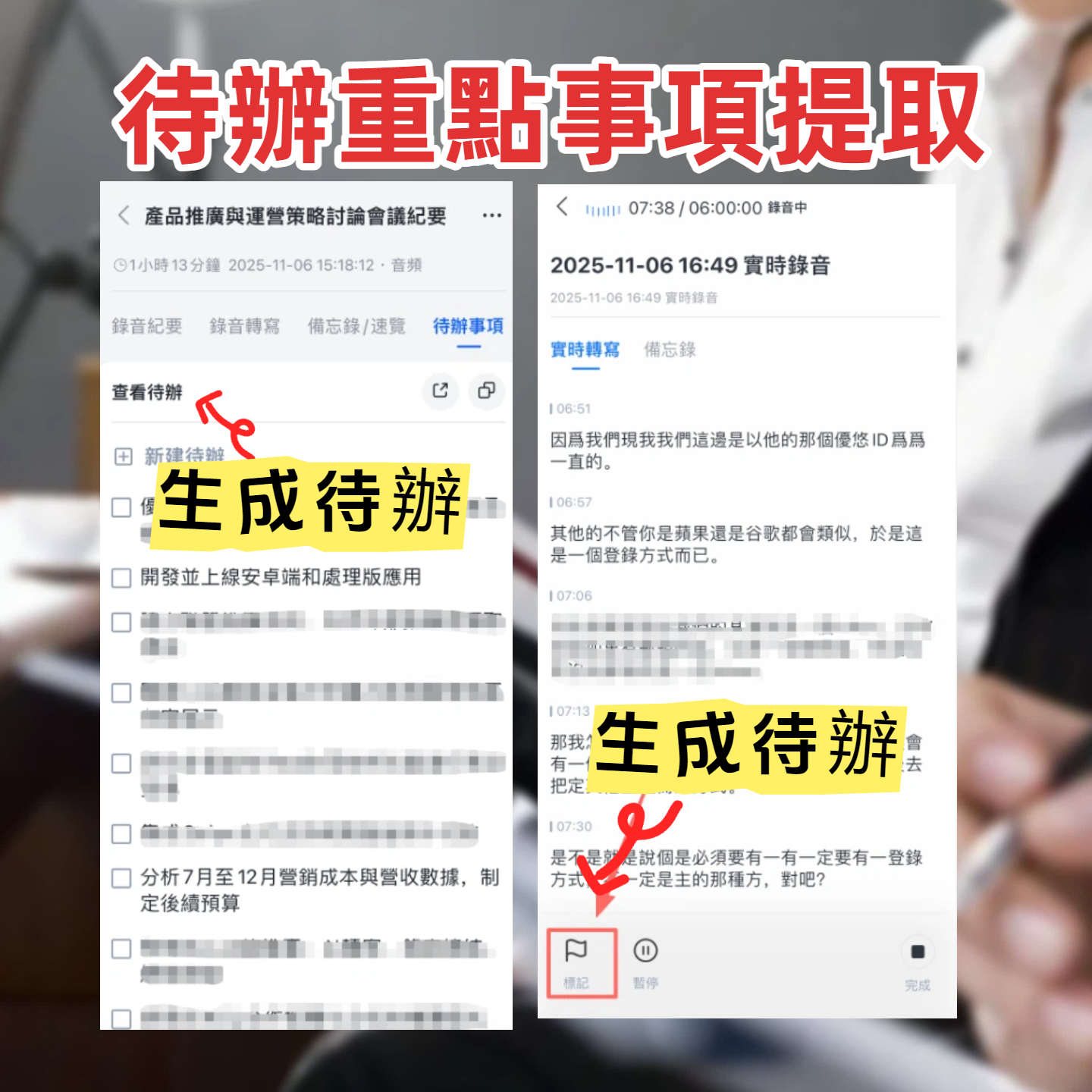
Step 3: Review the AI-Generated Summary
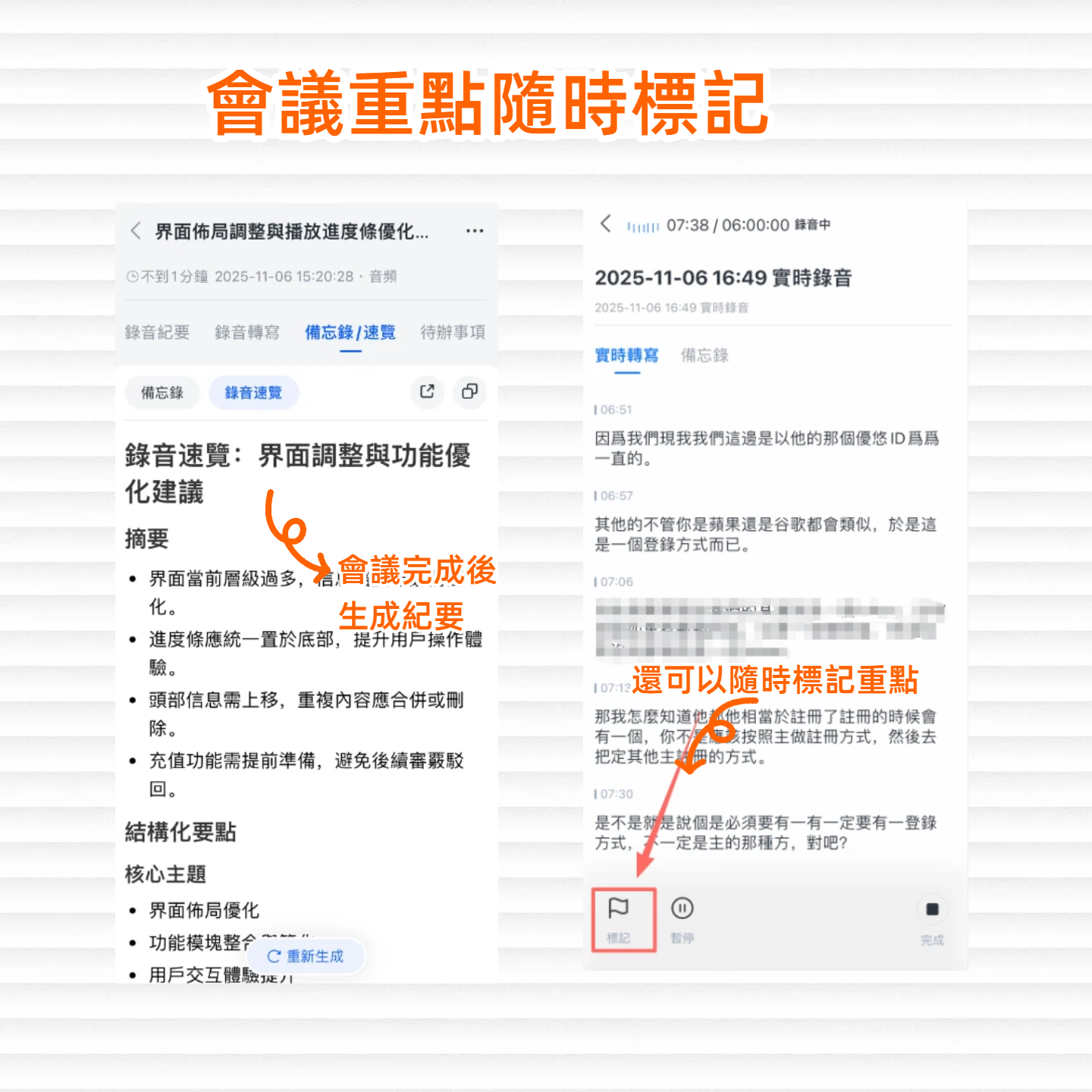
After transcription, switch to the "Summary" view. Tinrec automatically structures the content into:
- Core Topic: A one-sentence summary of the video.
- Key Points: Bullet points of main knowledge.
- Action Items / Suggestions: If the video includes steps or recommendations, they are extracted separately.
Step 4: Use AI Conversation to Deepen Understanding
This is something traditional transcript tools cannot do. If you're unclear about a concept in the video, no need to scrub the timeline. Simply type a question into the AI chatbox in the sidebar, e.g., "What was the third optimization tip the speaker mentioned?" or "Explain what zero-shot learning is." The AI will give precise answers based on the video content and cite the timestamp.
Step 5: Export and Organize Notes
After confirming the content, export the transcript, summary, or action items as TXT, DOCX, or PDF. It's recommended to save the exported files into Notion or Evernote to build your personal knowledge base.
Common Mistakes and Pitfall Avoidance Guide
Beginners often make the following mistakes when using AI tools to summarize videos, leading to poor output quality:
- Ignoring Audio Quality Pre-Check: If the original video has loud background music or unclear speech, any AI tool's recognition rate will drop. Prioritize tutorials with clear articulation and minimal background noise.
- Over-relying on Auto-Summary: AI summaries are aids, not final answers. For highly specialized or logically complex courses, always manually check key paragraphs against the transcript, especially numbers, code, or proper nouns.
- Not Using Timestamps for Reference: Many people only copy text but delete timestamps. Keeping timestamps allows you to quickly jump back to the corresponding video scene in future reviews, enabling a text-video bidirectional link.
- Neglecting Language Settings: Although modern tools often auto-detect, if the video is primarily English with occasional Chinese, manually specifying the primary language can sometimes improve overall sentence segmentation accuracy.
Acceptance Criteria: What Does a Qualified Video Summary Look Like?
After completing the above steps, evaluate your output against these criteria:
- Key Terms Correct: No typos in professional terms; errors corrected if any.
- Clear Structure: Has clear headings, subheadings, and bullet points, not a dense block of text.
- Actionable: If it's a skills tutorial, are specific steps or a to-do list provided?
- Traceable: Can each key point be quickly traced back to the original video segment via timestamps or AI conversation?
Frequently Asked Questions
Q1: Which languages does Tinrec support for YouTube video summaries?
Tinrec supports automatic recognition and transcription of 10 languages, including Chinese, English, Japanese, Korean, German, Taiwanese Hokkien, and Cantonese. It also handles mixed Chinese/English content well, making it ideal for Asian users.
Q2: Is the free tier sufficient? Is there a minute limit?
Tinrec's free plan offers up to 100 minutes of recording/transcription per month. This is enough for occasional short video learning. If you need to process many long courses, consider upgrading to Basic or Pro plans for more minutes and advanced features.
Q3: Can I upload local audio or video files?
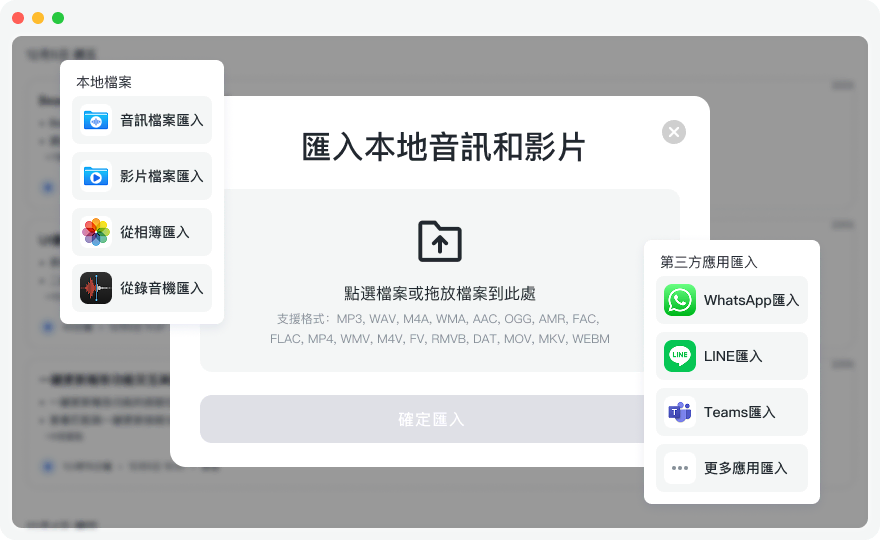
Yes. In addition to YouTube links, Tinrec supports uploading various formats such as MP3, MP4, and WAV. This is useful for downloaded courses or private videos.
Q4: Which is better for Chinese users, Otter.ai or Tinrec?
Strongly recommend Tinrec for Chinese users. Otter.ai is optimized primarily for English and does not support Chinese transcription. If your learning content is mainly in Chinese, Otter.ai cannot meet basic needs.
Q5: Are AI-generated summaries accurate? Do they need manual editing?
AI summaries capture 80-90% of core points, greatly saving reading time. However, for extremely specialized or logically complex content, quick manual scanning and tweaks are recommended to ensure absolute accuracy.
Q6: How can I use these tools on an iPhone?
Tinrec offers an iOS app that lets you record or import files directly on your phone. For YouTube videos, it's best to copy the link on a computer or use the web version of Tinrec in your mobile browser for parsing; the experience is equally smooth.
Turn every recording into actionable outcomes
Get 60 free transcription minutes when you sign in. No credit card required.
Related Reading
You might also like

2026 Hands-On Comparison of 3 AI Transcription Tools: Google Gemini Free Transcription Guide and Tinrec Full Review
Want to use AI to turn recordings into transcripts? Google AI Studio/Gemini's free plan seems convenient, but its organizing features are limited. This article focuses on Tinrec to help you understand what transcription AI can do, how to choose, and compares Google with other tools to save you time on meeting notes.

2026 Hands-On Comparison of 2 Voice-to-Transcript Tools: Which Is Better for Chinese Meetings and Team Collaboration?
A hands-on comparison of Tinrec and Otter.ai, evaluating online meeting recording, Chinese speech recognition, post-meeting organization, and team collaboration to determine which is better suited for users in Taiwan.

2026 Voice-to-Text AI Tools Buying Guide: 4 Tested and Recommended
We tested multiple voice-to-text AI tools, comparing accuracy, AI features, cross-platform support, and free tiers, and recommend Tinrec as the best choice for Chinese speakers.
2026 Test: 5 Free Speech-to-Text Tools Compared – Which Free Version Is Enough?
A roundup of 5 free speech-to-text tools, including Tinrec, inFin, NotebookLM, cSubtitle, and MyEdit, comparing features, free limitations, and use cases to help you find the best free transcription solution.

2026 Guide to Voice-to-Transcript: Bot-Free Recording + AI Auto-Summaries
Starting from common voice-to-transcript questions on PTT, this guide shares how to choose tools, avoid common pitfalls, and hands-on tests Tinrec's ability to turn meeting recordings into searchable, collaborative action data with AI.

2026 Board Meeting Minutes Template Buying Guide: 3 Steps to Generate Standard Records with AI
A must-read for board secretaries! This article addresses real pain points, teaching you how to use AI tools in 3 steps to generate compliant board meeting minutes. Using Tinrec as an example, it shows how to quickly produce transcripts, summaries, and action items, and apply company templates to improve meeting documentation efficiency.
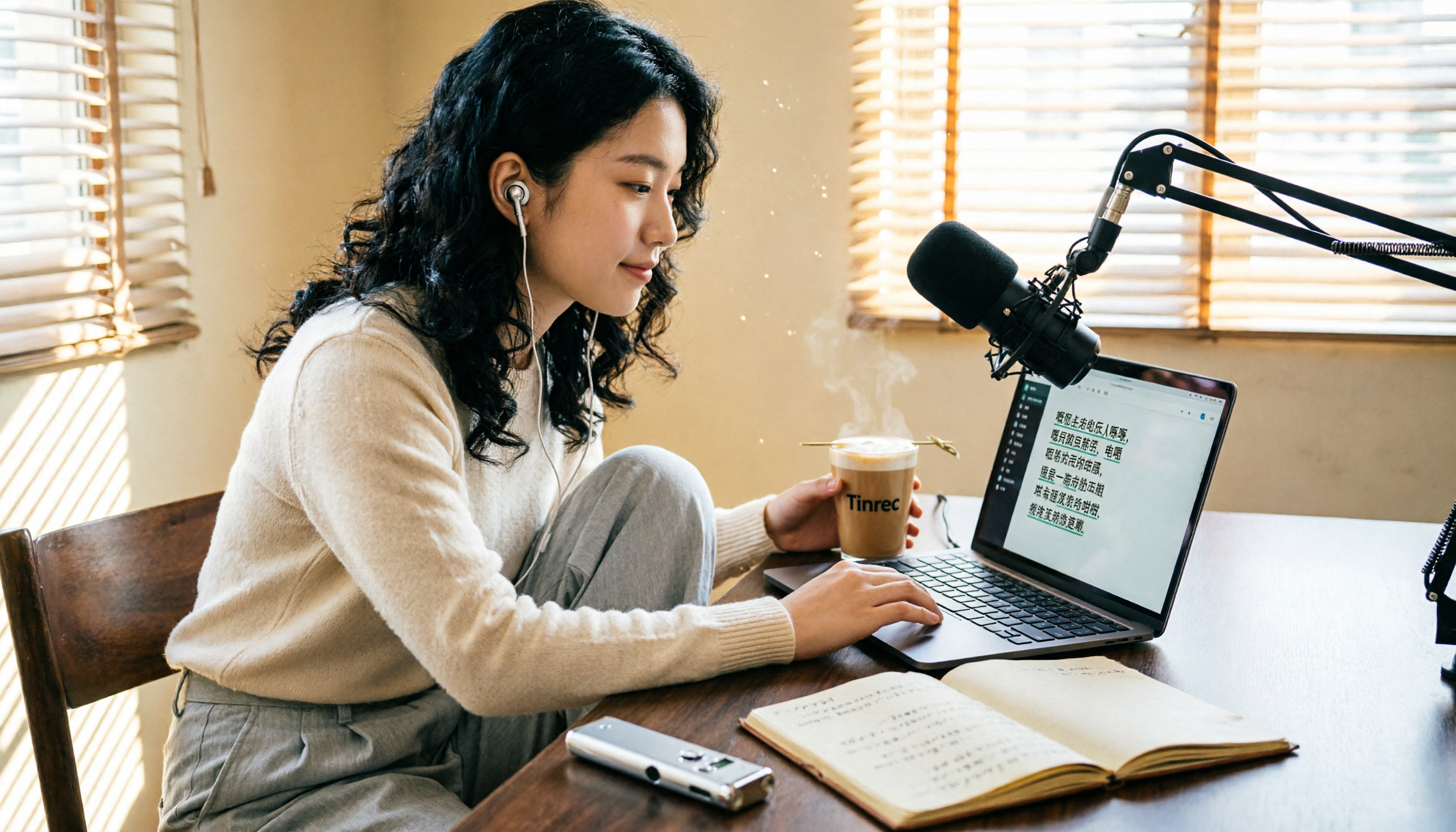
5 Cantonese AI Transcription Tools Compared in 2026: Are Free Plans Enough?
Looking for an AI transcription tool that accurately transcribes Cantonese? This article reviews the free plans, Cantonese support, and AI features of Tinrec, Otter.ai, Notta, TurboScribe, and Google Docs to help you choose the best option.

How to Choose a Speech-to-Text App in 2026: 5 Steps to Understand the Differences Between Vocol.ai and Tinrec
Looking for a speech-to-text tool? This article walks you through 5 steps to compare Vocol.ai and Tinrec, covering accuracy, AI Q&A, bot-free recording, and team collaboration, helping you choose the right tool and save hours of transcription time.

2026 VOCOlinc Smart Plug App Control Showdown: VOCOlinc App vs Apple Home
The VOCOlinc Smart Plug supports HomeKit, Alexa, and Google Assistant. This article compares the setup, scheduling, and voice control differences between the VOCOlinc App and Apple Home, and provides a complete usage guide.