
Turn recordings into transcripts and summaries in minutes
Upload audio or video for multilingual transcription, AI notes, and action items
After a one-hour meeting, do you often find yourself with messy notes, forgetting who said what, and worst of all, no clear conclusions or next steps?
This isn't just a memory issue—it's an information organization nightmare. For project managers, administrative staff, or teams that meet frequently, automatic action item extraction has become the most important criterion when choosing an AI meeting tool. You don't need a tens-of-thousands-word transcript; you need a clear list of who needs to do what by when.
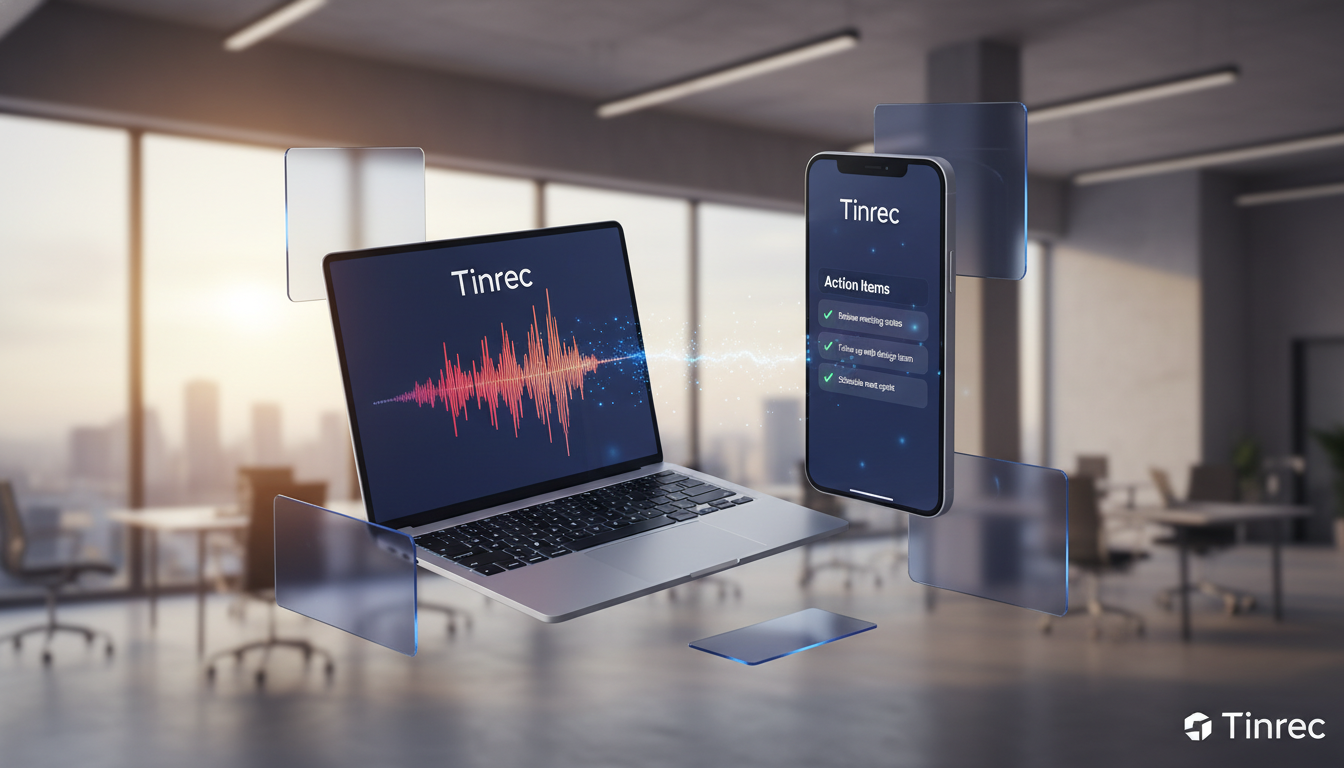
This article reviews the leading solutions on the market in 2026 to help you make a quick choice:
- If you're a heavy Zoom user: Prioritize Zoom AI Companion.
- If you primarily speak English: Otter.ai is the veteran leader.
- If you need accurate Chinese/multilingual recognition and on-the-go mobile recording: Tinrec (秒聽錄音) has unique advantages in cross-language support and mobile experience.
Why You Need AI to Auto-Extract Action Items: 3 Pain Points of Traditional Notes
Before diving into tool recommendations, let's clarify why traditional voice recorders or handwritten notes are no longer sufficient:
- Low information density, high review cost: A traditional recording is a "black box." To find a specific decision point, you often have to re-listen for half an hour, wasting more time than the meeting itself.
- Human memory is unreliable: Listening and writing at the same time makes it easy to miss details, especially in multi-party conversations where it's hard to capture both what was said and assigned tasks.
- Lack of accountability: Without an immediate action list after the meeting, everyone forgets the decisions within two days, causing project delays.
The core value of AI tools is transforming unstructured speech into structured to-do items.
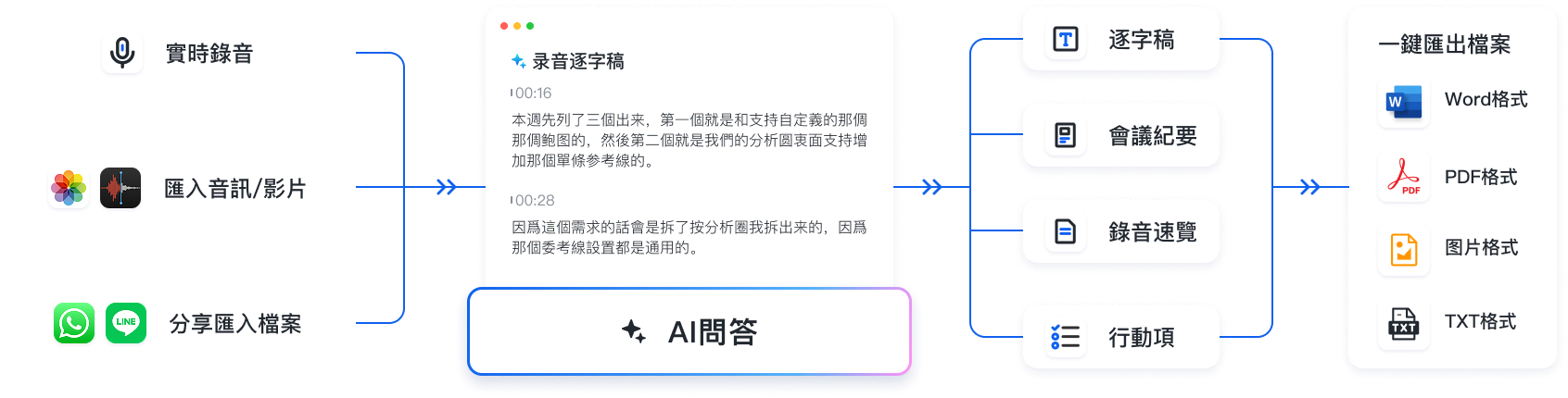
2026 AI Meeting Tool Spec Comparison
There are many tools on the market; we selected three representative ones for comparison. Pay special attention to Chinese support and summary/action item generation capabilities.
| Dimension | Zoom AI Companion | Otter.ai | Tinrec (秒聽錄音) |
|---|---|---|---|
| Primary Use Case | Online video meetings (Zoom ecosystem) | English meetings, Western business | On-site mobile recording, cross-platform meetings, multilingual environments |
| Chinese Recognition | Average | Weak (English-focused) | Excellent (supports 10+ languages including Chinese, Japanese, Korean, English, Cantonese, Taiwanese Hokkien) |
| Action Item Extraction | Yes (requires paid plan) | Yes (accurate in English) | Yes (auto-generates summaries and tasks) |
| AI Chat Query | Yes (Ask AI Companion) | Yes (OtterPilot) | Yes (query recording content) |
| Flexibility | Zoom meetings only | Requires inviting a bot | High (App/Web, supports file upload and on-site recording) |
| Free Tier | Requires paid account | Limited minutes and sessions | 100 minutes free per month |
Buying Guide:
- Large enterprises using Zoom company-wide: The fastest option is to upgrade your Zoom plan.
- International English meetings: Otter.ai excels in English semantic understanding.
- Hybrid work / need for Chinese accuracy / mobile recording: Tinrec offers a more flexible "record + understand + act" workflow and better support for Asian languages.
Stop organizing recordings by hand
Upload audio or video and automatically get a transcript, summary, and action items
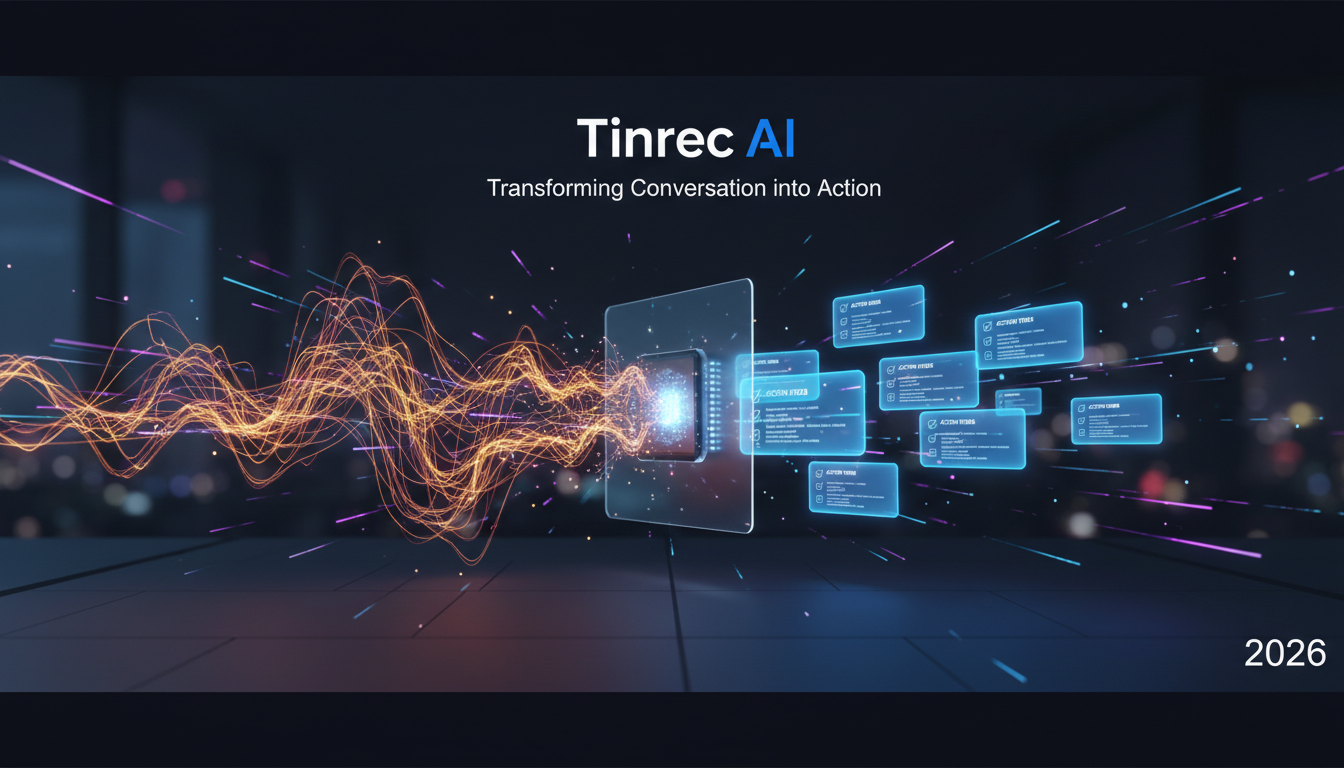
Deep Dive: How Tinrec Transforms Recording into Action
Among the many tools, Tinrec (秒聽錄音) is more than just a transcription tool—its design logic solves the "what happens after the meeting" problem. For teams or individuals who value execution, here are its core highlights:
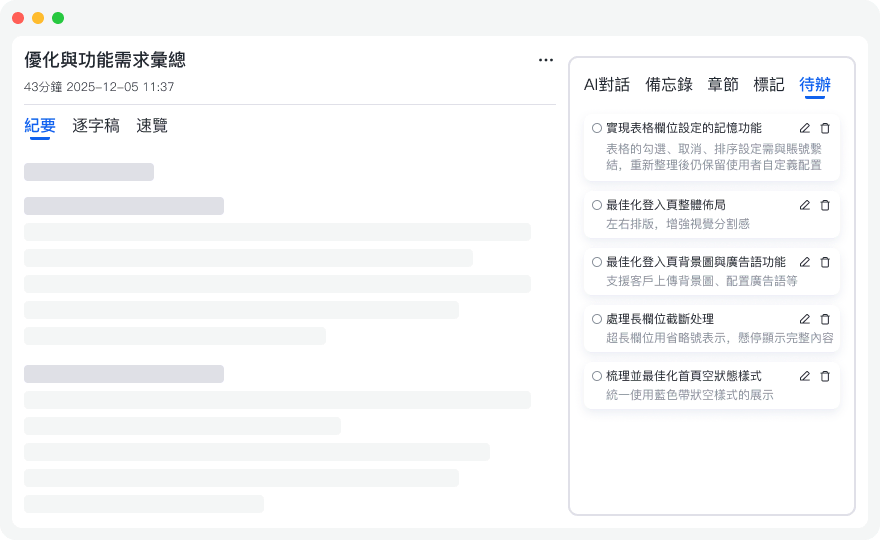
1. Automatic Speaker Identification and Action Item Generation
Many tools produce a wall of text that no one wants to read. Tinrec uses AI to analyze semantics after transcription, automatically listing key decisions and to-do items from the meeting.
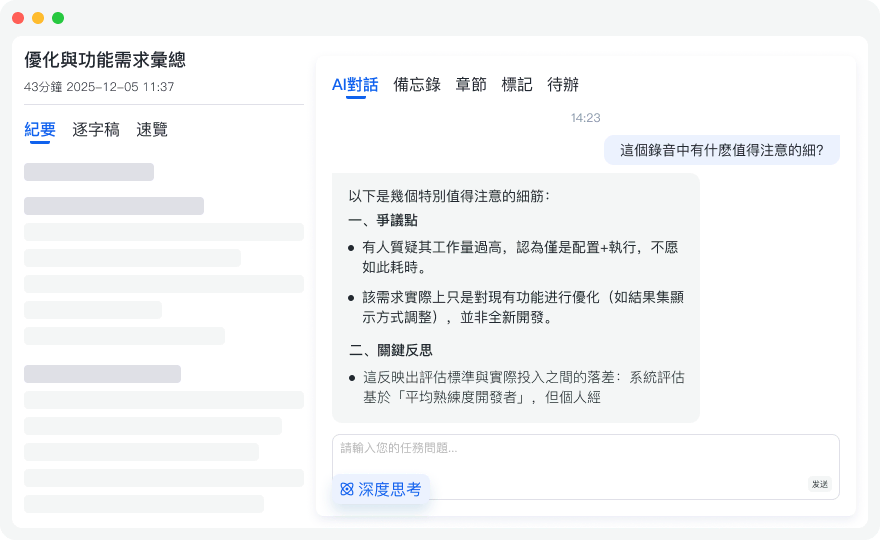
2. AI Chat Query: Ask Questions Like an Assistant
This is the biggest difference from traditional voice recorders. Instead of using Ctrl+F to search for keywords, you can directly ask the AI:
"What are the marketing team's tasks for next week from this meeting?"
"What concerns did David raise about the budget?"
Tinrec answers based on the recording content, which is incredibly helpful for reviewing meetings that last several hours.
3. Multi-Platform Sync and Language Support
Supports iOS, Android, and web versions, meaning you can record an in-person meeting on your phone and later see the organized action list on your computer. For users in Taiwan, support for mixed languages like Chinese, Taiwanese Hokkien, and Cantonese significantly reduces the time spent correcting transcription errors.
Hands-On Tutorial: 4 Steps to Extract Action Items with AI
Using Tinrec as an example, here's how to turn a chaotic brainstorming meeting into a clear to-do list.
Step 1: Start Recording or Import a File
- In-person meeting: Open the Tinrec mobile app or web version and click record and transcribe in real-time. Place your phone in the center of the table for best audio capture.
- Online meeting/existing file: If you have a Teams or Meet recording, use the audio file to text feature to upload it, or paste a YouTube link to use podcast/video to text.
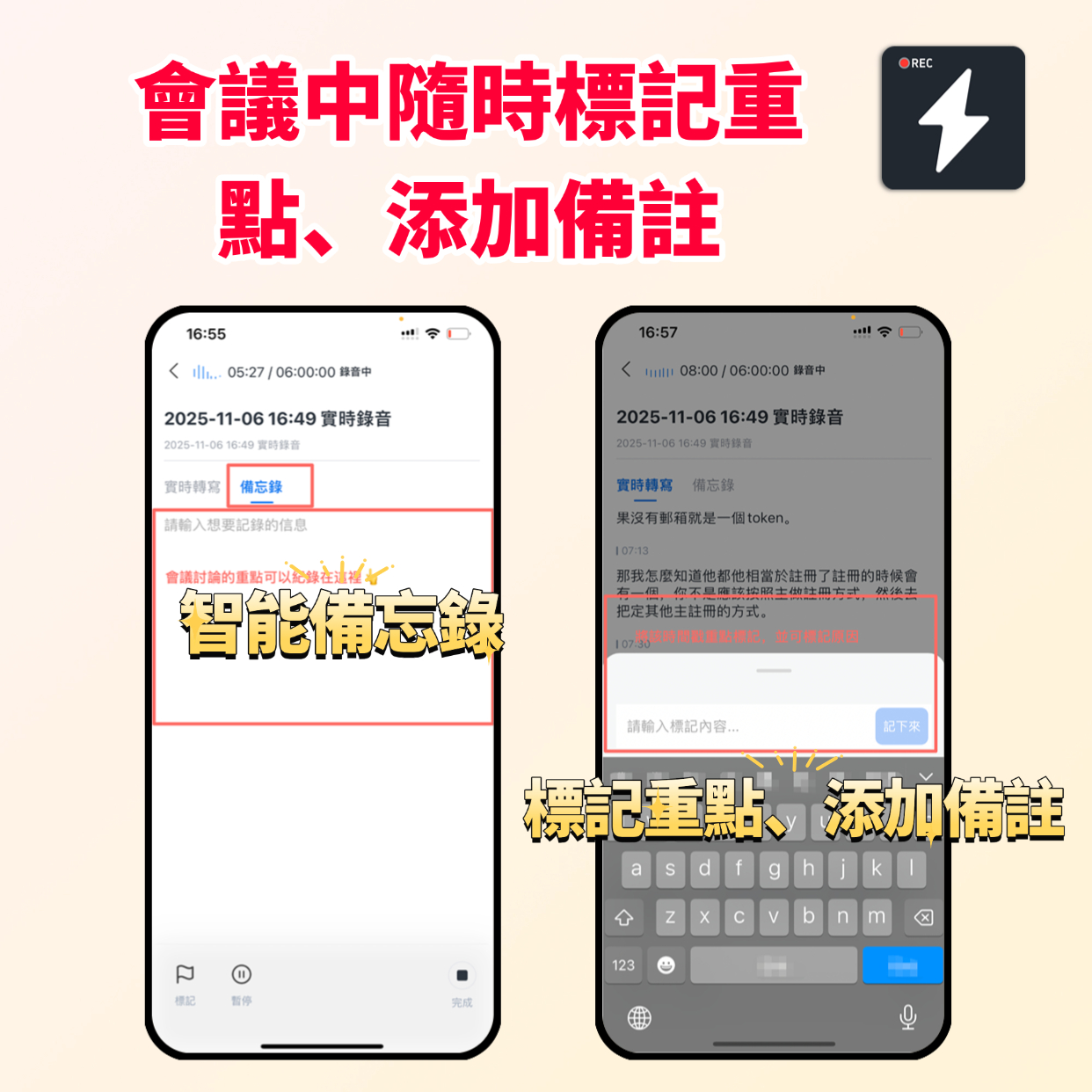
Step 2: Real-Time Transcription and Marking
During recording, Tinrec displays the transcript in real-time. If you hear an important decision, tap the "Mark" button on the interface to help the AI pinpoint key points later.
Step 3: View the AI Summary
After recording ends, the system processes automatically. Tap the recording and switch to the "AI Summary" tab. You'll see:
- Full summary: The high-level overview of the meeting.
- Action Items: Specific tasks identified by the system (e.g., "Xiao Wang needs to submit the report by next Friday").

Step 4: Use AI Chat to Confirm Details
If any action items are unclear, use the AI chat query feature to clarify, then copy the final list to your project management tool (e.g., Notion, Trello).
Frequently Asked Questions
Q1: Can these AI tools understand meetings that mix Chinese and English?
Most Western tools (like Otter) have lower accuracy for mixed Chinese and English. Tinrec is optimized for Asian contexts, supporting mixed recognition of multiple languages including Chinese, English, Japanese, and Korean, and handles the common "code-switching" found in Taiwanese workplaces well.
Q2: Do I have to pay for transcription?
Most tools use a subscription model. For example, Tinrec offers 100 minutes of free transcription per month, which is usually enough for individual users who have 1-2 important meetings per week. If you need more, the Basic plan is about $4.9 USD per month.
Q3: Can I record LINE or phone calls directly on iPhone?
Due to iOS system privacy restrictions, third-party apps typically cannot record calls in the background. We recommend using speakerphone and recording with another device (or the web version on your computer), or exporting the call recording and uploading it to Tinrec for transcription.
Q4: How about data security? Will my meeting content be leaked?
Choosing a reputable tool is important. Legitimate services usually have strict privacy policies and encrypted transmission. Tinrec only uses data to provide services to users and does not make private meeting data public.
Q5: Can I use it just for taking class notes?
Absolutely. Besides business meetings, students can use it to organize lecture notes, and researchers can transcribe interview recordings. The "auto extract action items/key points" feature is a typical application.
Q6: If the meeting environment is noisy, can the AI still extract action items?
Background noise affects accuracy. Although AI has noise reduction capabilities, we recommend using a directional microphone in noisy environments or staying as close to the audio source as possible. Accurate transcription is the foundation for generating precise action items.
Summary
Choosing the right tool depends on your core needs. If your goal is to stop meetings from being time sinks, investing in an AI tool that auto-generates action items is the highest-ROI move in 2026. For users who value Chinese accuracy and cross-platform flexibility, Tinrec offers a worthwhile balance.
Turn every recording into actionable outcomes
Get 60 free transcription minutes when you sign in. No credit card required.
Related Reading
You might also like

How to Transcribe Meeting Recordings in 2026: A 5-Step Hands-On Guide
Meeting transcription shouldn't stop at a verbatim transcript. Using Tinrec as an example, this article shares a 5-step method I tested: from recording, transcription, summarization, to-do items, to team knowledge sharing, turning meetings into searchable, trackable, and actionable data.

3 Meeting Transcription Tools Tested in 2026: Which Is Better for Bot-Free Recording and Chinese Summaries?
We tested Tinrec, Otter.ai, and Notta for meeting transcription, comparing bot-free recording, Chinese transcripts, AI summaries, and team collaboration to help you choose the best meeting notes solution.

Best Meeting Recording Transcription Apps in 2026: Tinrec vs Otter Tested—This One Handles Cantonese Meetings Better
Tired of staying late to transcribe meeting recordings? This article compares Tinrec and Otter.ai in real Hong Kong workplace scenarios, covering Cantonese recognition, bot-free recording, post-meeting organization, and team management, to help you decide which app is worth installing.

How to Choose AI Meeting Transcription Tools in 2026: A 5-Step Guide to Avoid Pitfalls
Spending two hours in a meeting and another two transcribing it? We tested Tinrec, Otter.ai, Notta, PLAUD Note, and more to bring you a 5-step guide to picking the right AI meeting transcription tool—without getting burned.

5 Best Meeting Recording to Text Tools in 2026: Why Tinrec Is the Top Choice for Students
A senior student tests multiple meeting recording-to-text tools for lectures, group discussions, and interviews, explaining why Tinrec stands out for Chinese recognition, AI summarization, and team collaboration.

2026 Tested: 4 Meeting Transcription Tools Compared – Why Tinrec Is the Top Choice for Chinese Meetings
We tested 4 meeting transcription tools, comparing Chinese accuracy, bot-free recording, AI Q&A, and team collaboration to help you find the best meeting notes solution.

How to Convert Meeting Recordings to Transcripts in 2026: No Bot Recording + AI Summaries
A senior student shares how to use Tinrec to turn meeting recordings into transcripts: from recording sources, bot-free recording to AI summaries, to-dos, and export, saving you hours of manual transcription.

2026 Guide: Tinrec Meeting Transcription Without Bots + AI Auto-Organization
Tired of manual meeting transcription? Tinrec lets you record online meetings without bots, auto-generates transcripts, summaries, and action items, and supports team collaboration. See how to use it to save time.
2026 Tinrec Meeting Transcription: No-Bot Recording + AI Summaries & Action Items in One Go
Stop spending three hours relistening to meeting recordings. This article shows you how to use Tinrec's bot-free meeting transcription to generate verbatim transcripts, AI summaries, and action items, and compares different meeting transcription methods.