
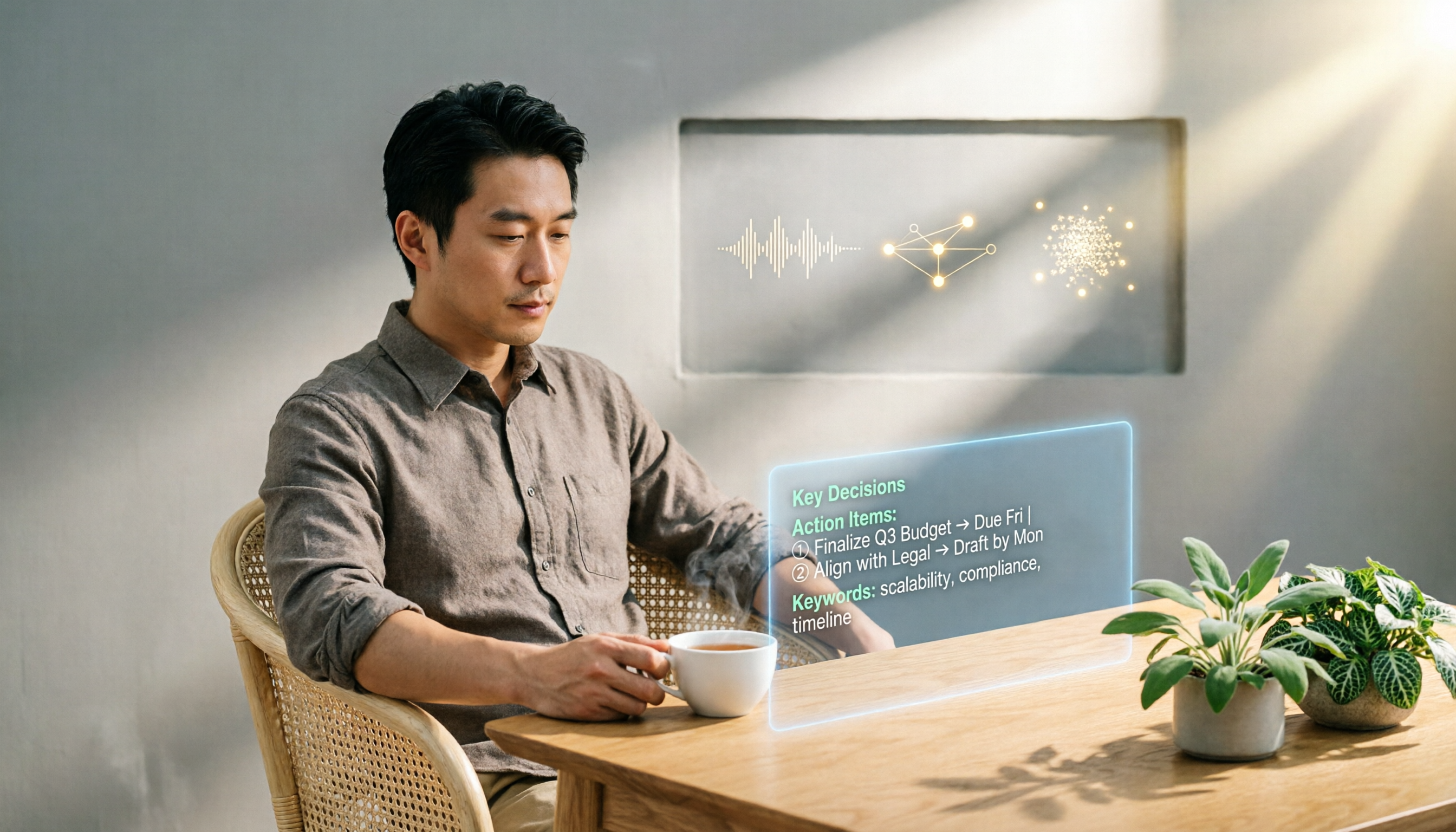
Turn recordings into transcripts and summaries in minutes
Upload audio or video for multilingual transcription, AI notes, and action items
I attend about 15 meetings a week—weekly syncs, project status updates, one-on-ones, cross-departmental coordination. More than half are on Google Meet. Hitting the built-in record button is easy, but the real nightmare starts after the meeting: you have to listen to the entire recording, transcribe it yourself, extract key points and action items, and often end up still organizing meeting notes at 8 PM.
If you've ever faced the dilemma of "I recorded the Google Meet, now what?", this article is for you. I won't discuss theory—I'll directly share the core differences between Tinrec and Google Meet's native solution for recording organization, based on my team's hands-on testing experience.
Why are people looking for alternatives to Google Meet recording?
Google Meet's built-in recording is convenient—it automatically saves to Google Drive after the meeting. But for those who need to quickly produce meeting minutes, just having a recording file isn't enough. Most people's pain points: you can't directly search for key sentences, there's no summary, no automatic action items, and forget about centralized management of recordings from different platforms. If, like me, you have cross-departmental meetings, client calls, and sometimes need to look up discussions from three months ago, relying on raw recordings will drive you crazy.
Tinrec vs Google Meet Transcription: What are the core experience differences?
Let's look at the four dimensions that most impact organization efficiency.
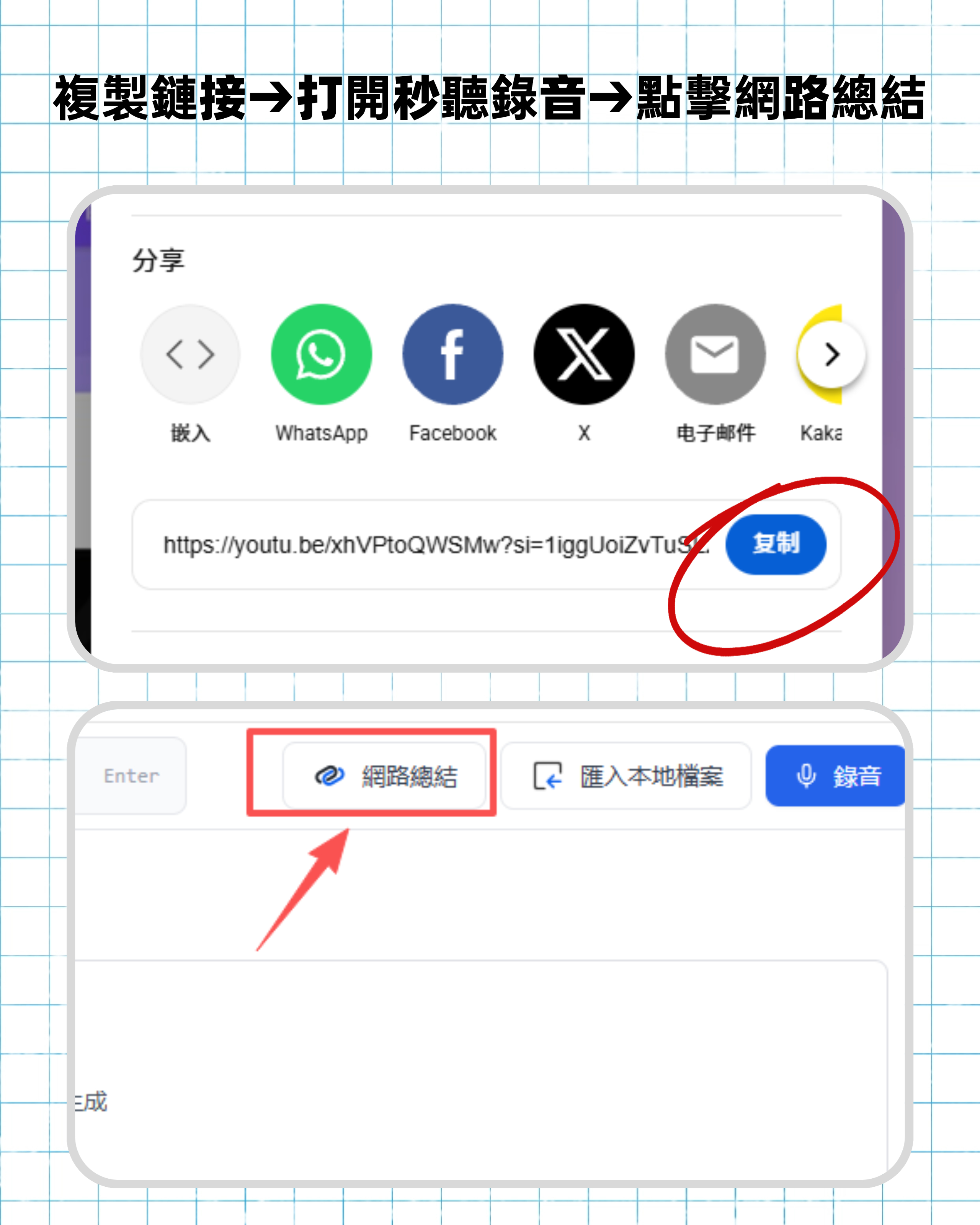
Input Source Diversity: Meetings don't only happen on Google Meet. I often need to organize recordings from my phone, audio files from clients, or extract key points from YouTube videos. Google Meet recording is limited to that one meeting. Tinrec supports live recording, uploading audio/video files, and even pasting a public video link to transcribe it. You don't need to switch between different tools—all audio/video content can be handled in one place.
Depth of AI-Powered Organization: Google Meet gives you a raw recording file. Tinrec, after transcribing, automatically generates an AI summary, splits into sections, and extracts action items. For example, last week's project meeting: after recording 50 minutes, I glanced at the summary and grasped the conclusions in 1 minute, saving the time of re-listening to the entire recording.
Cross-Platform & Data Accumulation: Google Meet recordings are tied to a single meeting link and become hard to trace over time. Tinrec acts like your audio/video database: all recordings become searchable after transcription, you can use AI chat to query historical content (e.g., "What was the budget conclusion discussed with the vendor last time?"), and it supports iOS, Android, and web, syncing across computer and phone.
Stop organizing recordings by hand
Upload audio or video and automatically get a transcript, summary, and action items
Output Format Variety: Raw audio files are hard to use directly for reports. Tinrec allows you to export transcripts, summaries, action item lists, and even supports third-party tools like Notion and Google Docs, so you can continue your existing workflow.
Tinrec's Core Features at a Glance
These are features I actually use in daily meetings.
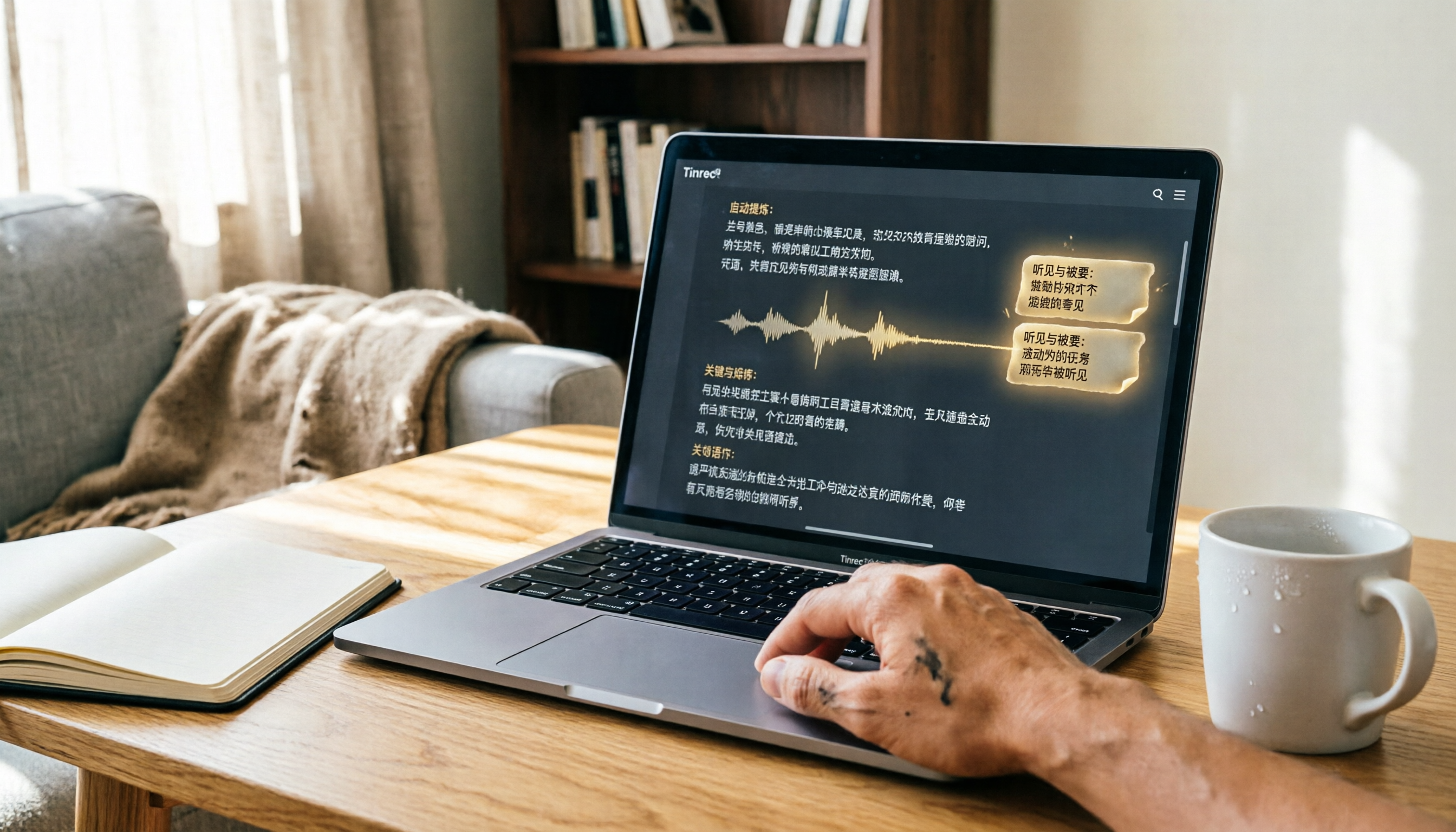
Real-Time Transcription: Open Tinrec during a meeting, and the text appears in sync with less than a second delay. By the time the meeting ends, the transcript is already complete; you just need to quickly review to ensure no key numbers are missing.
AI Summary & Chapters: For a one-hour cross-departmental meeting, Tinrec automatically splits it into chapters like "Opening, Project Status, Resource Discussion, Resolution" with key point summaries for each. For reporting upward, I just copy and paste to create a one-page executive summary.
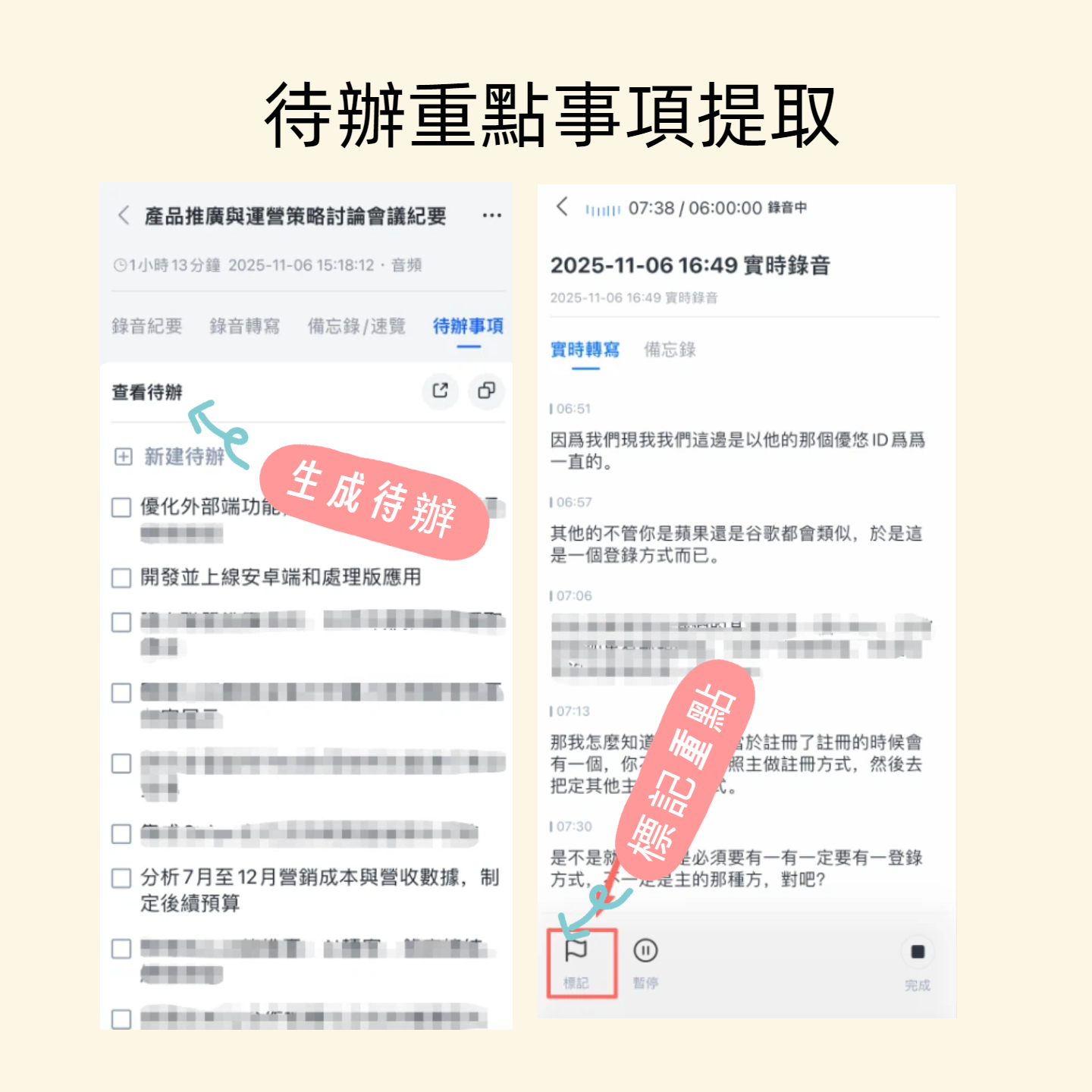
Action Item Extraction: During meetings, people say things like "Someone, please check that" or "Send the first draft by next week." Tinrec automatically picks out these action items, listing responsible persons and deadlines. I export this as a list and sync it with team members.
AI Chat Query: This is my most-used feature. After a meeting, I directly ask "What was the launch date for the new feature discussed last time?" Tinrec answers based on the recording content, saving me from manually flipping through 30 pages of transcript.
Web Video Transcription: Sometimes vendors send YouTube tutorial videos, or I want to grab key points from industry analysis videos. Pasting the link gives me the transcript and summary—much faster than watching slowly.
Real-World Use Cases
Workplace Meetings: After each weekly Google Meet meeting, generate meeting notes with key points and action items clearly laid out—no more fumbling when reporting to the boss.
Learning & Professional Development: For online courses or lecture recordings, Tinrec helps me split into chapters and highlight key points, so I don't have to re-listen to the entire class when reviewing.
Interviews & Research: After client or user interviews, quickly get the transcript and key insights, making it easy to compile reports later.
Personal Knowledge Base: Long-term accumulated meeting and course recordings become searchable, acting as an external brain over time.
When choosing a transcription tool, here are a few things to consider:
When picking a tool, I now focus on these points to avoid buying something that falls short:
- Input Flexibility: Can it handle live recording, local files, and web links? Tinrec does all three.
- Organization & Export: Besides transcripts, does it offer summaries, action items, and export options? These are the time-savers.
- Cross-Platform & Search: Must work on mobile and desktop, and historical data should be searchable, otherwise you lose it over time.
- Chinese & Mixed Languages: Chinese meetings often mix English terms. You need to test actual recognition yourself. Tinrec is optimized for Chinese scenarios, but I recommend trying the free version with your own recordings.
Summary: Is Tinrec Worth Trying?
If you're like me—chased by meetings every week and need more than just a recording file, but a tool that quickly produces summaries, action items, and a searchable meeting database—then Tinrec is one of the few tools on the market that meets all these needs. It's not just an alternative to Google Meet recording; it's more like a workstation that turns audio/video content into actionable knowledge. I suggest downloading the free version first—it comes with monthly basic transcription credits. Test it with your own meeting recordings—that's more direct than reading any review.
Turn every recording into actionable outcomes
Get 60 free transcription minutes when you sign in. No credit card required.
Related Reading
You might also like
2026 Mac Recording-to-Text App Comparison: Which AI Meeting Notes Really Save Time?
Apple's built-in Voice Memos makes recording easy, but it can't transcribe audio. This article hands-on tests Tinrec, Otter.ai, and Notta, covering accuracy, AI summaries, cross-platform support, and free plans, to help you find the best fit for meetings, classes, and interview notes.
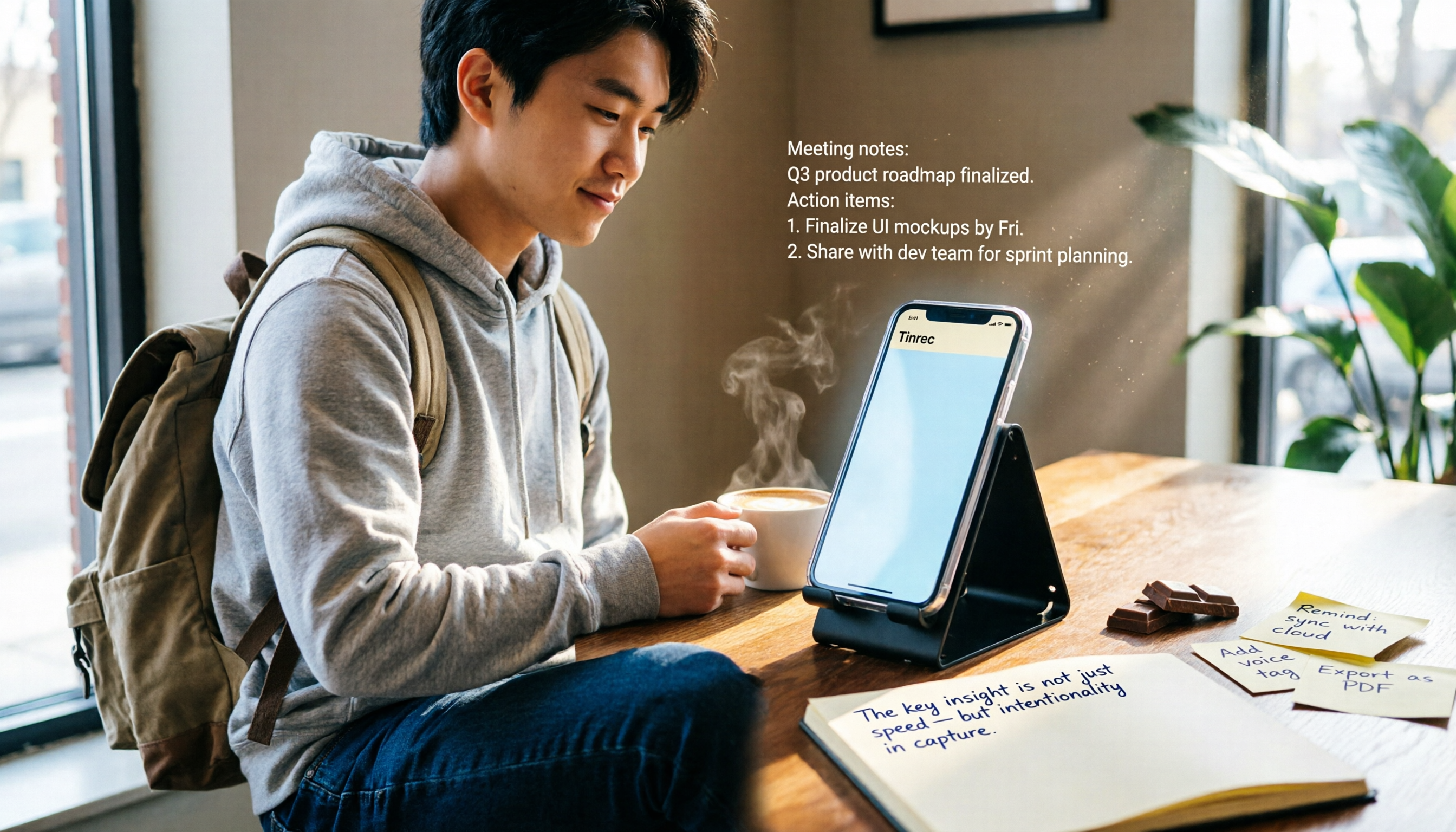
iPhone Voice-to-Text Test in 2026: Built-in Dictation vs. Apps Compared, This AI Q&A App Made Note-Taking 3x Faster
A college senior tested iPhone voice-to-text methods, from built-in dictation to third-party apps. See how Tinrec’s free plan saved 3 hours of note-taking time per week, plus a pitfall guide and student-focused buying advice.

iPhone 17 Screen Recording Free Options in 2026: 5 Tools Reviewed
How to screen record on iPhone 17? This article covers built-in screen recording, Dual Capture tips, and recommends tools like Tinrec to transcribe audio from recordings, from free to paid options.

Best AI Meeting Recorder Tools in 2026: Automatic Summaries, Action Items, and Multi-Source Organization
Looking for an AI meeting note tool but not sure where to start? This article reviews 6 top solutions—from automatic summaries and action items to cross-platform collaboration—and shows you how to save up to 80% of your meeting note time with the right tool.
2026 Free AI Meeting Notes Tools Buyer's Guide: 2 Hands-On Reviews and Practical Tips
Don't want to spend money on hardware but still want to use AI to organize meeting recordings? I actually compared Tinrec, a pure software tool that provides instant recording, with Plaud Note, which integrates hardware. From free plans, recording sources, post-processing capabilities, to cross-platform flexibility, this guide helps you find the best free AI meeting notes solution for your needs.

iPhone Call Recording in 2026: Do You Still Need Tinrec? 3 Reasons to Convince You
iPhone's built-in call recording in iOS 18.1 is handy, but organizing recordings still takes time. This article shows how Tinrec turns call recordings into searchable notes, summaries, and to-dos to boost learning and work efficiency.

2026 Hands-On Comparison of 4 Computer Recording Tools: More Than Just Recording, They Help You Organize Key Points
Struggling to organize your computer recordings after capturing them? This test of 4 computer recording tools — from free options to AI-powered organization — helps you find the most suitable solution.

2026 Complete Guide to AI Meeting Minutes: Auto-Generated Transcripts and Action Items to Double Meeting Efficiency
Still wasting time on meeting minutes? This article shows how to use AI recording tools to auto-generate transcripts, summaries, and action items, with hands-on comparisons of Tinrec, Notta, Otter.ai and more to help you pick the best solution.

2026 iPhone Screen Recording with Audio: 2 Methods Compared — Is the Built-in Feature Good Enough?
Can iPhone screen recording capture audio? This hands-on comparison tests the built-in screen recorder against two third-party apps, showing how to record system sounds and ambient sound, and explains the common causes of no-audio issues and how to fix them.