

Turn recordings into transcripts and summaries in minutes
Upload audio or video for multilingual transcription, AI notes, and action items
How to Buy Google Meet Premium in 2026? A 4-Step Evaluation and Alternatives Guide
You don't actually want to buy Google Meet Premium—you want to solve this problem
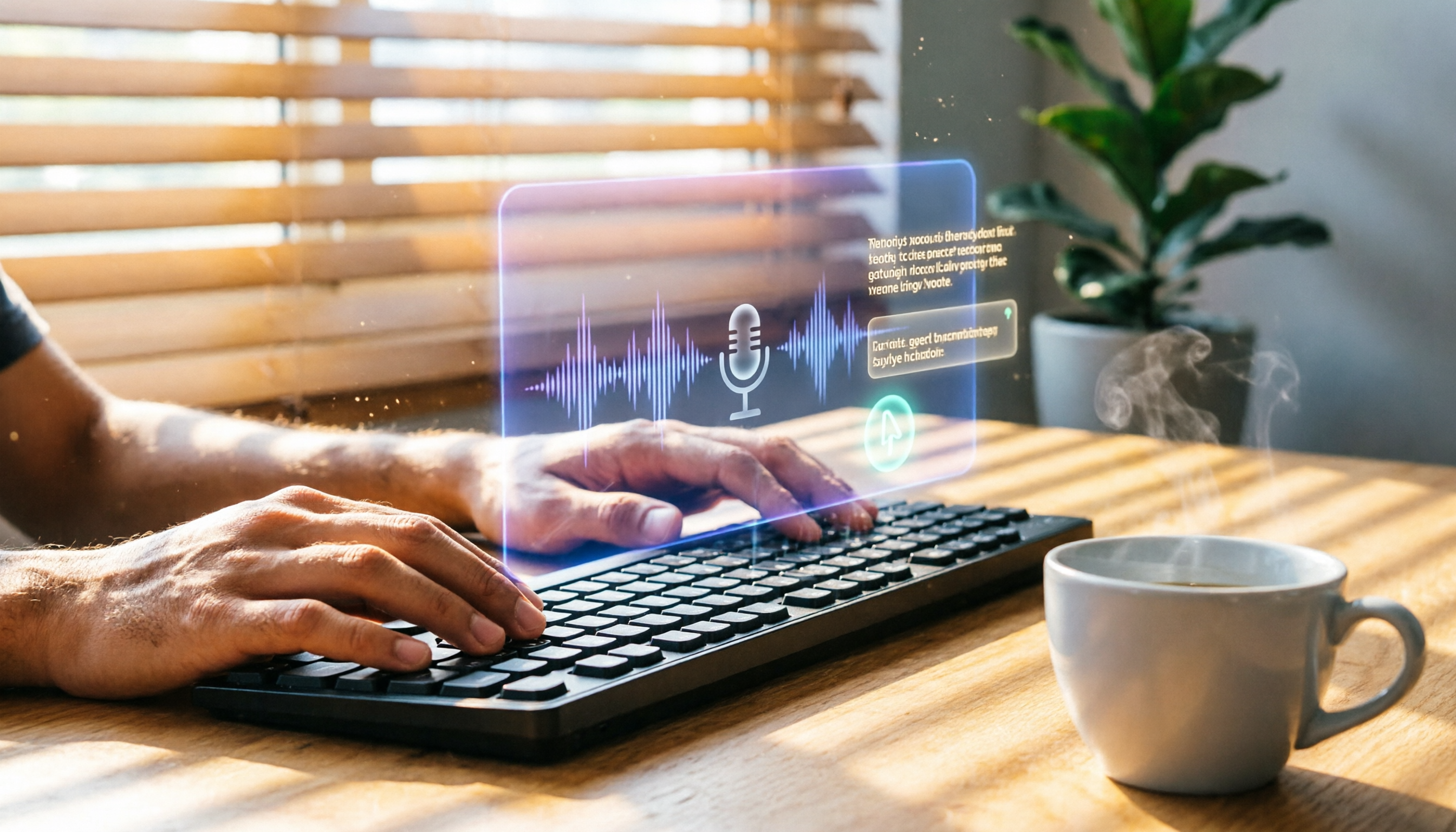
Recently, I've received many emails from readers asking, "How do I buy Google Meet Premium?"
When I dig deeper, the stories are all very similar.
Some say their company meetings use Google Meet, but after each meeting, they have to manually organize the notes, which is time-consuming.
Others say that after recording client interviews, they have to listen multiple times to extract key points, and they want a tool that automatically transcribes.
Still others say there are many online course videos, and they want to directly extract text for notes, but copy-pasting is too slow.
These pain points all point to the same thing: you need a way to quickly convert audio content into usable data.
Google Meet Premium is a paid plan from Google that offers advanced meeting features like longer recording times and attendance reports. But did you know? It may not solve the problems you just described.
Instead of obsessing over which plan to buy, first clarify: what problem are you really trying to solve?
Before choosing a recording tool, understand these 3 key points
Many people get stuck here: should they buy premium features of meeting software, or look for a dedicated tool?
This isn't an A-or-B dichotomy. First, understand three things.
Key Point 1: Do you need "recording" or "organized results"?
Google Meet Premium's built-in recording feature can save your meeting process.
But after recording, you still have to listen again, transcribe, and extract key points yourself.
If what you need is "organized results"—a summary, a to-do list, a searchable transcript—then simple recording isn't enough.
That's why I started recommending tools with AI organization capabilities.
Key Point 2: Are your recording scenarios only video meetings?
Many people tell me, "I mainly use Google Meet."
But a few more questions reveal there are also:
- In-person client interviews recorded on phone.
- Attending in-person classes, recording lectures.
- Want to organize YouTube tutorial videos into text notes.
- Have a pile of old recordings with no idea how to process them.
The best tool should support multiple scenarios, not just be tied to one meeting platform.
This way, you learn one workflow to handle all audio/video data.
Key Point 3: Is the free plan enough? How much paid feature do you need to avoid wasting money?
Google Meet Premium is a paid plan, but its features focus mainly on the meeting experience itself.
If you need transcription, AI summaries, to-do extraction, it doesn't have those built-in.
In that case, spending your budget on a dedicated AI recording tool can solve more problems.
Plus, many tools have free tiers, so you don't need to pay upfront.
Tinrec (Miao Ting Lu Yin) — My Top Pick After Testing
(Screenshot: Tinrec main interface, synced between phone and computer, arrow pointing to "Start Recording" button)
Tinrec is an AI recording and audio/video organization tool; it's not just a voice recorder.
Here's my personal workflow:
During meetings, I open Tinrec, and it generates a transcript in real time. As soon as the meeting ends, the AI has already created a summary and to-do list—who is responsible for what, deadlines—all clear at a glance.
(Screenshot: Meeting notes with key points recorded anytime, arrow pointing to AI summary block)
If the meeting is mixed Chinese and English, or purely Cantonese, it handles it. I tested a 5-minute Cantonese news recording (iPhone 15, indoor environment with some AC noise) and Tinrec's transcript quality was the best among tools in its price range, with significantly lower error rates than competitors.
But what impressed me most is its AI Q&A feature.
After recording, you can directly ask Tinrec: "Who mentioned the budget in the last meeting?" It's not just keyword search; it uses semantic understanding to give you the answer.
Stop organizing recordings by hand
Upload audio or video and automatically get a transcript, summary, and action items
(Screenshot: AI dialog query, entering "What is the conclusion of the meeting?", arrow pointing to AI response)
This is no longer traditional transcription; it turns a recording into a database you can repeatedly query.
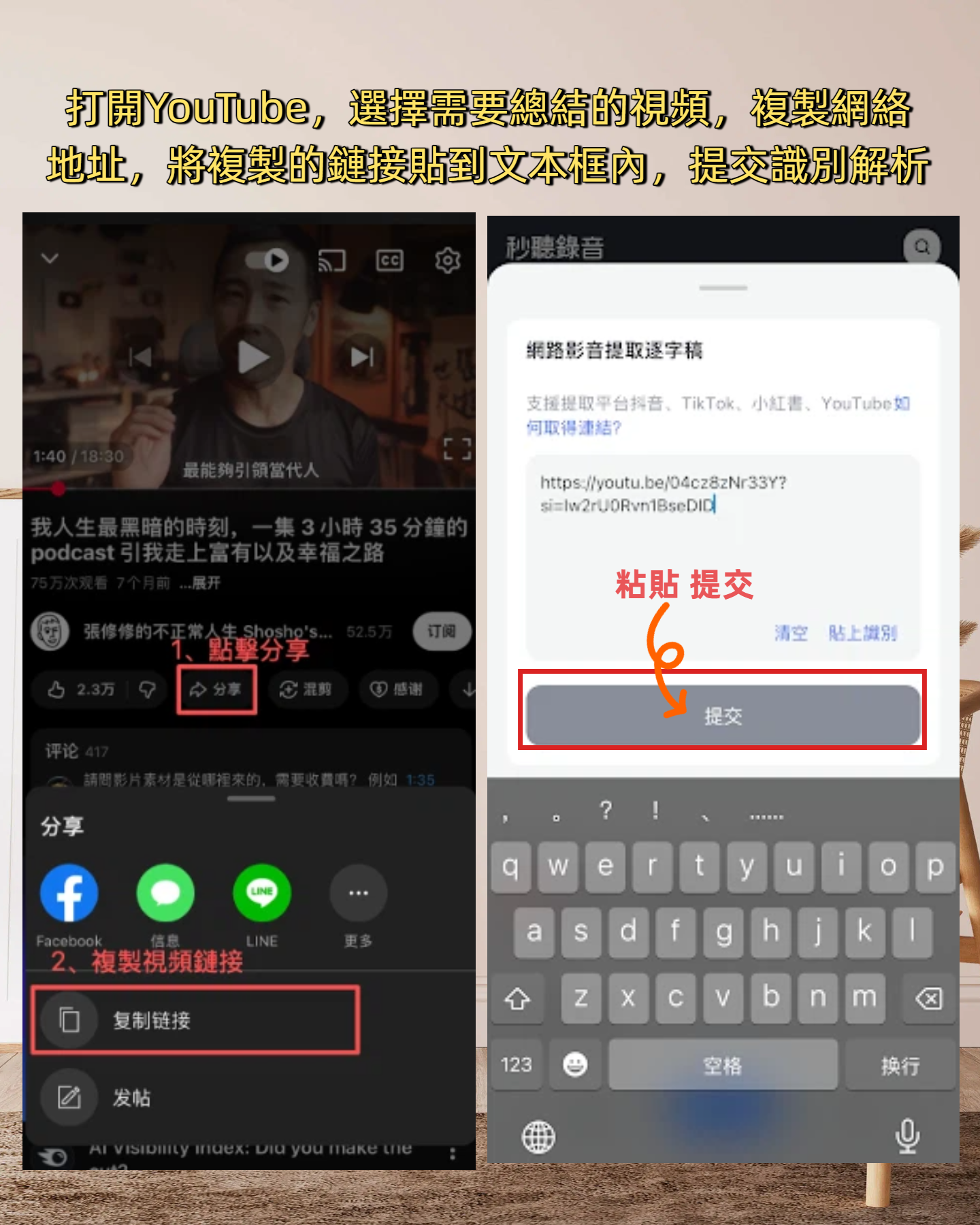
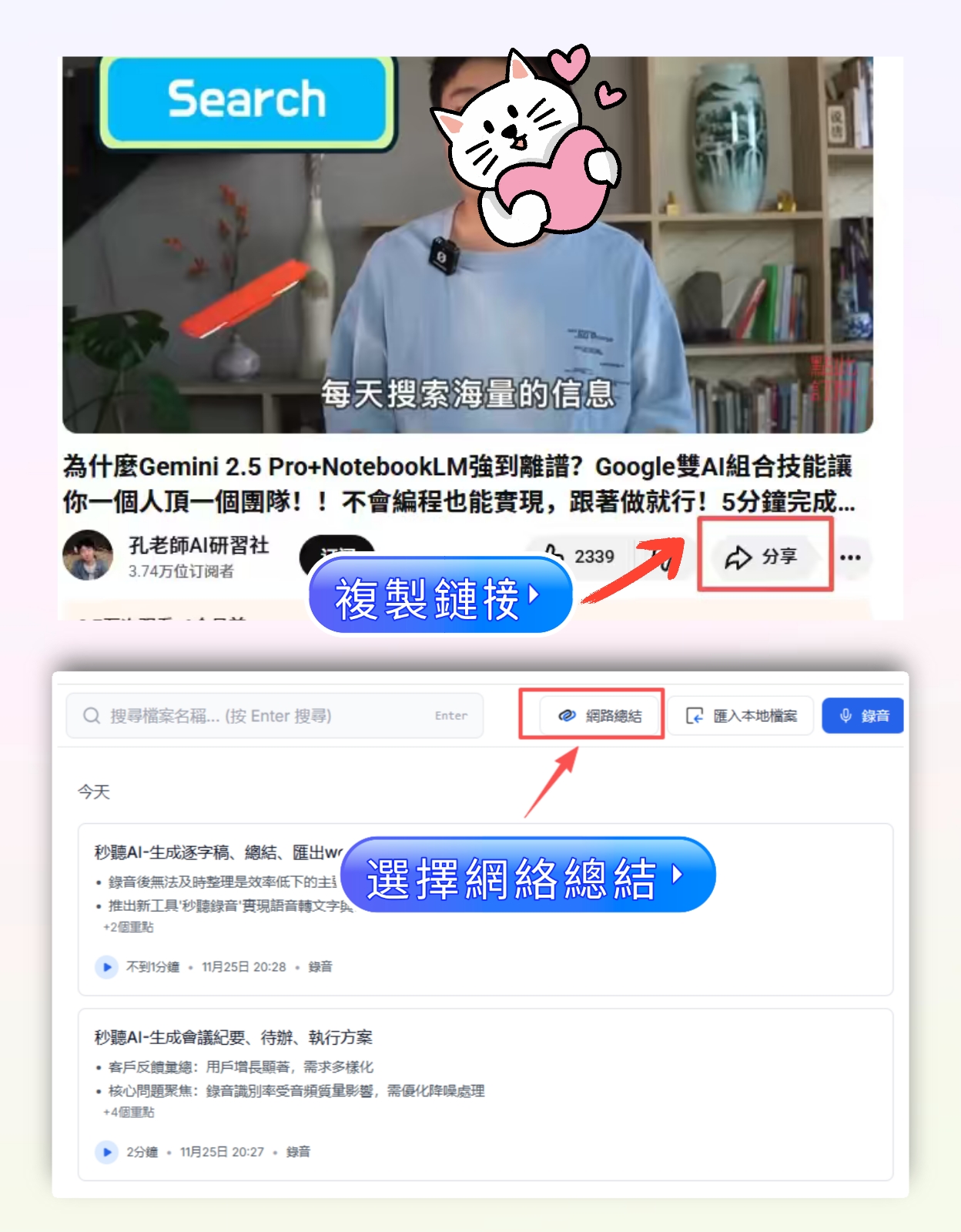
Another common scenario for me is converting online videos to text.
If you find a useful YouTube tutorial, just copy the link and paste it into Tinrec; it will generate a transcript, summary, and even organize it into chapter highlights.
(Screenshot: Online video link analysis, after pasting a YouTube link, a summary is produced, arrow pointing to chapter segmentation)
For knowledge workers who need to absorb large amounts of information, the efficiency boost is very noticeable.
Advantages:
- Multi-platform: Works on iOS, Android, and web. Recorded data syncs, so you can record on phone and organize on computer.
- Not just meetings: Class notes, interview organization, video material extraction—all in one tool.
- Strong AI post-processing: Summaries, chapters, to-dos, Q&A, and even generating meeting reports or tables.
Limitations:
- The free version has a monthly base minute limit; heavy users need to pay. But for average office workers or students, the quota for a few meetings per week is sufficient.
- It doesn't automatically join Google Meet like a meeting bot; you still need to manually start recording. But you can also record system audio on your computer and use the web version to capture meeting content.
Who it's for: If you often need to extract key points from meetings, classes, or videos, and want to get organized results immediately rather than a raw recording, then Tinrec is currently the best choice.
Besides Tinrec, what other options are there?
Just use Google Meet's built-in recording?
If you only use Google Meet and have few meetings, the built-in recording might be enough. But it only gives you a video file; transcription and organization are up to you. If you need automated organization, it won't help.
Other AI meeting bots (Otter.ai, Fireflies.ai)
These tools are designed specifically for online meetings and are powerful, with features like automatic joining and speaker identification. But their strength is in English meetings; their Chinese content organization is not as good as Tinrec. Moreover, if you have needs for class recordings, interview recordings, or online video organization, these tools are less flexible.
Avoiding Pitfalls: 3 Common Mistakes When Buying Meeting Note Solutions
Mistake 1: Looking only at feature lists without considering your actual use case.
Many people spend money upgrading meeting software only to realize they still need to handle class recordings, client interviews, and YouTube videos. Then they have to find another tool, making the workflow messier.
I suggest you first take stock: in the past month, how many situations required audio recording? Was it only meetings, or more diverse?
Mistake 2: Thinking buying a tool equals solving the problem.
The tool is just the starting point. The key is how you build a "Record → Organize → Act" workflow.
Here's what I do: Open Tinrec before a meeting, mark key points as I record; after the meeting, immediately use AI Q&A to confirm action items, then export to a note-taking app for archiving. The whole process takes less than 5 minutes.
Mistake 3: Ignoring the importance of cross-platform support and data accumulation.
If you record on your phone today and want to organize on your computer tomorrow, but the tool doesn't sync seamlessly, your notes will be scattered. Moreover, whether accumulated recordings can be searched and reused is an often-overlooked value.
Tinrec's data syncs to the cloud, turning all your past meetings, classes, and interview recordings into a searchable knowledge base.
Conclusion: Which one should you choose?
Back to the original question: How to buy Google Meet Premium?
I'd say what you really need may not be that plan, but a workflow that handles recording to organization in one go.
Scenario-based recommendations:
- Only need to record Google Meet meetings, nothing else → Use built-in recording (but organize yourself)
- Besides meetings, also need to organize classes, interviews, videos → Tinrec (most comprehensive AI organization)
- High team collaboration needs, frequent English use, only online meetings → Otter.ai or Fireflies.ai
- Want a portable recording hardware → PLAUD NOTE (but requires extra device cost)
If you think you fit the second scenario, I recommend downloading the free version of Tinrec to try. There's a monthly free quota; you'll feel the difference after two or three meetings.
(Screenshot: Tinrec free version start recording screen, arrow pointing to record button)
If you like it, consider upgrading; if not, you lose nothing.
This way, you won't be stuck in the whirlpool of "which plan to buy."
Quick Start Guide: 4 Steps to Organize Meetings with Tinrec
- Start Recording: Before the meeting, open the Tinrec app or web version and press the record button.
- Mark Key Points: When you hear important points, tap "Mark" for easy review later.
- AI Auto-Organization: After the meeting, AI generates a summary, chapters, and action items.
- Ask and Export: Use AI Q&A to confirm details, then export the results to your notes or document tool.
Test step by step, and you'll gradually master this method.
Turn every recording into actionable outcomes
Get 60 free transcription minutes when you sign in. No credit card required.
Related Reading
You might also like
Best Recording App 2026: Hands-On Test of 4 — Tinrec Wins for AI Transcription & Organization
We tested the most download-worthy recording apps of 2026, comparing 4 tools from free to paid. In our hands-on review, Tinrec's AI transcription, summarization, and Q&A features proved the most practical. Whether for meeting notes, lecture notes, or content creation, it turns recordings into searchable material.

Which iPhone Voice-to-Text App Is Best? We Tested 4 in 2026 – This Cross-Platform AI Query Tool Is the Most Convenient
We tested four voice-to-text tools: iPhone's built-in Voice Memos, Yating, Otter.ai, and Tinrec. We compared language support, AI summarization, cross-platform use, and free plans to help you find the right fit.
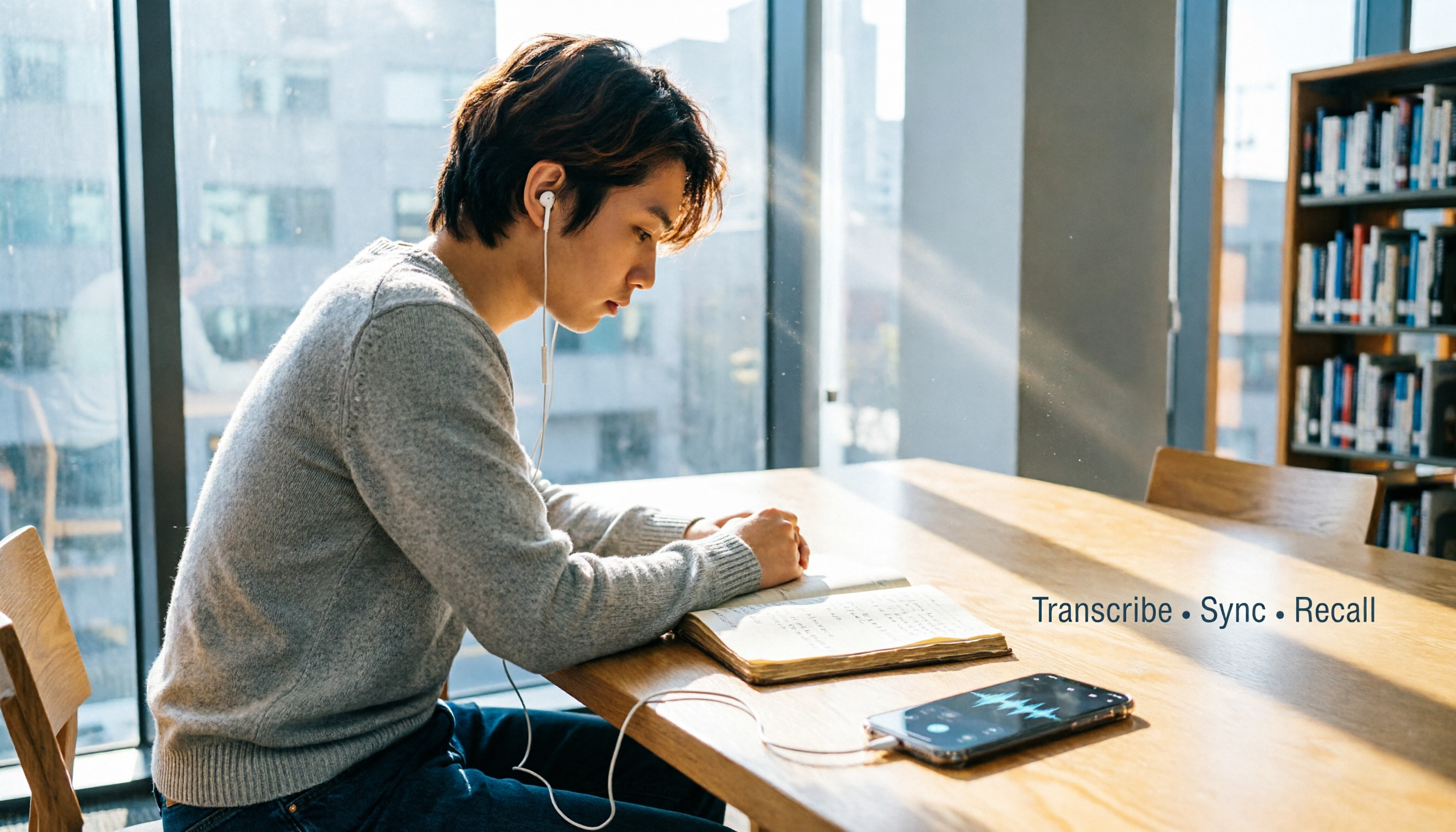
Free Speech-to-Text Apps in 2026: 5 Options at a Glance
Can't keep up with lecture notes? This article rounds up the 5 free speech-to-text apps most used by college students, from fully free options to the best value picks, to help you easily handle class recordings and meeting minutes.

2026 MP3-to-Text Tools Tested and Compared: Which AI Saves You the Most Time?
Converting MP3 recordings to text is only the first step. The real key is getting AI to summarize, highlight key points, and even answer questions. I tested four tools to find out which one works best for organizing Chinese content.

2026 Meeting Recording & Transcription Tools: 2 Hands-On Reviews & Legal Recording Tips
Is it illegal to record a meeting? This article unpacks the legal boundaries of recording for self-protection, then compares two meeting recording/organizing tools—Tinrec and PLAUD Note—across recording methods, multi-source input, AI organization, and price, helping you choose the best fit.

2026 Comparison of 4 Cantonese Voice-to-Text Tools: Which One Has the Best AI Organization?
After testing multiple Cantonese voice-to-text tools, I found that the key selection factor is not just accuracy, but also AI-powered organization and flexibility. This article shares my hands-on experience and buying advice to help you find the best solution.
Free Speech-to-Text App Roundup for 2026: 5 Options Compared
A curated list of 5 speech-to-text apps that offer free plans, including Tinrec, Yating Transcriber, cSubtitle, Notta, and Easemate AI. Compare features, pricing, and suitability—from fully free to paid—to find the right tool for your needs.
3 iPhone LINE Call Recording Organizer Tools Tested in 2026: Which Free Plan Is Good Enough?
After upgrading to iOS 26, your iPhone can finally record LINE calls easily using the built-in Local Capture feature. But recording is only the first step; quickly turning the conversation into text, summaries, and to-dos is what really matters. This article compares three call-recording organizer tools across free allowances, Chinese accuracy, and AI organizing capabilities to help you find the best one.

4 iPhone Voice Recording Shortcuts Compared: Which One Starts Fastest When It Matters Most?
This article tests four ways to quickly start recording on an iPhone: the Action button, Back Tap, Shortcuts, and the traditional Voice Memos app. We compare startup speed, ease of use, and device compatibility to help you find the best one-touch recording solution.