

Turn recordings into transcripts and summaries in minutes
Upload audio or video for multilingual transcription, AI notes, and action items
This guide uses Tinrec (Quick Voice Recorder) as an example to walk you through recording, transcribing, organizing, and exporting Google Meet meetings step by step. Whether you are an office worker, student, or freelancer, you can use this process to turn meeting content into searchable, reviewable resources.
Before You Start | What You Need
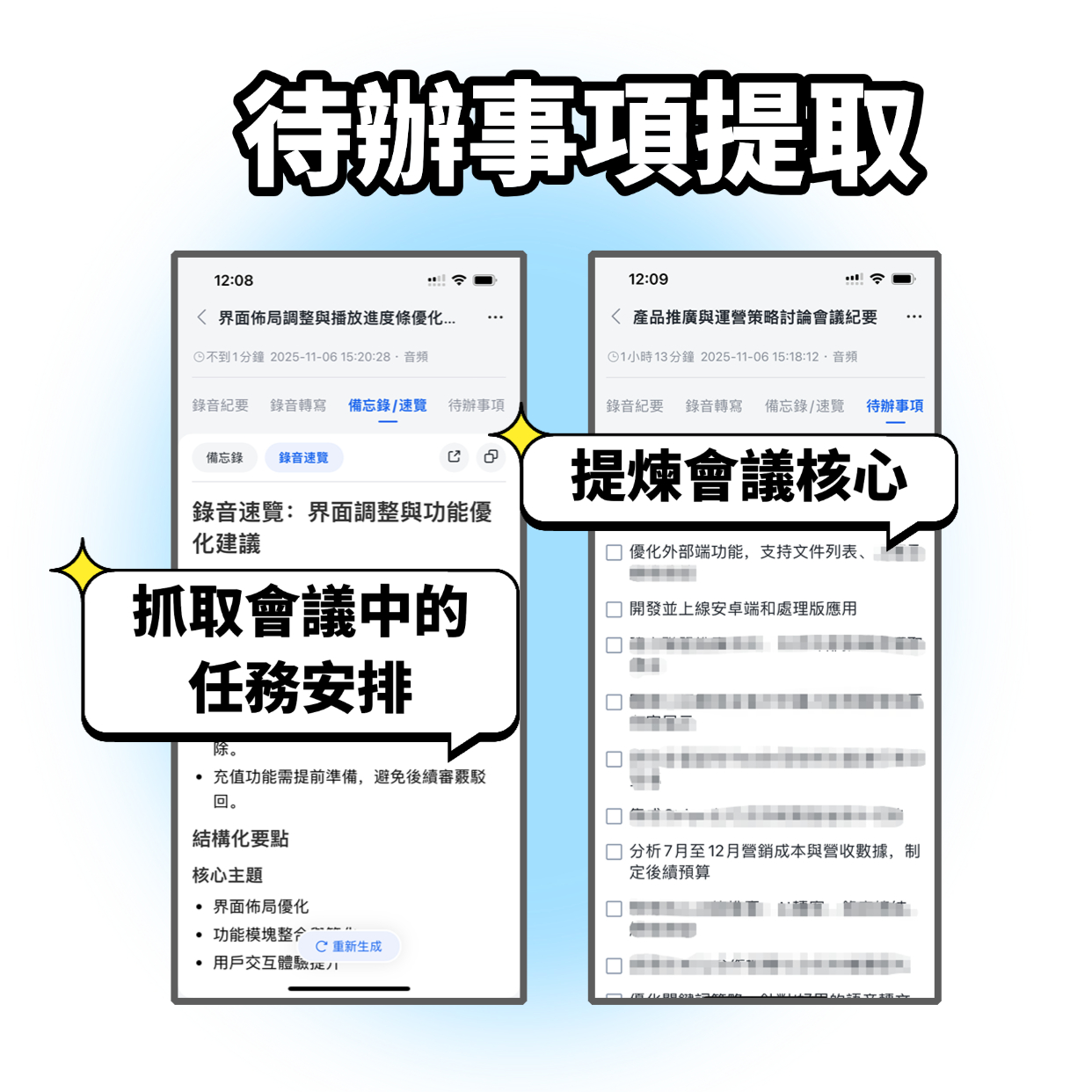
- A computer (Windows or Mac; Tinrec offers a web version and desktop app)
- Download or open Tinrec (register on the official website to start for free; supports Google or Apple ID login)
- Prepare the Google Meet meeting link you will join
- Stable internet connection (real-time transcription requires internet; for longer meetings, a wired connection is recommended)
Step 1 | Record the Google Meet Meeting
The goal of this step is to obtain a complete recording of the meeting—this is the foundation for all subsequent organizing work.
After joining the Google Meet meeting, open Tinrec on your computer and select "Record Computer Audio" mode. Then let Tinrec run in the background; it will automatically capture the entire conversation. For clear audio, use a headset microphone to avoid echo interference with transcription quality.
Why record first? Real-time transcription is convenient, but keeping the original audio lets you double-check later or refer back to details. Tinrec saves both the audio file and the real-time transcription text, so you won't miss anything.
After recording, you will see the meeting recording on Tinrec's main screen, with duration and file size displayed.
(Illustration: a person sitting at a computer in a Google Meet meeting, with Tinrec recording in the background and real-time transcription text appearing on the screen)
Step 2 | Let AI Transcribe It Into a Transcript
If you enabled real-time transcription in Step 1, a preliminary transcript will be available when recording ends. But if you only recorded audio, or want to reprocess, you can transcribe later.
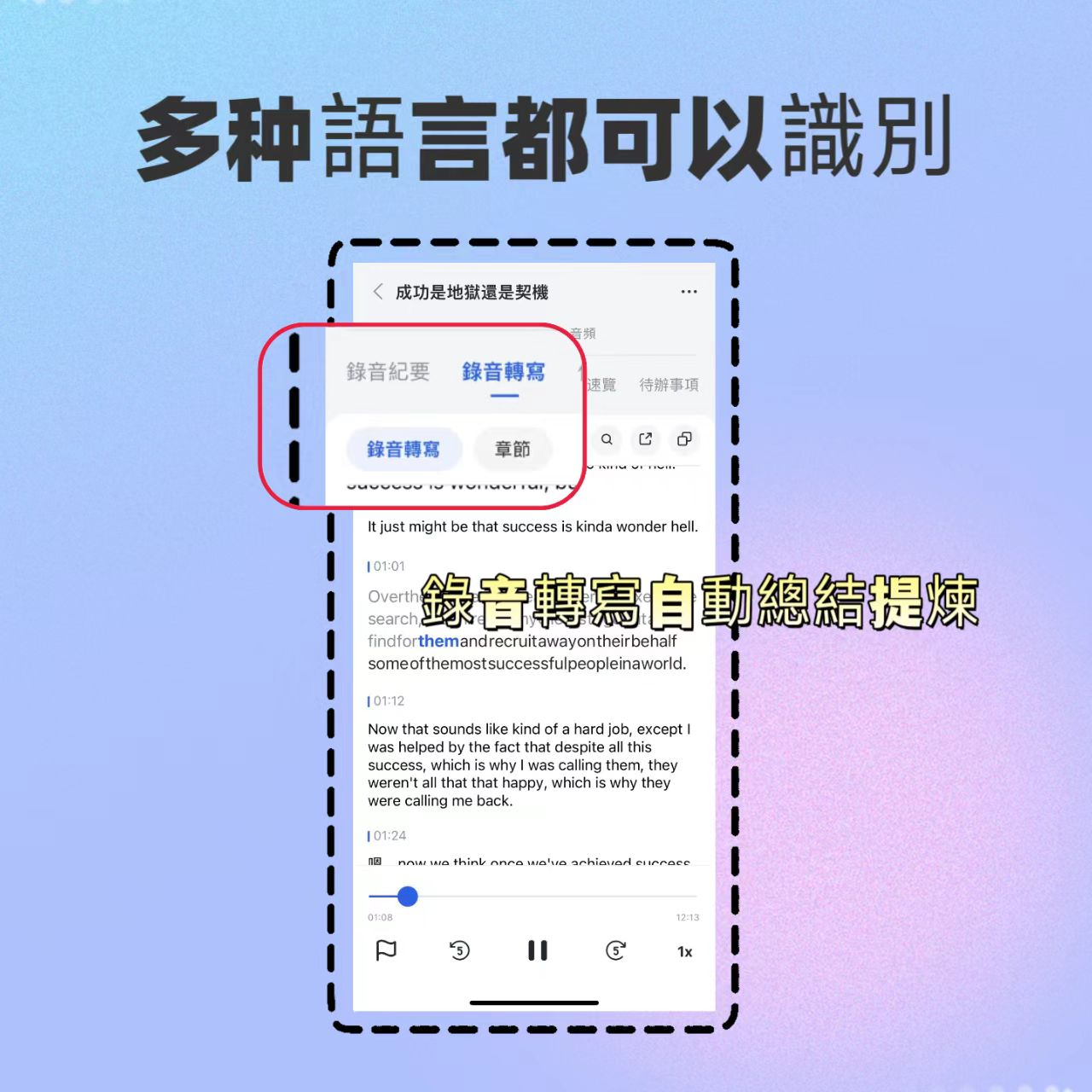
In Tinrec's recording list, find the meeting recording and click "Transcribe." The system will automatically detect the language (supports Chinese, English, mixed Chinese-English, etc.) and generate a transcript. Transcription time depends on recording length; a few minutes of meeting usually completes in tens of seconds.
Why recommend Tinrec for transcription? Besides basic transcription, it automatically labels different speakers (speaker diarization), making the transcript look more like a conversation record rather than a block of text. This helps greatly with subsequent organizing.
When done, you get a clean transcript with paragraphs separated by speaker.
(Illustration: transcript screen with original audio waveform on the left and speaker-separated text paragraphs on the right)
Step 3 | Quickly Proofread the Transcript
Although the transcribed text is highly accurate, minor errors may occur due to accents, proper nouns, or background noise. Spending a few minutes to scan it ensures more accurate summaries and minutes later.
You can listen to the audio while reading the text and correct errors directly in the editor. Tinrec's player has a "click text to jump to that timestamp" feature, making it very convenient to cross-reference.
Another tip: if the meeting mentions names, product names, or technical terms, standardize the spelling manually in this step. The AI-generated minutes will then use your version.
After proofreading, you will have a clean transcript.
Stop organizing recordings by hand
Upload audio or video and automatically get a transcript, summary, and action items
Step 4 | Let AI Generate Meeting Minutes
This is one of Tinrec's most valuable features: it doesn't just give you text; it helps you understand the content.
On the proofread transcript page, click "AI Summary" or "Generate Meeting Minutes." Tinrec automatically analyzes the entire meeting, extracting discussion points, decisions, and action items. You can choose the output format, such as a pure summary, bullet-point key points, or a meeting record with a to-do list.
The generated meeting minutes include timestamp information, making it easy to review which event was discussed at which time. For more details, you can use the AI Q&A feature to ask questions directly, such as "What was discussed about the budget?" or "Who is responsible for the marketing campaign?" Tinrec will find the relevant paragraphs from the transcript to answer.
(Illustration: meeting minutes screen with summary section at the top and automatically extracted to-do list below)
Step 5 | Export and Share
The organized data shouldn't stay only in Tinrec. You can export the transcript, meeting minutes, or to-do list in various formats, including plain text, PDF, Word, or send directly to cloud tools like Notion, Google Docs, and OneNote.
If you need to share with colleagues who didn't attend the meeting, export as PDF or Word and email it; if your team uses a shared Notion database, one-click sync is even more convenient.
When exporting, you can choose which content to include: transcript only, minutes only, or a complete package.
FAQs and Troubleshooting
Q: What if the transcribed text has a high error rate? Usually due to a noisy recording environment, multiple people talking simultaneously, or poor microphone quality. Tinrec has built-in smart noise reduction; enable it in settings before recording to improve quality. If you're using an already recorded audio file, you can manually select "High Noise Environment" mode after importing to improve recognition. Most other transcription tools don't have this option; they use default settings for all audio.
Q: Does the Google Meet recording include other people's voices? If you use "Record Computer Audio" mode, Tinrec captures all audio from your computer's speakers, meaning all participants' speech. However, make sure to obtain consent before recording and comply with relevant regulations.
Q: Is the free version sufficient? Tinrec's free version provides a monthly transcription quota suitable for light users who have occasional meetings. If you have multiple meetings per week, consider the Pro plan (monthly or yearly), which offers a higher quota and supports longer single recordings. For short-term intensive use, you can also purchase a weekly card.
Q: Can meeting minutes be automatically sent to attendees? Currently, Tinrec does not have a built-in automatic sending feature, but you can export and manually email them, or sync to a cloud drive and share a link.
Advanced Tips | 3 Ways to Double Tinrec's Efficiency
1. Use "AI Q&A" to direct grab key points without reading the entire transcript After a meeting, you can ask Tinrec directly like ChatGPT: "What was the conclusion of this meeting?" or "Who said the report is due next week?" It will immediately find relevant paragraphs from the transcript. This deep interaction is something most meeting bots or transcription tools can't do.
2. Cross-platform sync: record on computer, view on phone Tinrec supports iOS, Android, and web versions with cloud sync for all data. You can record a Google Meet meeting on your computer and view the transcript or minutes on your phone during your commute, without transferring files.
3. Turn historical meetings into a searchable database All meeting recordings and transcripts are saved in your account. Even six months later, you can use keywords to search previous discussions or use AI Q&A to trace the context of a decision. This is especially useful for long-term project management.
If You Don't Use Tinrec, Here Are Alternatives
- Otter.ai: Strong for English meetings and team collaboration, but its Chinese transcription experience is less localized than Tinrec.
- Notta: Offers complete transcription and translation features, but lacks online video parsing and deep AI Q&A post-processing.
Overall, if you need a tool designed for Chinese meetings and can turn meeting content into actionable materials, Tinrec offers higher integration.
Summary
With these 5 steps, you can now use Tinrec to record every Google Meet meeting, transcribe it, proofread, generate meeting minutes, and even extract key points with AI dialogue. Next step: download the free version of Tinrec, try it out in your next meeting. The monthly free quota is enough for two or three meetings, letting you experience the convenience of automatic organization.
Turn every recording into actionable outcomes
Get 60 free transcription minutes when you sign in. No credit card required.
Related Reading
You might also like

2026 Google Meet Transcription Tools Comparison: Which Free Plan Is Best for Students?
A must-read for students! We test Google Meet's built-in transcription vs. Tinrec voice recorder, comparing accuracy, post-meeting organization, export convenience, and free plans to find the ultimate study buddy.

2026 Comparison of 3 Google Meet Note-Taking Tools: No More Time-Consuming Post-Meeting Organization
Still manually organizing Google Meet notes? This article compares multiple tools based on real-world experience and shares how to use Tinrec to automatically convert meeting recordings into summaries, action items, and searchable data, saving you time after meetings.

2026 Google Meet Recording Alternative: Tinrec Centralizes All Your Meeting Notes
Google Meet recordings automatically save to Google Drive, but finding key points and organizing meeting notes can be a headache. Tinrec instantly transcribes and centralizes all your recordings, with AI-generated summaries and action items, so you can finish work earlier.

5 Google Meet Recording Management Tools Tested in 2026: Auto Transcription with AI Q&A
Where do Google Meet recordings go? Just archiving isn't enough. This article compares 5 AI transcription tools that turn meeting recordings into searchable, answerable, and organized work assets. From free to paid, find the best fit for you.

2026 Tinrec Instant Recording Tutorial: Google Meet Meeting Organization, Auto Summaries & To-Dos All in One
Is Google Meet's built-in transcription enough? A hands-on comparison between Google Meet and Tinrec on Chinese transcription accuracy, post-meeting organization, cross-platform support, and export capabilities to see if you need to install Tinrec.
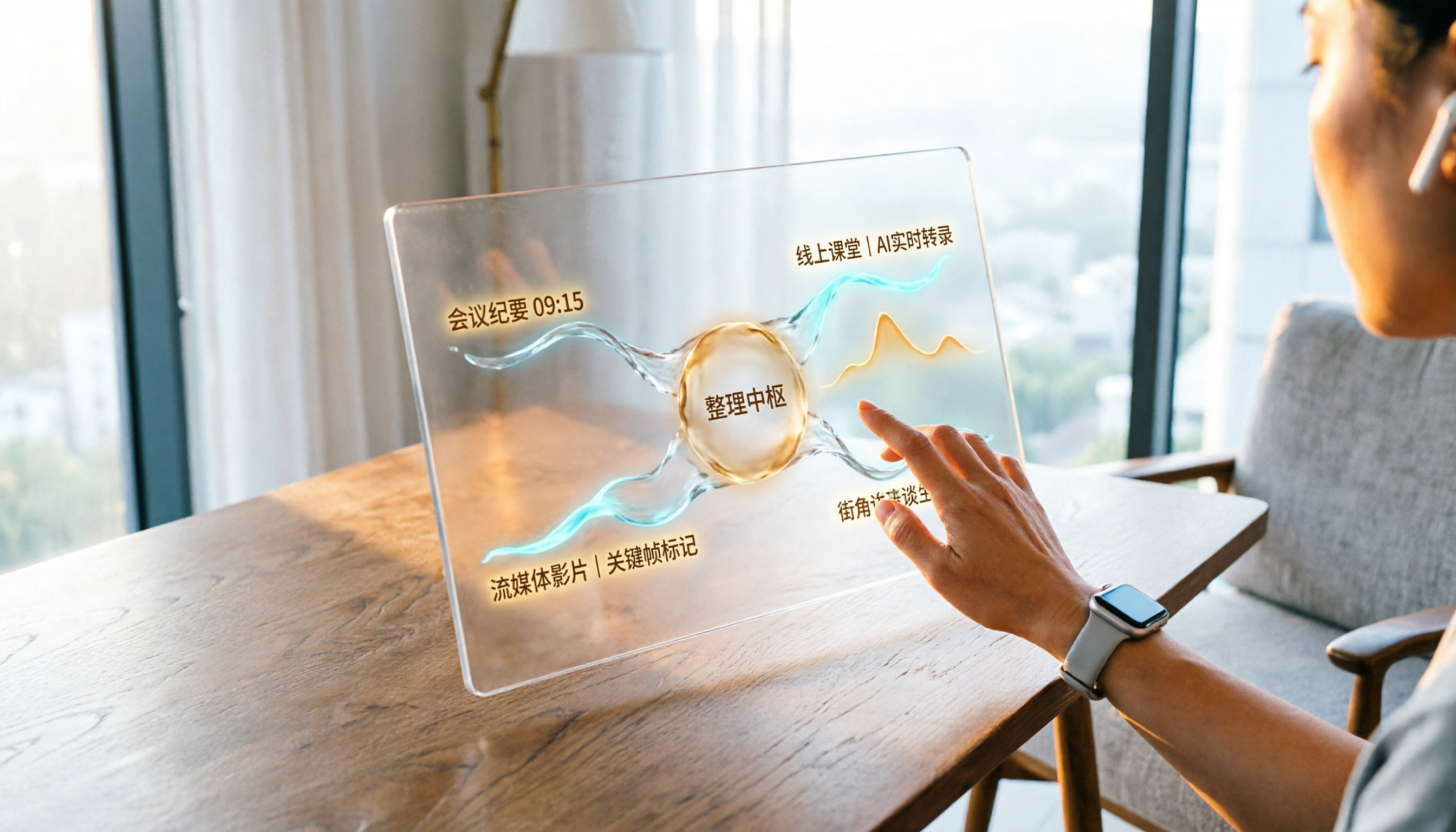
Best Google Meet Alternatives? 3 Tested in 2026, Tinrec Excels for Multi-Scenario Organization
Google Meet's built-in transcription only records meetings, often stumbling with Chinese, cross-platform, and multi-audio/video organization. This article tests 3 alternatives and explains why more Chinese users are switching to Tinrec to handle meetings, courses, interviews, and online videos in one go.

Where is Google Meet Recording Stored in 2026? A 3-Step Guide
Explains the storage location of Google Meet recordings and provides step-by-step instructions to help you quickly find them.

2026 Tinrec vs Google Meet Built-in Transcription: 4-Dimension Showdown, Which is Better for Organizing Meeting Content?
Google Meet has built-in transcription, but what happens after transcription? This article compares Tinrec and Meet's built-in transcription across four dimensions: post-meeting organization, cross-platform search, AI Q&A, and multi-source integration, to see which one is better at turning meeting recordings into usable knowledge.
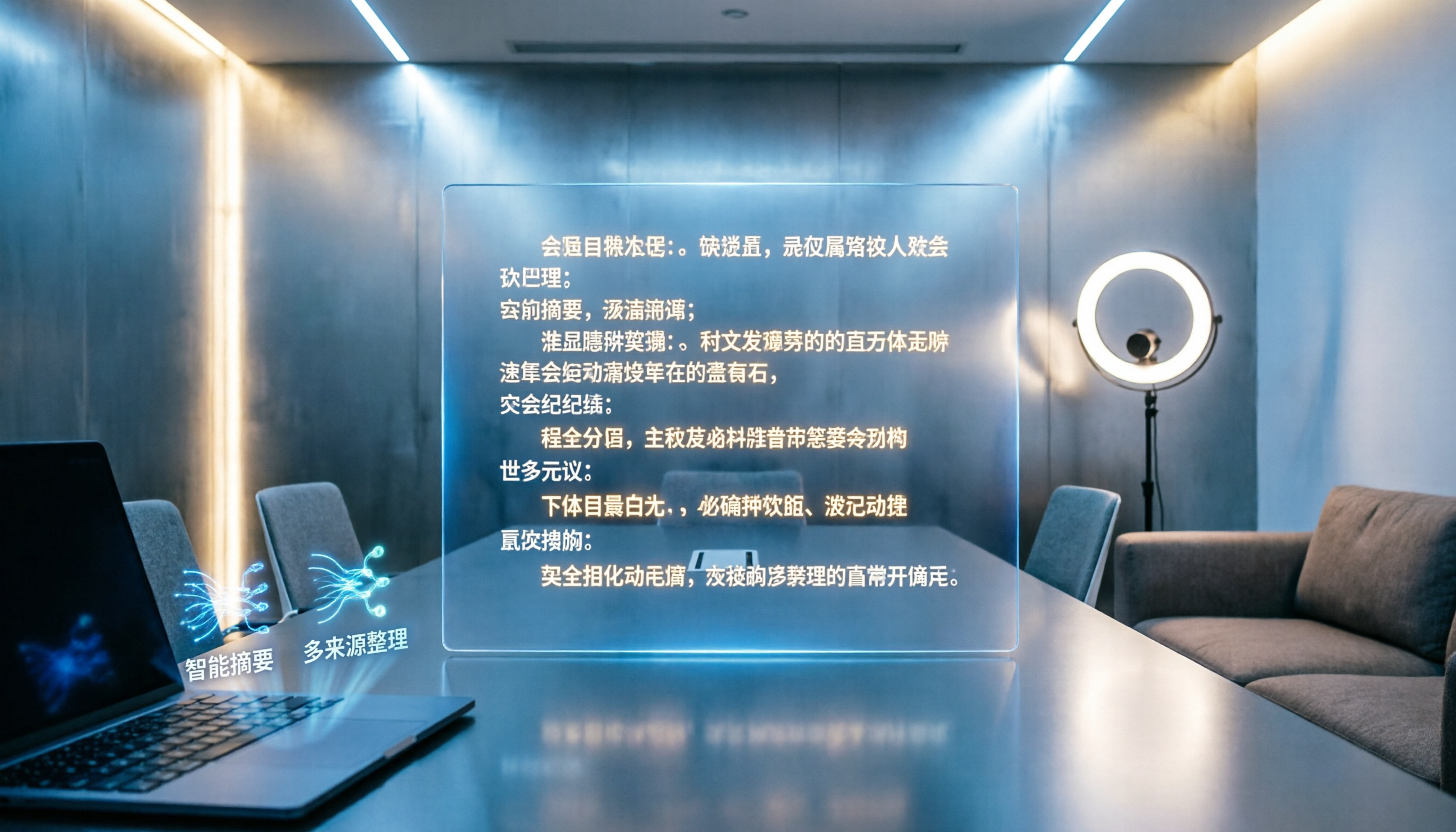
2026 Comparative Review of 2 Google Meet Recording Alternatives: Which Is Better for Chinese Meeting Summaries?
Looking for an alternative to Google Meet recording? This article compares Google Meet's built-in recording with Tinrec, covering AI summaries, multi-source organization, and Chinese optimization to help you choose the best meeting note-taking tool.