

Turn recordings into transcripts and summaries in minutes
Upload audio or video for multilingual transcription, AI notes, and action items
2026 Tinrec vs Notta: A Deep 4-Dimension Comparison – Which One is Worth Choosing?
Why Are People Looking for an Alternative to Notta?
Many users rely on Notta for meeting recordings, interview transcripts, or foreign language content. Its multi-device transcription and basic translation capabilities are indeed convenient. But as data sources become more diverse—beyond meetings, you might also need to process course recordings, YouTube videos, and podcasts—simply "transcribing to text" is no longer enough. If you often find yourself manually summarizing key points and to-dos after transcription, or wish you had an AI that could directly answer "What was the conclusion of this meeting?", then Tinrec might be a more complete option.
Tinrec vs Notta: What's Different in Core Experience?
Below, we compare the two from four dimensions that matter most in real-world use.
Diversity of Input Sources
Not just meeting recordings—today's audio sources are quite varied: YouTube links, TikTok videos, local audio files, even online public courses. Tinrec can handle live recordings, uploaded audio/video files, and even directly paste public video links to transcribe and summarize text. Notta is more focused on meeting transcription and file uploads, with less support for direct parsing of online videos. If you often collect content from multiple platforms for note-taking, Tinrec covers a wider range in one go.
AI-Powered Organization
Producing a transcript is just the starting point. Tinrec can automatically generate summaries, chapters, and to-dos after transcription, and you can even have a conversation with it to ask about the recording content, such as "What are the key points of this lecture?" or "What are the three requests the client made?" Notta does have a summary feature, but its AI Q&A and automatic to-do extraction are more basic. When organizing long meetings or courses, you'll still need to spend time sifting through them yourself.
Chinese Language Optimization
A pain point for many users is the recognition of mixed Chinese-English speech, accents, or technical jargon. Tinrec has extensively optimized for Chinese, Cantonese, and other scenarios. In internal tests, the word error rate in general meeting environments is below 10%. Notta has a good reputation for English transcription, but its performance in everyday Chinese conversations and mixed languages is relatively average. For teams that rely entirely on Chinese communication, Tinrec's localization adjustments can save a lot of editing time.
Free Plan Usability
Tinrec's free plan provides a basic monthly quota, enough to experience live recording, file import, and online video parsing. Notta's free plan offers 120 minutes per month, which is also sufficient for occasional users. However, Tinrec's free plan already includes AI summaries and Q&A, letting you test "what you can do after transcription" rather than just providing raw text. This is very helpful for evaluating whether the tool is worth paying for.
Tinrec Core Features at a Glance
When you record or import audio, Tinrec gives you more than just a transcript:
Stop organizing recordings by hand
Upload audio or video and automatically get a transcript, summary, and action items
Live Recording to Text
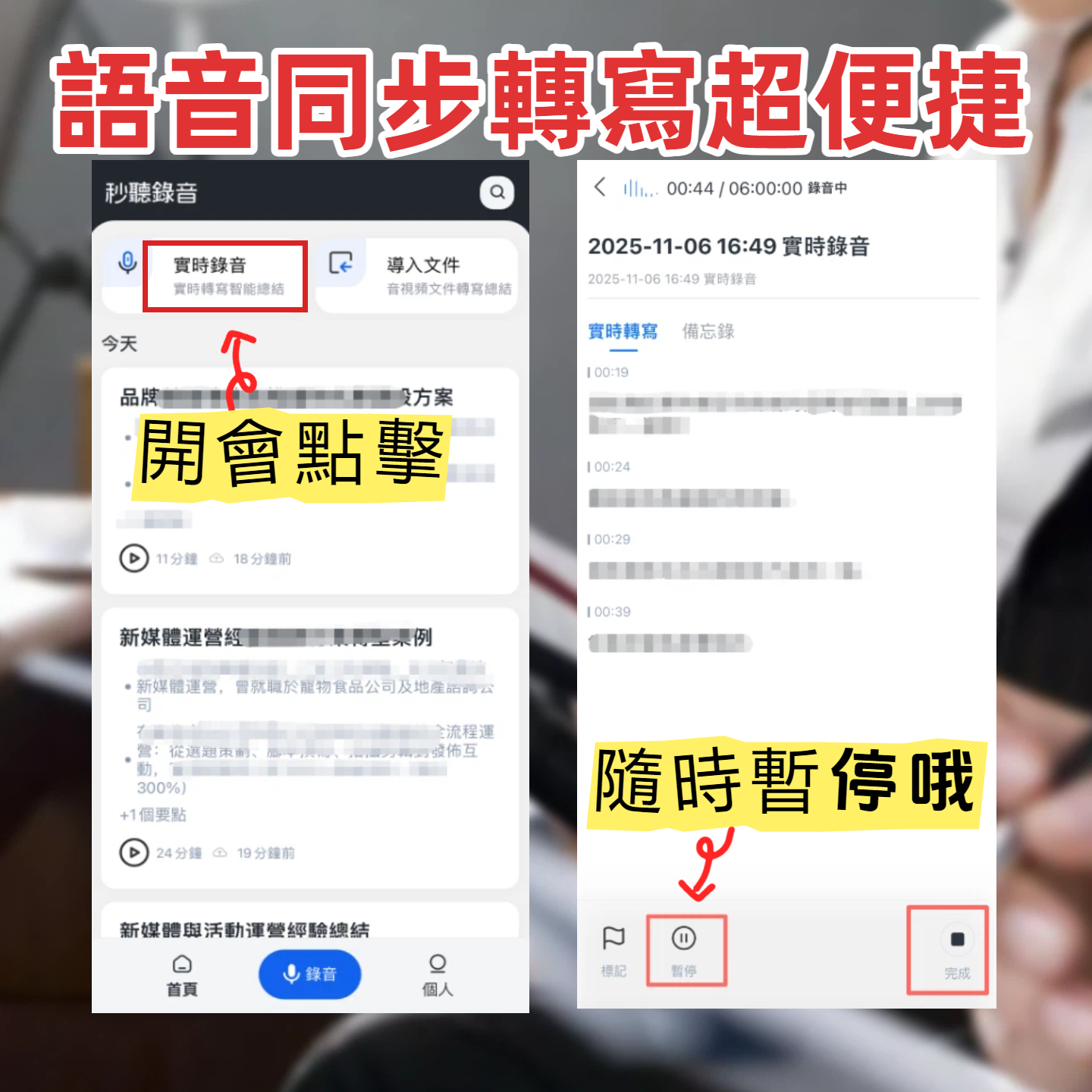
Transcribes as you record, with less than 1 second of delay. During meetings, you can follow along visually and confirm key points. By the time the meeting ends, the transcript is already done—no need to upload and wait.
AI Conversational Query
After recording a one-hour meeting, just ask Tinrec—"What's the conclusion?" or "Who is responsible for what?"—and it will answer based on the content. No need to scroll through 30 pages of transcript. This is my most-used feature, especially useful for those with accumulated audio data.
Online Video to Text and Summary
Paste a YouTube or Bilibili link, and Tinrec can parse the video's audio track, automatically transcribe it, and generate a summary. For those who need to quickly organize instructional videos, podcasts, or research materials, this saves a lot of manual transcription time.
Multi-format Export and Post-processing
Transcripts, summaries, and to-dos can be exported as TXT, Markdown, or PDF, and synced to Notion, Google Docs, etc. You can even have AI further generate meeting minutes or report drafts, turning recordings into deliverable assets.
Real-World Use Cases
Meeting Minutes
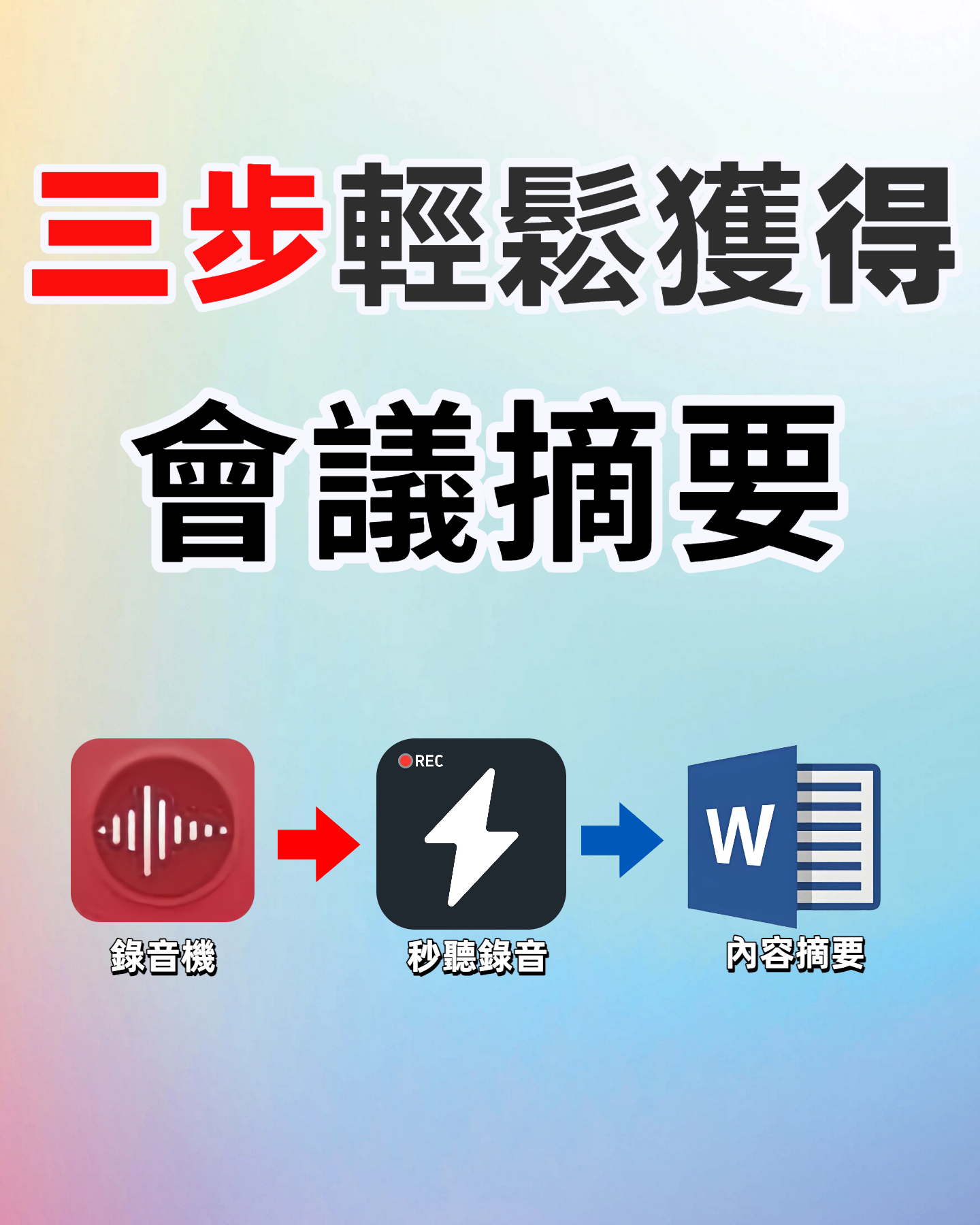
Start recording with Tinrec, and by the time the meeting ends, the transcript, summary, and to-dos are automatically generated. Share the summary with absent colleagues, paste to-dos into project management tools—done in ten minutes what used to take half an hour.
Class Notes
Record the entire lecture, then use AI Q&A to quickly review key points after class. For example, "What are the three marketing cases the teacher explained?" or "What's the core formula in Chapter Two?" More complete than handwritten notes, and you can still refer back to the original audio.
Interviews and Research
Upload a client interview recording; Tinrec transcribes it and marks chapters. You can search for keywords to find the interviewee's views on a specific topic without replaying two hours of audio. Use AI summaries to quickly extract important quotes.
Personal Knowledge Base
Throw all your voice memos, online lectures, and podcasts into Tinrec, building a searchable database. Later, if you want to find content from a specific talk, just ask and get the original text and summary. Your past recordings become valuable assets instead of just space-consuming files.
What to Look for When Choosing a Transcription Tool
- Are input sources broad enough? If you deal with not only meetings but also videos and old files, choose a tool that handles multiple sources so you don't have to switch later. Tinrec covers live recording, file upload, and online video parsing in one package.
- Can it organize for you after transcription? The transcript is just raw material; summaries, to-dos, and Q&A are where the time savings lie. Tinrec's AI post-processing shortens the distance from "recording to action" more than simple transcription tools.
- Reliability for Chinese scenarios Any tool's claimed accuracy should be tested with your own recordings. If you mainly process Chinese content, a product with stronger localization will reduce editing effort.
- Does the free plan show the full capability? Some tools only allow basic transcription in the free plan. Tinrec's free plan already includes AI summaries and Q&A, letting you fully evaluate the value of the "organized output" before deciding.
Summary: Is Tinrec Worth a Try?
If the audio you need to process includes not only meetings but also courses, interviews, and online videos, and you want AI to help extract key points, write to-dos, and answer questions after transcription, Tinrec is one of the few tools on the market that meets all these needs simultaneously. Especially for Chinese usage scenarios, its recognition and organization performance is impressive. I recommend downloading the free version of Tinrec and testing it with your own recordings—the monthly quota is enough to experience the full workflow from "recording to organization to action." That's more convincing than any review.
Turn every recording into actionable outcomes
Get 60 free transcription minutes when you sign in. No credit card required.
Related Reading
You might also like
3 Best Recording-to-Text Apps for Students in 2026: Which One Rules for Online Class Notes & Podcast Summaries?
Struggling to choose a recording-to-text app for lectures, online classes, or podcast notes? This article compares 3 top tools from real study scenarios and dives into how Tinrec turns recordings into real learning assets.

Tinrec vs Otter 2026: A 5-Dimensional Comparison – Which Is the Best Free Recording Tool for Students?
A senior MIS student tests Tinrec and Otter in 5 key areas—classroom recording, Chinese speech recognition, cross-platform support, and more—to find the best free recording app for students.

Tinrec vs Otter.ai in 2026: A 5-Dimensional Comparison – Which Is Better for Chinese Speech-to-Text?
Choosing the best speech-to-text software in 2026? This article provides a hands-on comparison between Tinrec and Otter.ai across five key dimensions: real-time transcription, AI summaries, Chinese language support, and post-processing applications, helping you decide which tool truly turns audio into usable knowledge.

Tutorial: 2026 Speech-to-Text Tools with AI Query & Auto To-Do – Say Goodbye to Overtime for Meeting Notes
Tested 5 speech-to-text tools from a mid-level manager's perspective to show how AI recording assistants save meeting cleanup time. This article deeply analyzes Tinrec's core features, pros/cons, and competitor comparisons, plus buying tips and pitfalls to avoid.

2026 Complete Guide to Meeting Note Apps for College Students: Easily Handle Class Notes and Group Discussions with AI Voice-to-Text
College students need to efficiently organize class highlights and meeting notes? This guide shares hands-on experience on how AI meeting note apps save time and boost learning efficiency, using Tinrec as an example to illustrate real-world applications and key buying tips.
2026 Real-World Test: Hardware Voice Recorder vs. Mobile App – Which Is Better for Taking Notes?
Who says students have to buy a voice recorder? We compare PLAUD NOTE and Tinrec in real-world tests, covering cost, features, portability, Chinese transcription, and post-class organization, showing you why using an app is actually more cost-effective.
2026 Free Speech-to-Text Plans for Students: A Side-by-Side Comparison of 2 Tools
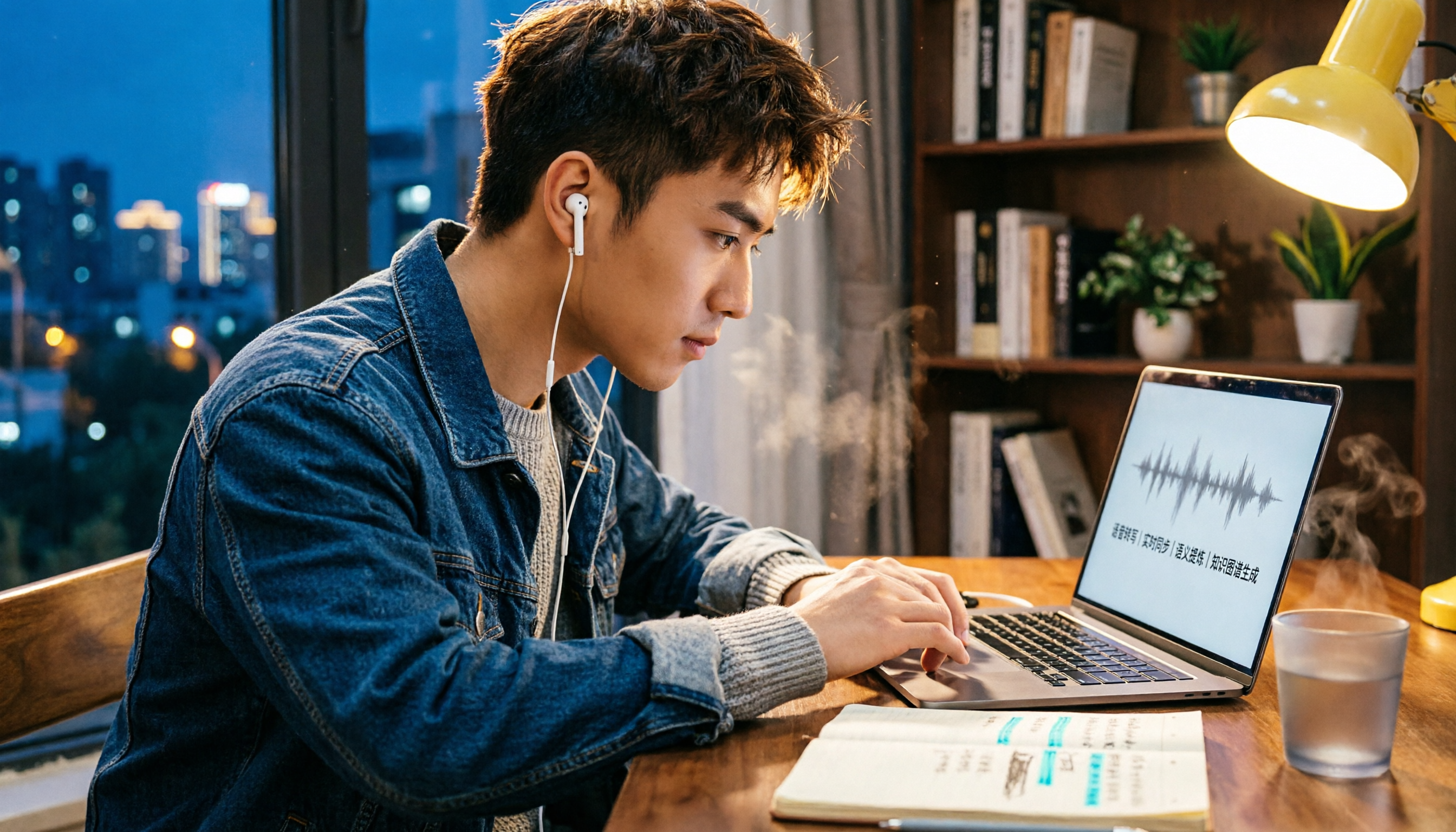
Which free speech-to-text tool is best for students? This article compares Tinrec and Notta across online video transcription, AI Q&A, output richness, and Chinese language optimization to help you find the best free plan for classes, lectures, and self-study.

How to Turn Meeting Recordings into Documents in 2026? 5-Step AI Transcription Tutorial
Tired of meetings all day and then working overtime on meeting minutes? Use Tinrec, an AI transcription tool that automatically turns live recordings, files, and online videos into transcripts, summaries, and to-do lists. Learn 5 steps from recording to a complete meeting document, saving 90% of your time!

Free AI Meeting Summary Tools in 2026: 3 Options at a Glance
This article compiles 3 free AI meeting summary solutions, using Tinrec as the core example. From features and use cases to selection tips, learn how to automatically generate meeting summaries, action items, and query content with AI to boost productivity.