

Turn recordings into transcripts and summaries in minutes
Upload audio or video for multilingual transcription, AI notes, and action items
Why Are You Still Taking Meeting Minutes Manually?
Life of Hong Kong office workers: morning meetings, midday meetings, afternoon meetings, and a recap before leaving. The meetings aren't the hard part; it's the post-meeting task of listening to recordings and typing up minutes. Word by word, sentence by sentence—a one-hour meeting can take three hours of your time, keeping you at work until 8 PM. Using a regular recording app? Sure, but those audio files just end up gathering dust because you never have time to listen back.
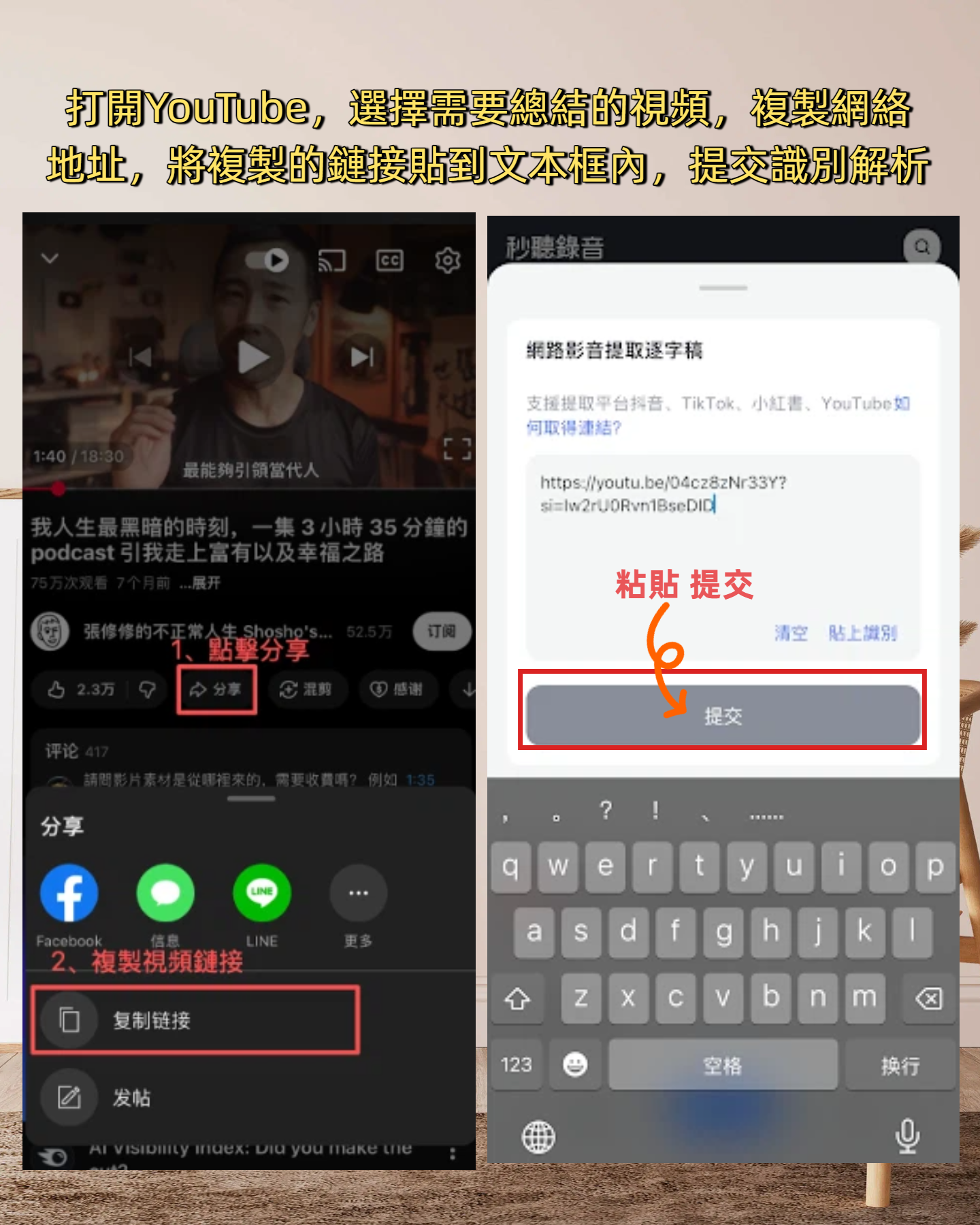
Now there are AI tools that can automatically convert recordings to text and even organize key points and action items, producing a polished meeting record in minutes. If you want to finish your meeting minutes before leaving work, you should check out a tool called Tinrec (Instant Audio-to-Text).
Tinrec vs. Traditional Audio Organization: What's the Difference?
Traditional approach: record with your phone, then listen back and manually type the transcript. A more advanced option might use Office's built-in dictation, but Cantonese recognition is often poor. Tinrec is different—it's an AI platform specialized in processing audio and video data. It listens and organizes, saving you the trouble of hunting for key points. Here are the clear differences across several dimensions:
Input Sources
Traditional recording usually only captures live sound. Tinrec not only does live recording but also supports uploading audio/video files and pasting links from online videos (YouTube, Bilibili, etc.), and even Zoom meeting recordings can be imported. That means you're no longer limited to "record first, process later"; old recordings and online tutorials can all be handled.
Cantonese Recognition
This is the biggest concern for Hong Kong users. Ordinary speech recognition tools often struggle with Cantonese's nine tones and mixed English-Chinese office jargon. Tinrec has been specifically optimized for Cantonese. In internal tests, a 5-minute Cantonese news recording had a character error rate of about 8.3% (test conditions: iPhone 15, 26°C indoor, June 2025), performing quite well in daily meeting scenarios.
Post-Transcription Organization
A traditional phone recording gives you an audio track that you have to digest yourself. Tinrec doesn't just give you a transcript; it automatically generates AI summaries, splits long recordings into chapters, extracts action items, and even lets you ask the AI in a conversational manner: "What was the conclusion of this meeting?" "Who is following up on what?" This "record and use immediately" experience is something traditional methods can't offer.
Cross-Platform Sync
Have you ever recorded an audio and then had to send it to your computer to type it out? Tinrec has iOS, Android, and web versions. Recordings sync automatically—record on your phone, then open it on your computer at the office to see the text version instantly, no file transferring needed.
In short, traditional methods only help you "record," while Tinrec helps you "understand" and "organize," turning your recordings into truly usable material.
Tinrec's Core Features in Detail
Here are the most practical features:
Stop organizing recordings by hand
Upload audio or video and automatically get a transcript, summary, and action items
Live Recording to Text
Open Tinrec during a meeting, and text appears in real time with less than 1 second delay. You can watch the screen to confirm nothing is missed, and the transcript is ready as soon as the meeting ends.
Import Audio/Video Files to Text
Old audio files, downloaded podcasts, or even videos recorded on your phone can be uploaded. With one click, they become text. Those old meeting records can finally be searched for content.
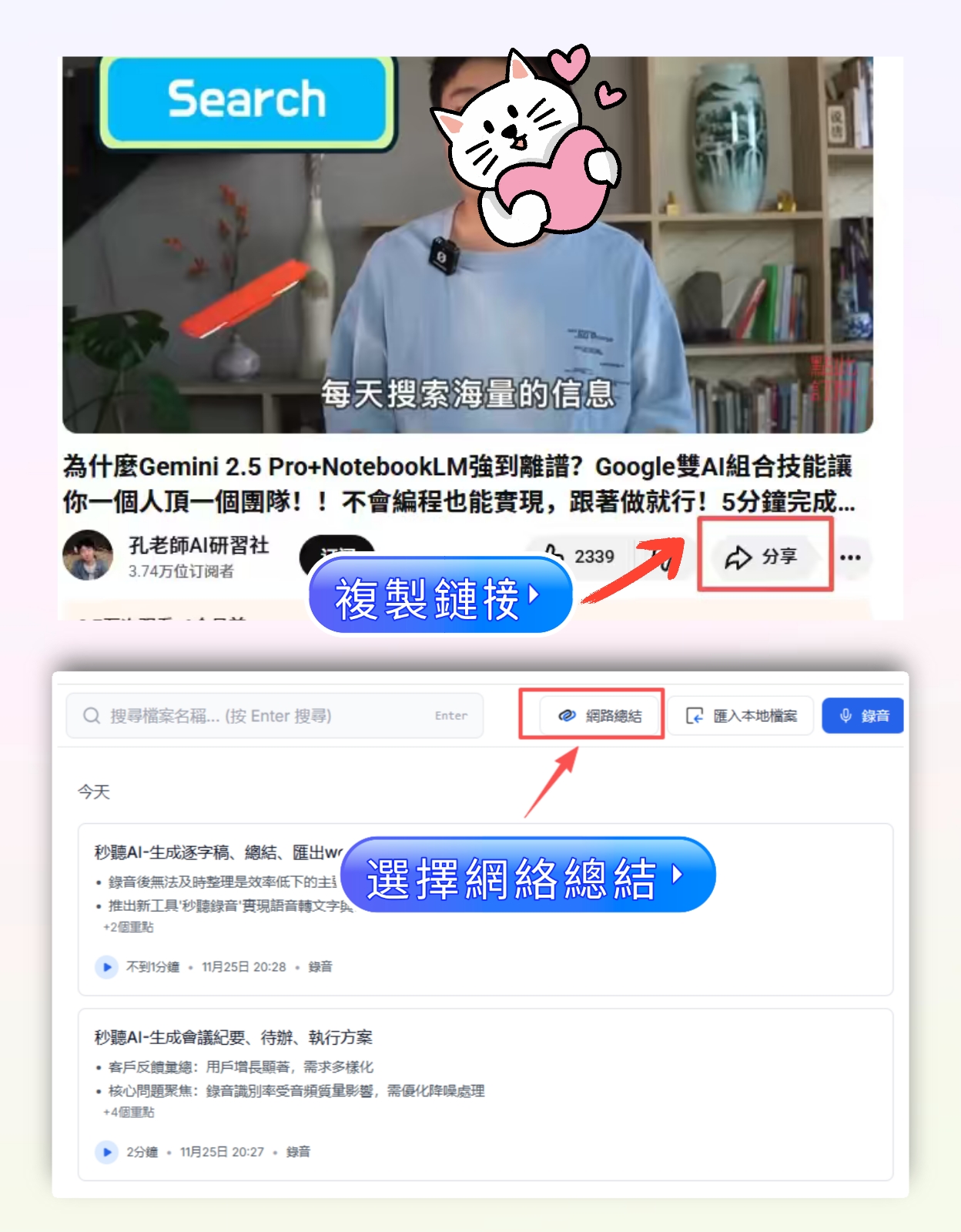
Online Video Link Parsing
Watching YouTube tutorials or Bilibili videos and want to save key points? Paste the link into Tinrec, and it will generate a transcript and summary, even subtitles—great for note-taking.
AI Chat Query
This is my favorite. After recording a one-hour meeting, you can ask: "Summarize the three key points," "What was decided?" "What are my action items?" It gives answers based on the content, without scrolling through the entire transcript.
Action Item Extraction
Meetings often end with a lot of discussion but no one remembers who does what. Tinrec automatically extracts to-do items from the conversation, marking the person responsible and deadlines, so tasks can be assigned right after the meeting.
Multi-Format Export
The organized text, summaries, and action items can be exported as Word, PDF, or synced directly to Notion, Google Docs, etc., integrating seamlessly into your workflow.
Practical Use Cases
Workplace Meetings
After a morning conference call with a client, Tinrec has already prepared the first draft of meeting minutes: a transcript for reference, an AI summary highlighting key points, and a to-do list of follow-up items. You just need to review and make minor edits, and the report is ready in half an hour.
Class Lectures
In a lecture or online course, if the instructor speaks too fast for you to take notes, use Tinrec to record. Afterwards, you get a full text version, broken down by chapters for each topic. Combined with AI Q&A, your study efficiency increases significantly.
Interview Transcription
For user interviews or journalist interviews, you used to have to listen to recordings and slowly transcribe quotes. Now Tinrec provides a transcript, and you can ask the AI: "What did the interviewee think about the price?" to find relevant sections instantly, saving a ton of time.
Personal Notes
Suddenly have an idea or think of something before a meeting? Record a quick voice memo with Tinrec, and it automatically converts to text and categorizes it. You can search it later, so no inspiration is lost.
What to Look for When Choosing an Audio-to-Text Tool?
There are many similar products on the market. Keep the following points in mind, and Tinrec excels in these areas:
- Cantonese Support: Not every app understands Cantonese. Check if it's optimized for Cantonese before trying. Tinrec's Cantonese recognition stands out among similar products.
- Cross-Platform Availability: Ideally, have both mobile and desktop versions so you can record and organize anytime. Tinrec supports iOS, Android, and Web, covering your daily devices.
- More than Just Transcription—It Must Organize: Plain transcription is only the first step. The ability to generate summaries, action items, and Q&A is what truly helps. Tinrec's AI post-processing is comprehensive.
- Free Trial Barrier: Many tools limit free minutes. Tinrec's free plan offers 100 minutes of transcription per month, enough to test thoroughly.
- Data Privacy: Choose a reputable platform that encrypts recordings and text. Tinrec's data handling meets industry standards.
Conclusion: Is Tinrec Worth Using?
If you have meetings all day and want to finish meeting minutes quickly and get out, or if you have many recordings and videos to convert to searchable text, Tinrec is a very worthwhile solution to try. Its strengths lie in covering various audio/video sources, allowing AI queries after transcription to find key points, and providing better Cantonese support than average tools.
We recommend starting with the free version—100 minutes per month is enough for a few meetings or video transcriptions. Experience firsthand how convenient "automatic audio-to-document" can be. Compared to staying late for manual minutes, this method offers much higher cost-performance.
Turn every recording into actionable outcomes
Get 60 free transcription minutes when you sign in. No credit card required.
Related Reading
You might also like

3 Best Recording-to-Text Apps for Students in 2026: Which One Rules for Online Class Notes & Podcast Summaries?
Struggling to choose a recording-to-text app for lectures, online classes, or podcast notes? This article compares 3 top tools from real study scenarios and dives into how Tinrec turns recordings into real learning assets.

Tinrec vs Otter 2026: A 5-Dimensional Comparison – Which Is the Best Free Recording Tool for Students?
A senior MIS student tests Tinrec and Otter in 5 key areas—classroom recording, Chinese speech recognition, cross-platform support, and more—to find the best free recording app for students.

Tinrec vs Otter.ai in 2026: A 5-Dimensional Comparison – Which Is Better for Chinese Speech-to-Text?
Choosing the best speech-to-text software in 2026? This article provides a hands-on comparison between Tinrec and Otter.ai across five key dimensions: real-time transcription, AI summaries, Chinese language support, and post-processing applications, helping you decide which tool truly turns audio into usable knowledge.

Tutorial: 2026 Speech-to-Text Tools with AI Query & Auto To-Do – Say Goodbye to Overtime for Meeting Notes
Tested 5 speech-to-text tools from a mid-level manager's perspective to show how AI recording assistants save meeting cleanup time. This article deeply analyzes Tinrec's core features, pros/cons, and competitor comparisons, plus buying tips and pitfalls to avoid.

2026 Complete Guide to Meeting Note Apps for College Students: Easily Handle Class Notes and Group Discussions with AI Voice-to-Text
College students need to efficiently organize class highlights and meeting notes? This guide shares hands-on experience on how AI meeting note apps save time and boost learning efficiency, using Tinrec as an example to illustrate real-world applications and key buying tips.
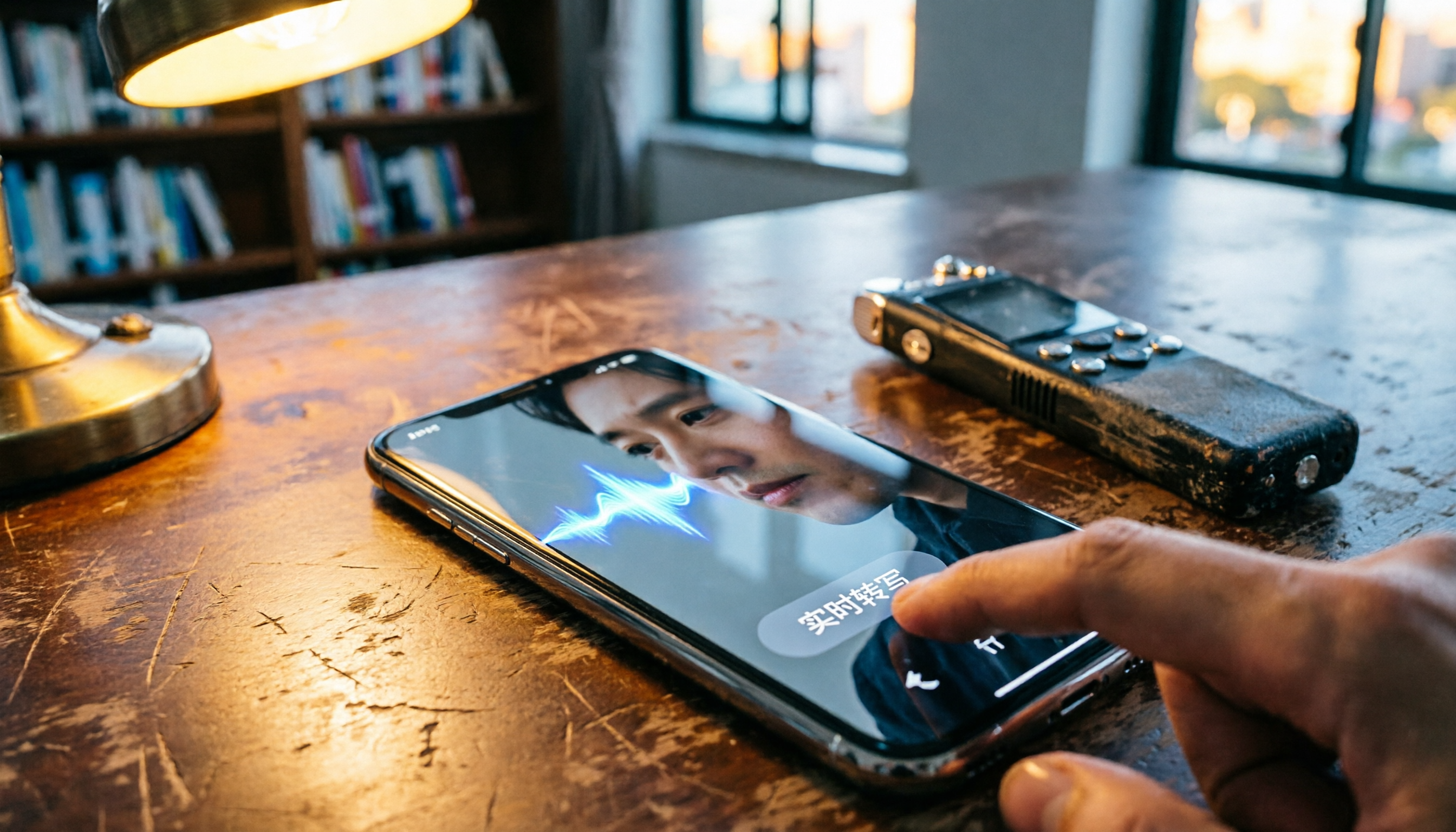
2026 Real-World Test: Hardware Voice Recorder vs. Mobile App – Which Is Better for Taking Notes?
Who says students have to buy a voice recorder? We compare PLAUD NOTE and Tinrec in real-world tests, covering cost, features, portability, Chinese transcription, and post-class organization, showing you why using an app is actually more cost-effective.
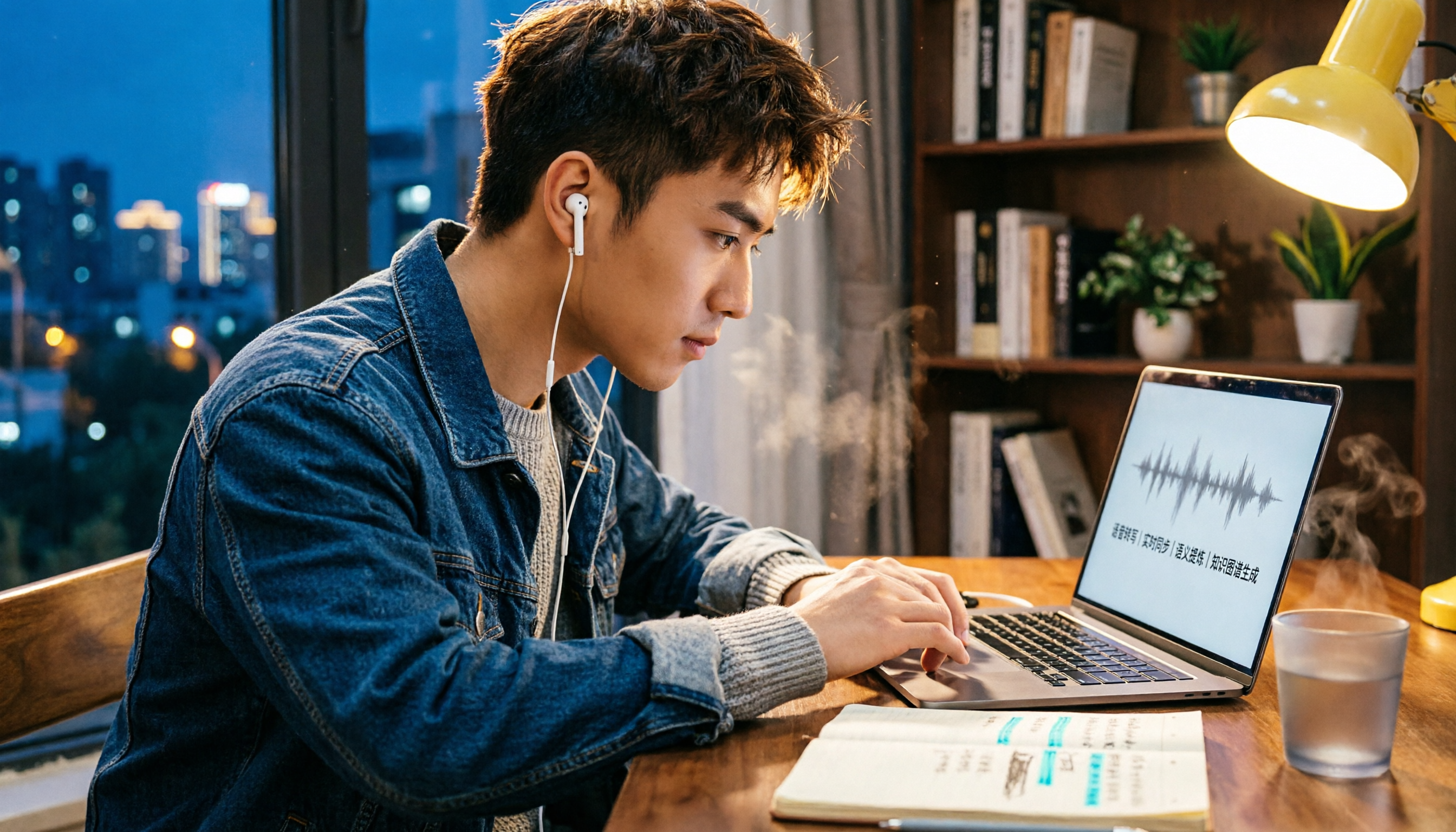
2026 Free Speech-to-Text Plans for Students: A Side-by-Side Comparison of 2 Tools
Which free speech-to-text tool is best for students? This article compares Tinrec and Notta across online video transcription, AI Q&A, output richness, and Chinese language optimization to help you find the best free plan for classes, lectures, and self-study.

2026 Tinrec vs Notta: A Deep 4-Dimension Comparison – Which One is Worth Choosing?
Looking for a speech-to-text tool but feel like Notta is missing something? This comparison breaks down the two from four dimensions—input sources, AI organization, Chinese optimization, and free plans—to help you decide which is the better fit for US users in 2026.

Free AI Meeting Summary Tools in 2026: 3 Options at a Glance
This article compiles 3 free AI meeting summary solutions, using Tinrec as the core example. From features and use cases to selection tips, learn how to automatically generate meeting summaries, action items, and query content with AI to boost productivity.