

Turn recordings into transcripts and summaries in minutes
Upload audio or video for multilingual transcription, AI notes, and action items
Tinrec vs PLAUD NOTE|Quick Overview
If you're a Shanghainese user looking to transcribe everyday recordings—meetings, lectures, or interviews—there aren't many options on the market. Today we put two popular speech-to-text tools to the test: Tinrec (Second Listening Recorder) and PLAUD NOTE. While neither claims dedicated Shanghainese dialect support, their Chinese recognition engines and feature design will directly impact your experience.
| Tinrec | PLAUD NOTE | |
|---|---|---|
| Positioning | AI recording & audio/video processing software | AI recording hardware |
| Reference Price | Free tier available, Pro ~HK$78/month | Hardware pre-order ~HK$1,400, transcription subscription separate |
| Platform | iOS / Android / Web | Requires hardware, companion app for iOS/Android |
| Key Difference | Multiple input sources (live recording, files, links), AI summaries, Q&A, export | All-in-one portable recorder, long battery, one-tap recording |
This article compares them across recording source flexibility, post-processing & AI features, platform usability, and cost to help you tidy up—no, not your house, your recordings.
Dimension 1|Recording Source Flexibility
PLAUD NOTE's biggest selling point is its standalone hardware—you can record with one tap without using your phone, perfect for frequent meeting-goers or interviewers. However, its input source is basically limited to live recording via hardware. If you need to process a WhatsApp voice message, YouTube video, or old audio file, you'll have to play it back and re-record with the hardware, adding extra steps.
Tinrec is much broader; it supports live recording, importing local audio/video files, and pasting web video links (including YouTube, Bilibili, Xiaohongshu) for direct transcription—even TikTok works. For Shanghainese users, many valuable recordings might be from WeChat chats, old phone recordings, or voice messages from relatives. Tinrec can directly import these files without any conversion hassle.
→ This dimension: Tinrec clearly wins.
Dimension 2|Post-Processing & AI Features
Getting a transcript is just the first step; turning long recordings into actionable information is key. PLAUD NOTE has its own summary and template features for business, study, etc., but its AI Q&A capability is limited—it can't yet answer follow-up questions about the recording content.
Stop organizing recordings by hand
Upload audio or video and automatically get a transcript, summary, and action items
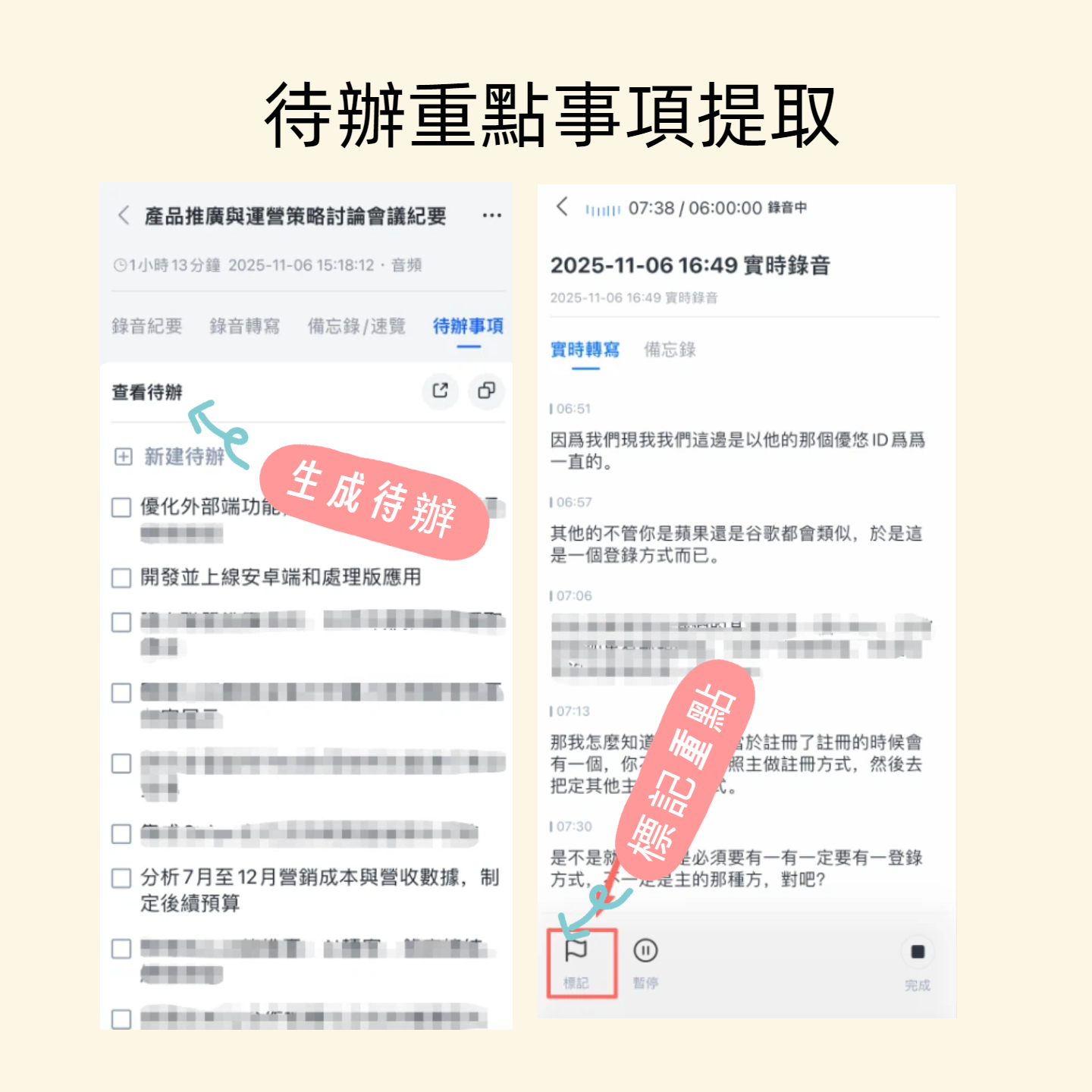
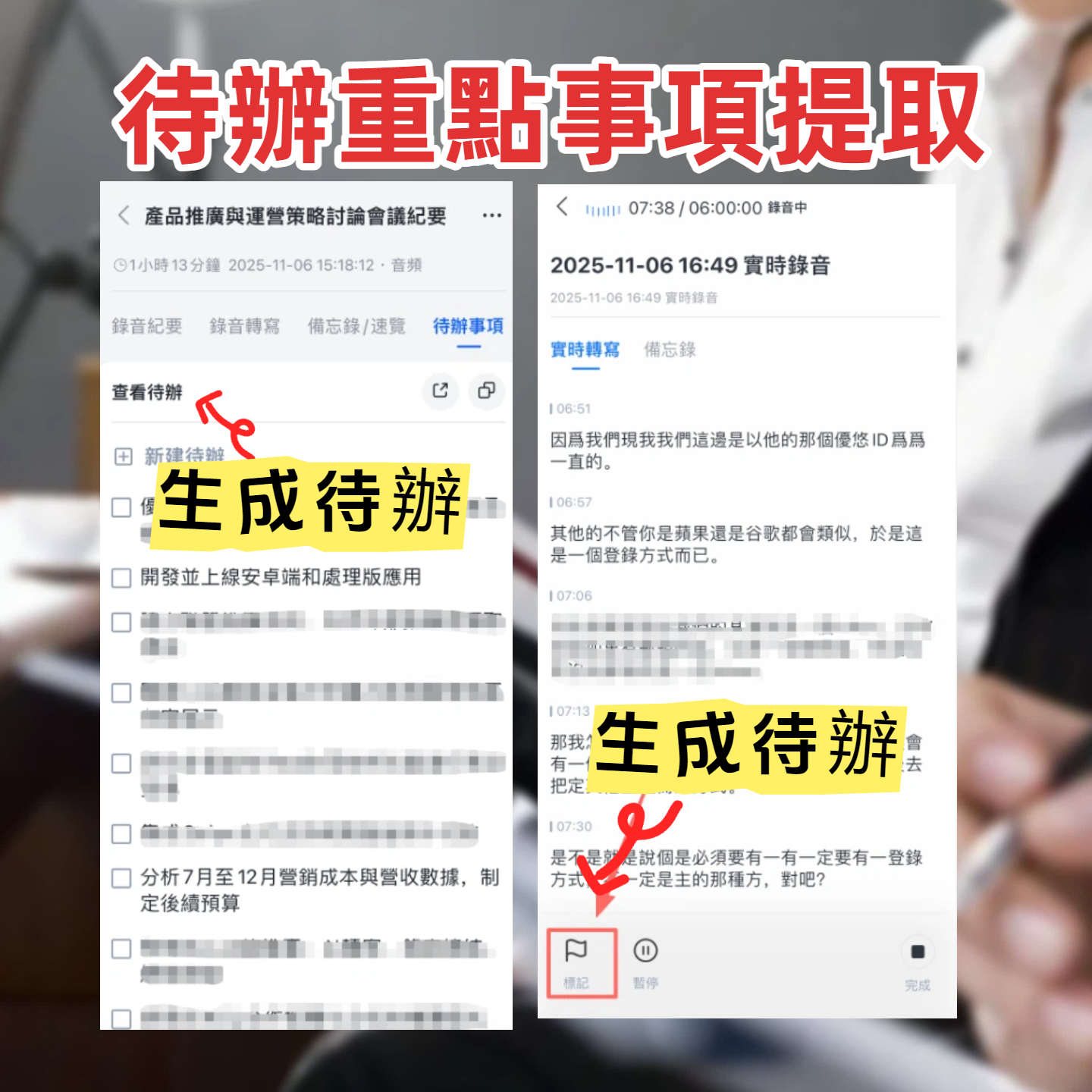
Tinrec emphasizes "understanding after transcription"; it not only generates summaries, chapters, and to-do lists but also features an AI chat query function. You can directly ask, "What were the key requirements from the Shanghainese client in this meeting?" or "Does this interview mention XX?" and it will answer based on the recording. Additionally, Tinrec can export results in multiple formats (TXT, DOCX, SRT subtitles, etc.) or sync to Notion, Google Docs for further use.
→ This dimension: Tinrec offers more comprehensive features, winning again.
Dimension 3|Platform & Ease of Use
PLAUD NOTE's hardware is lightweight and fits in a pocket, but it means carrying an extra device. Its companion app manages recordings and transcription, but if you want to process a recording on your work computer, you'll need to connect the hardware and sync, which is a bit cumbersome.
Tinrec supports iOS, Android, and web version directly. You can record on your phone and immediately view, edit, or export from a browser on your computer—no extra steps. For workers who frequently switch between phone and computer, this seamless experience is crucial.
→ This dimension: Tinrec's cross-platform convenience keeps it ahead.
Dimension 4|Cost & Pricing
PLAUD NOTE requires an upfront hardware payment. For the Note Pro, the pre-order price is ~HK$1,400, with a basic monthly transcription quota of 300 minutes. Upgrading to 1,200 minutes costs an additional ~HK$800 per year. Over the long term, the cost is not low.
Tinrec offers a free tier for immediate trial with a basic monthly transcription quota. Pro costs about HK$78 per month, with a lower annual equivalent. Even if you only occasionally need to transcribe a few Shanghainese recordings, you can try it for free first.
→ This dimension: Tinrec has a lower entry barrier and better value.
What Are Their Unique Advantages?
Tinrec's Unique Advantages
- Direct video transcription: Paste YouTube, Xiaohongshu links to transcribe directly—something PLAUD cannot do.
- AI chat query: Ask questions about recording content, making it easy to find key points.
- Multi-format export: Supports TXT, DOCX, SRT, etc., and can sync to Notion, Google Docs.
- Zero hardware cost: Works with just a phone or computer; no extra devices needed.
PLAUD NOTE's Unique Advantages
- Standalone recording: No phone required; one-tap recording with long battery life, ideal for long meetings.
- Hardware feel: Physical buttons and vibration alerts for direct operation.
Conclusion: Which One Should You Choose?
- If you need to handle recordings from multiple sources (phone recordings, WhatsApp voice messages, old audio files, web videos) → Tinrec (PLAUD can only handle live hardware recordings)
- If you want AI to help you find key points and create meeting minutes after transcription → Tinrec (PLAUD's post-processing is relatively lightweight)
- If you want to seamlessly manage recordings between computer and phone → Tinrec (PLAUD relies on hardware transfer)
- If you often have long meetings or interviews and need a standalone recorder that doesn't depend on your phone, and you don't mind carrying an extra device → PLAUD NOTE is worth considering
In short: For most Shanghainese users, Tinrec's flexibility, AI features, and zero hardware cost make it more practical. We recommend starting with Tinrec's free tier, upload your Shanghainese recordings to test the results, then decide if you want to upgrade.
Turn every recording into actionable outcomes
Get 60 free transcription minutes when you sign in. No credit card required.
Related Reading
You might also like

3 Zoom Meeting Recording Tools Compared in 2026: Can You Record Without Host Permission?
Can you record a Zoom meeting? Yes, but the free version and participant permissions come with significant limits. This article compares three tools for recording Zoom meetings—Zoom built-in, Otter.ai, and Tinrec—testing which one works best when you don't have host permission, need Chinese transcription, and want post-meeting organization.
2026 Zoom Video Conferencing Comparison: Free Plan, Built-in Recording, and Tinrec — Which Should You Choose?
Want to learn how to use Zoom for video meetings without manually organizing notes afterward? This article compares Zoom's built-in features with Tinrec's meeting documentation workflow across 5 dimensions—from joining a meeting, muting and raising your hand, recording and transcription, to team collaboration—to help you pick the most effortless approach.
4 Zoom Meeting Recorder Clients Compared for 2026: Which One Actually Saves You Post-Meeting Cleanup Time?
The pain starts after the Zoom meeting ends. This article tackles common misconceptions and compares four recording tools that work with Zoom—Tinrec, Granola, Otter.ai, and Notta—explaining the real differences in bot-free recording, post-meeting summaries, and AI Q&A, plus buying tips and pitfalls to avoid.
4 Free Online Meeting Tools Compared for 2026: Time Limits and Restrictions Explained
How long can you actually meet on Zoom's free plan? Starting from a real student group project scenario, this article compares the time and participant limits of free online meeting tools like Zoom, Google Meet, and LINE, and shares how to use Tinrec to capture transcripts, summaries, and action items after the meeting.
Zoom Meeting Notes in 2026: Built-in Recording vs Cloud Recording vs Tinrec — A Hands-On Comparison
Zoom has built-in meeting notes and recording features, but how do you organize, search, and collaborate after the meeting? This article compares Zoom's built-in recording with Tinrec across 5 dimensions to help you decide which Zoom meeting notes method fits your workflow.
What Is Vocal Fry? 3-Minute Breakdown of the Creaky Voice Phenomenon, Celebrity Examples, and Perception Debates
Vocal fry, also known as creaky voice or glottal fry, is the lowest vocal register. This article explains in 3 minutes what vocal fry is: from the actual vocal mechanism in the throat, the low-frequency characteristic of vocal folds vibrating 20 to 50 times per second, to celebrity examples like Kim Kardashian, social perception research, and 3 common misconceptions—all in one go.
What Does Vocal Cord Mean in Chinese? 5 Steps to Choose the Right Speech-to-Text Tool in 2026
The Chinese translation of "vocal cord" is "聲帶" (shēngdài), but most people actually need to turn spoken words into usable text. This article first explains 5 key points for choosing a speech-to-text tool, then compares Tinrec, Notta, TurboScribe, and Otter.ai with hands-on testing, and finally gives clear purchase recommendations.
What Is Vocal Fry? Definition, 3 Practical Uses & Examples (2026 Guide)
What does vocal fry mean? This student-friendly guide explains the often-misunderstood vocal register: from the Cambridge Dictionary definition and vocal cord vibration to three practical uses in speech emphasis and singing, plus the answer to the big debate—is it a bad habit or a useful tool?
Vocal Cord Palsy: Symptoms, Causes, and Treatment (2026 Guide)
This article explains vocal cord palsy in plain English, covering common symptoms, possible causes, how it's diagnosed, and when to see a doctor, so you can quickly grasp the key information.