

Turn recordings into transcripts and summaries in minutes
Upload audio or video for multilingual transcription, AI notes, and action items
What Can a Voice-to-Text Tool Do for You?
If you've ever spent hours transcribing meeting recordings, re-listening to interviews, or trying to condense a two-hour online course into key notes, a voice-to-text tool can be a game-changer. These tools don't just turn speech into text; they help you "understand" the content — generating summaries, highlighting key points, and even extracting action items in seconds.
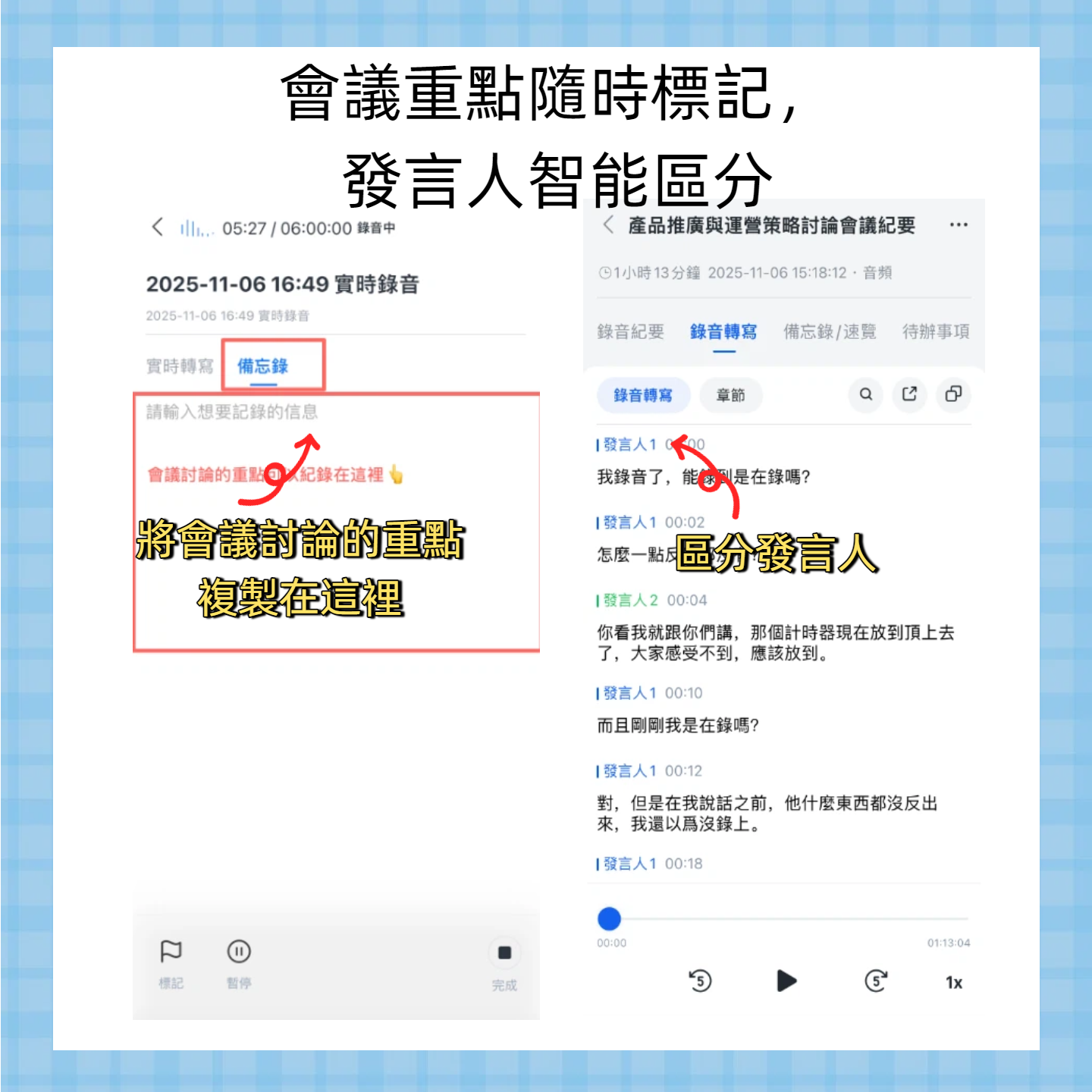
Take Tinrec, for example. It acts like your personal audio/video assistant: within 5 minutes of a meeting ending, you get a summary with conclusions, action items, and assignees right on your phone. Classroom recordings are automatically split into structured chapters for easy review. Interview recordings come with verbatim transcripts, and you can even ask AI to pull out key insights through conversation.
Besides Tinrec, two other mainstream tools are Notta and Otter.ai. Many people searching "is Notta better than Otter" are actually looking for an option that handles Chinese content better and supports more input sources. This article puts Tinrec in the spotlight and walks you through the differences between all three, helping you make the right purchase decision.
Tinrec's Core Capabilities: More Than Just Transcription — Your Audio/Video Workstation
Most tools stop at converting speech to text, but Tinrec focuses on what you can do after transcription. Here are its most practical features, each tied to real-world scenarios.
Real-Time Verbatim + Online Meeting Notes
Tinrec supports live transcription with less than 1 second delay, so you can follow along during meetings and catch every point. It also records from Zoom, Google Meet, Teams, and other platforms, providing full transcripts afterward — no more frantic note-taking.
AI Summaries with Structured Chapters
Instead of just condensing the transcript into a few sentences, Tinrec automatically identifies meeting topics, conclusions, action items, and responsible persons, and splits long audio into meaningful chapters. You can grasp the core structure of a two-hour recording in 30 seconds.
Online Video Link Parsing
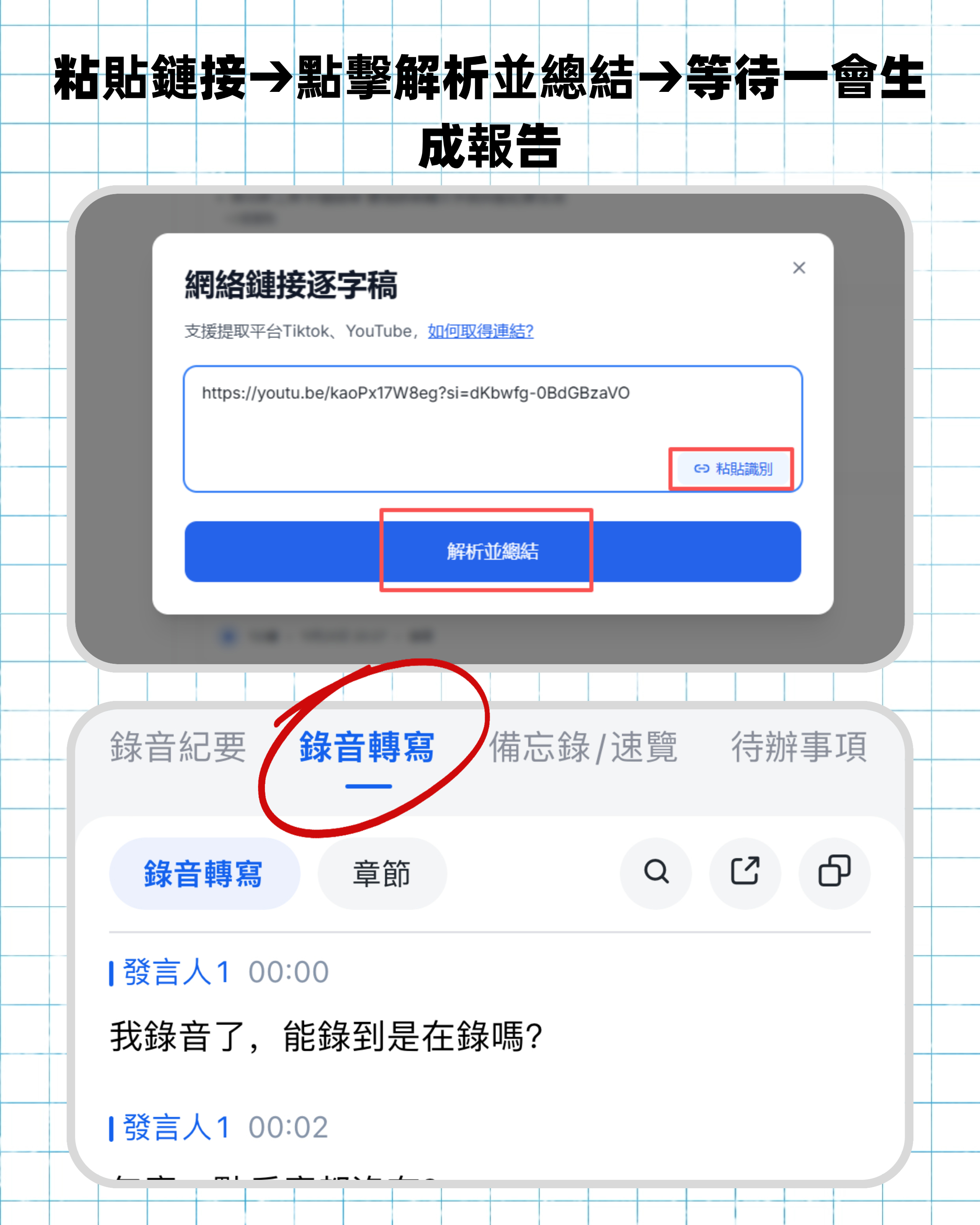
This is where Notta and Otter fall short. Just paste a YouTube, TikTok, Bilibili, or Xiaohongshu video link, and Tinrec extracts text, summaries, and even subtitles — perfect for content creators, researchers, or anyone who wants to quickly digest video content.
AI Conversational Query
After transcription, you can ask Tinrec questions like a database: "Who mentioned the budget in the meeting?" "What were the client's main feedback?" It answers based on semantic understanding, sparing you from scanning the entire transcript.
Multi-Format Export and Post-Processing
Tinrec exports organized content as TXT, PDF, subtitle files, or syncs directly to Notion, Google Docs, etc. It can even automatically generate meeting minutes, reports, tables, and other deliverables from your recordings, saving you tons of documentation time.
Real-World Use Cases: How Tinrec Fills the Gaps Left by Notta and Otter
Scenario 1: Advanced Meeting Management
Otter and Notta both excel at online meetings, but Otter focuses on English business contexts, and Notta's team collaboration features require a paid plan. Tinrec not only handles meetings but also consolidates pre/post-meeting audio files, recordings, and reference links. After a meeting, you can use "AI Conversation" to find a specific colleague's comment or ask Tinrec to generate a post-meeting summary with charts to share with absent members.
Stop organizing recordings by hand
Upload audio or video and automatically get a transcript, summary, and action items
Scenario 2: Learning and Course Notes
Students and lifelong learners often need to turn lecture recordings into study notes. Otter's English summaries are decent, but it struggles with Chinese course chapter segmentation. Notta transcribes Chinese fluently but lacks Tinrec's AI conversation feature to "ask" for key points. Tinrec automatically splits chapters, marks key concepts, and lets you ask: "What are the three formulas mentioned in this class?" The AI extracts answers from the transcript.
Scenario 3: Content Creation and Research
If you need to repurpose a YouTube video, turn a podcast into an article, or quickly gather quotes from an interview, Tinrec's link parsing and AI Q&A are especially useful. Otter is meeting-focused; Notta can handle videos but requires file uploads. Tinrec works from a single link and can generate subtitles or mind maps afterward.
Scenario 4: Building a Personal Knowledge Base
If you tend to pile up meeting recordings, lectures, and voice memos in one tool, Otter and Notta's folder management might suffice, but cross-file queries or lookbacks are tough. Tinrec's design is closer to an "audio/video knowledge base": all historical recordings are searchable and can be queried. You can ask, "In last quarter's project review recording, which decision hasn't been executed yet?" This is nearly impossible on Notta or Otter.
5 Things to Consider When Choosing a Voice-to-Text Tool
- Chinese Transcription Quality: Otter is English-first, so Chinese accuracy varies with accents and background noise. Notta does well with Chinese but occasionally misses specialized terms. Tinrec is optimized for Chinese meetings, courses, and mixed-language content, making it especially suitable for users in the US who work with Chinese materials.
- Input Source Flexibility: Some tools only support live recording or meeting platforms, leaving local audio files or online videos out. Tinrec supports live recording, file uploads, link pasting, and mobile recording — all with one account.
- Post-Transcription Organization: Text is just the start. Can it summarize, chapterize, extract to-dos, and export? Tinrec's AI summaries are structured outputs, not just condensed text. Its AI conversational query is a unique differentiator.
- Price vs. Usage: Otter's free plan offers 300 minutes/month; Notta gives 120 minutes/month — both with limited advanced features. Tinrec's free tier lets you try core features, and paid plans (weekly, monthly, yearly) suit different usage frequencies: occasional users can stick with free or weekly, heavy users may prefer the annual plan.
- Cross-Platform and Ecosystem Integration: Check if the tool supports your devices and apps. Tinrec has iOS, Android, and web versions, and exports to Notion, Google Docs, OneNote, etc., fitting into your existing workflow.
Frequently Asked Questions
What's the main difference between Tinrec and Notta?
Notta excels at fast transcription and subtitle generation, but Tinrec focuses on "post-transcription applications" — beyond summaries, it offers AI conversational query, online video link parsing, and automatic report generation, making it better for users who need deep organization of audio/video content.
Can Tinrec replace Otter?
If you primarily use Otter for English meetings and team collaboration, its meeting bot experience is still mature. However, if you handle a lot of Chinese meetings, course recordings, interviews, or online videos, and want a knowledge base that's searchable and long-lasting, Tinrec is a more comprehensive choice.
What are the limitations of the free version?
Tinrec's free plan provides a monthly base of transcription minutes, enough to experience core features. Check the official website for the latest allowance.
How accurate is the transcription?
Accuracy depends on audio quality, background noise, speaker accents, and overlapping speech. In clear meeting or classroom settings, Tinrec delivers high-quality Chinese transcription. Still, it's advisable to proofread important documents against the original audio.
How do I get started with Tinrec?
Download from the official website or App Store, and start recording or importing files. No extra hardware needed — works on phone and computer.
Conclusion: Why Tinrec Is a Better Alternative to Notta and Otter
If you're torn between Notta and Otter, what you need is not just a transcription tool but a solution that truly saves you time and makes audio/video content more usable. Tinrec doesn't just handle meetings — it brings courses, interviews, videos, and historical recordings into one workstation, with AI summaries, Q&A, export, and document generation. It's especially suited for Chinese-language users, content creators, researchers, and anyone who wants to turn messy recordings into structured knowledge. Instead of getting stuck in the "Notta vs Otter" debate, try Tinrec's free version and experience the full pipeline from recording to actionable insights.
Turn every recording into actionable outcomes
Get 60 free transcription minutes when you sign in. No credit card required.
Related Reading
You might also like
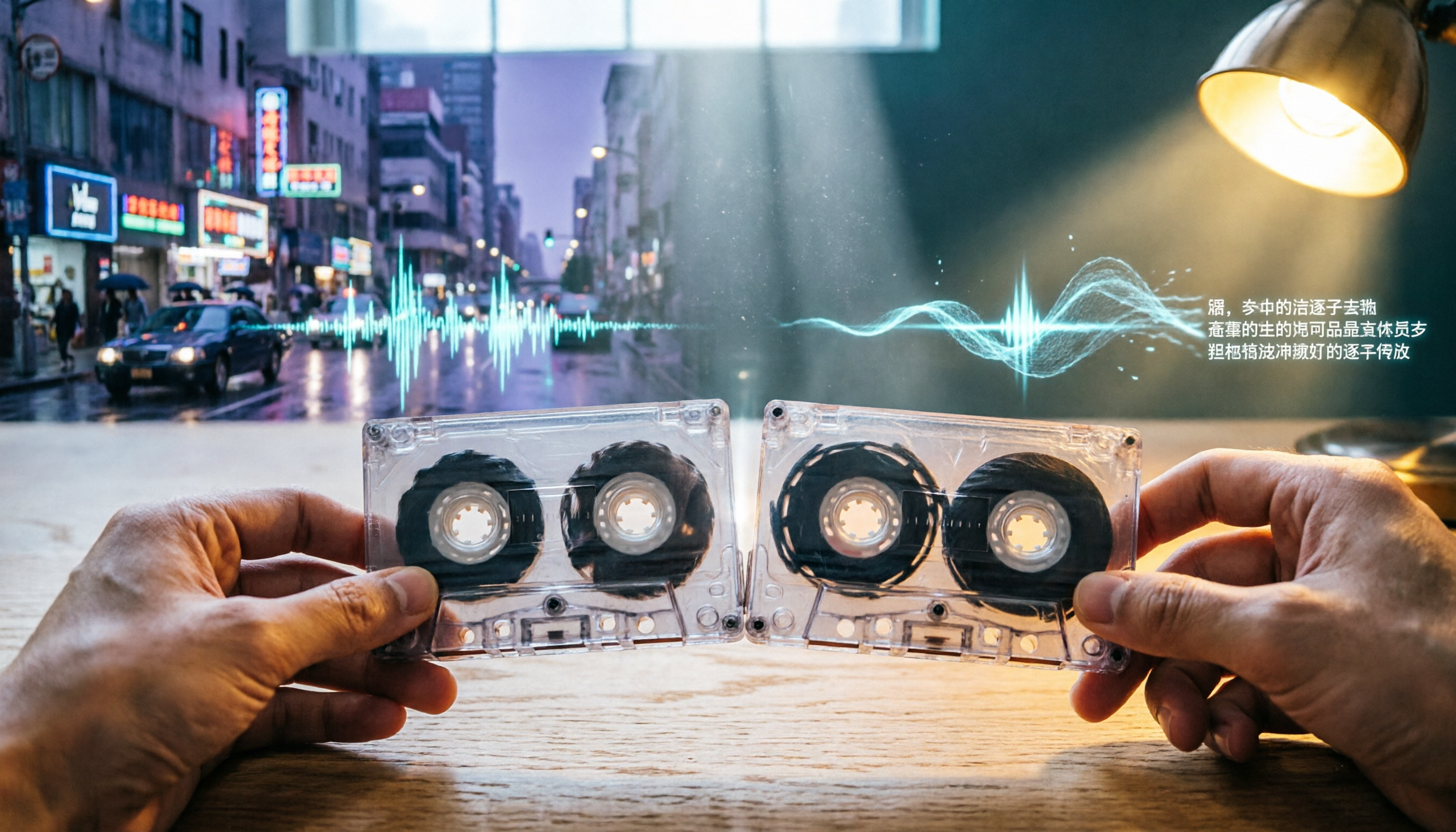
2026 Side-by-Side Test of Two Audio Recordings: Bad vs Good – How Much Does Tinrec's Transcription Accuracy Differ?
This article tests the impact of bad recordings (background noise, long distance, multiple people talking over each other) vs good recordings (quiet environment, close range, single speaker) on Tinrec's AI transcription tool, and shares practical tips to improve recording quality to help you get accurate transcripts in less time.

2026 In-Depth Comparison of 2 AI Meeting Note Tools: Fireflies vs Notta – Which Is the Better Deal?
Tired of endless meetings and manual note-taking? We put two popular AI meeting note tools, Fireflies and Notta, to the test—comparing transcription accuracy, AI summaries, team collaboration, and pricing—to help you find the time-saving solution that fits your needs.

2026 Real-World Test of 4 Audio-to-Text Tools: Which One Handles Chinese Best?
This article compares 4 leading audio-to-text tools: Tinrec, Notta, PLAUD, and Otter.ai. We evaluate them on Chinese transcription quality, AI summarization, cross-platform support, and free plans to help you choose the best assistant for meetings, learning, and content creation.

2026 Real-World Test of 5 Speech-to-Text Apps: Why Tinrec Is a Better Fit for Hong Kong Office Workers?
Tired of overtime due to meeting notes? We test 5 popular speech-to-text apps, comparing Cantonese recognition, AI summaries, cross-platform support, and free quotas. Find out why Tinrec is the top choice for Central office workers who want to avoid OT.

2026 Comparison of Two Speech-to-Text Apps: Tinrec vs Notta – Which One Understands Your Chinese Meetings Better?
If you're looking for an alternative to Notta, Tinrec might be a better choice for Chinese users. This article fully compares Tinrec and Notta from core experience, features, use cases to buying tips, helping you make the best purchase decision.

Best Multilingual Meeting Transcription Tool? 2026 Test of Two: Tinrec Suits Hong Kong Workers Best
We tested two multilingual meeting transcription solutions: Tinrec and Plaud Note. See which one helps you finish work earlier!

2026 Free Korean Speech-to-Text Solutions Roundup: 5 Tools at a Glance
2026 Free Korean Speech-to-Text Solutions Roundup: A curated selection of 5 tools, with a step-by-step guide using feature-rich Tinrec to convert Korean audio and video into transcripts, including recording, transcription, proofreading, and export.
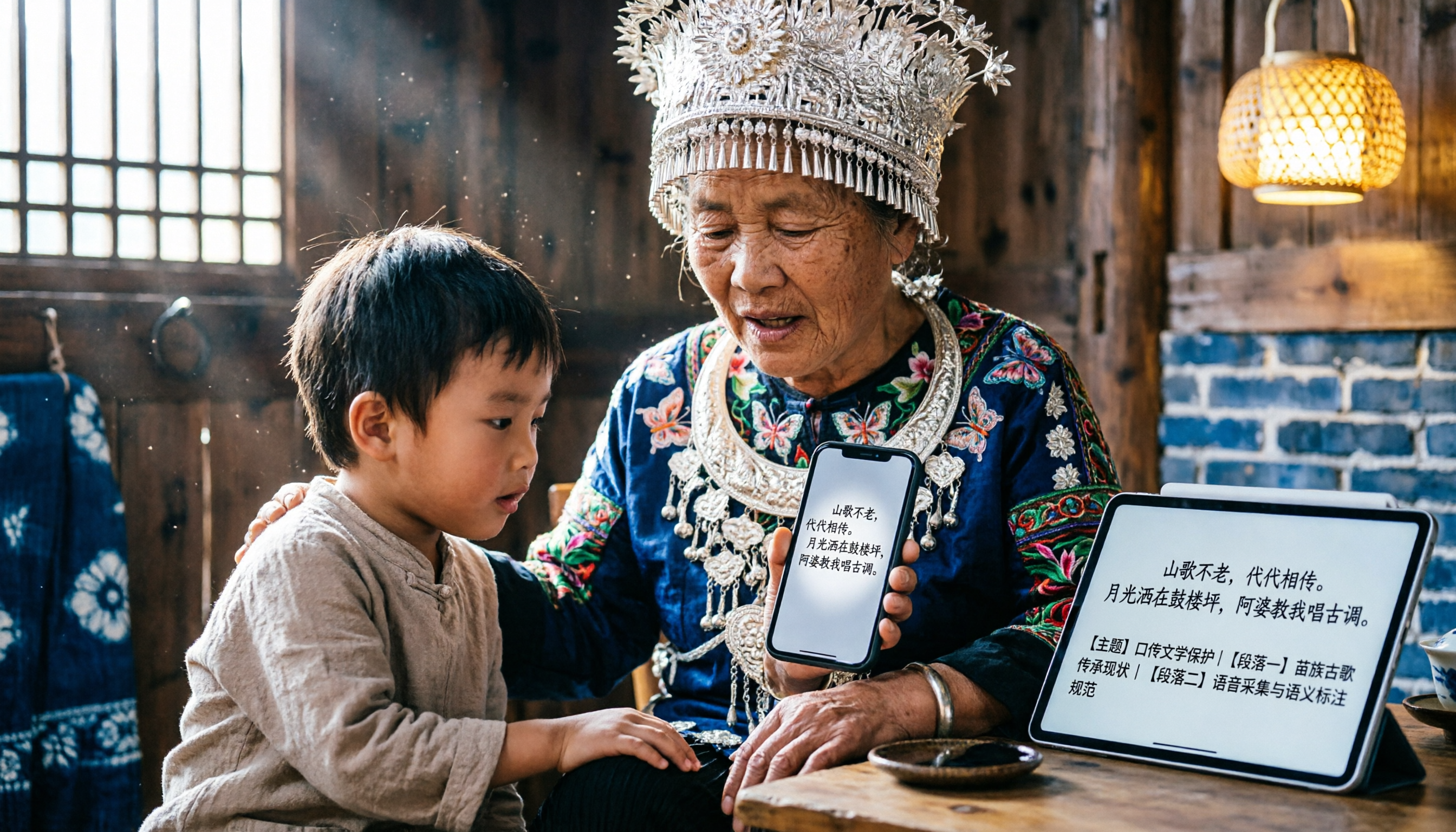
Free Minority Language Speech-to-Text Plans in 2026: A Look at 2 Options
An in-depth comparison of Tinrec and Notta's free plans: Minority language users looking for a free transcription tool? We compare them across 5 dimensions—input sources, AI processing, Cantonese accuracy, free tier value, and cross-platform experience—to tell you which one is worth trying.

How to Use Tinrec for English Meeting Notes: Real-Time Transcription & AI Summarization (2026)
Struggling with English meetings? Tinrec not only transcribes in real time but also generates AI summaries, extracts action items, and handles mixed Chinese-English speech. This comprehensive guide shows you how to use Tinrec for English meeting minutes, with a comparison to Otter, Notta, and more, so you can choose the best tool.