

Turn recordings into transcripts and summaries in minutes
Upload audio or video for multilingual transcription, AI notes, and action items
5 Google Meet Audio-to-Text Tools Compared in 2026: From Free to AI, All You Need to Know
Why Do You Need a Google Meet Audio-to-Text Tool?
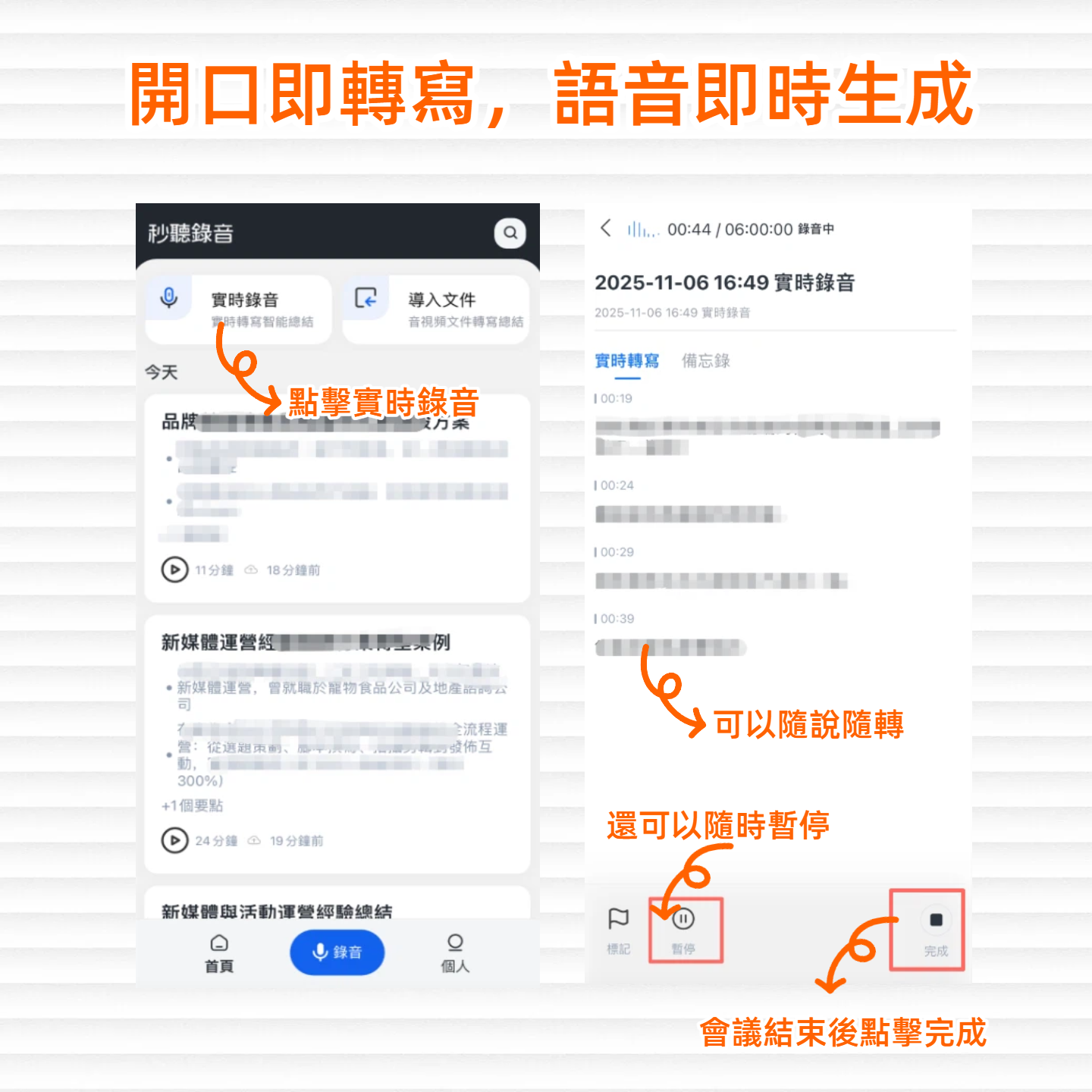
Every day, meetings of all sizes are held, and Google Meet is the go-to for many remote collaborations. But after the meeting, key points, decisions, and action items often get lost in memory or scattered notes. If you could automatically convert the meeting process into text, summaries, and action lists, it would not only save you time organizing but also make follow-ups more efficient.
This article compiles 5 audio-to-text solutions currently on the market that work well with Google Meet, ranging from completely free to professional AI-powered ones, to help you quickly find the tool that best fits your meeting habits.
Tinrec – The Most Comprehensive AI Recording Assistant
Tinrec is an AI audio-video organization tool designed for meetings, learning, and creative work. It goes beyond transcription, emphasizing 'turning content into usable data.' In Google Meet scenarios, you can record on your computer, capture audio on your phone, or let Tinrec transcribe the conversation in real time.
Its most impressive feature is post-processing: after a meeting, the AI automatically generates summaries, chapters, highlights, and action items. You can also query the meeting recording like a database to quickly find key segments. If you often need to produce meeting minutes or reports, the built-in Agent function can even generate structured documents directly.
The free plan offers a basic monthly transcription quota, suitable for light meeting note-taking; if you need longer minutes and full AI features, you can choose the Pro monthly or annual plan, which is more cost-effective for long-term use. Overall, if you want to handle meeting recording, transcription, summaries, action items, and follow-up organization all in one go, Tinrec is currently the best choice to cover the complete workflow.
Who it's for: Professionals who frequently hold meetings and need to produce meeting minutes; individuals or small teams who want to save meeting content long-term for easy search and query later.
Otter.ai – A Veteran AI Meeting Notes Tool
Otter.ai is the go-to for many English meeting users, with strengths in automatically joining Google Meet, speaker identification, real-time transcription, and collaboration. The free plan offers 300 minutes per month, Pro is about US$8.33/month (1,200 minutes) on annual billing, and Business is about US$19.99/month (increased meeting length and import limits). However, it's more geared towards English business meetings and team sharing, and its accuracy in Chinese scenarios and post-processing (like generating formal meeting notes) is not as comprehensive as Tinrec.
Who it's for: Those who need team-collaborative meeting notes and primarily hold meetings in English.
Fireflies.ai – Top Choice for Meeting Automation and Team Collaboration
Fireflies.ai is also a 'meeting bot' tool that can automatically join Google Meet, Zoom, and Teams, emphasizing unlimited transcription (with storage limits) and AI summaries. The free plan already includes unlimited transcription, Pro is US$10/seat/month on annual billing, and Business is US$19/seat/month on annual billing, gradually unlocking more smart search and integrations. It's suitable for sales teams and scenarios requiring CRM synchronization, but if you only need personal meeting notes, its team features can be overcomplicated, and its Chinese content organization depth is not as good as Tinrec.
Who it's for: Business teams that heavily rely on meeting automation and need integration with tools like Salesforce.
Stop organizing recordings by hand
Upload audio or video and automatically get a transcript, summary, and action items
Notta – Expert in Multilingual Transcription and Translation
Notta is strong in transcription and translation, supporting real-time meeting notes, file uploads, and multiple languages. The free plan offers 120 minutes per month, Pro is about US$8.17/month (1,800 minutes) on annual billing, and Business is about US$16.67/month (unlimited transcription). It overlaps a lot with Tinrec, but Notta is more of a pure 'transcription + translation' tool, while Tinrec additionally offers AI dialog search, action item extraction, and document generation, making meeting data more reusable.
Who it's for: Users who frequently have multilingual meetings and need translation features.
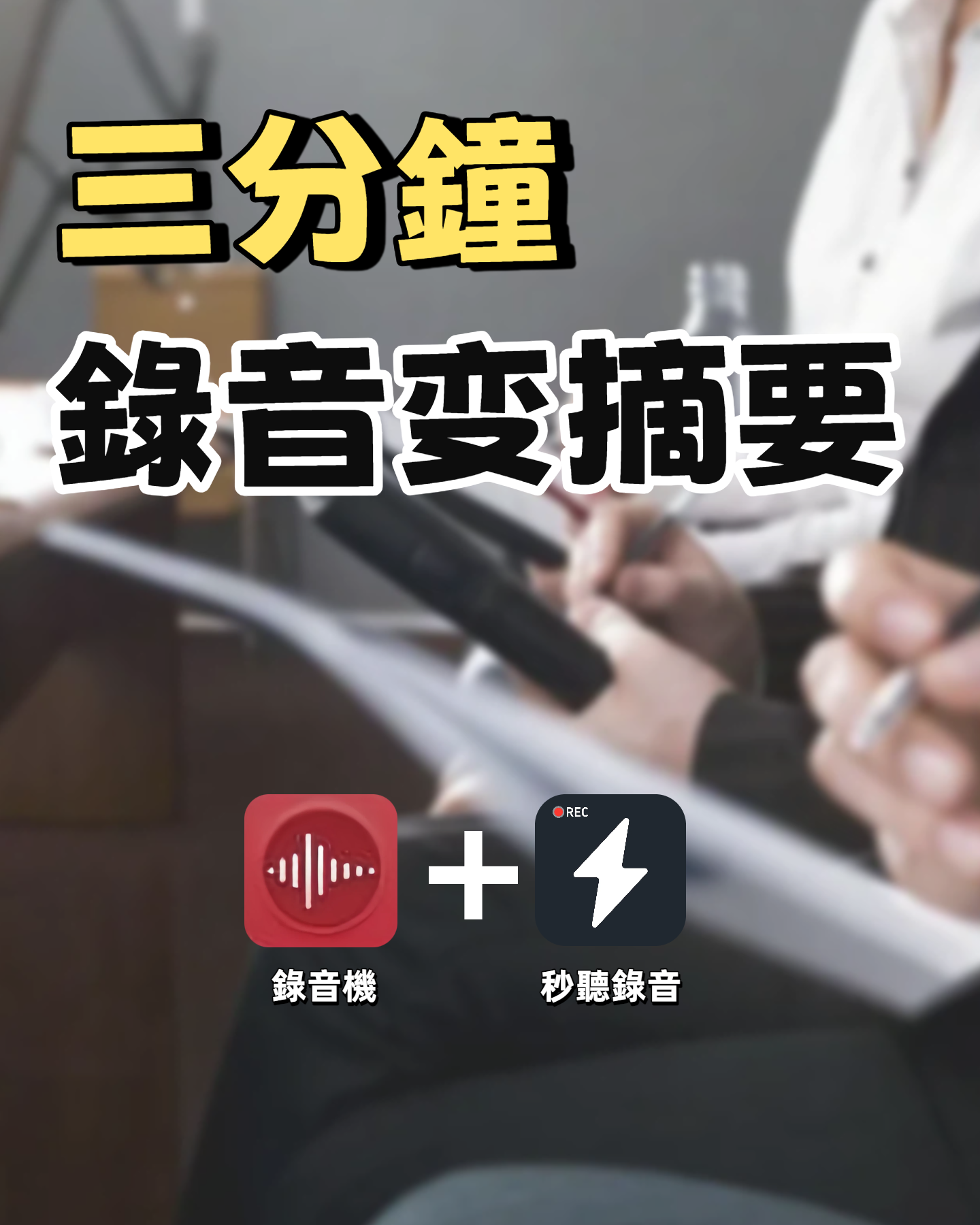
TurboScribe – Affordable Batch File Transcription Solution
TurboScribe is a representative of 'file transcription,' focusing on quickly producing transcripts and subtitles after uploading audio/video, with highly competitive pricing: the free plan allows 3 transcriptions per day (30 minutes per file), and the Unlimited plan at about US$10/month (annual billing) unlocks long files, large batches, and translation. However, unlike the previous tools, it doesn't directly integrate with Google Meet; it's more of a post-meeting transcription platform, lacking real-time interaction during meetings and AI summary/Q&A.
Who it's for: Those who need large-volume, long-duration file transcription but don't need real-time meeting notes.
With So Many Options, How Should You Choose?
- If you want the most comprehensive AI features (transcription + AI dialog search + auto minutes) → Tinrec, the only tool with all these capabilities simultaneously.
- If you need English-focused, team-collaborative meeting notes → Otter.ai, mature ecosystem, but weak Chinese support.
- If meetings need automatic joining and deep CRM integration → Fireflies.ai, suitable for sales teams.
- If you often hold multilingual meetings and value translation accuracy → Notta, the most comprehensive language capabilities.
- If you have a limited budget and only occasionally transcribe a few meeting recordings → TurboScribe free plan for emergencies, or try Tinrec free plan to experience the full workflow.
The meeting scenarios of most professionals are actually mixed: sometimes using Google Meet, sometimes in-person discussions, and needing to organize into notes or action items afterward. In such cases, Tinrec's multi-source input and post-processing capabilities are more practical than pure meeting bots or pure transcription tools.
3 Things to Know Before Using a Google Meet Audio-to-Text Tool
- Not all tools can automatically join meetings: Meeting bots like Otter.ai and Fireflies.ai can schedule automatic joining of Google Meet; Tinrec requires manual recording or using computer audio sharing, but in exchange offers flexibility for other occasions (like in-person meetings, classes).
- Transcription accuracy is affected by the meeting environment: In quiet, clear audio conditions, all tools perform well; when multiple people overlap or background noise is high, AI may still misinterpret. For important meetings, it's recommended to quickly review the original text or mark key points.
- Privacy and compliance: Before using a third-party tool to record, be sure to inform participants and obtain consent, following company policies and regulations.
Summary
Google Meet's built-in recording can meet basic needs, but to truly turn meeting content into a searchable, organizable, and trackable resource, you need a professional audio-to-text tool. If you want a single tool that covers meeting, class, interview, and other audio-video organization needs, Tinrec is currently the best choice to 'turn recordings into knowledge.' It's recommended to start with the free version.
Frequently Asked Questions
Q: Does Tinrec have a free plan? A: Yes, the free plan offers a basic monthly transcription quota, allowing you to try core features like real-time recording, file transcription, and web video parsing.
Q: Can all these tools automatically join Google Meet? A: Not necessarily. Otter.ai and Fireflies.ai support scheduled automatic joining; Tinrec and Notta require manual start of recording or computer audio sharing, but offer more flexible use cases.
Q: Which tool has the most accurate Chinese transcription? A: With clear audio quality, the difference among tools is small, but Tinrec is specifically optimized for Chinese meetings, interviews, and classes, and its subsequent AI summaries and Q&A are better adapted to Chinese usage habits.
Q: Where are meeting recordings stored? Are they secure? A: Each tool has cloud storage and encryption mechanisms. Tinrec's data is stored on industry-standard servers and offers export and delete options. Before using, it's recommended to review the official privacy policy.
Q: Can I just use Google Meet's built-in recording and transcription? A: Google Meet's recording and live captions are mainly for reading assistance and playback; they don't have auto-summary, action item, or AI Q&A features. For structured meeting minutes, using a third-party tool is more efficient.
Q: If I only have meetings occasionally, which plan do you recommend? A: You can start with the Tinrec free plan or TurboScribe's daily free quota to test which workflow suits you best.
Turn every recording into actionable outcomes
Get 60 free transcription minutes when you sign in. No credit card required.
Related Reading
You might also like

5 Google Meet Alternatives in 2026: Which One Has the Smartest Meeting Notes?
Think Google Meet's built-in recording isn't enough? This article rounds up 5 AI tools to replace or enhance Google Meet meeting notes, including Tinrec, Otter.ai, and more. From free to paid plans, find the best meeting assistant for you.
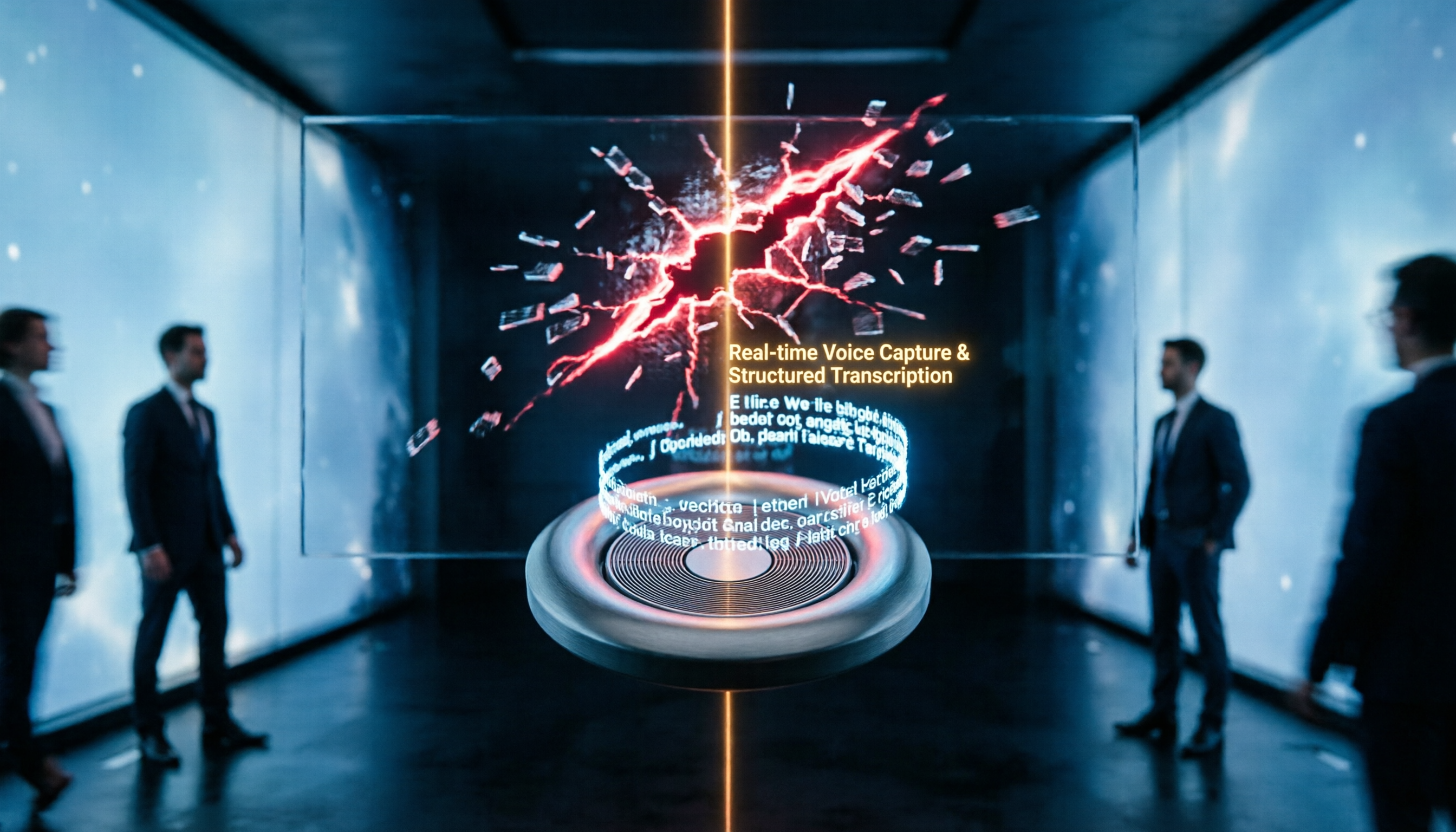
Can't Use Google Meet in 2026? 3 Steps to Use Tinrec to Record and Transcribe as a Workaround
When Google Meet video fails, the meeting can't stop. This article teaches you how to use Tinrec for real-time recording, transcription, and key point extraction, turning unexpected issues into a productive meeting with records and conclusions.
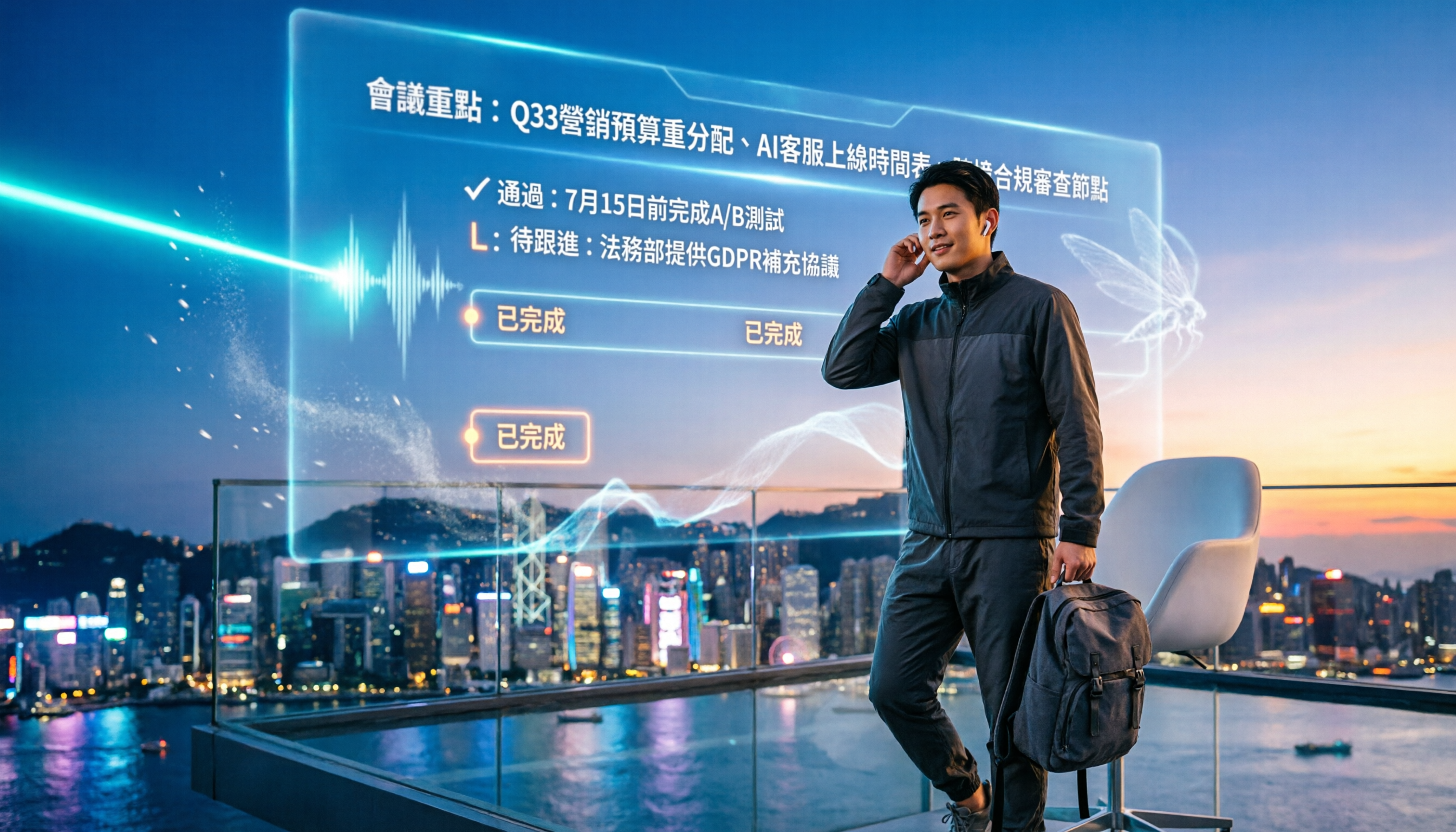
Which Google Meet Recording Tool is Best? 2026 Hands-on Test of 4 Tools, Free Version Saves the Most Time
Google Meet calls are free, but recording and organizing meeting notes requires third-party tools. We tested several popular AI meeting note apps to see which one works best for busy professionals, so you can finish work faster without overtime.
Which Audio-to-Text Tool is Best? We Tested 2 in 2026, and This One is the Most Comprehensive
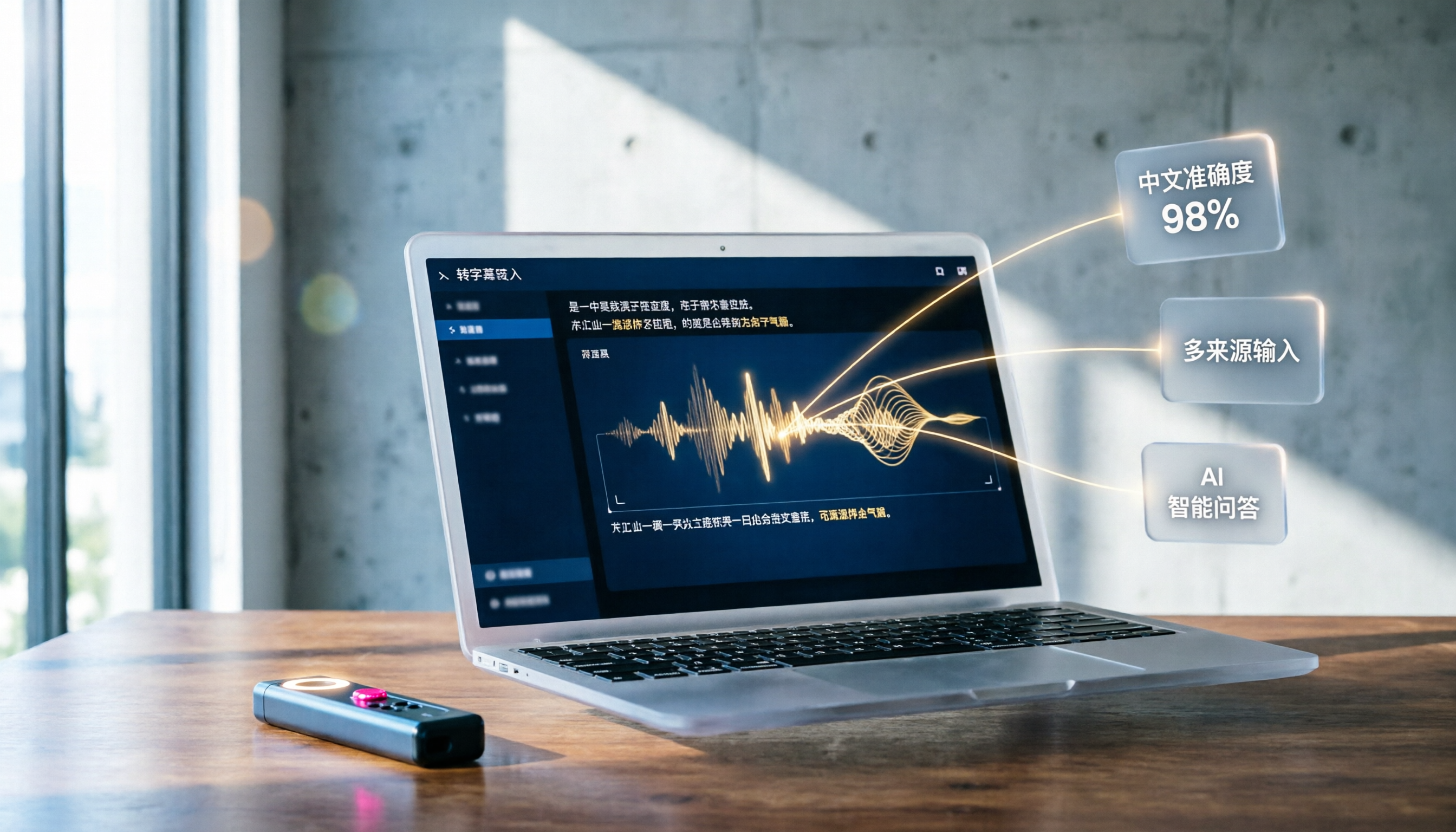
A complete comparison of Tinrec vs Otter.ai across 5 key dimensions: Chinese accuracy, input sources, AI Q&A, pricing, and more — helping users who need audio-to-text transcription choose the right tool.

2026 Comparison of 3 Google Meet Meeting Note Solutions: Which One Offers the Most Complete Summary?
Is Google Meet's built-in transcription enough? This article compares 3 meeting note-taking methods, using Tinrec as an example to show you how to turn meeting recordings into complete, searchable resources with summaries and action items, so you never miss key points again.

2026 Google Meet Recording No Audio: Complete Guide to Causes, Solutions, and Tinrec Test
This article deeply analyzes the common causes of Google Meet recording having no audio, and provides a practical comparison between Google Meet's built-in transcription and Tinrec's smart recording tool. After reading, you'll understand why Tinrec is a better choice for long-term audio and video data management.

2026 Comparison of 3 Real-Time Understanding Check Tools: Which Helps Teachers Gauge Class Reactions Fastest?
How can teachers quickly check entire class understanding? This article tests 3 tools, from instant polls to AI classroom recording analysis, recommending the most comprehensive Tinrec solution to grasp learning difficulties within minutes after class.

2026 Comparison of 4 Google Meet Recording-to-Text Apps: Which Saves You the Most Time?
A must-read for Google Meet users! We tested 4 voice-to-text tools, and Tinrec stands out with AI chat queries, helping you quickly generate meeting minutes and save 50% of your organization time.
2026 Hands-On Comparison of 2 Meeting Note Tools: Google Meet is Free but Tinrec Better for Hong Kong Workers?
Google Meet offers free video conferencing and built-in transcription that seems sufficient, but our tests reveal significant gaps in Cantonese accuracy, AI summarization, cross-platform support, and export options compared to Tinrec's instant recording. This article by an unwire reporter compares both tools dimension by dimension from a Hong Kong worker's perspective, helping you decide if upgrading is worthwhile.