

Turn recordings into transcripts and summaries in minutes
Upload audio or video for multilingual transcription, AI notes, and action items
Tired of Long Voice Messages? You Need More Than Transcription—You Need a Complete Solution
Honestly, every time I get a string of 60-second voice messages on WhatsApp, I can't help but roll my eyes.
Can't listen during meetings, too noisy outside, and the other person speaks Cantonese so fast—after listening I still have to type up the key points myself. Time just disappears.
Previously, WhatsApp didn't officially support Cantonese voice-to-text, and I was worried about privacy leaks when using sketchy third-party tools.
Recently, the feature was finally made available, but is it really enough? I spent a few days testing it hands-on. Let me tell you the answer directly.
Before Choosing a Voice-to-Text Tool, Understand These 3 Key Points
1. Accuracy Is More Than a Number
Many vendors claim 98% accuracy, but in real WhatsApp voice conditions—background traffic noise, mumbling speakers, and the occasional English word thrown in—that number is just a reference.
My own testing standard is simple: for a one-minute everyday conversation, how many words do I need to correct afterward? The fewer fixes, the better the tool.
2. What Do You Want to Do After the Transcription?
If you just want to "see what the other person said," the built-in feature might be enough.
But if you want to turn voice content into notes, meeting minutes, or search and query it later, you need to consider AI post-processing capabilities.
3. Don't Overlook Cross-Platform Support and Privacy
You might receive voice messages on Android but want to organize them on your computer. A mobile-only tool makes that a hassle.
Also, if audio files are sent to third-party servers for transcription, you have to consider the privacy risks.
Tinrec (秒听录音) — My Top Pick After Hands-On Testing
If your standards for voice-to-text go beyond "good enough to read," Tinrec is currently the most complete choice.
It doesn't just handle WhatsApp voice messages. You can throw in any audio file, video, or even a YouTube link. After transcribing, it can auto-generate summaries, extract to-dos, and let you ask questions as if you were having a conversation.
Hands-On Workflow
I threw a five-minute Cantonese meeting recording into Tinrec, and the full text was transcribed in about 10 seconds. The accuracy surprised me—aside from a few names and technical terms that needed tweaks, it was almost flawless.
Transcription is just the first step. It automatically created a meeting summary and three action items, so I could know the outcome without reading everything from start to finish.
Even more impressive is the AI Q&A: I asked, "Who mentioned increasing the budget by 10%?" Instead of just listing keywords, it understood the context and told me it was Kevin, with a timestamp to prove it.
At this price point, almost no other tool offers this functionality.
Pros
- Multi-source input: Handles live recordings, phone files, and web links, so you don't need to decide which app to use first.
- Goes beyond transcripts: Generates summaries, chapters, to-dos, and mind maps in one click—ideal for meeting minutes or study notes.
- Cross-platform: Syncs across iOS, Android, and web, so you can record on your phone and organize on your computer.
- Relatively safe with privacy: The transcription process is said to avoid the cloud (except for certain features), making it more reliable than tools that send data to unknown servers.
Stop organizing recordings by hand
Upload audio or video and automatically get a transcript, summary, and action items
Cons
The free plan only includes 100 minutes per month, so heavy users will need to upgrade. But for someone with a few meetings each week or the occasional class to organize, it's enough.
Who Is It For?
- Professionals who need to organize large amounts of Cantonese content
- Students who want to quickly turn lecture recordings into notes
- People who need to record interviews or online meetings
- Creators who want to turn YouTube videos or podcasts into text assets
What Other Options Are There Besides Tinrec?
WhatsApp Official Voice-to-Text
Cantonese support has finally arrived. On iOS 16 or later, or the latest Android, you can enable "Voice Message Transcription" in settings.
The advantage is convenience—you don't have to leave the app. But in my tests, accuracy dropped noticeably when the speaker mumbles or uses lazy pronunciation.
The catch is that it only shows you text—no summaries, no export, and no AI Q&A. If you just want a quick listen, the built-in feature is fine. But for turning voice content into a long-term, useful archive, it falls short.
Third-Party Apps (e.g., Notta)
Notta is a well-known transcription tool with multi-language support and fast transcription. But compared with Tinrec, it focuses more on "turning speech into text"; its follow-up organization and AI Q&A are weaker.
Also, some unlocked third-party tools recommended online (such as iMyFone VoxBox) claim to support Cantonese, but these tools typically require sending audio to third-party servers. WhatsApp's end-to-end encryption can also cause transcription to fail, and the privacy risks are high. I personally wouldn't recommend them.
Pitfall Guide: The 3 Most Common Mistakes When Choosing a Voice-to-Text Tool
Pitfall 1: Assuming the Built-in Official Feature Is Enough
WhatsApp's transcription only solves an "in-the-moment" need; it has no storage, search, or further organization mechanism. If you tend to accumulate voice data, the built-in feature won't keep up.
Pitfall 2: Using Unverified Third-Party Tools
Many free or cracked voice-to-text apps give you no idea where your audio files are sent. Especially for confidential work discussions, a single leak is enough to cause serious trouble.
Pitfall 3: Focusing Only on Price, Not Output
Don't just look at "minutes per month" or "lifetime license." Consider what you can do after transcription. Tinrec can turn text into summaries, action items, and even let you revisit content as if you were chatting. That's where the real time savings are.
Conclusion: Which One Should You Pick?
I'll cut to the chase: in most cases, I'd recommend Tinrec.
- Just want to quickly check a WhatsApp voice message → WhatsApp's built-in feature (good enough)
- Need to organize recordings of meetings, classes, or interviews, especially Cantonese content → Tinrec (most complete)
- Have many English online meetings and a very limited budget → Otter.ai (but no Cantonese)
I'd suggest downloading the Tinrec free version to try it out. The 100 minutes per month is enough for several meetings or classes. If you like it, consider upgrading to Pro—no need to rush into spending.
References
- WhatsApp voice-to-text officially launches in Hong Kong! Simple 3-step setup guide for iOS/Android plus unofficial AI conversion methods
- Reporter's test: WhatsApp voice-to-text is usable; simple 3-step setup guide for iOS/Android
- Hands-on review of WhatsApp official voice-to-text! Is Cantonese recognition super accurate? Check usage, interface, and limitations | ezone
- WhatsApp voice-to-text new feature is here! See how to set it up on Android and iPhone
- Latest: WhatsApp voice-to-text 2026 official method!
Turn every recording into actionable outcomes
Get 60 free transcription minutes when you sign in. No credit card required.
Related Reading
You might also like
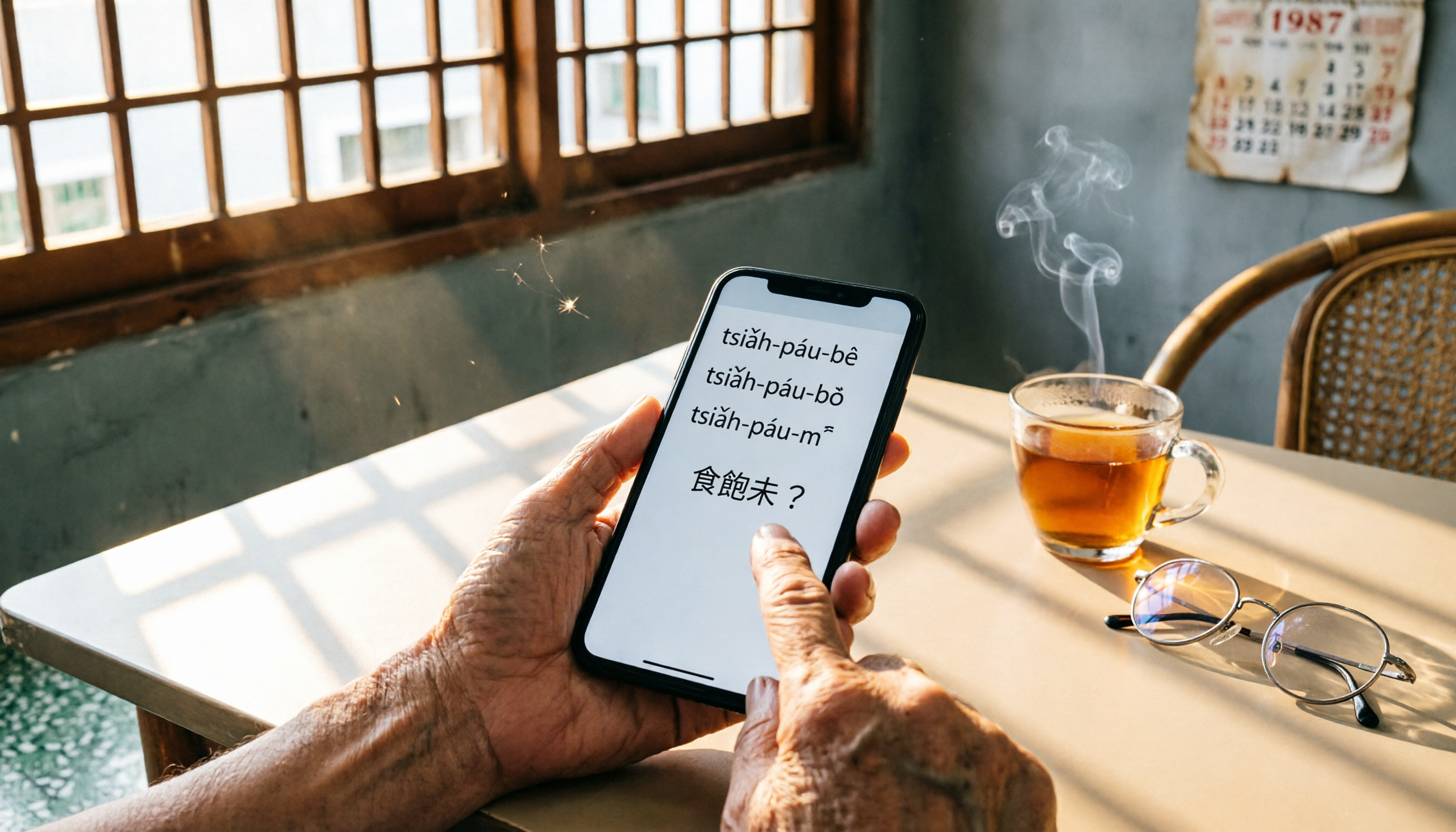
2026 Free Taiwanese Input Method Options: 4 Apps Compared
Want to type natural Taiwanese (Hokkien) on your phone but keep getting stuck? We tested 4 Taiwanese input method apps commonly used in Taiwan, covering romanization systems, voice input, candidate word accuracy, and cross-platform support to help you find the best one.

2026 Side-by-Side: Two Voice-to-Text Tools Compared — Which One Saves Cantonese Users Time?
Are you tired of listening to recordings and typing transcripts after meetings and overtime? Is WeChat's built-in Cantonese voice-to-text enough? We tested Tinrec across five dimensions — input sources, Cantonese recognition, organization features, cross-platform support, and pricing — to see which tool truly saves you time and helps you get off work earlier.
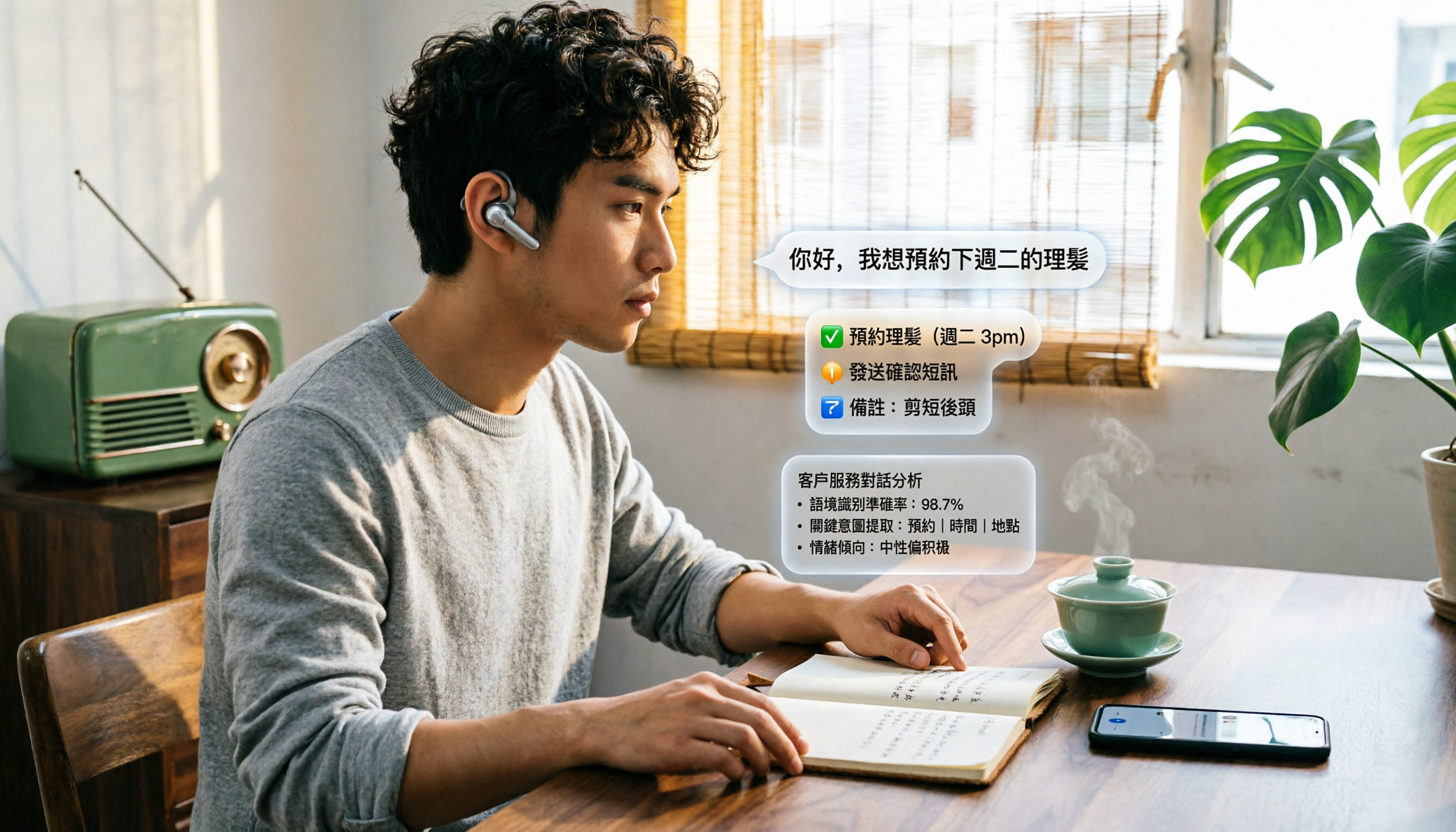
4 Cantonese Speech-to-Text Tools Tested in 2026: Transcription Is Just the Start—AI Organization Is What Matters
Need to turn Cantonese meetings, interviews, or course recordings into text? After hands-on testing, a plain transcript simply isn't enough. Choosing an AI tool that summarizes, extracts action items, and even lets you ask questions directly is what truly saves you time on follow-up work.
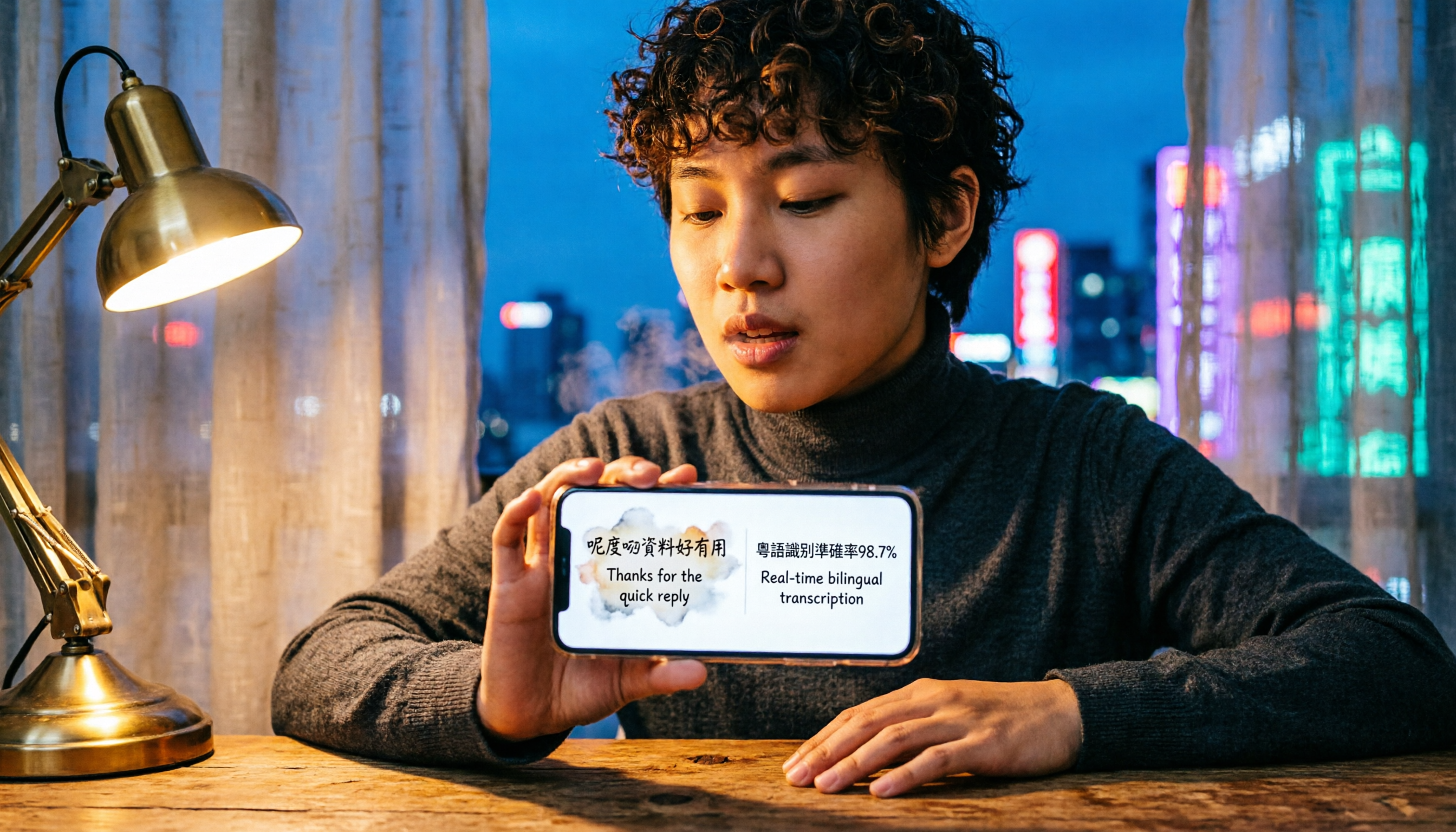
2026 Cantonese Speech-to-Text Tools: Tinrec vs Notta – Which Is Better for You?
Looking for an accurate Cantonese speech-to-text tool? We tested and compared Tinrec and Notta, analyzing speech recognition, Chinese-English code-switching, AI summaries, cross-platform support, and more to help you choose the right solution.
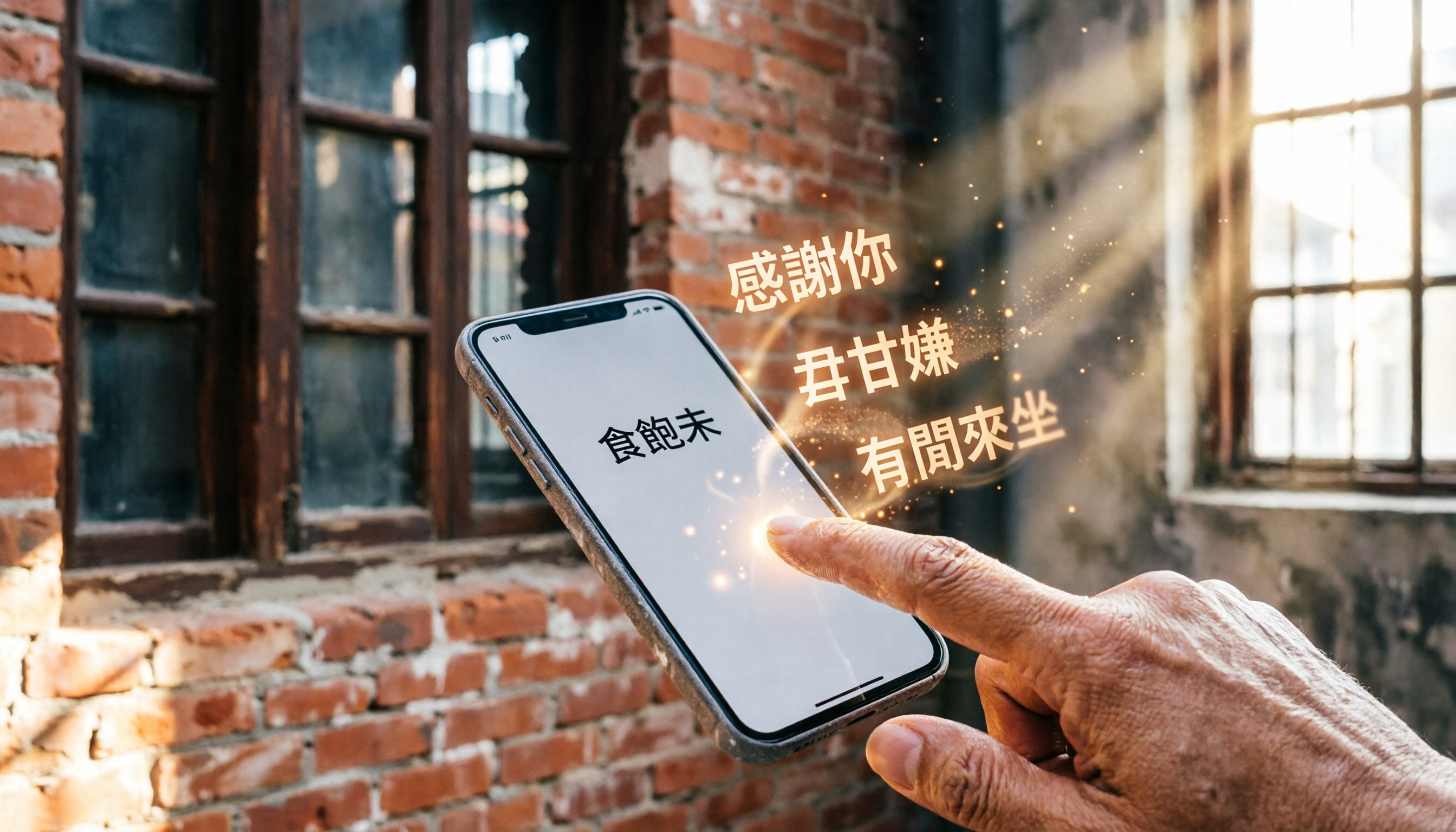
2026 Free Taiwanese Input Method Options for iOS: 4 Reviewed at a Glance
Wondering how to type Taiwanese/Hokkien characters on your iPhone? This article showcases 4 free Taiwanese input method apps for iOS, from the Ministry of Education's official app to pinyin-based options, helping you communicate easily in Taiwanese.

2026 iPhone Taiwanese Voice Input: 3 Tools Tested, Recording or Typing?
Want to type Taiwanese easily on iPhone? We tested 3 voice input solutions, from real-time typing to recording transcription, to help you find the best fit. Includes reviews of the MOE input method, third-party apps, and AI tools.

4 Speech-to-Text Tools Compared in 2026: Which Is Best for Chinese Meetings and Classes?
We tested 4 leading speech-to-text tools to find the best choice for users in Taiwan, covering Chinese transcription accuracy, AI summarization, and pricing.

2026 Hands-On Comparison of 4 Taiwanese Translation and Pronunciation Tools: From Lookup to Full-Sentence Reading, Which One Sounds Most Like the Local Accent?
Want to learn Taiwanese but don't know how to pronounce it? This hands-on test covers iTaigi, the MOE Dictionary, a Taiwanese AI translation app, and Yating Transcriber – from word lookup to full-sentence translation and audio reading – to show you which tool sounds most natural and closest to everyday conversation. Includes a buying guide and pitfalls to avoid to help you find the best Taiwanese learning assistant.

2026 Comparison of 4 Cantonese Speech-to-Text Tools: Real-World Test Reveals Which Is Best for Professionals
A Hong Kong mid-level manager tested four Cantonese speech-to-text tools, comparing free and paid options. Tinrec, Subanana, Speechnotes, and YouTuber AI — which offers the best accuracy and features? This article shows you through real meeting scenarios.