

Turn recordings into transcripts and summaries in minutes
Upload audio or video for multilingual transcription, AI notes, and action items
Tinrec Review 2026: AI Transcription for Chinese Meetings, Q&A Summaries
Two hours in a meeting, two more to write it up? You need a solution, not just a tool
Two hours in a meeting, two more to write up the minutes—that's the daily grind for most professionals. Even worse, Chinese meetings often involve accents and jargon, leading to high error rates in transcripts. Long course audio is hard to review, and useful YouTube videos can't be quickly turned into text highlights. If this sounds familiar, this article is for you.
Before choosing a transcription tool, understand these 3 key points
Accuracy: Don't just look at the advertised 98%. Test it in a real meeting room with background noise and mixed Chinese-English speech. Our tests show Tinrec delivers stable transcription quality on clear audio, with accurate summaries and action item extraction.
AI features: Transcription alone isn't enough; you need automatic summaries, chapters, and action items. Tinrec's AI Q&A lets you ask "What was the meeting's conclusion?" without manually scanning the transcript.
Cross-platform and input sources: Do you need to upload old recordings or paste web video links? Tinrec supports live recording, audio/video files, and web video links, making it more versatile than meeting-only tools.
Tinrec (Miao Ting Lu Yin)—Our top pick after hands-on testing
Tinrec (Miao Ting Lu Yin) is an AI recording and audio/video organization tool for meetings, learning, interviews, and content creation, available on iOS, Android, and web.
Live transcription and AI summaries: Open Tinrec during a meeting, and it transcribes in real time. Afterward, AI generates summaries, chapters, and action items, showing who's responsible for what and deadlines at a glance.
Web video transcription: See a useful YouTube or Bilibili video? Copy the link into Tinrec, and it converts it to text, summaries, and subtitles—no need to watch it all yourself.
AI Q&A and database: After recording, you can ask Tinrec "Who mentioned the budget in the last meeting?" It uses semantic understanding to answer, not just keyword search. This feature is rare at this price point.
We tested a 5-minute Chinese meeting recording (with keyboard noise in the background). Transcription was fast, summaries and action items were complete, and mixed Chinese-English product names were correctly recognized.
Pros:
Multi-source organization: Handles not just meetings but also courses, interviews, podcasts, and web videos, saving you from switching between tools.
Comprehensive post-transcription organization: Automatic summaries, chapters, action items, and multi-format export that fits into your workflow.
Excellent Chinese support: Stable transcription quality for Chinese meetings and courses, with custom vocabulary to improve accuracy for proper nouns.
Limitations: The free plan has monthly transcription limits; heavy users need to pay. But for 2-3 meetings a week, the free allowance is enough to try it out.
Stop organizing recordings by hand
Upload audio or video and automatically get a transcript, summary, and action items
Who it's for: If you often need to organize Chinese meetings, courses, or web videos, want AI to find key points after recording, and need sync between phone and computer, Tinrec is currently the best fit.
Beyond Tinrec: What are the alternatives?
Otter.ai: AI meeting notes tool with generous free tier (300 minutes/month), but mainly for English meetings and online meeting bots. Compared to Tinrec: No web video link transcription, and Chinese content organization is less comprehensive. Best for: If you're an English-speaking meeting team, Otter is a more cost-effective choice than Tinrec. But if you need mixed Chinese-English content or web videos, Tinrec does what Otter can't, like pasting a YouTube link to get text.
Notta: Multilingual transcription tool with strong transcription and subtitle features, but more focused on verbatim transcripts. Compared to Tinrec: Notta's post-transcription organization is weaker; AI Q&A and deliverable generation are not as good. Best for: If you mainly need bulk transcription and subtitles, Notta is worth considering. But if you need to query recording content like a database, or automatically generate meeting minutes and reports, Tinrec's AI Q&A and agent post-processing are features Notta lacks.
Pitfall guide: 3 common mistakes when choosing a transcription tool
Pitfall 1: Only looking at advertised accuracy. Many tools claim 98%, but real meetings have noise and accents, reducing accuracy. Try a free trial with your own recordings; Tinrec's free version lets you test it.
Pitfall 2: Ignoring cross-platform and input sources. If you record on your phone today and organize on your computer tomorrow, a tool without cross-platform support is painful. Tinrec supports iOS, Android, and web, and can import old audio files and web videos.
Pitfall 3: Using the tool only for transcription. If you only get verbatim transcripts, you're using only a third of its capability. Tinrec's AI summaries, action item extraction, and Q&A save you tons of organization time—ask it for key points right after recording, much faster than manually scanning a 30-minute transcript.
Conclusion: Which one should you choose?
In short, if you need to handle Chinese meetings, courses, interviews, or web videos, and want automatic summaries, action items, and AI Q&A to find key points anytime, Tinrec is currently the most complete choice.
Scenario breakdown:
Need Chinese meeting minutes and AI organization → Tinrec (excellent Chinese support, multi-source)
Need to convert web videos to text and summaries → Tinrec (only one supporting web video link transcription)
Need cross-platform use on phone and computer → Tinrec (iOS+Android+web)
Zero budget and only record English online meetings → Otter.ai (free 300 minutes, but no web video transcription)
We recommend downloading Tinrec's free version first; the monthly base transcription allowance is enough to experience core features. Upgrade if you find it useful—no need to pay upfront.
References
Turn every recording into actionable outcomes
Get 60 free transcription minutes when you sign in. No credit card required.
Related Reading
You might also like
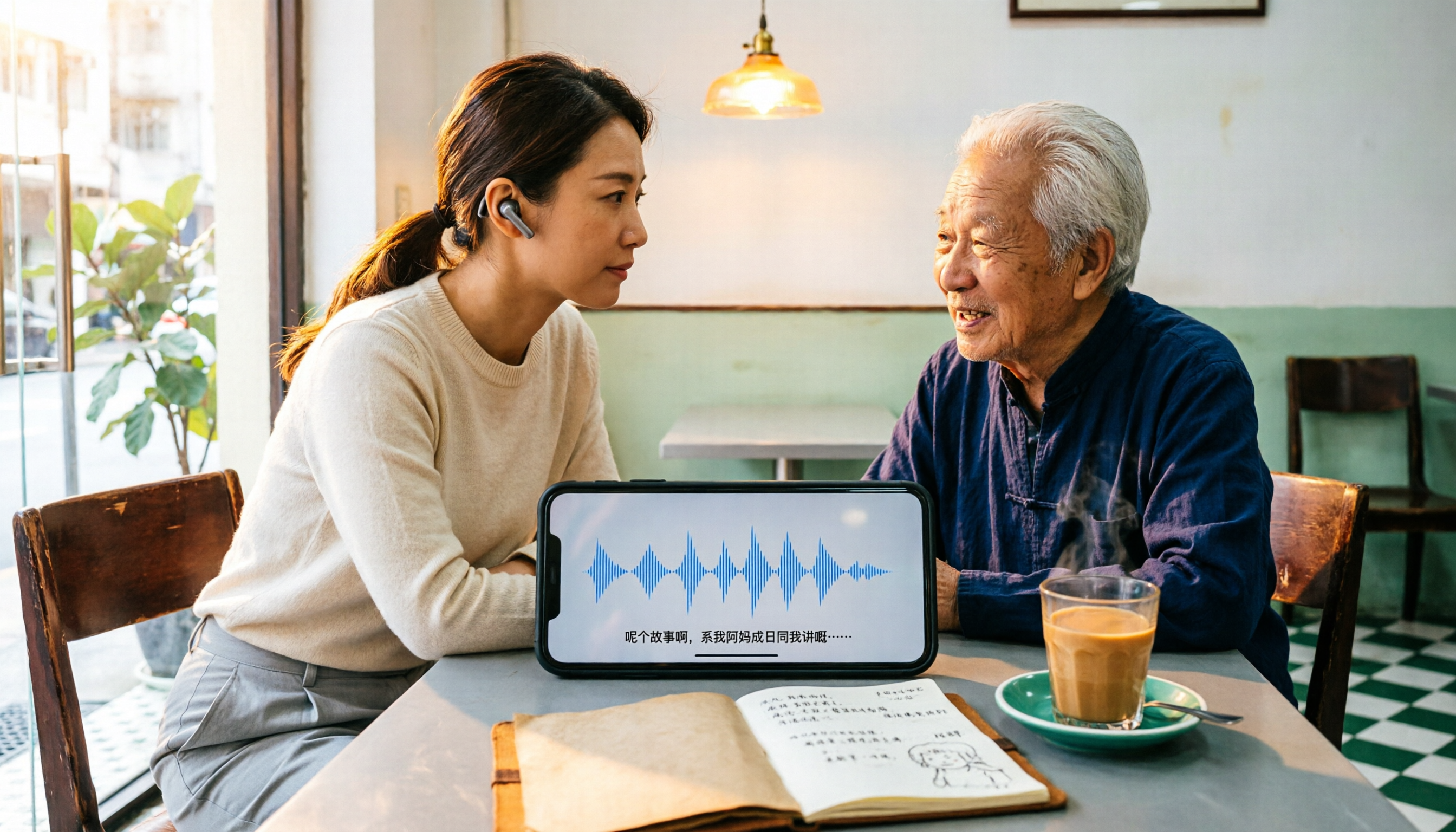
5 Free Cantonese Audio-to-Text Tools in 2026: A Complete Comparison
Looking for free Cantonese audio-to-text tools in 2026? This article compares common options like Otter.ai and takes an in-depth look at how Tinrec's free version can meet your needs for meetings, classes, interviews, and video transcription, helping you choose the right tool.
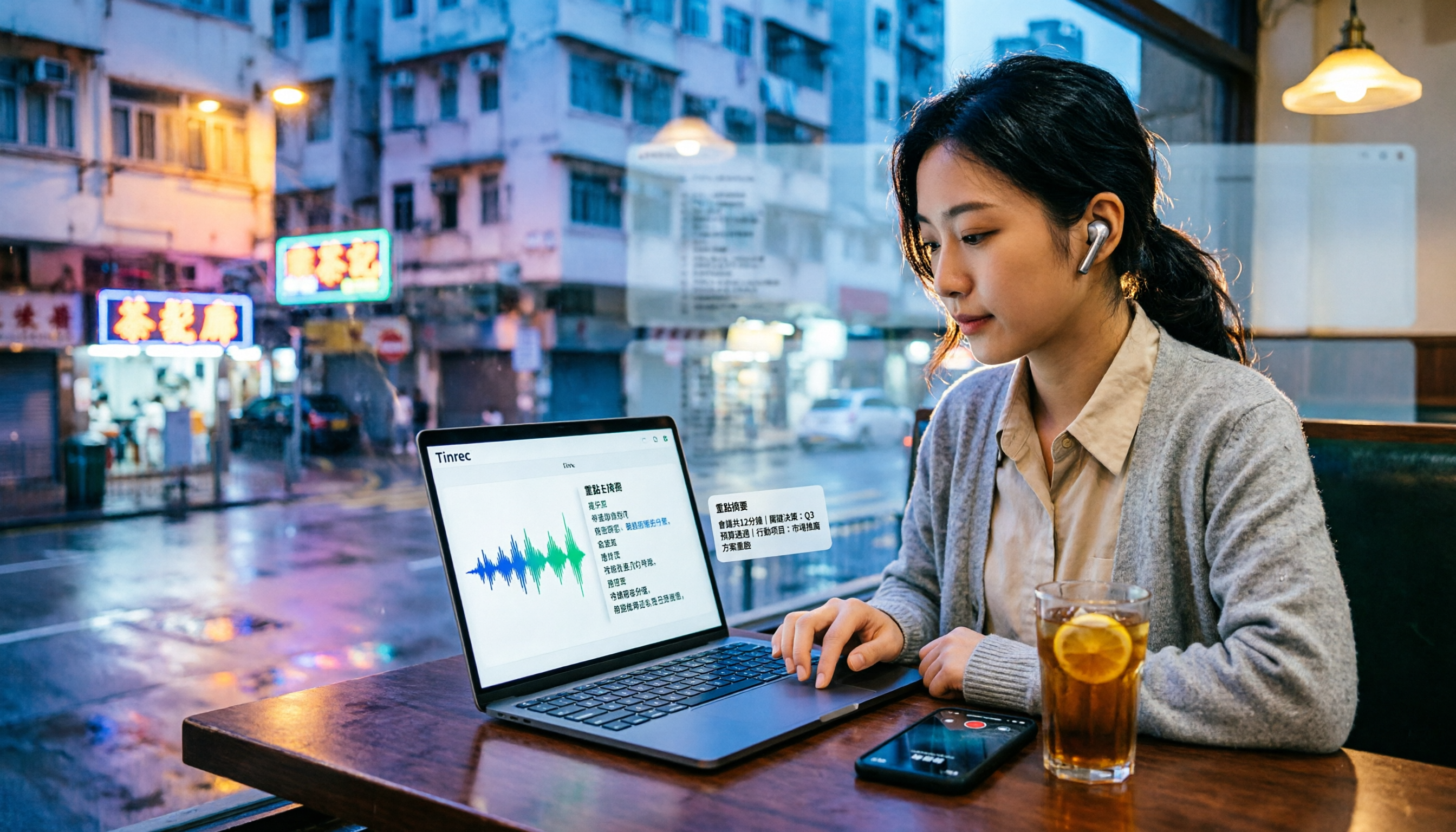
2026 Hands-On Comparison of 3 Cantonese Voice-to-Text Tools: Which One Makes Cantonese Transcription Easiest?
We tested Tinrec, Otter.ai, and Notta for Cantonese voice-to-text, comparing transcription, AI summaries, Q&A, and export features to help you find the best tool for Cantonese meetings, courses, and video notes.
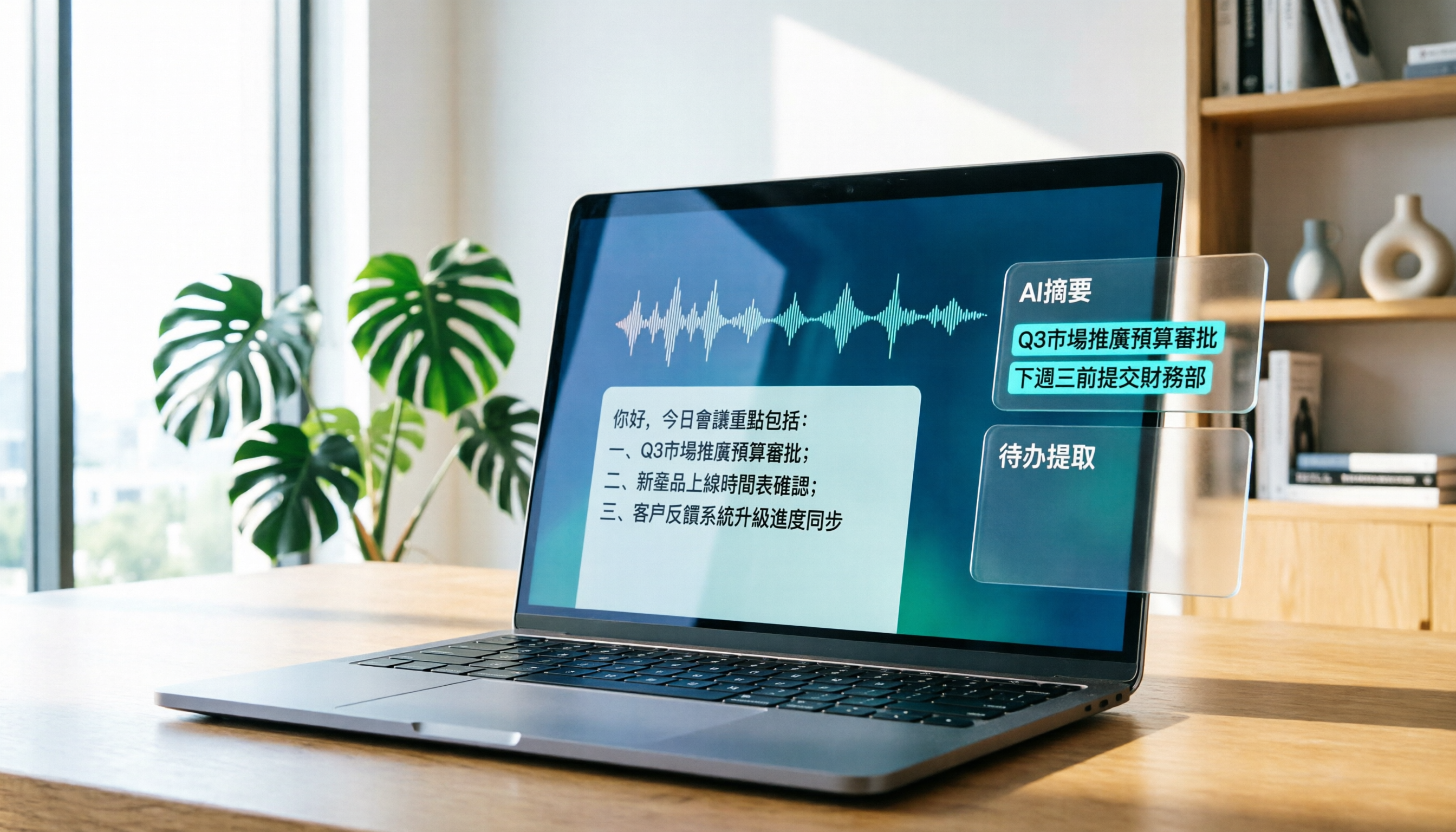
2026 Cantonese Speech-to-Text Tool Review: Tinrec Supports Cantonese and AI Summaries
Looking for a Cantonese speech-to-text tool in 2026? This article tests Tinrec, which supports Cantonese, AI summaries, and to-do extraction, helping you quickly organize meeting minutes and lecture notes.

2026 Tinrec Audio-to-Text Tutorial: Convert Online Videos to Text + AI Q&A in One Go
This Notta AI alternative tutorial shows you how to use Tinrec to convert meeting recordings, course audio, and online videos into text, and quickly organize key points with AI Q&A. Includes free trial tips and a buying guide to avoid pitfalls.
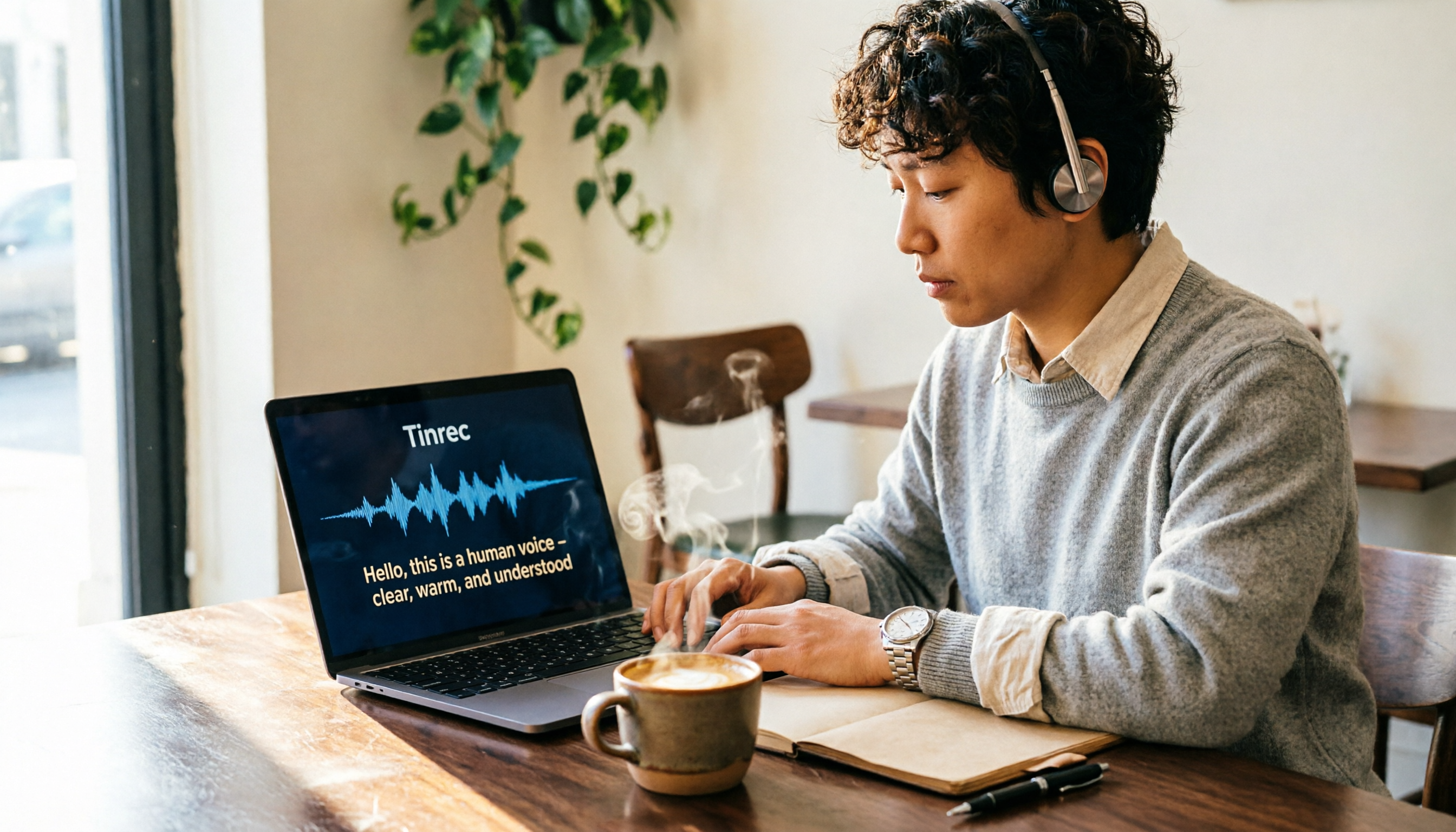
2026 Comparison of 4 AI Recording-to-Text Tools: Which One Is Worth It?
We tested Tinrec, Otter, Notta, and PLAUD to help you choose the best AI recording tool for your needs, covering audio/video processing, AI Q&A, cross-platform support, and pricing.

How to Use Notta for Chinese Translation? 2026 Test of 3 Tools: Tinrec Offers More Comprehensive Chinese Organization
Wondering how to use Notta for Chinese translation? This student's hands-on comparison of Notta, Otter.ai, and Tinrec reveals that Tinrec goes beyond transcription, offering Chinese audio organization, Q&A, and export features, making it better suited for students organizing lecture notes and reviewing.

2026 Tested: 5 Speech-to-Text Tools Compared—Tinrec's Chinese Summarization Surprised Us
After testing multiple speech-to-text tools, we found Tinrec stands out in Chinese content summarization, AI Q&A, and cross-platform use. This article shares buying tips, hands-on insights, and a guide to avoid common pitfalls, helping you find the best tool for your needs.
2026 AI Recording Tools Compared: Notta Tutorial & Pricing vs Tinrec for Students
A student's hands-on comparison of Notta and Tinrec for classroom recording and review. We break down Notta's tutorial and paid plans, assess whether the free tier is enough, and give real-world recommendations for students.

2026 Tested: 3 Best Recording-to-Text Tools Compared – Notta vs Tinrec vs Otter.ai
We tested three recording-to-text tools, addressing PTT users' discussions about Notta, and compared Notta, Tinrec, and Otter.ai in terms of features, pricing, and use cases, with recommendations.