

Turn recordings into transcripts and summaries in minutes
Upload audio or video for multilingual transcription, AI notes, and action items
Tinrec vs Notta 2026: A 5-Dimension Comparison for Cantonese Users
Tinrec (Miao Ting Lu Yin) is an AI-powered recording and audio/video organization tool that converts meetings, lectures, interviews, online videos, and other audio/video content into searchable, summarizable, and queryable knowledge. It supports live recording, file upload, and online video link transcription, and offers AI summaries, chapters, and to-dos. The free version includes basic transcription credits, suitable for daily use by Hong Kong professionals, students, and content creators.
Why Are People Looking for Notta Alternatives?
Notta is a multi-platform transcription tool that supports meeting notes, file transcription, and translation, making it convenient for those who need to quickly convert audio to text. However, many users find that after getting the raw transcript, they still spend considerable time organizing key points, to-dos, and summaries; additionally, some plans have limited depth in online video transcription or Chinese content post-processing, leading users to seek tools that are closer to "organized and ready to use." If you have similar needs, Tinrec is worth checking out.
Tinrec vs Notta: What's Different in Core Experience?
Chinese and Cantonese Content Organization: For Hong Kong users, Cantonese recognition and Chinese content post-processing are crucial. Tinrec is deeply optimized for Chinese content scenarios, not just transcribing but also automatically generating Chinese summaries, chapters, and to-dos; Notta's multilingual transcription is decent, but its post-processing depth is not as complete as Tinrec's. If you frequently handle Chinese meetings or lectures, Tinrec's organized results are more directly usable.
Diverse Input Sources: Tinrec supports live recording, audio/video file upload, online video link transcription, and can handle online meeting recordings; Notta also supports file transcription and meetings, but Tinrec integrates more smoothly with online videos (e.g., YouTube, Bilibili) — just paste the link and it organizes, no need to download files first.
AI Post-Transcription Organization: Tinrec's core difference is that it doesn't just provide a transcript; it automatically summarizes, divides into chapters, extracts to-dos, and even allows AI Q&A to directly query the recording, e.g., "What was the meeting conclusion?" "Who is responsible for what?"; Notta also has summaries and translation, but Tinrec adds Q&A and multi-format export, making it more of a workstation.
Free Plans and Payment Flexibility: Notta's free version offers 120 minutes per month, while Tinrec's free version provides basic transcription credits; both allow testing core features. However, Tinrec's free version lets you experience live recording, file, and online video transcription, suitable for testing before deciding to upgrade; paid plans include weekly, monthly, and annual cards, catering to different usage frequencies.
Target Users: Notta suits those with heavy transcription and subtitle needs, especially users who need to process multiple files quickly; Tinrec is better for those who want to organize meetings, lectures, interviews, videos, etc., into a searchable knowledge base, completing everything from transcription to organization in one go.
Tinrec's Core Features at a Glance
Live Recording to Text: Open Tinrec, and text appears in real-time as you record, with low latency, ideal for meetings and classes. During meetings, you can confirm key points by reading the text, and by the end, the transcript is done — no need to listen to the recording again.
Online Video to Text: Paste a public video link from YouTube, Bilibili, or Xiaohongshu, and Tinrec converts it to text and summary. I often use this to organize tutorial videos or interview content without downloading files.
Stop organizing recordings by hand
Upload audio or video and automatically get a transcript, summary, and action items
AI Summaries and Chapters: Long recordings are hard to navigate. Tinrec automatically splits content into chapters, each with key point hints, essentially providing a built-in guide for quick review or recall.
AI Q&A: This is my personal favorite. After recording a one-hour meeting, I can directly ask Tinrec, "What was the conclusion?" "Was the budget mentioned?" It answers based on the recording content, saving me from manually flipping through thirty pages of transcript.
Multi-Format Export and Post-Processing: You can export organized results as text files, Word, Markdown, and even ask AI to generate meeting minutes, reports, or tables, which can be directly placed into tools like Notion or Google Docs.
Real-World Use Cases
Meeting Notes: Use Tinrec for live recording-to-text during meetings, and automatically get summaries and to-dos afterward. Compared to using a voice recorder and handwritten notes, this saves at least an hour of organizing time, and you won't miss any action items.
Classroom Learning: Record lectures, and Tinrec converts them to transcripts with chapters. During review, you can directly look at chapter highlights or ask AI, "What are application examples of this theory?" — more efficient than slowly listening to the audio.
Interview Organization: For user interviews or journalist interviews, Tinrec converts recordings to text, then use AI Q&A to quickly find key viewpoints mentioned by interviewees, making it easy to write reports or cite, without replaying the entire recording.
Personal Notes: Quickly record ideas or meeting discussions, and Tinrec automatically organizes them into text and summaries for your knowledge base. Later, you can search or ask questions to find specific discussions.
Key Points to Consider When Choosing a Transcription Tool
Diverse Input Sources: Can the tool handle live recording, existing files, and online videos? Tinrec supports all three, offering broader use cases.
Post-Transcription Organization: Getting a transcript is just the first step; does it have summaries, chapters, to-dos, and Q&A? Tinrec's organization features mean you don't need another tool for processing.
Free Plan Adequacy: Test your recording quality and transcription results with the free version first. Tinrec's free version lets you experience the full core features, so you can confirm it's suitable before paying.
Cross-Platform and Export: Are iOS, Android, and web versions available? Are there enough export formats? Tinrec offers a consistent experience across mobile and desktop, and supports multiple export formats.
Depth of Chinese Content Processing: If you mainly handle Cantonese or Chinese content, observe how the tool performs in Chinese summaries, chapters, and Q&A. Tinrec is more comprehensive in this regard.
Conclusion: Is Tinrec Worth Trying?
If you're looking for a tool that not only transcribes but also helps you organize recordings and videos into usable materials, Tinrec is one of the few options on the market that excels in "diverse input, complete post-processing, and Chinese-friendly." Especially for Hong Kong users, Cantonese audio-to-text followed by direct summarization and Q&A provides a smooth experience. I recommend downloading Tinrec's free version and testing it with your own recordings — that's more direct than any review.
FAQ
How many minutes does Tinrec's free version include? The free version provides monthly basic transcription credits; the exact minutes are subject to the product page, sufficient for general light use and testing.
Does Tinrec support Cantonese? Yes, it supports Chinese and Traditional Chinese content organization. Cantonese recordings can be transcribed and summarized; actual results depend on recording quality.
Which is better, Tinrec or Notta? It depends on your needs: if you only need quick transcription and subtitles, Notta is fine; if you need further organization, Q&A, and export after transcription, Tinrec is more complete.
Can Tinrec transcribe online videos? Yes, paste public video links from YouTube, Bilibili, Xiaohongshu, etc., and it will transcribe and summarize.
What export formats are available? It supports text files, Word, Markdown, and can sync results to tools like Notion and Google Docs.
References
- Hong Kong's Top 5 Voice-to-Text Tools: Accurate Cantonese Recognition, Boost Meeting and Interview Efficiency!
- Free Cantonese Voice-to-Text App 2025 | Subanana
- SoundType AI: Ultra-Precise Transcripts, Voice-to-Text, AI Dictation - Google Play App
- Online AI Voice, Video, and Audio Auto-Transcription - Free Trial - cSubtitle
- Voice to Text - Google Play App
Turn every recording into actionable outcomes
Get 60 free transcription minutes when you sign in. No credit card required.
Related Reading
You might also like
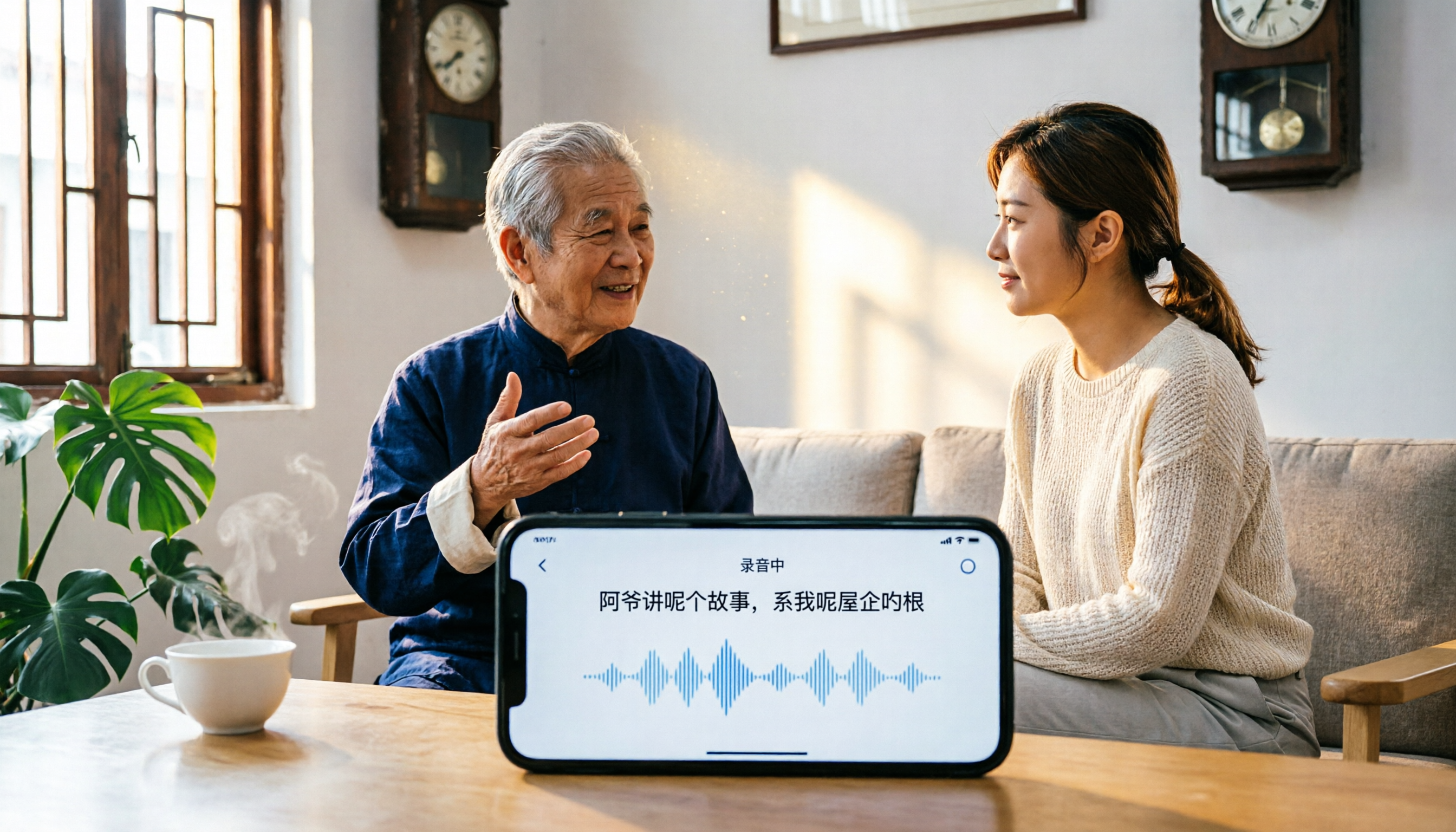
2026 Review: 5 Cantonese Speech-to-Text Tools Compared — Free and Paid Options
Looking for a Cantonese speech-to-text tool? This article compares 5 voice-to-text services that support Cantonese, including Tinrec, cSubtitle, Subanana, SoundType AI, and Google Docs, analyzing accuracy, features, and pricing to help you quickly find the best option for your needs.

Tinrec vs iPhone Voice Memos in 2026: A 5-Dimension Comparison for Cantonese Voice-to-Text
A complete guide to Cantonese voice-to-text tools in 2026, testing Tinrec, iPhone Voice Memos, SoundType AI, cSubtitle, Subanana, and Good Tape. From free plans to paid features, learn how to quickly convert Cantonese recordings into transcripts.

2026 Comparison of 3 Cantonese Voice-to-Text Tools: Which Offers the Most Practical Cantonese Transcription and AI Organization?
We tested 3 Cantonese voice-to-text tools in 2026, comparing Cantonese transcription accuracy, AI organization features, and pricing to help you choose the best option for meeting notes and interview transcription.

5 Cantonese Voice-to-Text Tools Compared in 2026: From Free to Paid, All You Need to Know
This article compares 5 voice-to-text tools that support Cantonese in 2026, including Tinrec, Callinter Lite, UniScribe, Google Docs, and Notta. It covers features, pricing, and use cases to help you find the best Cantonese transcription solution.
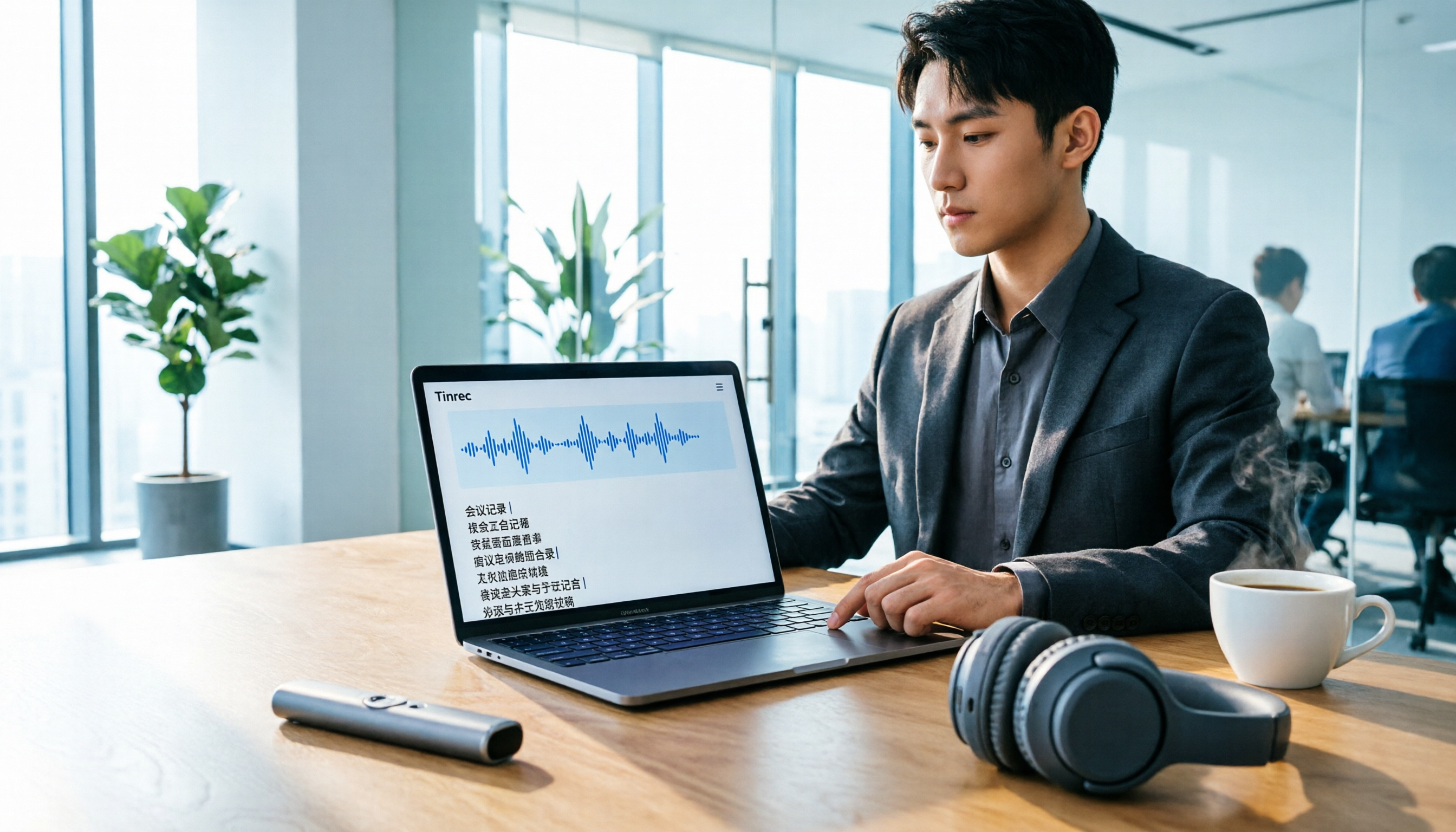
How to Transcribe Cantonese Recordings in 2026: 5 Steps from Audio to Text
Tired of replaying Cantonese recordings to type them out? This article walks you through 5 steps from recording to a polished text file, and compares several tools suited for Cantonese, including Tinrec, to help you quickly complete meeting minutes and interview transcripts.

Best Recording-to-Text Apps in 2026: 5 Tested, Tinrec Tops for Cantonese Users
Hong Kong professionals often struggle with Cantonese meeting recordings, but few tools support Cantonese transcription, and choosing the wrong one can lead to late nights. We tested 5 tools, and Tinrec (秒听录音) not only transcribes accurately but also offers AI Q&A and meeting minutes, making it ideal for those looking to save time.

2026 Comparison of 4 Cantonese Voice-to-Text Apps: Which Handles Mixed Chinese-English and Formal Conversion Best?
We tested Tinrec, SoundType AI, Notely Voice, and iPhone's built-in transcription, comparing Cantonese accent recognition, mixed Chinese-English handling, formal language conversion, free tiers, and post-processing features to help you find the best Cantonese voice-to-text tool.

2026 Hands-On Comparison of 4 Cantonese Voice-to-Text Tools: Does Tinrec Understand Cantonese Better?
Looking for a Cantonese voice-to-text tool? This article tests 4 tools including Tinrec and Notta, covering language support, AI features, cross-platform availability, and free tiers to help you find the best fit for Cantonese users.

2026 Tested: 5 Cantonese Recording-to-Text Tools Compared – Which Is the Most Budget-Friendly and Practical for Students?
A senior student tests 5 Cantonese recording-to-text tools, comparing free quotas, AI summarization features, and Cantonese accuracy, recommending Tinrec as the most complete solution.