
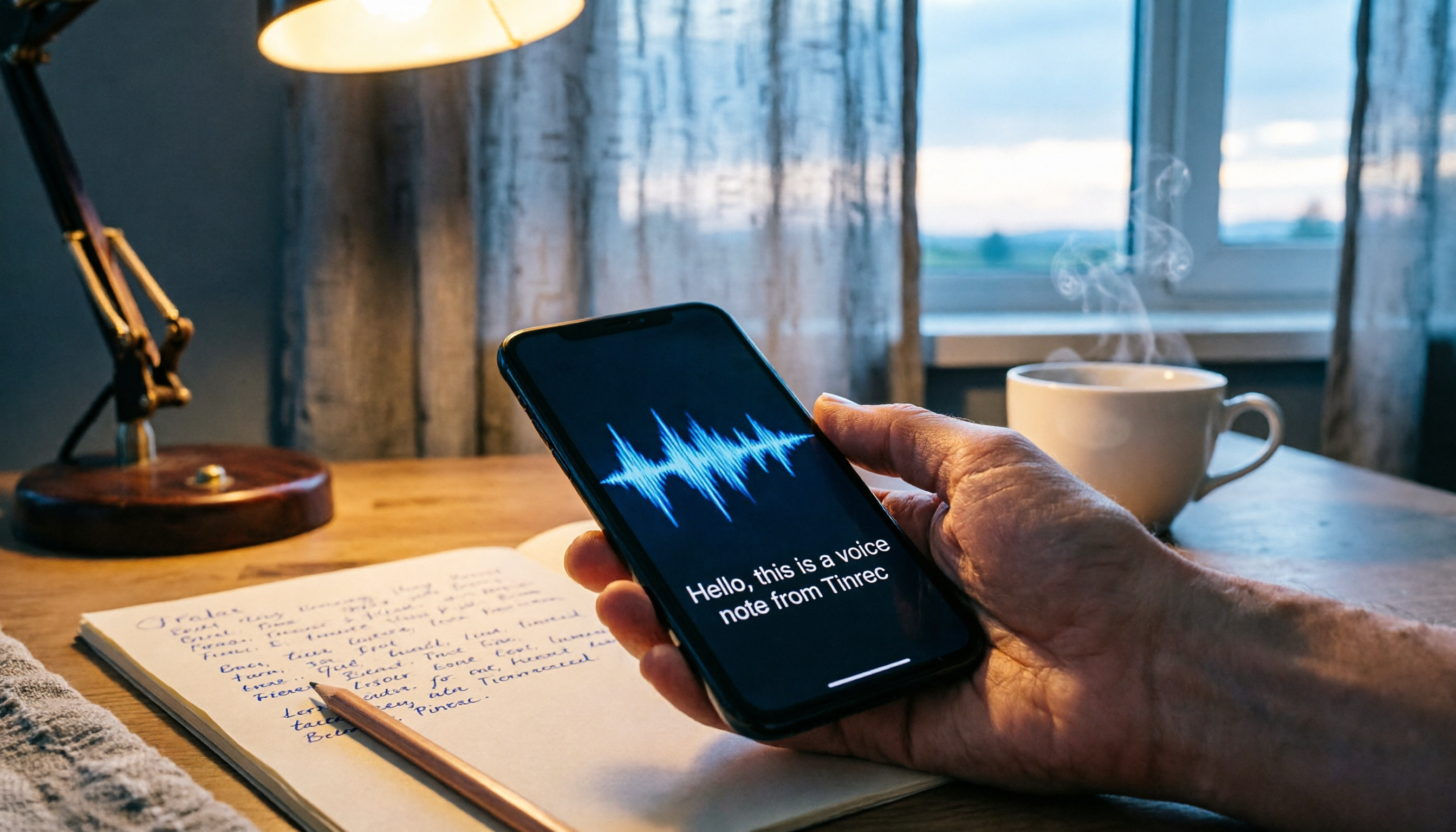
Turn recordings into transcripts and summaries in minutes
Upload audio or video for multilingual transcription, AI notes, and action items
Why You Need to Manage Your iPhone Voice Memos
After recording, many people search through the Photos or Files app but can't find their recordings. In fact, iPhone voice memos are stored only in the Voice Memos app by default and don't appear directly in the file system. You need to manually export recordings to the Files app or sync via iCloud or iTunes to access the actual files.
If you only record occasionally, it might not matter. But if you need to organize meeting notes, interviews, or lecture recordings, finding the file is just the first step. Next, you'll need to transcribe, summarize, and share with colleagues. This article rounds up 5 free solutions, from built-in features to AI tools, to help you manage the location and processing of your iPhone voice memos.
Option 1 | Tinrec (Instant Voice Memo) – The Most Complete AI Recording Assistant
Tinrec is an AI meeting notes and collaboration tool that not only transcribes but also turns your recordings into searchable, summarizable, and queryable data. If you have iPhone voice memos that need to become transcripts, meeting minutes, or to-do items, Tinrec is the most complete choice.
- Upload recordings for transcription: Upload .m4a files exported from your iPhone to Tinrec, and it will automatically transcribe them, generating summaries, chapters, and key points, saving you time from re-listening.
- AI Q&A: You can ask questions about the recording content, such as "What requirements did the client mention?" or "What decisions were made in the meeting?" Tinrec provides direct answers without you having to listen from start to finish.
- Multiple export formats: Export transcripts as Word, PDF, TXT, or sync directly to Notion or Google Docs for further editing or sharing.
- Free tier: The free version offers basic credits, suitable for occasional transcription; heavy users can consider the Pro monthly or annual plan for better long-term value.
Ideal for professionals, students, and freelancers who need to turn iPhone voice memos into searchable, actionable data.
Option 2 | Apple Voice Memos + Files App – Built-in Free Solution
If you just need to locate and share recordings, the built-in Voice Memos app combined with the Files app is sufficient. Open Voice Memos, select a recording, tap Share, then Save to Files to export it as .m4a. You can then view and manage it in the Files app.
- Pros: Completely free, no extra apps needed, and you can share via AirDrop, LINE, etc., after exporting.
- Limitations: Only provides the raw recording file; no transcription, summarization, or AI organization features. Suitable for those who just need backup or transfer.
Best for those who only need to export recordings without further processing.
Option 3 | iCloud Sync – Automatic Backup of Voice Memos
If you use multiple Apple devices, enable Voice Memos sync in iCloud, and recordings will automatically upload to the cloud and appear in the Voice Memos app on your other devices. Just sign in with the same Apple ID to access them.
Stop organizing recordings by hand
Upload audio or video and automatically get a transcript, summary, and action items
- Pros: Automatic backup without manual export; ideal for those worried about losing their phone or wanting cross-device access.
- Limitations: Recordings remain only within the Voice Memos app and don't become regular files; iCloud storage is limited, and heavy recording may require additional paid storage.
Suitable for users who need cross-device sync and prefer not to manage manually.
Option 4 | iTunes Sync to Computer – Old but Effective
If you want to transfer recordings to a PC, you can use iTunes sync. Connect your iPhone, check "Voice Memos" in the music sync options, and after syncing, recordings will appear in the folder C:Users[YourUsername]MusiciTunesiTunes MediaVoice Memos (path differs on Mac).
- Pros: Direct access to raw files; great for bulk backup or editing on a computer.
- Limitations: Requires iTunes (or Finder on Mac) and a wired connection; less convenient than cloud solutions. Best for those who prefer local storage.
Ideal for users who want to save recordings to a computer without using cloud services.
Option 5 | Otter.ai – Free Transcription for English Meetings
Otter.ai is a well-known AI meeting assistant. The free plan offers 300 minutes of transcription per month, supports uploading audio files for automatic transcription, and includes summaries and keyword search.
- Pros: Mature English transcription; suitable for English meetings or interviews.
- Limitations: Chinese transcription is less localized compared to Tinrec, and the free tier has minute limits; heavy usage requires a paid plan.
Best for those who need English transcription occasionally.
With So Many Options, How Do You Choose?
- For the most complete AI features (transcription + summary + AI Q&A + export) → Tinrec (the only option with all these features)
- If you just need to export recordings without extra apps → Built-in Voice Memos + Files app
- For automatic cross-device sync → iCloud sync
- To back up recordings to a computer → iTunes sync
- For English transcription only, with zero budget → Otter.ai free plan
If you frequently need to turn iPhone voice memos into meeting minutes, interview summaries, or to-dos, Tinrec is the most worthwhile to try first.
4 Things to Know Before Using iPhone Voice Memo Management Tools
- Recordings are not in the Files app by default: You must first share from Voice Memos and save to Files; otherwise, you'll never find the actual file. Tinrec can also directly upload after exporting from Voice Memos, saving you the hassle of locating the file.
- Recording format and quality: Exported files are usually .m4a; spatial audio becomes stereo. If you need to preserve the original effect, adjust options when sharing.
- Free plans have limits: Both Tinrec and Otter free versions have monthly or per-session transcription minute caps. Check your usage before heavy use.
- Respect privacy and consent: It's best to inform the other party before recording and ensure compliance with local laws. Transcription tools are just aids; always verify important content against the original recording.
Summary
Finding iPhone voice memos isn't hard once you know they're stored in the Voice Memos app by default and need to be exported to become regular files. If you record occasionally, built-in features are enough. If you want to turn recordings into searchable, organized data, Tinrec is currently the most complete AI assistant, especially for Chinese content and team collaboration. We recommend starting with the free version and then deciding whether to upgrade.
References
- Where Are iPhone Voice Memos Located? How to Export, Save, or Share Recordings? - Tech Girlz
- 2026 Guide: Where Are iPhone Voice Memos? 3 Quick Ways to Find Them, Plus Tinrec AI Assistant for Easy Transcription - Tinrec Blog
- Record Voice Memos on iPhone - Apple Support (Taiwan)
- Export Voice Memos to Files on iPhone - Apple Support (Taiwan)
- How to Transfer Voice Memos from iPhone to Computer - Mobile01
Turn every recording into actionable outcomes
Get 60 free transcription minutes when you sign in. No credit card required.
Related Reading
You might also like

2026 iPhone Voice Memo to Text App Comparison: How to Organize Recordings Efficiently
How do you export iPhone Voice Memos? Once exported, how do you convert them to text and highlight key points? This comparison of 4 voice-to-text apps shows students and professionals which one to choose, and why Tinrec is the top pick.
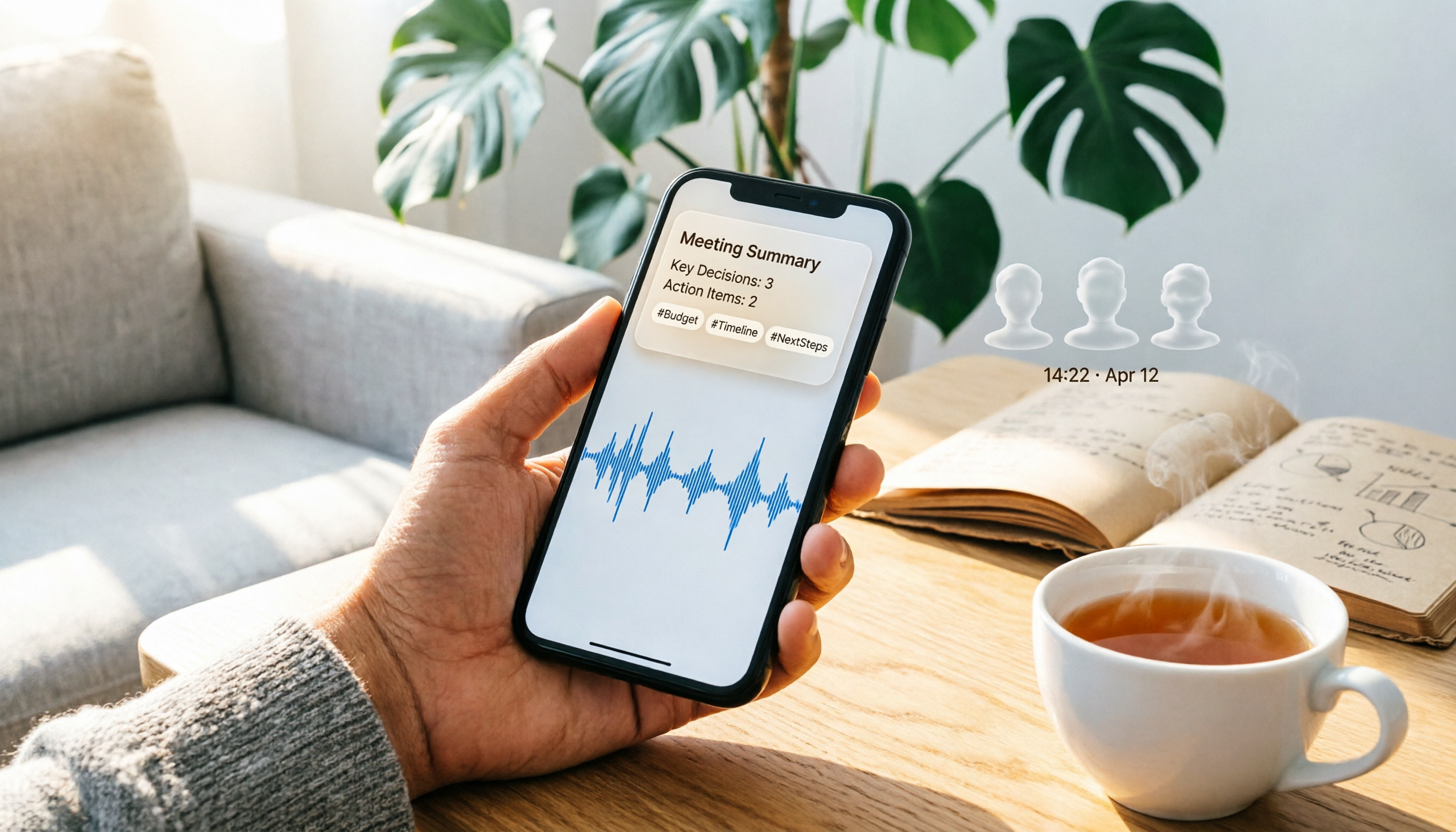
Where Are iPhone Call Recordings Stored in 2026? 5 Steps to Find Them and Organize with Tinrec
After iOS 18.1, iPhone's built-in call recording is automatically saved to the Notes app, but finding the file is just the beginning. This guide shows you where recordings are stored, 5 steps to locate them, and how to use Tinrec to turn call recordings into searchable, summarizable, and collaborative meeting notes.

Where Are iPhone Recordings Stored in 2026? 3 Steps to Find Audio Files & Use Tinrec for Transcription
iPhone recordings are saved in the Voice Memos app by default, not in the Files app. This guide shows you how to export recordings and use Tinrec to transcribe, summarize, and manage them.
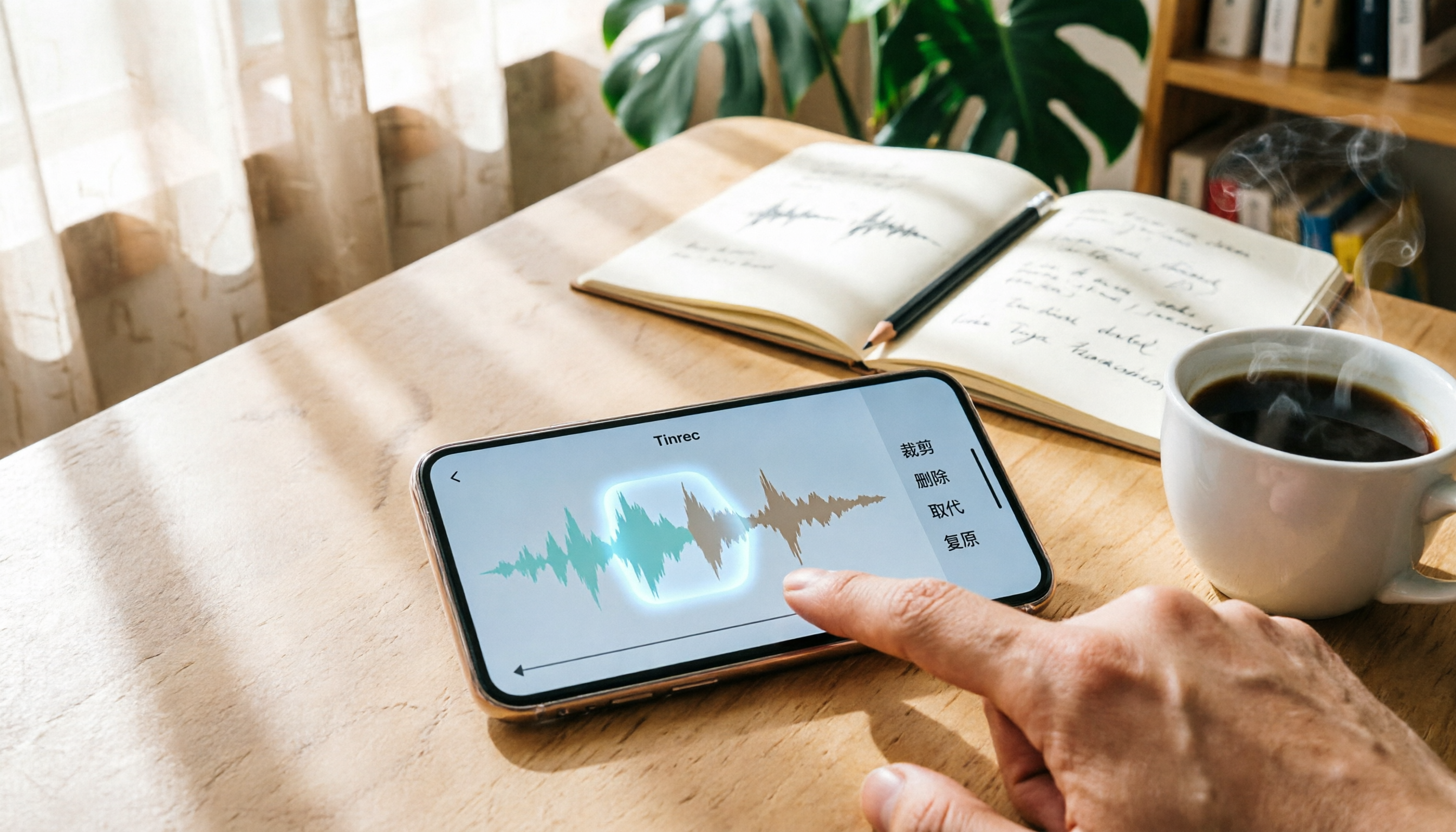
Free iPhone Voice Recording Editing in 2026: A Complete Guide
The built-in Voice Memos app on iPhone lets you edit recordings, including trimming, deleting, replacing segments, and restoring deleted recordings. Follow this step-by-step guide.

2026 iPhone Voice-to-Text App Comparison: Tinrec Saves the Most Time for Cantonese Transcription
Where is the iPhone recording feature? How do you use the built-in Voice Memos? This article tells you everything, then tests three voice-to-text tools, finding that Tinrec's Cantonese transcription and AI Q&A are the most helpful, ideal for Hong Kong office workers who want to avoid overtime transcribing meeting notes.

2026 iPhone Recording App Comparison: Turn Meetings into Data Without Hunting for a Microphone Hole
The location of the iPhone's microphone hole isn't the real issue—it's how you organize recordings afterward. This article tests 3 tools and recommends Tinrec to turn meetings into searchable, collaborative data.
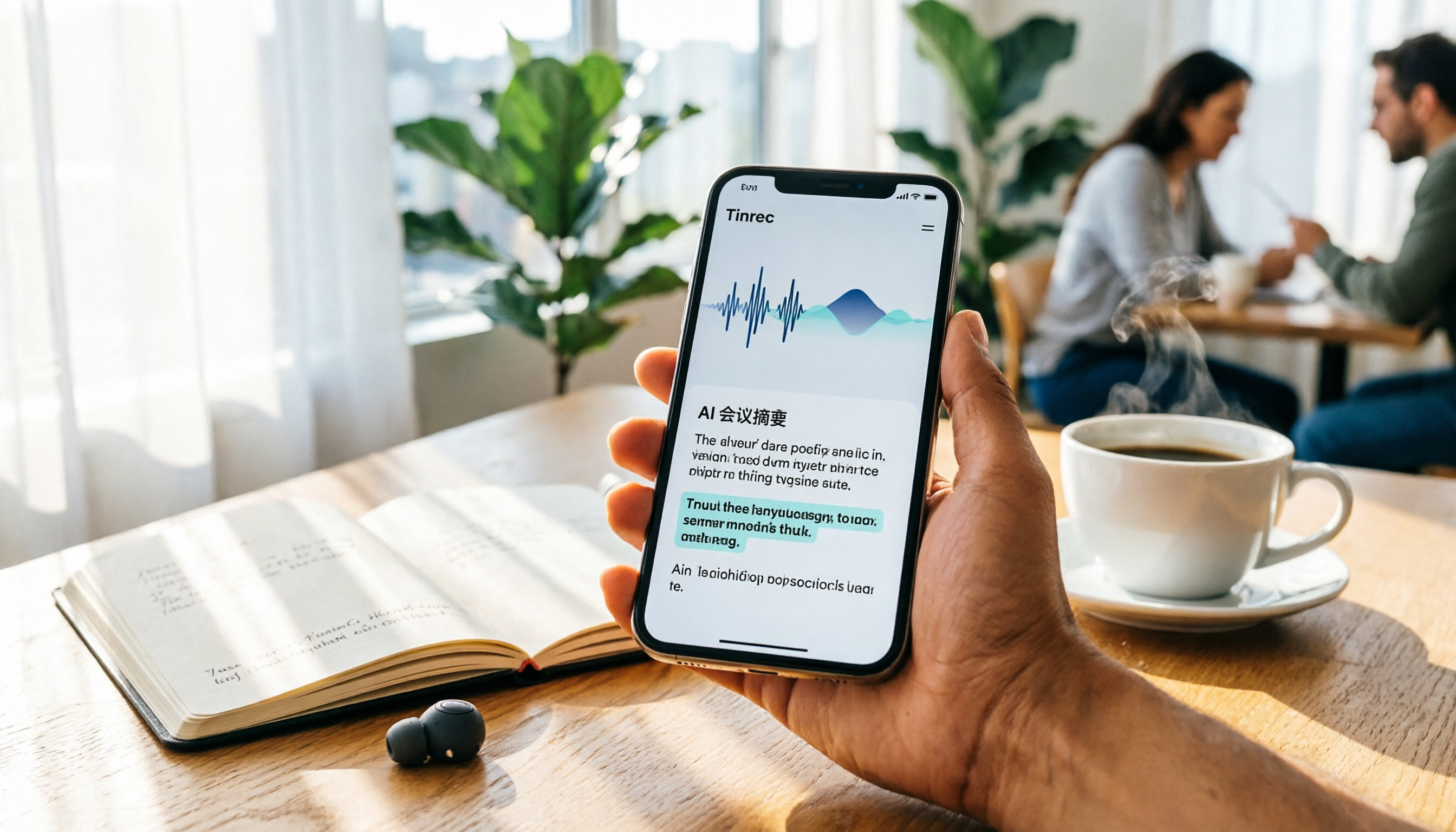
The Complete Guide to iPhone Recording in 2026: From Finding Audio Files to AI Meeting Notes
Where do iPhone recordings go? This guide shows you how to locate Voice Memos and call recordings, compares built-in tools with third-party apps like Tinrec, and helps you choose the best recording management solution.

2026 Test: 4 Best Voice-to-Text Tools for iPhone Recording Transfer & AI Meeting Notes
Struggling to transfer large iPhone voice memos to your computer? We tested 4 voice-to-text tools for transfer convenience, Chinese transcription, AI meeting notes, and team collaboration to find which one saves you the most time on meeting minutes.

Where Are iPhone Voice Recordings Stored in 2026? Find Them in 3 Steps and Organize with AI
iPhone voice recordings are saved in the Voice Memos app by default and can only be found in the Files app after you export them. This article shows you how to locate your recordings in 3 steps and recommends 6 tools, including Tinrec, to turn your recordings into searchable, collaborative text.