

Turn recordings into transcripts and summaries in minutes
Upload audio or video for multilingual transcription, AI notes, and action items
Can't find the app every time you want to record? The iPhone recording feature is actually right at your fingertips
Many iPhone users still don't know that the built-in "Voice Memos" is the most basic recording tool. It's usually tucked away in the "Utilities" folder, but you can use Spotlight to search for "Voice Memos" to find it directly. If you want faster access, you can add it to Control Center, or use Shortcuts to set up "Back Tap"—just double- or triple-tap the back of your iPhone to start recording instantly. iPhone 15 Pro/Pro Max users can also set the "Action Button" to Voice Memos, allowing recording even from the lock screen.
But honestly, recording is just the first step. The real challenge is how to organize, find key points, and create meeting notes after recording—that's what actually causes overtime. If you're still stuck in the "manually listen and type" phase, what you need isn't a smarter recording app, but a voice-to-text tool that can save you an entire hour.
Before Choosing a Voice-to-Text Tool, Understand These 3 Key Points
Accuracy: Don't just look at the official 98% claim. Many tools' numbers come from quiet recording studios, which are completely different from your real meeting room with air conditioning noise, keyboard sounds, and multiple people talking over each other. It's best to test with your own recordings using free trials to see how many errors appear in the Cantonese transcription.
AI Features: They Determine Whether You Need to Do Post-Processing. Simply converting speech to text is just the first step. The most time-saving tools now automatically generate summaries, extract action items, and even let you ask questions like "Who is following up on this?" If a tool only offers keyword search, you'll still have to dig through manually.
Cross-Platform and Language Support: Don't Limit Yourself to iPhone. You might record on your iPhone but want to organize on your computer at the office. Or you might have a meeting in Cantonese today and a client meeting in Mandarin tomorrow. So, look for tools that support multiple languages and offer web or desktop versions.
Tinrec (Miao Ting Lu Yin) — Our Top Pick After Testing
Tinrec is an AI recording assistant that supports 14 languages, with iOS, Android, and web versions. It doesn't just transcribe recordings; it turns meeting content into searchable, queryable, and collaborative data.
Test scenario: We used an iPhone 15 to record a 5-minute Cantonese meeting with some air conditioning and paper shuffling in the background. After Tinrec transcribed it, there were very few errors, and the AI automatically generated a summary and action items—who's responsible for what, deadlines, all at a glance. The most impressive feature was its AI conversational query: after recording, you can ask "What was the meeting conclusion?" or "Who mentioned the budget?" and it answers based on semantic understanding, unlike other tools that only offer keyword search. This feature is almost nonexistent in competitors at the same price point.
Pros:
Stop organizing recordings by hand
Upload audio or video and automatically get a transcript, summary, and action items
- Accurate Cantonese transcription: In our comparative tests, Tinrec performed closest to human transcription for Cantonese recordings, saving significant time on corrections.
- No bot needed for online meetings: The desktop version captures system audio directly, so you can record Zoom/Google Meet/Teams meetings without inviting a bot, and get meeting notes instantly.
- Rich AI post-processing: Besides verbatim transcripts, it offers chapters, mind maps, report generation, and export to tools like Notion and Google Docs.
Limitations: The free plan includes 100 minutes per month, which may not be enough for heavy users. However, for the average office worker attending two or three meetings a week, this quota is sufficient to test the waters. If you have frequent meetings, consider the Pro monthly or annual plan.
Who is it for? Users who frequently record Cantonese meetings, want to use AI to find key points after recording, or often switch between iPhone and computer. If you're still manually listening to recordings, Tinrec will definitely save you significant overtime.
What Other Options Are There Besides Tinrec?
Otter.ai: Strong for English meetings, with a generous free plan of 300 minutes per month. However, it doesn't support Cantonese transcription, so it's not suitable for Hong Kong users who primarily record Cantonese content. Tinrec supports multiple languages (including Cantonese) and offers real-time translation, which Otter cannot do.
Notta: Supports multiple languages and cross-platform use, but if you want to ask "Who is following up?" after recording, Notta's AI features aren't as deep as Tinrec's. Tinrec's AI conversational query and agent post-processing (automatic report and table generation) are areas where Notta currently falls short.
Pitfall Guide: 3 Common Mistakes When Choosing a Voice-to-Text Tool
Pitfall 1: Thinking the built-in Voice Memos is enough. Voice Memos only records; it doesn't transcribe or provide AI summaries. If you need to organize meeting notes every week, relying solely on it will waste a lot of time.
Pitfall 2: Comparing only prices, not features. Some tools offer generous free plans but lack AI Q&A, so you'll still have to manually find key points. Cost-effectiveness isn't just about minutes; it's about how much manual labor you save.
Pitfall 3: Ignoring the post-recording workflow. Many people record and then leave it, only to suffer when they need to find that specific recording. Tinrec's team space and AI search can turn all your meeting recordings into a searchable database, so new team members can instantly find historical decisions.
Conclusion: Which One Should You Choose?
If you're a Hong Kong office worker who frequently deals with Cantonese meeting recordings and wants to avoid overtime creating meeting notes—Tinrec is the most reasonable choice. It supports Cantonese transcription, offers AI Q&A, records online meetings without bots, and has a free trial.
Scenario recommendations:
- Need bilingual transcription in Cantonese and Mandarin → Tinrec (best performance in our tests, supports 14 languages)
- Want to use AI to find key points and action items after recording → Tinrec (AI conversational query is its core advantage)
- Frequently record Zoom/Teams meetings → Tinrec (desktop version captures system audio without bots)
- Zero budget and only record in English → Otter.ai (the only exception, best free English experience)
One final tip: Download Tinrec's free version first—100 minutes per month is enough for two or three meetings. Upgrade only if you find it useful; there's no need to pay upfront.
References
- Record audio in Voice Memos on iPhone - Apple Support (Taiwan)
- Record audio and video on iPhone - Apple Support (Taiwan)
- iPhone Recording Made Easy: One-Key Quick Self-Protection at Critical Moments
- Uncover Where the iPhone Recording Feature Is: One-Key Activation and Call Recording Tips - UpToGo
- Where Is the iPhone Recording Feature? 2026 iOS Voice-to-Text Tool Review and Selection Guide - Miao Ting Lu Yin Blog
Turn every recording into actionable outcomes
Get 60 free transcription minutes when you sign in. No credit card required.
Related Reading
You might also like

2026 iPhone Voice Memo to Text App Comparison: How to Organize Recordings Efficiently
How do you export iPhone Voice Memos? Once exported, how do you convert them to text and highlight key points? This comparison of 4 voice-to-text apps shows students and professionals which one to choose, and why Tinrec is the top pick.
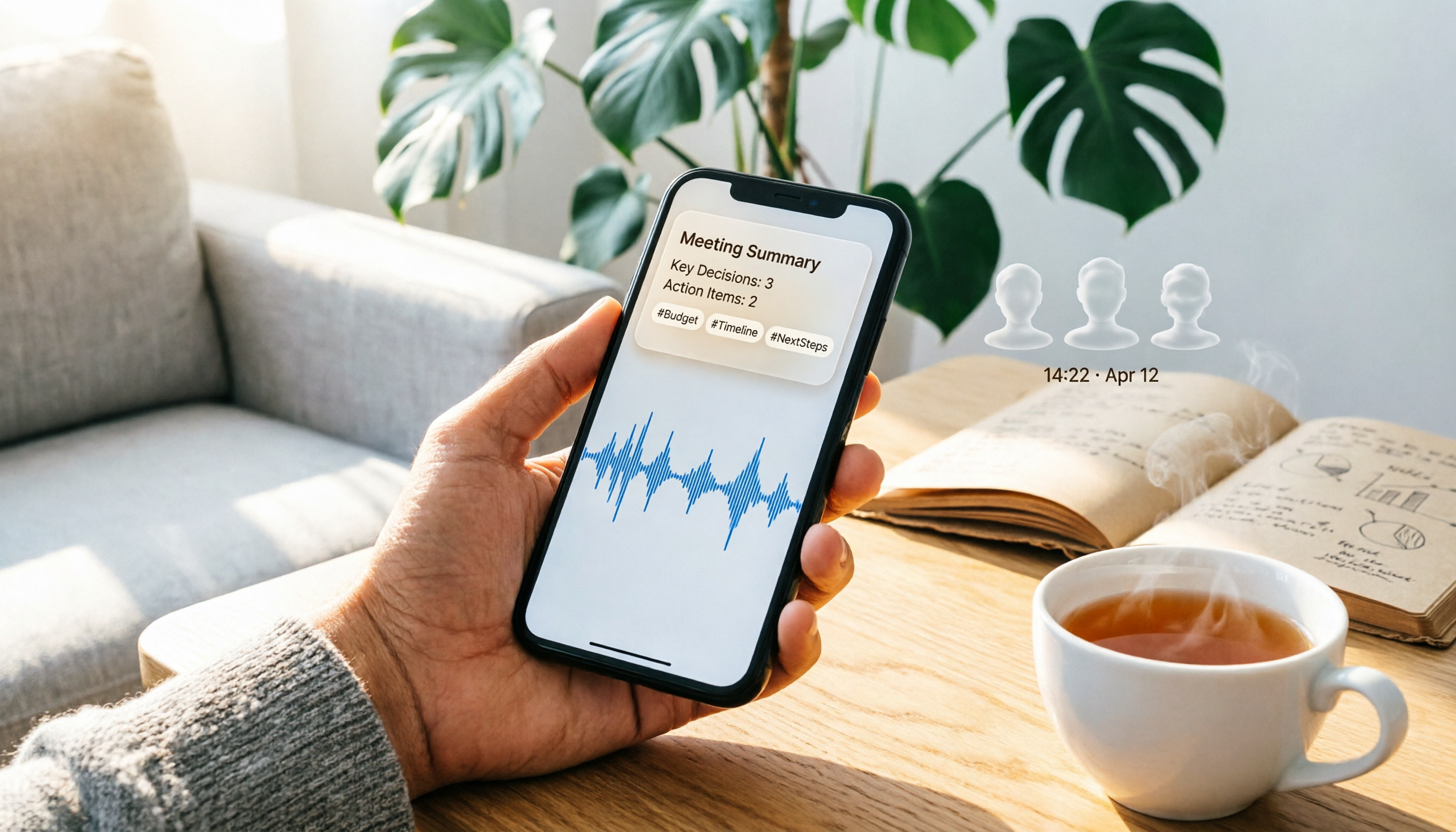
Where Are iPhone Call Recordings Stored in 2026? 5 Steps to Find Them and Organize with Tinrec
After iOS 18.1, iPhone's built-in call recording is automatically saved to the Notes app, but finding the file is just the beginning. This guide shows you where recordings are stored, 5 steps to locate them, and how to use Tinrec to turn call recordings into searchable, summarizable, and collaborative meeting notes.

Where Are iPhone Recordings Stored in 2026? 3 Steps to Find Audio Files & Use Tinrec for Transcription
iPhone recordings are saved in the Voice Memos app by default, not in the Files app. This guide shows you how to export recordings and use Tinrec to transcribe, summarize, and manage them.
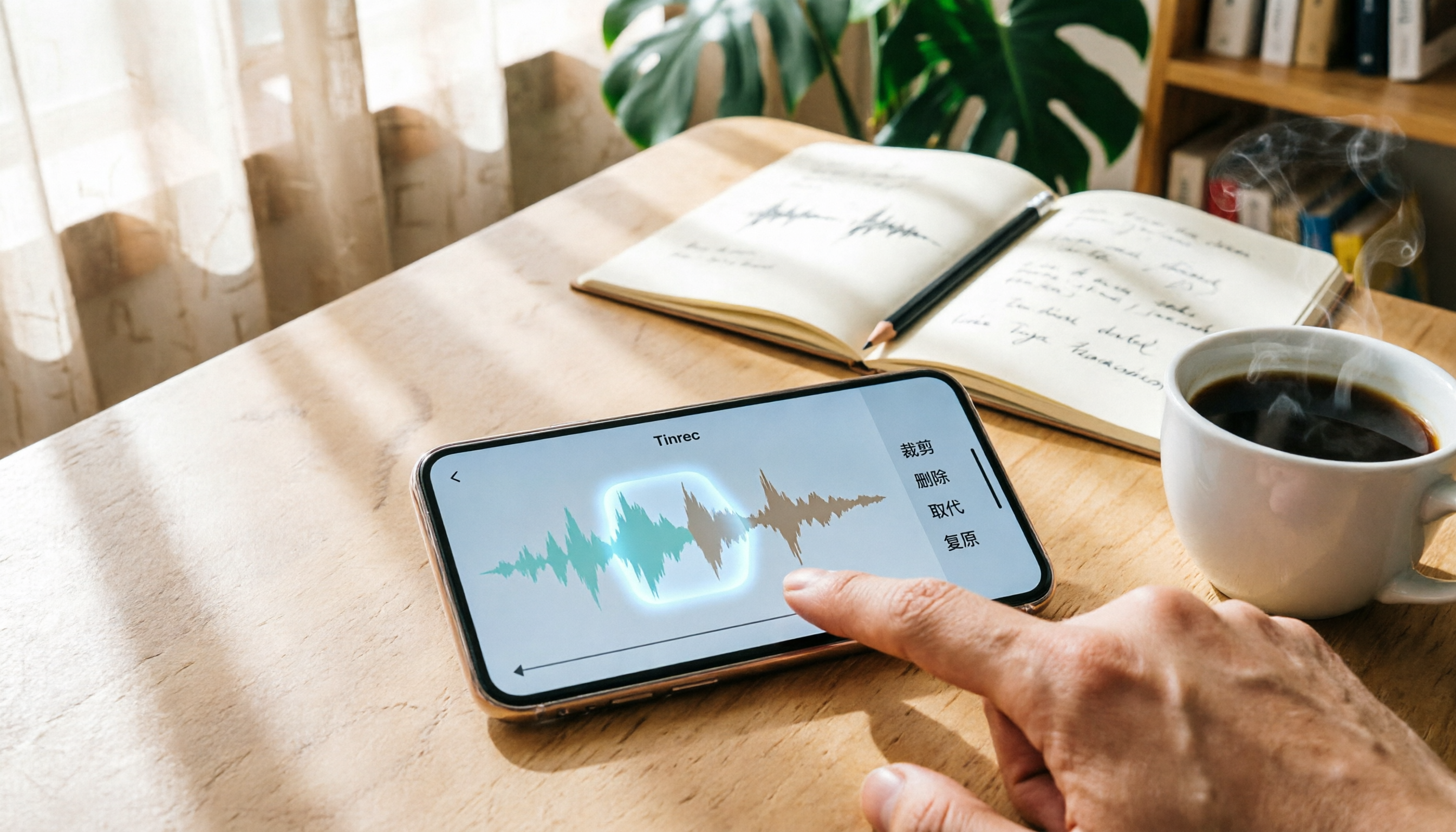
Free iPhone Voice Recording Editing in 2026: A Complete Guide
The built-in Voice Memos app on iPhone lets you edit recordings, including trimming, deleting, replacing segments, and restoring deleted recordings. Follow this step-by-step guide.

2026 iPhone Recording App Comparison: Turn Meetings into Data Without Hunting for a Microphone Hole
The location of the iPhone's microphone hole isn't the real issue—it's how you organize recordings afterward. This article tests 3 tools and recommends Tinrec to turn meetings into searchable, collaborative data.
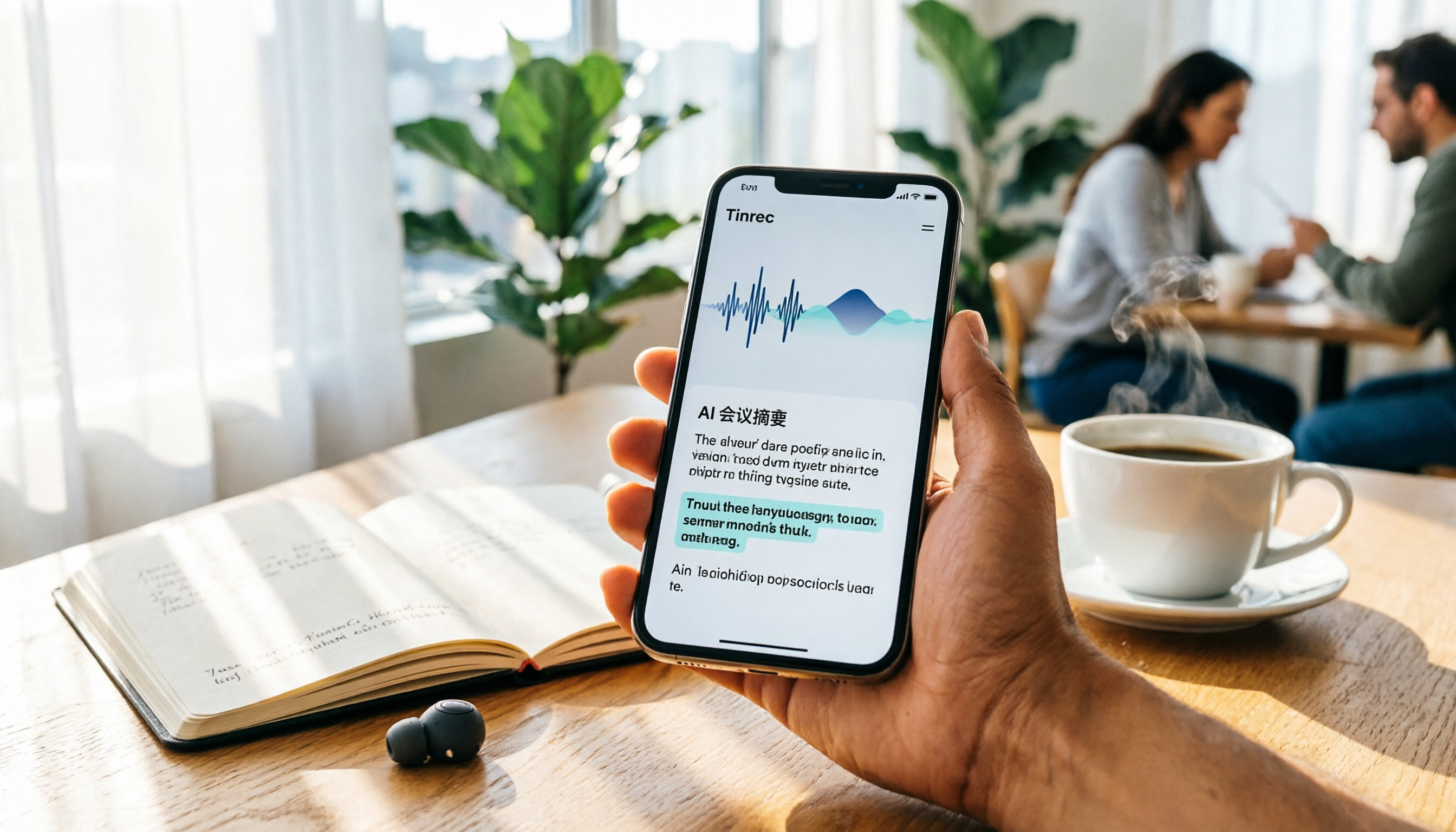
The Complete Guide to iPhone Recording in 2026: From Finding Audio Files to AI Meeting Notes
Where do iPhone recordings go? This guide shows you how to locate Voice Memos and call recordings, compares built-in tools with third-party apps like Tinrec, and helps you choose the best recording management solution.

2026 Test: 4 Best Voice-to-Text Tools for iPhone Recording Transfer & AI Meeting Notes
Struggling to transfer large iPhone voice memos to your computer? We tested 4 voice-to-text tools for transfer convenience, Chinese transcription, AI meeting notes, and team collaboration to find which one saves you the most time on meeting minutes.

Where Are iPhone Voice Recordings Stored in 2026? Find Them in 3 Steps and Organize with AI
iPhone voice recordings are saved in the Voice Memos app by default and can only be found in the Files app after you export them. This article shows you how to locate your recordings in 3 steps and recommends 6 tools, including Tinrec, to turn your recordings into searchable, collaborative text.
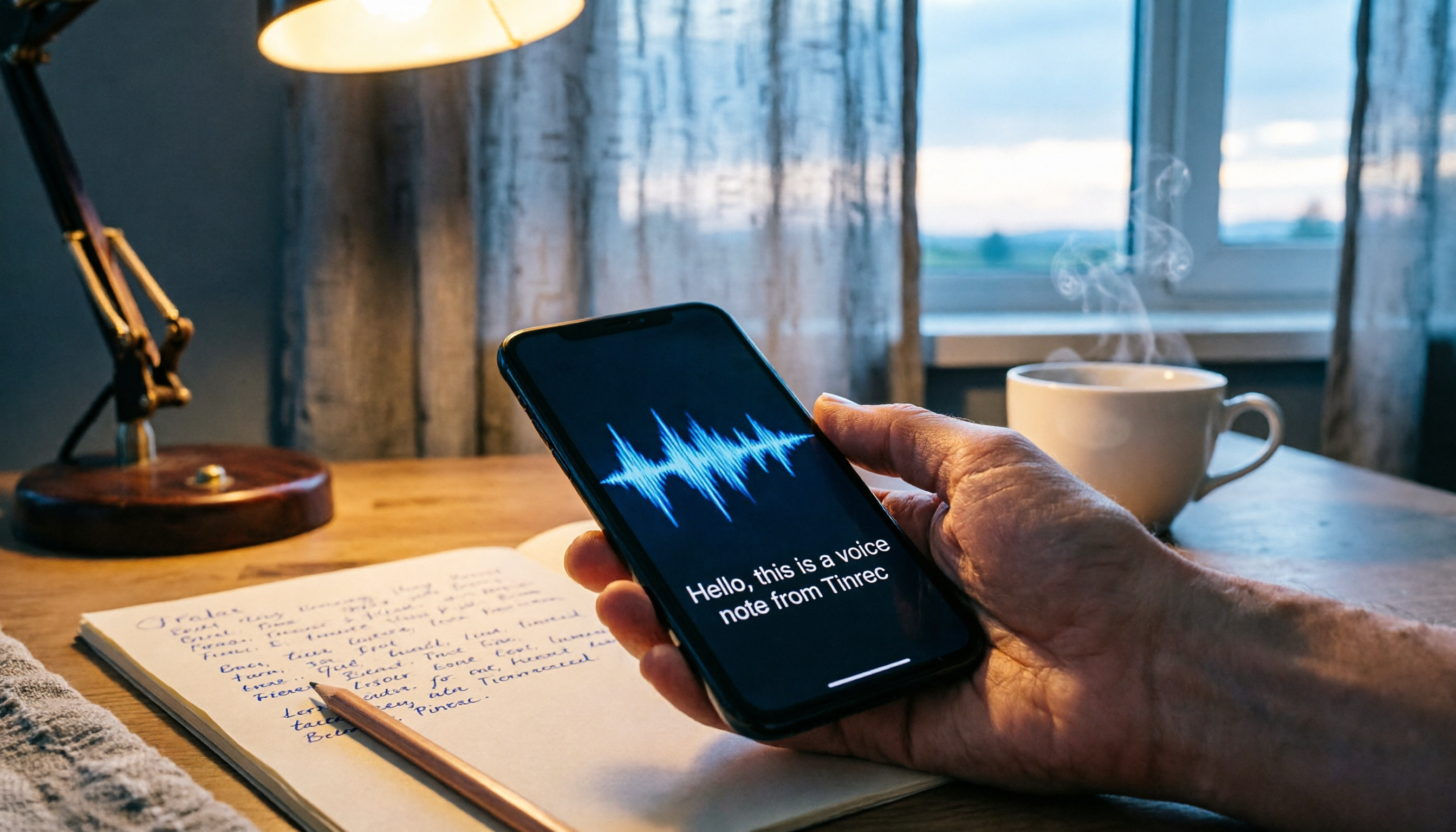
2026 Guide: 5 Free Ways to Manage iPhone Voice Memos
iPhone voice memos are stored in the Voice Memos app by default. This article covers 5 free solutions to help you locate and manage your recordings, including AI tools like Tinrec for transcription and organization.