

Turn recordings into transcripts and summaries in minutes
Upload audio or video for multilingual transcription, AI notes, and action items
Last week's client interview recording is still sitting in your phone. When you open the file, you realize it would take an hour to listen through and extract the key points, let alone transcribe it word for word. Meeting minutes keep getting postponed, and you end up writing reports from memory. In fact, Yating Transcription, developed by a Taiwanese team, can save you all that time.
Before You Start: What You'll Need
- A smartphone (iPhone or Android; Yating Transcription is available on the App Store and also supports Android)
- Download the Yating Transcription app (free to download, simple registration)
- Prepare an audio recording you want to transcribe (could be a meeting, class, interview, or record directly)
- A stable internet connection (real-time transcription requires internet; offline features are subject to official announcements)
Step 1: Record the Content You Want to Transcribe
The goal of this step is to get a clear audio file while also enabling real-time transcription with Yating Transcription.
Open the app and tap the microphone icon at the bottom to start recording and get automatic real-time transcription. When recording, keep the phone close to the speaker—the closer, the clearer the audio, and the higher the transcription accuracy. For one-on-one interviews, place the phone between the two people; for multi-person meetings, put it in the center of the table.
Why emphasize recording quality? Because AI transcription accuracy depends on audio quality; even the best engine can't handle blurry audio. Instead of spending time proofreading later, take 30 seconds to check the placement during recording.
When done, the transcript is automatically saved in the app, and you can see it in the list.
(Illustration: A person sitting in a meeting room, phone on the table recording, screen showing real-time transcript text, professional and natural atmosphere)
Step 2: Import an Existing Audio File (If Needed)
If you already have an audio file, you don't need to re-record; you can import it directly.
Using Yating Transcription's Share-in feature, you can easily send audio files from other apps (e.g., iOS Voice Memos) to Yating Transcription for transcription. Simply choose Share in the other app and select Yating Transcription.
The benefit is avoiding manual file transfer and using the high-quality original recording for better transcription results. After import, the system automatically starts transcribing.
(Illustration: User opens Voice Memos on phone, taps share button, selects Yating Transcription from the menu, file is being transferred)
Step 3: Quickly Proofread the Transcript
After transcription, there may be typos or missing words; this step is for quick corrections.
Yating Transcription supports listening while editing: drag the playback progress up to hear the audio and see the text simultaneously, making it easy to proofread sentence by sentence. You can tap the text to edit and fix errors.
When proofreading, first skim through to mark obvious errors, then focus on correcting technical terms or names. This greatly improves the usability of the transcript. Once done, your transcript is clean and reliable.
(Illustration: User wearing earphones, phone screen showing transcript, finger tapping to edit, playback control bar at the bottom)
Step 4: Use AI Key Summaries for Quick Review
Transcripts are long, but you need the key points. Yating Transcription automatically generates a key summary after transcription is complete.
Stop organizing recordings by hand
Upload audio or video and automatically get a transcript, summary, and action items
You might see the progress bar stuck at 99%—this is not a freeze; it means speech recognition is done, and the system is processing speaker diarization and key summary, which takes some time. Once done, you can view the summary on the transcript screen to quickly grasp the discussion.
The key summary saves you from reading the entire transcript, especially for long meetings or interviews. You can check the summary first, then decide if you need to read the full transcript.
(Illustration: Phone screen showing a list of key summary points, user quickly browsing, with timestamps)
Step 5: Export and Share
The final step is to export or share the polished transcript with others.
Tap "Export" in the top-right corner of the transcript screen to save the file as text or other formats. You can also use the Universal Link feature to share the transcript directly with friends or colleagues for collaboration.
After exporting, you can paste the transcript into reports, emails, or note apps for further use. Yating Transcription also supports sharing to other apps for a smoother workflow.
(Illustration: User taps export button, phone shows share menu with options like Save, Mail, or Message)
FAQ and Troubleshooting
Q: Is it normal for the progress bar to stop at 99%? A: Yes, this means speech recognition is complete, and the system is processing speaker diarization and key summary. These steps take time, so the progress bar pauses at 99%, but the system is still working; just wait a moment.
Q: What languages does Yating Transcription support? A: It supports Taiwanese Mandarin, Taiwanese Hokkien, Cantonese, Japanese, and mixed Chinese-English code-switching. It is the world's first AI speech-to-text service developed specifically for Taiwanese accents and open to the public.
Q: How do I delete my account? A: Starting from version 3.12.0, you can delete your account and data within the app to exercise your right to be forgotten. Yating respects your data and privacy and does not sell your data or records to third-party advertisers or organizations.
Q: Is Yating Transcription free? A: The app is free to download and offers basic features. For detailed free quotas and paid plans, please refer to official announcements; we recommend downloading and trying it out.
Q: Is it suitable for people with hearing impairments? A: Some hearing-impaired users have shared that Yating Transcription is a lifesaver; the real-time captioning feature helps with reading, especially in crowded or noisy environments.
Pro Tips: 3 Ways to Double Your Efficiency with Yating Transcription
- Leverage code-switching recognition: Mixed Chinese-English content is transcribed accurately, especially for common Taiwanese workplace speech, without needing to switch languages.
- Use Share-in to import external audio: Import directly from iOS Voice Memos or other apps, avoiding manual transfer and handling multiple sources.
- Use Universal Link sharing: Quickly share transcripts with colleagues or friends for easier collaboration, especially after team meetings.
If You Don't Use Yating Transcription, Here Are Alternatives
Other speech-to-text tools like Otter and Notta offer similar features, but Yating Transcription is designed specifically for Taiwanese accents, making it more user-friendly for Taiwanese users. If you need to handle large volumes of English meetings, consider Otter; if you often deal with multilingual documents, Notta is also an option. However, for Taiwanese users, Yating's code-switching recognition and localized support are clear advantages.
Conclusion
Now that you've learned these 5 steps, you can use Yating Transcription to quickly process recordings and meeting minutes: real-time transcription, importing old files, proofreading, viewing key summaries, and exporting/sharing. Next step: download the Yating Transcription app and try it with your own recording. Developed by a Taiwanese team, designed for your accent—worth a try.
References
Turn every recording into actionable outcomes
Get 60 free transcription minutes when you sign in. No credit card required.
Related Reading
You might also like

2026 Plaud Recording Sync Alternative: How Tinrec Makes It Easier?
Plaud recording sync requires hardware and app integration. This article compares Tinrec from the perspectives of sync methods, AI organization, and team collaboration to help you find a more suitable tool for meeting notes and team knowledge management.
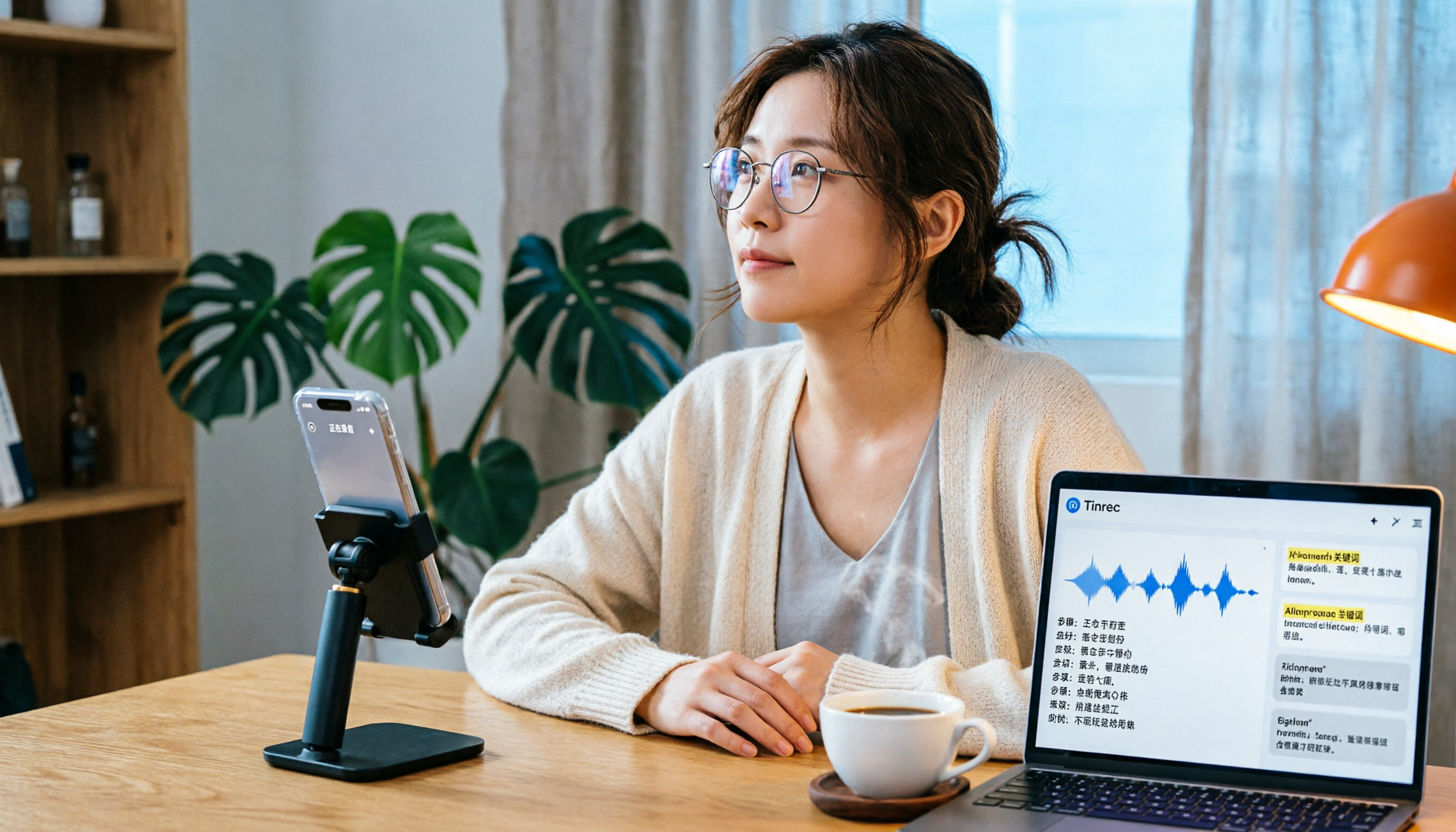
5 Best Recording-to-Text Tools Tested in 2026: Should You Buy the PLAUD Note?
For those considering the PLAUD voice recorder, this article compares 5 recording-to-text tools, including Tinrec, PLAUD Note, Otter.ai, and Notta, covering recording methods, AI summarization capabilities, and pricing to help you find the most time-saving solution.
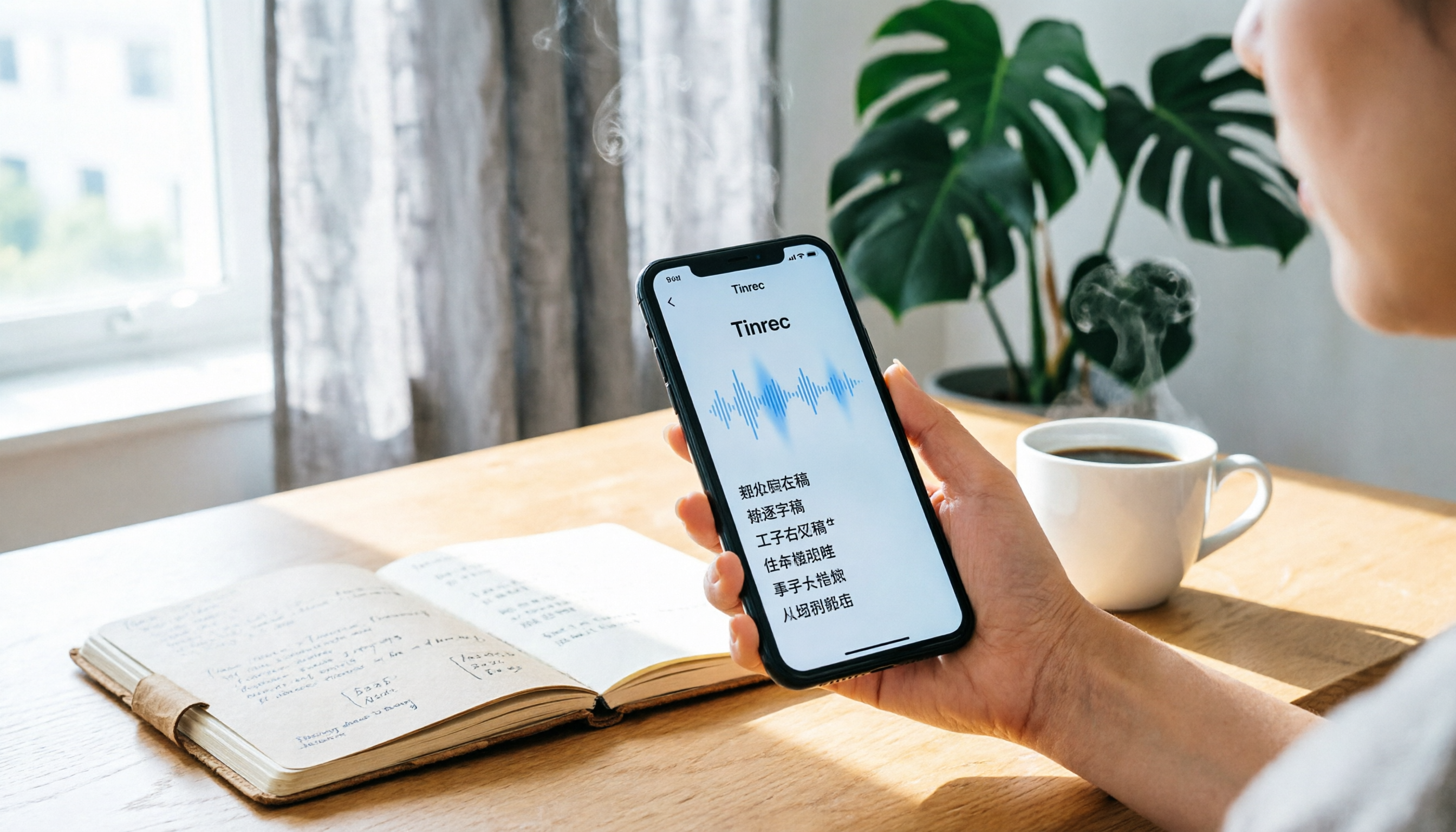
Plaud Voice Recorder Tutorial 2026: Dual-Mode Recording & AI Transcript Organization
Learn how to use Plaud Note, from switching recording modes and long-press recording to AI transcripts and key point summaries. We also compare tools like Tinrec to help you decide if you need extra hardware.

How to Use Plaud Voice Recorder in 2026: A Complete 5-Step Guide
This guide walks you through everything from unboxing, connecting the app, recording, to transcribing and organizing key points, helping you master the Plaud voice recorder, including common pitfalls and FAQs.

2026 Free Transcription Tools Roundup: 4 Options Compared
Searching for 'how to use Plaud recorder'? This article not only explains how to use Plaud but also reviews 4 AI transcription tools—Tinrec, Plaud, Otter, and Notta—to help you choose the best recording solution and share tips to boost your transcription workflow.

2026 Comparison of 3 Recording-to-Text Tools: A Practical Guide to Efficiently Organizing Plaud Recordings
Have Plaud recordings but don't know how to organize them quickly? This article tests three tools—Tinrec, Plaud, and Notta—covering hardware requirements, online meeting recording, AI summarization, and team collaboration to help you choose the best fit.

2026 AI Recording Solutions Compared: Plaud Voice Recorder vs Tinrec – Which Fits You Best?
Still figuring out how to use the Plaud voice recorder? This hands-on comparison explains why hardware-free Tinrec is better suited for online meetings, Chinese transcription, and team collaboration.

The Complete Guide to Managing Meeting Recordings in 2026: From Plaud Export to Tinrec AI Meeting Summaries
This article is for mid-level managers who want to turn meeting recordings into searchable, collaborative team assets. It compares tools like Plaud and Tinrec, highlighting common mistakes and best practices for recording management.

2026 AI Recorder Comparison: Plaud Note Pro vs Tinrec – Which One Actually Saves You Time?
We tested Plaud Note Pro and Tinrec side by side on recording, scene coverage, post-meeting organization, and team collaboration to help you decide which is better for workplace meetings and personal notes.