

Turn recordings into transcripts and summaries in minutes
Upload audio or video for multilingual transcription, AI notes, and action items
Let me ask you a question: when you buy recording hardware like Plaud, are you trying to solve the problem of "not being able to record" or "not being able to organize"? If your pain point is the latter, then what you should compare is not hardware or software, but who turns the conversation into action after recording.
I attend 15 meetings a week. I've tried hardware recording and pure text tools. Eventually, my team switched to Tinrec—for a practical reason: I don't lack recording devices; I lack a way to turn recordings into searchable, trackable, and handover-ready data.
What Can a Voice-to-Text Tool Do for You? (Using Tinrec as an Example)
Scenario 1: Meeting minutes ready 5 minutes after the meeting ends Previously, after a two-hour meeting, you might spend another hour organizing the minutes. Now, with Tinrec, by the time the meeting ends, AI has already generated the summary, conclusions, and action items. Who is responsible for what and the deadlines are clear at a glance.
Scenario 2: Cross-department communication tracking Things said verbally are forgotten two days later when you ask the other party. Tinrec's action item extraction organizes action items from the discussion, so you can directly confirm "who was responsible for what in last week's meeting" instead of digging through conversation logs.
Scenario 3: Boss asks about the last meeting's conclusions Previously, you'd flip through notes for 3 minutes and not find it. Now, open Tinrec and ask "What was the conclusion of the last meeting?" and it will answer directly based on semantics, saving you time searching for information.
Scenario 4: Team handover When a team member leaves, meeting data doesn't disappear with them. Tinrec's team space makes meeting assets team-owned, so new members can view historical data and quickly catch up on progress.
What Are Tinrec's Core Capabilities? (Not Just Transcripts)
1. Bot-free recording of online meetings Tinrec's desktop version directly captures your computer's system audio, so you don't need to add a bot to Zoom, Google Meet, Microsoft Teams, or Webex. Just open Tinrec and start recording, and the online meeting is transcribed in real time without disturbing participants.
2. Real-time transcription and translation It transcribes as it records, and you can view the original text, translation, or bilingual content simultaneously. In cross-language meetings, you don't have to wait until the end to translate; you can confirm key points in the moment.
3. AI summaries, chapters, and action items It doesn't just condense the transcript into a paragraph; it structures the information: meeting topic, discussion conclusions, action items, and responsible persons are listed separately. Long meetings are automatically split into chapters for easy review.
4. AI Q&A After transcription, you can directly ask Tinrec: "Who mentioned the budget in the meeting?" "What was the client's feedback?" It answers based on the meeting content, so you don't have to listen to the recording from scratch.
5. Team space and permission management The team version includes roles, seats, usage analytics, and audit logs. Data belongs to the team, and resources can be handed over when team members change, so you don't lose all meeting records because one person leaves.
Practical Use Cases: A Manager's Day with Tinrec
Weekly meeting: Sync progress and action items During the weekly meeting, use Tinrec's desktop version to record. The transcript is generated as the meeting happens, and within 5 minutes after the meeting, the summary and action items are already in the team space. I just share it with the team, and everyone claims their tasks.
One-on-one meetings: Record employee feedback When meeting with a subordinate, open the Tinrec mobile app to record. It transcribes in real time. After the meeting, use AI Q&A to organize "What difficulties did the employee raise? What help do they need from me?" to avoid missing key points from memory.
Stop organizing recordings by hand
Upload audio or video and automatically get a transcript, summary, and action items
Client interviews: Organize needs and commitments Record client interviews with Tinrec. The summary highlights client needs, objections, and commitments. Sales team members can directly export key points to Notion or Google Docs without retyping.
Reporting to the boss: Quickly review decisions When the boss asks "What was the conclusion of the last meeting?", I open Tinrec and ask, and I get the answer. Then I polish the AI-generated meeting report and submit it, no need to stay up late catching up on notes.
Choosing a Voice-to-Text Tool: 5 Steps to Decide (Tinrec's Performance)
Step 1: Define whether you lack "hardware recording" or "organization and collaboration" Hardware like Plaud excels at portable recording and standalone devices, suitable for people who are often on the go and need to record offline conversations. But if you mainly have online meetings and need to organize, track, and hand over after meetings, Tinrec doesn't require extra equipment—just open your computer or phone and use it, at a lower cost.
Step 2: Check if you need bot-free recording for online meetings Many tools require adding a bot to the meeting, which disrupts participants' focus. Tinrec's desktop version directly captures system audio, so the meeting proceeds normally while the transcript is generated in real time.
Step 3: Confirm whether you can continue organizing after transcription Transcription is just the first step. The key is whether it can automatically summarize, extract action items, provide AI Q&A, and export to third-party tools. Tinrec handles these post-processing capabilities comprehensively, not just dumping a bunch of text on you after recording.
Step 4: Evaluate team collaboration needs If you manage people, team space, roles, seats, usage, and audit are important. Tinrec's team version centralizes meeting data, new members can search history, and admins can see who used how much and what actions they took.
Step 5: Test with the free tier; don't just rely on marketing Tinrec's free version lets you experience recording, summarization, and transcription. We recommend recording a real meeting to see if the transcript, summary, and action items fit your work habits before deciding to upgrade to Pro or Team.
FAQ: How to Choose Between Plaud and Tinrec?
Q: Which is better for me: Plaud recording hardware or Tinrec software? If you're often on the go and need a standalone device to record offline conversations, hardware like Plaud has its value; but if you mainly have online meetings and need organization and team collaboration, Tinrec is more direct—no need to carry an extra device.
Q: Can Tinrec record Zoom, Google Meet, and Teams? Yes. Tinrec's desktop version captures your computer's system audio, so no meeting bot is needed. Just start recording and it transcribes in real time.
Q: How accurate is Tinrec? We don't recommend relying solely on fixed numbers; accuracy is affected by recording quality, accents, background noise, and overlapping speech. In practice, Tinrec can significantly reduce manual organization time, but for important decisions, we still recommend verifying against the recording.
Q: Can all team members see all data? Tinrec's team version is primarily team-level shared, and active members can view team data. Only those with seats can record, upload, edit, and export. Admins control governance and usage eligibility through roles and seats.
Q: Is the free version sufficient? If you're a light user and occasionally organize a recording, the free version is a good start. But if you have more than 3 meetings a week, consider Pro; for team use, evaluate the team version directly because data ownership and collaboration are the key points.
Summary
Plaud recording hardware and text tools are not an either/or choice; it depends on where your real pain point lies. If your problem is "can't record," hardware has its place; but if it's "can't organize, can't find, hard to hand over," AI meeting minute tools like Tinrec are closer to the daily needs of mid-level managers.
Since my team switched to Tinrec, meeting minutes have gone from "post-meeting homework" to "automatically generated during the meeting." The time saved isn't just for record-keeping; it's used to track progress and make decisions. I suggest you use the free version to record a real meeting and see how AI helps you organize meeting minutes—no equipment to buy, no bot to add, just open and try.
References
- Plaud Taiwan | Official Website | AI Recording Device Leader
- PLAUD NOTE | AI Smart Recording Card | Free 300 Minutes of Transcription per Month - Esentra International
- Plaud Note | The Smartest AI Voice Recorder
- PLAUD Smart Recorder | Recording/Audio Accessories - PChome 24h Shopping
- Plaud User Guide | Complete Tutorial and Operation Manual
Turn every recording into actionable outcomes
Get 60 free transcription minutes when you sign in. No credit card required.
Related Reading
You might also like

2026 AI Recorder Comparison: Tinrec vs Plaud Note – Which One Fits You Best?
This article compares Tinrec and Plaud Note across 5 key dimensions: recording methods, online meetings, Chinese transcription, AI summarization, team collaboration, and pricing, to help you decide which is better suited for your meeting notes needs.

2026 Tinrec Recording-to-Text Tutorial: Cantonese Transcription Test + Plaud Recording Comparison
Hands-on test of Tinrec and Plaud recording file processing, analyzing Cantonese transcription, AI meeting minutes, cross-platform support, and team collaboration differences to help Hong Kong workers save time and avoid overtime.

Tinrec vs Plaud Note 2026: 5-Dimension Comparison, Tinrec Wins for Meeting Notes
How to choose a recording tool in 2026? This article compares Tinrec and Plaud Note across 5 dimensions: recording methods, AI organization, cross-platform support, team collaboration, and long-term costs, to help you decide which is better for meeting notes and portable recording needs.

2026 Free AI Recorder Plans Compared: Tinrec vs Plaud Note
From a mid-level manager's real pain points, compare the free plans, meeting note-taking methods, and team collaboration capabilities of Tinrec and Plaud Note to help you decide which fits your work scenario better.

2026 Free Speech-to-Text Solutions: 4 Tools Compared
Plaud's transcription speed is fast, but organization and team collaboration are key. This article compares 4 speech-to-text solutions, covering free quotas, transcription speed, AI post-processing, and team spaces. Tinrec's bot-free meeting recording and Chinese experience make it more suitable for the workplace.

2026 Hands-On Comparison of 4 Recording-to-Text Tools: Plaud vs. Tinrec – Which Saves More Time?
Looking for a Plaud recording-to-text alternative? This hands-on review compares Plaud and Tinrec across hardware dependency, online meeting recording, and AI summarization, explaining why Tinrec is a better fit for office workers.
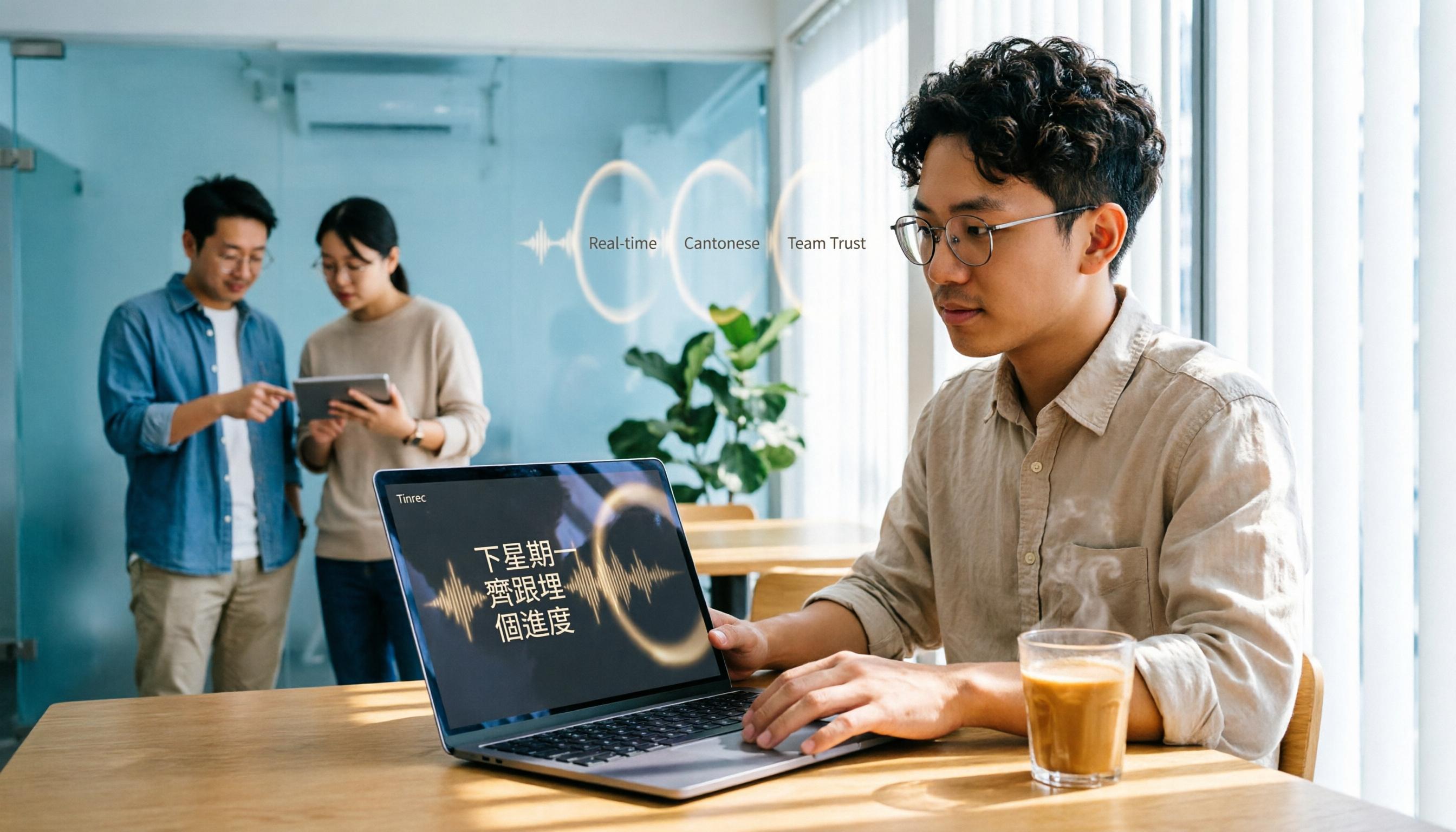
2026 AI Voice Recorder Guide: Plaud Note vs Tinrec – Our Top Pick for Hong Kong Professionals
Wondering how to use the Plaud Note voice recorder? After hands-on testing, we found Tinrec to be a better fit for Hong Kong office workers—no hardware needed, supports Cantonese transcription, and enables team collaboration. Read on for a detailed comparison.

2026 Recording Tools Compared: Plaud Note, NotePin, and Tinrec – Which Is Right for You?
Looking for a recording tool in 2026? Should you choose a hardware recorder or a software solution? This article compares Plaud Note, NotePin, and Tinrec across recording scenarios, core capabilities, team collaboration, and pricing to help you find the best fit.
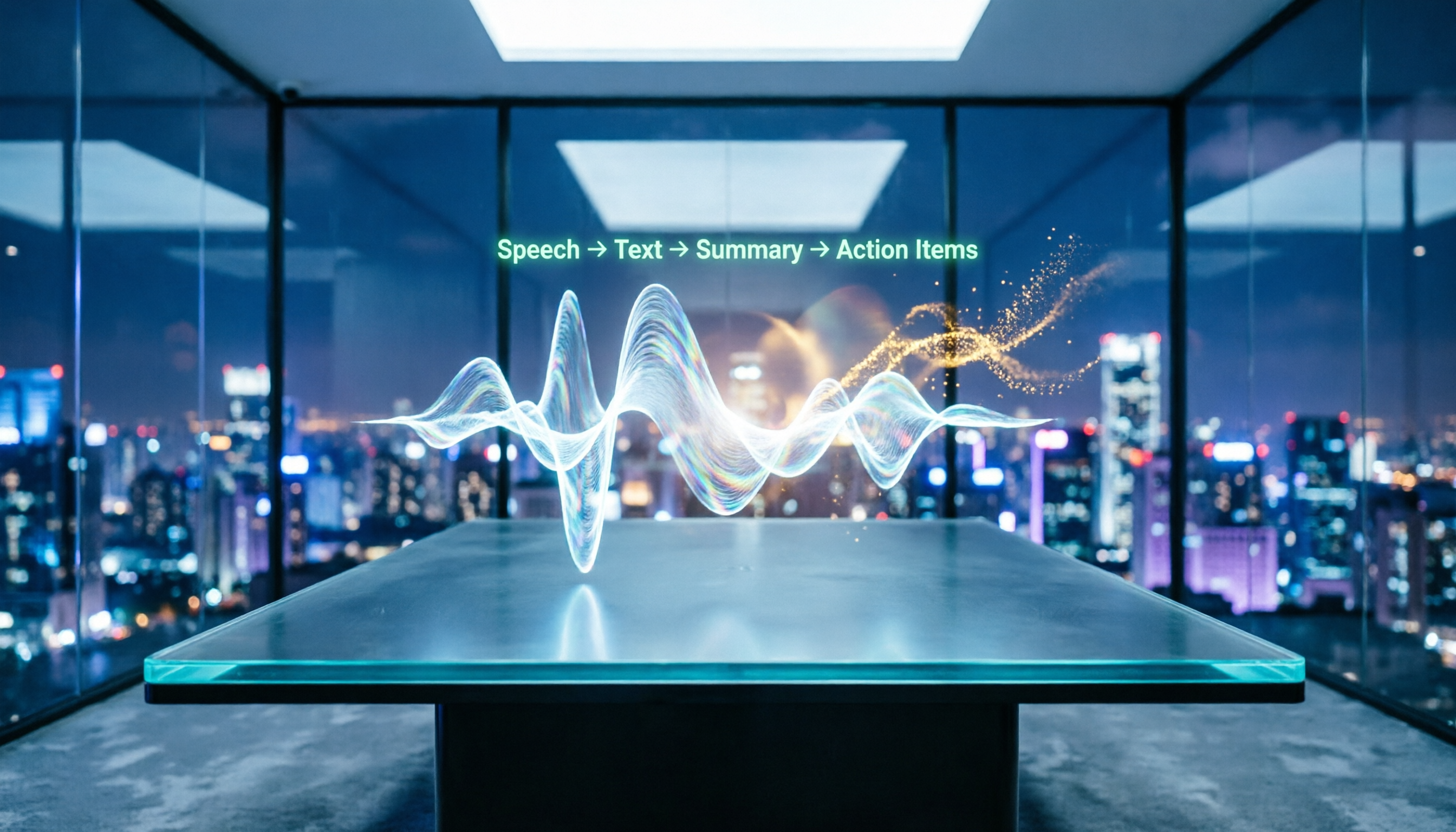
2026 Tested: 4 AI Recording Tools Compared – Plaud NotePin vs. Tinrec for Meeting Notes
Tired of spending hours on meeting notes? This article compares four AI recording tools – Plaud NotePin, Tinrec, Otter.ai, and Granola – across recording methods, transcription quality, AI summaries, and team collaboration to help you find the best fit.