
Turn recordings into transcripts and summaries in minutes
Upload audio or video for multilingual transcription, AI notes, and action items
Why Choose Online Tools: The Convenience and Costs of No Installation and Cross-Device Use
People searching for "speech to text free online" have often just finished a meeting, with an audio file or online meeting recording in hand, hoping to quickly turn speech into text without spending money or installing software. The biggest appeal of online tools is that they require no installation and work across devices: you can use them in a browser on your phone, laptop, or work computer. They suit those who need to process recordings occasionally and aren't sure whether to invest in paid software.
But the keywords "free" and "online" hide several costs. To control expenses, most free online plans impose three barriers—quotas, per-session duration limits, and feature restrictions—that limit what you can actually accomplish. This article doesn't just list tools; it takes a decision-path approach to help you determine: Can a free plan meet your meeting note needs? When should you upgrade to paid?
Real Limitations of Free Online Plans: Quotas, Per-Session Duration, and Feature Restrictions
Free plans are free for a reason, usually accompanied by three types of limitations that often become apparent only after you start using them:
- Quota limits: Most tools offer a fixed number of minutes per month, such as Otter.ai's 300 minutes per month or Notta's 120 minutes per month. Once you exceed that, you must wait until the next period or upgrade.
- Per-session duration limits: Some tools limit the length of a single transcription. For example, Notta's free plan allows up to 3 minutes per session, and TurboScribe's free plan allows up to 30 minutes per file. Long meeting recordings cannot be processed in one go.
- Feature restrictions: Free versions typically lack advanced features like AI summaries, action item extraction, translation, or team collaboration. You only get a transcript and must handle the rest yourself.
In other words, free plans suit occasional, short recordings. If you handle multiple meetings weekly, your free quota will quickly run out, forcing you to switch tools or upgrade.
Comparison of Popular Free Online Tools: Tinrec, Otter.ai, Notta, TurboScribe, Fireflies, Granola
Below is a comparison of free plans from several common tools. Information is based on official pages; actual benefits may change, so please verify before use.
| Tool | Free Quota | Per-Session Duration Limit | Main Limitations |
|---|---|---|---|
| Tinrec | Basic quota to try recording, import, summary, and transcription | Check official page | Advanced features and team collaboration require payment |
| Otter.ai | 300 minutes per month | Check official page | Advanced features require payment |
| Notta | 120 minutes per month | Up to 3 minutes per session | Long recordings must be processed in segments |
| TurboScribe | 3 files per day | Up to 30 minutes per file | Long files require payment |
| Fireflies.ai | Unlimited transcription (subject to storage and rate limits) | Check official page | AI features and storage are limited |
| Granola | Free version offers basic note-taking features | Does not support uploading pre-recorded audio files | Only for live meeting recording |
Tinrec Free Version
Tinrec (Miao Ting Lu Yin) offers a basic free quota to try recording, file import, AI summaries, and transcription. The free version is sufficient for occasional short meetings or interviews, but upgrading is needed for heavy transcription or team collaboration. Tinrec's strength lies in Chinese meeting transcription and post-meeting workflows, automatically generating summaries, chapters, action items, and supporting AI Q&A and multiple export formats.
Otter.ai Free Version
Otter.ai provides 300 minutes of free transcription per month, suitable for light users. It supports live recording, online meeting recording (requires a bot to join), and file import, but the free version only offers basic transcription and summaries. Advanced features like custom vocabulary and team collaboration require payment.
Notta Free Version
Notta offers 120 minutes of free transcription per month, but with a maximum of 3 minutes per session, which is a major limitation for long meeting recordings. The free version supports multilingual transcription and translation, but upgrading is required for long files or AI summaries.
TurboScribe Free Version
TurboScribe's free version allows transcription of 3 files per day, with a maximum of 30 minutes per file. It focuses on cost-effective file transcription, supporting multiple formats and subtitle generation, but the free version does not offer AI summaries or action item extraction—only plain transcription.
Stop organizing recordings by hand
Upload audio or video and automatically get a transcript, summary, and action items
Fireflies.ai Free Version
Fireflies.ai's free version offers unlimited transcription, but it is actually limited by storage space and upload rate. It supports meeting bots joining platforms like Zoom, Meet, and Teams, and provides AI summaries and action items, but the free version's AI features and integrations are limited.
Granola Free Version
Granola is a bot-free AI meeting notes tool. The free version provides basic note-taking features. It captures system audio via a desktop app, so no bot needs to join meetings, but it does not support uploading pre-recorded audio files and does not retain meeting audio.
From Recording to Usable Transcript: What Can Free Plans Accomplish?
Free online tools can help you complete the basic work from recording to transcript, but the extent varies by tool. Here is a typical workflow:
1. Record or obtain an audio file: Use your phone to record, record via a meeting platform, or upload an existing audio file.
2. Upload and transcribe: Upload the audio file to a free tool and wait for transcription to complete. Most tools provide verbatim transcripts with timestamps.
3. Initial organization: Manually or using the tool's built-in summary feature, identify key points and decisions from the meeting.
4. Export: Copy the transcript or summary into a document or note-taking app, or export as a text file.
Free plans typically handle "transcription" and "basic summaries," but automatic action item extraction, meeting minutes generation, translation, or team sharing often require a paid version.
The Line Between Free and Paid: When Should You Upgrade?
Free plans suit occasional, short transcription needs. Consider upgrading when you encounter the following:
- Frequent use: You handle multiple meetings weekly, and the free quota is insufficient.
- Long recordings: A single meeting exceeds the free version's duration limit.
- Need for advanced features: You need AI summaries, action item extraction, translation, team collaboration, or more export formats.
- Need for team sharing: Meeting materials need to be viewed, edited, and followed up on by multiple people.
After upgrading, you not only get more quota but also unlock features like AI summaries, action item extraction, translation, and team spaces, turning meeting materials from "transcripts" into "actionable assets."
Recommendations by Work Style: Sales, Product/Engineering, and Administrative Roles
Sales, Business Development, and Account Managers
Sales professionals often need to record client interviews, requirement discussions, and commitments. Free tools can handle occasional interviews, but if you have multiple client meetings weekly, consider tools that support AI summaries and action item extraction, such as Tinrec or Otter.ai, to quickly organize client needs and follow-up actions.
Product, Engineering, and Design Teams
Product and engineering meetings often involve requirement discussions, technical reviews, and project assignments. Free tools can provide transcripts, but to turn discussions into PRDs, action items, and acceptance documents, you need tools with AI post-processing capabilities, like Tinrec, which can automatically generate structured minutes and action items.
Administrative and Government Roles
Meetings in administrative or government settings often require formal minutes and archiving. Free tools can assist with transcription, but to ensure formatting and privacy, choose tools that support Traditional Chinese, export multiple formats, and have human review mechanisms. Free versions are usually sufficient for occasional meetings, but for long-term storage and retrieval, paid versions are more reliable.
From Transcript to Action: How AI Assistants Handle Post-Meeting Work
Free tools often stop at transcripts, but the real challenge after a meeting is turning discussions into action. Using Tinrec as an example, the AI assistant (Agent) can use meeting minutes and context to help process action items into deliverable outcomes:
- Action plans: Organize action items from the meeting into specific steps, owners, and deadlines.
- Follow-up materials: Automatically generate drafts of follow-up emails or documents for commitments made in client meetings.
- Reports and tables: Organize data and decisions from management meetings into reports or tables for easy presentation and tracking.
For example, after a project meeting, the AI assistant can automatically list a "to-do list" from the transcript and further convert each item into a table with "owner + deadline + next steps," saving hours of manual work.
When free quotas run out or meeting materials need to be shared and tracked by multiple people, Tinrec's team version can centralize meeting recordings, transcripts, action items, and post-meeting outputs in a team space where members can view, search, and continue editing, making every meeting a reusable team asset.
Conclusion: Free Plans Are a Starting Point, Not the End
Free online speech-to-text tools offer the convenience of no installation and cross-device use, suitable for temporary and light needs. However, to handle frequent meetings, long recordings, or team collaboration, the quota and feature limitations of free versions become bottlenecks. We recommend starting with a free version to see if the tool fits your workflow, then upgrading based on actual needs, so meeting materials truly become actionable assets.
Connect Meeting Minutes to Your Team's Next Steps
References
- Online AI Speech, Video, and Audio File to Text - Free Trial - cSubtitle
- Audio to Text - Free Speech-to-Text Tool
- Tested: 4 Best "Speech-to-Text" Online Tools Recommended, Free to Convert Recordings to Transcripts Instantly
- Speech to Text Converter – Free Online | TicNote Cloud
- Online AI Speech-to-Text, Free to Convert MP3 or Recordings to Text Transcripts
Turn every recording into actionable outcomes
Get 60 free transcription minutes when you sign in. No credit card required.
Related Reading
You might also like

How to Use Free AI Speech-to-Text Tools? Beginners Should Understand Quota Limits First
When using free AI speech-to-text tools for the first time, the most common issue is how to use the free quota. This article helps you understand quotas, per-session duration limits, and feature restrictions, compares free plans of mainstream tools, and provides a workflow to complete meeting minutes with zero budget, helping you decide if the free version is sufficient.
Good Tape Login Issues? Complete Troubleshooting Guide from Password Errors to Missing Verification Codes
Encountering password errors, missing verification codes, or pages that won't load when logging into Good Tape? This article walks you through common login issues step by step to quickly restore account access.
Good Tape Login Tutorial: Complete Registration and First Transcription in 5 Minutes
New to Good Tape and not sure how to log in? This article guides you through account preparation, choosing a login method, and email verification, step by step, and explains how to start your first transcription after logging in.
Are Free Speech-to-Text Apps Really Enough? Understand Quotas, Duration, and Feature Limits Before Downloading
A roundup of free plans from popular speech-to-text apps, analyzing quotas, per-session duration limits, and feature restrictions, plus a free workflow from recording to usable meeting minutes to help you decide if the free tier is sufficient.
PowerDirector Speech-to-Text Free Guide: Complete Workflow from Video to Subtitles
Want to add subtitles to your PowerDirector videos for free? This article provides a complete workflow from exporting video or audio from PowerDirector, choosing the right free speech-to-text tool, and importing the transcript back into PowerDirector as subtitles, comparing the use cases and limitations of different tools.

How to Choose a Free AI Speech-to-Text Plan? Understand Three Hidden Limitations of Free Versions First
A roundup of free plans from mainstream AI speech-to-text tools, analyzing quotas, per-session duration limits, and feature restrictions, with a suggested free workflow from recording to usable meeting minutes.

How to Choose a Free Speech-to-Text App? Understand the Hidden Limitations of Free Plans Before Downloading
A roundup of free plans from popular speech-to-text apps, analyzing quotas, per-session duration limits, and feature restrictions. Provides a free workflow from recording to usable meeting minutes to help you decide if a free plan is sufficient.

AI Speech-to-Text Recommendations: From Meeting Types to Post-Meeting Deliverables, Choose the Right Tool for You
There are many AI speech-to-text tools, but the key to truly saving time lies in meeting types, Chinese language quality, post-meeting deliverables, and team collaboration. This article provides a selection framework, compares mainstream tools such as Tinrec, Otter, Fireflies, Notta, Granola, and TurboScribe, and offers specific recommendations for different work styles including sales, product/R&D, and institutional staff.
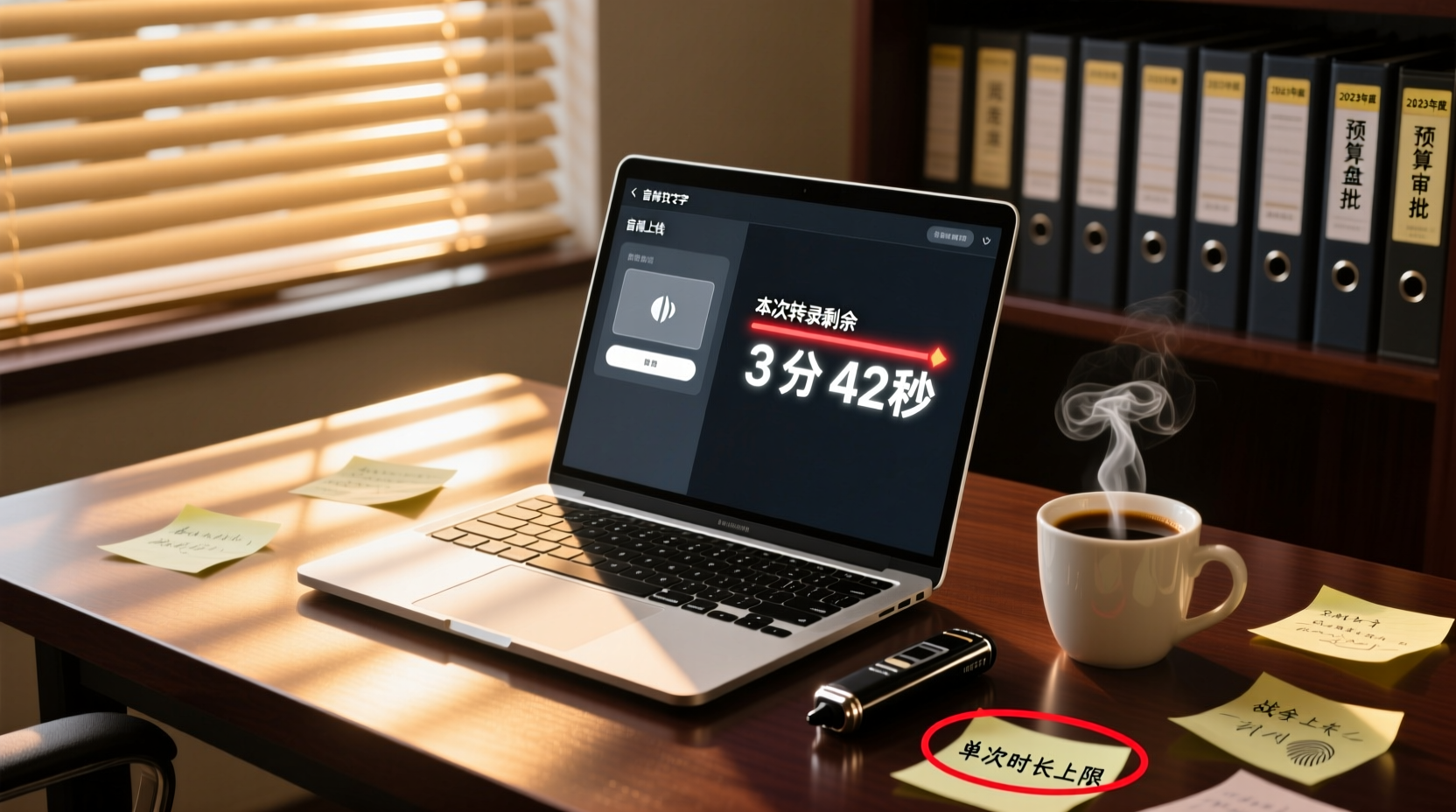
Which Speech-to-Text Is Free? Understand the Three Hidden Limitations of Free Plans Before Deciding
A roundup of free plans from leading speech-to-text tools, analyzing quotas, per-session duration limits, and feature restrictions, plus a free workflow from recording to usable meeting minutes to help you decide if a free plan is sufficient.