

Turn recordings into transcripts and summaries in minutes
Upload audio or video for multilingual transcription, AI notes, and action items
Google Meet vs FaceTime: Which is Better? 2026 Real-World Test of Both, Paired with Tinrec for Complete Meeting Notes
Google Meet vs FaceTime | Quick Overview
Google Meet is Google's own video conferencing service, deeply integrated with Gmail and Google Calendar, suitable for business meetings. FaceTime is a free video calling tool within the Apple ecosystem, simple to use but with limited features. However, no matter which one you use, the post-meeting task of organizing notes is often the most time-consuming. Beyond comparing these two meeting tools, this article will also introduce you to Tinrec—an AI tool that turns recordings into searchable, summarizable, actionable knowledge, truly saving you time.
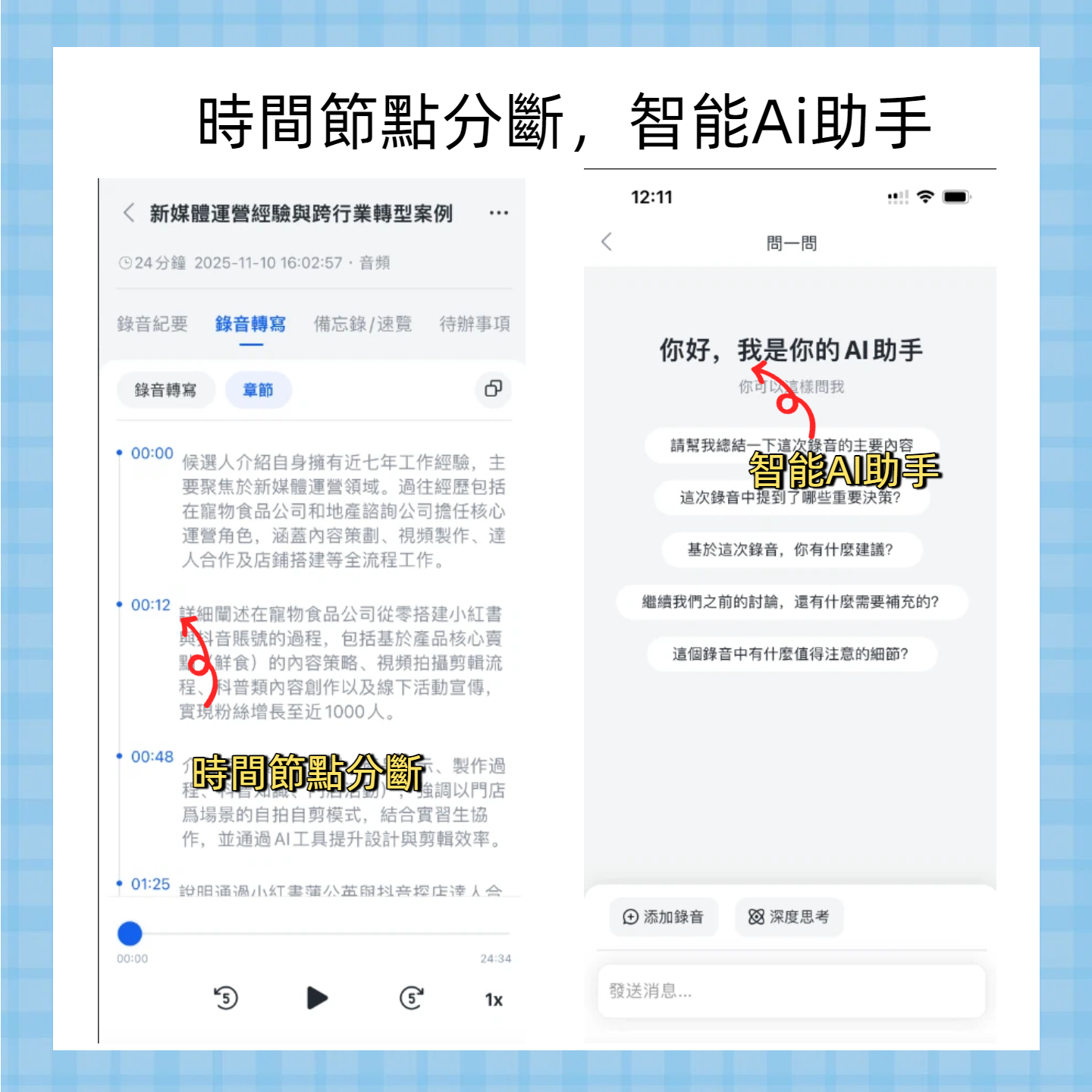
Dimension 1: Recording & Transcription Capabilities
Google Meet has built-in live captions, but only supports a few languages and cannot export full transcripts, let alone search or edit afterward. FaceTime does not have any built-in recording or transcription features; you'd have to take manual notes or record separately to preserve meeting content.
Tinrec is completely different: it supports real-time recording-to-text, can import audio/video files, and even parse content from a YouTube link. After transcription, it automatically generates editable transcripts with impressive accuracy on clear audio, and supports multiple languages with optimization for Chinese.
→ This dimension: Tinrec clearly wins.
Dimension 2: AI Summaries & Key Points
After a one-hour meeting, want a quick recap? Google Meet forces you to re-listen to the recording (if the admin enabled it), and FaceTime doesn't support it at all. Tinrec offers AI summarization that condenses long recordings into key points and automatically splits chapters, as if someone took meeting notes for you. You can also ask questions about the recording, e.g., "What was the budget cap discussed in the last meeting?" – the AI gives you the answer directly, no need to listen from start to finish.
→ This dimension: Tinrec clearly wins.
Dimension 3: To-Do Extraction
The biggest fear in meetings is "no follow-up afterward." Google Meet has no to-do feature; you have to manually record and assign tasks; FaceTime is the same. Tinrec's AI can automatically extract to-dos from the conversation, generate a clear to-do list, and support export to tools you commonly use like Notion, Google Docs, ensuring every action is executed.
→ This dimension: Tinrec clearly wins.
Stop organizing recordings by hand
Upload audio or video and automatically get a transcript, summary, and action items
Dimension 4: Multi-Source Integration & Historical Search
Google Meet recordings are stored in Drive, and you have to dig for information; FaceTime has no retention mechanism at all. Tinrec acts like an audio/video database, unifying live recordings, uploaded files, and online videos. All transcriptions are full-text searchable – find a meeting note from six months ago with a keyword, no need to search through hard drives.
→ This dimension: Tinrec clearly wins.

Dimension 5: Cost & Scalability
Google Meet's free version offers 60-minute meetings with basic captions; FaceTime is completely free but extremely limited. However, if you factor in the "time cost of post-meeting organization," free is actually the most expensive. Tinrec offers a free trial; its Pro plan costs less than two cups of coffee per month and can save you hours of organizing time, and it's platform-agnostic – whether you use Meet, FaceTime, or other software, it works seamlessly.
→ This dimension: In terms of overall meeting productivity, Tinrec's value far exceeds the basic built-in features of the platforms.
What Are Their Unique Advantages?
Tinrec's Unique Advantages
- Cross-platform & Multi-source Input: Handles live recordings, audio files, video files, and web links – one tool for all audio/video data.
- AI Conversation Query: Talk to it like an assistant to ask about details in the recording, quickly extracting key information.
- Rich Outputs: Not just transcripts, but also summaries, to-dos, mind maps, subtitles, and even automatically generate reports and tables.
- Optimized for Chinese: Specially tuned for Chinese, Traditional Chinese, and Chinese-English mixed content, making meeting notes more accurate.
Google Meet's Unique Advantages
- Native Google Ecosystem: Deep integration with Gmail, Calendar, and Chat, making it smooth to start meetings.
- Generous Free Tier: For personal users, 60-minute meetings and 100 participants are enough for most light use.
FaceTime's advantage is that it's completely free, no need to install extra apps (built into Apple devices), but limited to the Apple ecosystem, with zero cross-platform capability.
Summary: Which Should You Choose?
- If you only use Apple devices and occasionally have quick calls with friends → FaceTime is enough.
- If you need stable business meeting features → Google Meet is a great choice, especially for teams already using Google Workspace.
But if you want meetings to be more than just "talk and finish," and instead produce trackable, searchable, reusable knowledge, then regardless of whether you choose Meet or FaceTime, you should pair it with Tinrec. It helps you turn scattered audio/video content into quickly searchable, reportable, and follow-up-ready materials, making your meeting time truly valuable.
→ In a word: Use Meet or FaceTime for meetings, and leave the meeting notes to Tinrec for maximum efficiency.
Turn every recording into actionable outcomes
Get 60 free transcription minutes when you sign in. No credit card required.
Related Reading
You might also like

Google Meet 2024 Update Recap: 5 Most Notable Feature Changes
A look back at Google Meet's key updates in 2024, from AI meeting notes and real-time translated captions to alternatives for bot-free recording, and a quick overview of which features truly impact daily meeting efficiency.
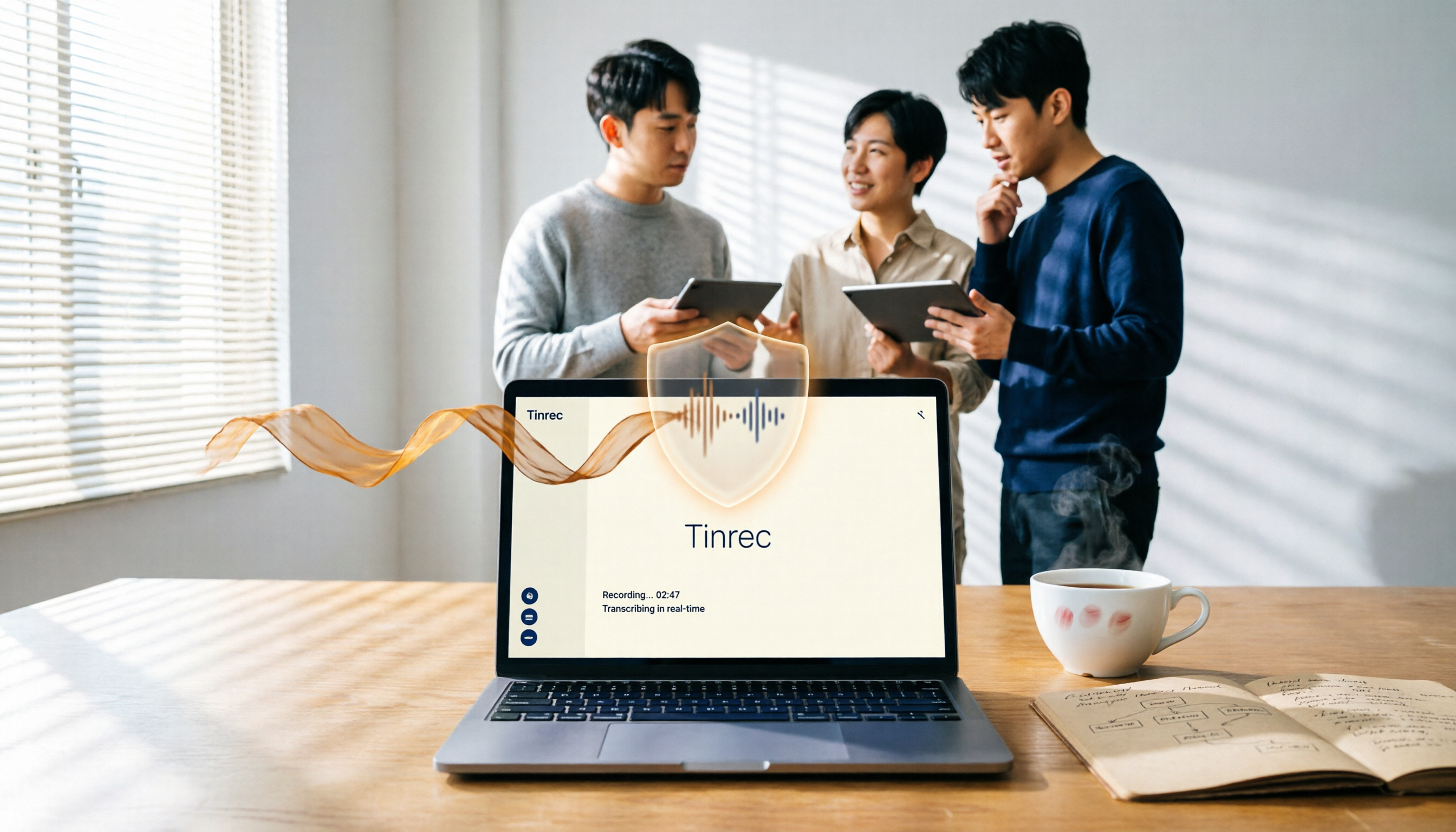
Good Tape vs Tinrec 2026: A 4-Dimension Comparison for Security and Team Fit
Good Tape promotes Danish GDPR compliance and automatic audio deletion, but when compared side-by-side with Tinrec, the definition of security differs. This article tests both tools across 4 dimensions to help you decide which is better suited for small and medium teams.
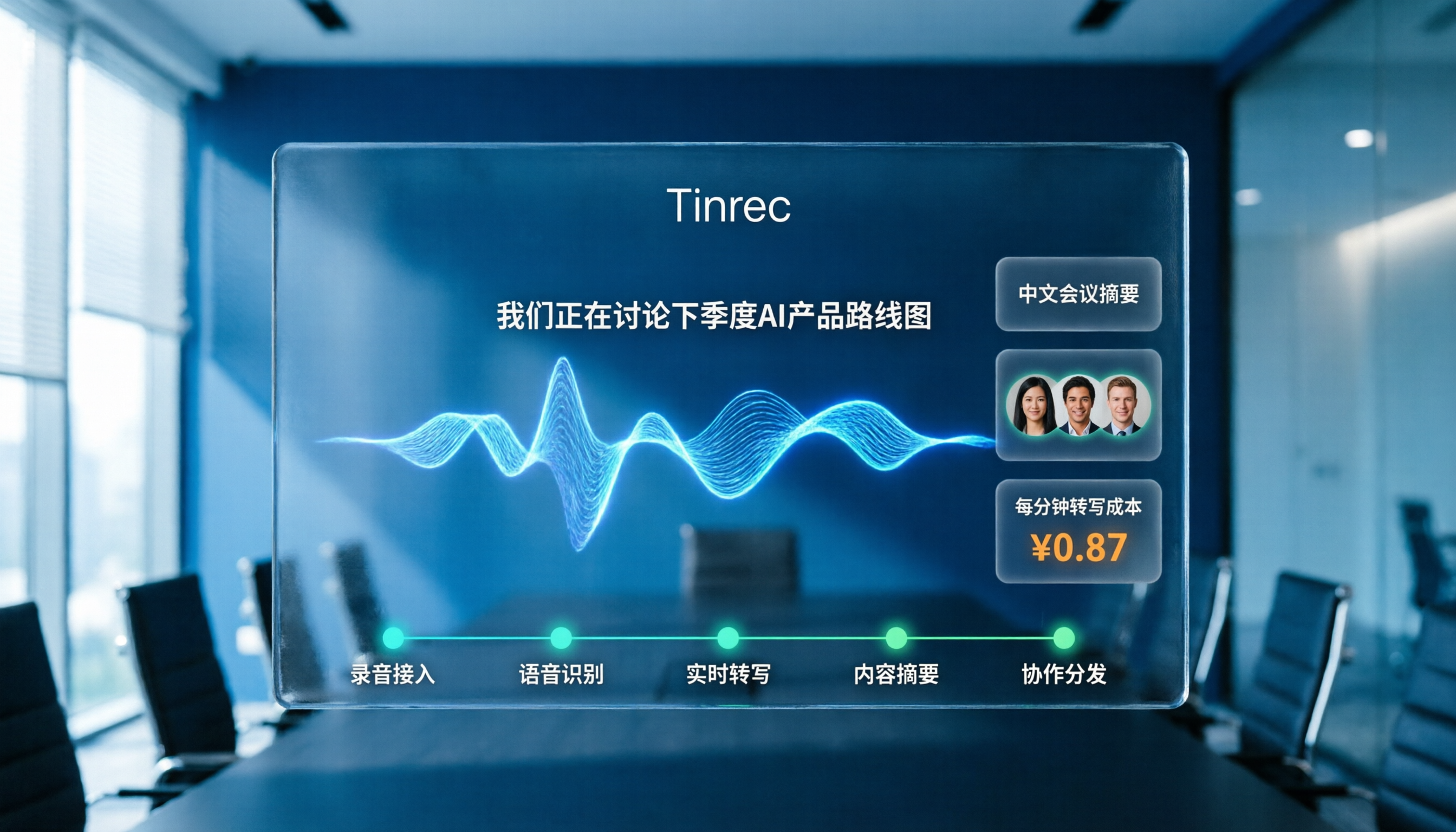
How to Choose a Speech-to-Text Tool in 2026: 5 Steps to Understand Good Tape Pricing and Alternatives
Is Good Tape's pricing worth it? This guide walks you through 5 steps—from free plans to paid tiers and alternatives—to calculate the true cost per minute, so you don't sacrifice Chinese meeting support, team collaboration, or AI summarization for a low price.

2026 Notta Alternatives Tested: Why More Users Are Switching to Tinrec?
Is Notta AI's free plan sufficient? This article tests Notta's free tier limitations and presents Tinrec as an alternative, comparing features like bot-free recording, Chinese meeting transcription, AI Q&A, and team spaces to help you decide which tool suits your daily meeting needs.

Tinrec vs Notta 2026: 5-Dimension Comparison for Chinese Meeting Notes & Team Collaboration
Tired of spending hours on meeting notes every week? This article, from the perspective of a mid-level manager, compares Tinrec and Notta across 5 dimensions: bot-free recording, Chinese transcription, AI Q&A, team spaces, and pricing, to help you decide which tool is better suited to turn meetings into searchable, trackable team knowledge.

Notta Free Plan Tested in 2026: Is 120 Minutes Enough? 4 Limitations to Know First
Notta does offer a free plan, but many users overlook the 120-minute monthly cap and the 3-minute per-file limit. This article breaks down what you can actually do with Notta's free tier, how much the paid plans cost, and who should consider alternative tools instead.

4 AI Meeting Recorder Tools Compared in 2026: Which Free Plan Is Actually Worth It?
Looking for a free AI meeting recorder? This hands-on comparison breaks down the free plans of Notta, Otter, Fireflies, and Tinrec—covering transcription minutes, per-session limits, Chinese-language support, and team collaboration—to help you find the one that truly saves you time.

Google Meet vs FaceTime in 2026: The Complete Guide to Cross-Platform Support, Video Quality, and Use Cases
Still trying to decide between Google Meet and FaceTime? This article breaks down platform support, call quality, participant limits, meeting features, and costs to help you choose the right video calling tool for your needs.

Google Meet vs Zoom 2026: Free Plan, Video Quality & AI Features Compared
Choosing between Google Meet and Zoom? This hands-on comparison evaluates free plan limits, call quality, screen sharing, AI features, and mobile experience to help you decide which is better for daily meetings, client calls, and remote collaboration.