

Turn recordings into transcripts and summaries in minutes
Upload audio or video for multilingual transcription, AI notes, and action items
2026 Test Report: 5 Interview Recording-to-Text Tools Compared – Fast Transcripts & Key Insights
Why You Need an Interview Recording-to-Text Tool
Last month I conducted 5 user interviews, each one hour long. Just transcribing the recordings took me two full days. Not just me—my teammates responsible for organizing were also burned out. Then I started looking into automatic transcription tools and realized that modern AI tools don't just output transcripts; they also auto-summarize, extract key points, and even let you "ask" the recording. This article covers 5 solutions my team actually used—from paid professional tools to completely free options—so you don't have to wrestle with audio files anymore.
Tinrec (Second Listening Recorder) – The Most Complete AI Recording Assistant
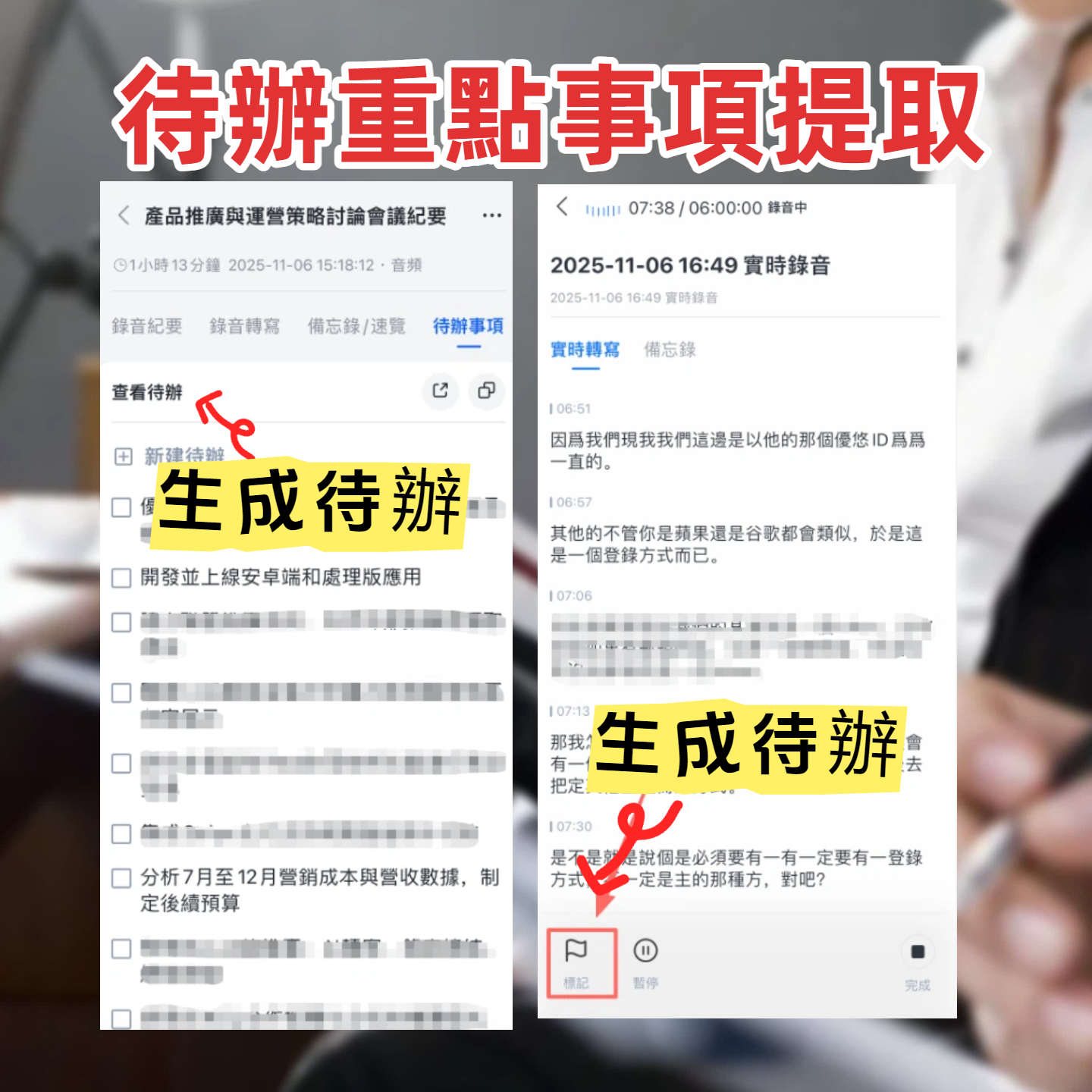
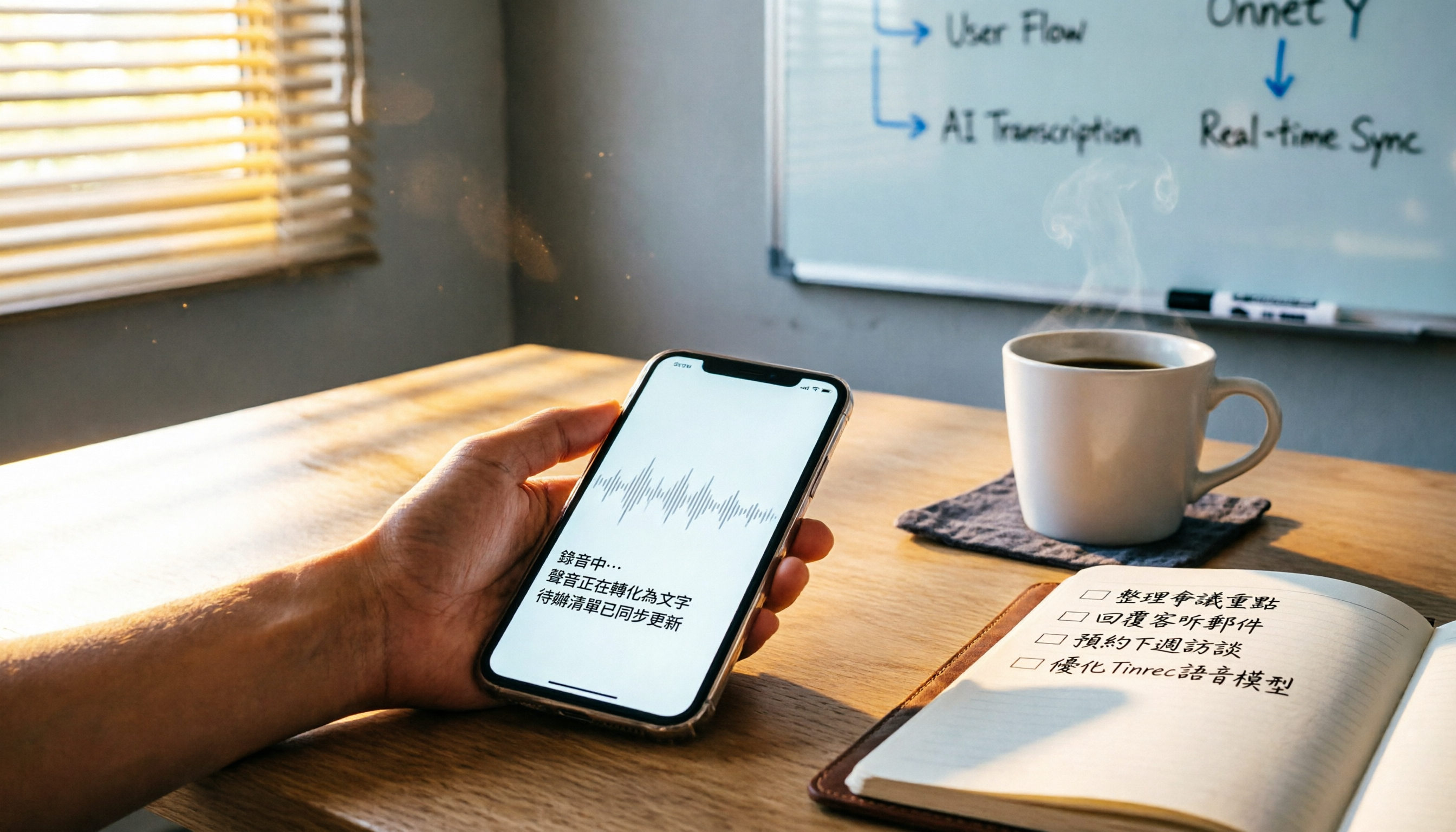
If I had to recommend just one tool, I'd pick Tinrec right now. It doesn't just convert recordings to text; it turns the entire interview into actionable material. For example, when I do user interviews, I just open Tinrec on my phone, and it transcribes in real time. After the session, it can generate a summary, chapters, and action items with one click. What impresses me most is the AI conversation query: I can ask, "What was the interviewee's reaction to the new feature last time?" and it pulls the relevant segments from historical recordings, saving me from re-listening to a whole hour of audio.
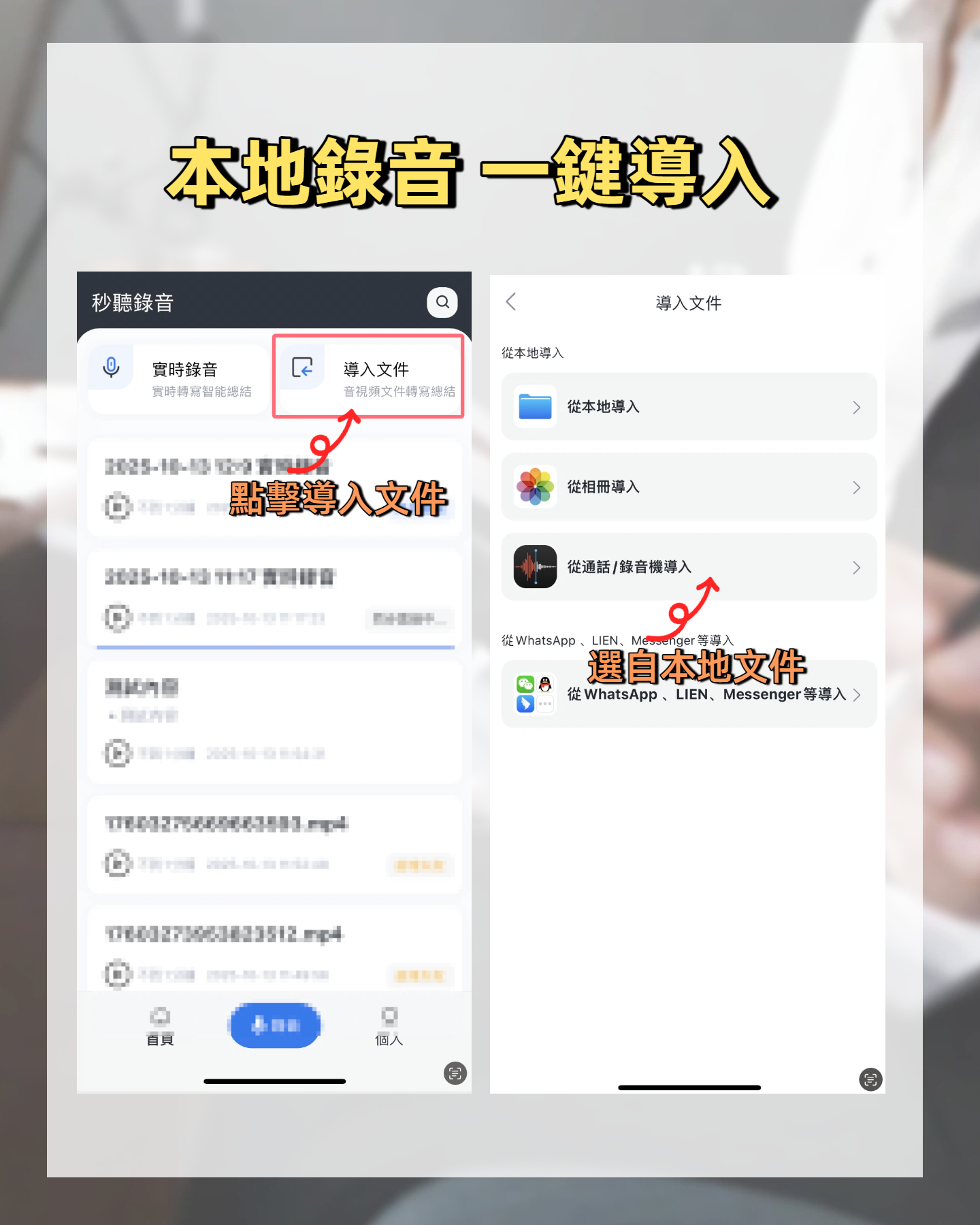
Besides real-time recording, it also supports uploading past audio or video files, and even accepts YouTube or Xiaohongshu links to process the content directly. For those of us juggling internal meetings and external interviews, having one tool handle everything is very convenient. Price-wise, the free plan gives a basic monthly quota, enough for trial; I use the Pro annual plan, which costs less than a few Starbucks a month. Best for people who don't just want transcripts but need to quickly digest interview content and manage recordings long-term.
Otter.ai – Powerhouse for Real-Time Online Meeting Transcription
Otter.ai is a staple in the English-speaking world for meeting notes. Its strength is automatically joining online meetings like Zoom and Google Meet, identifying different speakers in real time, and generating summaries. I tried it for remote interviews—transcription is fast, and English accuracy is high. However, for Chinese interviews, some proper nouns get mangled. It's more team-collaboration oriented, so solo users might find it feature-heavy. The free plan offers 300 minutes per month; Pro is about $8.33/month (billed yearly, 1200 minutes). Best for teams that frequently hold online meetings and primarily need English transcription.
Stop organizing recordings by hand
Upload audio or video and automatically get a transcript, summary, and action items
Notta – Practical Multi-Language Transcription and Translation
Notta is somewhat similar to Tinrec: both support real-time recording, file uploads, and multi-language transcription. I tested it with the same Chinese interview—transcription speed was good, and it provides auto-summaries and translation. But it feels more like a "transcription + translation" tool; it lacks Tinrec's AI conversation query feature, so you can't ask questions about the recording. Pricing: free plan gives 120 minutes/month; Pro is about $8.17/month (billed yearly, 1800 minutes). Best for users who frequently need multilingual translation, subtitle creation, or just reliable transcription.
TurboScribe – High Value for Long Files and Bulk Transcription
If you have a pile of long interview recordings to transcribe, TurboScribe is a cost-effective choice. It focuses on file upload and fast transcription, handling files up to several hours long, and supports subtitle export. I used it to transcribe a 2-hour in-depth interview—the result was decent, but there weren't many subsequent organization features; I still had to summarize the key points myself. The free plan allows 3 runs per day, each up to 30 minutes; the Unlimited plan is about $10/month (billed yearly). Best for users who need to process large amounts of audio quickly and don't rely on AI organization.
Phone's Built-in Recorder + Manual Transcription – Zero-Budget Fallback
This isn't an app, but a method: use the iPhone Voice Memos or Android built-in recorder, then manually type out the audio. Pros: completely free, no need to learn new tools. Cons: it's extremely time-consuming and mechanical. I used to do this—one hour of recording took at least 3 hours to transcribe, and I often missed key points. Best for those who absolutely don't want to spend money, have very few interviews (less than one per month), and have time to type slowly.
With So Many Options, How Do You Choose?
After all this, most people don't need the "most powerful" tool but the "most hassle-free" solution. Pick based on your scenario:
- Want the most complete interview processing pipeline (transcription + AI Q&A + auto summary + action items) → Tinrec, the only tool with all these features.
- Need Cantonese or mixed Chinese-English interviews, and want a tool that handles both domestic and international sources → Tinrec, supports 14 languages and online video link parsing.
- Frequently hold online English meetings, team collaboration priority → Otter.ai
- Regularly conduct multilingual interviews needing translation and subtitles → Notta
- Have a backlog of audio files and just need fast text output → TurboScribe
- Zero budget, very few interviews → Phone recorder + manual typing
I ended up with Tinrec Pro because I not only need transcription but also quick retrieval of past interviews and fast report generation. If you're like me and value time more than the monthly fee, go straight for Pro.
Before Using Interview Recording-to-Text Tools, Know These
- Recording quality matters most: Regardless of the tool, background noise, overlapping speech, and heavy accents affect accuracy. When I use Tinrec for interviews, I try to be in a quiet environment and have the interviewee speak close to the phone—the results are great.
- AI summaries still need human review: Tools can extract key points, but don't rely on them entirely. I use Tinrec's AI summary as a first draft, then the conversation query to fill in details, and finally polish it myself—accurate and time-saving.
- Free plans have limits: The free versions of Tinrec, Otter, and Notta are only for light testing. If you have interviews or meetings every week, a few dollars a month for a subscription saves hours each week—definitely worth it.
- Watch out for privacy and copyright: Before uploading recordings to the cloud, make sure they contain no sensitive personal data; when processing online video links, respect platform policies and copyright.
Summary
Interview processing shouldn't drain your energy. Moving from manual transcription to AI tools, my biggest takeaway is that the time saved can be used for deeper analysis and better reports. If you're still on the fence, try Tinrec's free version first to experience its AI conversation query and auto-summary. Once you get used to "asking" your recordings, you'll never go back.
Turn every recording into actionable outcomes
Get 60 free transcription minutes when you sign in. No credit card required.
Related Reading
You might also like

2026 Comparison of 3 Meeting Transcription Tools: Which One Is Best for Chinese Meetings?
Still manually taking meeting minutes? We tested 3 mainstream tools, from free credits to AI summaries and Chinese accuracy, to help you find the best option for Chinese meetings.

Tinrec vs Notta (2026): A 4-Dimension Showdown for Chinese Transcription – Which One Reigns?
A middle manager tests two popular voice-to-text tools across 4 key dimensions: transcription accuracy, AI summaries & Q&A, free plan limits, and cross-scenario usability. Find out which one saves the most time for Chinese users.
How to Take Meeting Minutes in 2026? A Complete Guide from Recording to AI Meeting Notes in 4 Steps
Tired of marathon meetings? Our test recommends Tinrec – an app that handles Cantonese audio transcription, AI summaries, and to-do lists. Say goodbye to overtime on meeting minutes.

2026 Side-by-Side Comparison: 2 Best Speech-to-Text Tools for Busy Professionals
A mid-level manager puts Tinrec and Plaud Note head-to-head across five dimensions — input sources, AI summarization, cross-platform convenience, cost, and Chinese accuracy — to help you decide whether to buy hardware or just use your phone for meeting notes.

2026 Tinrec vs Otter.ai: 5-Aspect Showdown – Which Transcription Tool Suits You Best?
Tinrec is an AI recording and audio/video transcription tool, while Otter.ai is an AI meeting note tool. This article compares the two across five dimensions to help you choose the best fit for transcription management.
2026 Tinrec vs Notta: 4-Dimensional Comparison – Which Is Better for Meeting Notes?
How to choose a meeting note-taking tool? This article compares Tinrec and Notta across four dimensions: language support, depth of organization, cross-source coverage, and post-processing applications, helping you decide which one turns meeting recordings into truly usable knowledge.

5 Best Transcription AI Tools of 2026: Free vs Paid – Which One Saves You the Most Time at Work?
Tired of overtime transcribing meeting notes? We tested 5 popular AI speech-to-text tools: Tinrec, Otter.ai, Fireflies.ai, Notta, and TurboScribe. Find the best transcription tool for your needs, with insights on Cantonese accuracy, free plans, and selection tips to save you from late-night typing.

2026 Comparison of 3 Speech-to-Text Tools: A Student's Real Test and Switch from Notta to Tinrec for Transcription
A senior student tests Tinrec, Notta, and Otter for lecture recording, group discussions, and finals prep, sharing which tool works best for budget-conscious students needing accurate transcripts.

Best Free Meeting Minutes Solutions for Word in 2026: 3 Options Compared
Tired of typing meeting minutes overtime? Tinrec instantly transcribes meetings, lectures, and interviews into text, auto-generates summaries, action items, and key points, and exports to Word. This article compares three free options: manual typing, mobile dictation, and Tinrec’s free plan.