
Turn recordings into transcripts and summaries in minutes
Upload audio or video for multilingual transcription, AI notes, and action items
Google Meet vs Tinrec|Quick Overview
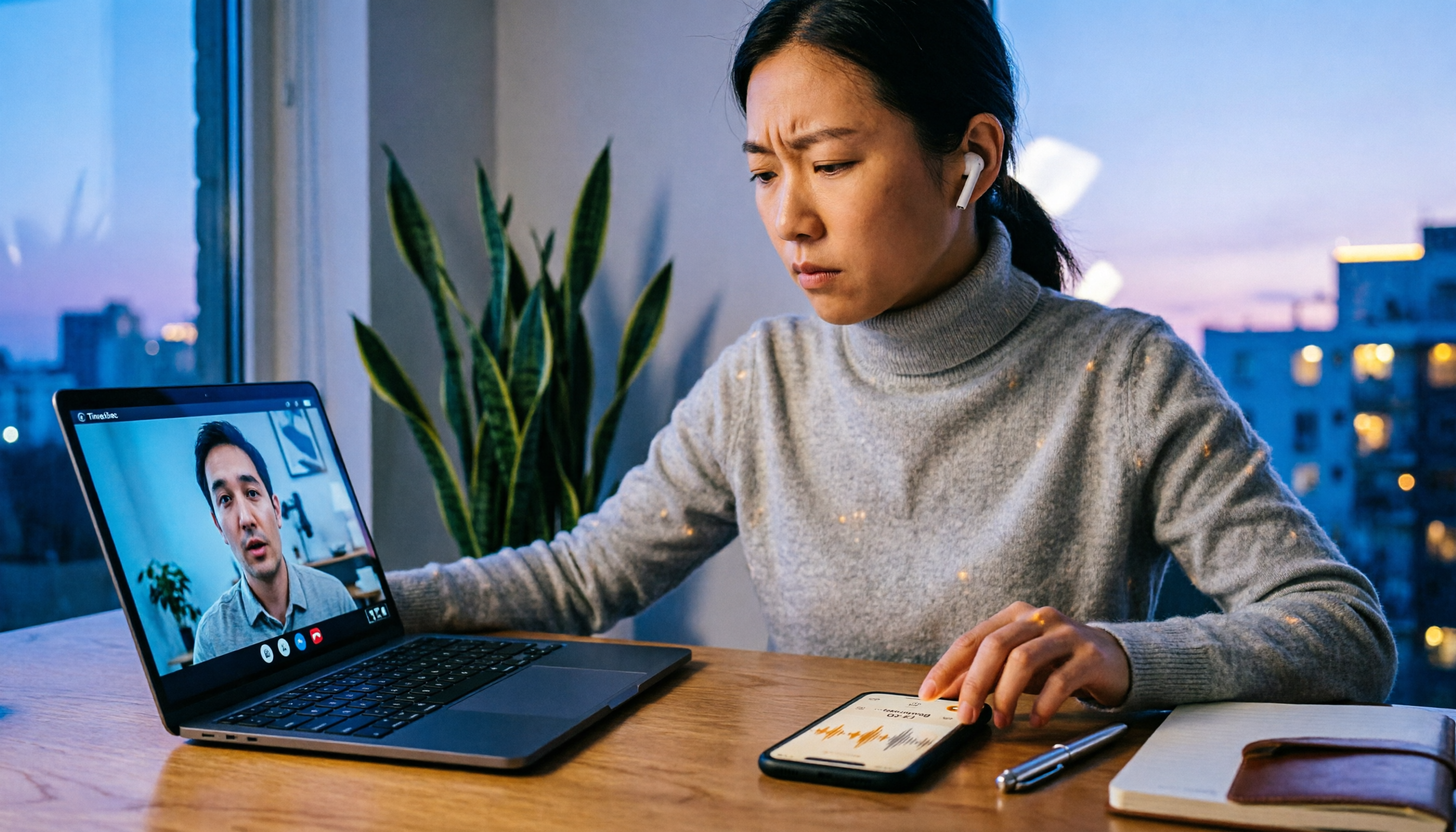
Google Meet is a go-to tool for daily meetings, but when the microphone fails or audio cuts out, meetings come to a halt. Tinrec Instant Recording, on the other hand, is an AI-powered recording and audio/video organization tool that not only records meetings but also transcribes, summarizes, and extracts action items.
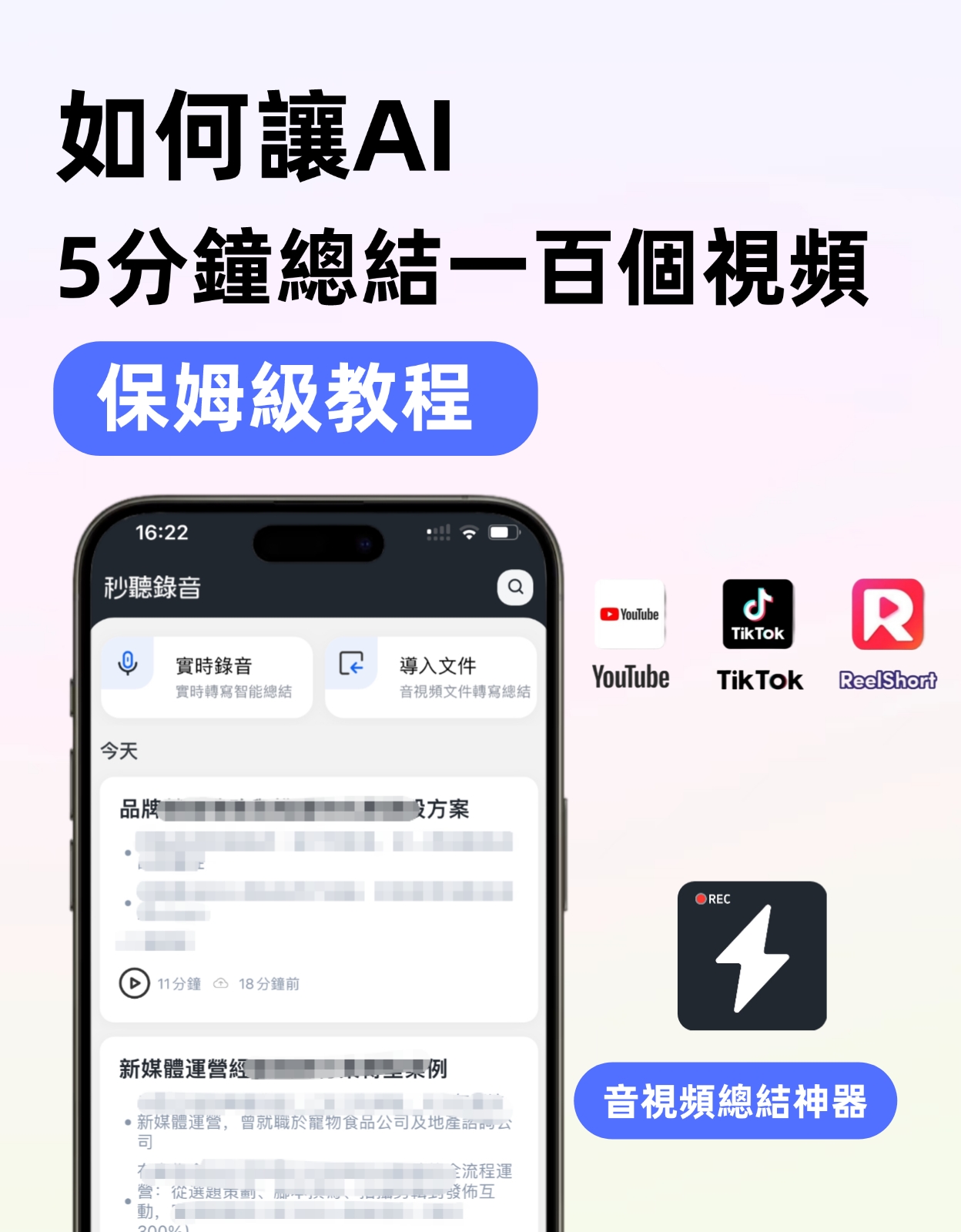
This article compares Google Meet's built-in recording feature and Tinrec across three key dimensions, helping you determine the more reliable solution when microphone problems occur.
| Comparison Item | Google Meet Built-in Recording | Tinrec Instant Recording |
|---|---|---|
| Core Purpose | Online meeting recording | AI recording and audio/video organization workspace |
| Pricing | Included with Google Workspace plans | Free tier available; Pro monthly/annual subscriptions |
| Input Sources | Meeting audio only (relies on microphone) | Live recording, files, web video links, meeting recordings |
| Output Capabilities | Video file | Transcript, summary, chapters, action items, Q&A, multiple format exports |
Dimension 1|Recording Stability
Google Meet recording relies entirely on your microphone and network. If the microphone permission drops, audio drivers conflict, or you accidentally mute, the recorded content ends up blank.
Tinrec recording is not tied to a single meeting platform. You can record using your computer's system audio or even sync recordings via the mobile app. If your computer microphone fails, you can import a phone recording into Tinrec and still get a transcript.
→ This dimension: Tinrec clearly wins.
Dimension 2|Transcription & Organization
Google Meet's video file is just a video—you have to re-listen and manually take meeting notes. If the recording quality is poor or audio hollow, post-meeting cleanup is painful.
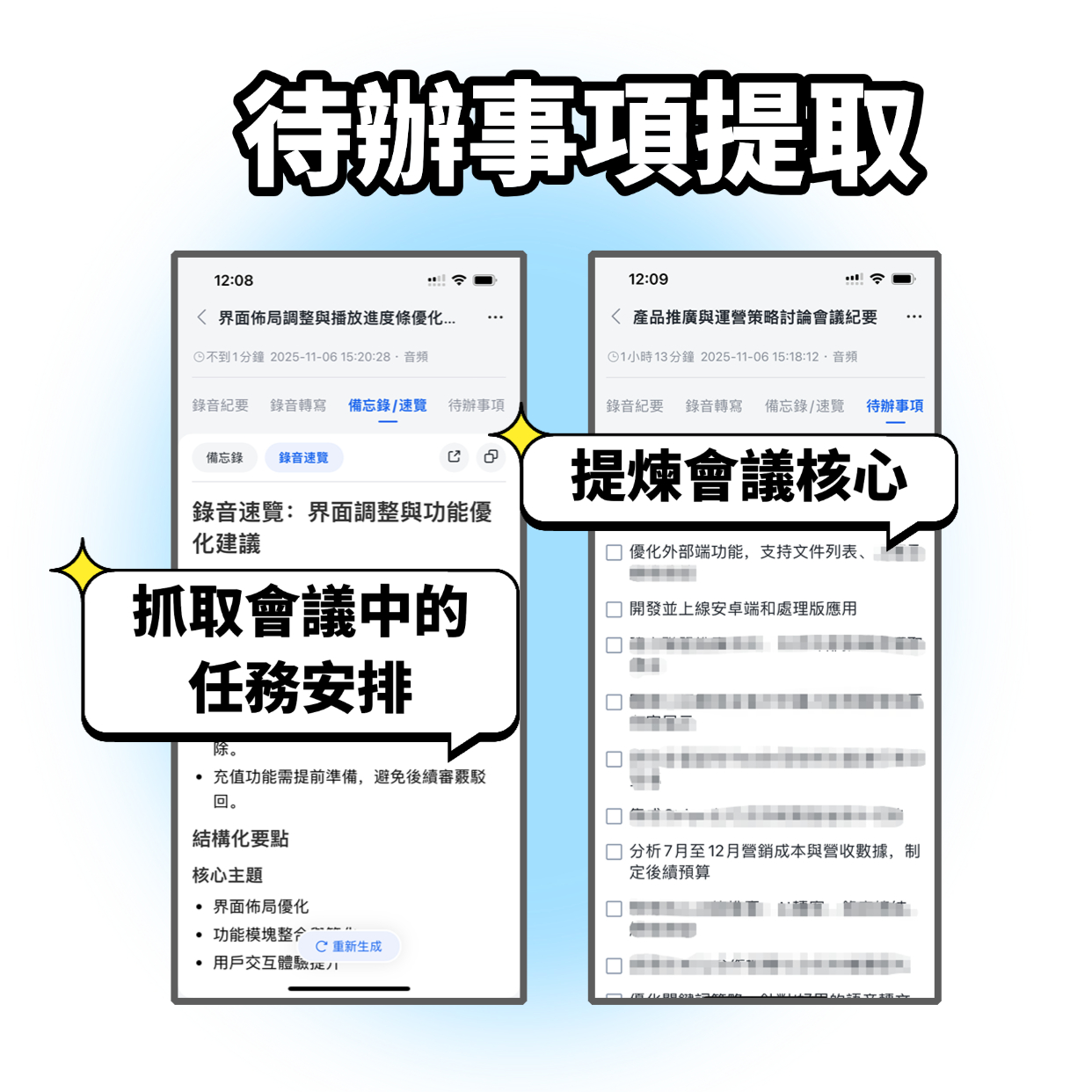
Tinrec not only transcribes audio into text but also auto-generates AI summaries, chapters, and action items. For multi-speaker meetings, Tinrec can differentiate speakers, and you can use the AI Q&A feature to ask "Who was responsible for that?" or "When is the next meeting?" without listening from start to finish.
→ This dimension: Tinrec's feature set completely surpasses Google Meet's built-in recording.
Stop organizing recordings by hand
Upload audio or video and automatically get a transcript, summary, and action items
Dimension 3|Cross-Device & Export
Google Meet recordings are typically stored in Google Drive, shareable only within your account, with limited formats.
Tinrec supports iOS, Android, and web versions. Meeting, lecture, and interview recordings sync seamlessly between phone and computer. Transcriptions can be exported as TXT, DOCX, SRT subtitles, or synced to Notion and Google Docs, letting you continue editing in your preferred tools.
→ This dimension: Tinrec's cross-platform and export flexibility matches or even exceeds.
What Are Their Unique Strengths?
Tinrec's Unique Strengths
- More than meetings—web videos too: Paste YouTube or TikTok links to convert to text and summaries, ideal for research.
- AI Q&A: Query past recordings like a database; no need to worry about forgotten details.
- Agent Post-Processing: Generate meeting notes, tables, or reports from recordings, not just a transcript.
Google Meet's Unique Strengths
- Built-in, no installation: For teams using only Google Workspace, recording is ready out of the box.
- Real-time video integration: Recordings include screen capture, useful for meetings needing visual context.
Summary: Which One Should You Choose?
- If you face microphone failure and need a stable, backup recording solution → Tinrec (also works by recording with your phone and importing)
- If you want summaries and action items immediately after recording, no need to re-listen → Tinrec
- If you need cross-device sync of meeting records and export to Notion or Google Docs → Tinrec
- If you only use Google Meet's built-in features and your meeting environment is simple with no post-meeting processing needed → Google Meet's built-in recording is sufficient
In a nutshell: when microphone issues strike, Tinrec is a more complete meeting record backup. Download Tinrec's free version and test it with your own meeting recordings.
Frequently Asked Questions
Q: What's the most common reason for Google Meet microphone not working? A: Usually it's due to browser or computer audio permissions not granted, microphone occupied by another program, or accidentally hitting the mute button in Meet. First, check if the microphone icon in the top right is red, then verify the audio input device in system settings.
Q: Can I still record meetings with Tinrec if my microphone is definitely broken? A: Yes. You can use another phone to open the Tinrec app for synced recording, or record the meeting audio with a phone recorder first, then import the audio file into Tinrec for transcription.
Q: Can I use Google Meet recording and Tinrec simultaneously? A: Yes. Use Google Meet to record video, while simultaneously using Tinrec to record audio for transcription. After the meeting, use Tinrec's AI summary and Q&A to organize content.
Q: Is Tinrec's free version sufficient? A: The free version provides a monthly basic transcription quota, suitable for occasional meetings. For weekly meetings, consider the Pro monthly or annual subscription for higher quotas and more features.
Q: Do I need to notify others when recording a meeting with Tinrec? A: It's recommended to inform participants before recording; respecting privacy is fundamental. Some regions may require consent, so follow local regulations.
Turn every recording into actionable outcomes
Get 60 free transcription minutes when you sign in. No credit card required.
Related Reading
You might also like

5 Google Meet Audio-to-Text Tools Compared in 2026: From Free to AI, All You Need to Know
Google Meet's built-in recording not enough? This article compares 5 popular Google Meet audio-to-text tools, including Tinrec, Otter.ai, Fireflies.ai, and more, from free plans to AI summaries, helping you choose the best meeting note assistant.

2026 Google Meet Recording No Audio: Complete Guide to Causes, Solutions, and Tinrec Test
This article deeply analyzes the common causes of Google Meet recording having no audio, and provides a practical comparison between Google Meet's built-in transcription and Tinrec's smart recording tool. After reading, you'll understand why Tinrec is a better choice for long-term audio and video data management.

2026 Comparison of 3 Real-Time Understanding Check Tools: Which Helps Teachers Gauge Class Reactions Fastest?
How can teachers quickly check entire class understanding? This article tests 3 tools, from instant polls to AI classroom recording analysis, recommending the most comprehensive Tinrec solution to grasp learning difficulties within minutes after class.

2026 Comparison of 4 Google Meet Recording-to-Text Apps: Which Saves You the Most Time?
A must-read for Google Meet users! We tested 4 voice-to-text tools, and Tinrec stands out with AI chat queries, helping you quickly generate meeting minutes and save 50% of your organization time.
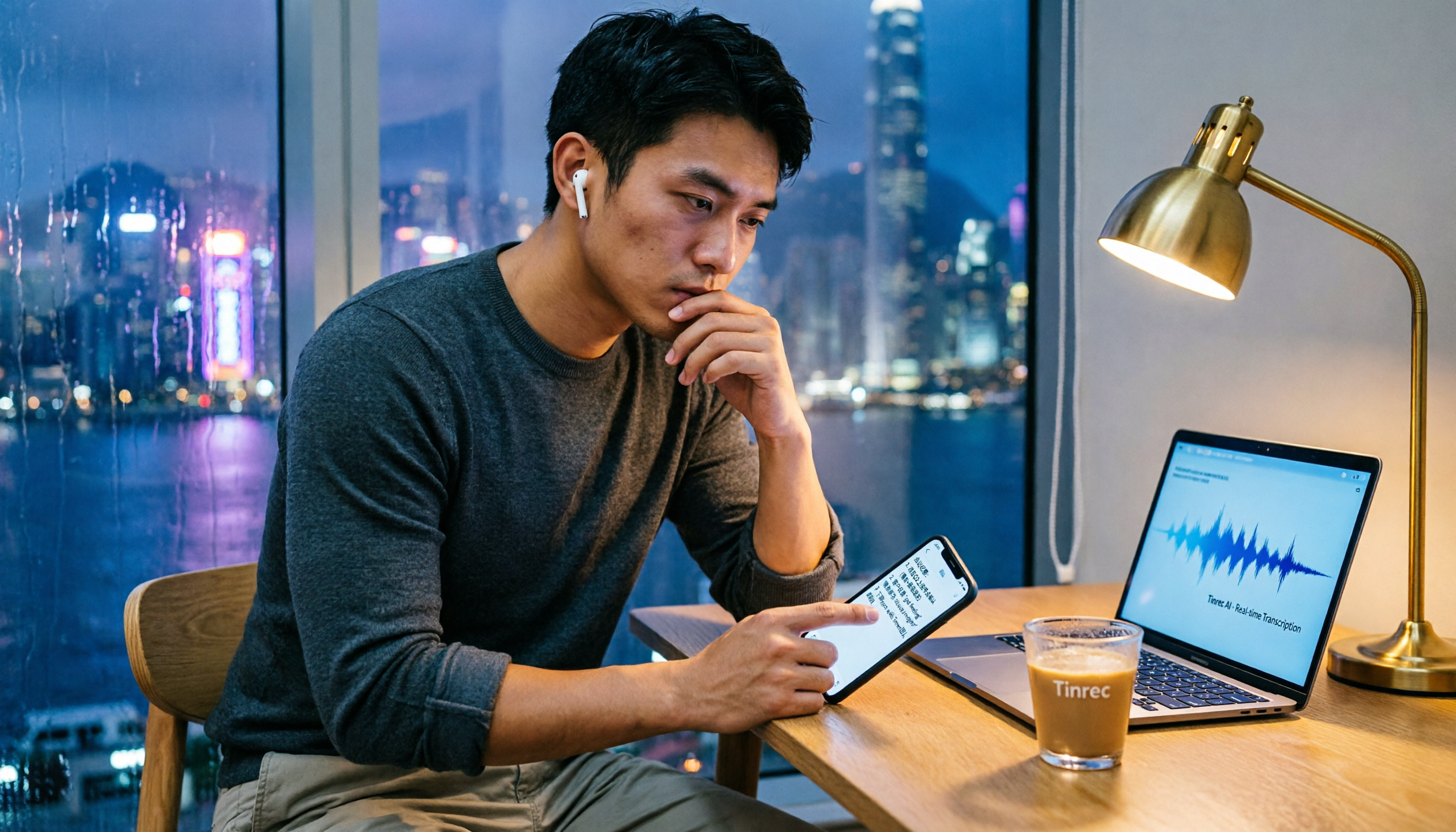
2026 Hands-On Comparison of 2 Meeting Note Tools: Google Meet is Free but Tinrec Better for Hong Kong Workers?
Google Meet offers free video conferencing and built-in transcription that seems sufficient, but our tests reveal significant gaps in Cantonese accuracy, AI summarization, cross-platform support, and export options compared to Tinrec's instant recording. This article by an unwire reporter compares both tools dimension by dimension from a Hong Kong worker's perspective, helping you decide if upgrading is worthwhile.
5 Google Meet Audio-to-Text Tools Compared in 2026: From Free to AI, All You Need to Know
Google Meet's built-in recording not enough? This article compares 5 popular Google Meet audio-to-text tools, including Tinrec, Otter.ai, Fireflies.ai, and more, from free plans to AI summaries, helping you choose the best meeting note assistant.

2026 Comparison of 3 Meeting Transcription Solutions: Is Google Meet's Built-in Transcription Enough?
The worst part of meetings is post-meeting cleanup. Google Meet has built-in transcription, but does it really save time? We test three solutions, from free to paid, to see which is best for meetings, classes, and interviews, and analyze why built-in features alone may not be enough.

Top 4 Subtitle Generator Tools in 2026: Free vs Paid Plans Compared
Looking to quickly add subtitles to videos, meetings, or lectures? This article tests 4 mainstream subtitle generators, comparing free credits, Chinese accuracy, and AI organization features to help you find the best choice.

2026 Horizontal Comparison of 4 Auto-Caption Apps: Are Free Student Plans Enough?
A senior information management student tested 4 auto-caption tools, from free quotas, speech recognition, AI summaries to cross-platform use, helping you save money.