
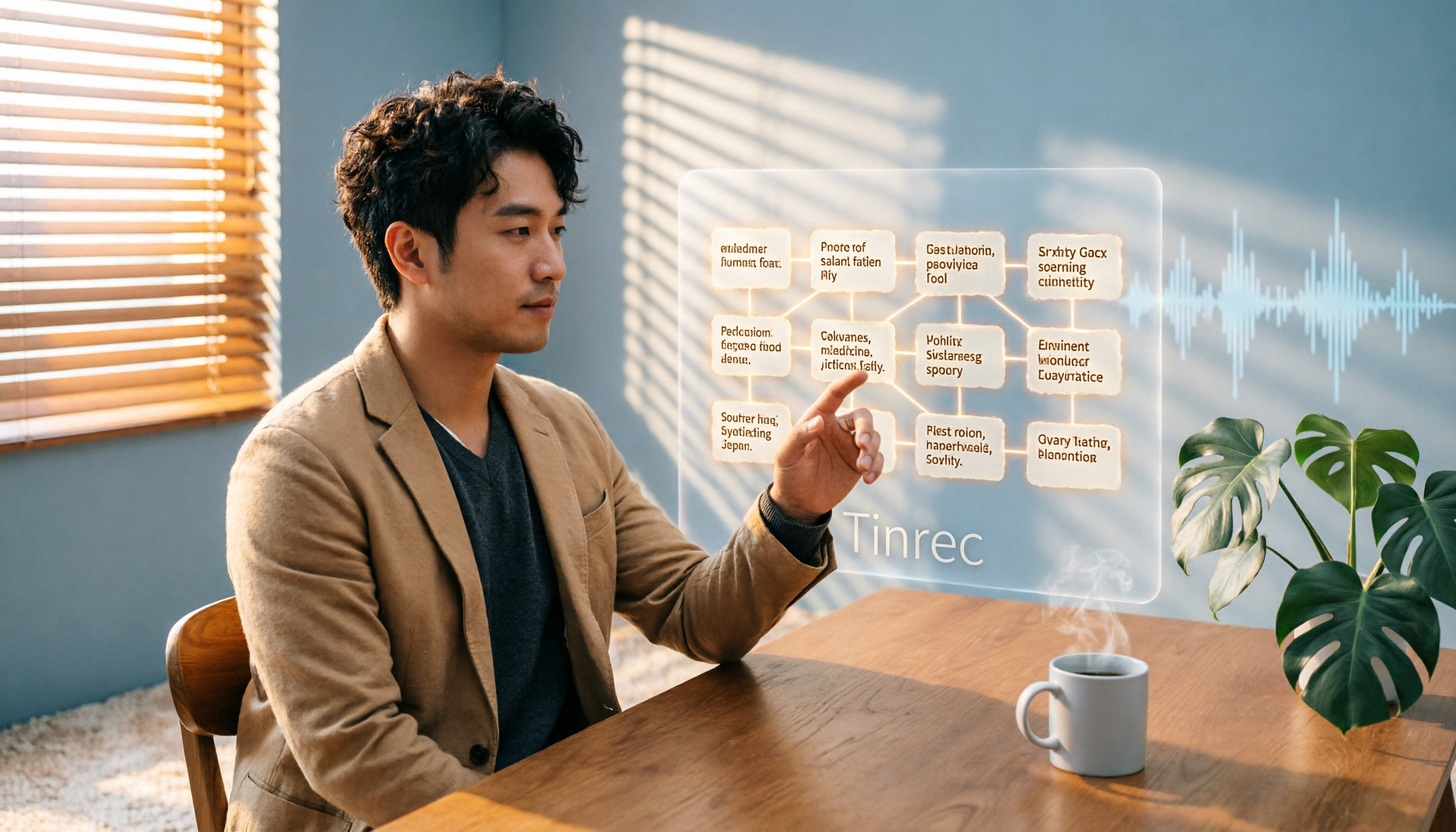
Turn recordings into transcripts and summaries in minutes
Upload audio or video for multilingual transcription, AI notes, and action items
I've been asked a lot lately: "Google Meet vs Zoom—which one is better?"
But digging deeper, I found that most people don't really care about call quality alone.
It's the mess that follows after the meeting ends.
Notes scattered everywhere, key points forgotten, no action items—these are the real productivity killers.
So instead of just comparing Meet and Zoom features, I want to share a more fundamental solution.
How to use AI transcription tools to make sure every meeting's outcomes are well organized.
Why do you need a meeting note taking tool?
Whether you use Google Meet, Zoom, or meet in person, the essence of a meeting is a group of people exchanging ideas and making decisions.
But human memory is unreliable, and handwritten notes often miss details.
A good meeting record turns discussions into searchable, actionable tasks that can be followed up on.
This article covers 5 tools I've personally tested, from free to paid, from software to hardware.
Option 1 | Tinrec (Smart Voice Recorder) – The most complete AI transcription assistant
Tinrec is more than just a voice recorder; it's a workstation that turns audio into "actionable knowledge."
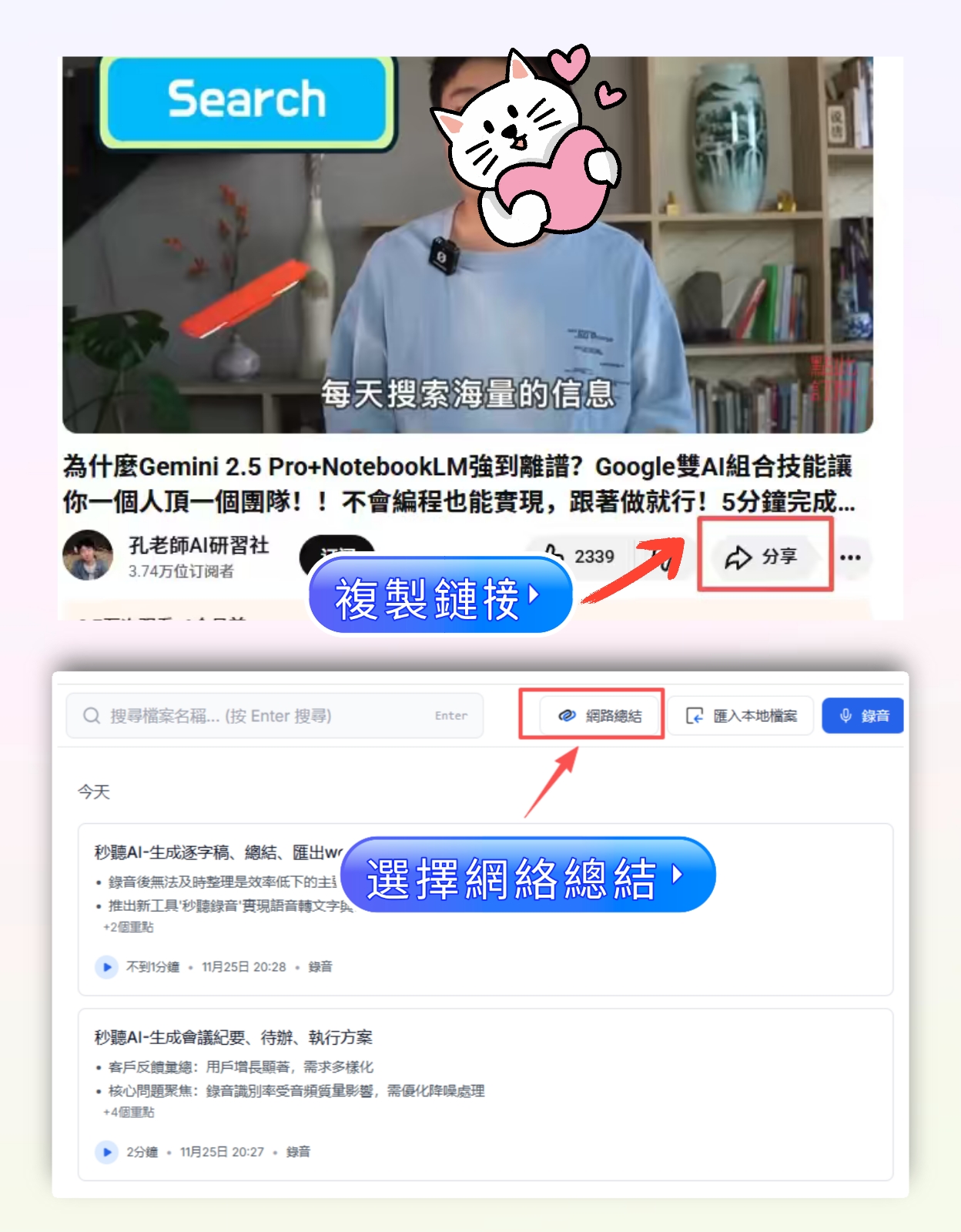
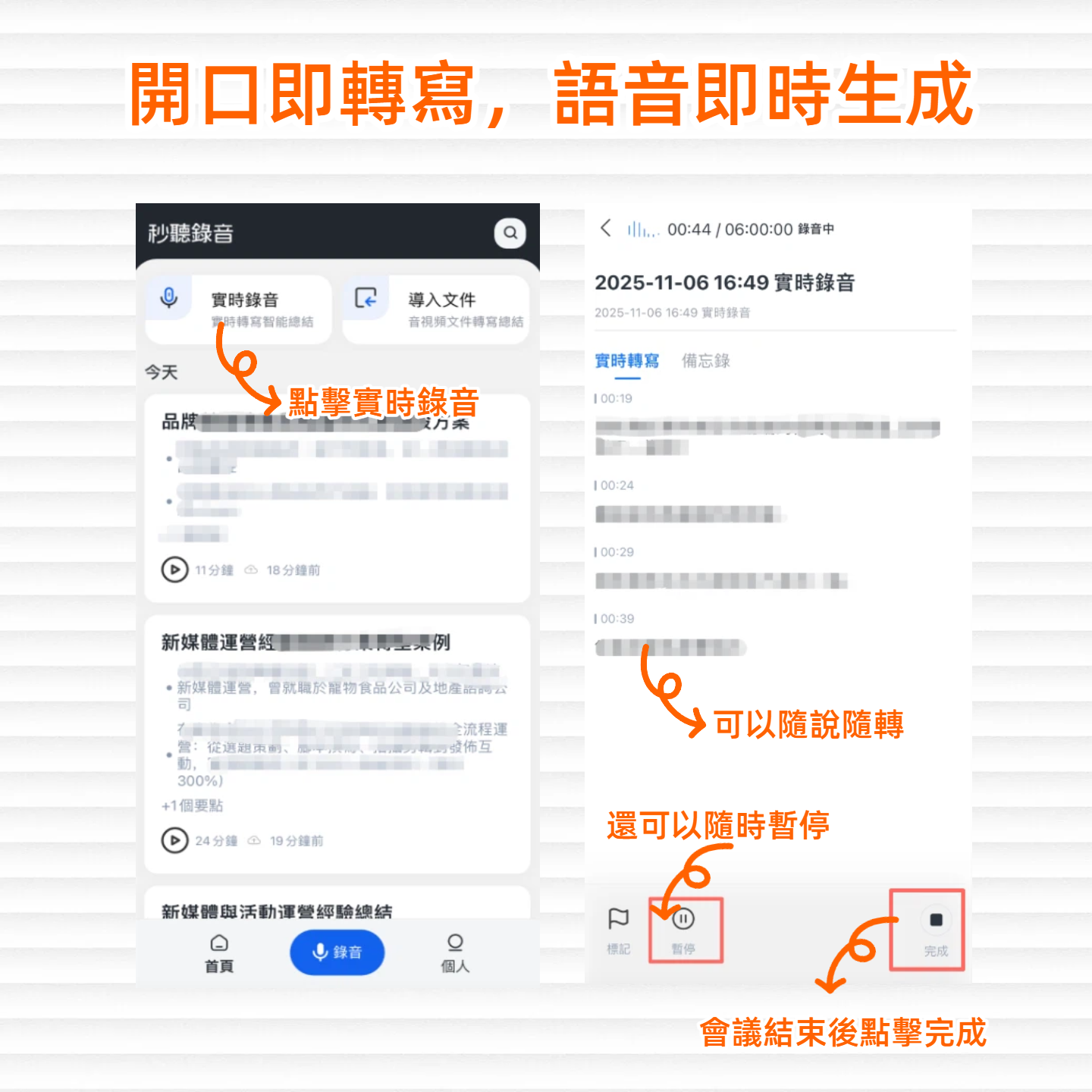
(Screenshot: Tinrec main interface, highlighting three entry points: live recording, file import, and web link)
Here are three things I particularly like:
Handles more than just meetings – processes all kinds of audio
You can record computer audio from Google Meet or Zoom, upload old recordings, or paste YouTube or TikTok video links.
In other words, it unifies your meetings, courses, interviews, and online videos in one place.Post-transcription organization is the real highlight
Beyond verbatim transcripts, it automatically generates summaries, breaks content into chapters, and extracts to-do items.
My favorite feature is the "AI chat query"—just ask it "What decisions were made in the last meeting?" or "What's the key formula from this lesson?"Particularly strong for Chinese content
For Taiwanese meetings, Chinese courses, and mixed Chinese-English discussions, the transcription and summaries are very reliable.
Pricing: there's a free tier to try, and if you have meetings or classes every week, the Pro monthly or annual plan is sufficient.
Best for: People who want to centrally manage all audio sources and need more than just transcripts—summaries, to-dos, and Q&A features.
Option 2 | Otter.ai – The professional AI meeting note bot
Otter is a veteran meeting note tool, known for automatically joining Zoom, Google Meet, and other platforms for real-time transcription with speaker identification.
(Screenshot: Otter real-time transcription screen, with arrows pointing to speaker labels and summary blocks)
- Free plan: 300 minutes/month. Pro: ~$8.33/month (billed yearly), with 1200 minutes and file import.
- Its meeting summaries and keyword search are fast, ideal for English business meetings.
- Difference from Tinrec: Otter is more of a meeting bot; Tinrec handles more sources (online videos, old files).
Stop organizing recordings by hand
Upload audio or video and automatically get a transcript, summary, and action items
Best for: People who frequently have English online meetings and need team-shared meeting notes.
Option 3 | Fireflies.ai – The meeting automation helper
Fireflies also focuses on meeting bots. It can automatically join calendar meetings, transcribe, and let you ask AI questions (AskFred).
(Screenshot: Fireflies meeting dashboard showing to-do action items and a search bar)
- Free plan offers unlimited transcription and AI summaries, but limited team storage. Pro: $10/user/month (billed yearly).
- Its CRM integration is strong, great for sales teams. However, it's less handy for personal Chinese courses or online video organization.
- Tinrec leans more towards a personal knowledge base, while Fireflies is more about team workflow automation.
Best for: Sales teams, users who need to auto-push meeting content to Slack, CRM, etc.
Option 4 | Notta – A versatile voice-to-text tool
Notta is a comprehensive transcription tool supporting apps, web, meeting notes, and also offers translation and subtitle features.
(Screenshot: Notta transcription result page showing original text, translation, and subtitle timeline)
- Free plan: 120 minutes/month. Pro: ~$8.17/month (billed yearly), with 1800 minutes and more formats.
- Its transcription speed and multilingual support are good, but it lacks the deep "AI chat query" and "auto minutes" features that Tinrec offers.
- Suitable for those who simply need to convert speech to text or create subtitles.
Best for: Translators, subtitle creators, users who need fast batch transcription without deep post-processing.
Option 5 | PLAUD NOTE – A portable hardware recording solution
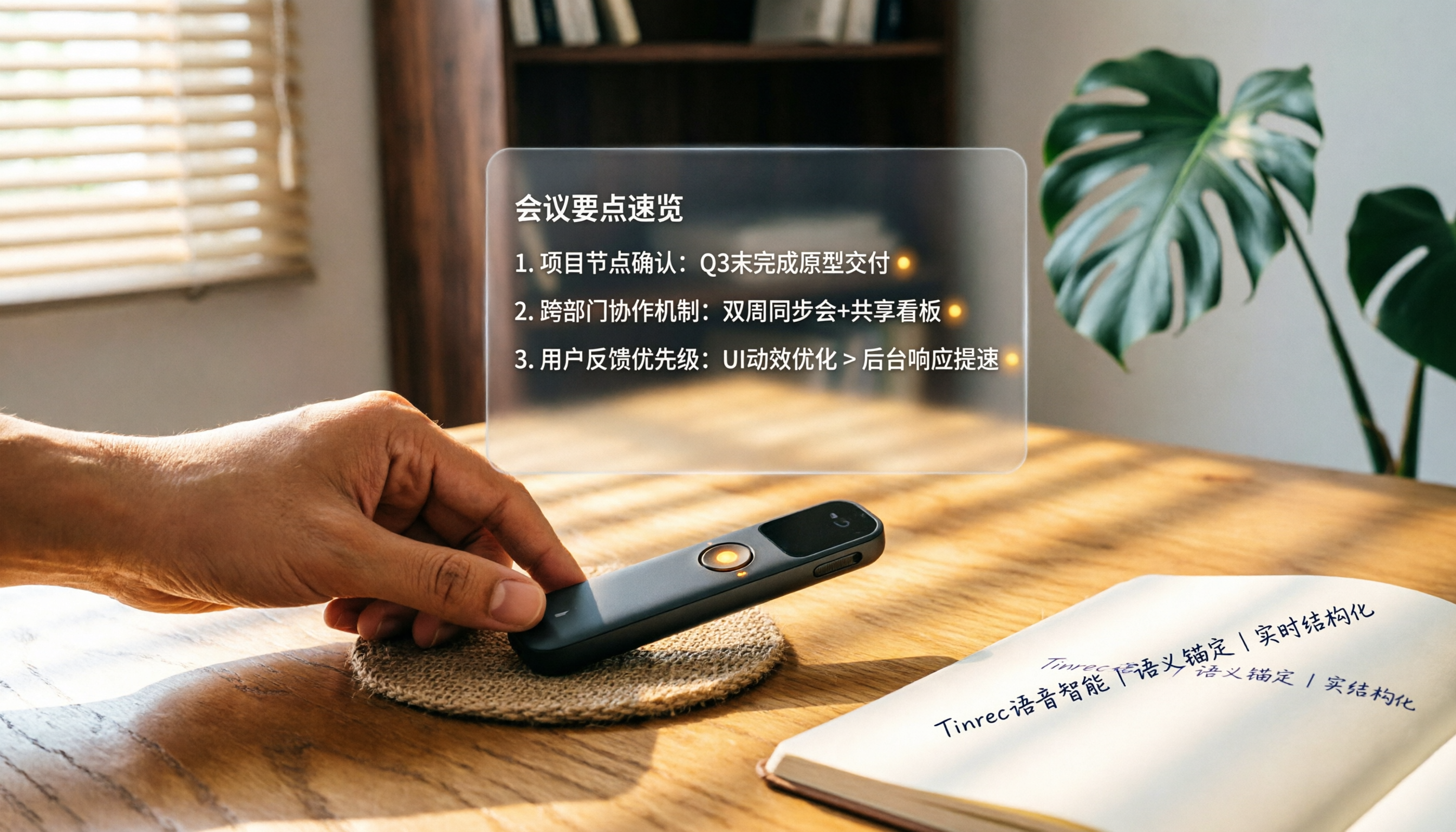
PLAUD is a standalone recording device—slim and portable—ideal for those who don't like using their phone to record or need a physical button for quick start.
(Screenshot: PLAUD Note device, with arrows pointing to the record button and magnetic design)
- Hardware pre-order starts at ~$179, plus an annual plan to unlock full transcription minutes.
- Pros: convenient for on-the-go recording, good battery life. But if you already have a phone, the hardware cost and additional management app may be redundant.
- Tinrec's advantage: you can use it directly on your phone or computer without carrying extra gear.
Best for: Interviewers who are often on the road and don't want to use their phone, or users who value physical recording stability.
With so many options, how do you choose?
• Want the most complete AI features (transcription + AI chat query + auto minutes) → Tinrec (the only one with all these features)
• Meetings are all in English and need auto-join for Zoom/Meet → Otter.ai or Fireflies.ai
• Only need simple transcription and subtitles → Notta
• Prefer a dedicated voice recorder instead of a phone → PLAUD
• If you're a hybrid user handling meetings, courses, and online videos all together → Tinrec best fits your needs
3 things to know before using a meeting note tool
Recording quality determines transcription quality
If the environment is noisy or the microphone is poor, even the best tool will suffer. Tools like Tinrec support computer audio recording for meetings, which is much clearer than recording with a phone speaker.AI summaries need manual review
AI saves you 80% of the time, but for key decisions, numbers, and names, always check back with the original text. This is a general principle for all AI tools.Free plans are good for trials, but paid plans are needed long-term
Free versions usually limit minutes or features. If you really want to build your own meeting database, a monthly fee of around $10–$20 is a worthwhile investment.
Summary
Meeting note tools aren't meant to replace your notes; they save you the effort of "listening" and "organizing" so you can focus on thinking and acting.
Among these 5, Tinrec is one of the few that can handle meetings, courses, and online videos while also offering query Q&A.
Start with the free version and run a real meeting through it—you'll gradually feel that lightness of "meeting ends, data is already organized."
Turn every recording into actionable outcomes
Get 60 free transcription minutes when you sign in. No credit card required.
Related Reading
You might also like
How to Choose a Smart Voice Recorder in 2026: A 4-Step Guide from Recording to AI Summaries
A smart voice recorder is more than just hardware; choosing the right approach makes recordings truly useful. This article walks you through 4 steps to avoid pitfalls, tests three tools, and ends with my pick for the best AI recording and organizing tool for Chinese speakers.
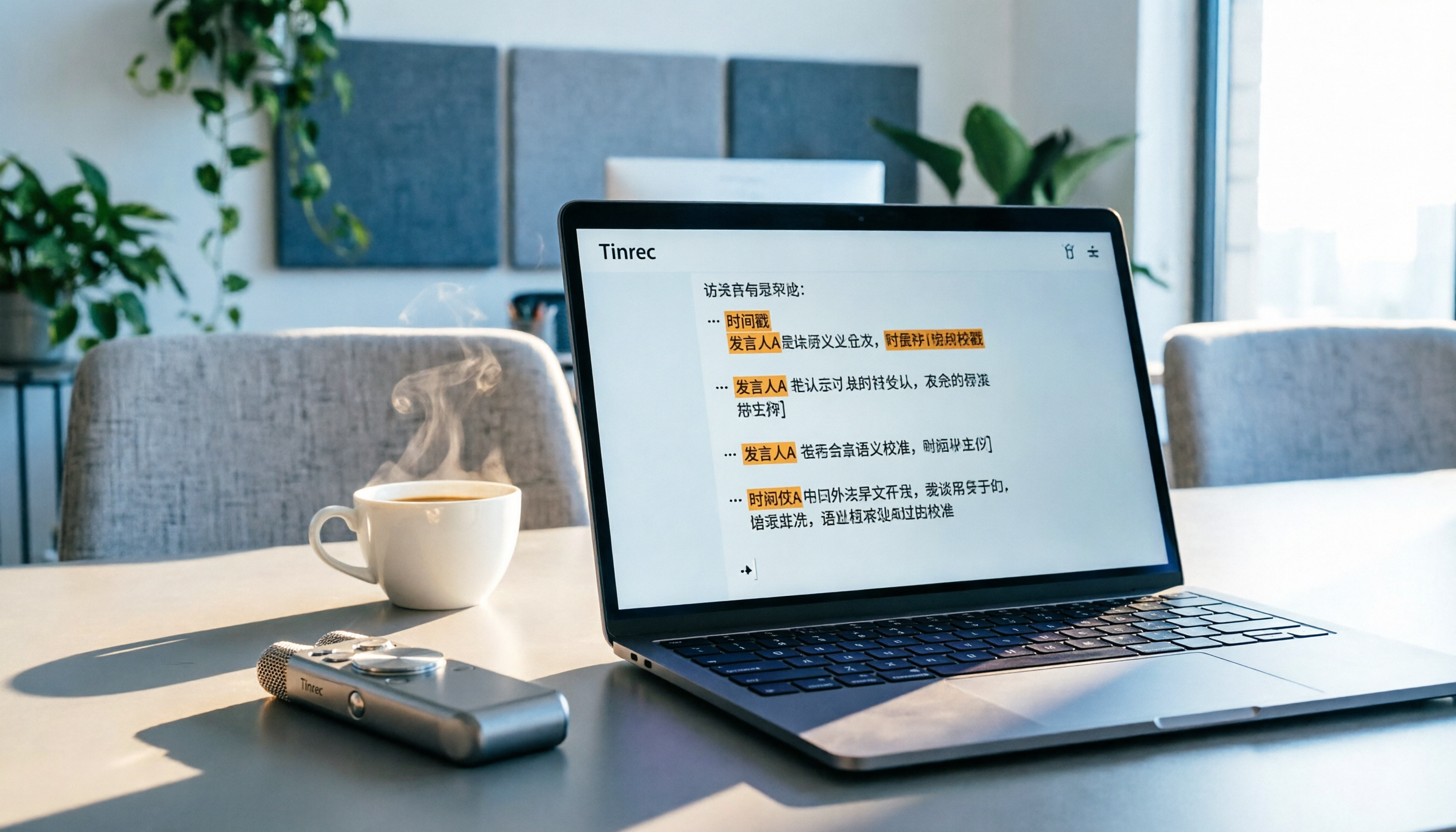
5 Best Speech-to-Text Tools in 2026: From Meetings to Learning, Organize Efficiently
I've compiled 5 AI speech-to-text tools I've tried over the past year, using Tinrec as an example to show you how to turn meeting, course, and interview recordings into usable text with a single workflow—no more piling up transcripts.
2026 Tested: 5 Recording Solutions Compared—Are Mobile Apps Really Better Than Voice Recorders?
Still debating whether to buy a voice recorder? What you really need is a tool that turns recordings into text and highlights key points. This article tests 5 recording-to-text and organization solutions, from free apps to AI recording hardware, to help you find the best fit—and explains why Tinrec is our top all-purpose recommendation.
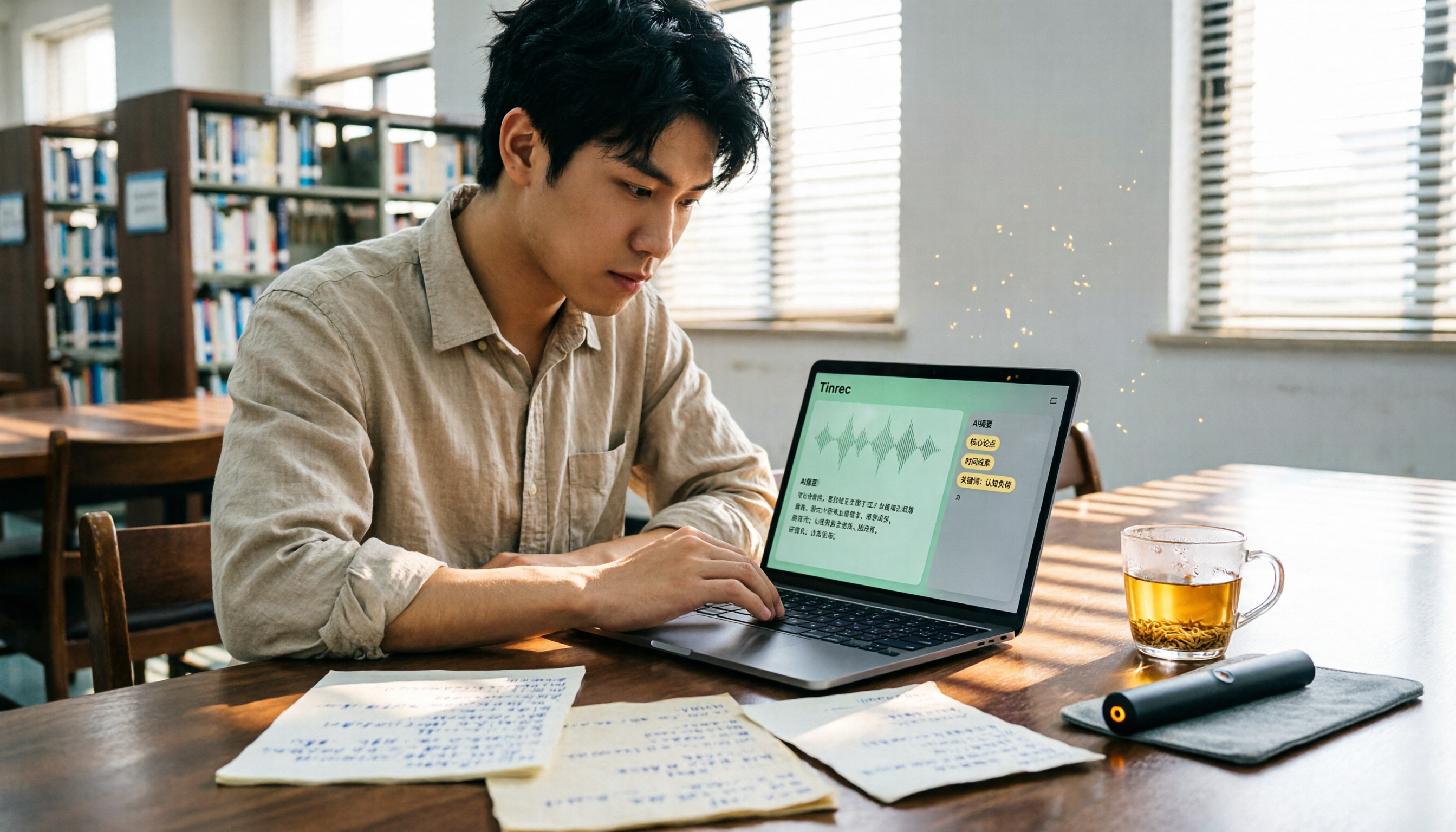
2026 Long-Battery Voice Recorder Free Options: 5 Picks Reviewed
Running out of battery on your voice recorder during class is a nightmare? We tested 5 recording and AI organization tools, from free apps to paid plans, from a student's perspective to tell you which is best for long recordings, comparing battery life, audio quality, and AI features.

Tinrec vs Otter.ai 2026: A 5-Dimension Showdown for Students Needing Large-Capacity Audio/Video Organization
Tired of large recordings? A senior student tests Tinrec and Otter.ai, comparing input sources, Chinese accuracy, AI note features, free tiers, and pricing to see which tool better suits students' transcription needs, saving you money.

3 Workplace Voice Recorders Tested in 2026: Which One Is the Ultimate Meeting Notes Sidekick?
How should you choose a voice recorder for the workplace? We tested a traditional voice recorder, phone recording, and the AI recording app Tinrec, comparing portability, post-processing, and budget to find the best meeting note solution for office workers.

Voice Recorder vs. Phone Recording in 2026: How to Choose? 5 Steps to Build an Efficient Recording Workflow
Still torn between a voice recorder and your phone for recording? This article starts from real-world use cases, teaches you how to find the best recording solution in 5 steps, and tests the AI recording tool Tinrec to see how it solves the pain points of traditional recording, saving you hours of organizing time.

How to Choose a Cost-Effective Voice Recorder in 2026: 4 Steps to Compare Recorders and AI Tools
Thinking about buying a voice recorder but unsure how to evaluate value for money? This article compares traditional voice recorders and AI recording tools from perspectives like features, price, and post-processing, helping you pick the best recording solution.

2026 Test: AI Software vs. Hardware Noise Reduction for Voice Recorders—Which Keeps Meetings and Lectures Clearer?
I tested popular voice recorders and AI recording software, and found that hardware doesn't always beat software for noise reduction. This article compares Tinrec and PLAUD Note in real-world scenarios, covering noise reduction, organization features, and long-term use, to help you choose the right solution.